Peter Gordon's work delves into the rich history of education, examining educational policy and political history. As an Emeritus Professor of Education, he brings a wealth of academic insight and practical experience to his writings. His scholarship is distinguished by its analytical depth and the skillful way it connects historical contexts to contemporary educational issues. Readers will find his explorations offer a profound understanding of the evolution of educational systems.
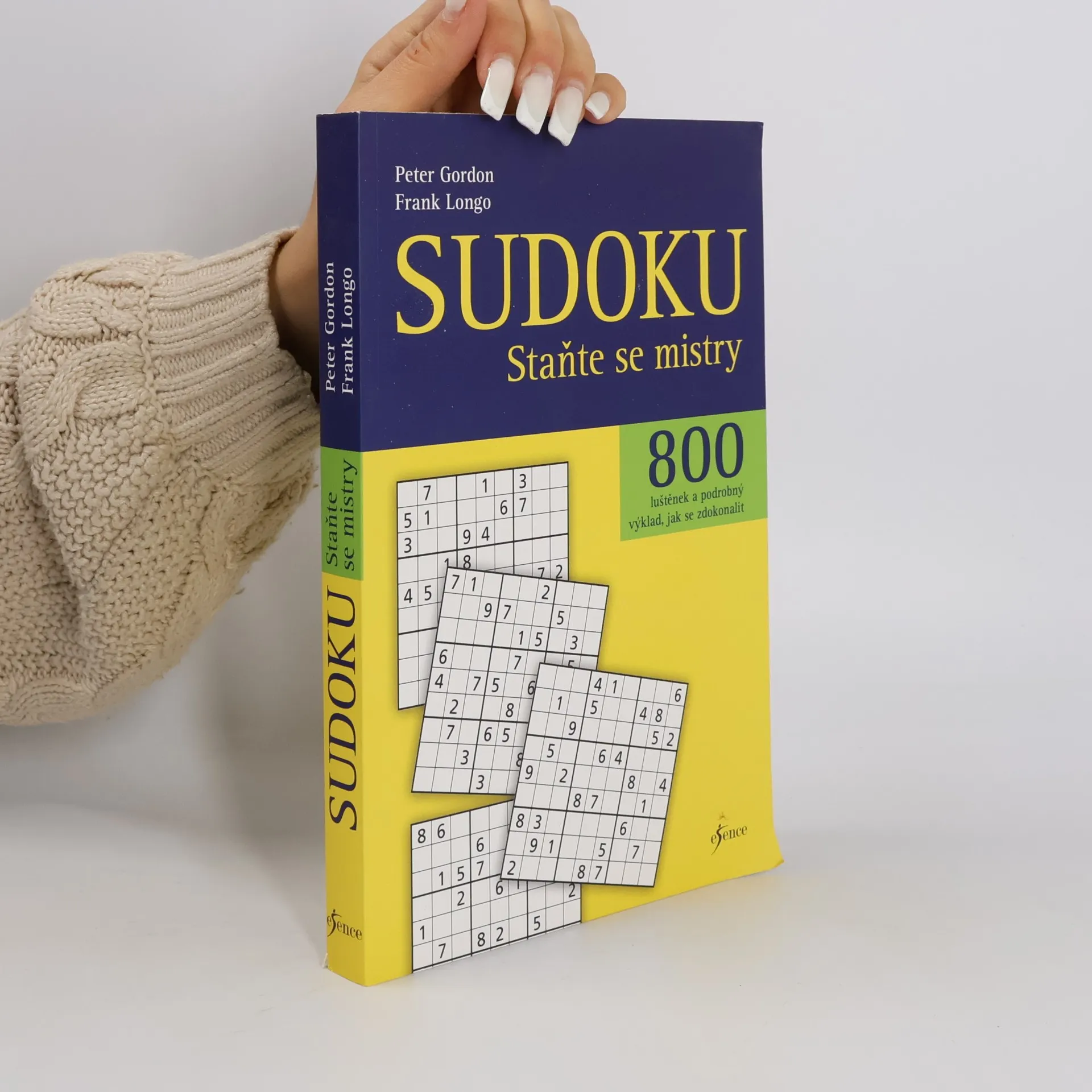
You say you can't get enough sudoku? Challenge accepted! With more than 900
puzzles at all difficulty levels (gradually increasing from easy to medium to
hard), this massive collection should be enough sudoku for anyone for a while,
anyway.
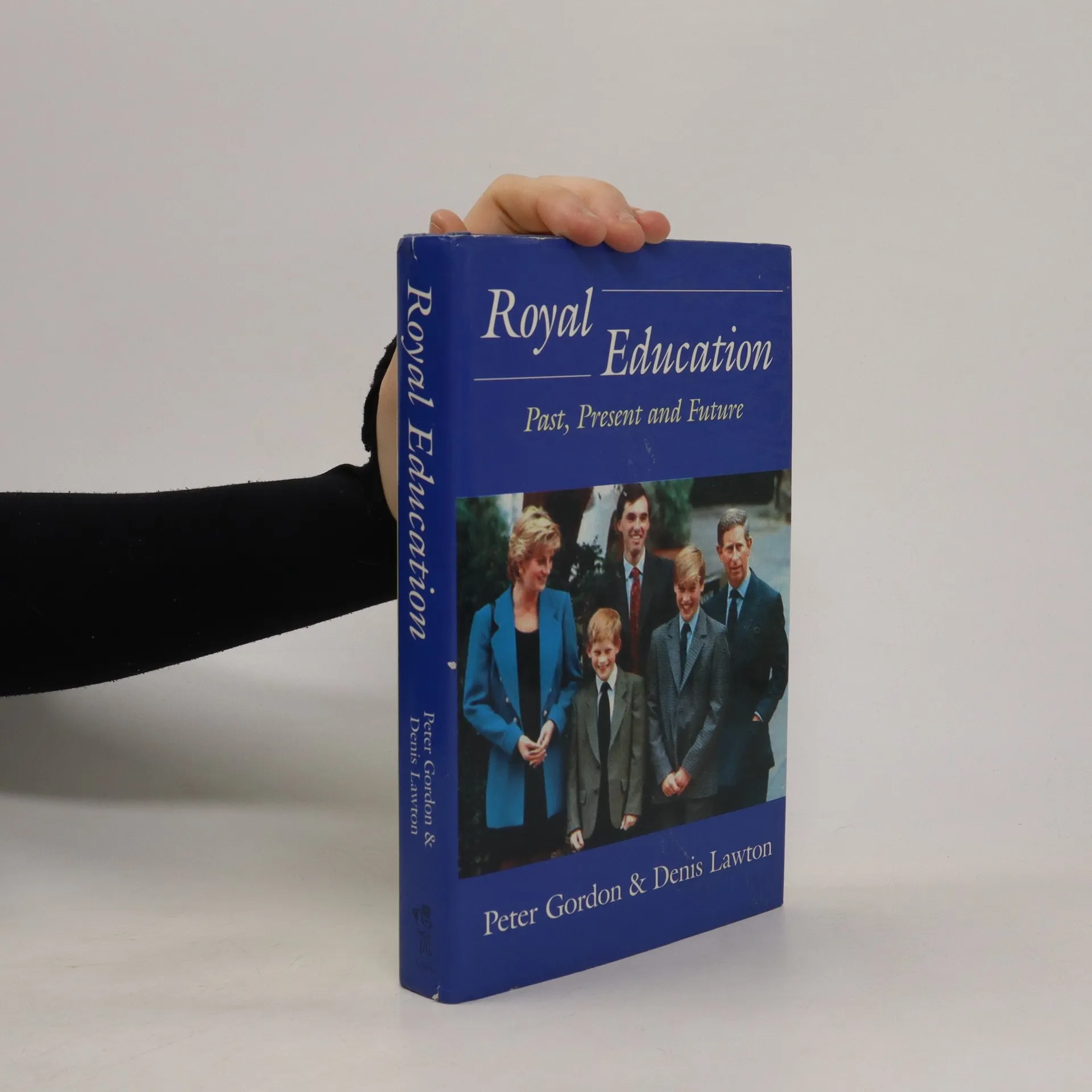
Many people assume that kings and queens have generally received a "good education", perhaps the best that money could buy at the time. This book investigates the reality: what is known about the education of British sovereigns from the beginning of the Tudor period to the end of the 20th century. There have been enormous differences in the seriousness with which education was regarded at different points in history. For example Henry VIII and his children were educated at a high point in the Renaissance, when educational ideas were regarded as important as well as exciting. Queen Elizabeth I was by any standards extremely well educated; by contrast Queen Elizabeth II's education has been described as "undemanding", because her parents wanted her to have a happy childhood. Peter Gordon and Denis Lawton have traced changes in royal education through the centuries and related them not only to educational ideas and theories, but also to changing political, social and religious contexts. The monarchy itself has changed as an institution: from the semi-absolute authority of the Tudors to a much more limited kind of monarchy by the end of the Stuart period (after one king had been executed and another exiled) to the constitutional monarchy of the 20th century. To what extent have such changes made any difference to royal education? What is the most appropriate kind of education for future kings and queens in our present day democracy? In this book, the authors confront these and other such questions and explore some of the answers.t;BR>The monarchy itself has changed as an institution: from the semi-absolute authority of the Tudors to a much more limited kind of monarchy by the end of the Stuart period (after one king had been executed and another exiled) to the constitutional monarchy of the 20th century. To what extent have such changes made any difference to royal education? What is the most appropriate kind of education for future kings and queens in our present day democracy? In this book, the authors confront these and other such questions and explore some of the answers.
Easy sudoku are perfect for solving when you have a few minutes on your
hands...wherever you may be. Just toss this pocket-size book into your bag or
leave it in a convenient location, and you'll be ready for sudoku-solving
enjoyment at any moment!
A beautifully written exploration of religion's role in a secular, modern politics, by an accomplished scholar of critical theory Migrants in the Profane takes its title from an intriguing remark by Theodor W. Adorno, in which he summarized the meaning of Walter Benjamin's image of a celebrated mechanical chess-playing Turk and its hidden religious animus: "Nothing of theological content will persist without being transformed; every content will have to put itself to the test of migrating in the realm of the secular, the profane." In this masterful book, Peter Gordon reflects on Adorno's statement and asks an urgent question: Can religion offer any normative resources for modern political life, or does the appeal to religious concepts stand in conflict with the idea of modern politics as a domain free from religion's influence? In answering this question, he explores the work of three of the Frankfurt School's most esteemed thinkers: Walter Benjamin, Max Horkheimer, and Theodor W. Adorno. His illuminating analysis offers a highly original account of the intertwined histories of religion and secular modernity.
Looking for a unique puzzle experience? Check out Word Solitaire, a new word-guessing game that features a spread-out deck of playing cards. Each letter in your guess is represented by a playing card; to check your guess, you quickly scan the row of cards at the bottom of the page. If the card is face-up in the display, the letter is in the word, but in the wrong spot. If the card is face-up and sticking up above the rest of the deck, the letter is in the correct position. If the card is not there at all, the letter is not in the word. If that sounds complicated, it isn't! Try one game and you'll get the hang of it right away.
Delicious Step-by-Step Recipes for Successful Home Cooking
496 pages
18 hours of reading
Hundreds of recipes and practical step-by-step advice from the world's top chefs show you how to master key techniques, develop new skills and succeed every time * SHAUN HILL on SOUPS * MARCUS WAREING on MEAT * DAN LEPARD on BREAD * ATUL KOCHHAR on INDIAN COOKING * PETER GORDON on SPICES * and MANY MANY MORE * Share their passion, expand your range and enjoy cooking everything - simply.