The Kiss and Other Stories
- 224 pages
- 8 hours of reading
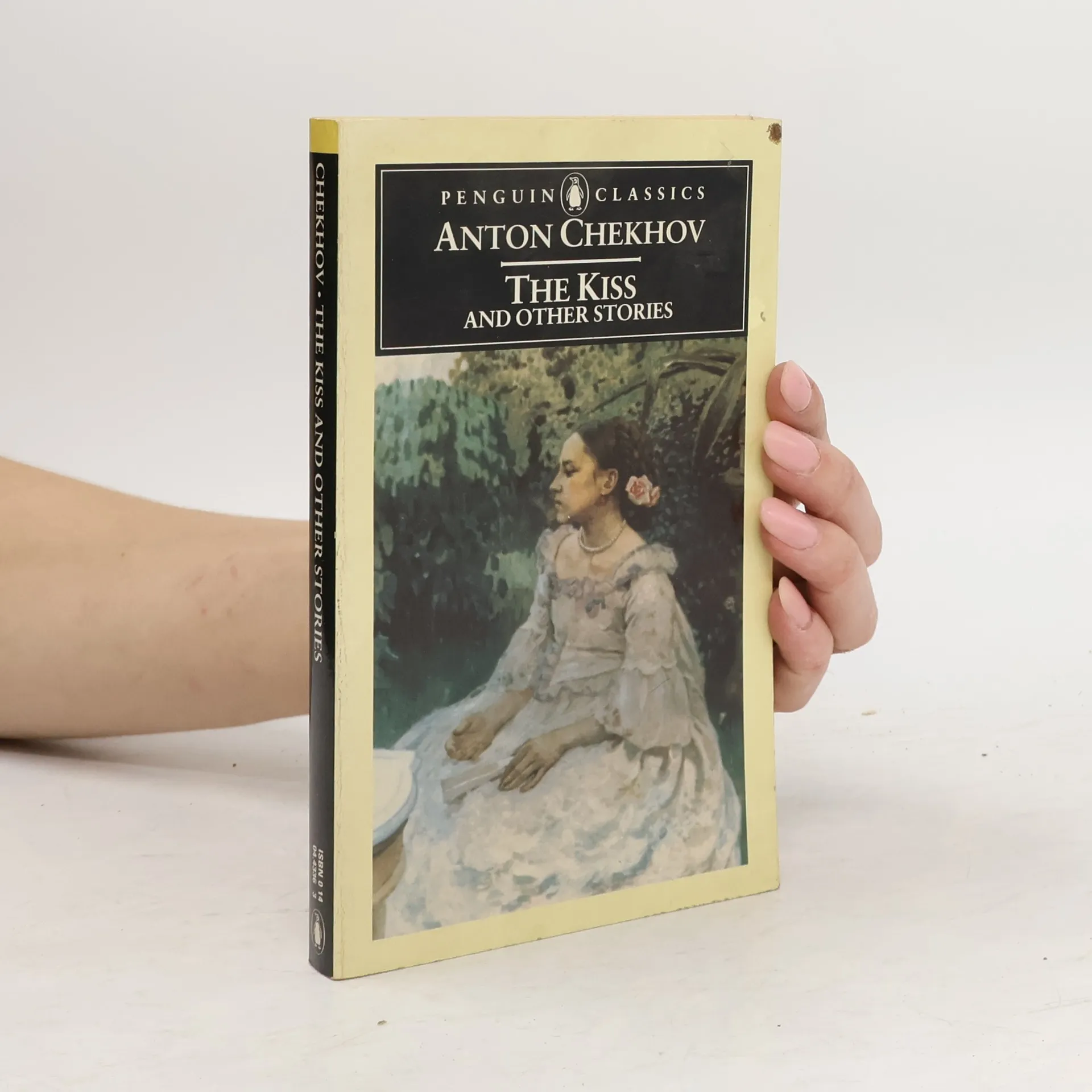
Ten classic short stories by the master Russian author explore the daily lives of peasants and the interrelationships of men and women.





Ten classic short stories by the master Russian author explore the daily lives of peasants and the interrelationships of men and women.
'I could hear the frost crackling outside. Greenish moonbeams shone through windows covered with patterns of ice...' One of the most moving accounts of being a boy ever written, My Childhood is a both wonderful and harrowing memoir - and one of the great works of Russian literature. A new series of twenty distinctive, unforgettable Penguin Classics in a beautiful new design and pocket-sized format, with coloured jackets echoing Penguin's original covers.
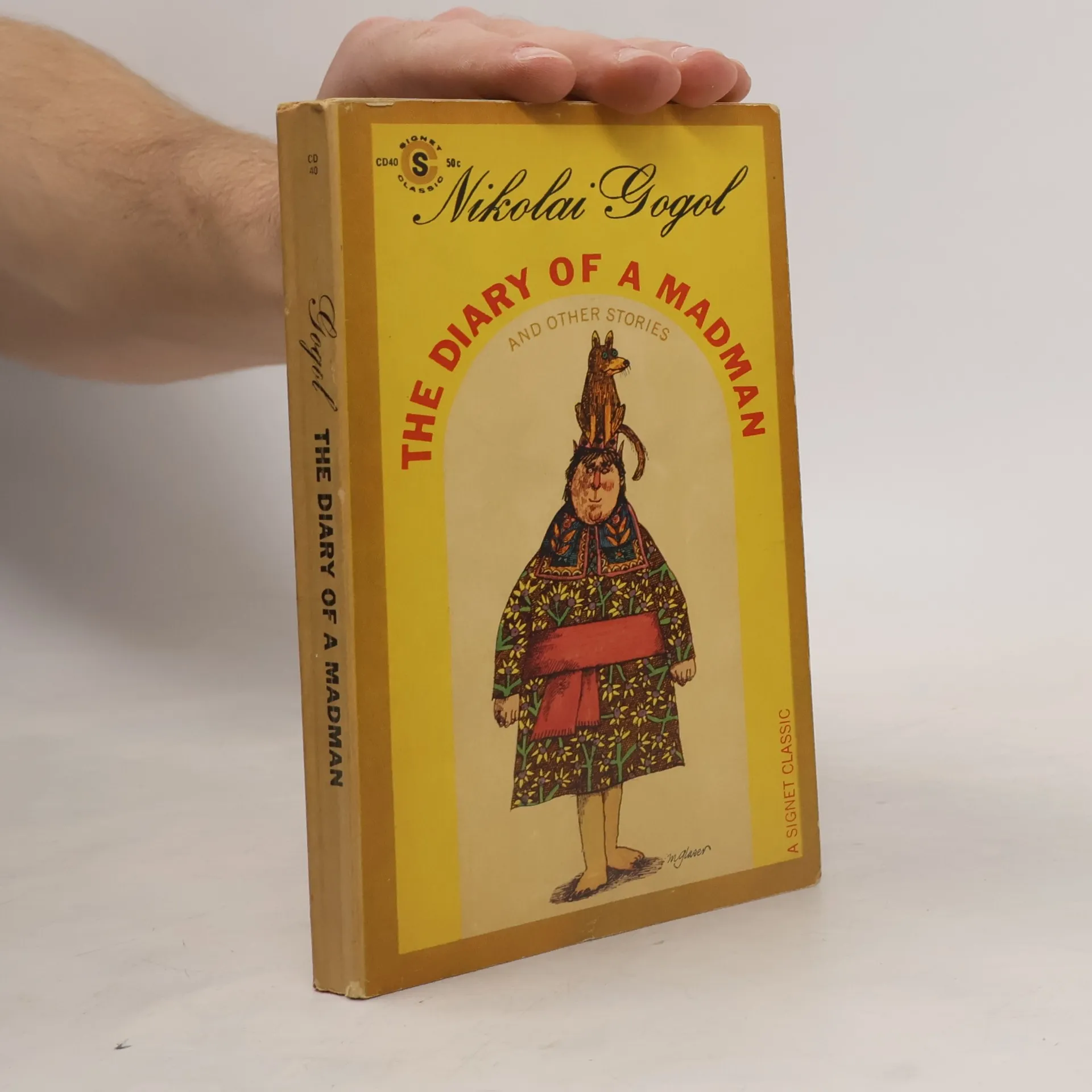
Illuminates the Russian writer's thoughts on madness, bureaucracy, and illusion in these five tales
"The Nose" is a satirical short story by Nikolai Gogol. Written between 1835 and 1836, it tells of a St. Petersburg official whose nose leaves his face and develops a life of its own.
Includes: - How Much Land Does a Man Need? - What Men Live By
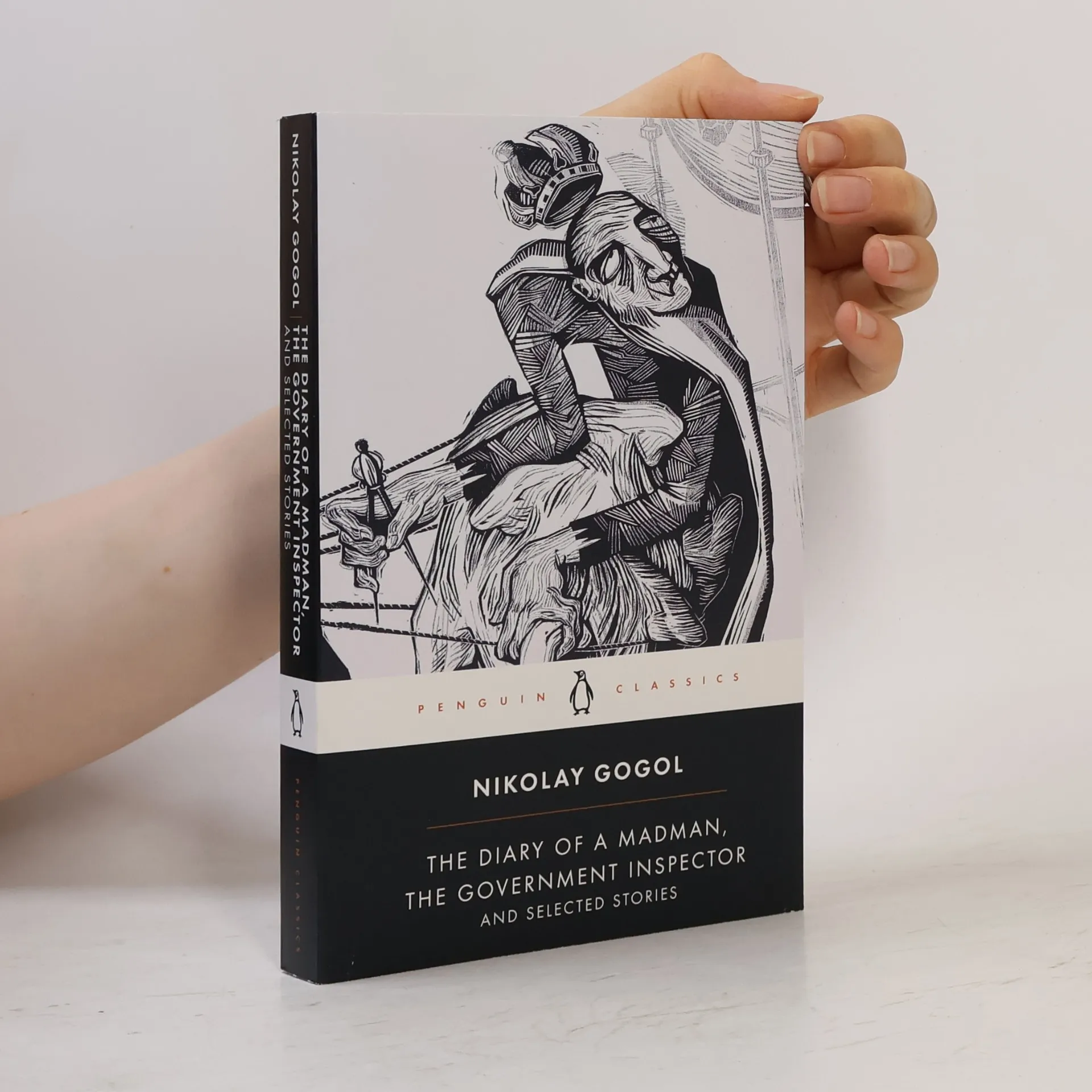
Nikolai Gogol's work offers a sharp critique of society, highlighting the absurdities of bureaucracy and corruption. This collection features his renowned drama "The Government Inspector," celebrated for its biting satire, and a range of short stories that explore the lives of society's marginalized, from clerks to swindlers. Notable pieces include "Diary of a Madman," which delves into madness, "Nevsky Prospect," portraying obsession, and "The Overcoat," a poignant reflection on poverty that left a lasting impact on Russian literature.