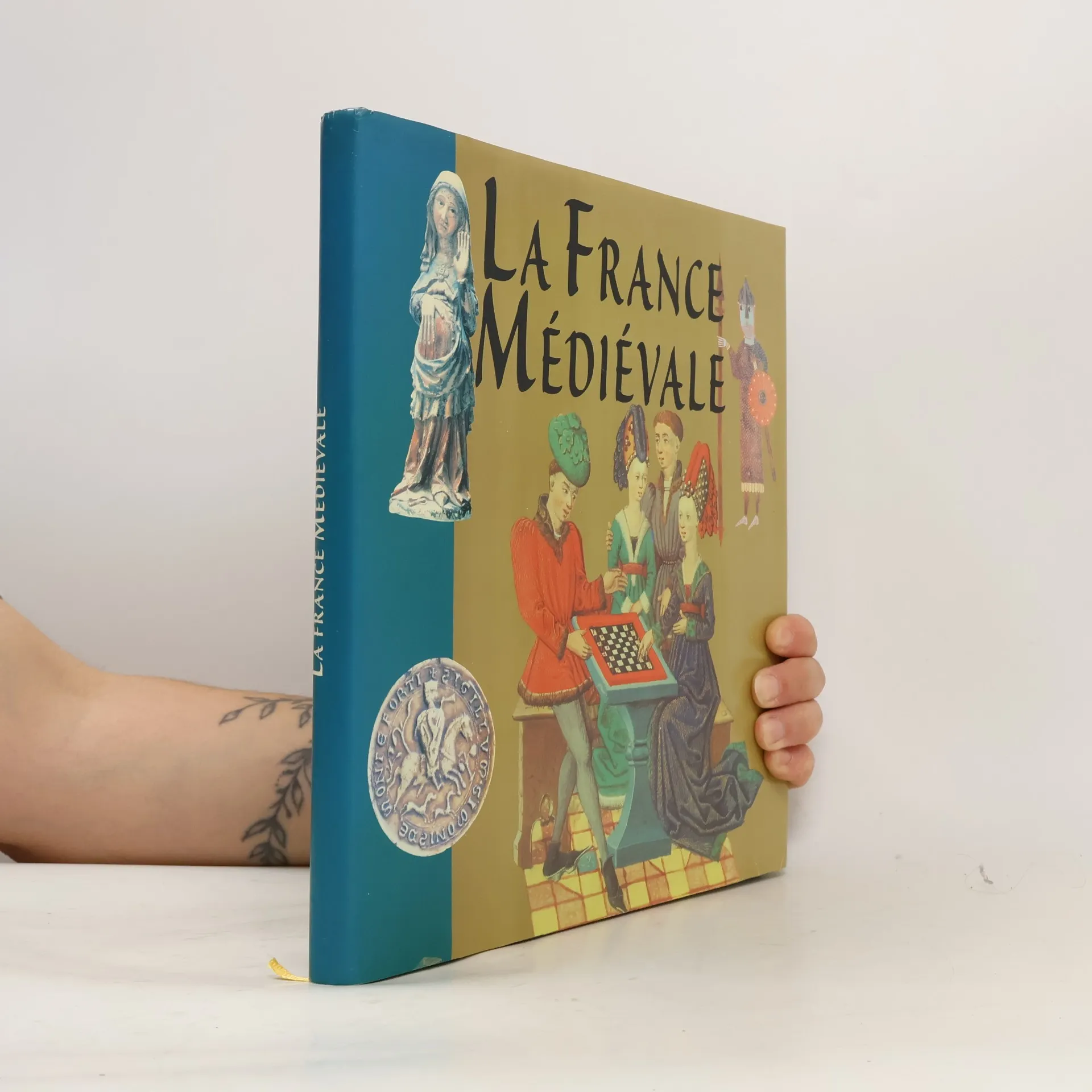
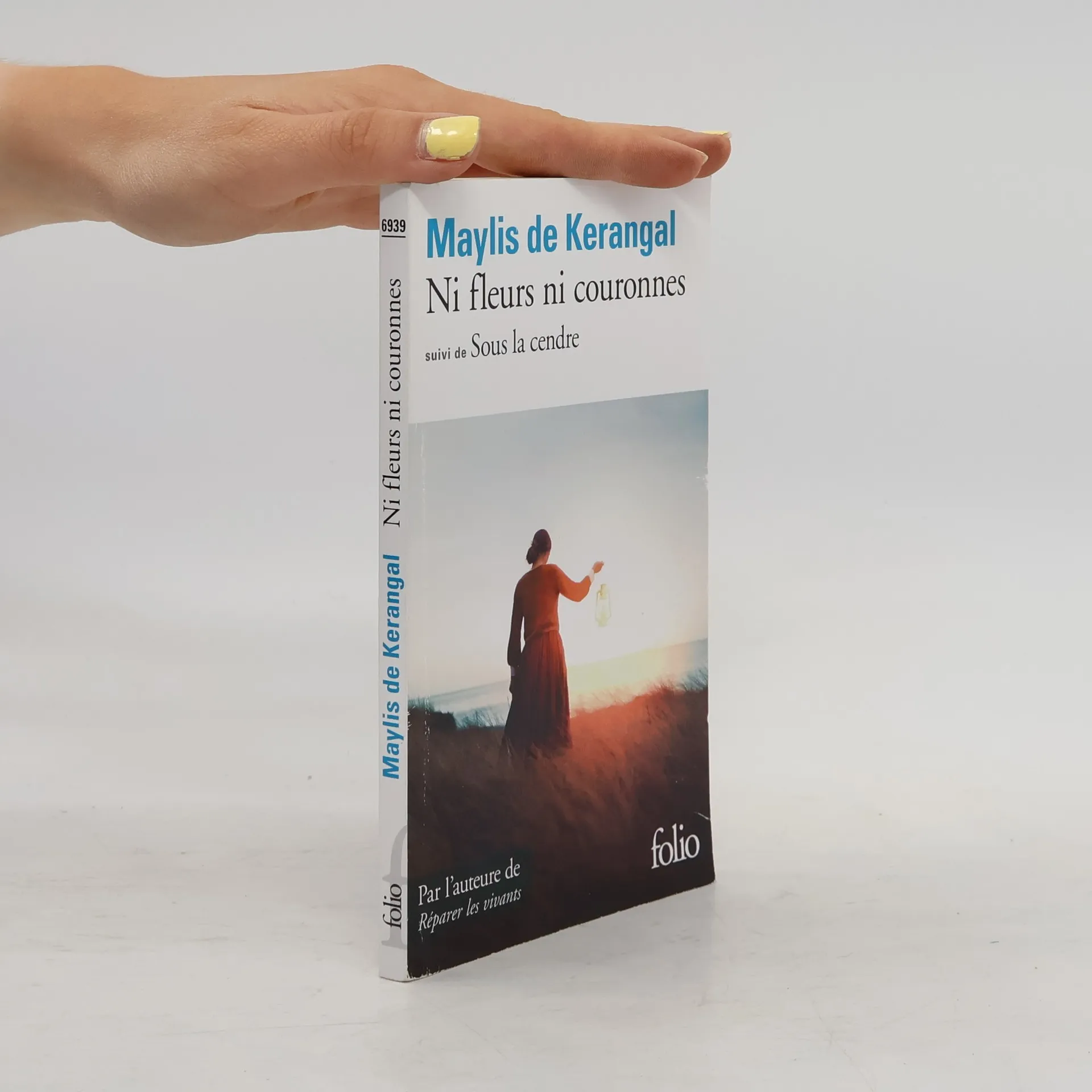
"In this swirling, gripping tale, a young Russian conscript and a French woman come together in a crowded compartment of the Trans-Siberian railroad, each of them fleeing to the east for their own reasons"-- Provided by publisher
Maylis de Kerangal Books
June 16, 1967
Maylis de Kerangal is a contemporary French author whose works are known for their deep exploration of human experience, particularly within the context of physical labor and its profound meanings. Her style is characterized by precise, almost surgical observation of the body and its actions, which she intertwines with existential questions of life and death. She often examines how work shapes our identity and its impact on relationships and society. Kerangal's approach to writing is marked by great craftsmanship, creating rich and layered texts that draw readers into the world of her characters and their environments.




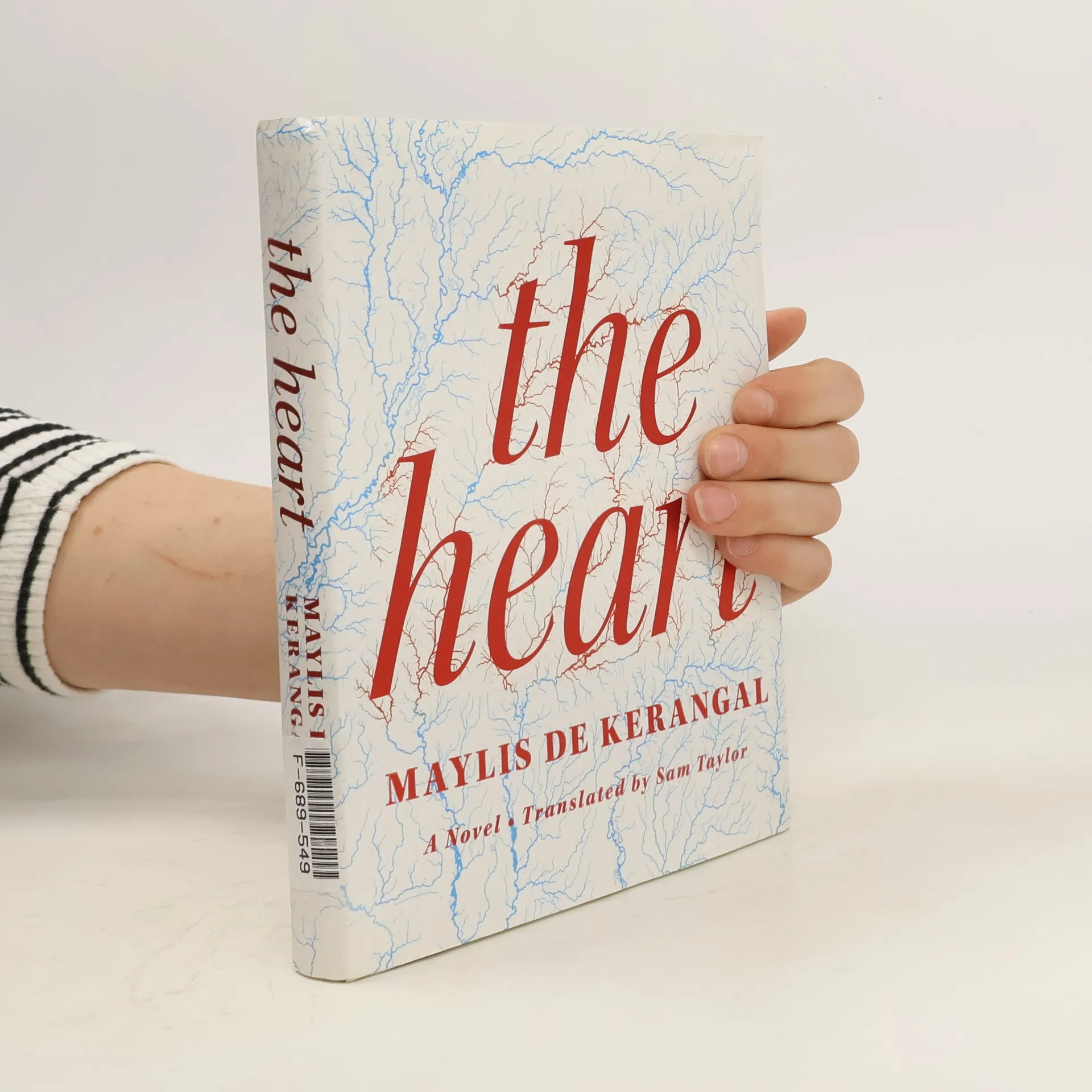
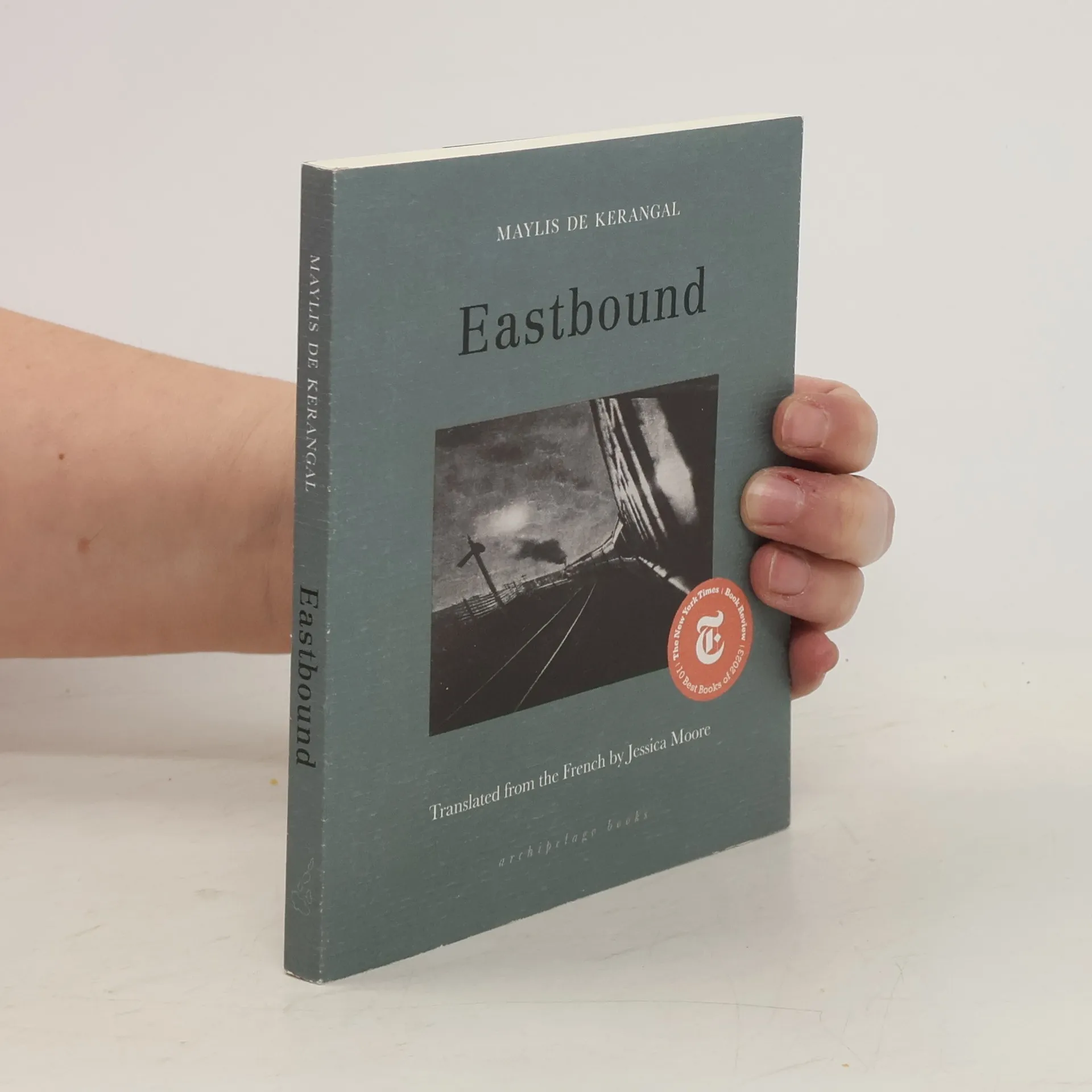
The Heart
- 242 pages
- 9 hours of reading
"An audacious novel about the 24 hours surrounding a heart transplant"--
The Cook
- 112 pages
- 4 hours of reading
"A slim, bountiful, beautifully written (and gorgeously translated) 'Portrait of the Chef as a Young Man.'" --Nancy Klinke, The New York Times Book Review One of BBC Culture's Ten Books to Read this March and The Rumpus Book Club Pick for March Maylis de Kerangal follows up her acclaimed novel The Heart with a dissection of the world of a young Parisian chef More like a poetic biographical essay on a fictional person than a novel, The Cook is a coming-of-age journey centered on Mauro, a young self-taught cook. The story is told by an unnamed female narrator, Mauro’s friend and disciple who we also suspect might be in love with him. Set not only in Paris but in Berlin, Thailand, Burma, and other far-flung places over the course of fifteen years, the book is hyperrealistic—to the point of feeling, at times, like a documentary. It transcends this simplistic form, however, through the lyricism and intensely vivid evocative nature of Maylis de Kerangal’s prose, which conjures moods, sensations, and flavors, as well as the exhausting rigor and sometimes violent abuses of kitchen work. In The Cook, we follow Mauro as he finds his path in life: baking cakes as a child; cooking for his friends as a teenager; a series of studies, jobs, and travels; a failed love affair; a successful business; a virtual nervous breakdown; and—at the end—a rediscovery of his hunger for cooking, his appetite for life.
Painting Time
- 240 pages
- 9 hours of reading
An aesthetic and existential coming-of-age novel exploring the apprenticeship of a young female painter, Paula Karst, who is enrolled at the famous Institut de Peinture in Brussels. With the attention of a documentary filmmaker, de Kerangal follows Paula's apprenticeship, punctuated by brushstrokes, hard work, sleepless nights, sore muscles, and long, festive evenings. After completing her studies at the Institute, Paula continues to practice her art in Paris, in Moscow, then in Italy on the sets of great films, all as if rehearsing for a grand finale: at a job working on Lascaux IV, a facsimile reproduction of the world's most famous paleolithic cave art and the apotheosis of human cultural expression.
Canoes
- 160 pages
- 6 hours of reading
A beautiful collection of seven short stories and a novella themed around women's voices from the author of Mend the Living and Painting Time
Zadig, nouveau trimestriel sous la direction d'Eric Fottorino propose un voyage extraordinaire dans la France d'aujourd'hui.Il s'agit d'offrir aux lecteurs de multiples regards sur la France d'aujourd'hui avec l'objectif de rendre lisible un pays devenu illisible : la FranceLa dimension régionale est illustrée par une carte de la France et de son Outre-mer que Zadig sillonnera numéro après numéroChristian BOBIN, Maylis de KERANGAL, Léonor RECONDO, Hervé LEBRAS, Mona OZOUF, Pierre ROSANVALLON, Leila SLIMANI, Marie DESPLECHIN, Régis JAUFFRET, ainsi que Patrick BOUCHERON qui traite d'un grand livre qui a marqué sur la France, en occurrence " L'identité de la France " de Braudel, ont participé à ce premier numéro.
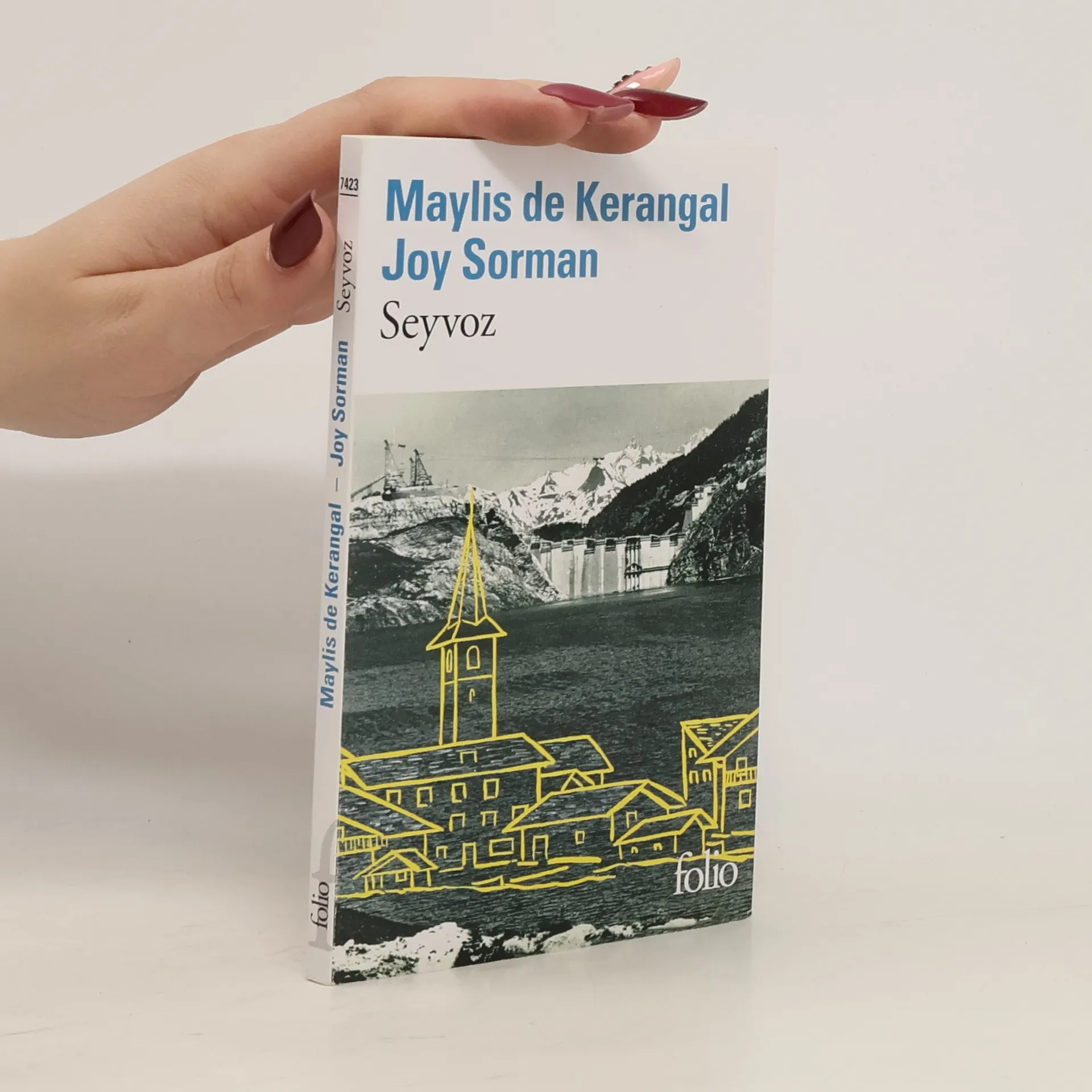
Seyvoz
- 128 pages
- 5 hours of reading
Tomi Motz, un ingénieur de 50 ans, est mandaté par son entreprise pour contrôler les installations du barrage de Seyvoz. L'histoire tragique de ce barrage - dans les années cinquante son édification a provoqué l'engloutissement d'un village de montagne et la dispersion d'une communauté - remonte à la surface, et Tomi voit sa mission empêchée par une série de dérèglements sensoriels et psychiques. Autour de lui tout tangue, les paysages et les comportements, l'environnement et sa raison vacillent.
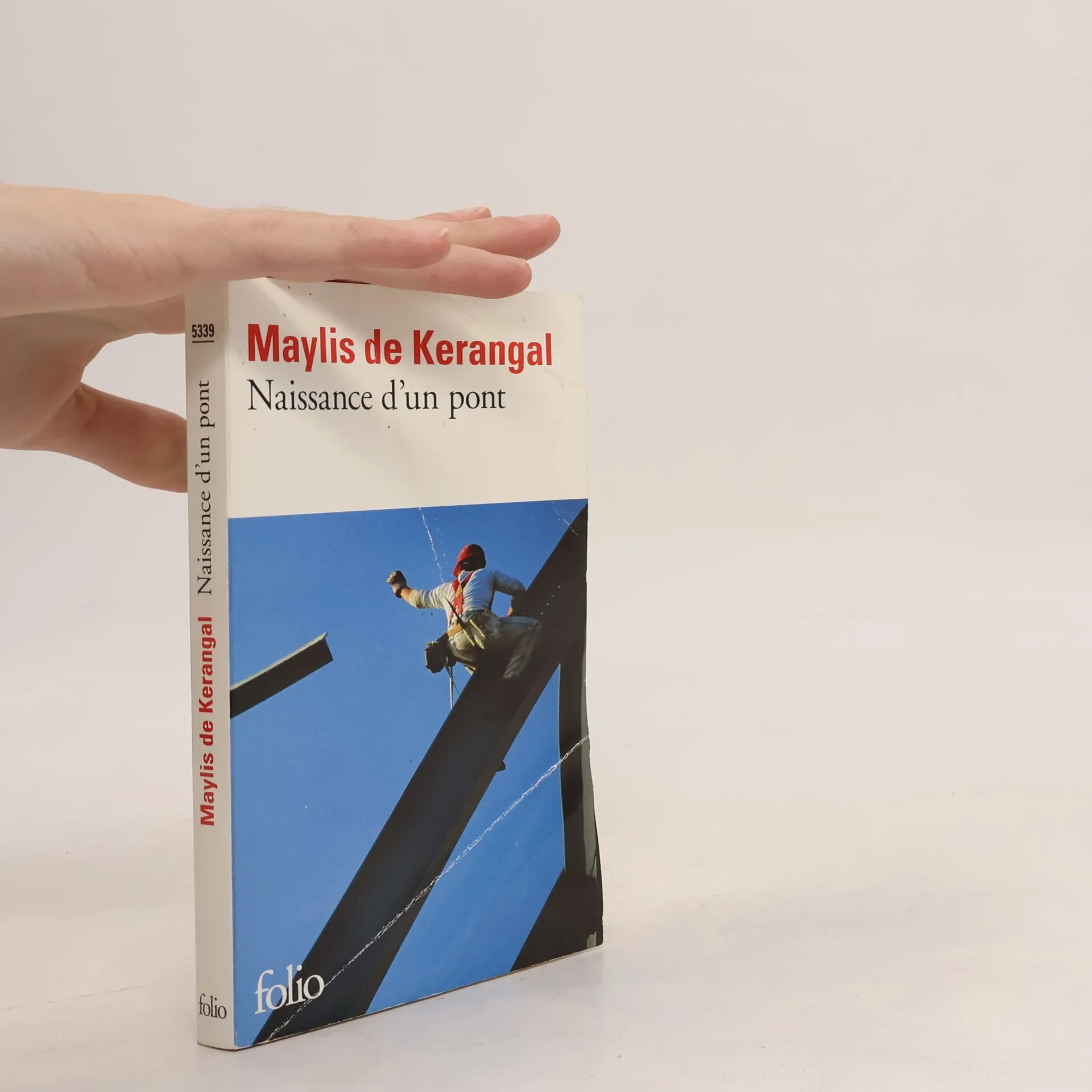
Naissance d'un pont
- 336 pages
- 12 hours of reading
« A l’aube du second jour, quand soudain les buildings de Coca montent, perpendiculaires à la surface du fleuve, c’est un autre homme qui sort des bois, c’est un homme hors de lui, c’est un meurtrier en puissance. Le soleil se lève, il ricoche contre les façades de verre et d’acier, irise les nappes d’hydrocarbures moirées arc-en-ciel qui auréolent les eaux, et les plaques de métal taillées en triangle qui festonnent le bordé de la pirogue, rutilant dans la lumière, dessinent une mâchoire ouverte. » Ce livre part d’une ambition à la fois simple et folle : raconter la construction d’un pont suspendu quelque part dans une Californie imaginaire à partir des destins croisés d’une dizaine d’hommes et femmes. Un roman-fleuve qui brasse des sensations et des rêves, des paysages et des machines, des plans de carrière et des classes sociales, des corps de métiers et des corps tout court. Prix Médicis 2010.
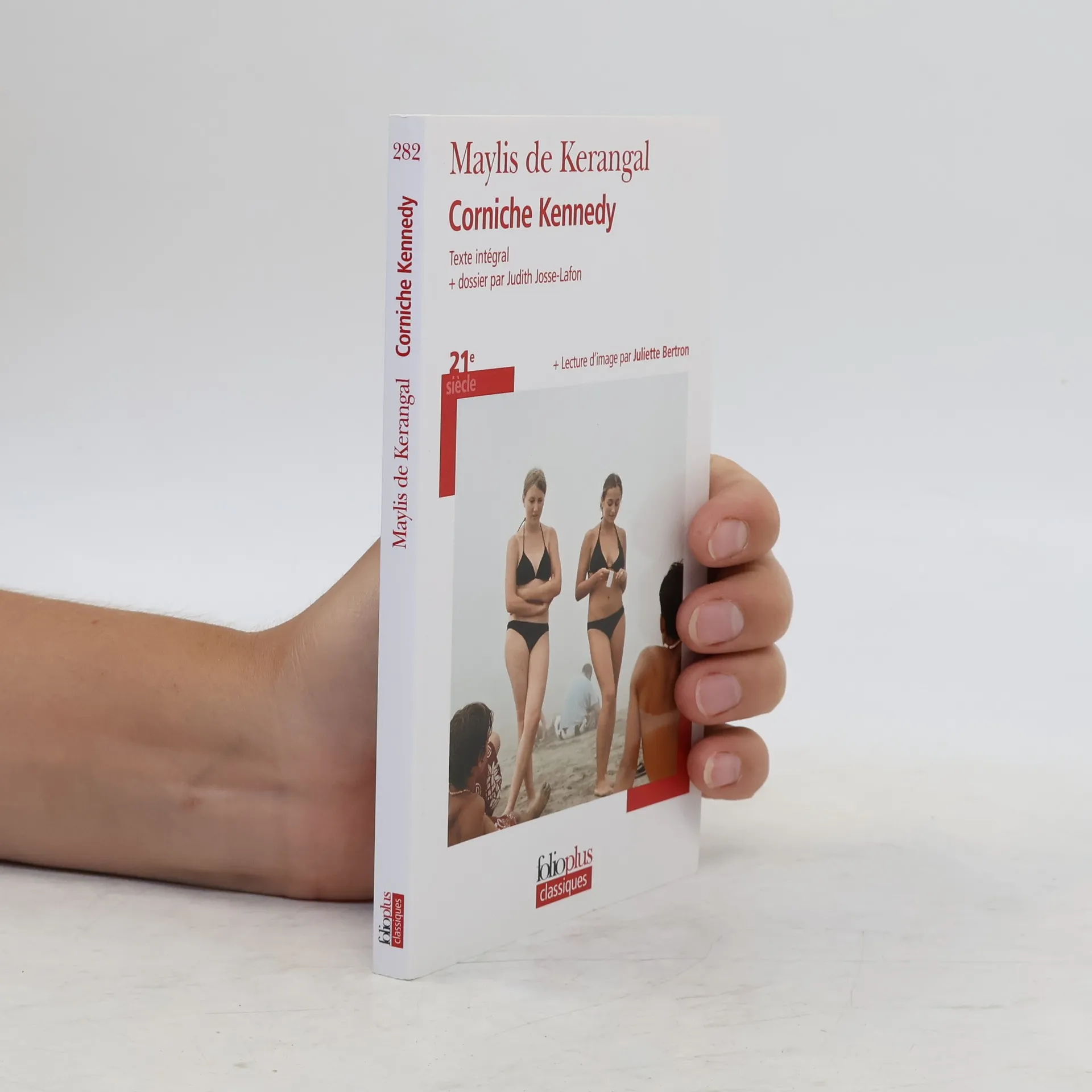
Dans Folioplus classiques, le texte intégral, enrichi d'une lecture d'image, écho pictural de l'oeuvre, est suivi de sa mise en perspective organisée en six points : vie littéraire, la matière du réel ; genre et registre, corps, gestes et voix, une écriture du mouvement ; l'écrivain à sa table de travail, le paysage de la fiction ; groupement de textes, éclats de la jeunesse ; chronologie, Maylis de Kerangal et son temps ; fiche, des pistes pour rendre compte de sa lecture.
La France médiévale
- 216 pages
- 8 hours of reading
Geïllustreerd / Illustrated / Illustré / Illustriert / 2744108847 / History / Frans / French / Français / Französisch / hard cover / dust jacket / 27 x 27 cm / 216 .pp /
Ni fleurs ni couronnes / Sous la cendre
- 128 pages
- 5 hours of reading
Two short narratives.