Spieltheorie!
Wissenschaft für den Kindergarten?
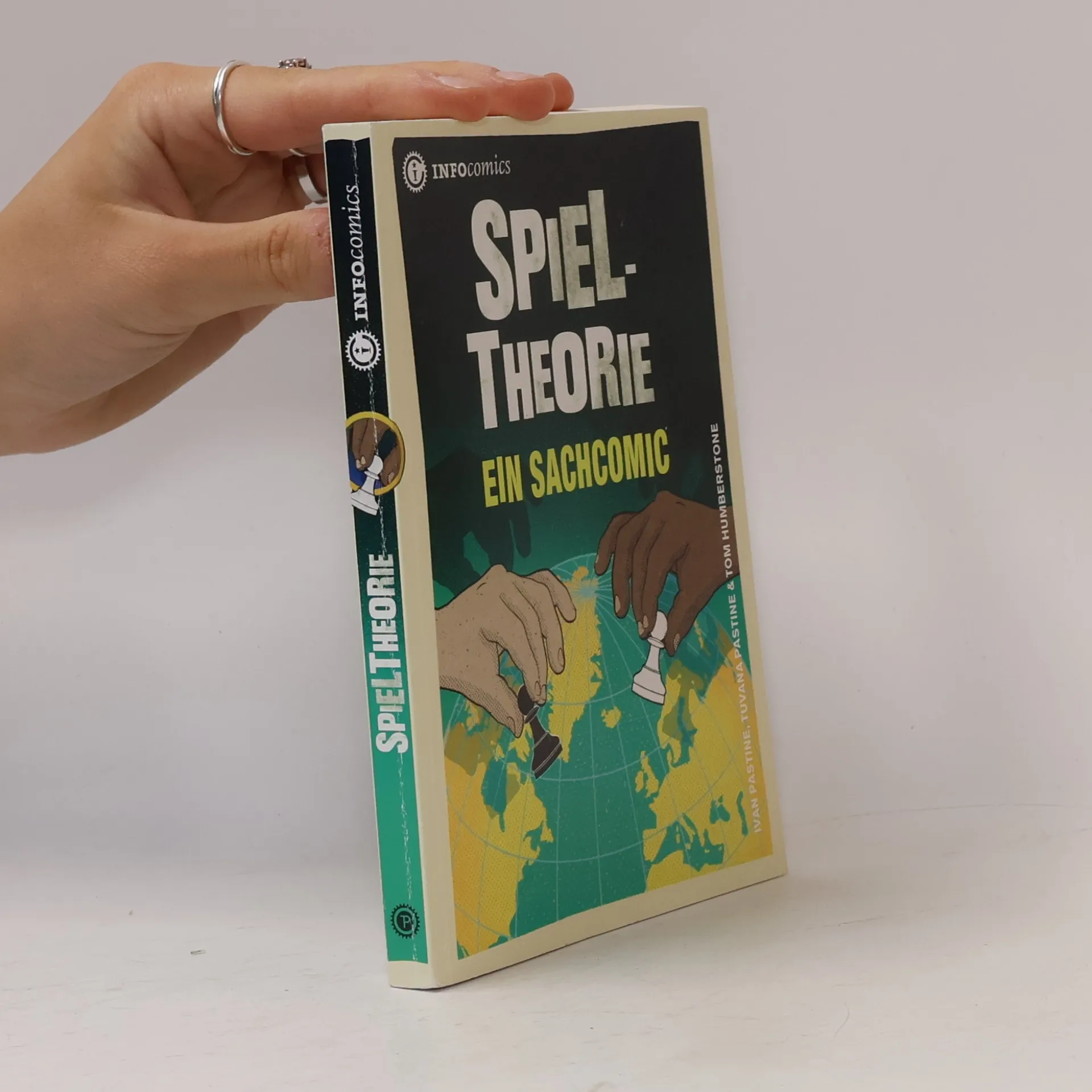
Angefangen hat es tatsächlich mit Gesellschaftsspielen – genauer damit, dass es viele Ähnlichkeiten zu den Verhaltensmustern bei sozialen Interaktionen im Alltag gibt. Hier wie dort finden wir Gewinner, Bluffer, Koalitionen, Drohungen, Deals etc. So untersucht Spieltheorie, wie wir Entscheidungen treffen, wenn das Ergebnis unserer Handlungen (Spielzüge) von den Entscheidungen und Reaktionen anderer abhängt. Spieltheorie könnte also weniger missverständlich auch „interaktive Entscheidungstheorie“ heißen. Obwohl es eine mathematische Theorie ist, hilft hilft dieser Sachcomic geradezu spielerisch, die Akteure in Gesellschaft, Politik und Wirtschaft besser zu verstehen und einzuschätzen.
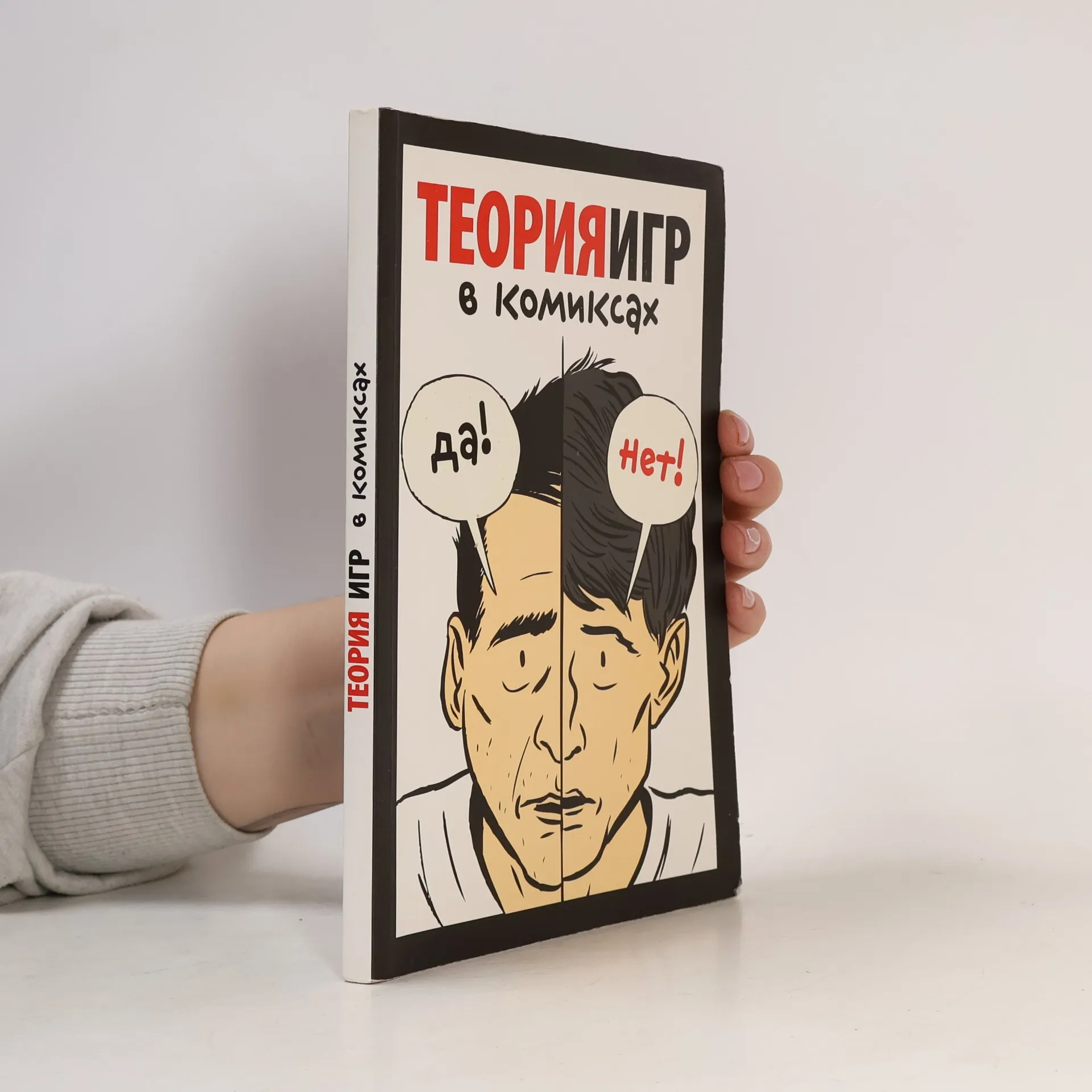
Теория игр изучает стратегии взаимодействия, которые входят в основу принципов настольных игр, — отсюда и название. На деле это раздел математической экономики, законы которого влияют на политические и бизнес-решения мировых игроков. От социальной жизни до эволюционной биологии — в этих сферах действуют правила, которые неслучайны, а определяются закономерностями вероятности. Читая этот комикс, вы узнаете: • Как мы принимаем решения, когда у нас не хватает информации? • Почему конкуренты выпускают новинки в один день? • Почему мир без ядерного оружия - мечта, но гонка вооружений все еще продолжатся? • За что Джорда Сороса прозвали «человеком, который разорил Банк Англии»? • И, конечно же, какова самая выигрышная стратегия игры в «Камень, ножницы, бумага»? Вы не поверите, но эти вопросы имеют много общего и, отвечая на них, мы сами того не подозревая, используем стратегии теории игр. Изучите ее, чтобы научиться принимать собственные решения, когда они зависят от решений других людей. ОБ АВТОРАХ Доктор Айван Пастин Он бросил старшую школу и колледж, однако его обоснования финансового кризиса с точки зрения теории игр открыли ему двери в Гарвардский университет и Лондонскую школу экономики, где он читает лекции. Он старшина американского ВМФ, несколько лет назад начал читать лекции в университетском колледже Дублина и всегда любил мастерить. Доктор Тувана Пастин Турецкий экономист, которая работает в Ирландском национальном университете в Мейнуте. Она специализируется на различных способах применения теории игр. Ее многочисленные труды были напечатаны, в том числе книги о координирующей рекламе и ценовой динамике, финансировании политических кампаний, деятельности в поддержку образования, государственном дефолте, трудовой миграции и международной торговле. Том Хамберстоун Иллюстратор и создатель комиксов, лауреат многих премий. Живет в Эдинбурге. В течение трех лет еженедельно его политические карикатуры появлялись на страницах журнала New Statesman. В настоящее время он создает комиксы для таких изданий, как The Nib, Vox, The Guardian, Vice и Image Comics. Обожает слушать подкасты.
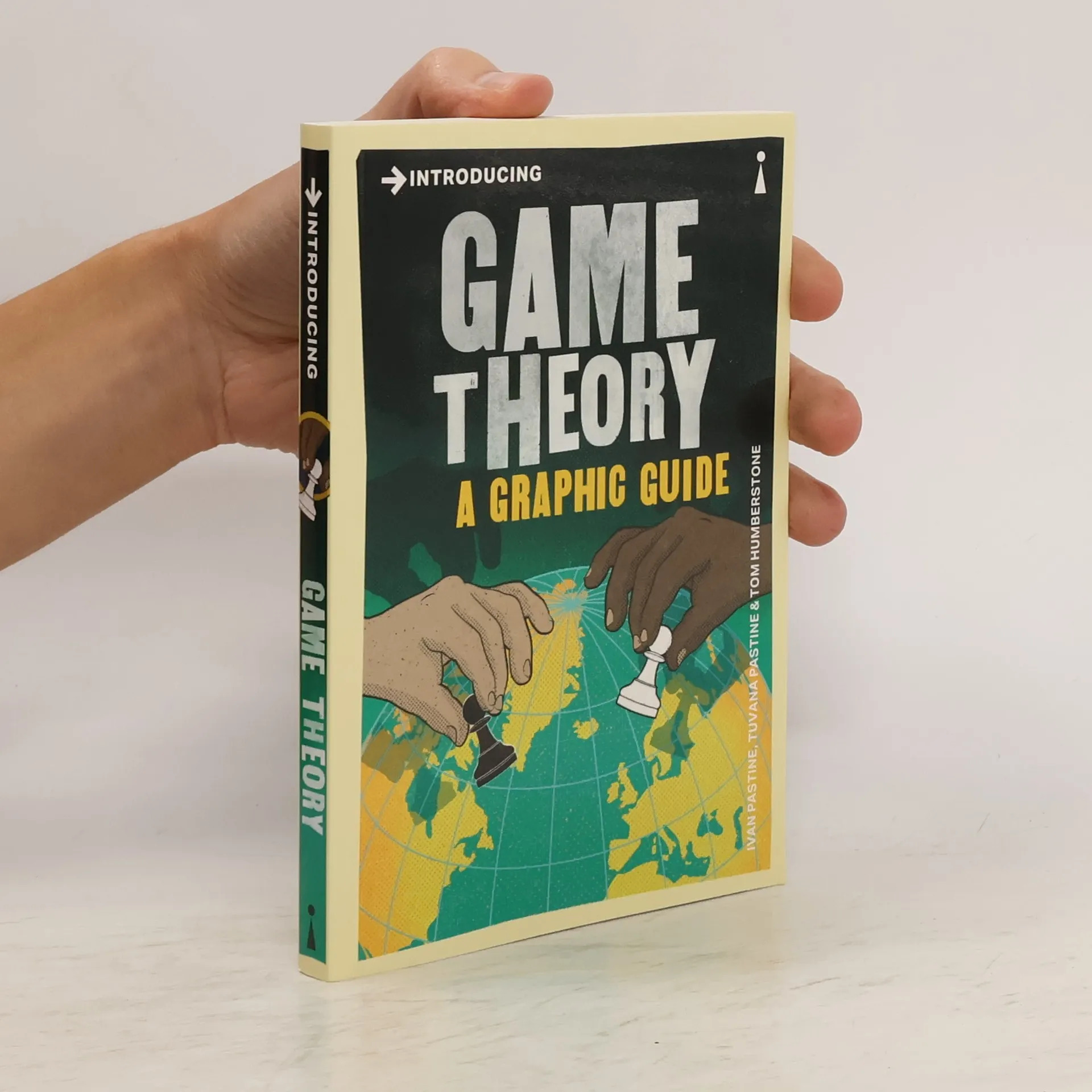
"In Introducing Game Theory, economists Ivan and Tuvana Pastine explore this fascinating area, which looks beneath the surface of human behaviour - calling upon psychology, evolutionary biology, political science and sociology to explain why, when faced with a decision, we sometimes cooperate, sometimes clash, and sometimes act in a way that seems completely random"--Publisher's description.
Avoiding excessive reliance on formal mathematical derivations, this text presents concepts intuitively through examples drawn from familiar contexts. It relies throughout on a shortlist of core principles which it reinforces repeatedly by illustrating and applying each in numerous contexts.