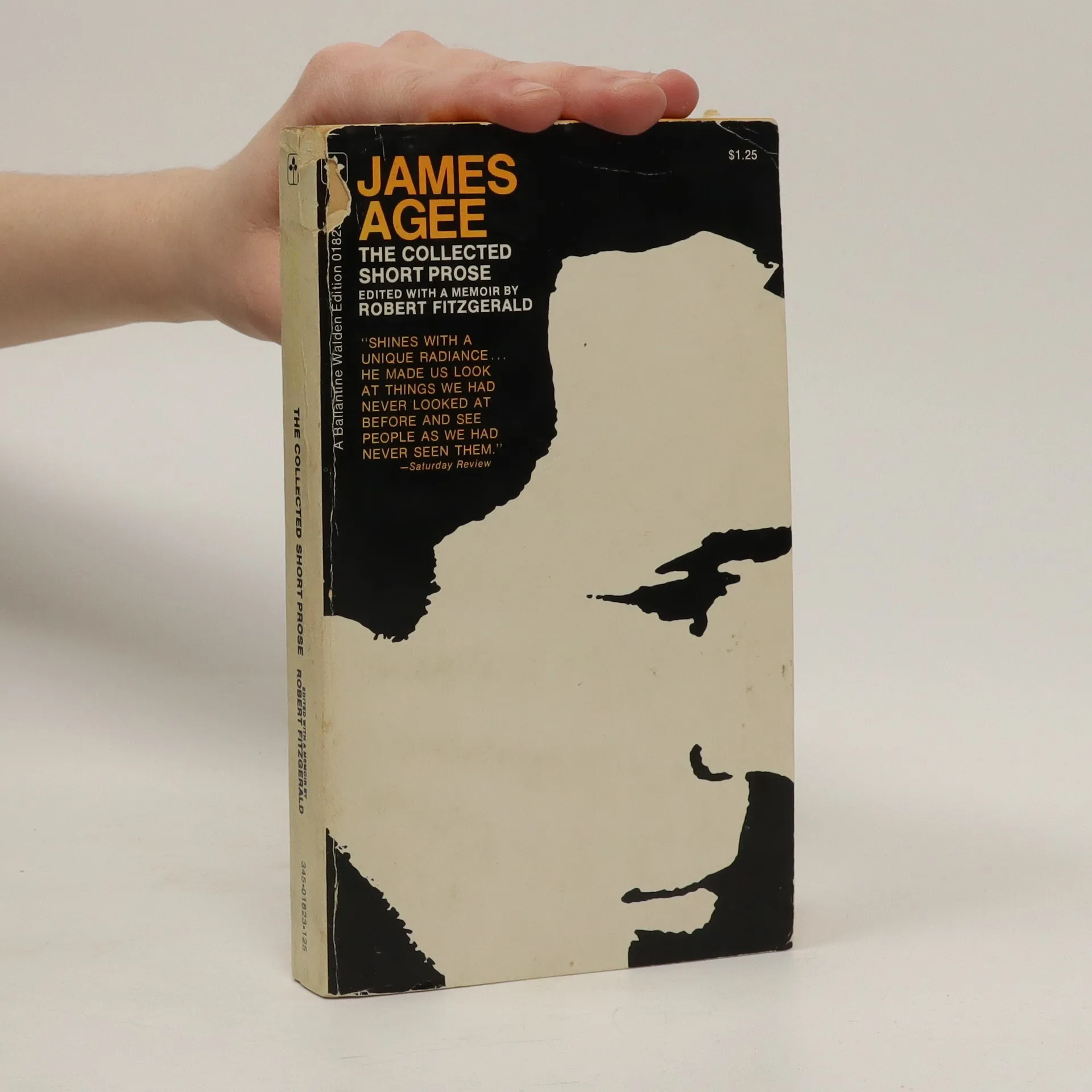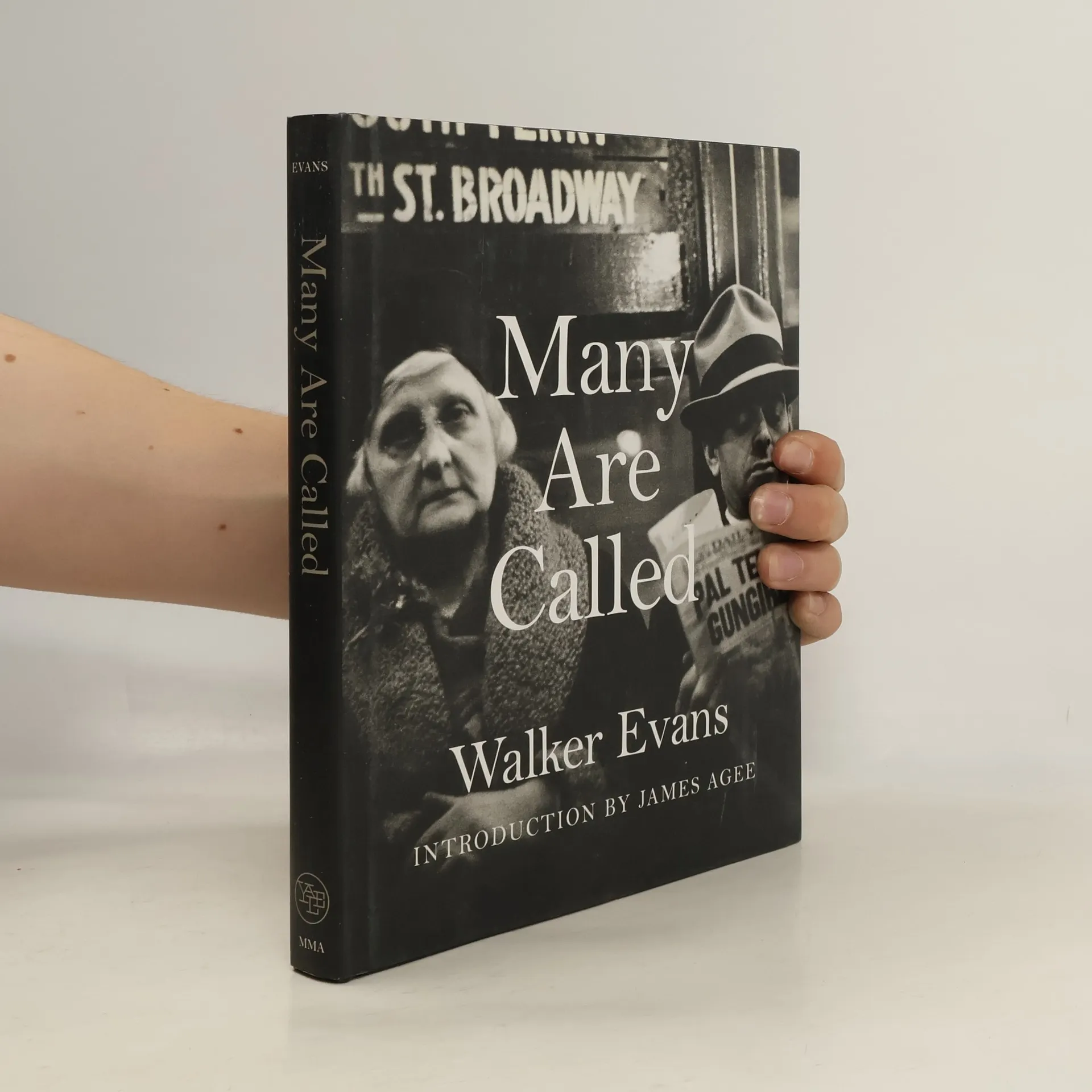
James Agee's film criticism, renowned for its moral insight and sharp wit, established him as a pivotal literary figure in mid-20th century America. Celebrated by contemporaries like W. H. Auden, his reviews for The Nation and Time are compiled in this volume, showcasing his profound influence on American film writing. The collection not only includes classic critiques but also features previously uncollected works on iconic figures and films, such as Ingrid Bergman and Hitchcock's Lifeboat, enriching the understanding of Agee's cinematic perspectives.
James Paul Gee Books
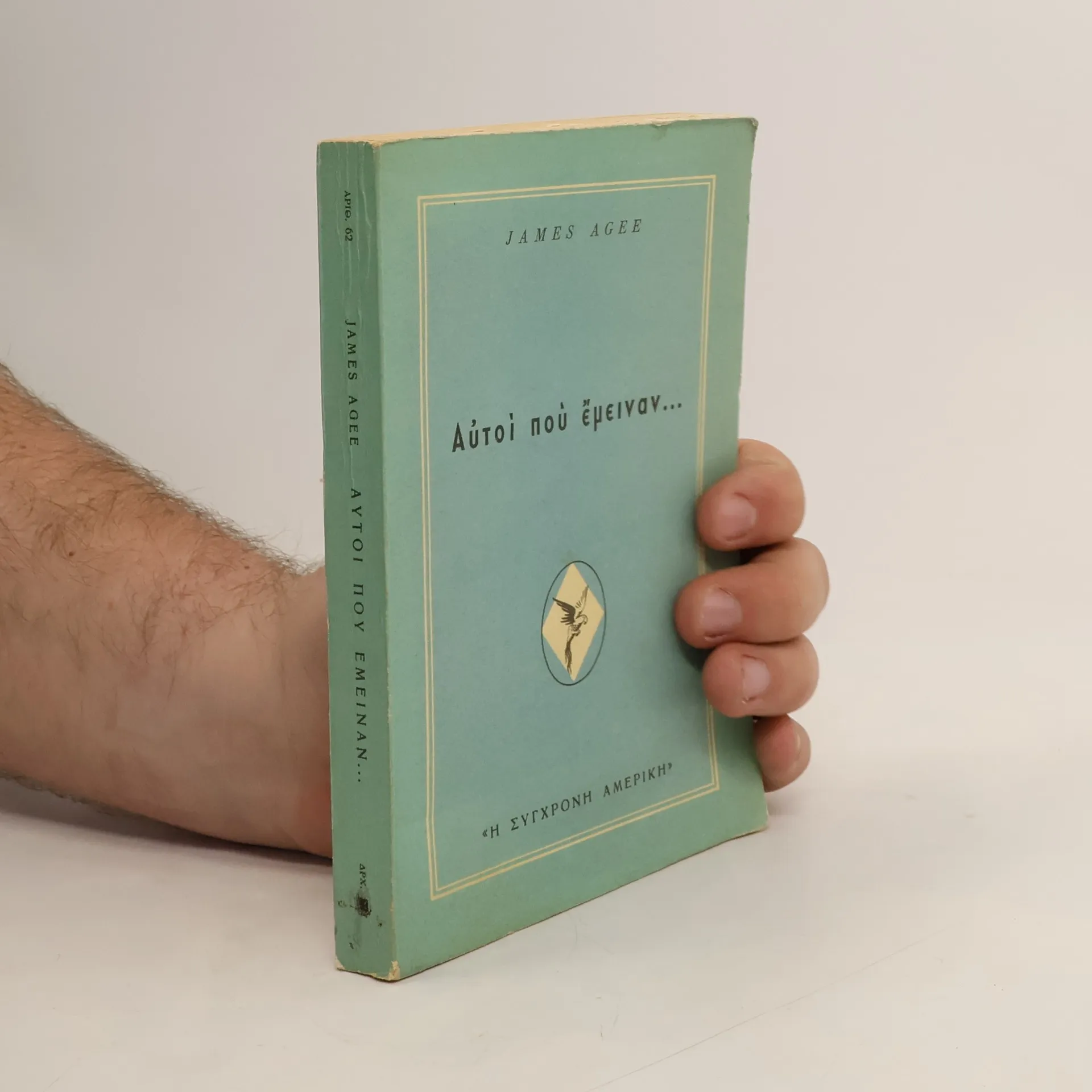
This American author, journalist, and poet is celebrated for his incisive film criticism, which shaped cinematic discourse in the mid-20th century. His sole novel, inspired by his own life and posthumously awarded a Pulitzer Prize, delves into the complexities of human relationships and the poignant ache of lost childhood. His early work, a stark portrayal of sharecropper life during the Great Depression, was initially overlooked but is now regarded as a landmark 20th-century literary achievement. His voice, marked by unflinching honesty and profound introspection, continues to resonate deeply with readers.


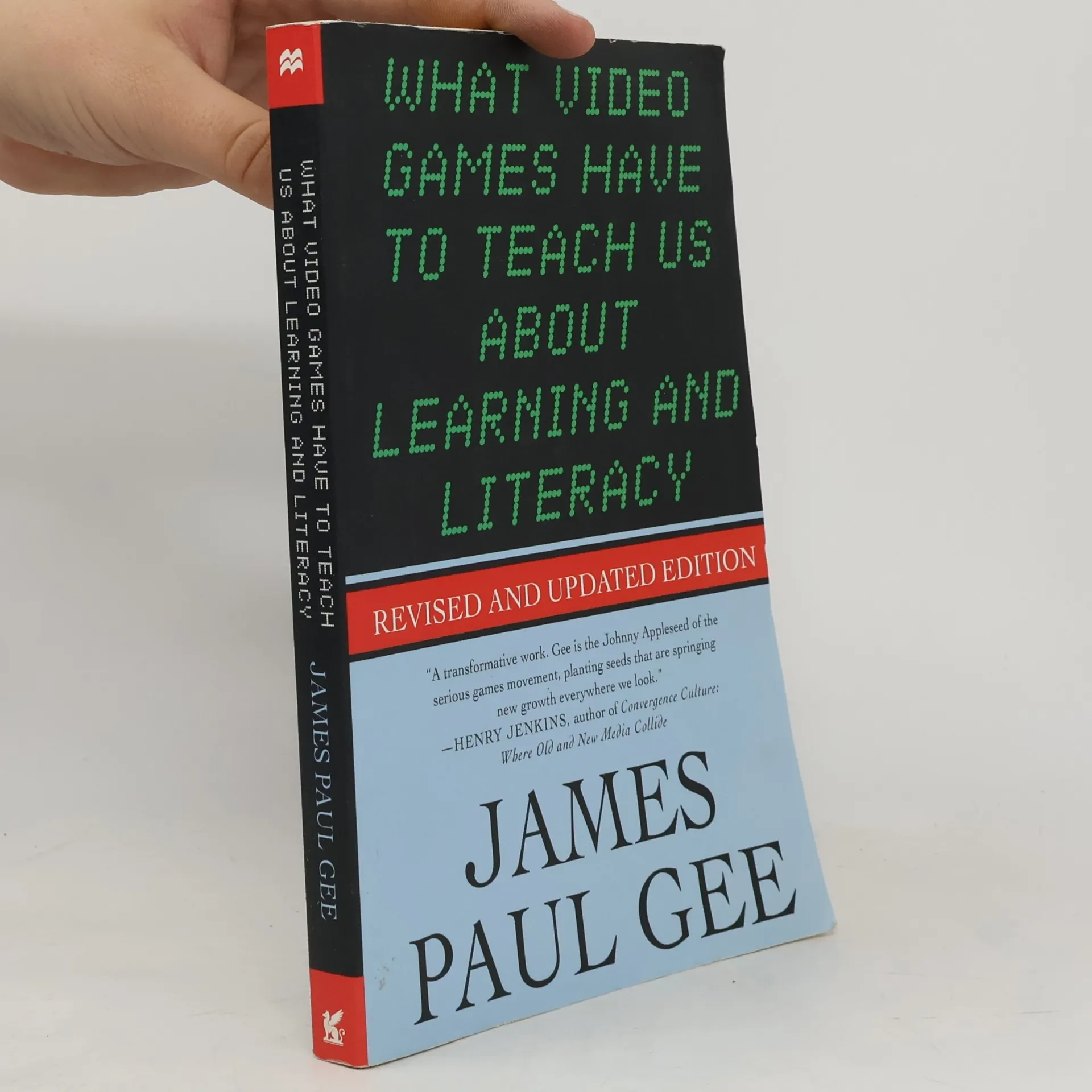
Good Video Games and Good Learning
Collected Essays on Video Games, Learning and Literacy
- 206 pages
- 8 hours of reading
Exploring the intersection of video games, learning, and literacy, this book delves into how gaming fosters pleasure, mastery, and a sense of agency. It addresses the complex relationships between values, identity, and educational content, highlighting the varied experiences young people have in both gaming and traditional schooling. Additionally, it tackles controversial issues surrounding games, providing insights into how they can enhance learning and engagement.
Focusing on the methodology of discourse analysis, this comprehensive toolkit equips students with essential techniques for their research. The updated edition reflects recent advancements in digital communication, ensuring relevance in today's context. With contemporary examples, it serves as an invaluable resource for both advanced undergraduate and postgraduate students looking to deepen their understanding of discourse analysis.
The Morning Watch
- 128 pages
- 5 hours of reading
Set during the early hours of Good Friday, the narrative follows twelve-year-old Richard in a Tennessee church school, capturing his profound inner journey amidst the awakening of spring. Agee skillfully reveals Richard's religious exaltation and childhood musings without descending into sentimentality. The novel's tone and imagery evoke a dark, poetic quality, exploring the intertwined nature of good and evil, beauty and absurdity. With its blend of clarity and dreamlike complexity, this work stands out for its perceptive lyricism, earning its status as a minor classic.
Let Us Now Praise Famous Men
- 432 pages
- 16 hours of reading
Agee's colleague at Time in the 1940s, John Hersey, writes a major evaluation of Agee's work and the Agee legend in a new introduction to this literary classic. 64 pages of photos.
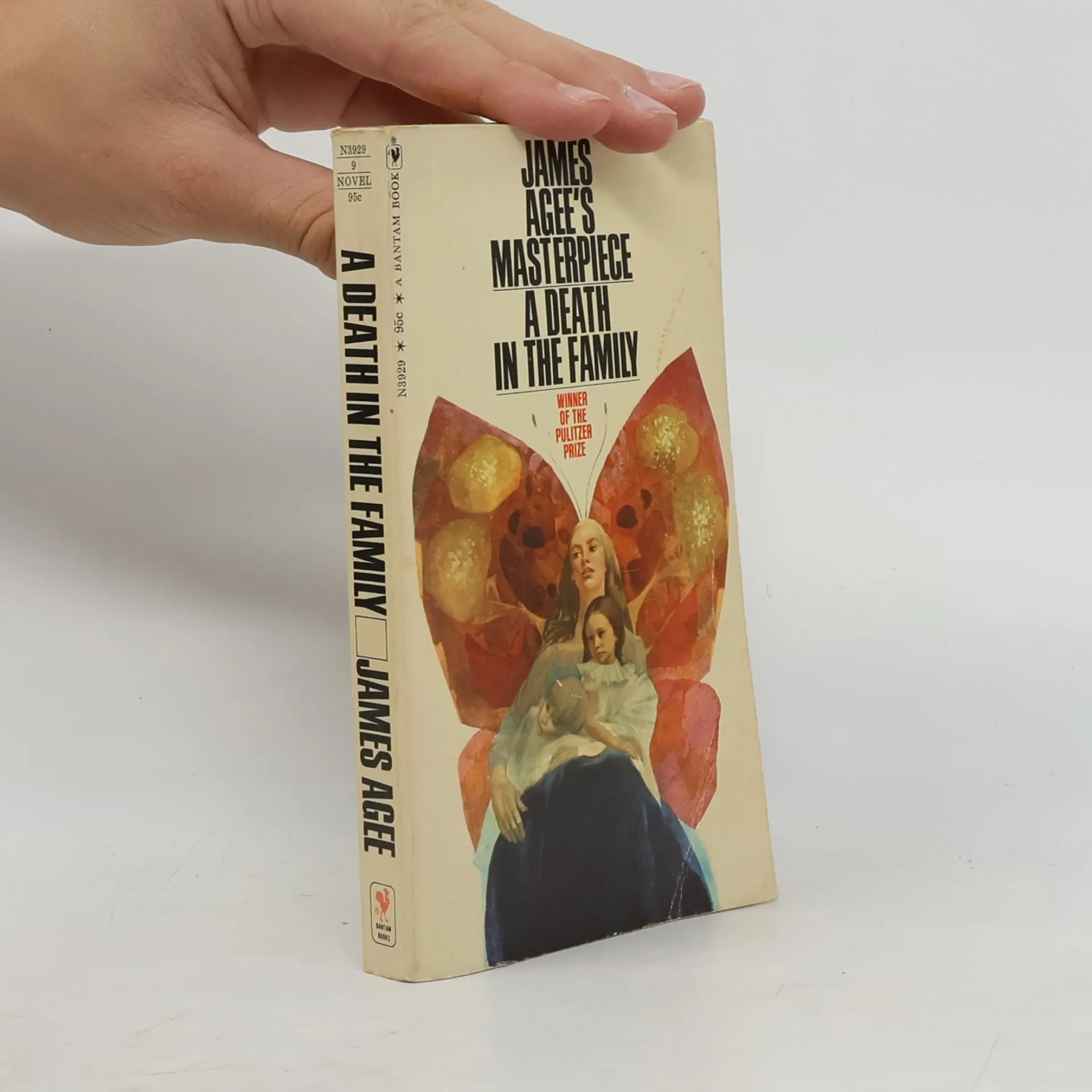
A Death in the Family
- 310 pages
- 11 hours of reading
On a sultry summer night in 1915, Jay Follet leaves his house in Knoxville, Tennessee, to tend to his father, whom he believes is dying. The summons turns out to be a false alarm, but on his way back to his family, Jay has a car accident and is killed instantly, leaving his wife, brother, and young son to deal with his sudden death
The textbook offers an in-depth exploration of discourse analysis, featuring updated content and fresh examples. A standout addition in this edition is a new chapter dedicated to multimodal discourse analysis, showcasing how the author's methodology extends to texts that integrate language with visual or audiovisual elements. This comprehensive guide serves as an essential resource for understanding communication in various forms.
What Is a Human?
Language, Mind, and Culture
In a sweeping synthesis of new research in a number of different disciplines, this book argues that we humans are not who we think we are. As he explores the interconnections between cutting-edge work in bioanthropology, evolutionary biology, neuroscience, human language and learning, and beyond, James Paul Gee advances, also, a personal philosophy of language, learning, and culture, informed by his decades of work across linguistics and the social sciences. Gee argues that our schools, institutions, legal systems, and societies are designed for creatures that do not exist, thus resulting in multiple, interacting crises, such as climate change, failing institutions, and the rise of nationalist nationalism. As Gee constructs an understanding of the human that takes into account our social, collective, and historical nature, as established by recent research, he inspires readers to reflect for themselves on the very question of who we are—a key consideration for anyone interested in society, government, schools, health, activism, culture and diversity, or even just survival.
Discourse analysis considers how language, both spoken and written, enacts social and cultural perspectives and identities. In this book, James Paul Gee introduces the field and presents his unique integrated approach to it.Assuming no prior knowledge of linguistics, the author presents both a theory of language-in-use and a method of research. Clearly structured and written in a highly accessible style, An Introduction to Discourse Analysis incorporates perspectives from a variety of approaches and disciplines, including applied linguistics, education, psychology, anthropology and communication to help students and scholars from a range of backgrounds to formulate their own views on discourse and engage in their own discourse analysis.The second edition has been completely revised and updated and contains substantial new material and examples of oral and written language, ranging from group discussions with children, adults, students and teachers to conversations, interviews, academic texts and policy documents.