
Explore the latest books of this year!
Bookbot

David Scott Kastan

    David Scott Kastan is a leading scholar in the field of Shakespearean literature. As one of the general editors of the Arden Shakespeare, he contributes significantly to the deeper understanding and interpretation of Shakespeare's works. His academic work focuses on critical analysis and literary context, offering readers fresh perspectives on classic texts. Kastan's influence on contemporary Shakespearean studies is considerable.

    Bantam Classic - 1: Henry IV
    Staging the Renaissance
    Shakespeare After Theory
    King Lear
    Paradise Lost
    • Paradise Lost

      • 206 pages
      • 8 hours of reading

      Milton's Paradise Lost is one of the greatest epic poems in the English language. It tells the story of the Fall of Man, a tale of immense drama and excitement, of rebellion and treachery, of innocence pitted against corruption, in which God and Satan fight a bitter battle for control of mankind's destiny. The struggle rages across three worlds - heaven, hell, and earth - as Satan and his band of rebel angels plot their revenge against God. At the center of the conflict are Adam and Eve, motivated by all too human temptations, but whose ultimate downfall is unyielding love. Marked by Milton's characteristic erudition is a work epic both in scale and, notoriously, in ambition. For nearly 350 years it has held generation upon generation of scholars, students and readers in rapt attention and its profound influence can be seen in almost every corner of Western culture.
      Paradise Lost2005
      4.3
    • Shakespeare After Theory

      • 264 pages
      • 10 hours of reading

      The most familiar assertion of Shakespeare scholarship is that he is our contemporary. Shakespeare After Theory provocatively argues that he is not, but what value he has for us must at least begin with a recognition of his distance from us.

      Shakespeare After Theory1999
    • Staging the Renaissance

      Reinterpretations of Elizabethan and Jacobean Drama

      • 304 pages
      • 11 hours of reading

      The essays in Staging the Renaissance show the theatre to be the site of a rich confluence of cultural forces, the place where social meanings are both formed and transformed. The volume unites some of the most challenging issues in contemporary Renaissance studies and some of our best-known critics, including Stephen Orgel, Margaret Ferguson, Catherine Belsey, Jonathan Goldberg, Marjorie Garber, Lisa Jardine, and Jonathan Dollimore-- demonstrating the variety and vitality not only of contemporary criticism, but of Renaissance drama itself.

      Staging the Renaissance1991
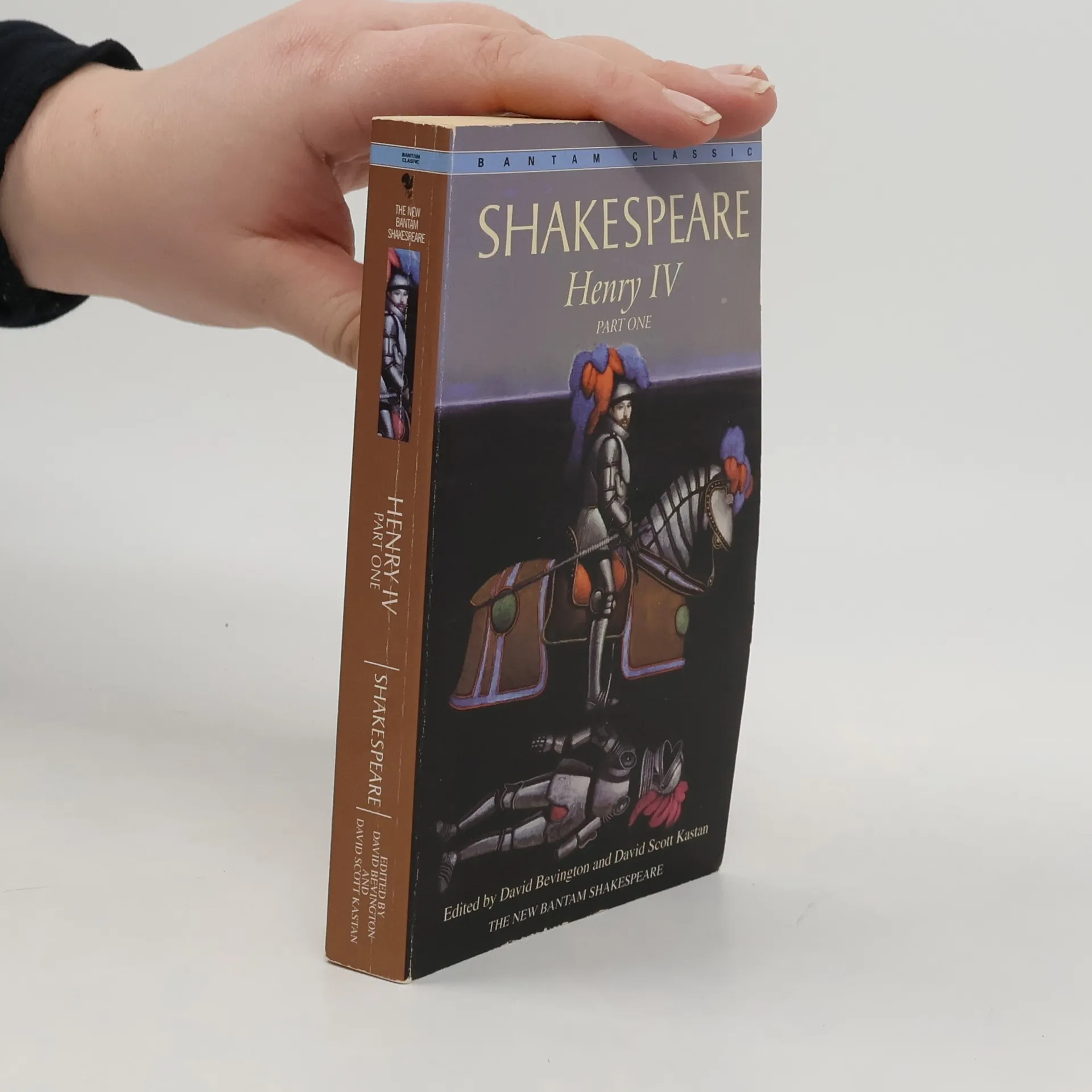
    • Bantam Classic - 1: Henry IV

      • 156 pages
      • 6 hours of reading

      A play alive with escapades and action, comedy and history, Henry IV, Part One begins the transformation of the madcap Prince Hal into the splendid ruler King Henry. In it a rebellion against King and State is juxtaposed with another rebellion–the riotous misbehavior of Hal and his companions, principally Falstaff. A superbly funny liar, coward, lecher, and cheat, the larger-than-life character Falstaff turns this great historical drama into a masterpiece of counterpoint and design. Each Edition Includes: • Comprehensive explanatory notes • Vivid introductions and the most up-to-date scholarship • Clear, modernized spelling and punctuation, enabling contemporary readers to understand the Elizabethan English • Completely updated, detailed bibliographies and performance histories • An interpretive essay on film adaptations of the play, along with an extensive filmography

      Bantam Classic - 1: Henry IV1988
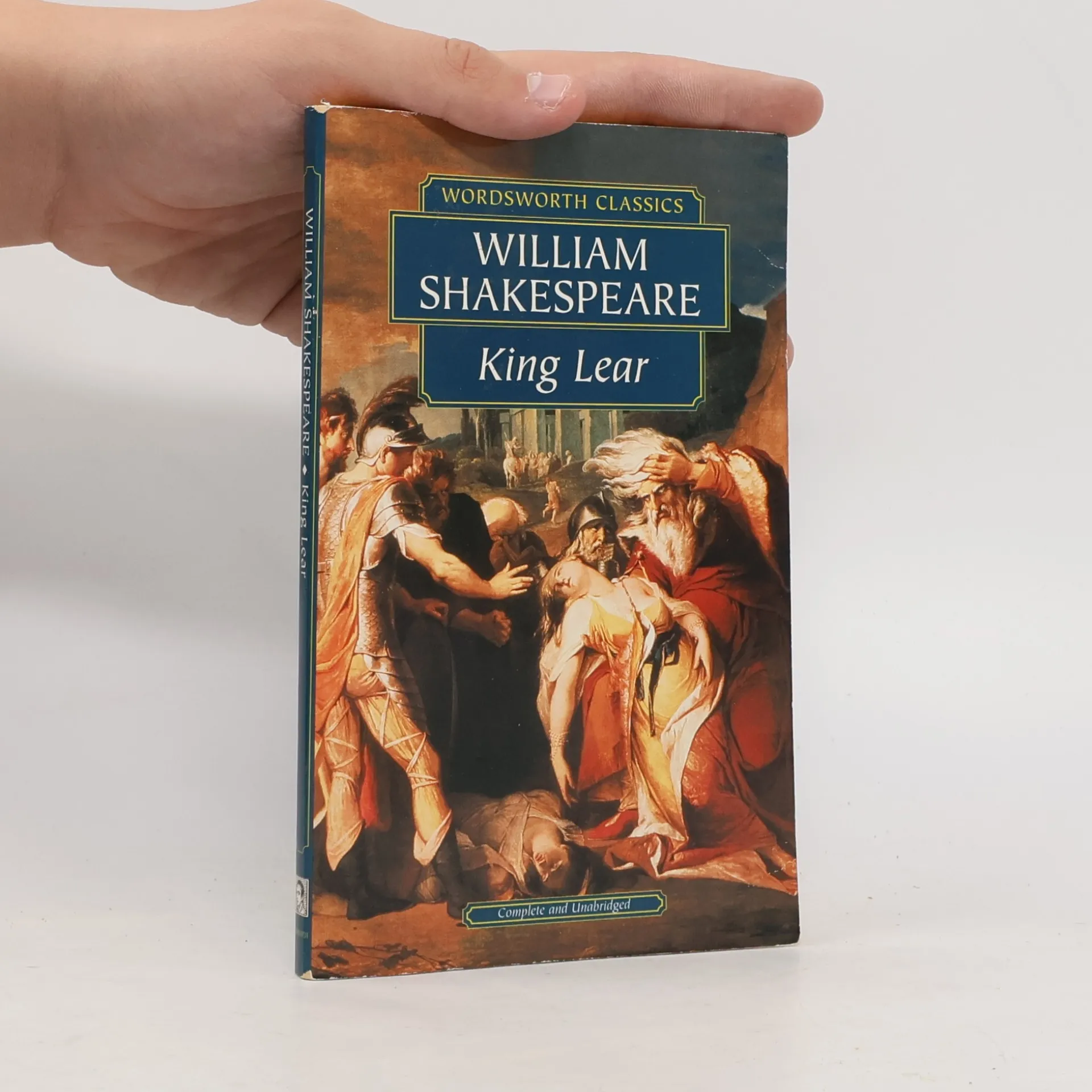
    • King Lear

      • 176 pages
      • 7 hours of reading

      Love and hate, loyalty and treachery, cruelty and self-sacrifice: all these contend in a tempestuous drama which has become an enduring classic of the world's literature.

      King Lear1988
      4.1