John Hattie is a distinguished professor of education whose work is dedicated to researching the effectiveness of teaching and learning. His approach is grounded in data analysis and evidence, aiming to identify methods that have the greatest impact on student outcomes. Hattie's research offers practical insights for educators on how to optimize their teaching strategies for better academic results. His contributions are pivotal to a modern understanding of effective education.
Provides a comprehensive guide to the conservation and restoration of
paintings. It includes details of techniques, materials used in both the
original paintings and in restoration, chemical formulas, equipment and
methods of handling and storage; it also recounts the ways in which many
common pitfalls can be avoided, and gives other practical tips based on the
author's 30 years of experience.
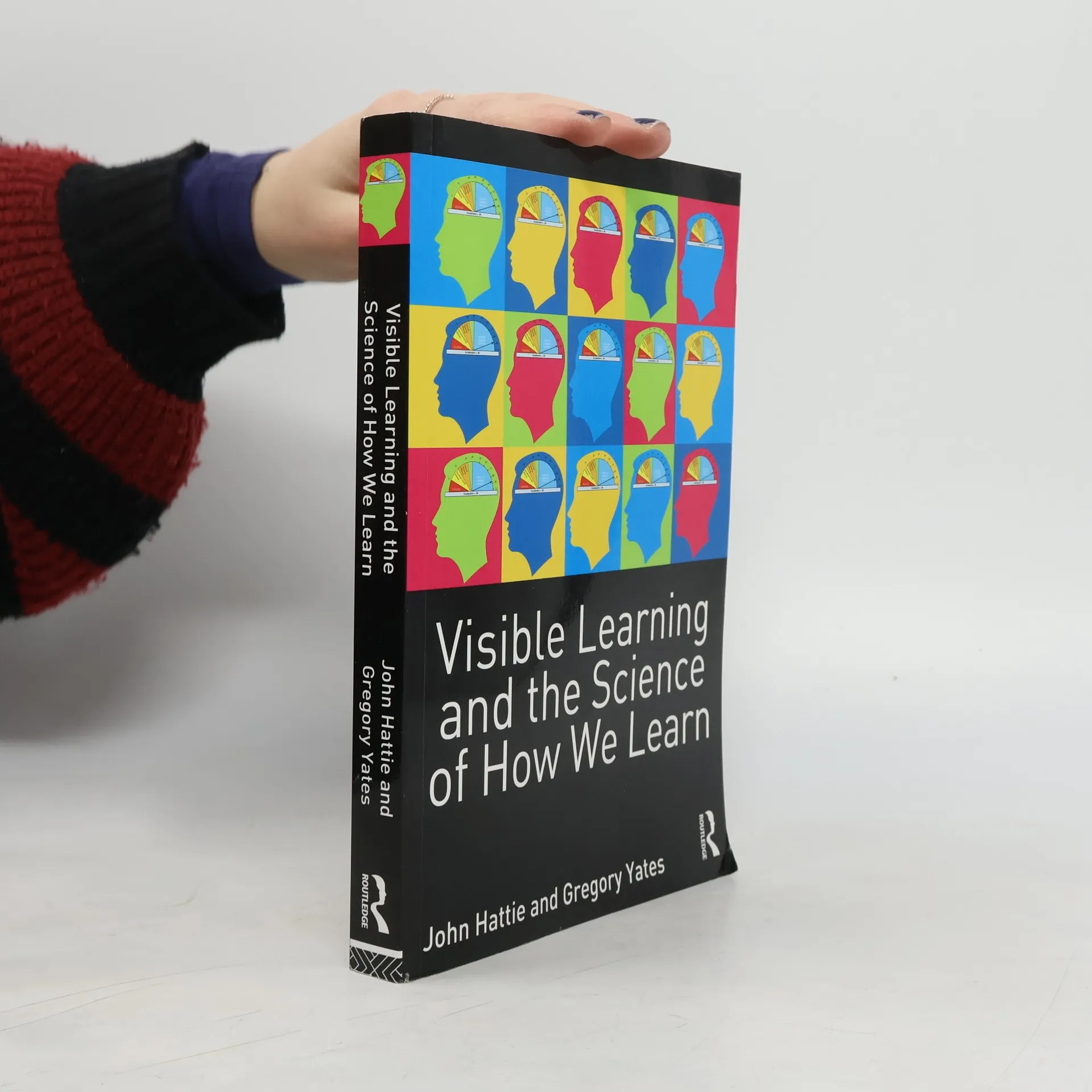
In 2009, John Hattie's Visible Learning presented a comprehensive collection of research on effective educational practices, focusing on what truly enhances children's learning rather than on trends or political agendas. This bestseller was hailed by the TES as revealing education's 'holy grail.' In this latest work, Hattie collaborates with cognitive psychologist Greg Yates to expand on the original findings, integrating cognitive science to create a robust framework for classroom learning. The book outlines key principles and strategies, addressing the complexities of learning and offering insights for both teachers and students. It is structured in three parts: 'learning within classrooms,' 'learning foundations'—which delves into cognitive building blocks—and 'know thyself,' focusing on confidence and self-awareness. Interactive appendices include study guide questions, annotated bibliographies, and links to relevant resources. The authors draw on international research to explore various topics, such as teacher-student relationships, knowledge storage, cognitive load, self-control, and common myths about learning. This engaging guide serves as a valuable resource for students, teachers, and parents seeking to understand how research on learning can enhance educational practices across all levels, from preschool to tertiary education.
When the original Visible Learning published in 2008 it instantly became a
publishing sensation. Interest in the book was unparalleled; it sold out in
days and was described by the TES as revealing 'teaching's Holy Grail'. Now
John Hattie returns to this ground-breaking work, with Visible Learning: The
Sequel.
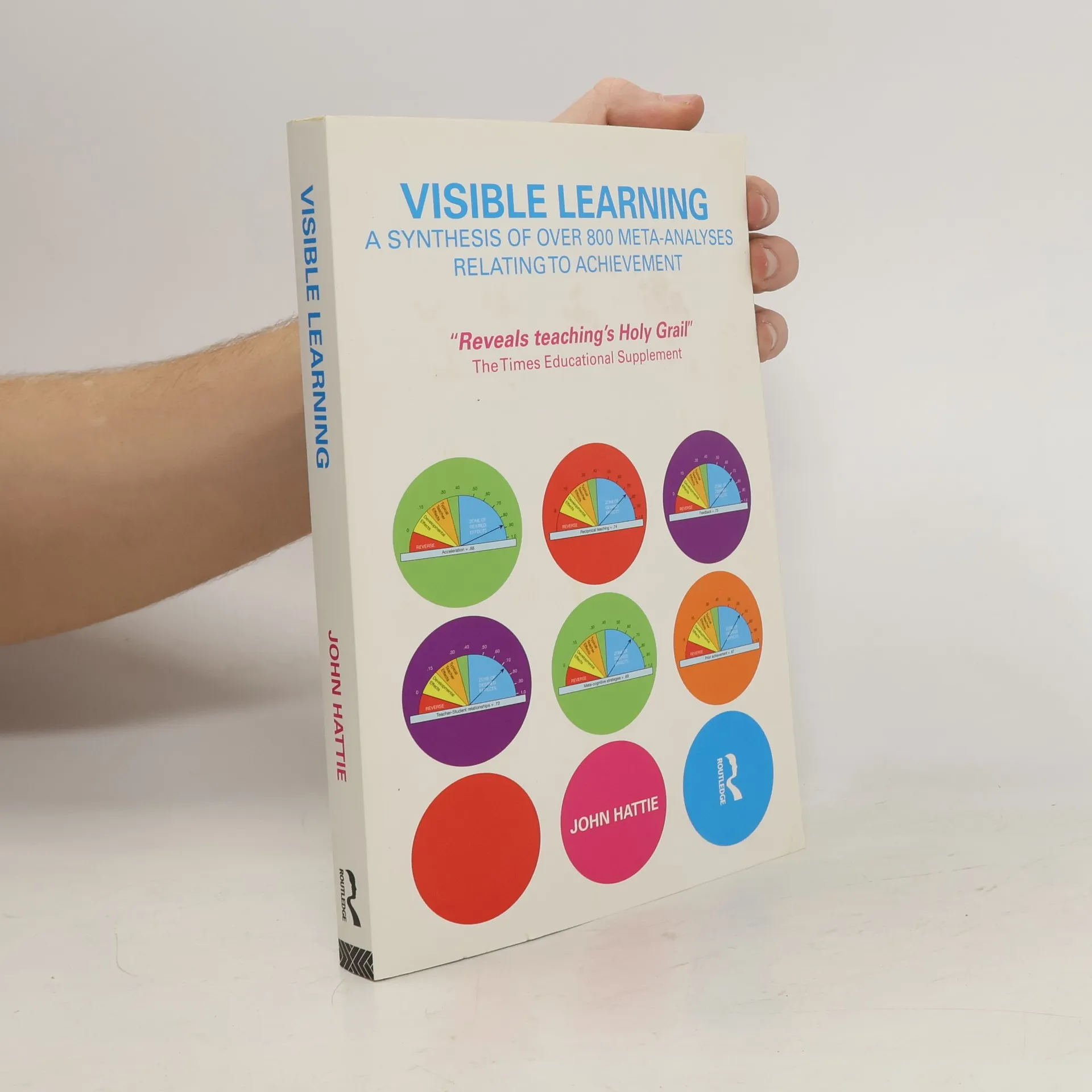
A Synthesis of Over 800 Meta-Analyses Relating to Achievement
378 pages
14 hours of reading
Grounded in 15 years of research and over 800 meta-analyses, this book explores the critical influences on school-aged students' achievement. It highlights the pivotal roles of teachers and feedback while presenting a comprehensive model of learning. Drawing from data involving millions of students, it offers insights into various factors affecting education, including student and home environments, school dynamics, curricula, and teaching strategies. The concept of visible teaching and visible learning serves as the foundation for its innovative approach to improving educational outcomes.
"Visible Learning: Feedback brings together two internationally known educators, combining Hattie's world famous research expertise with Clarke's vast experience of classroom practice and application. Areas covered include the variability of feedback, the importance of surface, deep and transfer contexts, student to teacher feedback, the power of peer feedback and the power of within-lesson feedback. Feedback is arguably the most critical and powerful aspect of teaching and learning and no other book currently available combines research excellence, theory and vast practical expertise in the same way, making this book an essential resource for teachers in any setting, phase or country"--
Apply the groundbreaking research and principles from Visible Learning in your classroom! John Hattie’s landmark book Visible Learning synthesized the results of more than 15 years’ research involving millions of students—the largest-ever collection of evidence-based research on what actually works in schools to improve learning. This sequel takes the next step and explains how to apply the principles from Visible Learning in your classroom. This book offers: Concise and user-friendly summaries of the most successful practices and interventions Practical, step-by-step guidance for successfully implementing visible learning and visible teaching Checklists, exercises, case studies, and best practice scenarios to maximize achievement in schools
Focusing on effective teaching strategies, this updated edition revisits ten essential behaviors that educators should adopt to enhance student achievement. It provides practical tools such as questionnaires, scenarios, checklists, and exercises to help schools implement Hattie's mindframes effectively. By emphasizing actionable steps, the book aims to guide teachers in creating a more successful learning environment for their students.
A Synthesis of Over 2,100 Meta-Analyses Relating to Achievement
512 pages
18 hours of reading
The sequel to the groundbreaking 2008 publication expands on the insights of Visible Learning, which was hailed as a transformative resource in education. John Hattie revisits and enhances his original findings, promising to delve deeper into effective teaching strategies and their impact on student learning. This updated edition aims to further illuminate the principles that educators can apply to achieve significant improvements in classroom outcomes.
"A revolution is happening in education, with leaders and teachers now asked to focus on learning, to develop collaborative teams to impact on students, to use and raise professional standards, and to identify and esteem expertise in our profession. With new demands relating to technological advances, changing demographics, internationalism, and the inclusion of '21st century skills' there is pressure on schools to deliver greater and deeper success with more students. The Turning Point aims to present the factors needed to affect real change for school systems, in classrooms, and in the teaching profession by: Arguing for the establishment of teaching as a true 'profession' alongside areas such as Medicine or Law, Identifying the expertise fundamental to the demands of schools, Elaborating on evaluative thinking and clinical practice as the basis of this new profession, Outlining core levers of change to show how teachers can have profound impacts on educational, medical, and social dimensions of students. This book is essential reading for teachers, school leaders, education policymakers, teacher candidates, and teacher educators. Those working in affiliated professions, such as adolescent psychologists and health workers as well as policy makers will also find aspects of the book relevant to their work"--
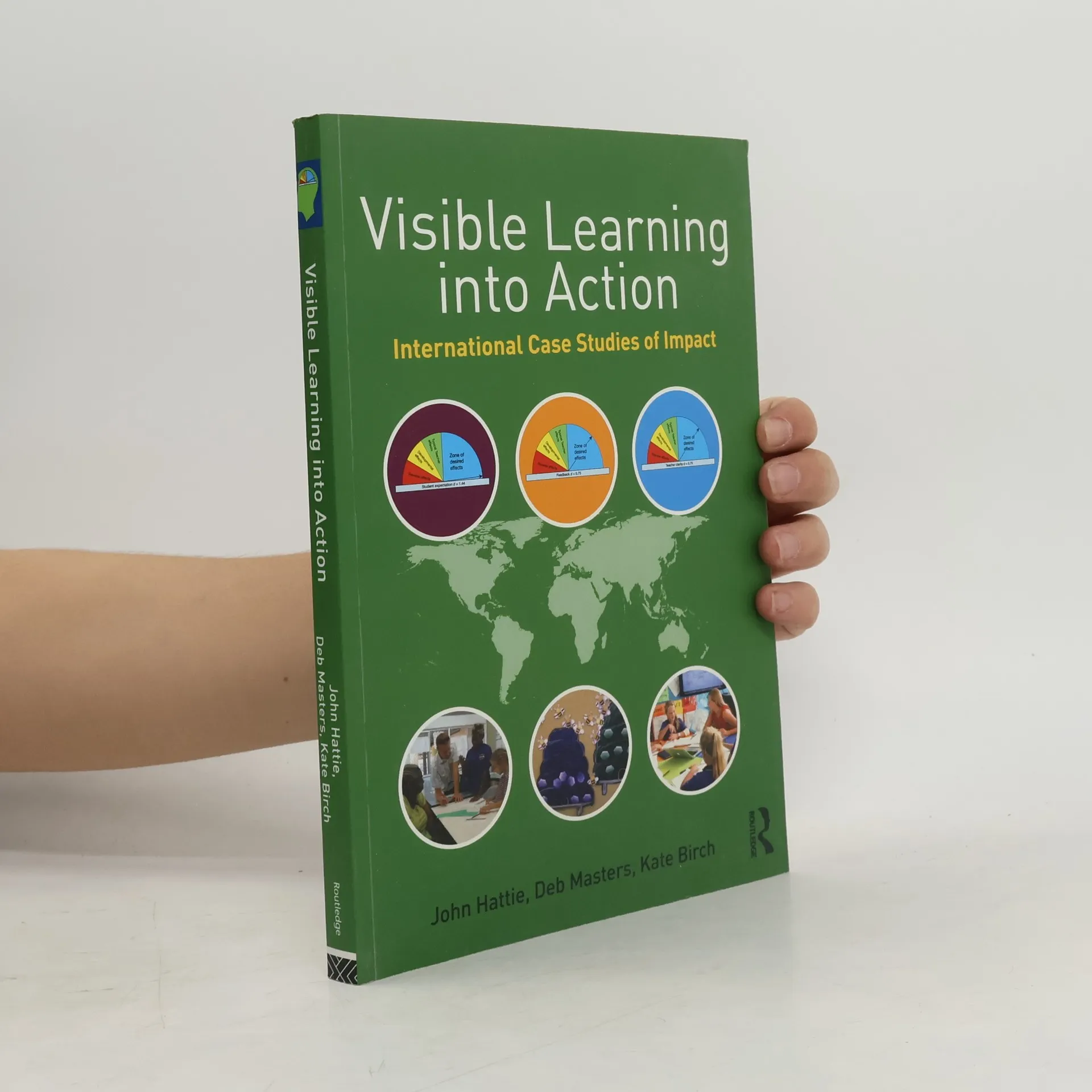
At the recent Visible Learning Conference, Professor John Hattie expressed doubt about his work, prompting reflection on its impact. This sentiment resonates with educators who visit Keilor Views, a prime example of Hattie's principles in action. This book advances the Visible Learning narrative by translating extensive educational research into real-world case studies showcasing successful implementations of Hattie's ideas across various global classrooms. It features the journeys of fifteen schools from Australia, the USA, Hong Kong, the UK, Sweden, New Zealand, and Norway, each representing the international community's commitment to maximizing student potential. The stories within are designed to inform and inspire, highlighting the experiences of leaders, teachers, students, and families. Extensive appendices include study guide questions for critical thinking, annotated endnotes for further reading, and links to relevant online resources. The book is organized into five parts: Know thy impact; Effective feedback; Visible learners; Inspired and passionate teachers; and The Visible Learning School. It serves as a vital resource for students, teachers, and parents seeking insights into how research on learning processes can enhance teaching and school environments.
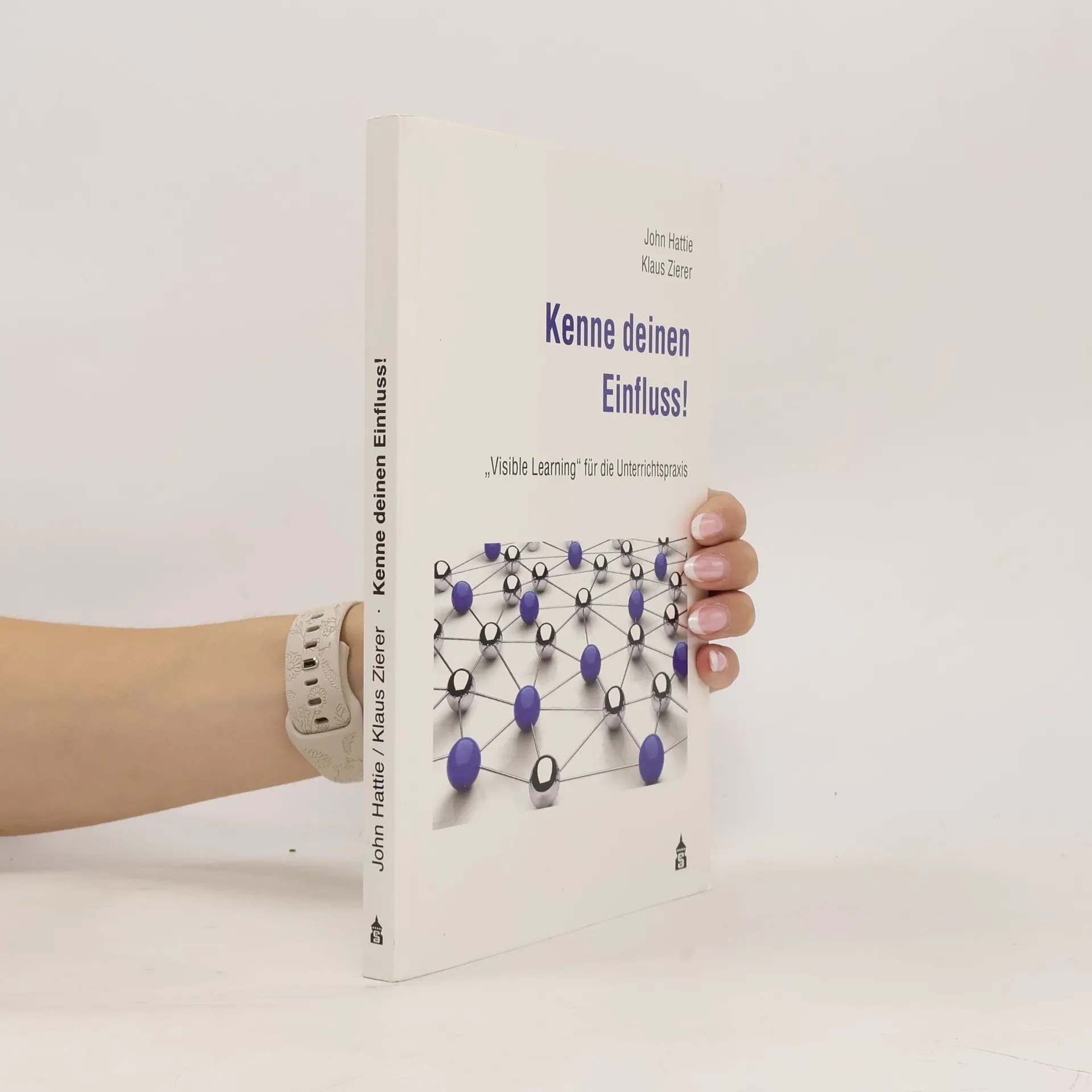
„Visible Learning“ von John Hattie ist die größte Sammlung empirischer Daten über die Erfolgsfaktoren von Schule und Unterricht. Das zentrale Ergebnis zeigt, dass der entscheidende Faktor für Bildungserfolg in den Haltungen der Lehrpersonen liegt: Wichtiger als das, was sie tun, ist, wie und warum sie es tun. Hattie definiert die Haltungen erfolgreicher Lehrpersonen als essenziell für pädagogische Expertise. In „Kenne deinen Einfluss! ‚Visible Learning’ für die Unterrichtpraxis“ wird dieser Gedanke vertieft. John Hattie und Klaus Zierer erläutern anhand von zehn Haltungen, wie erfolgreiche Lehrpersonen denken und handeln und welche Auswirkungen dies auf ihre Lernenden hat. Sie laden Lehrpersonen, Lernende, Eltern und Bildungspolitiker ein, die nächsten Schritte der „Visible Learning Story“ zu erkunden – eine Geschichte über Schulen, in denen pädagogische Expertise sichtbar ist und alle Beteiligten zusammenarbeiten, um Bildungserfolg zu ermöglichen. Das Buch folgt evidenzbasierten Kriterien für erfolgreiches Lernen und Lehren: Jedes Kapitel beginnt mit einem Haltungsfragebogen, gefolgt von einer Vignette und Zielangaben. Es präsentiert zentrale Ergebnisse aus „Visible Learning“ und belegt diese mit Beispielen aus dem Schulalltag. Zudem wird erläutert, wie man Lernen sichtbar machen und die eigene Professionalität weiterentwickeln kann, abgerundet durch Checklisten und Übungsaufgaben.
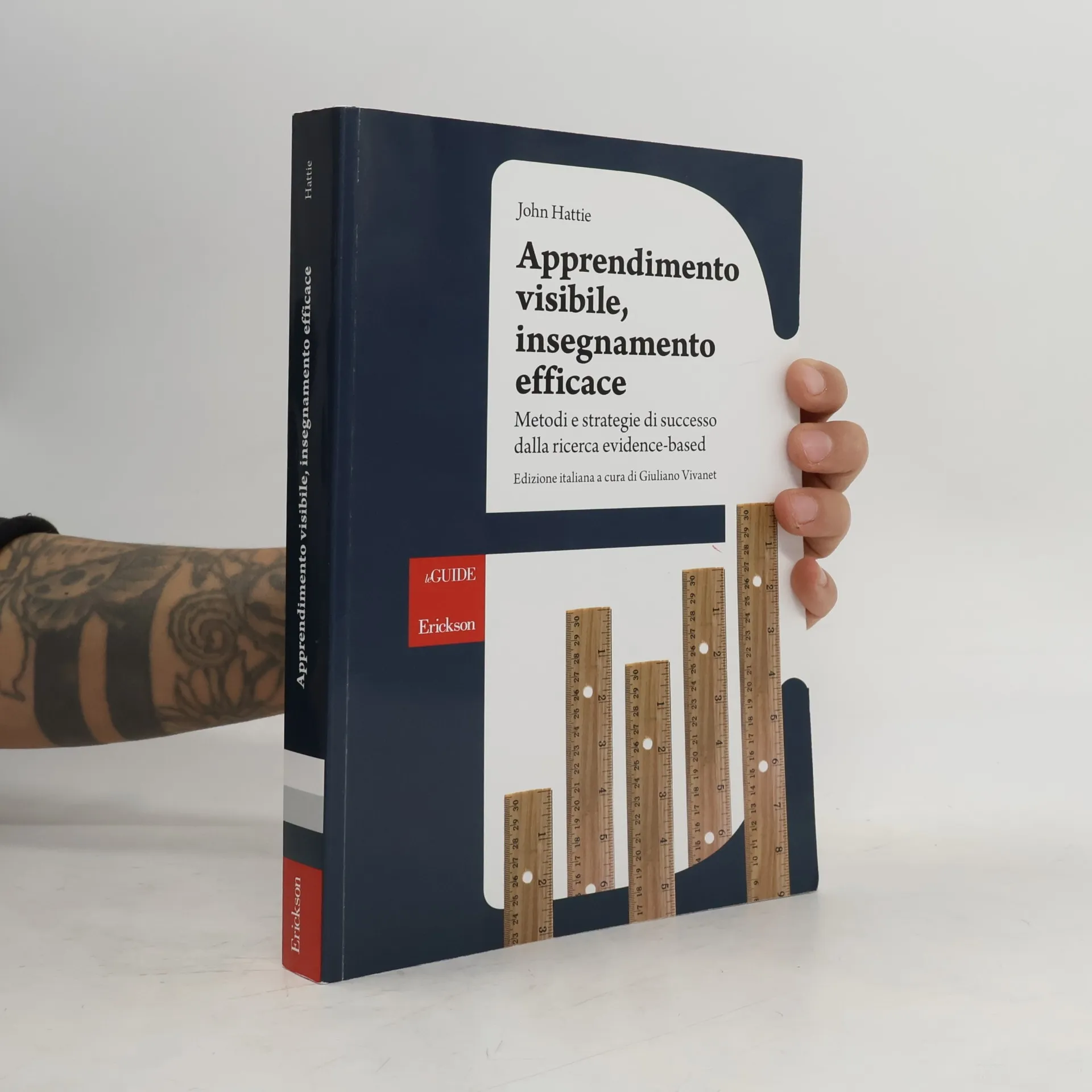
É una guida come preparare le lezioni, interpretare i risultati apprendimento dei prorpi studenti, uso di strategie metacognitive gestire la classe in un modo più efficace AF.
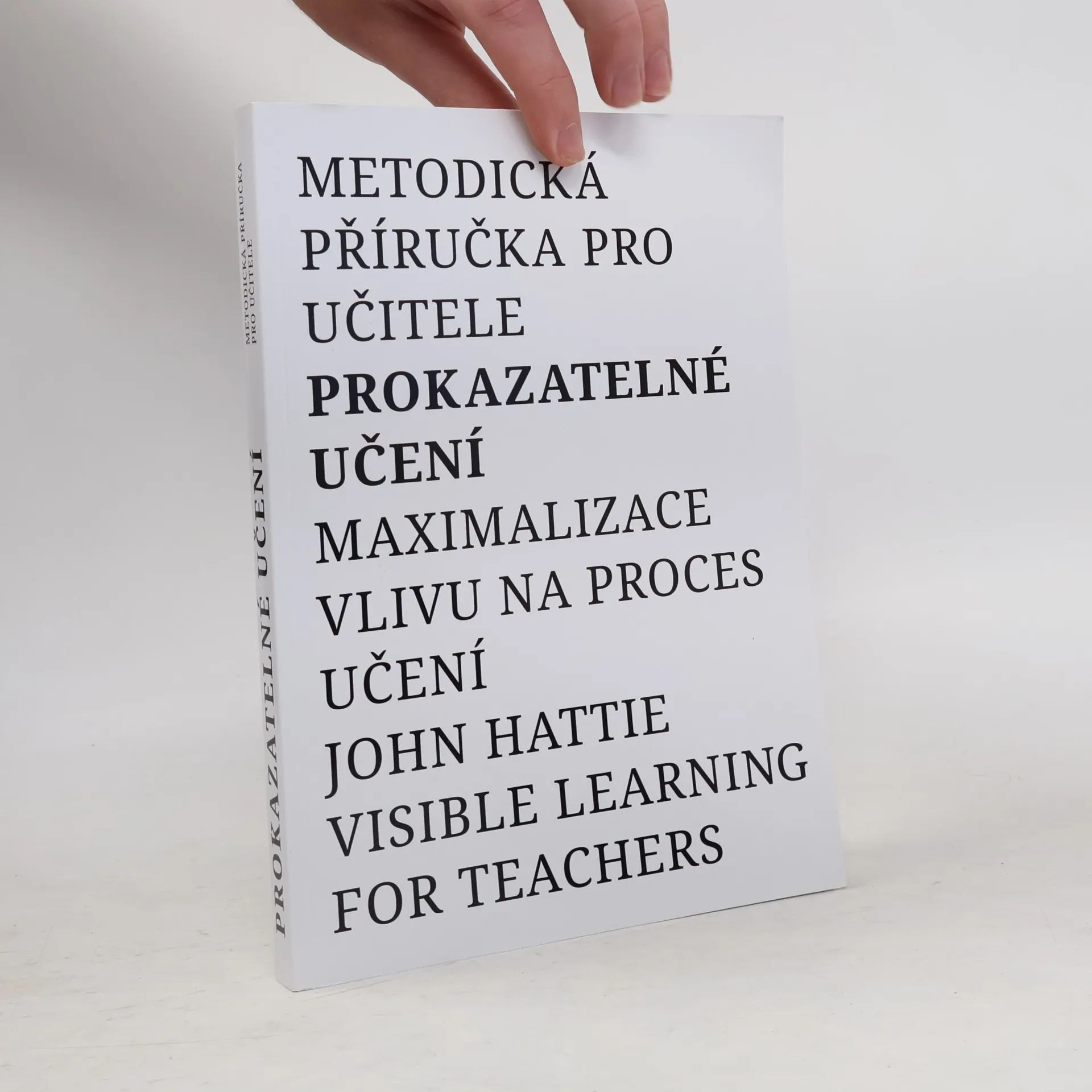
Tato příručka je nezbytným pomocníkem pro všechny současné i budoucí učitele, kteří hledají odpověď na otázku: “Jak mohu ve své výuce dosáhnout maximálního úspěchu?”