Montréal
- 307 pages
- 11 hours of reading
"With a dynamic culture and laissez-faire attitude, Montreál is a place all its own. Wander its vine-covered alleys and corkscrew staircases and you may find yourself falling in love." --pg 4 of cover




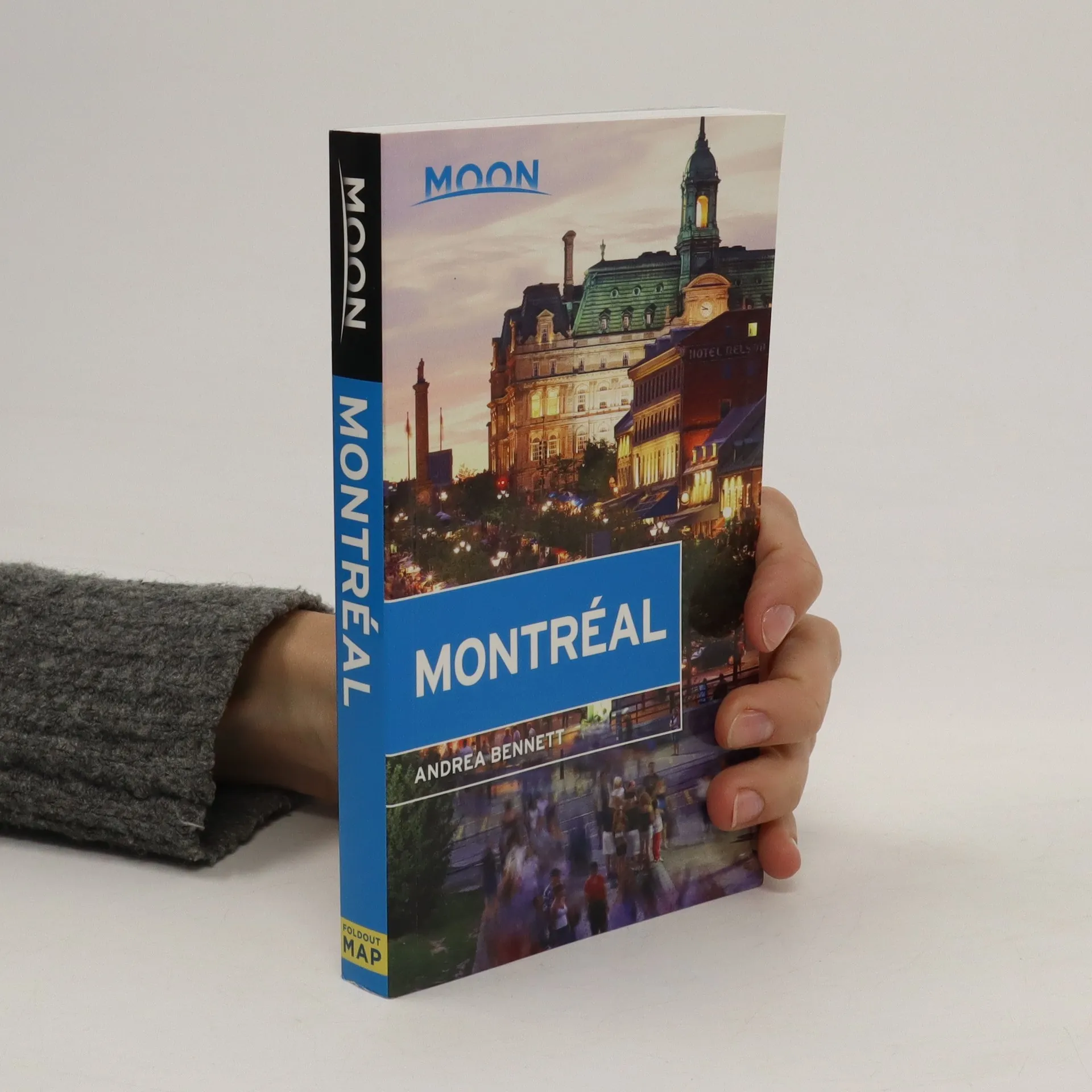

"With a dynamic culture and laissez-faire attitude, Montreál is a place all its own. Wander its vine-covered alleys and corkscrew staircases and you may find yourself falling in love." --pg 4 of cover
This revelatory work examines gender, mental illness, parenting, mortality, bike mechanics, work, class, and the complexities of living in a body. Through fourteen essays, andrea bennett shares insights on gender expectations and the challenges of being a non-binary parent, blending humor and poignancy. The essays explore interconnected themes, such as mental health, mortality, creative endeavors, and even the mechanics of bicycles, revealing personal growth through seemingly mundane tasks. In "Tomboy," bennett reflects on existing in a gender in-between space, while "37 Jobs 21 Houses" critiques the belief that hard work and relocation lead to a better life. Interspersed are "Everyone Is Sober and No One Can Drive," featuring stories of queer millennials from small Canadian towns. Echoing the spirit of Ivan Coyote's work, this book addresses the quest for self-acceptance and the challenge of creating space for others. It contemplates atheism and the search for faith in uncertain times, the struggle to embrace life's fleeting nature, and the significance of bringing new life into a world that often feels bleak. With keen observation and thoughtfulness, bennett uncovers intimate truths about the human experience, transcending the gender binary.
A heartwarming novel about the surprise of second chances in the autumn of your life.
The bonkers' book that 'it is impossible not to be moved by' DAILY MAILA joyful and hilarious tale of some very spirited septuagenarians as they overcome innumerable obstacles to save their beloved mutt from a heartless exterminator in a land where bureaucracy reigns above all else.
the berry takes the shape of the bloom originated as a gesture towards optimism after loss and pain, difficulty and fear. It began as a linear narrative, contented and secure, offering a window into one trans person's life after they felt contented and secure. But in the end these poems, which capture particular moments in time, may recur in any given present: sometimes what surfaces is anxiety or anger, sometimes love or eagerness. Some poems bear witness; others hold grudges or shake free of them. Together, they entwine around enmeshed experiences of gender, family, trans pregnancy, abuse, fear, and becoming: Before blueberries grow, they grow a bloom that looks like a proto berry. The berry then takes the shape of the bloom that came before it. The berry displaces the bloom that came before it ... My mother bloomed and then I was a wave or a skateboard or a foraging deer. My mother bloomed and I did not displace her in the right way. Did I berry?