Friedenspreis des deutschen Buchhandels 2015. Ansprachen aus Anlass der Verleihung
An dem Tag, als mich die Nachricht vom Friedenspreis des Deutschen Buchhandels erreichte, am selben Tag wurde in Syrien Jacques Mourad entführt. Zwei bewaffnete Männer traten in das Kloster Mar Elian am Rande der Kleinstadt Qaryatein und verlangten nach Pater Jacques. Sie fanden ihn wohl in seinem kargen kleinen Büro, das zugleich sein Wohnzimmer und sein Schlafzimmer ist, packten ihn und nahmen ihn mit. Am 21. Mai 2015 wurde Jacques Mourad eine Geisel des sogenannten „Islamischen Staats“
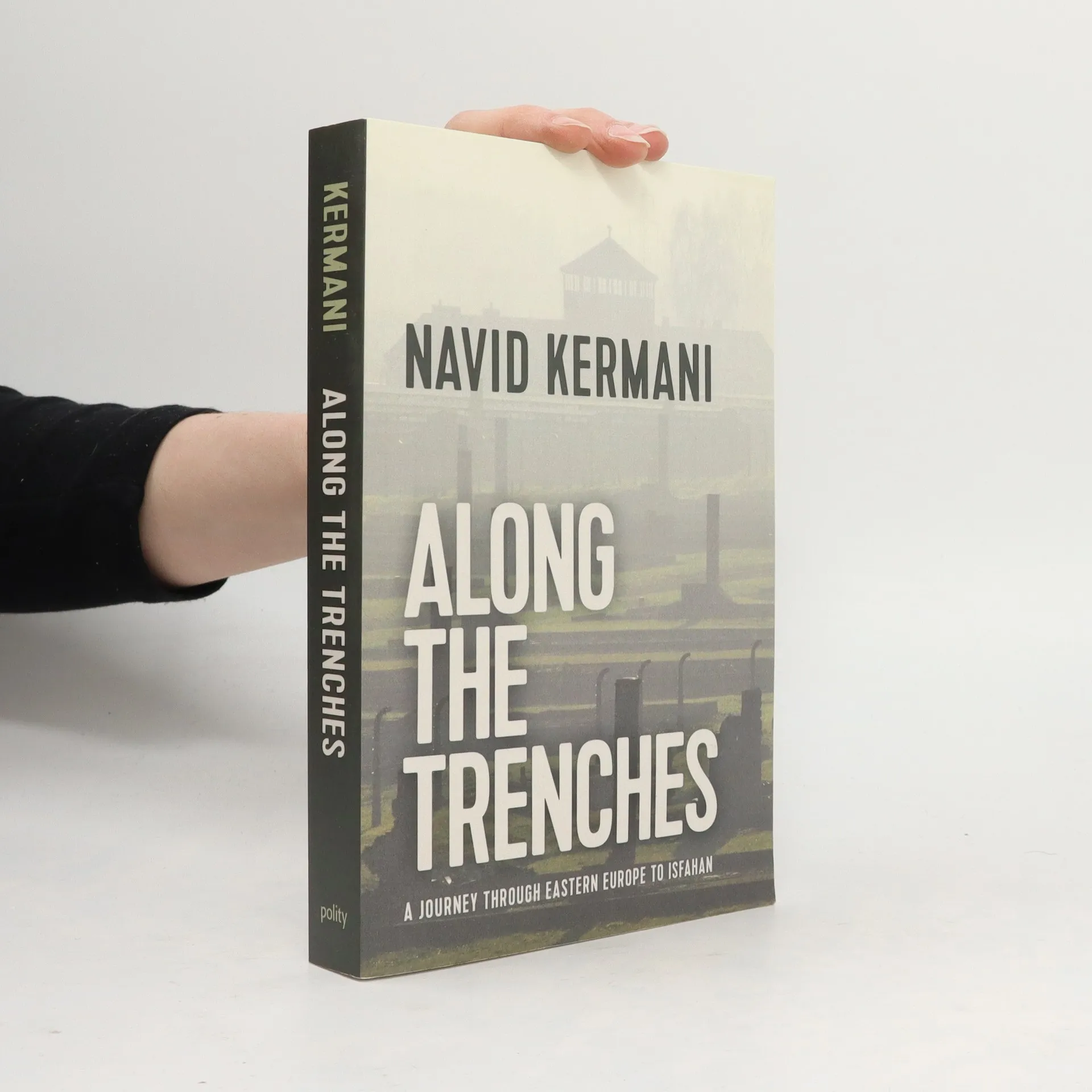
Between Germany and Russia is a region strewn with monuments to the horrors of war, genocide and disaster – the bloodlands where the murderous regimes of Hitler and Stalin unleashed the violence that scarred the twentieth century and shaped so much of the world we know today. In September 2016 the German-Iranian writer Navid Kermani set out to discover this land and to travel along the trenches that are now re-emerging in Europe, from his home in Cologne through eastern Germany to the Baltics, and from there south to the Caucasus and to Isfahan in Iran, the home of his parents. This beautifully written travel diary, enlivened by conversations with the people Kermani meets along the way, brings to life the tragic history of these troubled lands and shows how this history leaves its traces in the present. It will be of great interest to anyone concerned with current affairs and with the events that have shaped, and continue to shape, the world in which we live today.
'When your grandpa was in hospital, he asked me one night to promise him that, when he had gone from us, I would teach you Islam - our Islam: the Islam I grew up with... In that dark, impersonal room, he was thinking of you.' This is why one father began to teach his daughter night after night not only about his own religion, but about that which unites all believers, about God and death, about love and the infinity that surrounds us. This highly personal book is not only a magical literary masterpiece, but also a rich resource of knowledge, and this because Navid Kermani dares to venture into the darkness in order to give expression to our confusion. And because his way of talking, his openness, his knowledge which derives from his immersion in two cultures, are so unique, so light and so deep.
Now in paperback, a story of teenage love in Cold War-era Germany.For a fifteen-year-old, falling in love can eclipse everything else in the world, and make a few short weeks feel like a lifetime of experience. In Love Writ Large , Navid Kermani captures those intense feelings, from the emotional explosion of a first kiss to the staggering loss of a first breakup. As his teenage protagonist is wrapped up in these all-consuming feelings, however, Germany is in the crosshairs of the Cold War—and even the personal dramas of a small-town grammar school are shadowed by the threat of the nuclear arms race. Kermani’s novel manages to capture these social tensions without sacrificing any of the all-consuming passion of first love and, in a unique touch, sets the boy’s struggles within the larger frame of the stories and lives of numerous Arabic and Persian mystics. His becomes a timeless tale that reflects on the multiple ways love, loss, and risk weigh on our everyday lives.
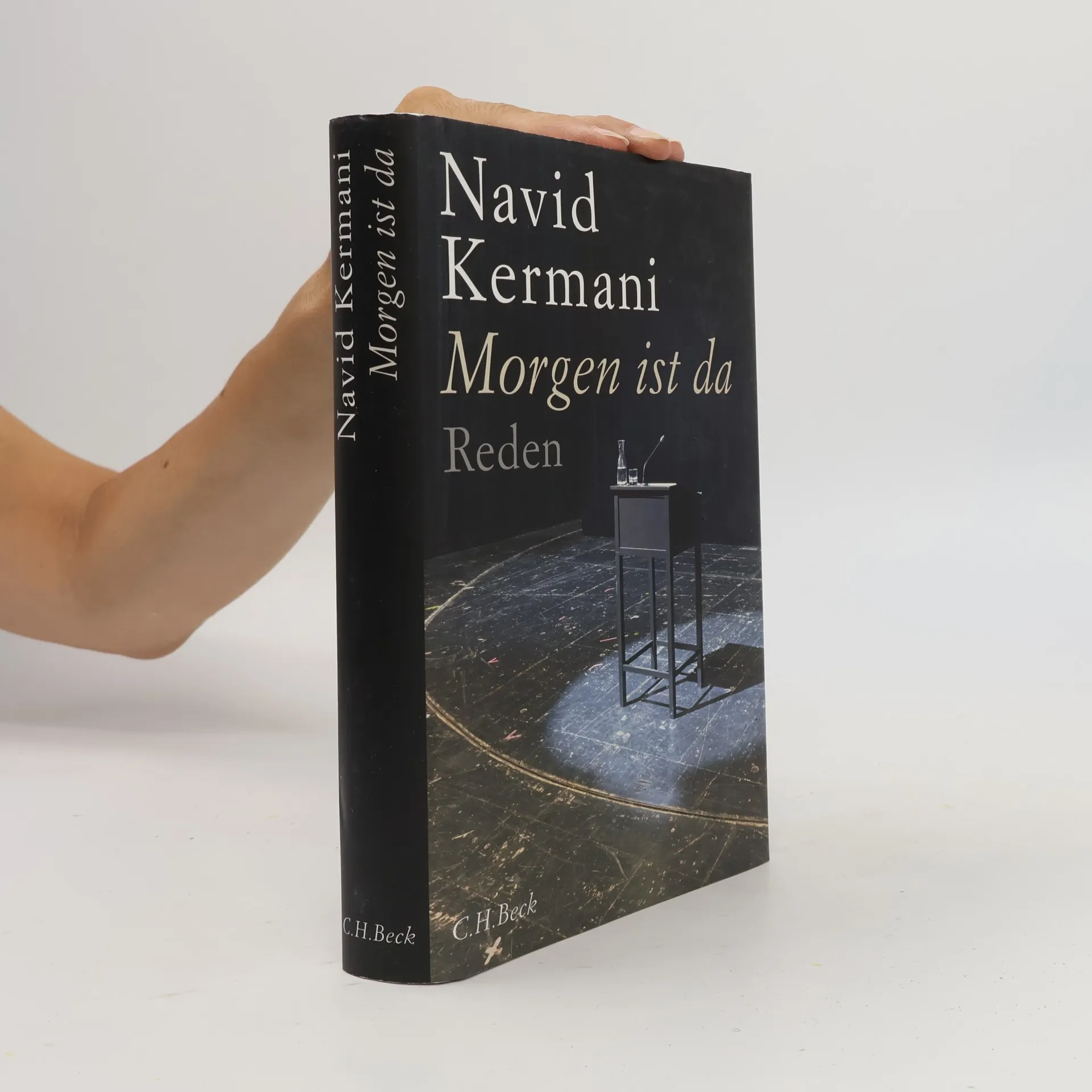
Navid Kermani is not only one of Germany's most distinguished writers and public intellectuals: he is also a brilliant public speaker who mesmerizes audiences with his well-crafted sentences and turns of phrase. Whether he is speaking in St. Paul's Church in Frankfurt on the occasion of receiving the Peace Prize of the German Publishers' Association - Germany's most prestigious literary prize - or delivering a eulogy at his father's graveside, Kermani finds words that surprise his listeners, enlighten them, provoke them, disturb them or move them to tears. As a German of Iranian descent whose parents settled in Germany, Kermani is particularly sensitive to the issues raised by migration and the perceived tensions between Islam and the West. His speeches are a powerful demonstration of how much we stand to gain by adhering to the values of openness, tolerance and mutual respect for the beliefs and practices of those from other cultures who live among us. This volume of Kermani's speeches raises one of the oldest genres of literature - public oratory - to a new level, demonstrating that the prepared speech with its carefully chosen words retains a special power in our fast-moving world of tweets and clickbaits, challenging us to see the world differently and to break away from familiar patterns of thought. -- Provided by publisher
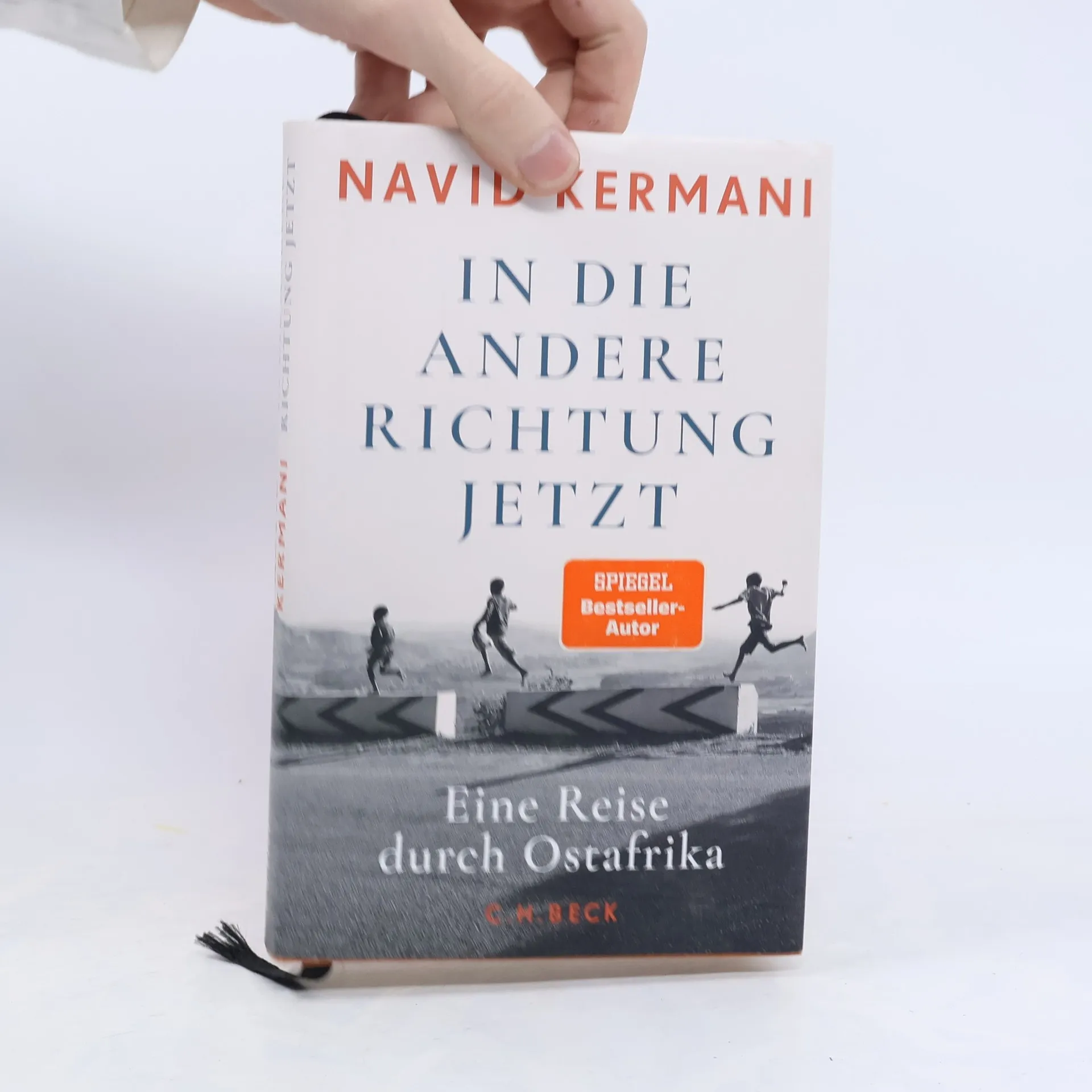
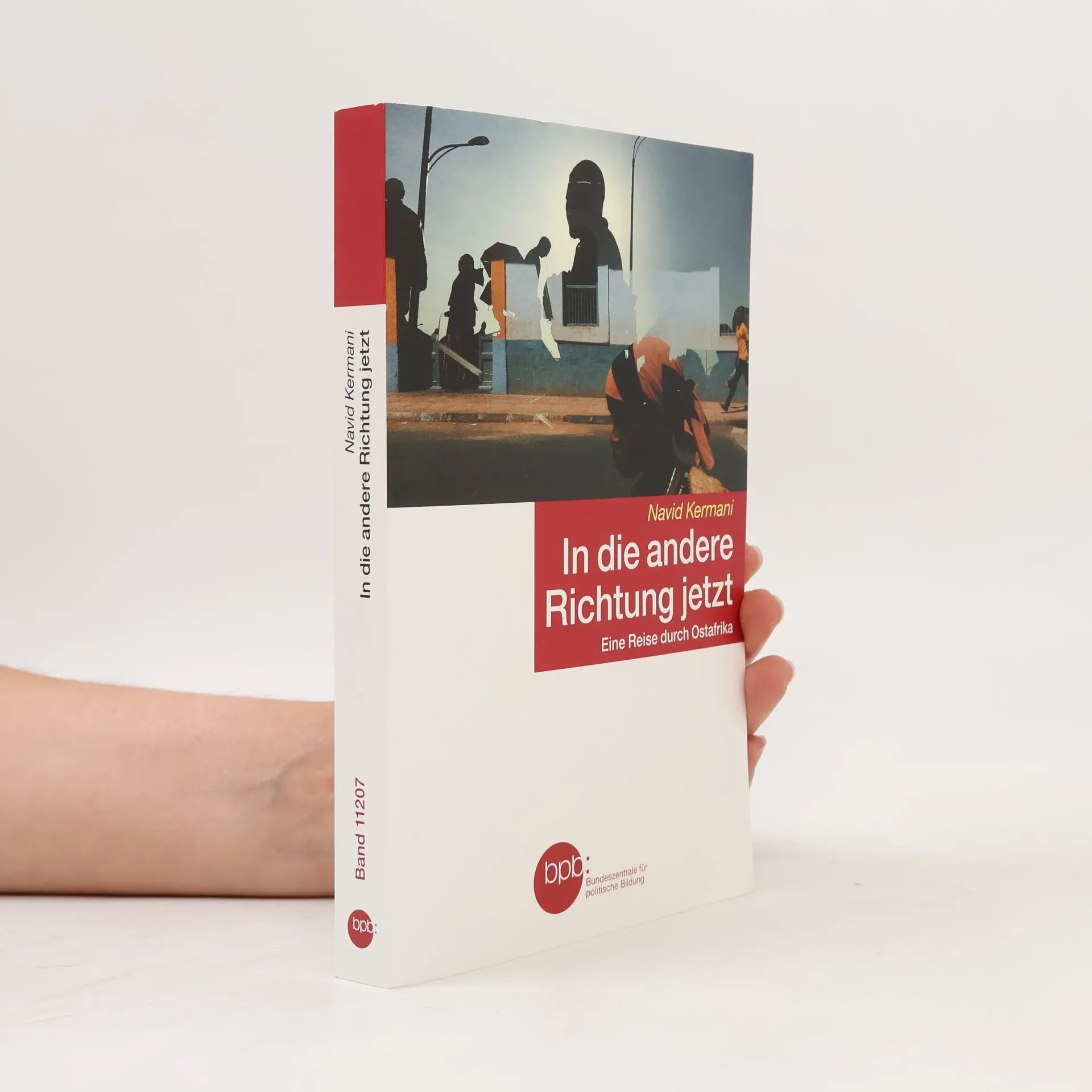
Navid Kermani bereist den Osten Afrikas und beschreibt einfühlsam die Kulturen und Herausforderungen der Region, darunter Klimawandel und Krieg. Er zeigt, wie Bevölkerungen kreativ mit Veränderungen umgehen, insbesondere durch Musik. Sein Buch verbindet literarischen Stil mit aktuellen Themen und regt zum Nachdenken an.
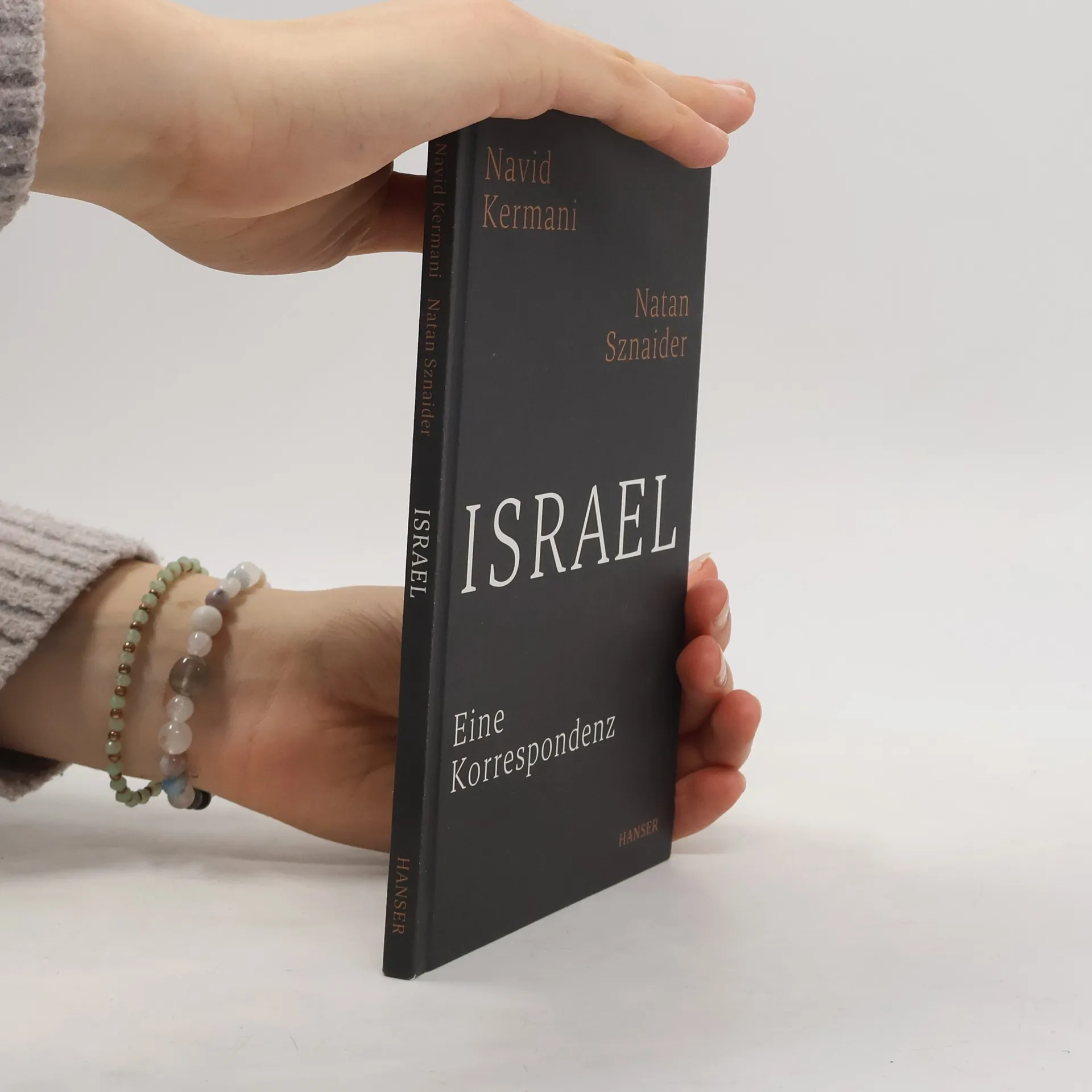
Wie spricht man über den Nahostkonflikt? „Was zählt, ist, dass noch debattiert und gestritten wird – Ein Buch der Stunde“ Uli Hufen, WDR 5 Am 7. Oktober 2023 wachte der israelische Soziologe Natan Sznaider in einer anderen Welt auf. Entsetzt und verzweifelt waren unzureichende Worte, um das Massaker der Hamas zu fassen. Aus der Ferne erkannte der Kölner Schriftsteller Navid Kermani den Schrecken wieder, der in den vergangenen zwei Jahrzehnten bereits über so viele Völker im Nahen Osten gekommen war. Die beiden Freunde erinnerten sich eines leidenschaftlichen Mailwechsels, den sie 2002 nach ihrer ersten Begegnung in Haifa geführt hatten. Dasselbe gespenstische Gefühl beschlich sie, weil sich alle Befürchtungen bewahrheitet hatten. 21 Jahre später hilft ihre Korrespondenz die Gegenwart im Nahen Osten zu verstehen.
Ein eindrucksvolles Plädoyer für ein weltoffenes Deutschland und die erste tiefgreifende Auseinandersetzung mit den Morden der Zwickauer Zelle – brillant formuliert von Navid Kermani. Wir Deutschen, so heißt es, müssten endlich wieder ein normales, ein unverkrampftes Verhältnis zur Nation haben. Dass seit der Wiedervereinigung 150 Menschen fremder Herkunft aus „Liebe zum Vaterland“ ermordet wurden, hat Deutschland allenfalls am Rande registriert. Erst die Mordserie der Zwickauer Terrorzelle alarmierte die Öffentlichkeit. Es stellt sich die Frage: Wenn Patriotismus bis heute so oft in Gewalt umschlägt, ist er dann überhaupt eine Tugend? Der Schriftsteller Navid Kermani, einer der wichtigsten Intellektuellen Deutschlands, glaubt das nicht – und beruft sich dabei auf die deutsche Literatur. Vor allem Lessings Absage an den patriotischen Enthusiasmus ist für ihn Vorbild. Kermani liefert eine brillante Analyse des rechtsradikalen Terrorismus und geht der Frage nach, warum sich Deutsche aus der Mitte der Gesellschaft radikalisieren.
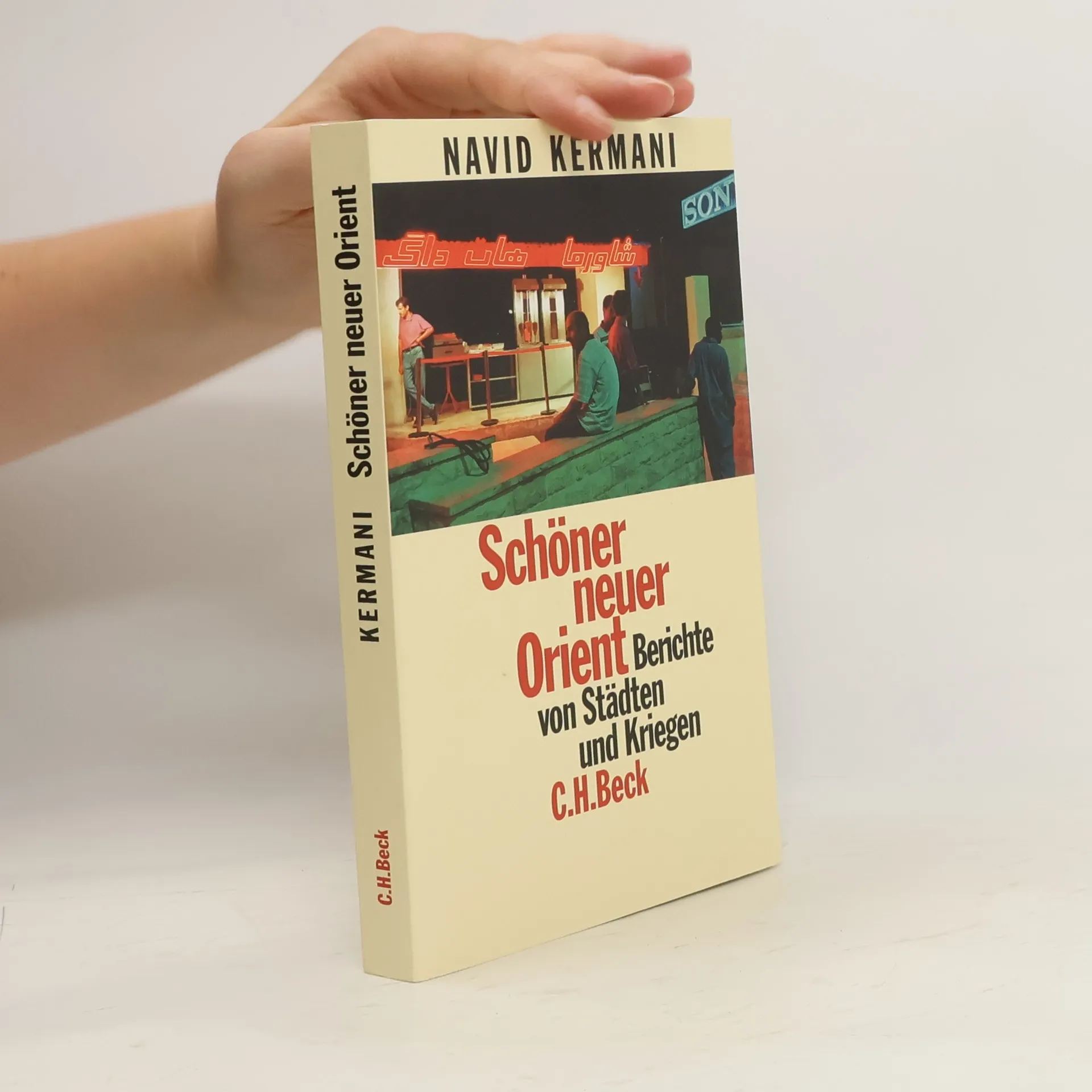
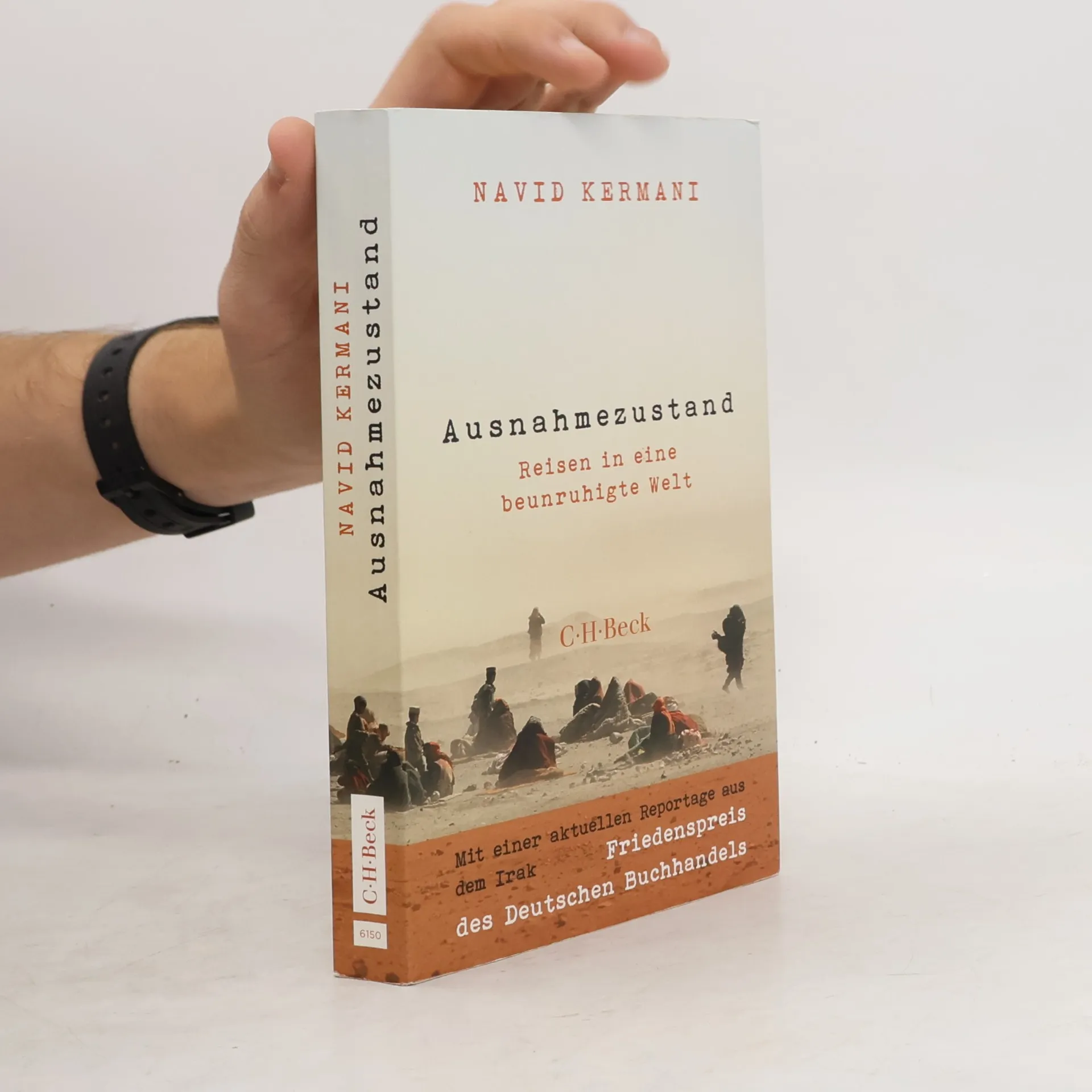
Erhellend, ernüchternd, irritierend: Navid Kermanis brillante Reportagen machen das scheinbar Irrationale des Orients verständlich, das Fremde beängstigend vertraut. Sie führen uns zwischen Ägypten und Indonesien in all jene Regionen der islamischen Welt, die heute im Brennpunkt stehen: der Nahe Osten ebenso wie Zentralasien, Iran ebenso wie Pakistan. So präzise er einzelne Situationen und Menschen schildert, so weisen doch die Schlüsse, die er zieht, immer über den Gegenstand seiner Reportage hinaus. Es sind Analysen auch unserer Welt, die aus der konkreten Erfahrung erwachsen.
Navid Kermani erzählt die Geschichte der Frommen, die sich gegen Gott, den Schöpfer einer Welt voller Leiden, auflehnen. Beispielhaft dafür sind der biblische Hiob und der persische Dichter Attar.
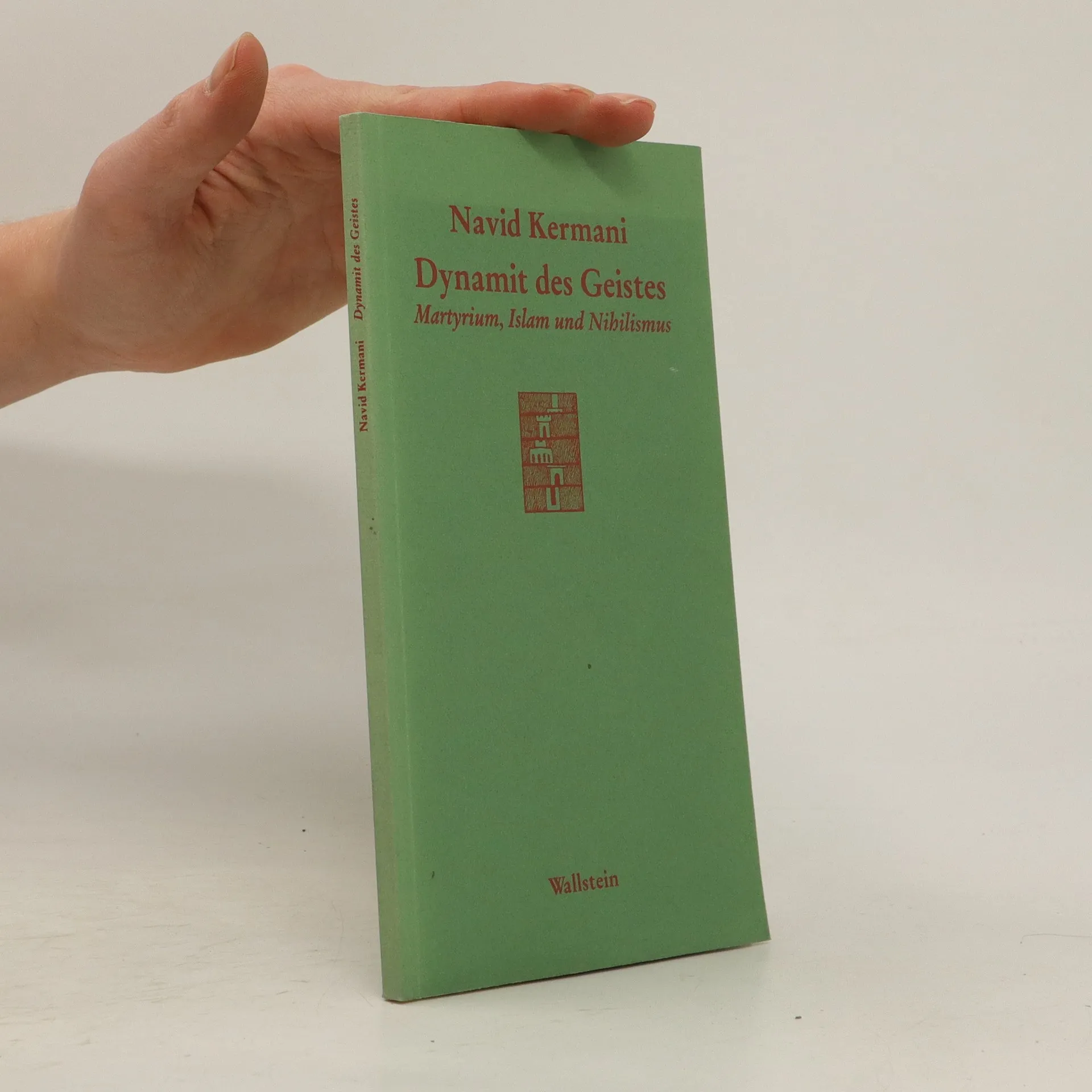
Ist der Selbstmordanschlag vom 11. September 2001 tatsächlich aus der islamischen Tradition zu erklären? Kermani antwortet auch mit Nietzsche auf die aktuelle Frage. Warum kapern Menschen ein Flugzeug und stürzen sich mitsamt der übrigen Insassen in den Tod? Die Anschläge des 11. September wurden weithin als islamischer Akt der Selbstopferung gedeutet. Navid Kermani geht in diesem Buch der Frage nach, inwiefern solche Selbstmordanschläge wirklich der islamischen Tradition entspringen oder ein spezifisch modernes Phänomen sind. Um sie zu beantworten, analysiert er die Idee der Selbstopferung im islamischen wie im westlichen Denken. Nietzsche, so Navid Kermani, trage mehr dazu bei, den 11. September zu verstehen als der Koran. Eine kürzere Fassung des Textes ist im März im Times Literary Supplement erschienen und hat im angelsächsischen Raum Aufsehen erregt. Zur Reihe: Anknüpfend an die literarische und ästhetische Tradition der Aufklärung erscheinen seit 1990 im Wallstein Verlag die »Göttinger Sudelblätter«. Herausgeber dieser Buchreihe in Heftform ist der Literaturkritiker und Schriftsteller Heinz Ludwig Arnold, der 1999 mit dem Niedersachsenpreis ausgezeichnet wurde. Die Reihe ist zeitgenössischer Prosa und kritischer Essayistik vorbehalten und erscheint in lockerer Folge von ca. drei Heften im Jahr.
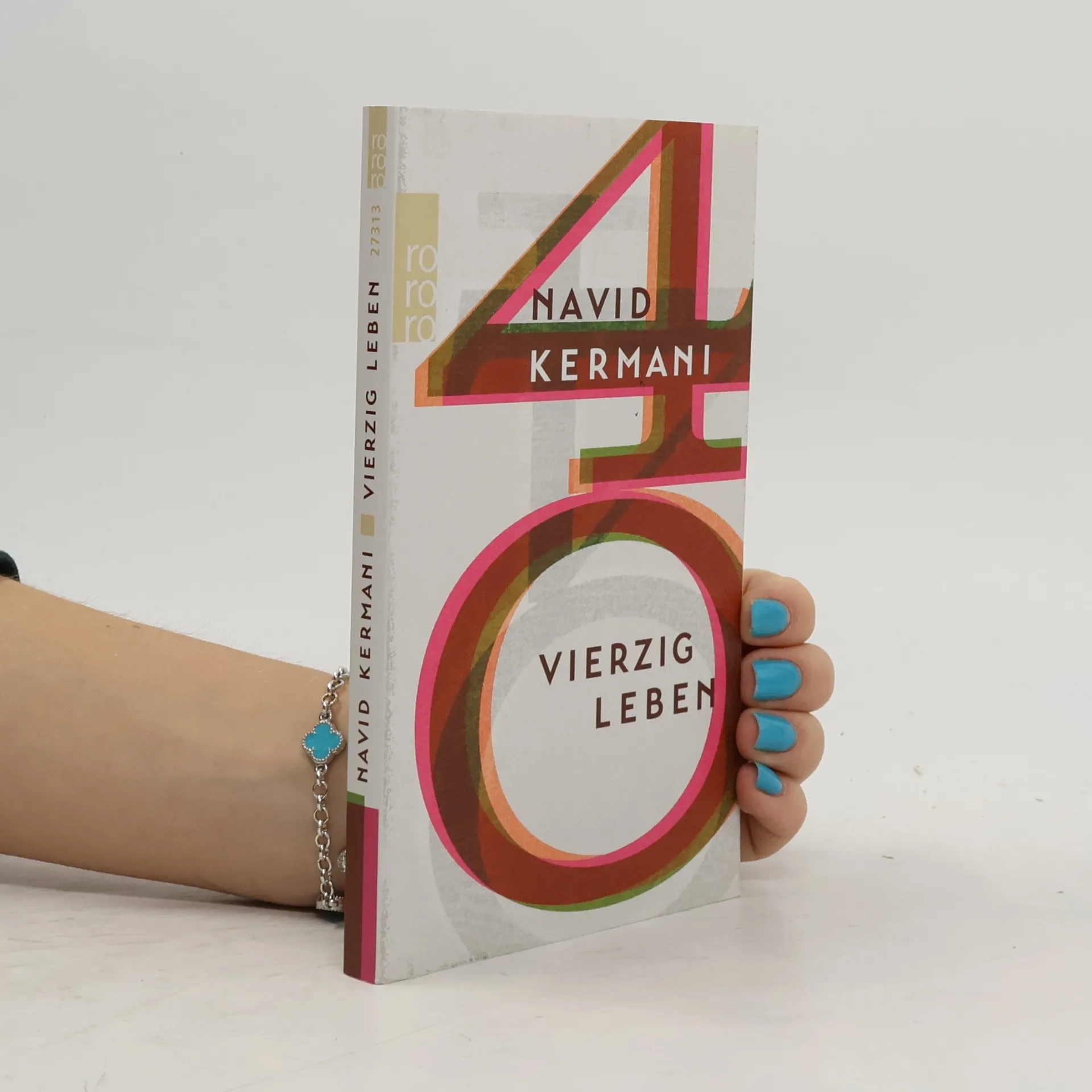
Dieses Buch handelt vom Glück. Von der Freiheit. Von der Würde. Und siebenunddreißig weiteren Königswörtern, bekannt aus Andacht und Werbung, die Navid Kermani literaturhistorisch schüttelt, philosophisch zersägt und eiskalt gegen die Wand schmeißt – um am Ende jene Winzigkeit wundervoll poetisch ausgekratzt zu haben, die an ihnen noch sagbar ist, ohne zu relativieren. In vierzig Leben, vierzig Heiligenviten aus Köln-Eigelstein und Umgebung gelingt ihm nichts Geringeres als ein Katechismus unserer Zeit. Ein beglückend trauriges, todwitziges Buch zum Besinnen, Predigen und Wieder- und Wiederlesen.
„EINE DER AUFREGENDSTEN INTELLEKTUELLEN STIMMEN DEUTSCHLANDS“ THE NEW YORK REVIEW OF BOOKS. Neuausgabe mit drei aktuellen Reden über Hölderlin, Cancel Culture und Musik. Wie drückt man Dankbarkeit für einen Preis aus, der einem zunächst entzogen wurde? Wie erklärt man seine Liebe zu Amerika nach Trumps Wahl? Was hat ein Deutscher mit iranischen Wurzeln über Auschwitz zu sagen? Welche Worte findet man am Grab des eigenen Vaters? Und kann ein Kölner objektiv über den 1. FC Köln sprechen? Navid Kermani scheut in seinen Reden keine Herausforderung und fordert seine Zuhörer auf, sich von gewohnten Denkmustern zu lösen. In seinem Spannungsfeld von klassischer deutscher Literatur, islamischer Mystik und europäischem Geist entfaltet Kermani Gedanken, die bis zur letzten Zeile fesseln. Mit einer einzigartigen Mischung aus Taktgefühl und Provokation spricht er zu uns, oft mit Pathos und einem rhythmischen Fluss, der fast musikalisch wirkt. Kermani hat die öffentliche Rede zur Kunst erhoben, die das Land fasziniert – von seiner berühmten Rede im Bundestag bis zu seiner Dankesrede für den Friedenspreis des Deutschen Buchhandels. Immer wieder überrascht er, regt Debatten an und berührt seine Zuhörer tief. Die Sammlung seiner bedeutendsten Reden bringt eine der ältesten Literaturgattungen zu neuer Blüte.
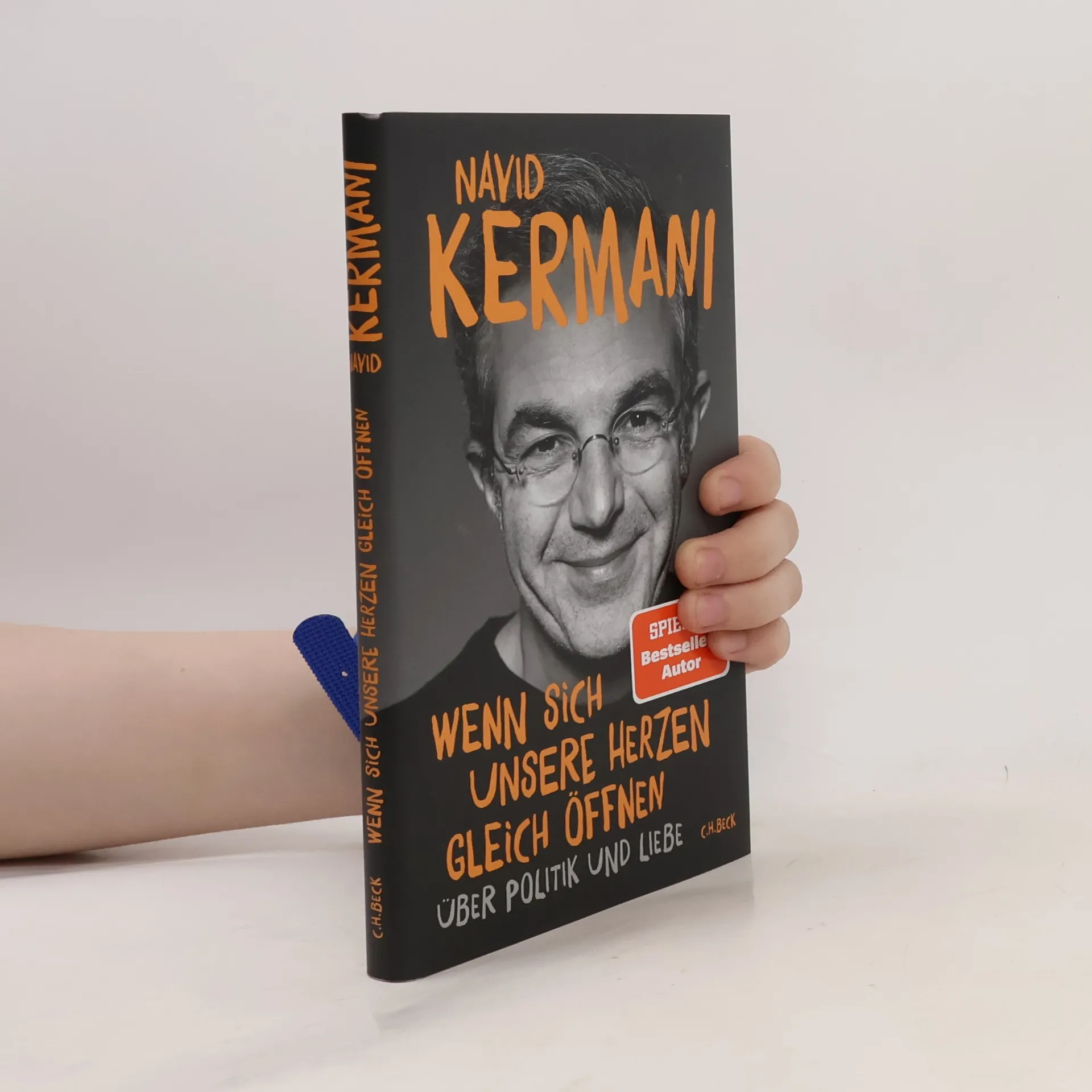
"Mit fünfzehn Jahren begann Navid Kermani in seiner Geburtsstadt Siegen regelmäßig für die Lokalzeitung zu schreiben, und bereits während seines Studiums in Köln arbeitete er als fester Autor für das Feuilleton der FAZ. Seine Berichte aus den Kriegs- und Krisengebieten der Welt wurden Bestseller. Neben seiner vielfach ausgezeichneten literarischen Arbeit ist der Kölner Schriftsteller immer auch Reporter und politischer Kopf geblieben. Wie kaum ein anderer beherrscht er die Kunst, aktuelle Ereignisse wie mit Röntgenstrahlen zu durchleuchten, so dass tiefer liegende Konfliktschichten und Handlungsoptionen sichtbar werden, wo Politiker keinen oder nur einen einzigen Ausweg sehen. Der Band versammelt erstmals seine wichtigsten politischen Artikel aus fast drei Jahrzehnten, vom Terror im Nahen Osten über die Krisen Europas und Rußlands Überfall auf die Ukraine bis hin zum generischen Maskulinum. Man mag kaum glauben, wie lang Kermani uns schon begleitet, so mitfühlend, so wach, mit einer fast kindlichen Neugierde, schaut er bis heute auf die Welt"--Page 2 of cover
Es ist die Welt hinter Lampedusa: der Krisengürtel, der sich von Kaschmir über Afghanistan bis in die Arabische Welt und noch an die Grenzen und Küsten Europas erstreckt. Von dieser Region berichtet Navid Kermani, von unserer unmittelbaren Nachbarschaft, so fern sie unserem medialen Bewusstsein auch erscheint. Wie von Zauberhand gelingt es ihm dabei, einzelne Schicksale und Situationen so lebendig werden zu lassen, dass schlagartig weltpolitische, ja existentielle Problemlagen deutlich werden. Auch hinter Lampedusa liegt unsere Welt.
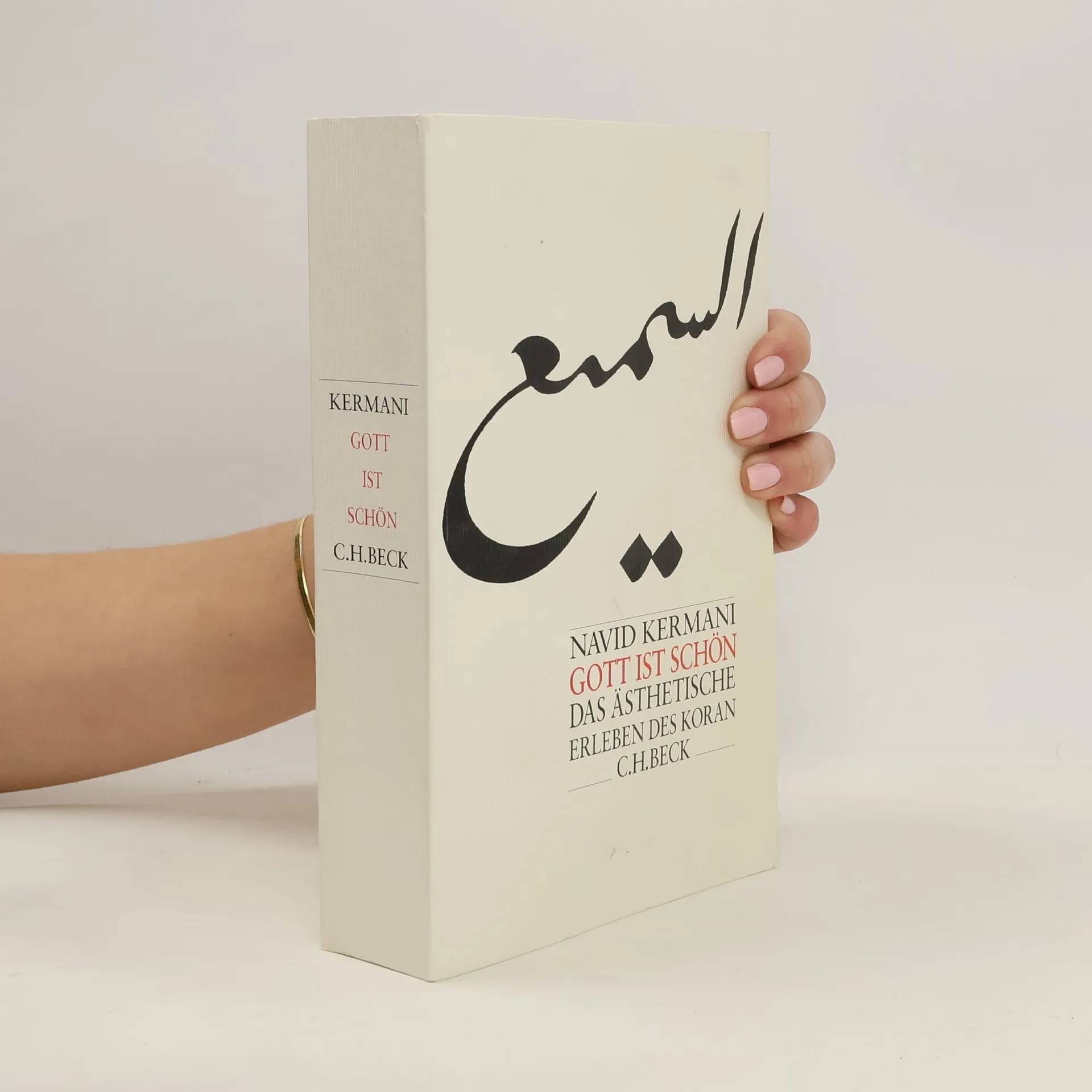
Die musikalische Rezitation des Koran ist für Muslime eine ästhetische Grunderfahrung und Ausgangspunkt faszinierender Gedankenreisen, die im Mittelpunkt dieses Buches von Navid Kermani stehen. Muslimische Autoren betonten zu allen Zeiten immer wieder die literarische Qualität des Koran als einen entscheidenden Faktor für die rasche Verbreitung des Islams. Navid Kermani erzählt diese aufregende und im Westen kaum bekannte Geschichte der ästhetischen Rezeption des Koran. "Dem westlichen Bewusstsein und auch einem Teil der Orientalistik galt und gilt die Lehre vom idschaz, der 'einzigartigen Schönheit' des Korans, bestenfalls als Kuriosum. Araberstolz. Wenn nicht gar islamischer Fundamentalismus. Jetzt hat der aus Persien stammende junge Islamwissenschaftler und Journalist Navid Kermani dieser ästhetischen Dimension eine brillante Monographie gewidmet. Seine Studie trägt mehr zum Verstehen des Islam bei als zwanzig wohlmeinende interreligiöse Podiumsdebatten." - Das hochgelobte, gut lesbare Buch nun als Taschenbuch
Navid Kermanis großer, lang erwarteter neuer Roman - ein Fest der Literatur! Eine Schriftstellerin auf dem Höhepunkt ihres Erfolgs und zugleich am Tiefpunkt ihres Lebens: Die Ehe gescheitert, die Mutter gestorben, und plötzlich ist auch der Lebensentwurf als öffentliche Intellektuelle in Frage gestellt. Denn der sah vor, dass der Mann sich um Kind und Haushalt kümmert, während sie sich um das Elend der Welt sorgt. Virtuos verknüpft Navid Kermani die Grundfragen unserer Existenz, Geschlecht, Krieg und Vergänglichkeit, mit dem Alltäglichsten. So wie seine Heldin ist auch sein Buch ein Solitär: Roman und Journal, Essay und Meditation, ein Fest der Literatur. Etwas, das es so noch nicht zu lesen gab, weil es, wie alle großen Bücher, seine eigene Form erschafft.
Die Frage nach dem Ursprung des Bösen spielt nicht nur für die Theodizee ('Warum lässt Gott das zu?'), sondern auch für das Selbstverständnis des Menschen und die Beweggründe zu (un-)moralischem Handeln eine entscheidende Rolle. Was aber ist genau unter dem Bösen zu verstehen? Wo liegt sein Ursprung? Mit seinen drei Beiträgen, des Theologen und Religionsphilosophen Ingolf U. Dalferth, des früheren Dogmatik-Professors und jetzigen Bischofs Karl Kardinal Lehmann und des Orientalisten und Schriftstellers Navid Kermani, bietet dieser Band Antworten aus der Sicht verschiedener Konfessionen und Religionen. Dabei geht es u. a. um die Unterscheidung zwischen vermeidbaren und unvermeidbaren Übeln, um die Freiheit des Menschen und seine Verantwortung für das Böse und um die Tradition der Gottesklage im Islam. .
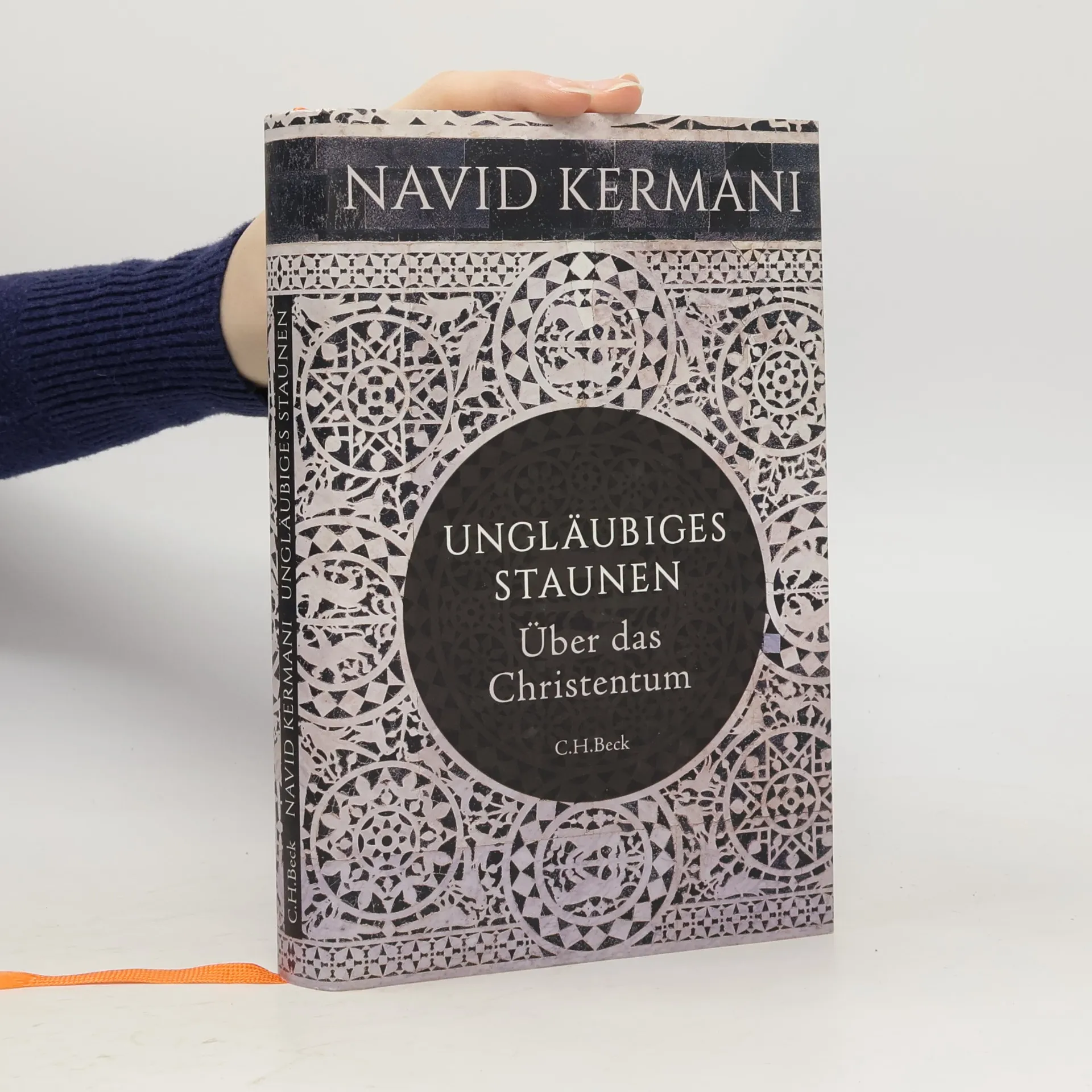
Was geschieht, wenn einer der bedeutendsten deutschen Schriftsteller, der selbst ein Muslim ist, sich in die christliche Bildwelt versenkt? Navid Kermani sieht staunend eine Religion voller Opfer und Klage, Liebe und Wunder, unvernünftig und abgründig, zutiefst menschlich und göttlich: ein Christentum, von dem Christen in dieser Ernsthaftigkeit, Kühnheit und auch Begeisterung nur noch selten sprechen.Es ist ein Wagnis: Offenen Herzens, mit einer geradezu kindlichen Neugier steht Navid Kermani vor den großen und vor unbekannten Werken der christlichen Kunst. Und es wird zum Geschenk: Denn seine berückend geschriebenen Meditationen geben dem Christentum den Schrecken und die Schönheit zurück. Kermani hadert mit dem Kreuz, verliebt sich in den Blick der Maria, erlebt die orthodoxe Messe und ermisst die Größe des heiligen Franziskus. Er lehrt uns, in den Bildern alter Meister wie Botticelli, Caravaggio oder Rembrandt auch die Fragen unserer heutigen Existenz zu erkennen – mit klarem Blick für die wesentlichen Details und die untergründigen Bezüge auch zu entfernt scheinenden Welten, zur deutschen Literatur, zum mystischen Islam und selbst zur modernen Heilgymnastik. Seine poetische Schule des Sehens macht süchtig: süchtig nach diesem speziellen Blick auf das Christentum und sehnsüchtig danach, selbst so sehen zu können.
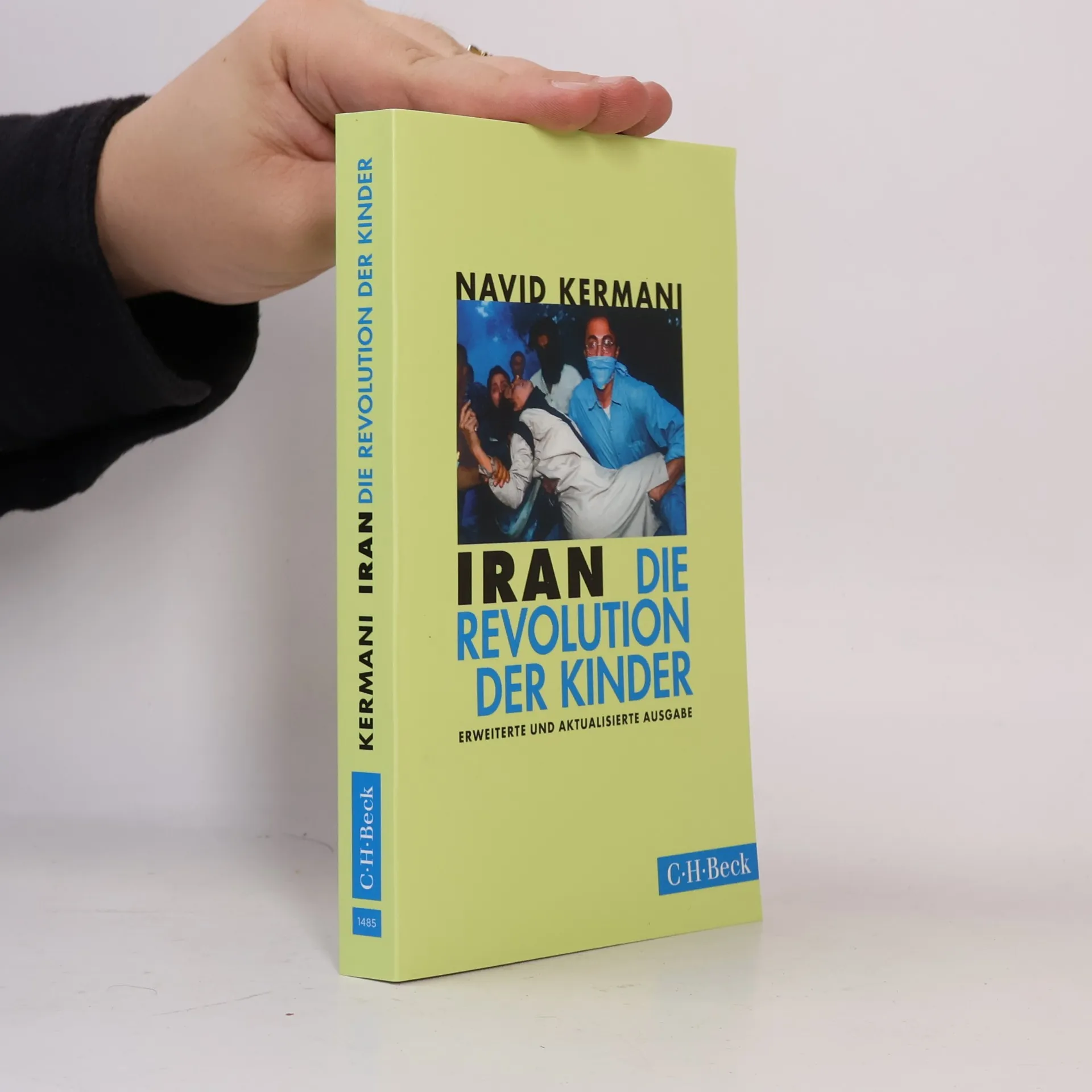
Die Revolution der Kinder - Erweiterte und aktualisierte Ausgabe
288 pages
11 hours of reading
Navid Kermani hat sein erfolgreiches Buch über den dramatischen Umbruch in der gegenwärtigen iranischen Gesellschaft für diese Neuauflage erweitert und aktualisiert.
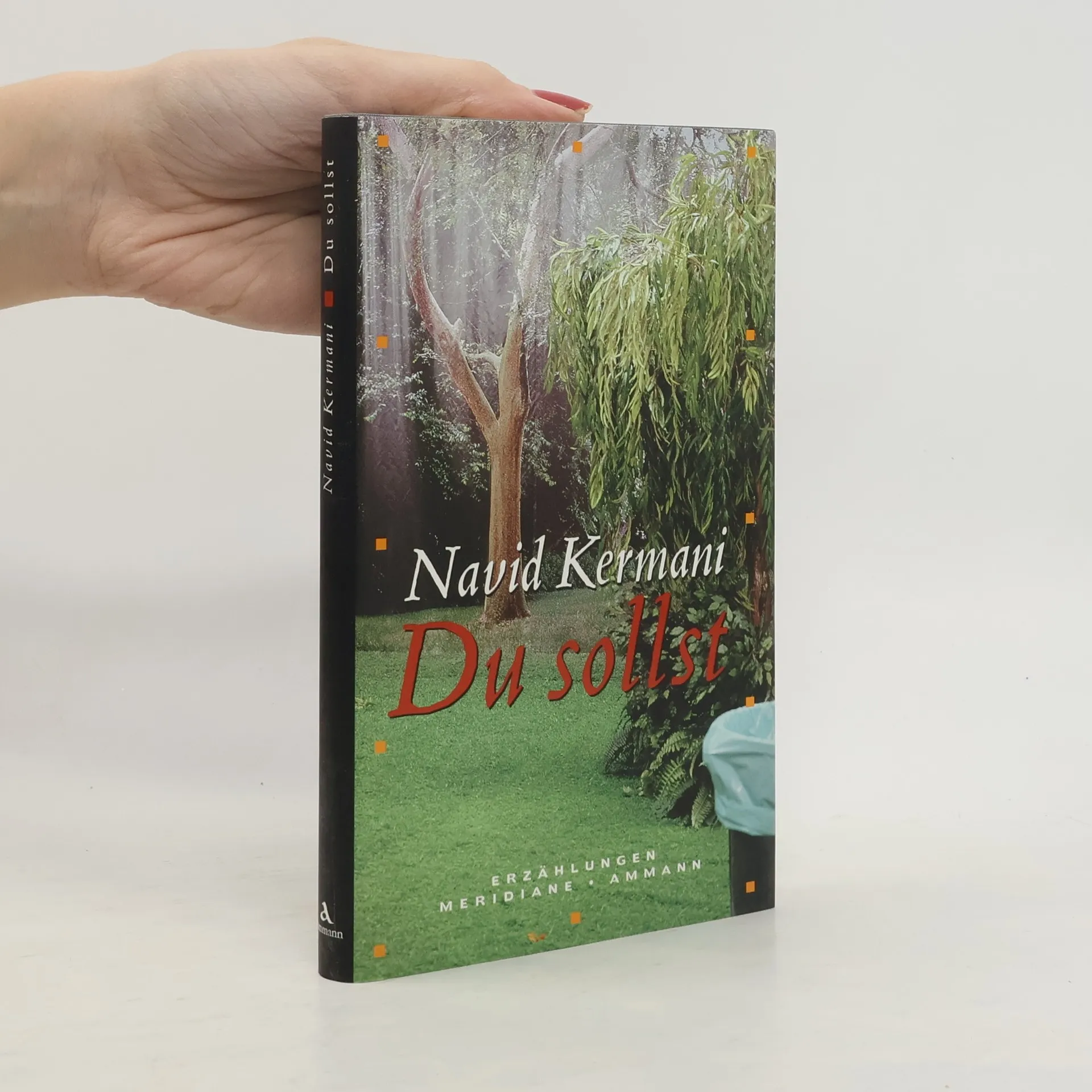
Gibt es für das Betreten und unser Leben in der Intim-Landschaft zwischen Mann und Frau Regeln? Es gibt die Gesetze jenes Mannes, der mit zwei Schrifttafeln beladen vom Berg Sinai zu seinem Volk herunterstieg, um ihm mit dem Imperativ „Du sollst nicht.“ die Regeln zu geben. Navid Kermani tritt in diese Landschaft ein, und was er uns von seinen Begehungen und Wanderungen durch die Täler und auf die Höhen dieser Topographie erzählt, ist nichts weniger als ein erotisches Itinerarium, ein Stationenverzeichnis des an Konflikten und Reibungspunkten reichen Zusammenlebens von Mann und Frau. Sein Imperativ Du sollst setzt die biblischen Gesetze nicht außer Kraft, nein, er behauptet ihre Gültigkeit, indem er auf das Verhalten, die Ängste und Sündenfälle zwischen zwei heute Liebenden blickt - und solchen, die sich einmal geliebt haben. Unverblümt ist die Sprache und zugleich voller Poesie, eine Sprache, die an die heiligen Bücher der Menschheit erinnert, auch und gerade, wo sie den Schmutz nicht scheut. Den Fängen dieser deftigen Geschichten werden wir uns so schnell nicht entziehen können, auch wenn sie uns zum Widerspruch herausfordern in ihrer fast schon prophetischen Konsequenz. Du sollst ist ein Buch, das auf den Nachttisch aller Liebenden gehört.
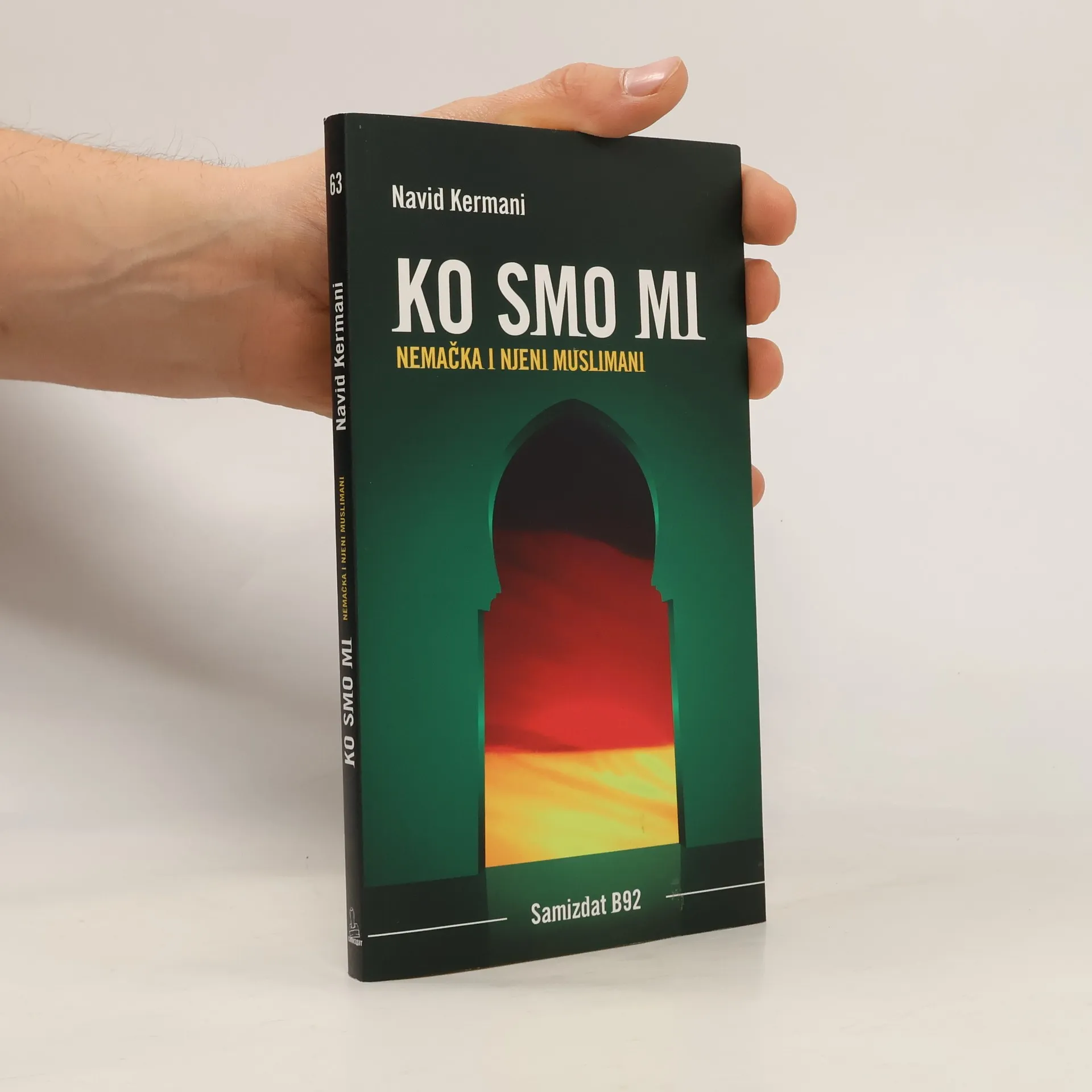
Navid Kermani je svoja razmišljanja o miltikuturnomdruštvu u ovom svom delu zgusnuo u istinski polemički spis. Ko se protiv neprijatelja otvorenog društva bori na taj način što se odriče otvorenosti sopstvene kulture unapred gubi bitku, ističe Kermani. Ovu tvrdnju treba shvatiti kao apel, i to kao apel upućen svim stranama. Svaki je identitet, i nemački, i evropski, i hrišćanski i muslimanski, neuporedivo složeniji i ambivalentniji nego što se na prvi pogled čini. Ako ništa drugo, bilo bi izuzetno monotono kada bismo, pristavši da prihvatimo samo jedan od njih, svejedno koji, odbacili sve druge.
By foot, in buses, prison vans and trains, a steady stream of refugees traveled from the Greek island of Lesbos into Europe. In the autumn of 2015, award-winning writer Navid Kermani decided to accompany them on the "Balkan route." In this perceptive account from the front line of the "refugee crisis," Kermani shows how a seemingly distant world in which war and conflict rage has suddenly collided with our own. Kermani describes the situation on the Turkish west coast where thousands of refugees live in the most desperate conditions, waiting to take the perilous journey across the Mediterranean. Then, on Lesbos, he observes the culture shock amongst those who have survived the ordeal by sea. He speaks to aid workers and politicians, but most importantly of all to the refugees themselves, asking those who have come from Syria, Iraq, Afghanistan and elsewhere what has driven them to risk everything and embark on the long and treacherous journey to Europe. With great sensitivity Kermani reveals, often through small details, the cultural and political upheaval that has caused people to uproot their lives, and at the same time shining a light on Europe's inadequate and at times openly hostile response to the refugees. Interspersed with powerful images by the acclaimed photographer Moises Saman, Upheaval is a much-needed human account of a crisis we cannot ignore.
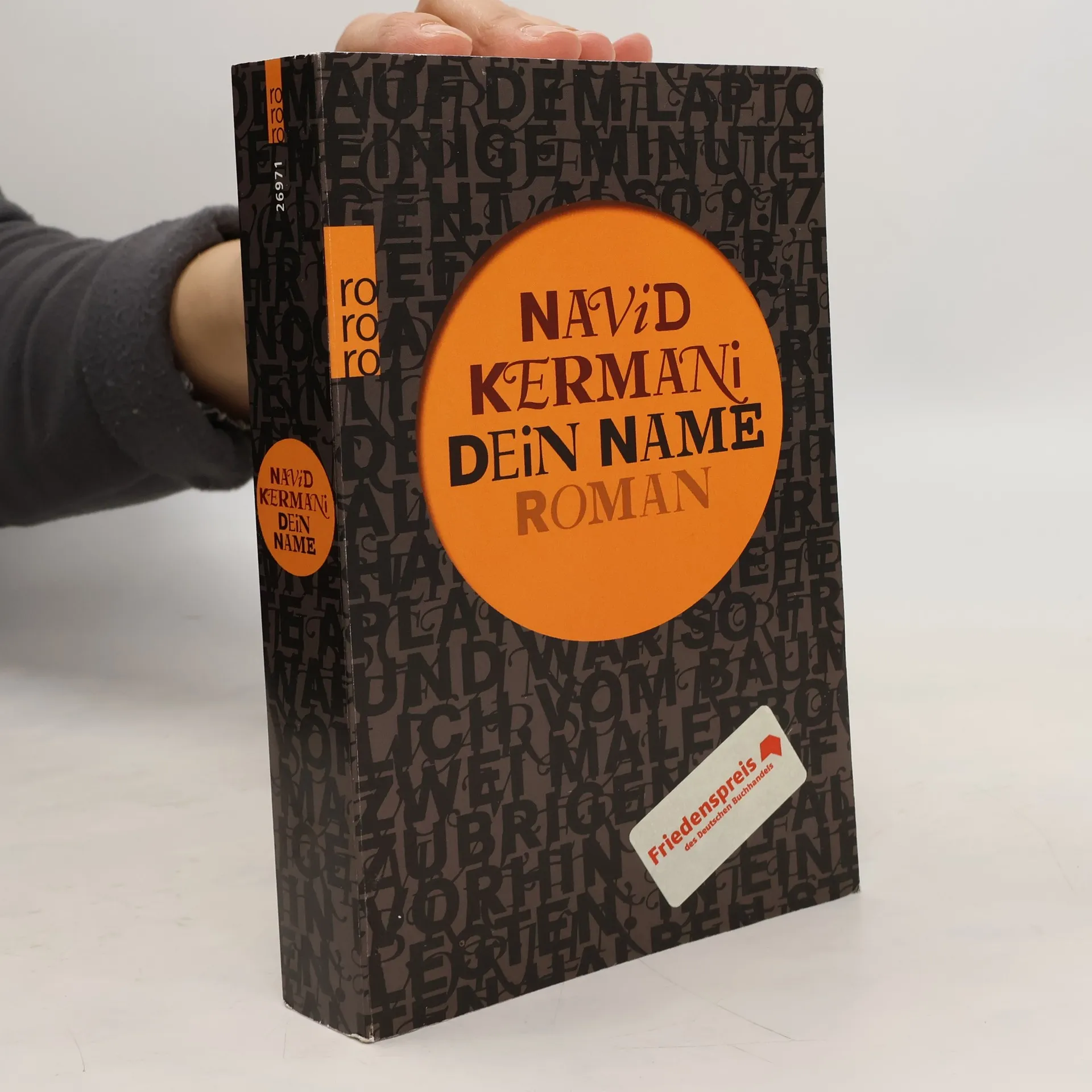
Ein Lebensbuch, ein Totenbuch. Eine Meditation über das Heilige und die Nöte des Alltags. Die Geschichte einer schwierigen Ehe und eines Großvaters in Isfahan. Die Geschichte Irans und die Gegenwart Europas. Krieg und Frieden, heute. Eine Versenkung in die deutsche Romantik, aber auch in Rockmusik und katholische Kunst. Ein Protokoll der Tage eines Schriftstellers, der Navid Kermani genannt wird. Und immer wieder Verzückung und Verzweiflung. Alles aber, und dies ist das Wunder dieses Buches, wird Teil eines einzigen Lebens, verflicht und verschlingt sich zu einem unerhörten Bild unserer Wirklichkeit jetzt, spricht jeden einzelnen Leser ganz unmittelbar an. Denn wir alle sind viele. Und wir alle vergehen. Dein Name ist ein Roman, wie es noch keinen gab. Ausgezeichnet mit dem Kleist-Preis und dem Joseph-Breitenbach-Preis.
Ayda ist erst fünf, aber sie kann schon eine ganze Menge: Gedichte aufsagen, sich alleine anziehen, Persisch und Deutsch sprechen, ohne Stützräder Fahrrad fahren. Trotzdem nehmen Lisa und Paul aus dem Kindergarten sie nie mit, wenn sie unterwegs sind. „Knirps“ nennen sie Ayda, weil sie so klein ist. Also zieht Ayda eines Tages allein los und trifft auf den Hasen und den großen Bären. Die beiden haben Angst vor den Menschen, weil man sie nicht ernst nimmt oder sogar fürchtet. Doch auf Ayda lassen sie sich ein. Gemeinsam entdecken die drei, wie aufregend die Welt ist, und schon bald verbindet sie eine tiefe Freundschaft. Da sind sie nur noch selten „üzüntülü“ – traurig.
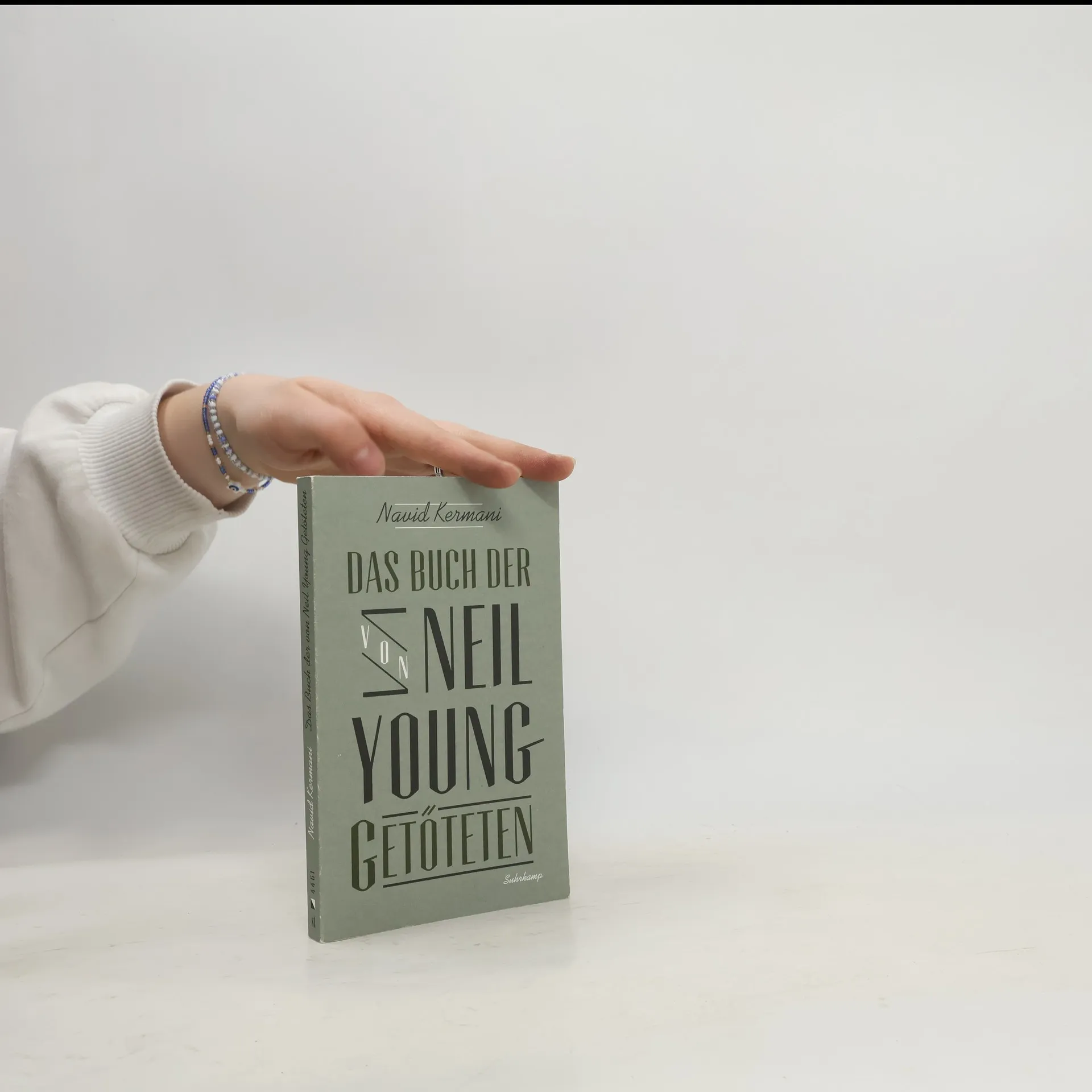
»Das Buch der von Neil Young Getöteten« ist mehr als nur das schönste, klügste, verrückteste Buch, das je über Rockmusik geschrieben wurde – es ist eine Hymne auf das Leben. Mit den berüchtigten Dreimonatskoliken fängt es an – Abend für Abend windet sich die neugeborene Tochter des Erzählers in Krämpfen. Das einzige wirksame Gegenmittel: die Songs von Neil Young. Für Vater und Tochter beginnt eine Reise durch den Kosmos des kanadischen Musikers hin zu den verlorenen Illusionen und flüchtigen Augenblicken des Glücks. Mit leichter Hand verwebt Navid Kermani den Alltag einer jungen Familie mit den großen Lebensfragen, und wie nebenbei wird klar, wo noch Splitter vom Paradies zu finden wären: nicht nur in der Musik.
'Tut mir leid, es dir so zu sagen, kann jetzt aber nicht anders. Meine kollegin maike anfang ist gestorben, die mit uns noch whisky trinken war. Einfach so. Ich weiß gar nichts mehr. Liebe grüße, korinna.'Per SMS erfährt der knapp 40jährige Eventmanager Dariusch in seinem Rückzugsort Cadaqués vom Tod einer entfernten Bekannten. Naturgemäß ist er zunächst irritiert, sogar bestürzt über die so plötzliche wie abstrakte Konfrontation mit dem Tod. Aber da er die Frau nur flüchtig kennt, findet er zunächst keinen Grund, aus der Routine des Sommerabends auszubrechen. Sein Leben und das Leben als solches wird weitergehen, als wäre Maike Anfang nicht gewesen. Doch etwas sperrt sich in ihm dagegen, zur Tagesordnung überzugehen. Wieso stirbt Maike Anfang? Wieso stirbt jemand einfach so? Wenn ihr Tod ohne Grund war, muß es dann nicht auch sein Leben sein? In der Schlaflosigkeit des frühen Morgens beschließt er, sich in den Zug zu setzen und zurückzukehren nach Köln. Er will die Umstände des Todes erfahren oder wenigstens bei der Beerdigung anwesend sein. Er will der Verstorbenen gedenken. Kurzmitteilung ist die Geschichte einer Auflehnung gegen den Lauf der Dinge und zugleich ein höchst verstörender Kommentar zur Zeit. Ein Roman über die Alltäglichkeit des Todes und das Tödliche unseres Alltags.
Ein Schriftsteller hat einen Roman geschrieben über die große Liebe seiner Jugend. Nach einer Lesung steht eine Frau vor ihm, die er nicht erkennt. Aber sie ist es trotzdem. Er ist jetzt Autor, sie ist seine Romanfigur – und aus dem jungen Mädchen von damals ist ganz offensichtlich eine interessante, auch anziehende, aber verheiratete Frau geworden. Die Situation wird etwas komisch: Man setzt sich zusammen, trinkt ein Glas Wein, redet über französische Liebesromane, fragt sich, was man von der Liebe erwartet, wenn man älter geworden ist, Juttas Mann sitzt im Nebenzimmer – wie soll das alles enden? Navid Kermani schreibt einen Liebesroman ganz eigener Art, tiefgründig, überraschend, witzig.
Der Osten Afrikas ist besonders stark von Konflikten, Kriegen und schweren Krisen betroffen, die hierzulande wenig Aufmerksamkeit erlangen. Dazu zählen etwa die durch die Erderhitzung verursachte Hungersnot in Madagaskar oder die Bürgerkriege im Norden Äthiopiens und im Sudan. Gewalt, Terror, Hunger und Flucht auf dem afrikanischen Kontinent scheinen in den reichen Staaten oft vergessen, sofern die Folgen diese nicht selbst betreffen. Dagegen sind die Einflusssphären in Afrika hart umkämpft, überwiegend in Bezug auf Bodenschätze, von deren Abbau die lokale Bevölkerung meist aber wenig Vorteile hat. Navid Kermani hat Ostafrika bereist, vom Süden Madagaskars über die Komoren, Mosambik, Tansania, Kenia, Äthiopien bis ins sudanesische Nuba-Gebirge. Seine Reportage führt ihn zu den Menschen vor Ort und ihrer eigenen Sicht auf die Dinge, zu ihrem Alltagserleben und ihren Perspektiven auf Geschichte, Identität und Zukunft. Dabei reflektiert er stets den eigenen, „westlichen“ Blick auf die Region und spürt dessen Ursprung zwischen kolonialer Überheblichkeit, Romantisierung und Betroffenheit nach. Und ebenso wie Kermani von Kriegen, Ausbeutung und Elend berichtet, erzählt er von Musik, Kultur und Lebenswillen und zeichnet so ein empathisches wie ambivalentes Bild einer hierzulande medial oft übersehenen Region.
Eine Frau um die fünfzig auf dem Höhepunkt ihres Erfolgs und zugleich am Tiefpunkt ihrer privaten Existenz: Die Ehe gescheitert, die Mutter gestorben, und plötzlich ist auch der Lebensentwurf als öffentliche Intellektuelle in Frage gestellt. Denn der sah vor, dass der Mann sich um Kind und Haushalt kümmert, während sie sich um das Elend der Welt sorgt. Halt bieten ihr die Bücher, die wie lebendige Personen zu ihr sprechen. Halt bieten aber auch einzelne, noch so unscheinbare Augenblicke, die gegen den Schrecken, die Trauer und ihre Scham bestehen. So wie seine Heldin ist auch Kermanis Buch ein Solitär: Roman und Journal, Essay und Meditation, ein Fest der Literatur. Ausgezeichnet mit dem Thomas-Mann-Preis 2024.
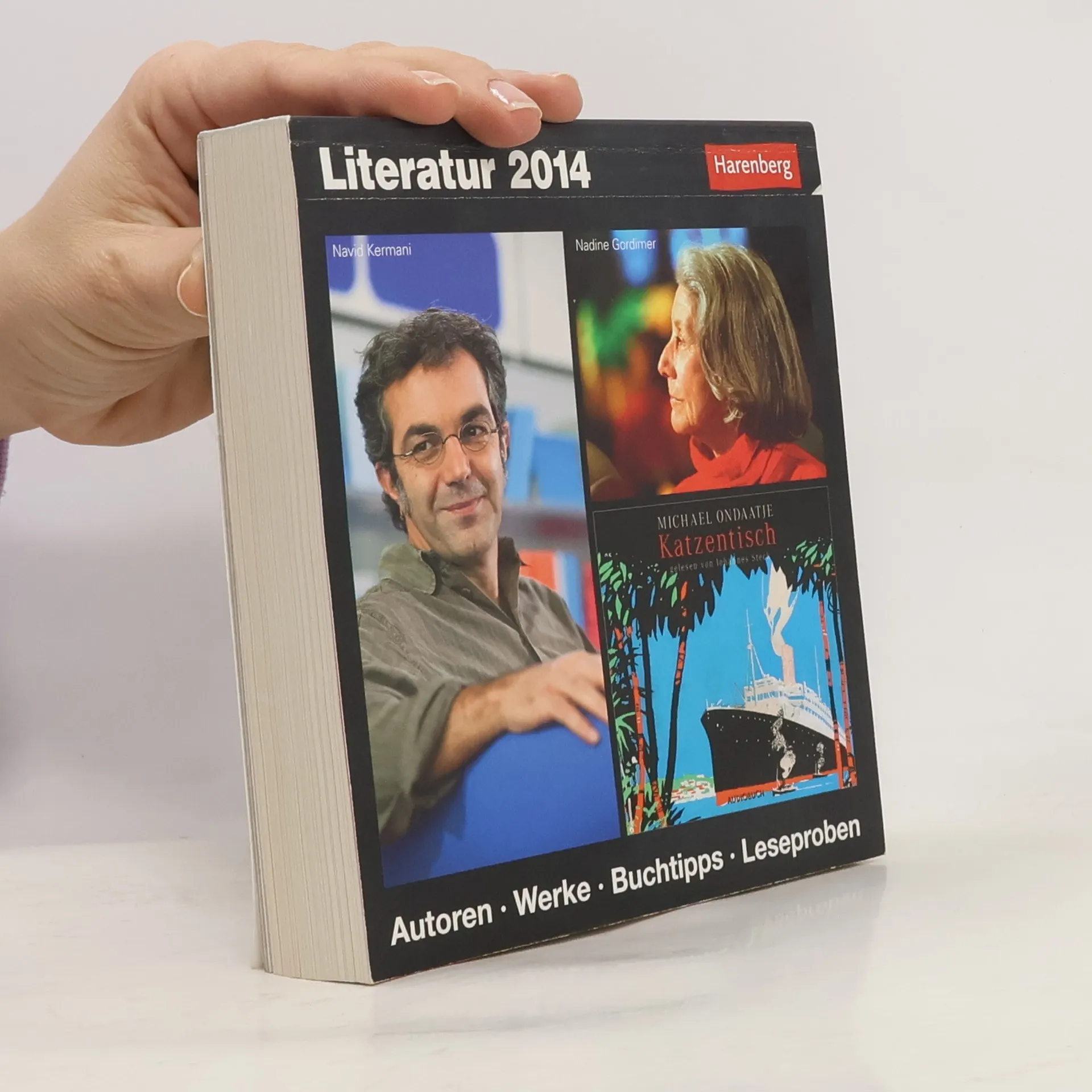
Die Harenberg Bild-Tageskalender zeigen mehr als nur das Datum: An allen Tagen des Jahres exzellente Fotos auf den Vorderseiten und dazu informative Texte auf den Rückseiten - so lautet das bewährte Erfolgskonzept. Der Harenberg Bild-Tageskalender "Literatur" öffnet die Tür ins Reich der Bücher: Autorenporträts, Buch-Umschläge und -Illustrationen, Dokumente und Szenenfotos zeigen, wer oder was Rang und Namen in der Literatur hat.§Auf den Vorderseiten: täglich faszinierende Bilder; klares Kalendarium; kurze Bilderklärungen. Auf den Rückseiten: Hintergrundinformationen zum Bild des Tages; Sternzeichen und Namenspatrone; Auf- und Untergangszeiten von Sonne und Mond. Der Serviceteil im Anhang: Register mit allen Einzelthemen des jeweiligen Kalenders; Übersichten; Schulferien für Deutschland und Österreich.§