

Mario Puzo Biography
Mario Puzo's work often draws from his heritage, rooted in the poor, immigrant neighborhoods of New York City. After military service and early literary attempts, he achieved widespread fame with a seminal work exploring organized crime and familial dynamics. His writing, frequently informed by anecdotes gleaned from pulp journalism, demonstrates a clear intention to connect with a broad audience and achieve commercial success. While earlier books garnered critical praise, Puzo's greatest impact came from his ability to craft narratives that resonated deeply, becoming significant cultural touchstones.

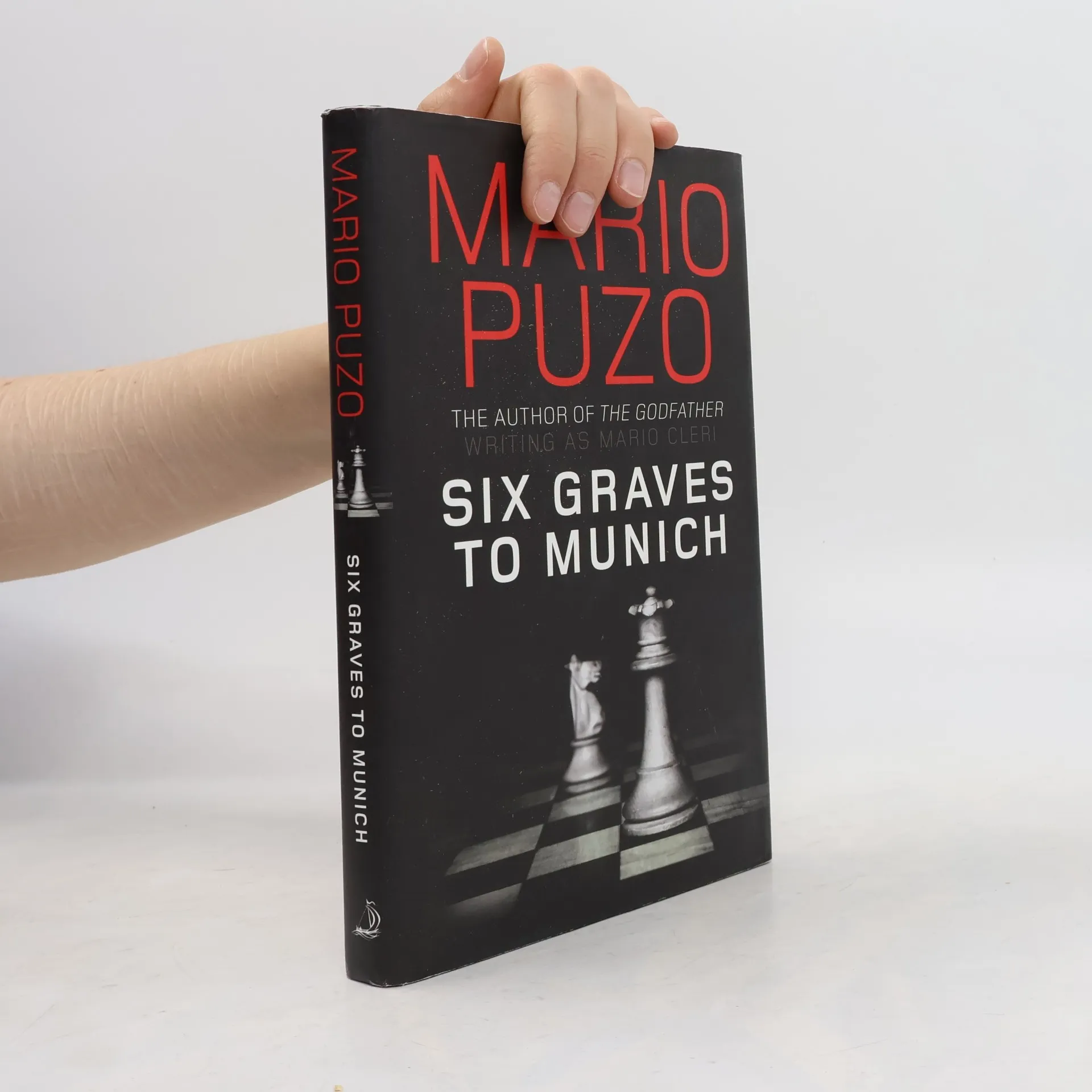


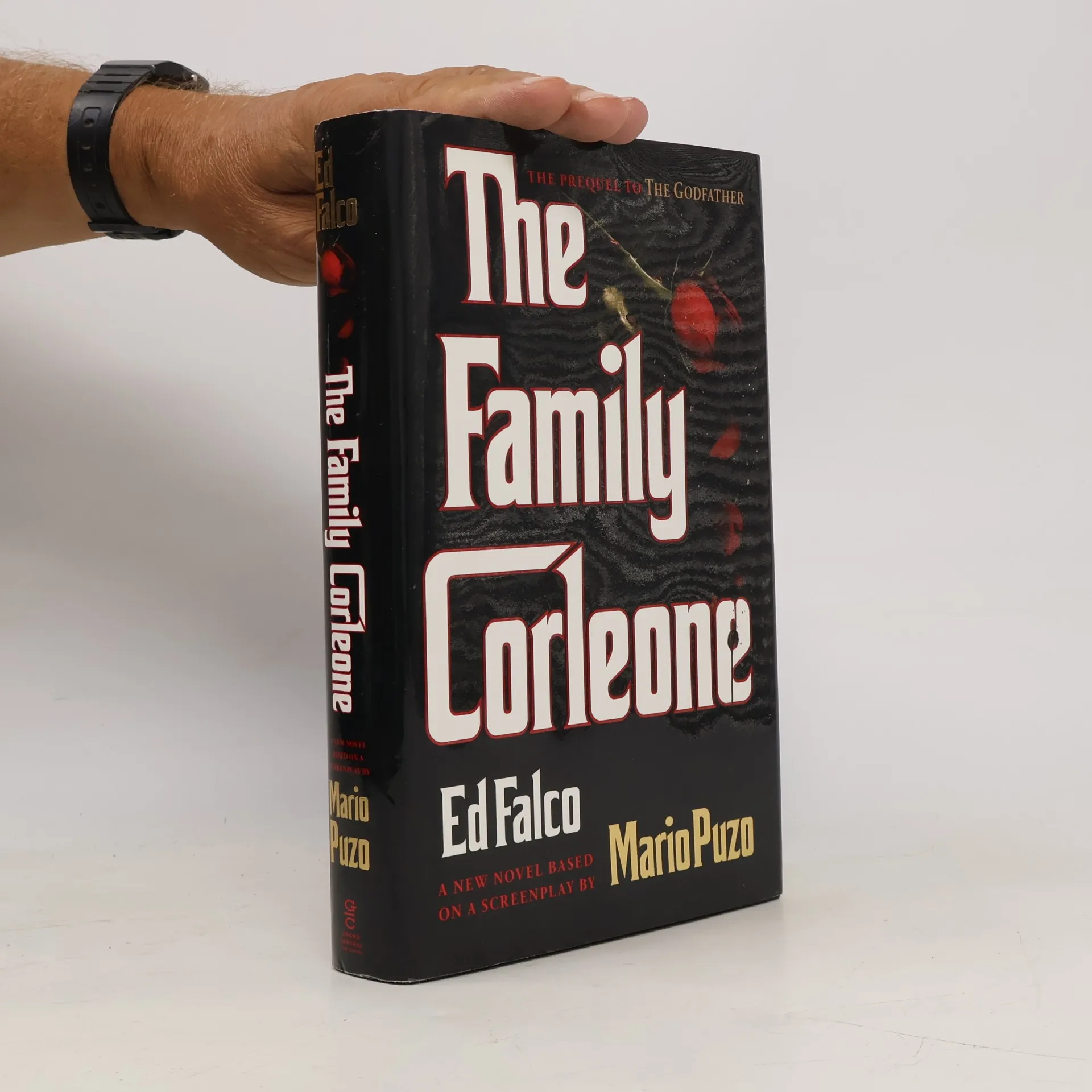
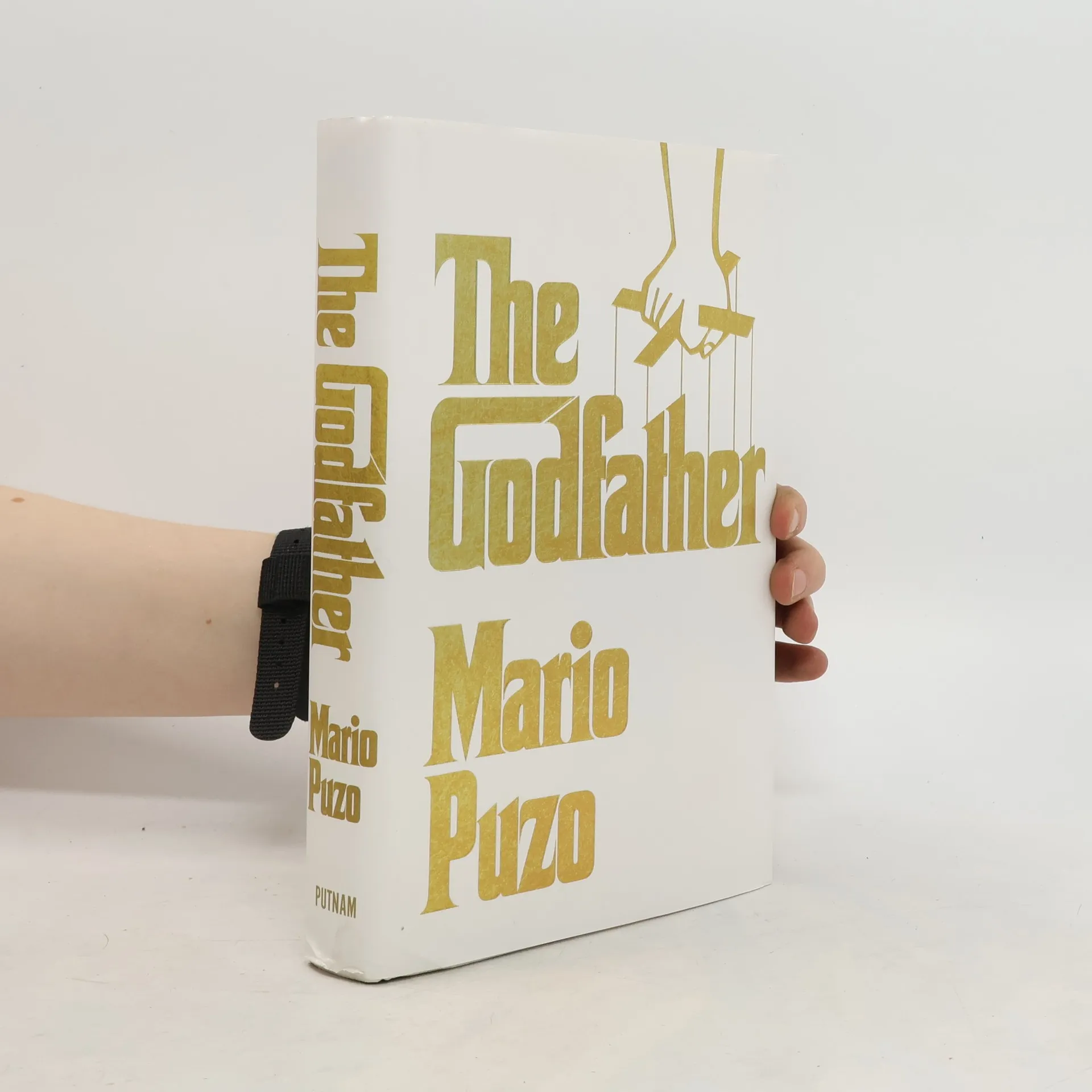
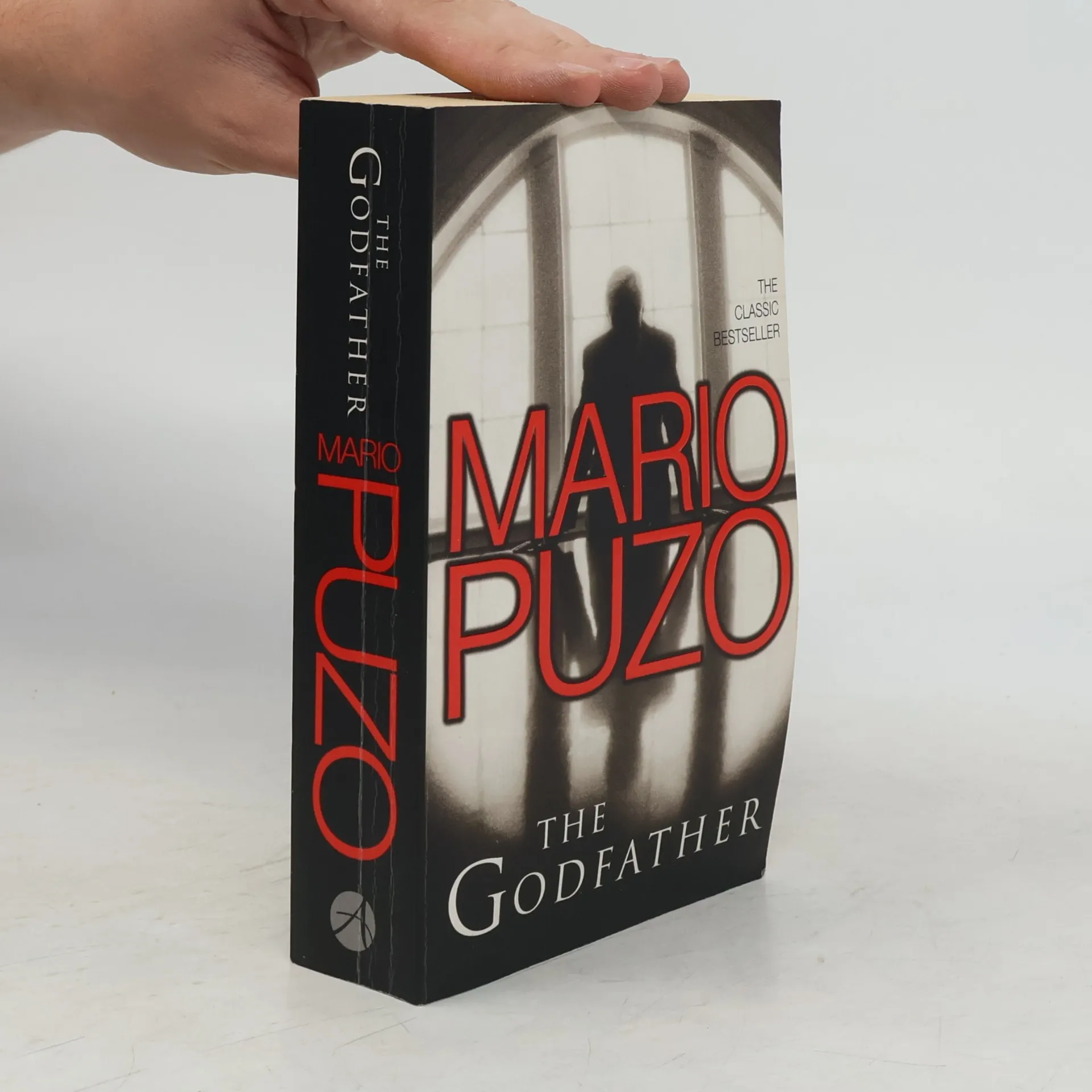
Mario Puzo was an American novelist, screenwriter, and journalist who became famous for his crime novels about the Italian-American Mafia and the Sicilian Mafia, particularly the iconic book The Godfather, which he later adapted into a film trilogy directed by Francis Ford Coppola.
He was born in Hell's Kitchen in the western section of New York City, the son of Italian immigrants. When the United States entered World War II, he enlisted. After returning from the war, he studied sociology at Columbia University.
After many years in the diplomatic service, he turned to writing. His first two novels, The Dark Arena (describing the situation in post-war Germany) and The Happy Pilgrim, were received kindly by critics, but did not bring the author money or fame. However, in 1969, after completing The Godfather, he became a highly acclaimed author literally overnight.
Puzo followed up the success of The Godfather with other "mafia" novels, such as The Sicilian, Omerta, The Last Godfather, and a novel describing the assassination of U.S. President J.F. Kennedy - the "K" stands for Kennedy. His last novel was The Family, which he did not complete, however, as he died in 1999. The Family was later completed by Carol Gin, but the book did not achieve significant success. Puzo also wrote film scripts based on his own novels, but also collaborated on the screenplay for the famous Superman I and II.