

A collection of 101 hadith sayings. Comprised of a introduction explaining the meaning of Hadith, it stresses the importance of this tradition in Ibn 'Arabi's writing.
Ibn Arabi Books
Ibn 'Arabī, known as 'The Reviver of Religion' and 'The Greatest Shaykh,' was an Arab Sufi mystic and philosopher. His writings profoundly explore the concept of the Unity of Being, emphasizing the realization of human potential to achieve the perfect human state. Ibn 'Arabī's vast output focuses on the path to spiritual actualization and understanding the divine. His influential legacy continues to shape mystical thought and philosophy.

Die Weisheit der Propheten
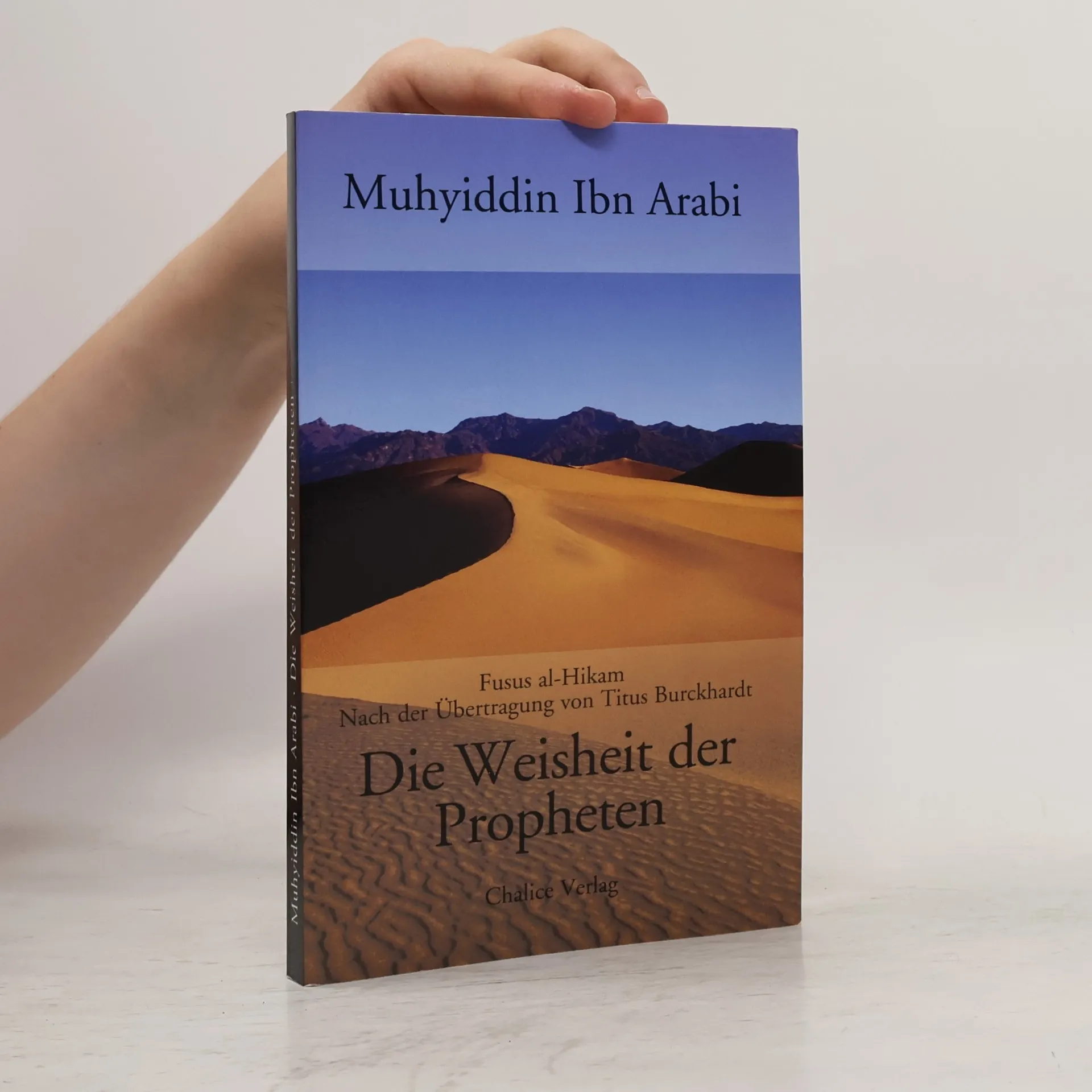
Die Fusus al-Hikam nach der Übertragung von Titus Burckhardt
- 177 pages
- 7 hours of reading
Die Fusus al-Hikam, das populärste Werk von Muhyiddin Ibn Arabi, handeln von der einen grenzenlosen Weisheit, die gleichzeitig einzigartig in sich selbst ist und vielgestaltig in ihrer Verkörperung durch die Linie der Propheten von Adam über Moses und Jesus bis hin zu Mohammed. Als solches ist dieses außergewöhnliche Werk ebenso eine Darlegung der innersten Bedeutung der Existenz des Menschen und seiner Fähigkeit zur Vervollkommnung wie auch eine esoterische Auslegung des Koran und aller drei abrahamitischen Religionen. >Auf diese Weise verlangte die Göttliche Ordnung nach der Klärung des Spiegels der Welt; und Adam wurde zur Klarheit dieses Spiegels und zum Geiste dieser Form selbst (...) und wurde >Mensch und Stellvertreter Gottes
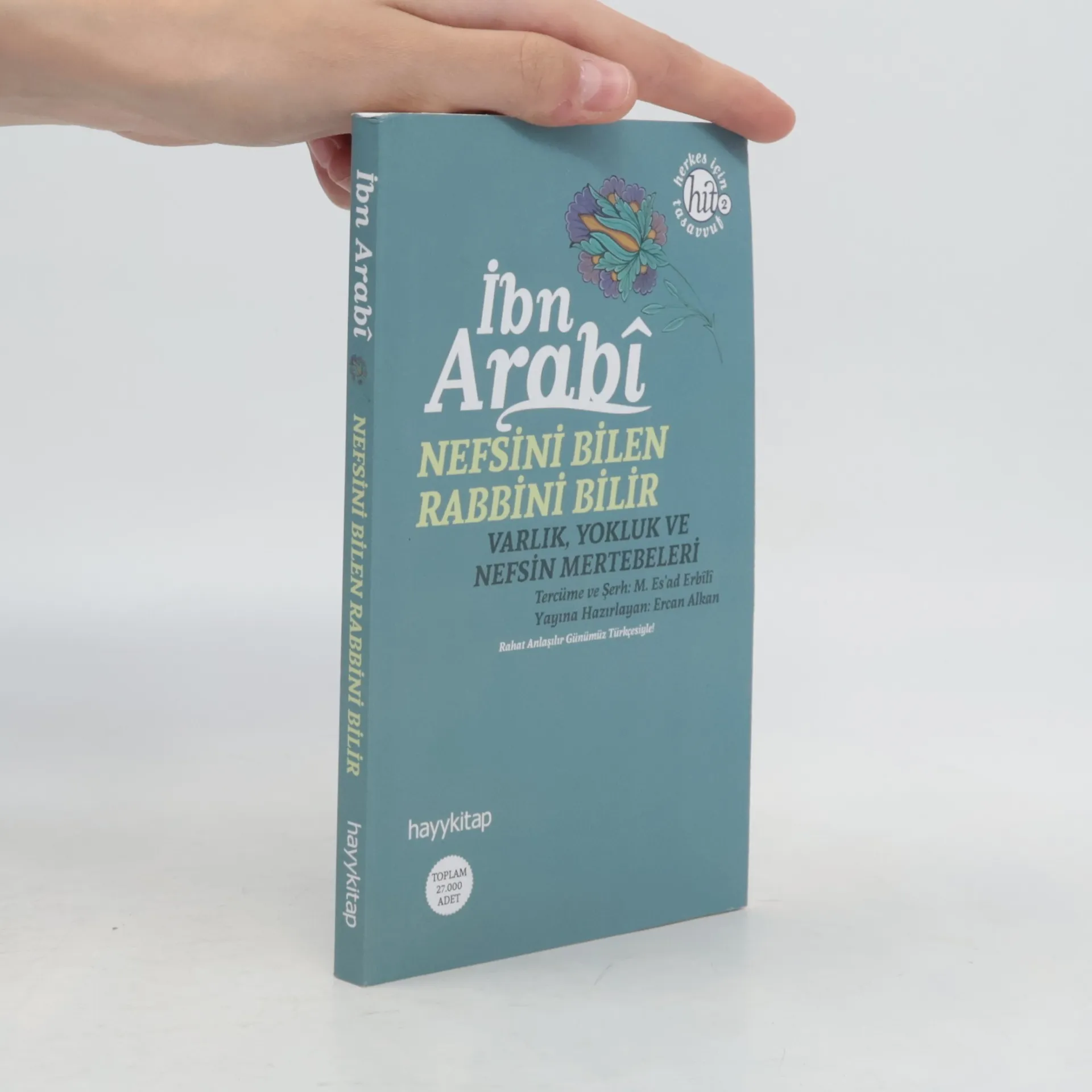
Nefsini Bilen Rabbini Bilir
- 144 pages
- 6 hours of reading
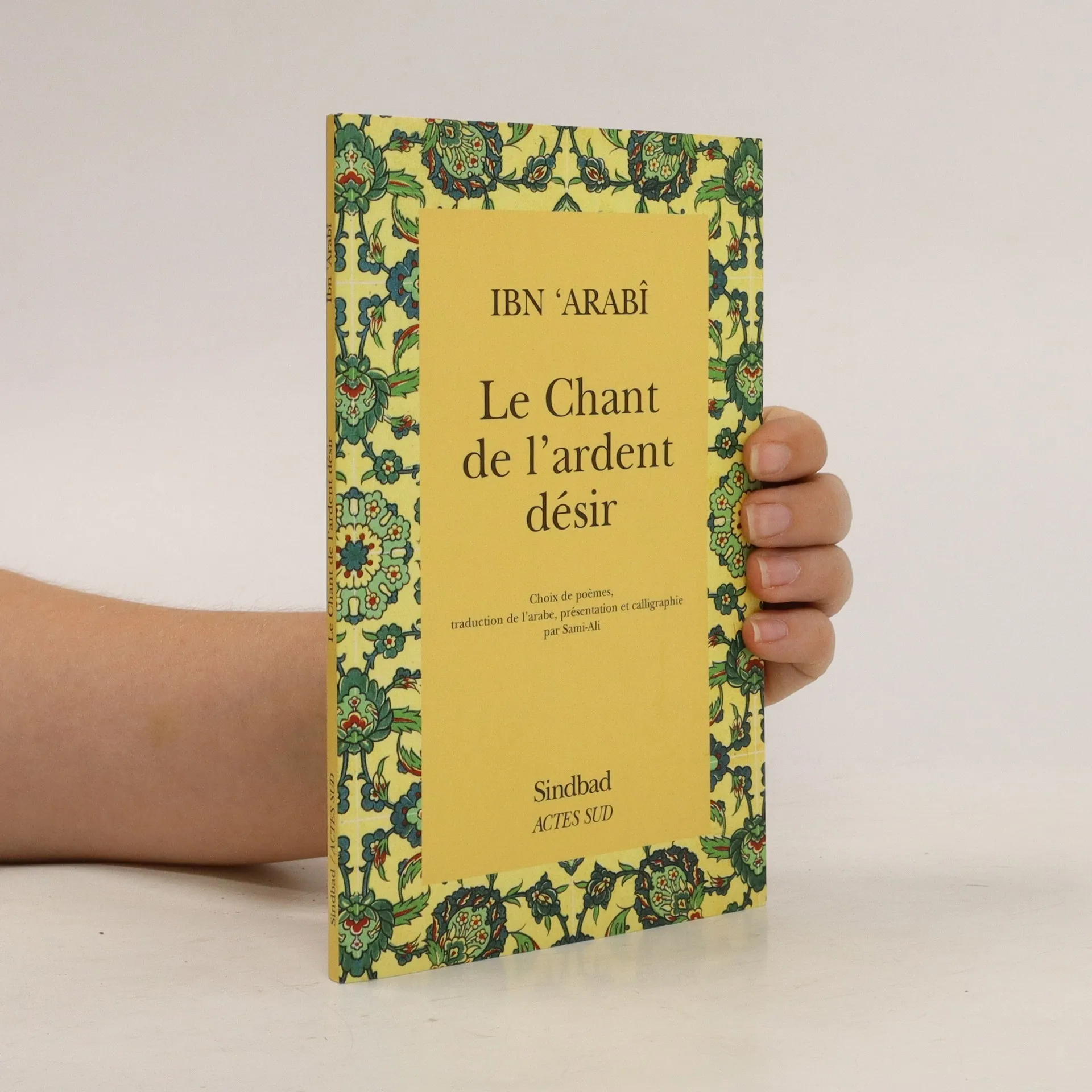
Diffuse dans l'œuvre d'Ibn 'Arabî, le grand soufi andalou, c'est sans doute dans ce recueil que la poésie, profonde et raffinée à la fois, trouve sa forme cristalline la plus pure. Issue, lors d'une retraite spirituelle à La Mecque (598/1202), d'une rencontre temporelle avec celle qui en sera l'inspiratrice - Nizâm -, l'expression poétique ici tend d'emblée vers l'intemporel. Grâce à la transfiguration, la présence divine est immédiatement saisie dans la présence de la Bien-Aimée, alors que la poésie se déploie à travers des images où, miraculeusement, se concilient le visionnaire et le visuel. C'est cette vision où la passion, mue par la beauté, déchire et apaise en même temps, que cette première traduction en français restitue, en rendant à la poésie d'Ibn 'Arabî sa vertu d'être, comme toute poésie du sublime, un acte unique.
Die sieben Tage des Herzens
Des größten Sufi-Meisters Morgen- und Abendgebete für jeden Tag der Woche
- 186 pages
- 7 hours of reading
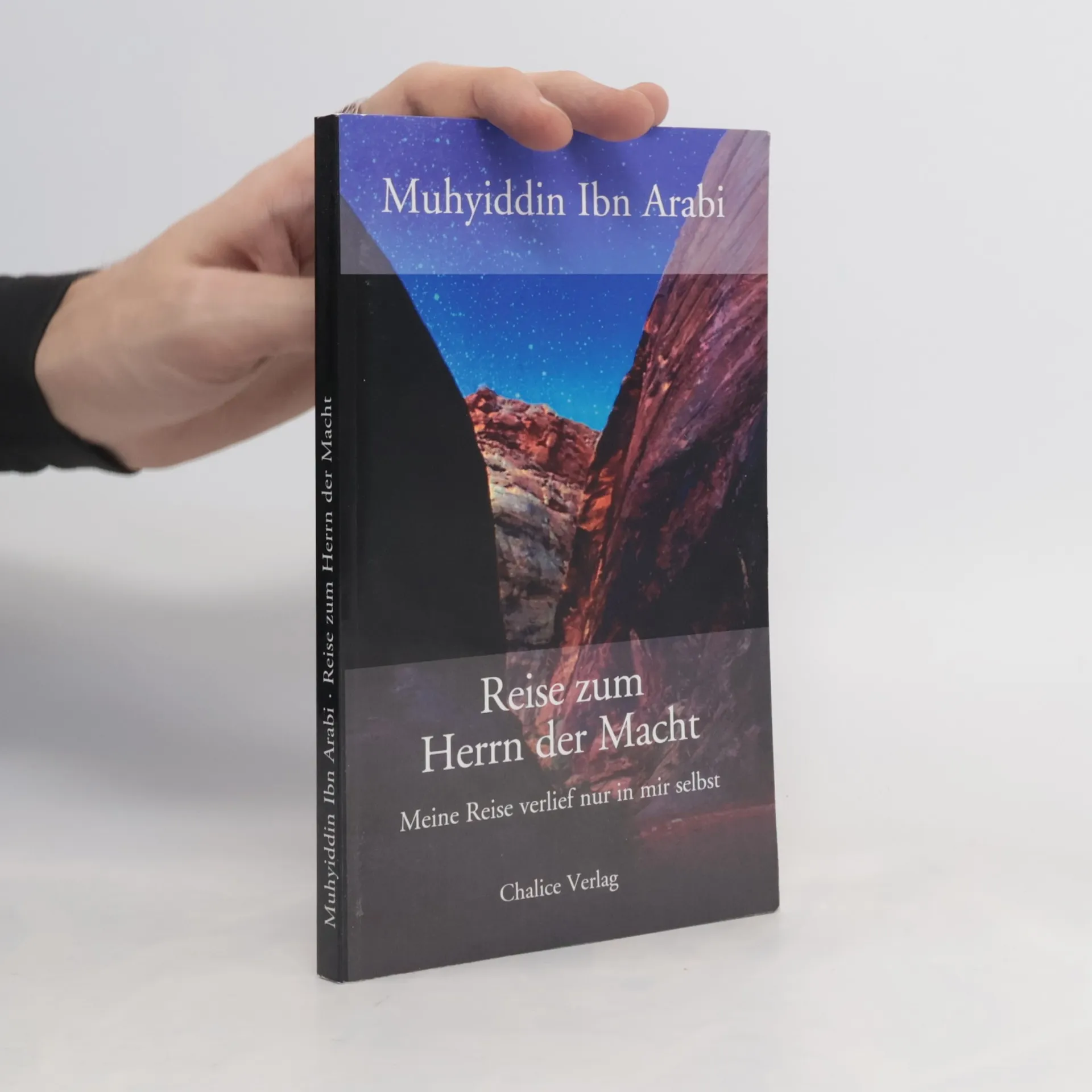
Ich sah dich nicht auf meinem Weg. Gibt es da noch einen anderen Pfad? Jeder hat seinen eigenen Weg, den niemand sonst beschreitet. Diese verschiedenen Wege entstehen durch das Reisen selbst. Zwei Texte des andalusischen Mystikers Ibn Arabi (1165-1240), des größten Meisters, beschreiben die Umstände und Erfahrungen des vollständigen Aufgehens in Gott, in Anspielung auf die berühmte "nachtliche Reise" des Propheten Mohammed. Ibn Arabi reflektiert seinen besonderen Zugang zum Koran und den Hadithen sowie die Breite seiner metaphysisch-theologischen Lehren und seines Interesses an praktischer Spiritualität. Die Erklärung von khalwa, einer Sufi-Ubung zur Erlangung der Gegenwart Gottes, beschreibt den geistigen Aufstieg durch alle Stufen der Existenz bis zur Göttlichen Gegenwart. Er ruft dazu auf, das Herz zu reinigen und eins mit der inneren Essenz zu werden. Mit großer Klarheit und der Überzeugungskraft autobiografischer Passagen schildert Ibn Arabi seine eigene Himmelfahrt im Text "Meine Reise verlief nur in mir selbst", einer hier erstmals auf Deutsch vorliegenden, kommentierten Übersetzung des Kapitels 367 aus seinen umfangreichen Futuhat al-Makkiya.