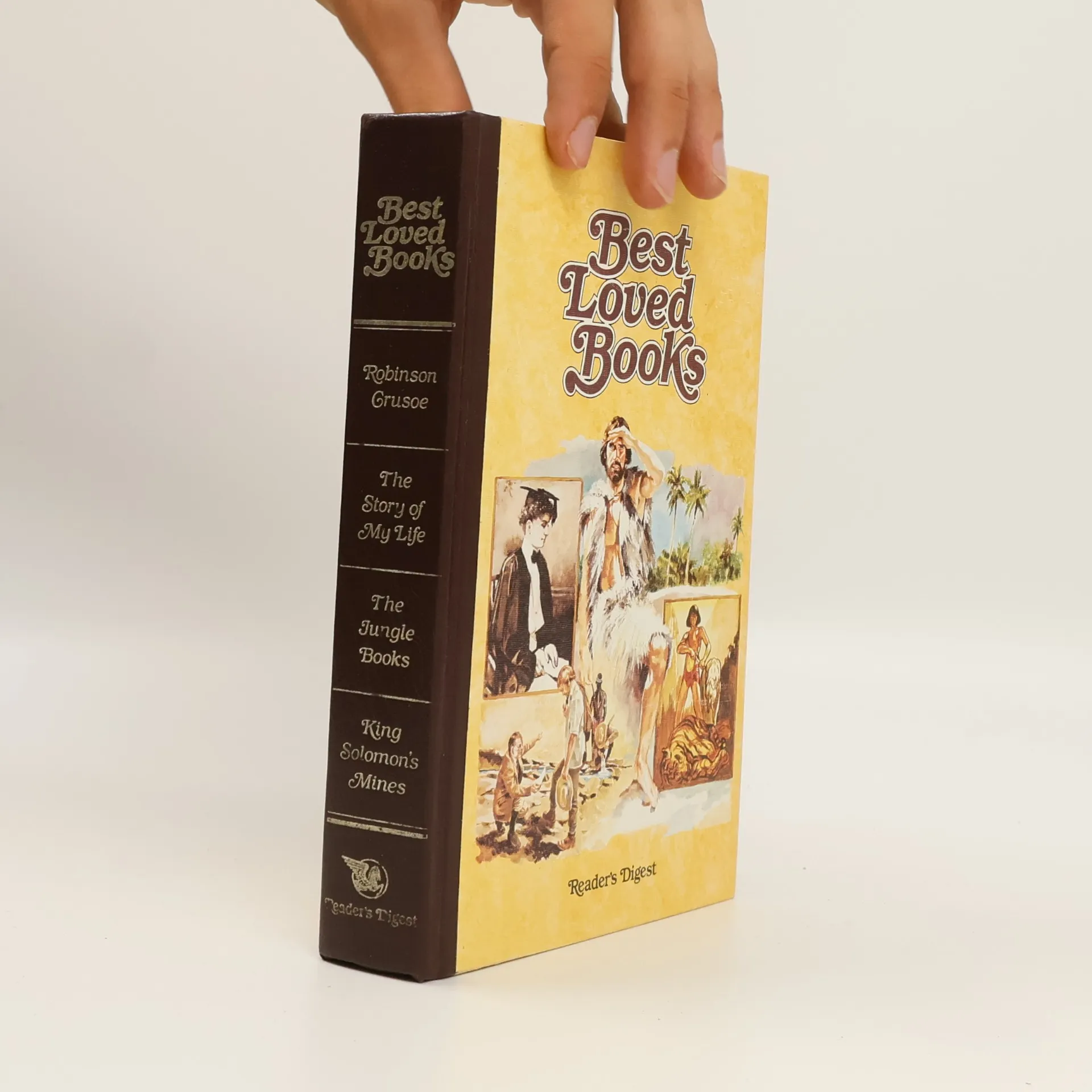
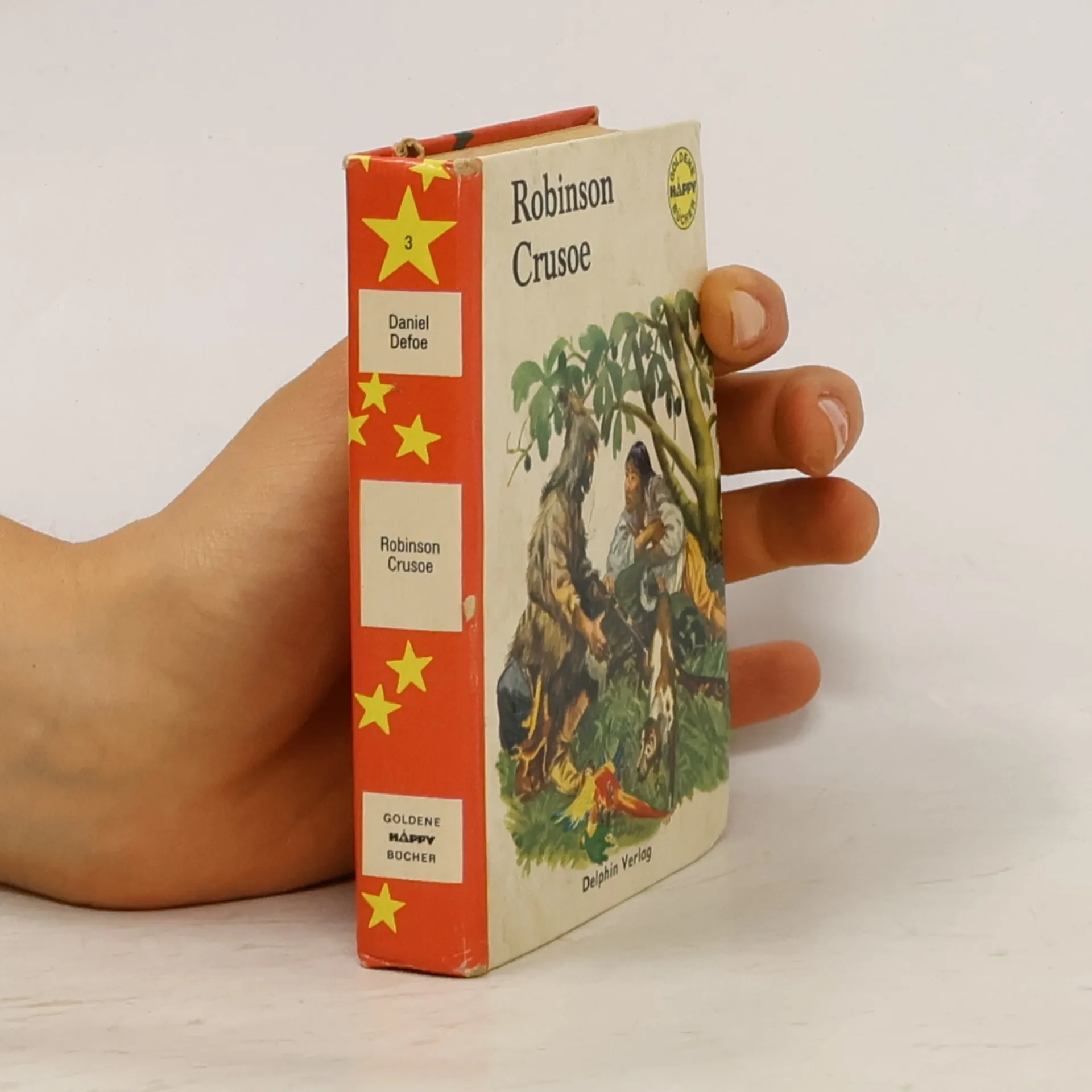
This book is a reproduction of a historical work, published by Megali, a company dedicated to making literature more accessible for individuals with impaired vision. The large print format enhances readability, ensuring that important texts are available to a wider audience.
Daniel Defoe Books
September 13, 1660 – April 24, 1731
Daniel Defoe was an English writer, journalist, and spy who achieved lasting fame for his novel Robinson Crusoe. He is notable for being one of the earliest practitioners of the novel, helping to popularize the genre in Britain. A prolific and versatile author, Defoe explored a wide range of subjects, from politics and crime to religion and the supernatural. He is also recognized as a pioneer of economic journalism.


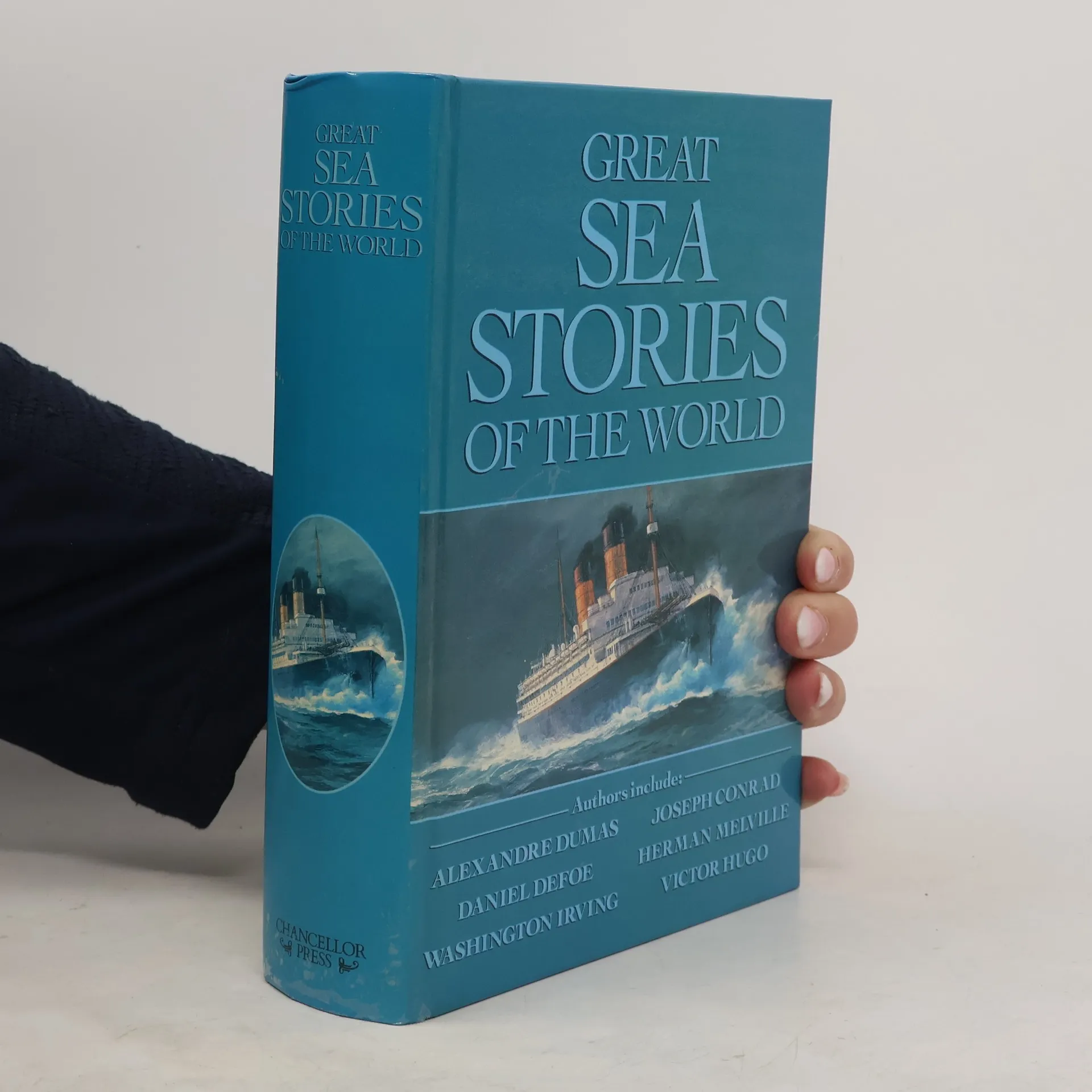
Great Sea Stories of the World
- 896 pages
- 32 hours of reading
The mysteries of the sea have provided an endless course of fascination for generations of writers and some of the world's best sea stories from over 100 famous authors are collected together in this splendid anthology. The book contains renowned work by Defoe, Marryat, Poe, Dumas, Melville, Conrad, Stevenson and Irving, all of whom were inspired by the sea.There are mythical adventures drawn from legends such as The Odyssey, Beowulf and The Arabian Nights; awe-inspiring stories about deep-sea creatures such as Moby-Dick; and thrilling descriptions of maritime battles and escapes from such famous novels as Kidnapped, The Count of Monte Cristo, and Ben Hur.With stories from 20 countries, spanning more than 2000 years and unequalled for sheer narrative skill and drama, this stirring anthology filled with maritime exploits will make compulsive reading.
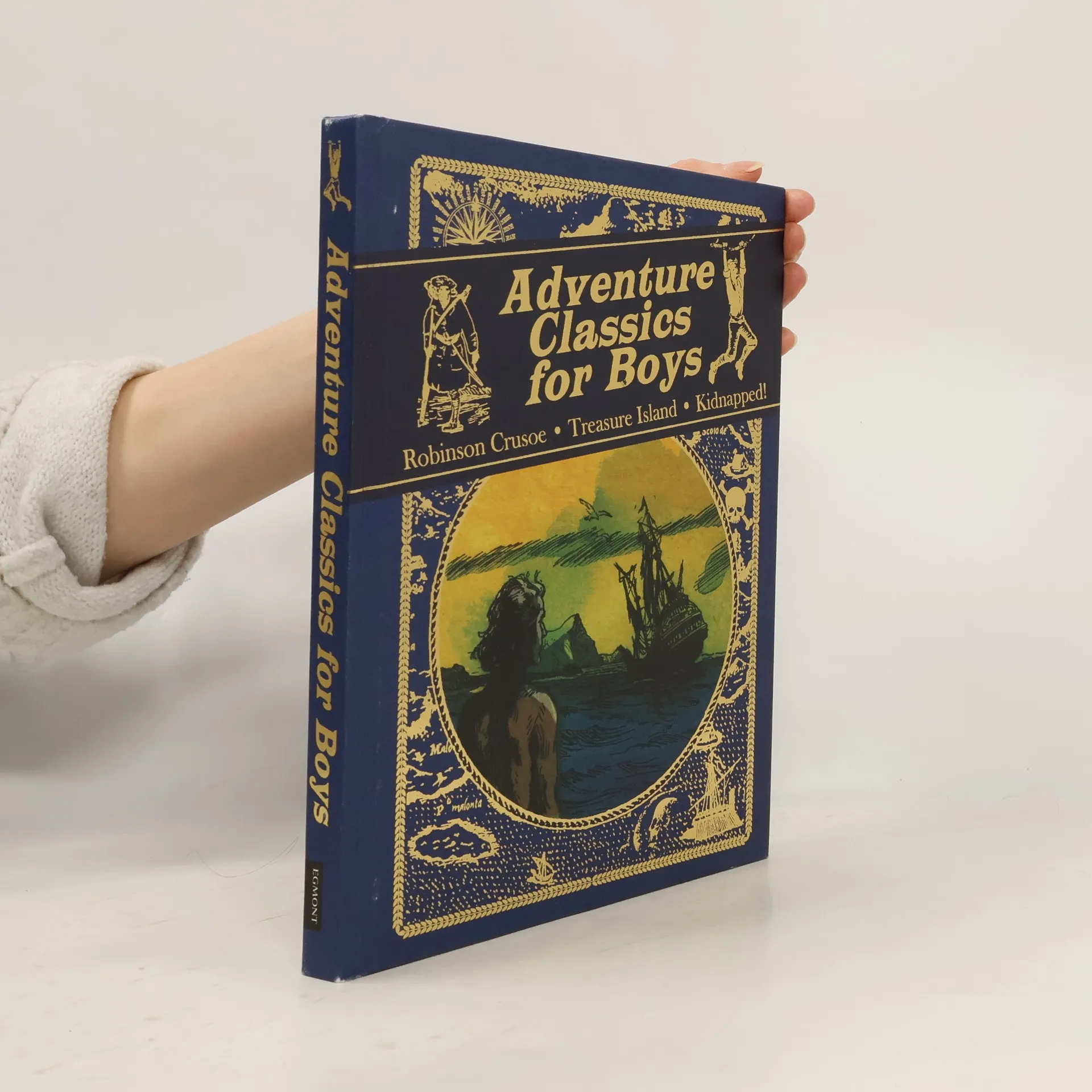
Adventure Classics for Boys. Robinson Crusoe. Treasure Island. Kidnapped!
- 192 pages
- 7 hours of reading
The collection was firstpublished in 1960, and this new edition will include the charming original illustrations in black and white andduotone. A great collection for boys, the abridged adventure stories of Robinson Crusoe, Treasure Island, and Kidnapped.
DICKORY CRONKE
- 50 pages
- 2 hours of reading
Set in 17th-century Cornwall, the story follows Dickory Cronke, born on the same day as King Charles II's restoration. This classic narrative explores his life and experiences, reflecting the historical context of the time. Through Cronke's journey, themes of identity and the influence of significant events on personal lives are woven into the tale, offering a glimpse into the era's culture and societal changes.
Memoirs of a Cavalier
- 216 pages
- 8 hours of reading
Set against the backdrop of the Thirty Years' War and the English Civil Wars, this historical fiction follows the adventures of a young soldier. The narrative intertwines personal experiences with the tumultuous events of the time, showcasing the challenges and moral dilemmas faced by those caught in conflict. Through vivid storytelling, the author explores themes of loyalty, bravery, and the harsh realities of war, providing a captivating glimpse into a pivotal period in European history.
Robinson Crusoe
- 32 pages
- 2 hours of reading
"The young Robinson Crusoe ignores his father's advice and decides to become a sailor. But Crusoe is soon caught up in violent storms and finds himself shipwrecked on a remote island. He will have to live on this island for the next twenty-eight years"--Back cover note
The History of the Devil
- 272 pages
- 10 hours of reading
Daniel Defoe, originally named Daniel Foe, is recognized for his significant contributions to literature, particularly through his novel Robinson Crusoe. As one of the early advocates of the novel as a literary form, he played a crucial role in its popularity in Britain, earning him a place among the founders of the English novel. His work as a writer, journalist, and pamphleteer showcases his diverse talents and lasting impact on the literary landscape.
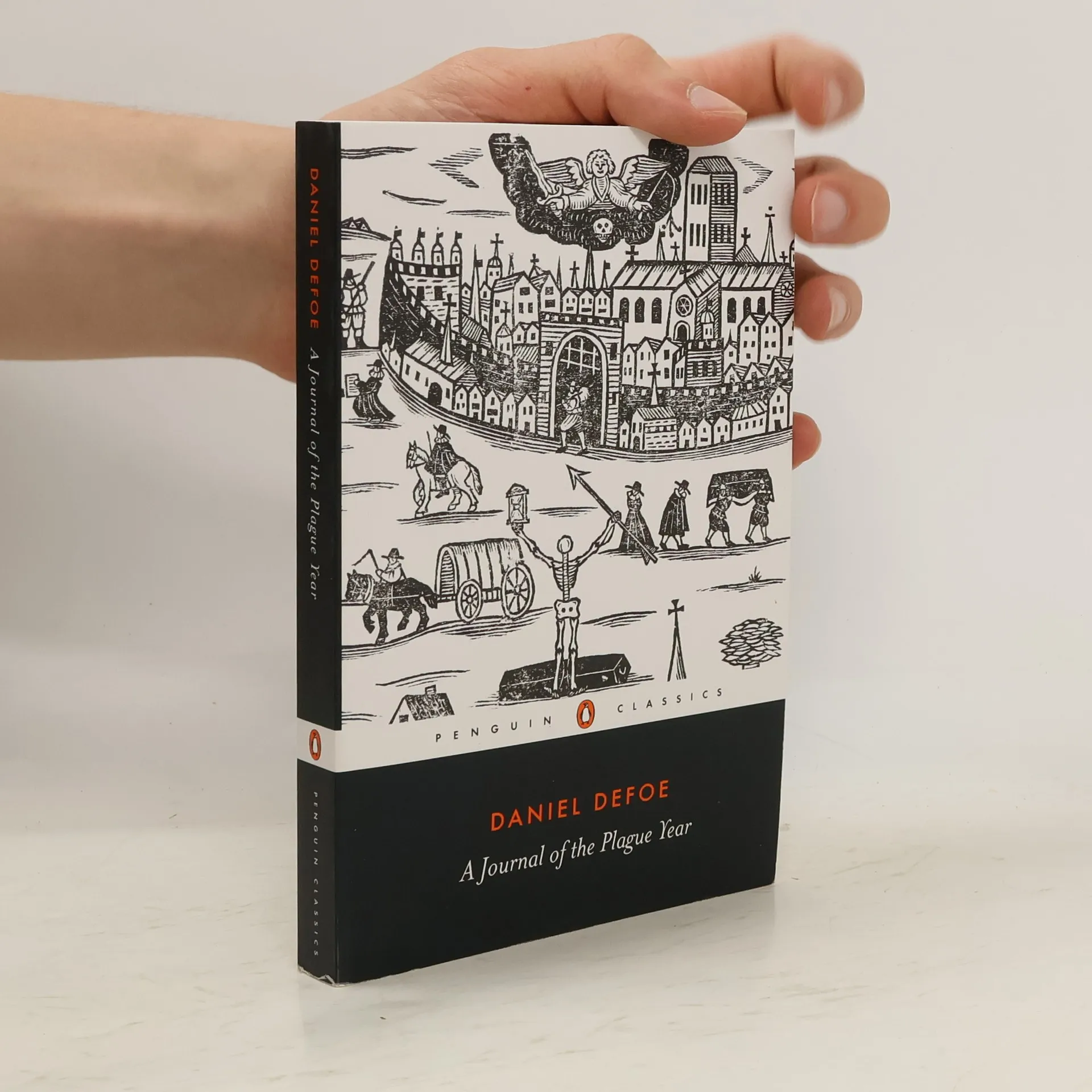
In 1665, the Great Plague swept through London, claiming nearly 100,000 lives. In A Journal of the Plague Year, Defoe vividly chronicles the progress of the epidemic. We follow his fictional narrator through a city transformed-the streets and alleyways deserted, the houses of death with crosses daubed on their doors, the dead-carts on their way to the pits-and encounter the horrified citizens of the city, as fear, isolation, and hysteria take hold. The shocking immediacy of Defoe's description of plague-racked London makes this one of the most convincing accounts of the Great Plague ever written.
Late Essays, 2006-2017
- 304 pages
- 11 hours of reading
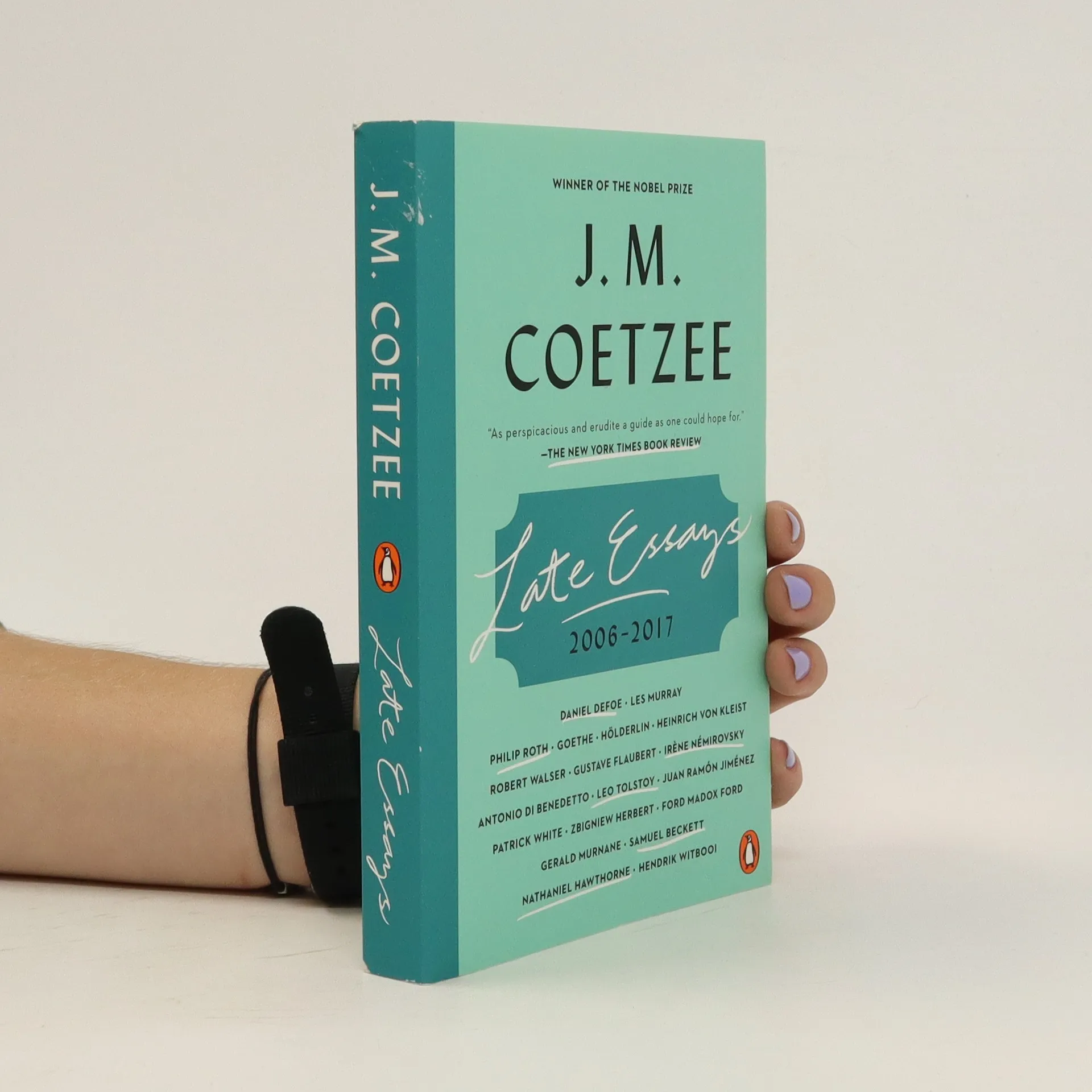
A new collection of twenty-three literary essays from the Nobel Prize–winning author. J. M. Coetzee’s latest novel, The Schooldays of Jesus, is now available from Viking. J. M. Coetzee is not only one of the most acclaimed fiction writers in the world, he is also an accomplished and insightful literary critic. In Late Essays: 2006–2016, a thought-provoking collection of twenty-three pieces, he examines the work of some of the world’s greatest writers, from Daniel Defoe in the early eighteenth century to Goethe and Irène Némirovsky to Coetzee’s contemporary Philip Roth. Challenging yet accessible, literary master Coetzee writes these essays with great clarity and precision, offering readers an illuminating and wise analysis of a remarkable list of works of international literature that span three centuries.
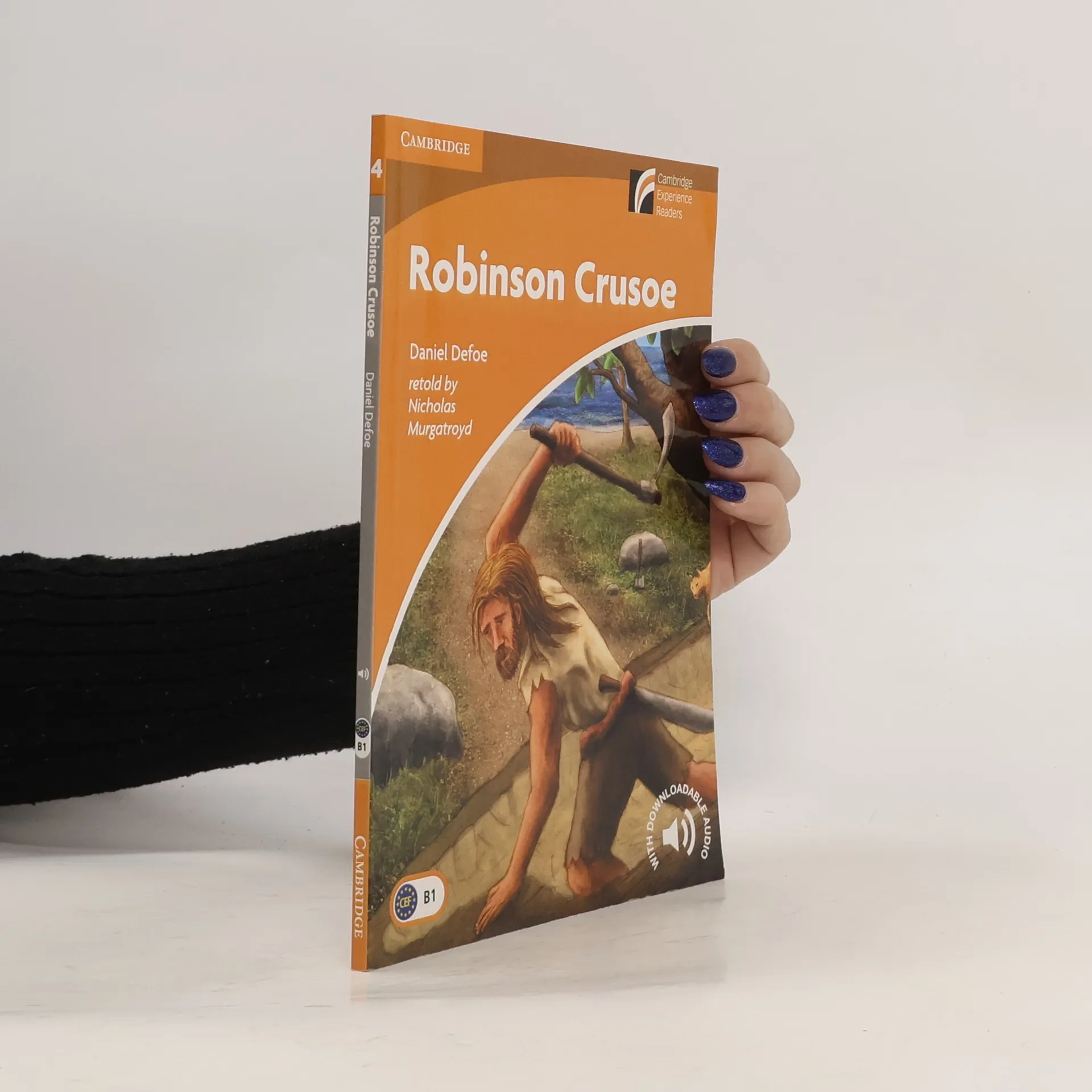
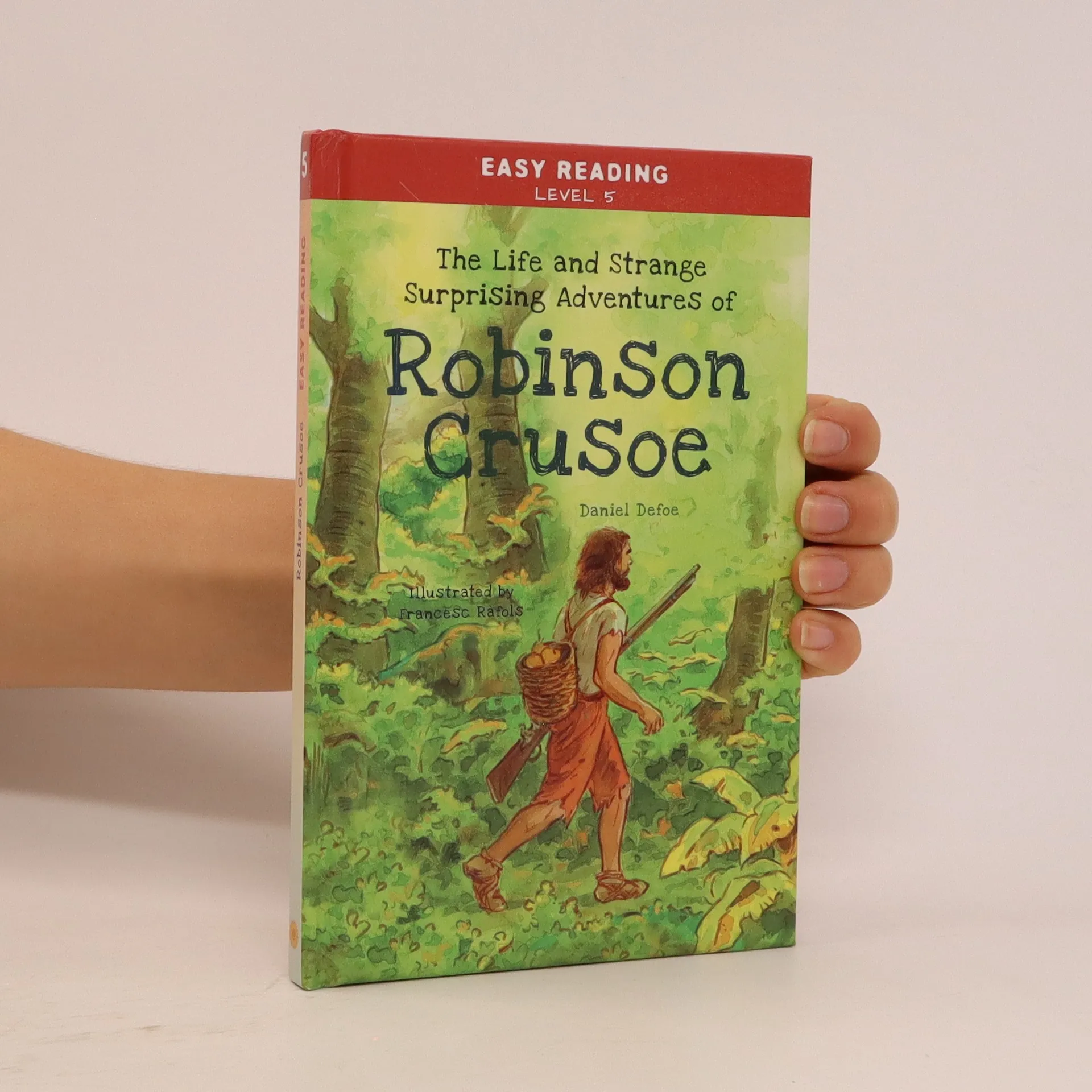
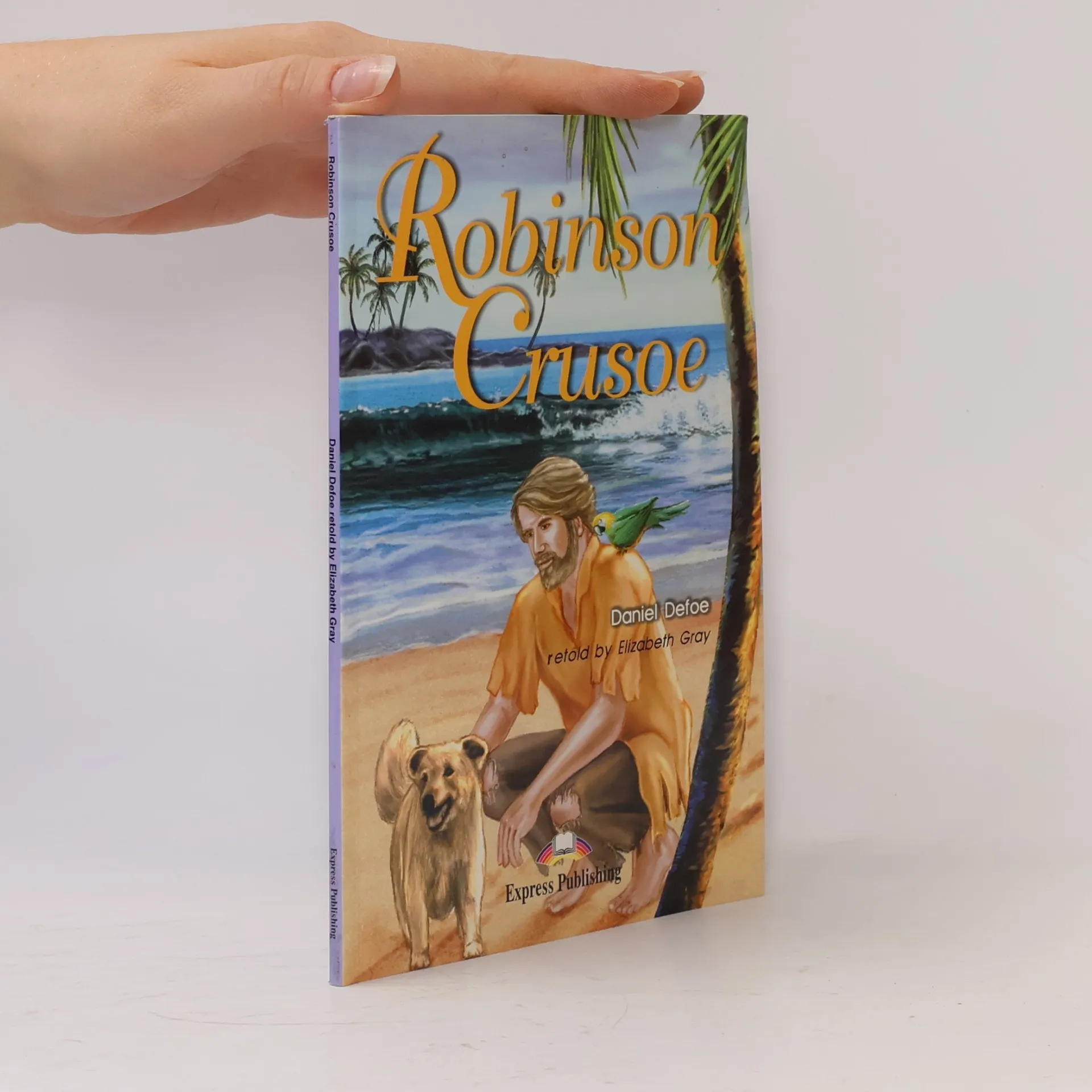
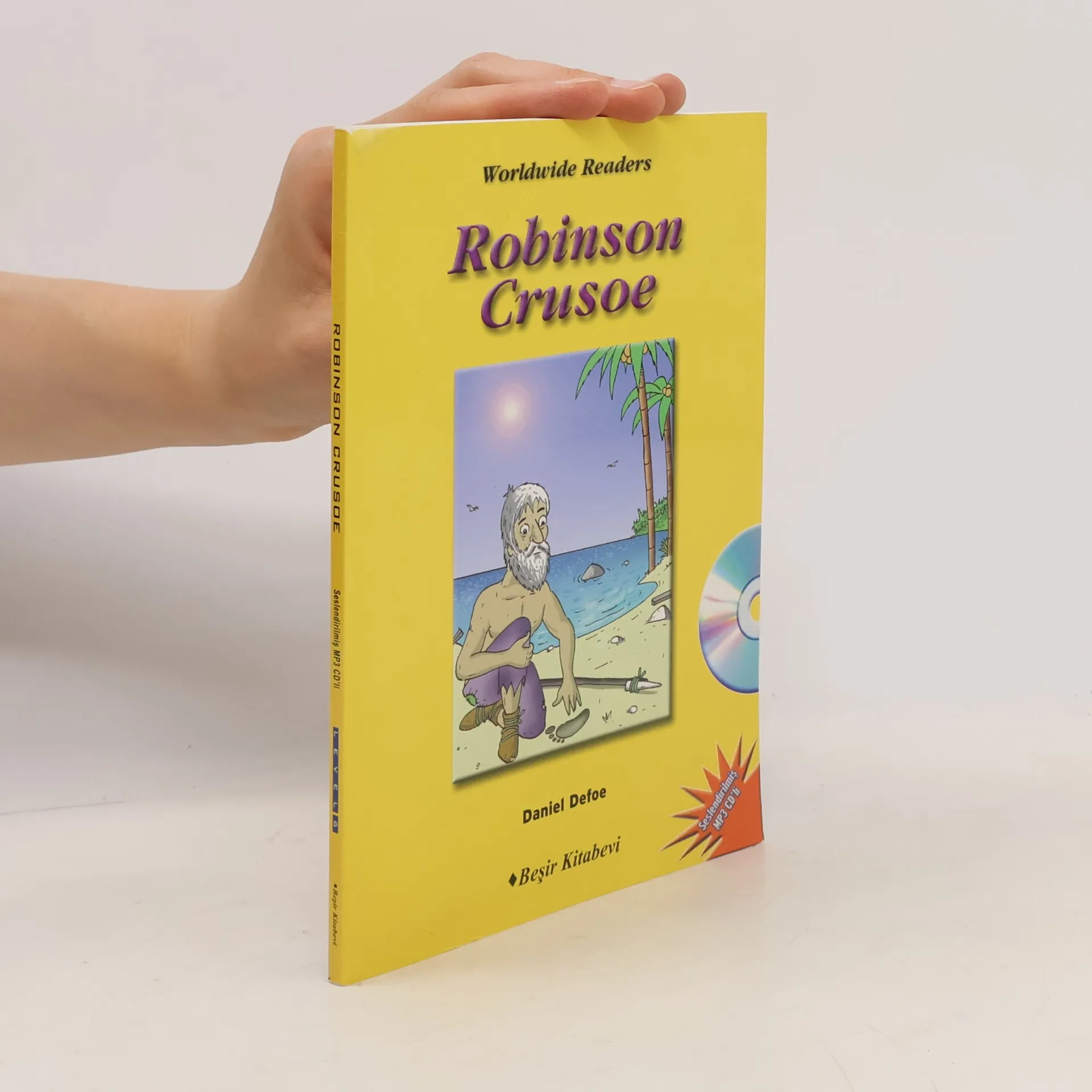
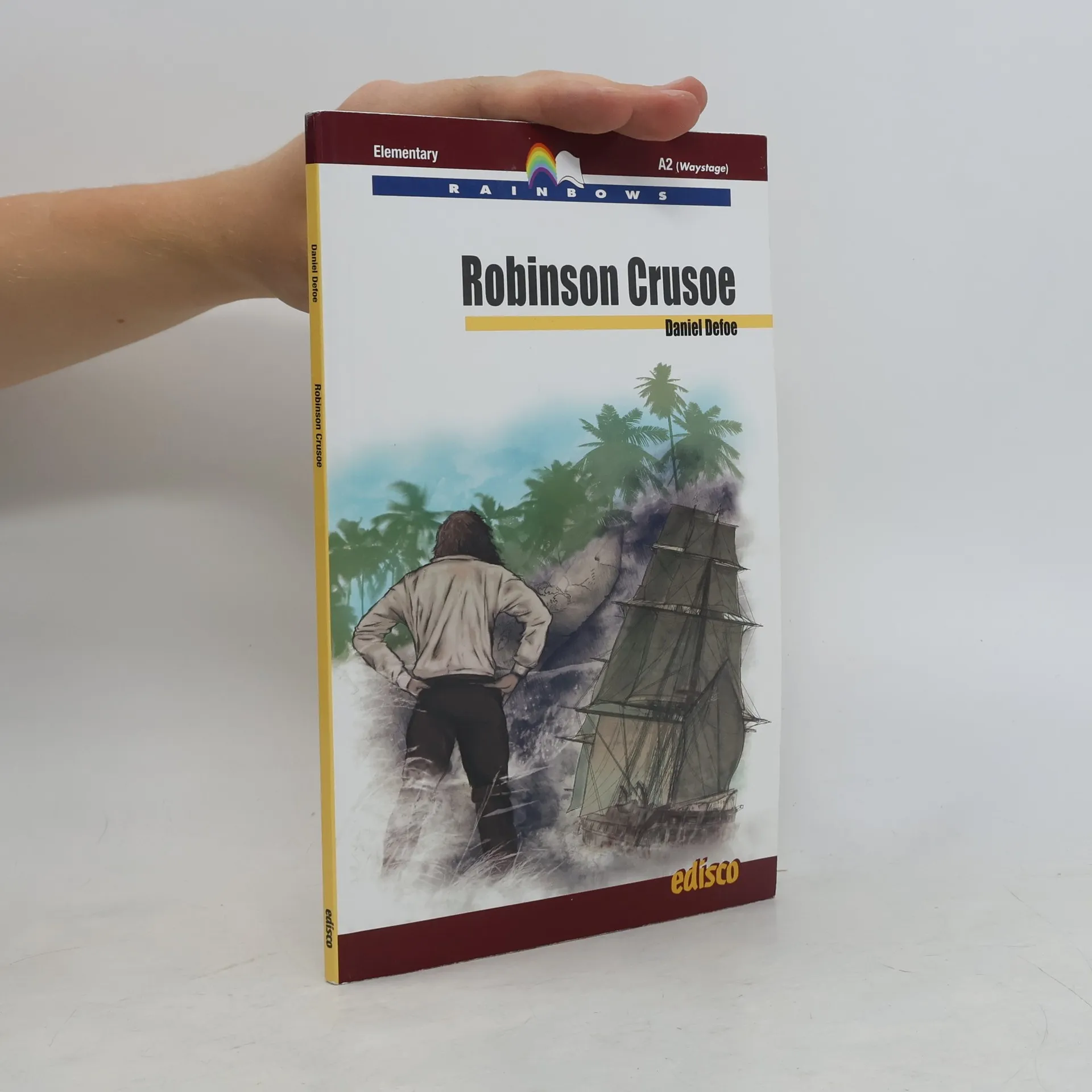
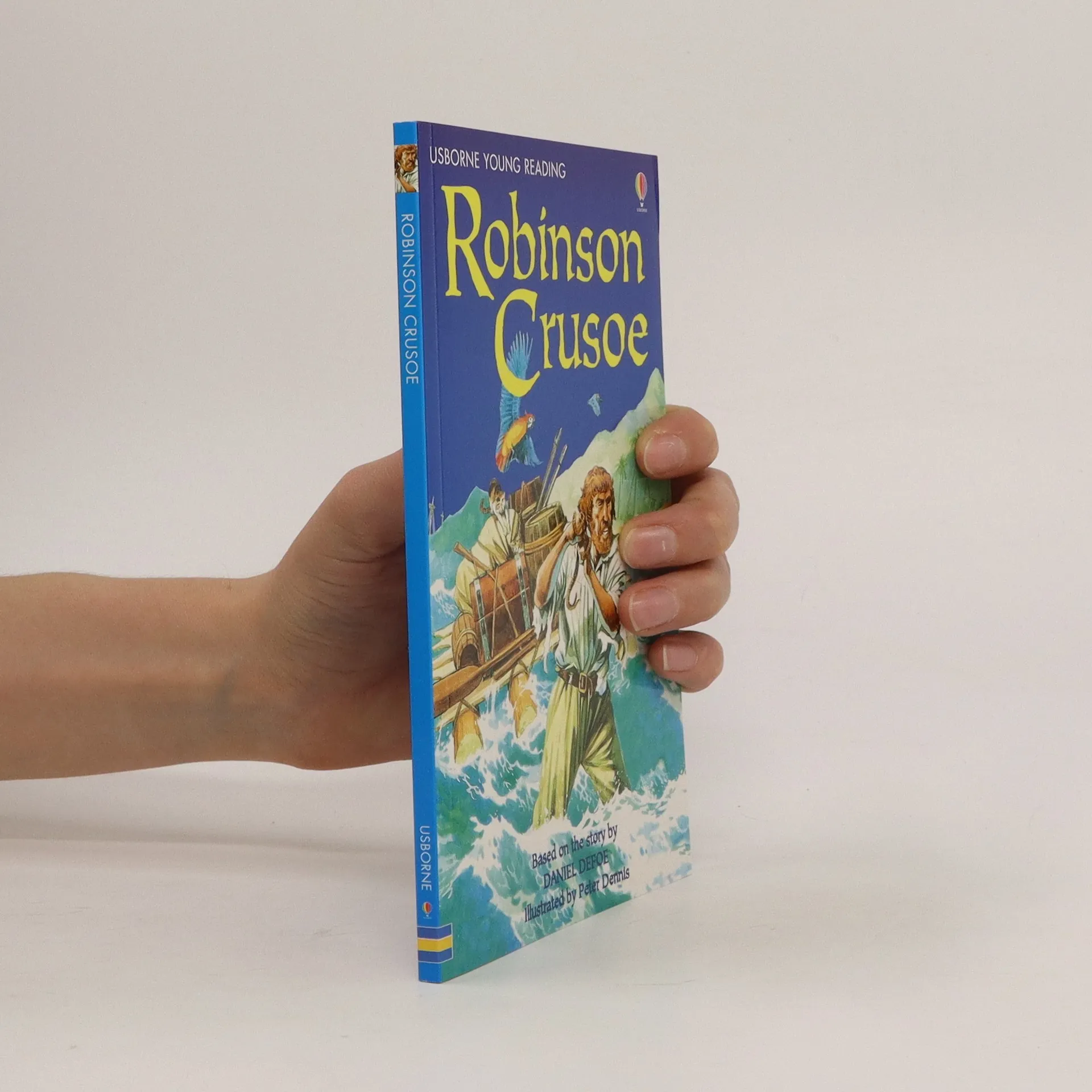
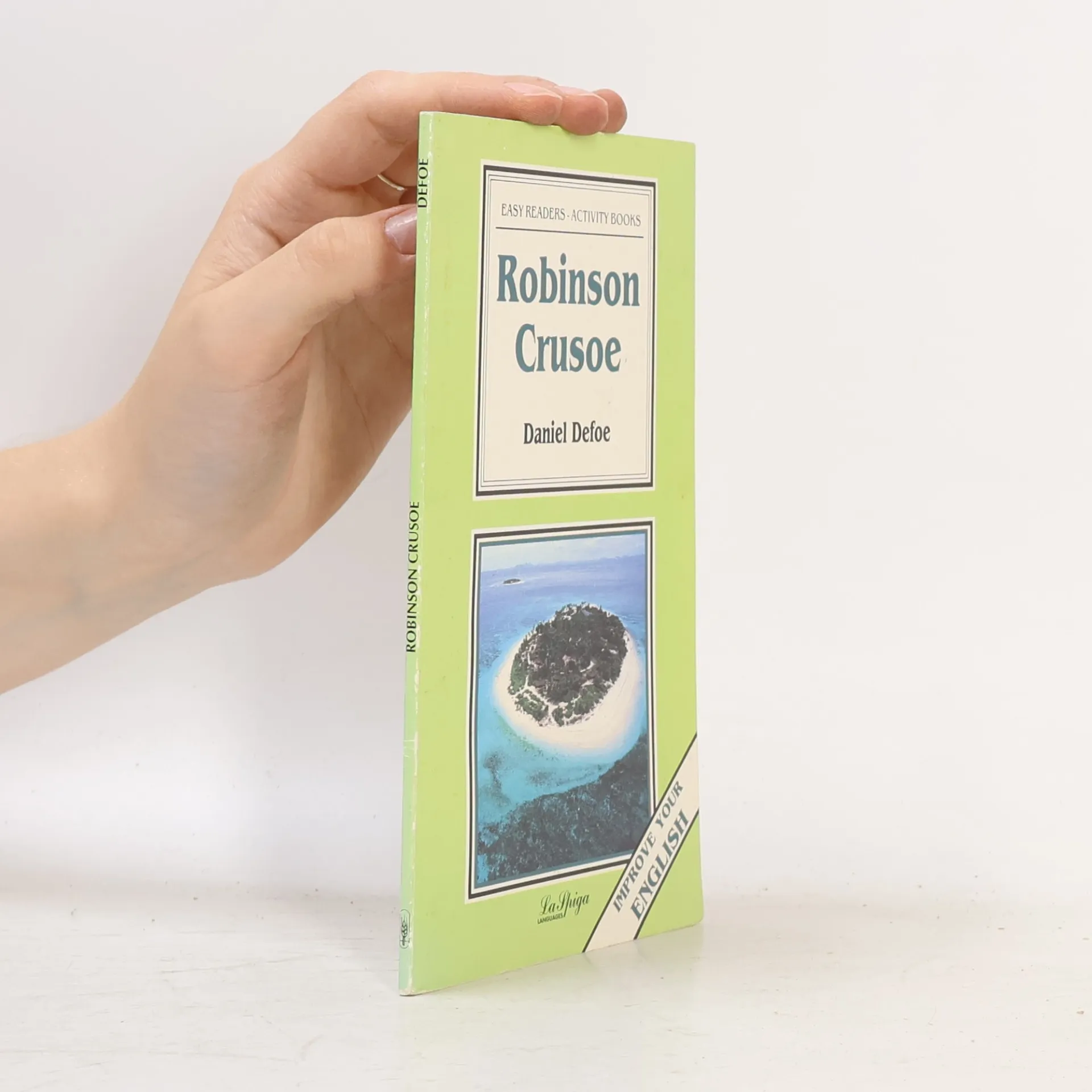
This award-winning graded readers series is full of original fiction, adapted fiction and factbooks especially written for teenagers.
Robinson Crusoe is at sea when there is a great storm. His ship goes down, and his friends die. The sea throws Crusoe onto a beach. He is on an island. But which island? Are there other people on it? And are they friendly? What will Crusoe do now?
A General History of the Pyrates
- 278 pages
- 10 hours of reading
The book "" A General History of the Pyrates: from their first rise and settlement in the island of Providence, to the present time, has been considered important throughout the human history, and so that this work is never forgotten we have made efforts in its preservation by republishing this book in a modern format for present and future generations. This whole book has been reformatted, retyped and designed. These books are not made of scanned copies and hence the text is clear and readable.
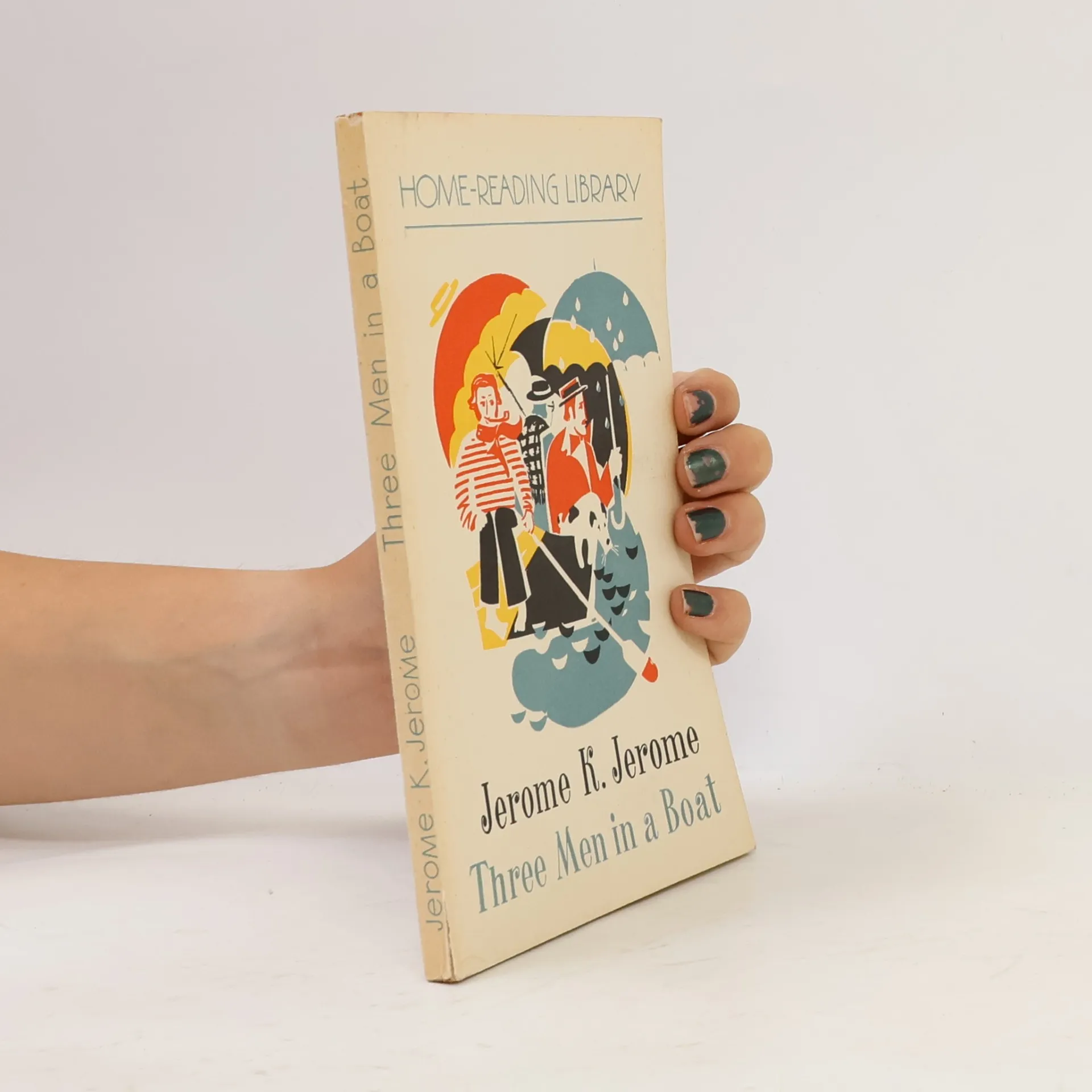
'I did not intend to write a funny book, at first' wrote Jerome J. Jerome of Three Men in a Boat, which has since become a comic classic. When J. the narrator, George, Harris and Montmorency the dog set off on their hilarious misadventures, they can hardly predict the troubles that lie ahead with tow-ropes, unreliable weather-forecasts, imaginary illnesses, butter pats and tins of pineapple chunks. Denounced as vulgar by the literary establishment, Three Men in a Boat nevertheless caught the spirit of the times. The expansion of education and the increase in office workers created a new mass readership, and Jerome's book was especially popular among the 'clerking classes' who longed to be 'free from that fretful haste, that vehement striving, that is every day becoming more and more the bane of nineteenth-century life.' So popular did it prove that Jerome reunited his heroes for a bicycle tour of Germany. Despite some sharp, and with hindsight, prophetic observations of the country, Three Men on the Bummel describes an equally picaresque journey constrained only 'by the necessity of getting back within a given time to the point from which one started'.
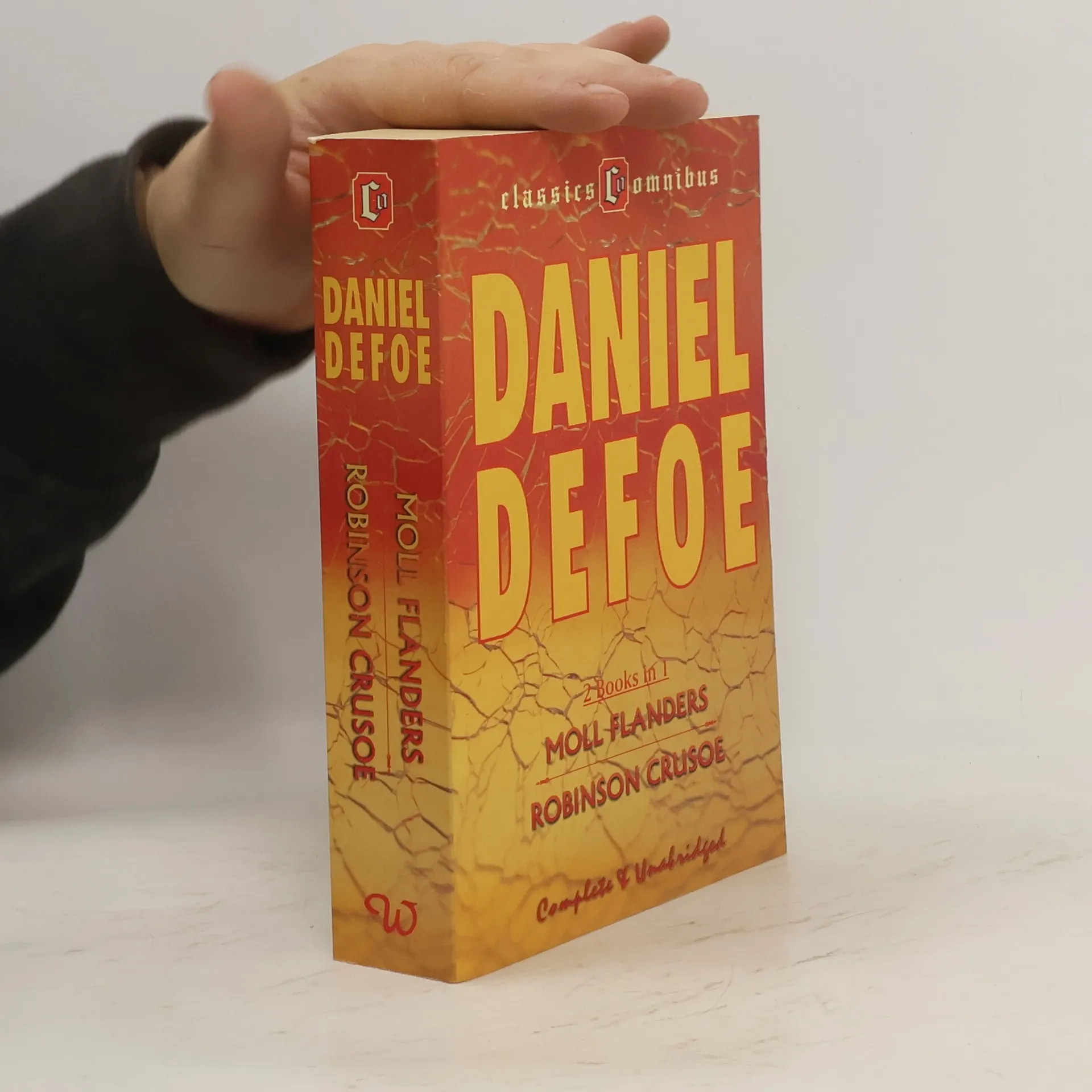
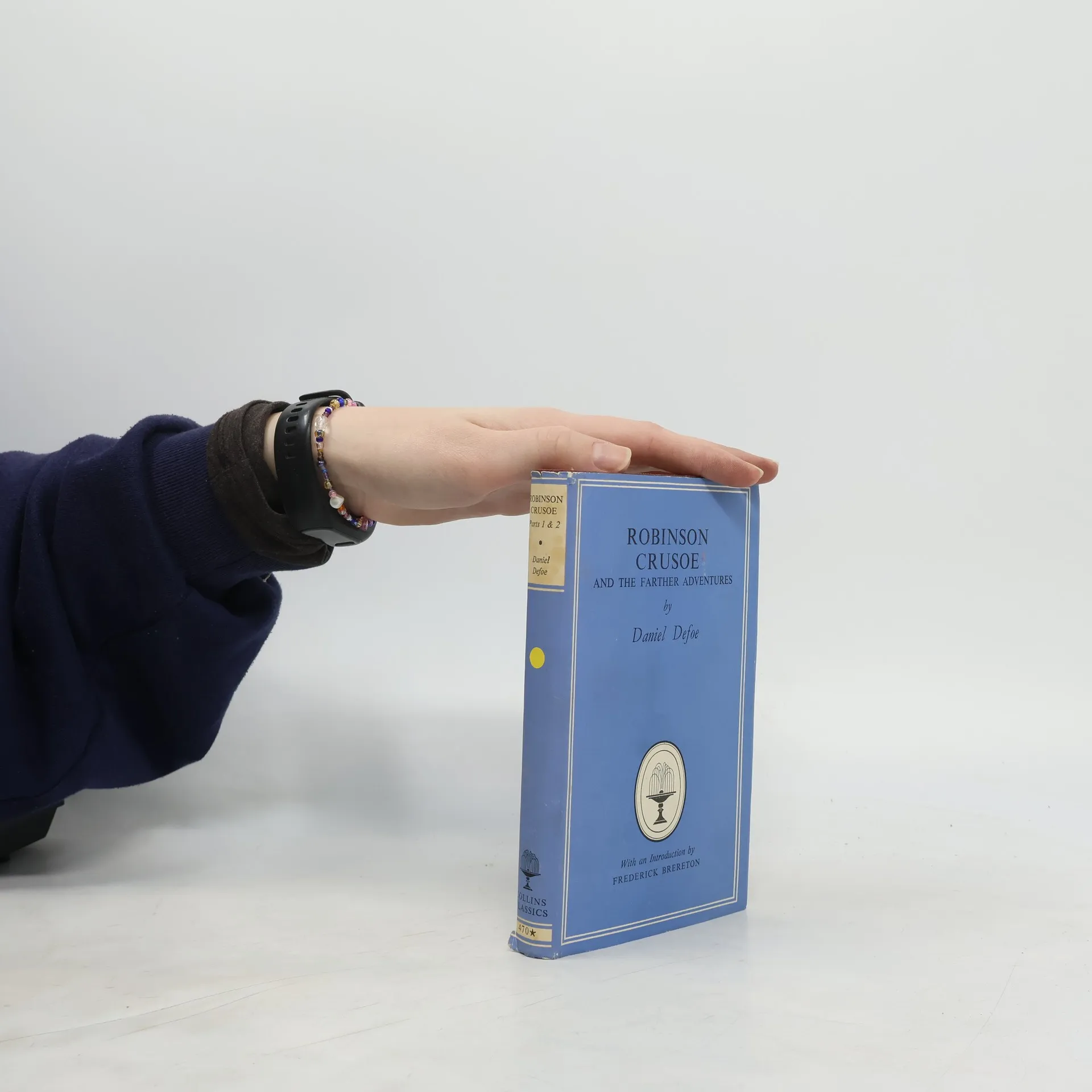
Moll Flanders & Robinson Crusoe (2 knihy v 1 svazku)
- 304 pages
- 11 hours of reading
The classic works of literature contained in each of these volumes represent each author's best and most famous writings. A wonderful introduction to world literature, this finely crafted and affordable series offers the works of these world-renowned authors to a wider audience. Includes Robinson Crusoe and Moll Flanders . Las obras clásicas de literatura en cada volumen son una representación de los mejores y más famosos escritos de los autores. Una introducción maravillosa a la literatura universal, esta serie hermosamente diseñada pone las obras de los autores mundialmente conocidos al alcance de todos.
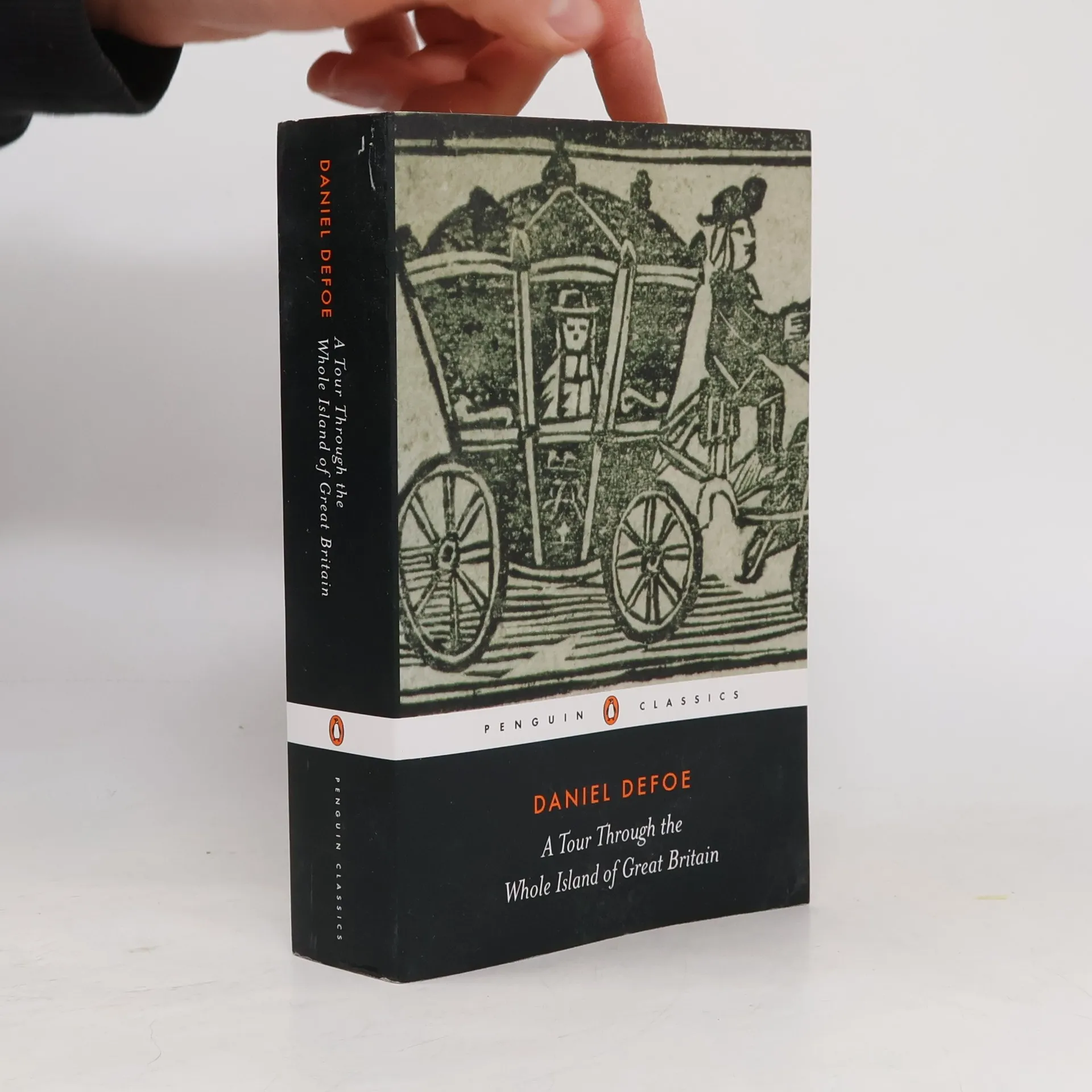
A Tour Through the Whole Island of Great Britain
- 736 pages
- 26 hours of reading
Covers Britain in the early eighteenth century.
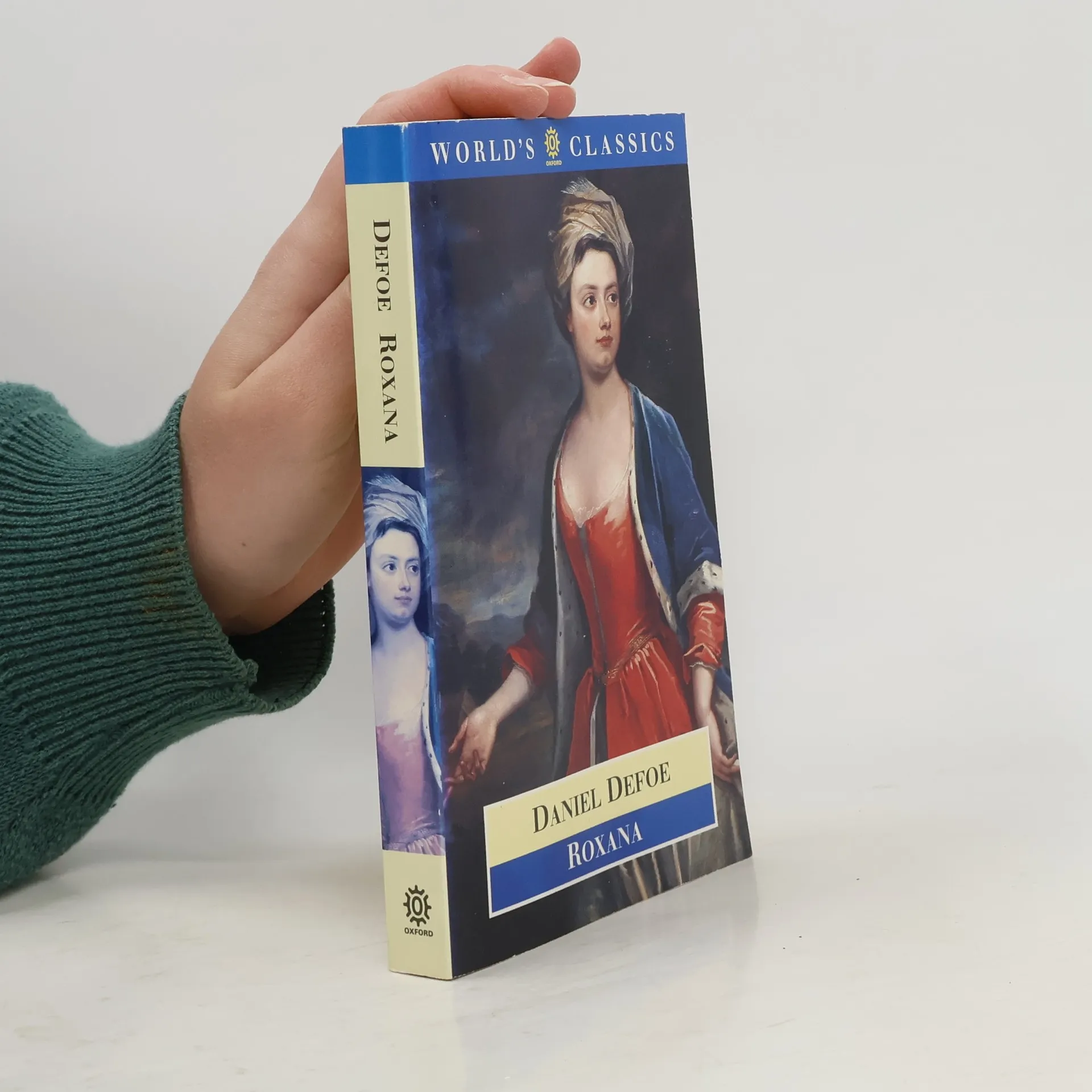
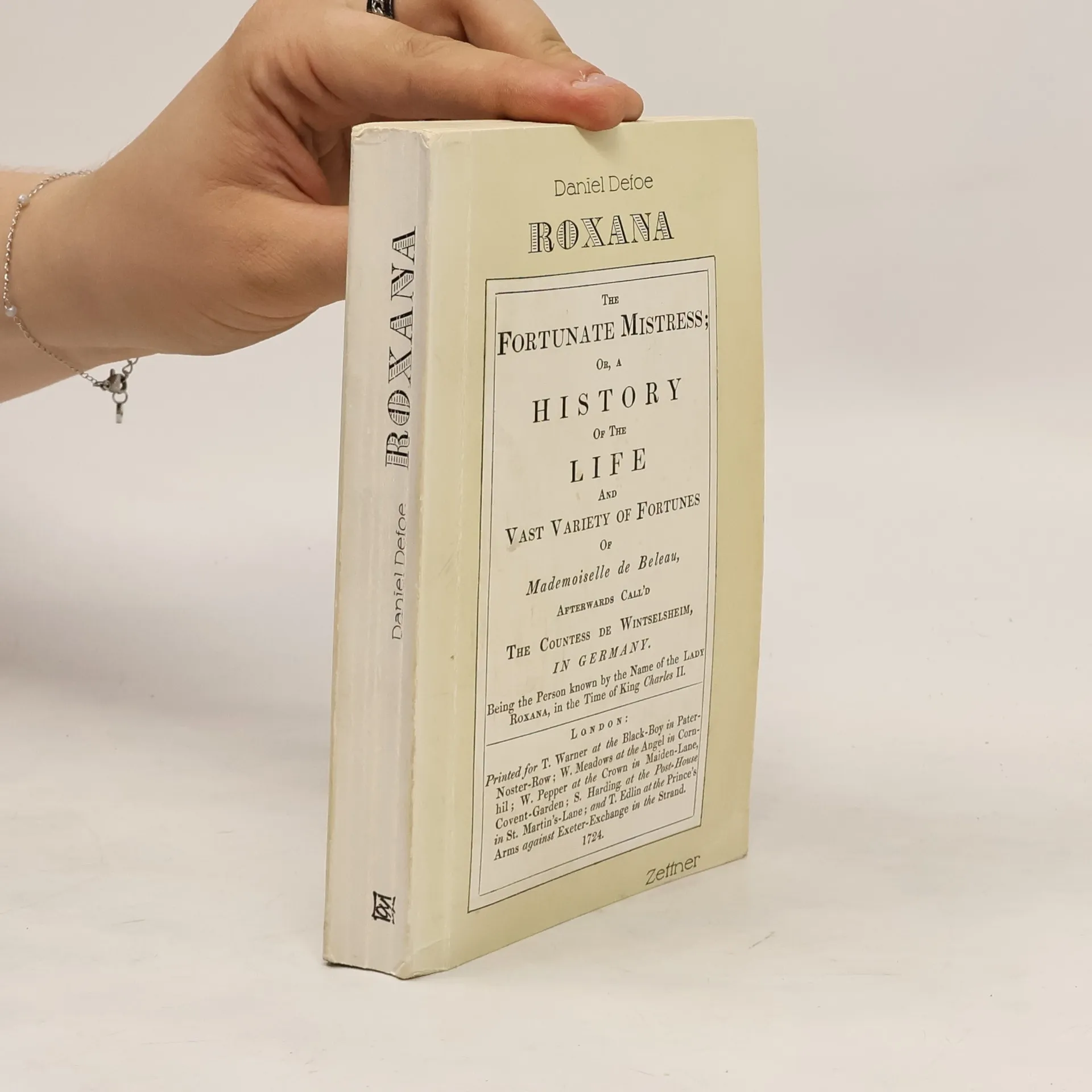
Roxana, Defoe's last and darkest novel, is the autobiography of a woman who has traded her virtue, at first for survival, and then for fame and fortune. Its narrator tells the story of her own wicked life as the mistress of rich and powerful men.
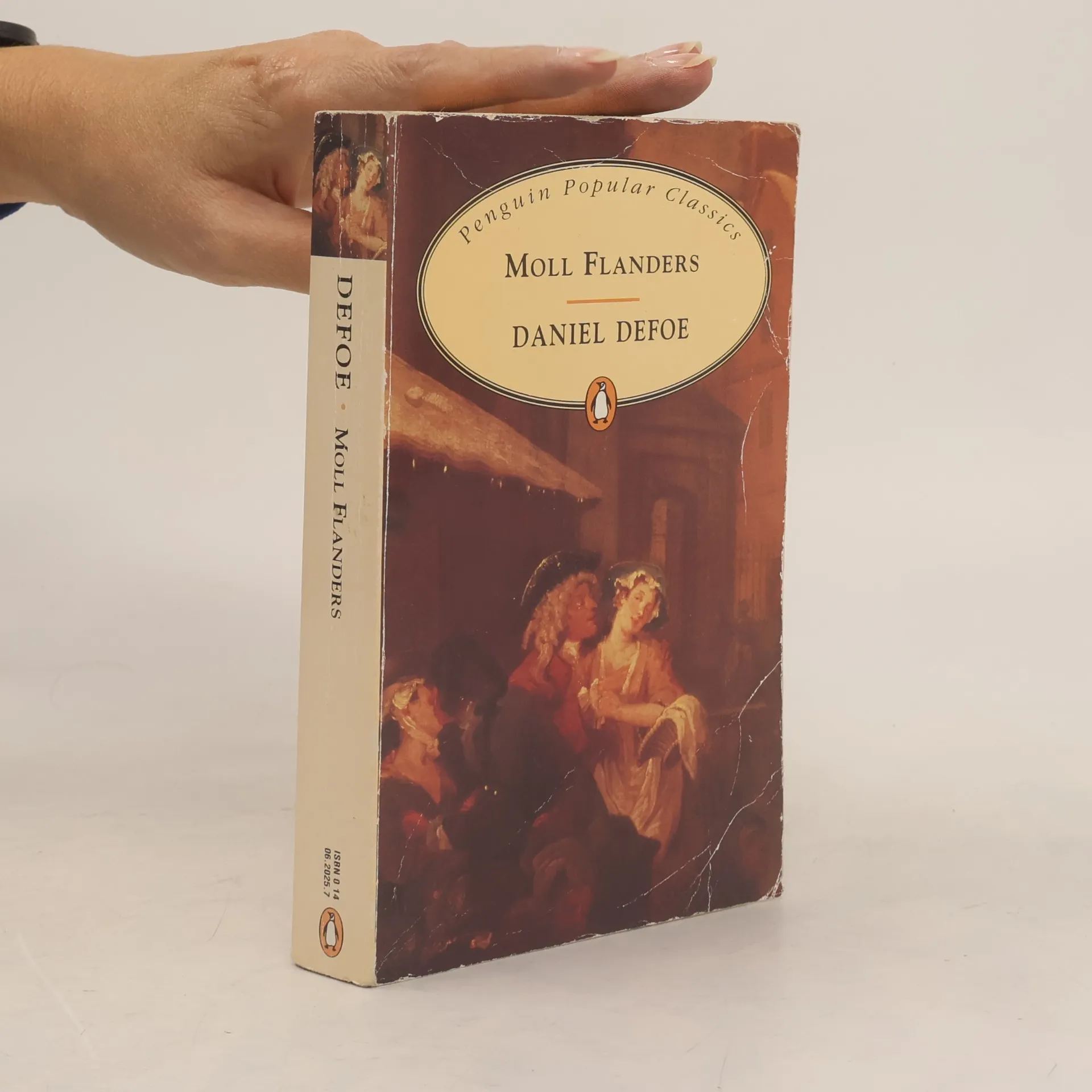
Moll Flanders
- 384 pages
- 14 hours of reading
Born and abandoned in Newgate Prison, Moll Flanders is forced to make her own way in life. She duly embarks on a career that includes husband-hunting, incest, bigamy, prostitution and pick-pocketing, until her crimes eventually catch up with her. This book recounts her adventures.
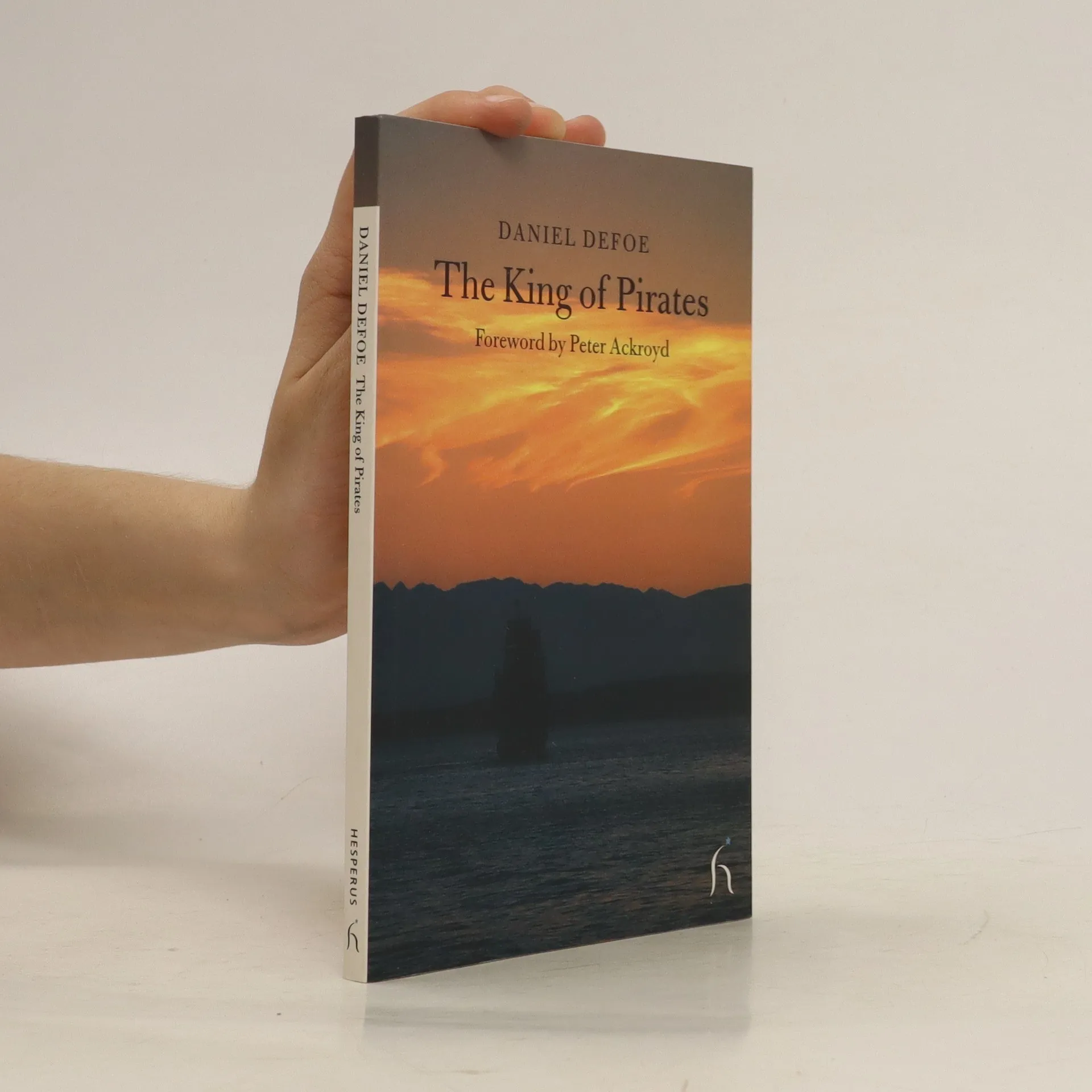
The King of Pirates
- 104 pages
- 4 hours of reading
Following the success of Robinson Crusoe, Daniel Defoe composed a further tale of high adventure at sea. The result was this lesser-known work, an inspired and hugely enjoyable “first-hand” account of pirate life. In response to an alleged letter accusing him of the worst possible deeds, Captain Avery pens a reply seeking to exonerate himself from all such charges. He sees fit to provide a full account of life as captain of a pirate ship. Yet far from being the archetypal, murderous villain, his letters reveal him simply to be a lovable rogue—albeit one with something of a penchant for fine jewels.
Penguin Summer Classics: Robinson Crusoe
- 288 pages
- 11 hours of reading
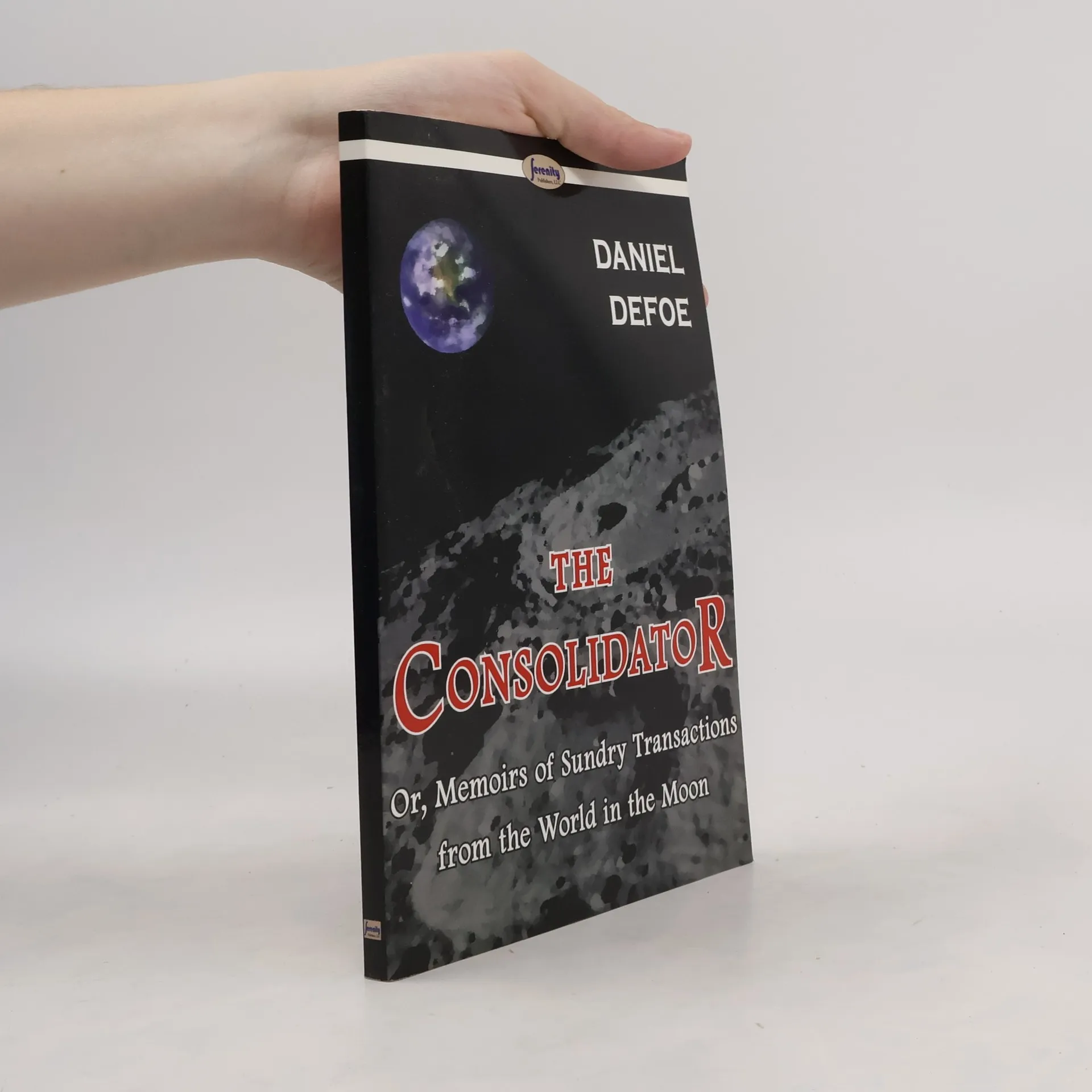
The Consolidator
- 156 pages
- 6 hours of reading
Exploring the theme of interplanetary voyages, this 1705 publication invites readers into a speculative journey beyond Earth. While it is a reprint and may contain typographical errors, it offers a glimpse into early science fiction ideas. The book lacks illustrations and indexes, but it provides access to a vast library of over a million titles through Million-Books.com, enhancing the reading experience with additional resources.
Tour through the Eastern Counties of England, 1722
- 98 pages
- 4 hours of reading
Daniel Defoe, an influential English writer and trader, is best known for his groundbreaking novel Robinson Crusoe, a work that has achieved remarkable global reach through translations. Recognized as a pioneer of the English novel, Defoe contributed significantly to the genre alongside contemporaries like Aphra Behn and Samuel Richardson. His career was marked by political engagement, leading to frequent conflicts with authorities and even imprisonment. Despite this, his innovative ideas garnered the attention of intellectuals and political figures of his time.
Dickory Cronke; The Dumb Philosopher, or, Great Britain's Wonder
in large print
- 50 pages
- 2 hours of reading
Focusing on accessibility, this book is a reproduction of a historical work presented in large print, catering specifically to individuals with impaired vision. The publishing house Megali is dedicated to preserving and making such works available, ensuring that important texts remain accessible to a wider audience.
An Essay Upon Projects
- 224 pages
- 8 hours of reading
The book is a reproduction of a historical work, specifically designed in large print to enhance readability for individuals with impaired vision. Published by Megali, a house dedicated to making historical texts more accessible, this edition aims to preserve the original content while ensuring that it is easier to read for those who benefit from larger text formats.
The Further Adventures of Robinson Crusoe
- 348 pages
- 13 hours of reading
This book is a reproduction of a historical work, presented in large print to enhance accessibility for individuals with impaired vision. The publishing house, Megali, focuses on making classic texts available in a format that is easier to read, ensuring that important works remain accessible to a wider audience.
Colonel Jack
- 240 pages
- 9 hours of reading
Colonel Jack follows an orphaned boy's journey from poverty and crime to colonial success, exploring themes of money and morality. As Jack navigates love and adventure, he grapples with his identity as a "gentleman." Written by Daniel Defoe, a key figure in the development of the English novel.
Robinson Crusoe, mit 1 Audio-CD
- 84 pages
- 3 hours of reading
Daniel Defoe's classic story about a 17th century shipwrecked Englishman on a desert island and his slave, Friday. The book looks at other shipwrecks, and tracks the development of racism from slavery to the modern day.
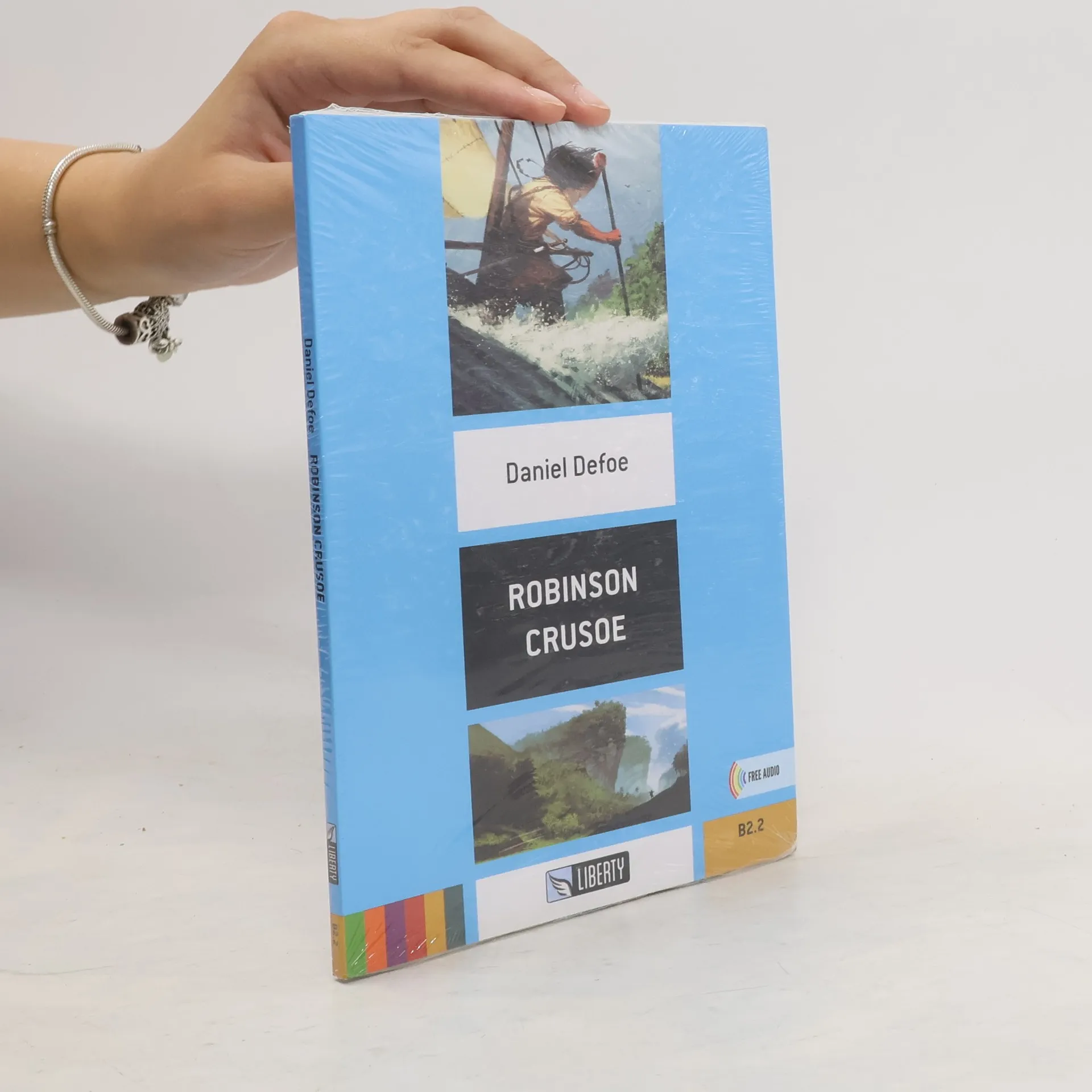
Reading & Training Step. 5 B2.2. Robinson Crusoe
- 144 pages
- 6 hours of reading
ADVENTURE When the captain tells Robinson, ‘Young man, you should never go to sea again… , Robinson ignores his advice and goes to sea again, with terrible consequences. He is forced into slavery and escapes, but he is then shipwrecked on a desert island, where he manages to survive through resourcefulness and luck. Dossiers: The Slave Trade Alexander Selkirk (1676-1721) Mercantilism: Trade, Wealth and Colonies Desert Island Survivors in Literature Isla Más a Tierra: Robinson Crusoe Island
From London to Land's End
- 82 pages
- 3 hours of reading
The travel narrative offers a captivating exploration of the southernmost point of England, showcasing Daniel Defoe's keen observations and vivid storytelling. Set in the 18th century, it takes readers on a journey from London to Land's End, highlighting the landscapes, culture, and experiences encountered along the way. Defoe's insights provide a rich historical context and a personal perspective on the places he visits.
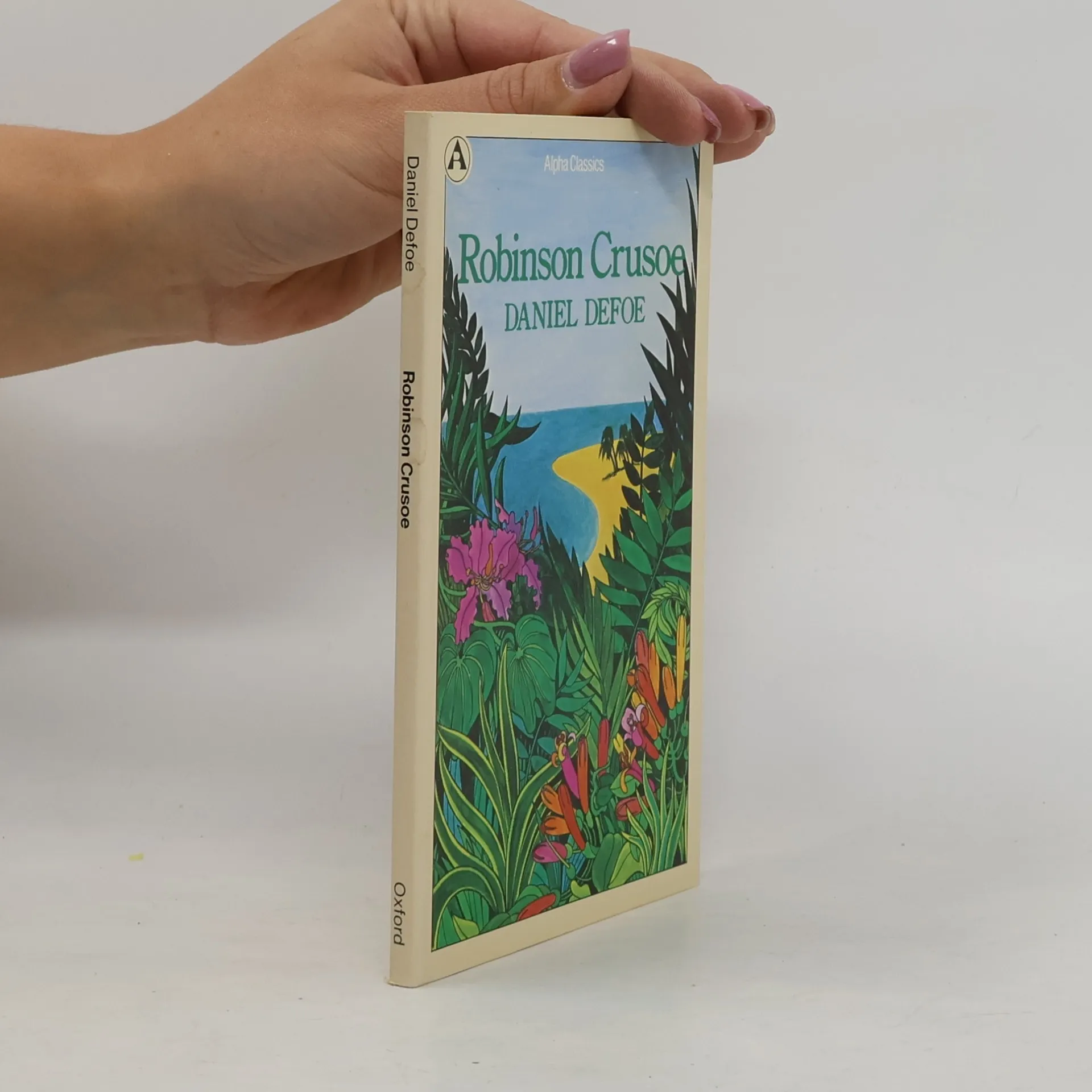
Alpha Classics: Robinson Crusoe
- 95 pages
- 4 hours of reading
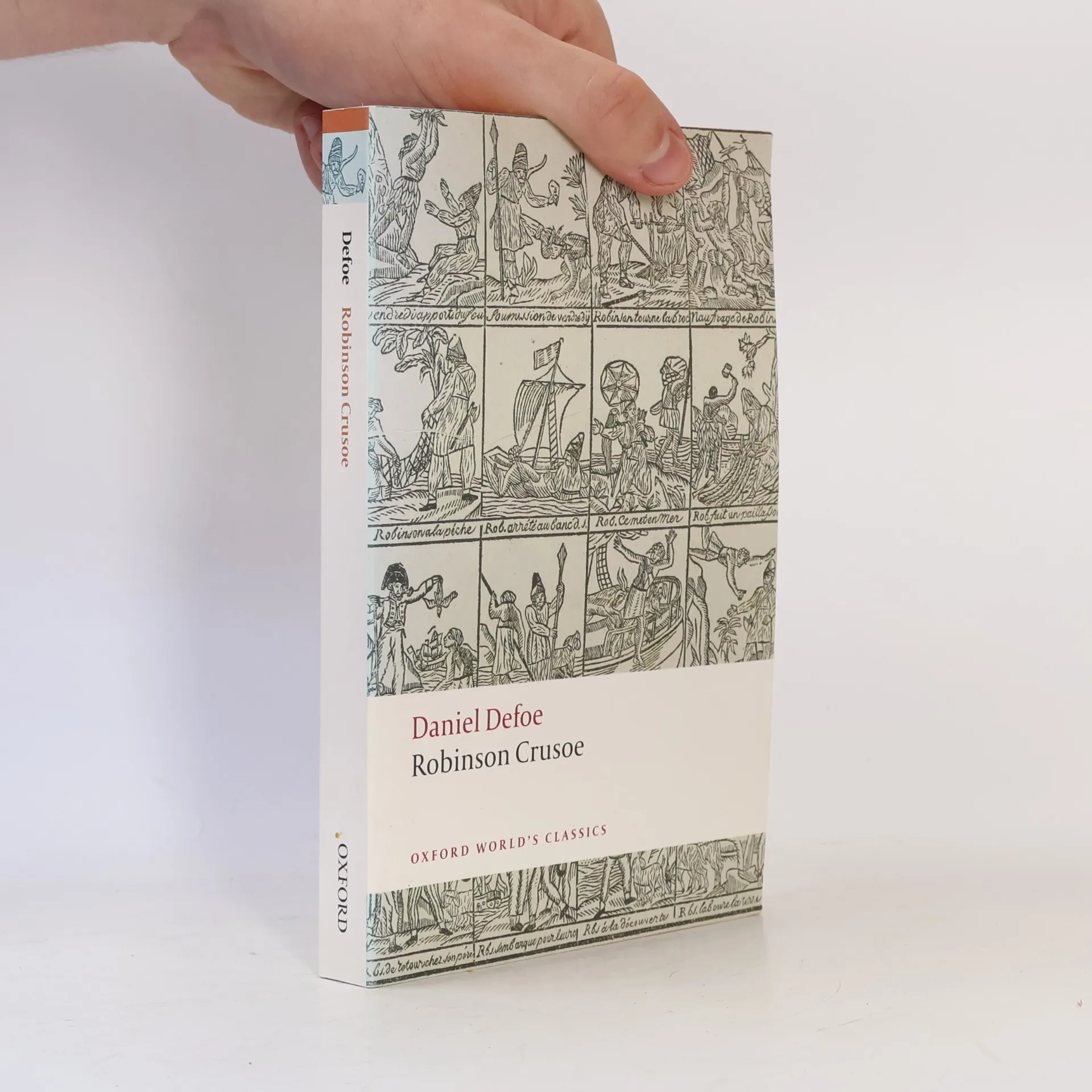
Oxford World's Classics: Robinson Crusoe, English Edition
- 321 pages
- 12 hours of reading
This new edition of Defoe's masterpiece includes a lively introduction by Tom Keymer, full notes and useful appendices, including a chronology of the action of the story and Defoe's most sustained commentary on it.
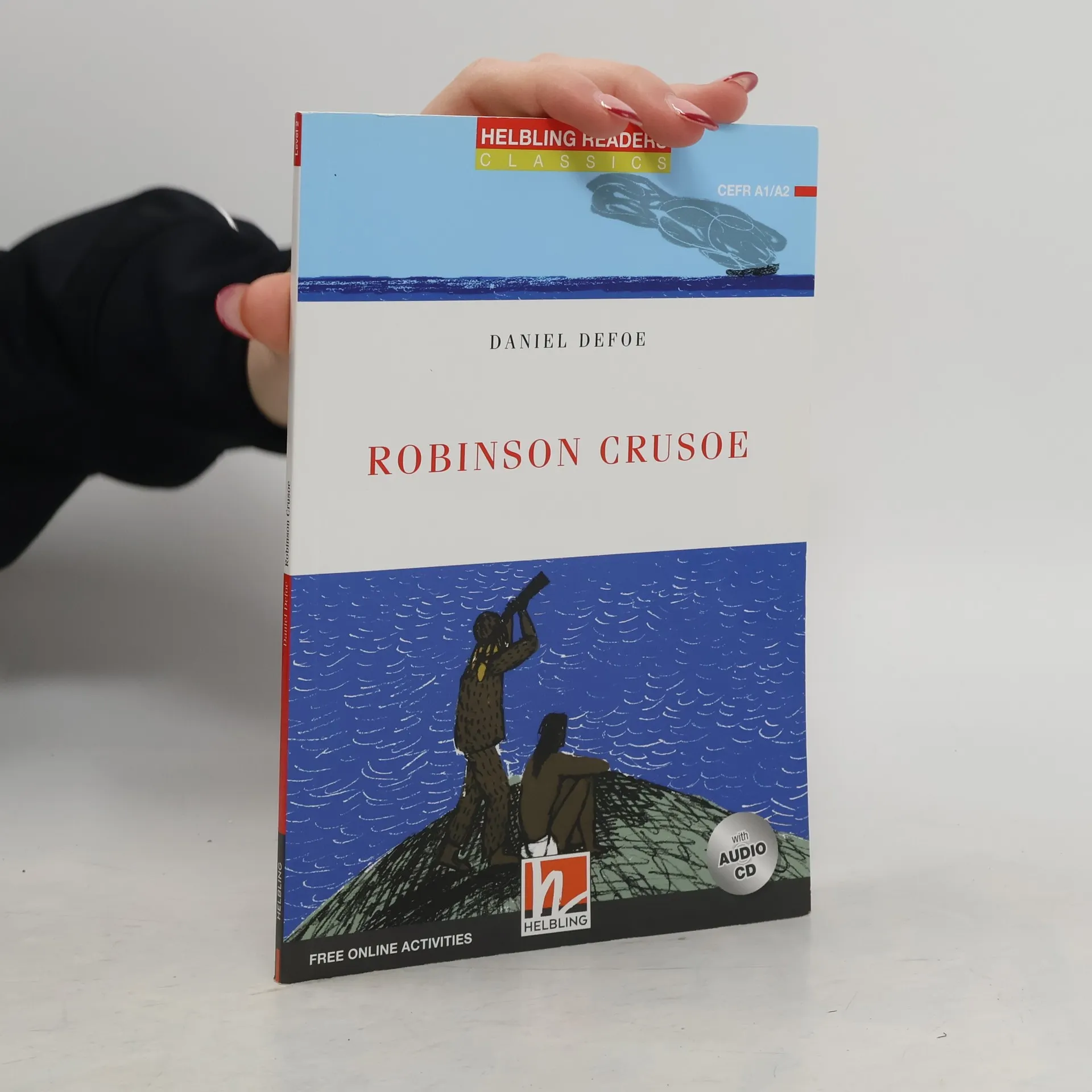
Robinson Crusoe. Reader Level 2
- 48 pages
- 2 hours of reading
Tuytuł z serii ELT Graded Readers. Seria pomaga rozwijajć sprawności językowe i poznawać słynne mity, legendy i klasyczne dzieła literatury światowej. Wśród tytułów cyklu znajdują się także powiastki science fiction, opowiadania detektywistyczne i historie o duchach. Każda lektura jest bogato ilustrowana. Seria jest skierowana do osób uczących się języka angielskiego na poziomach od A2 do B2. W ramach serii wyodrębniono 5 stopni trudności tekstu. schovat popis
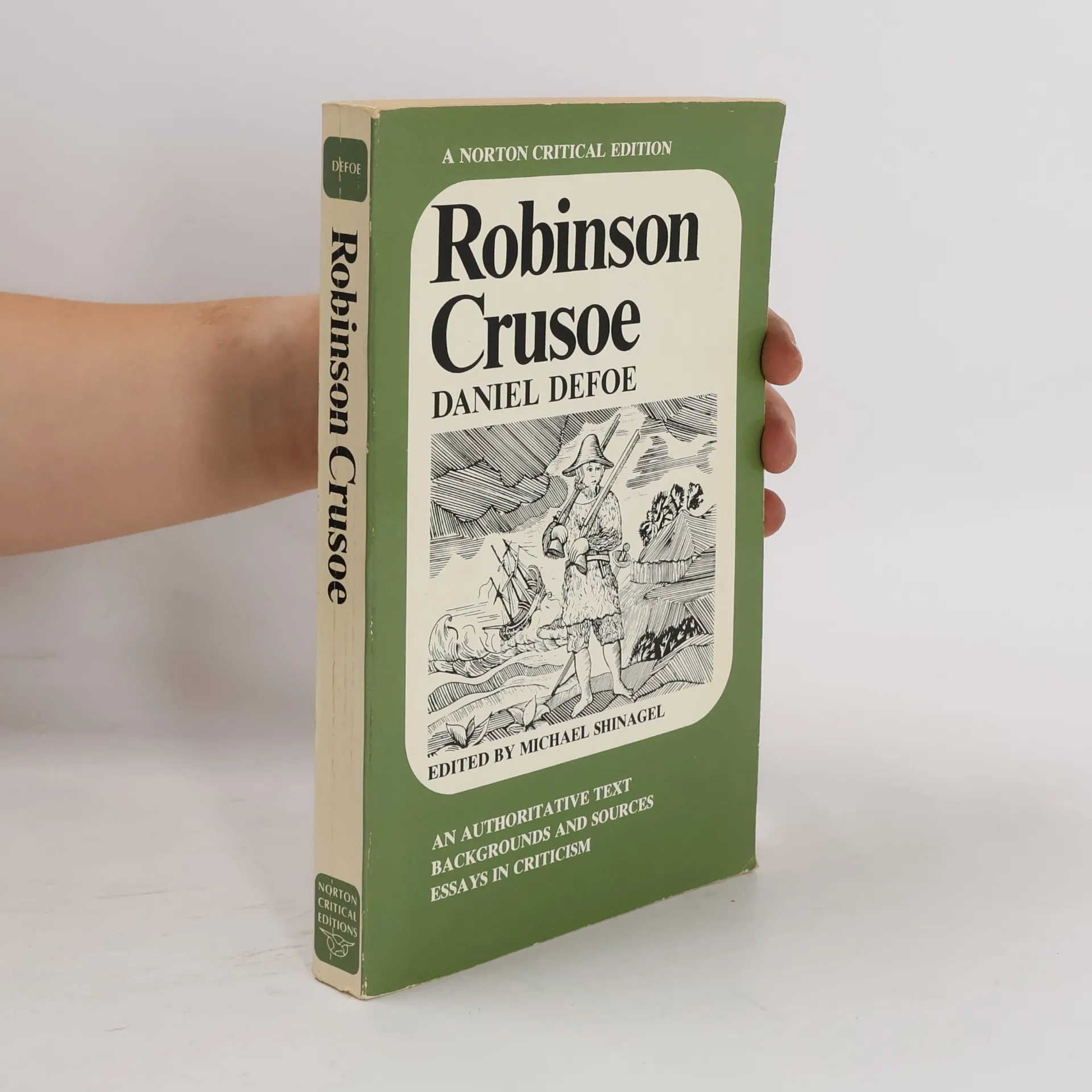
Norton Critical Edition: Robinson Crusoe
An Authoritative Text, Backgrounds And Sources, Criticism; Edited By Michael Shinagel
- 399 pages
- 14 hours of reading
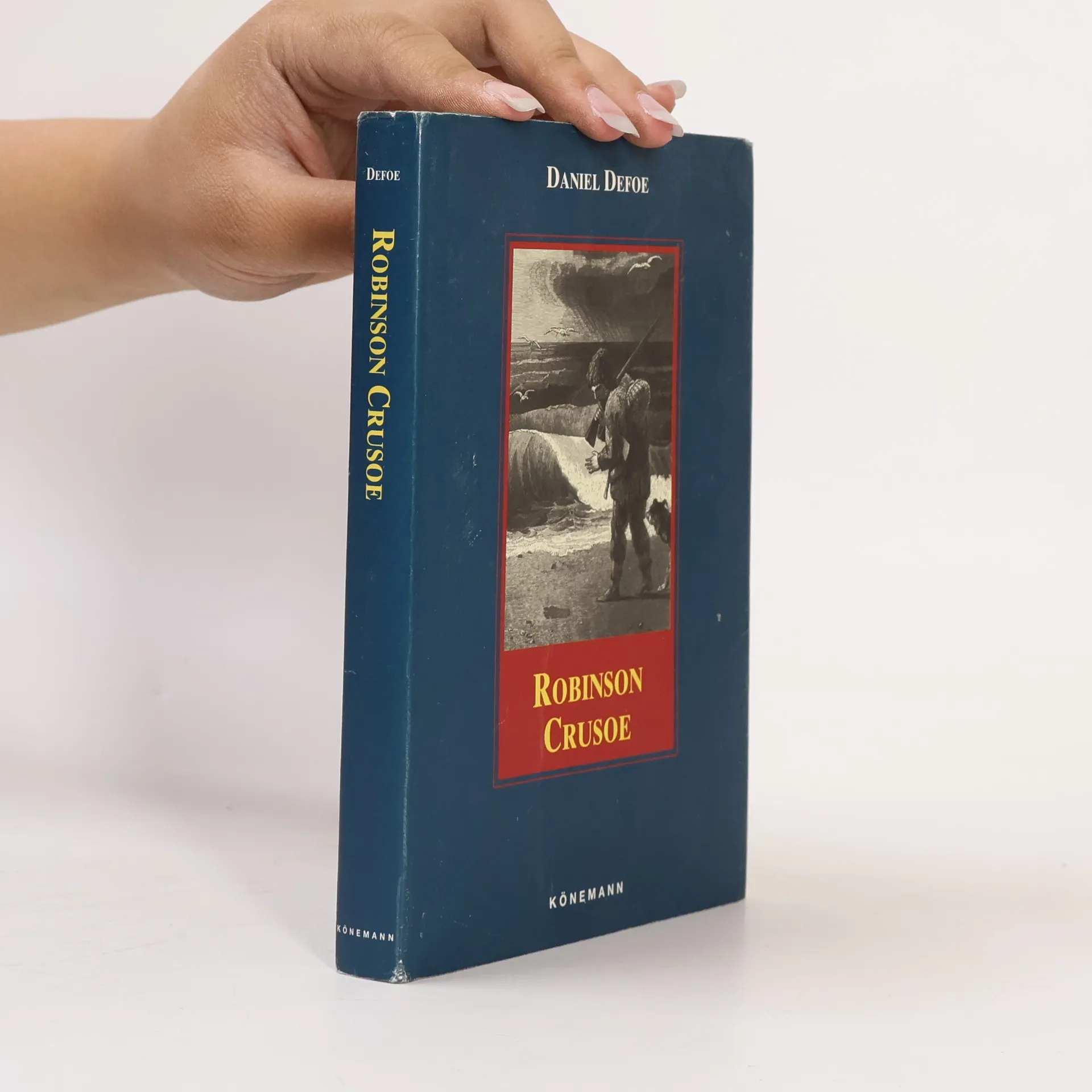
Konemann Classics: Robinson Crusoe
- 322 pages
- 12 hours of reading
Small hardback.
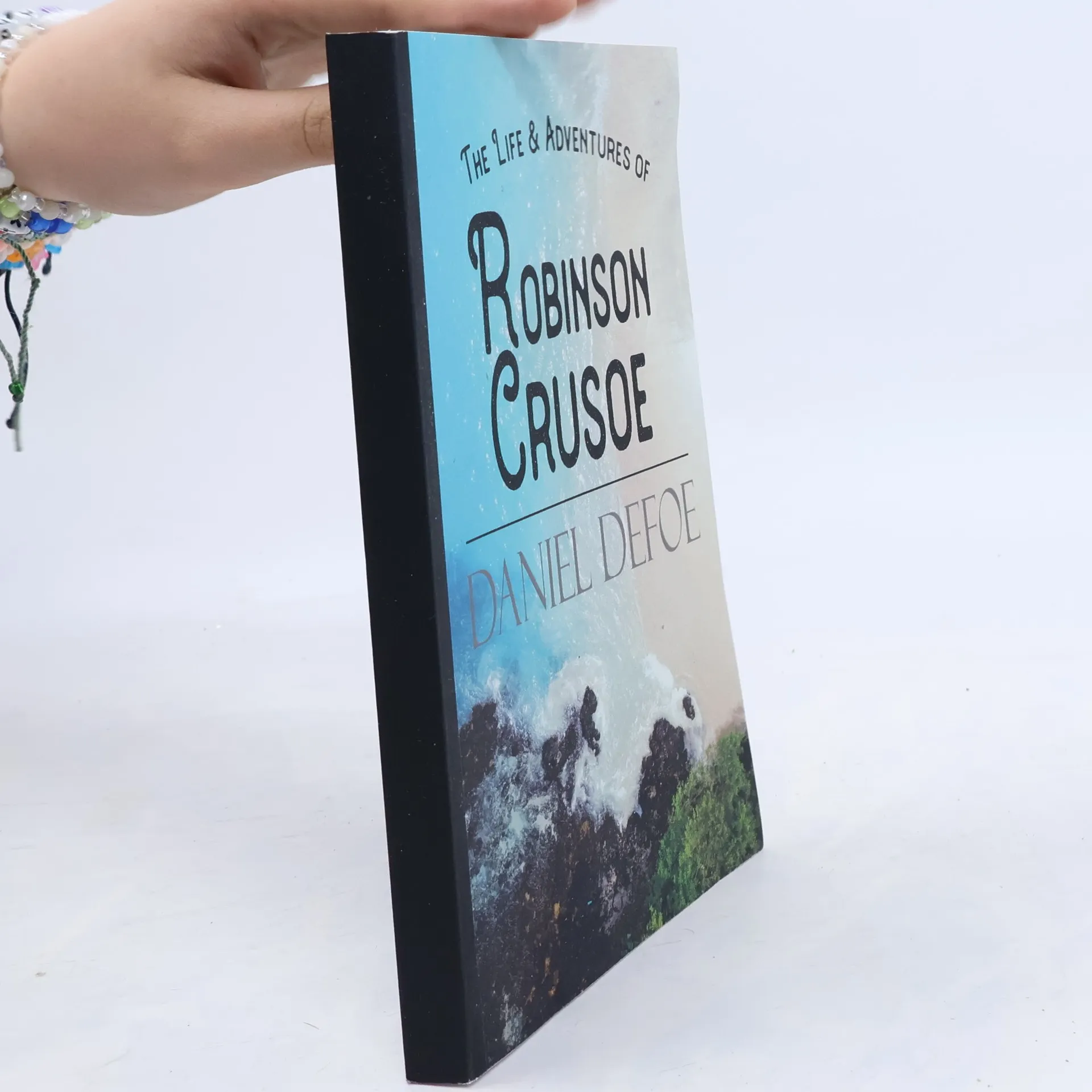
The Life & Adventures of Robinson Crusoe: The Original 1719 Novel
- 268 pages
- 10 hours of reading
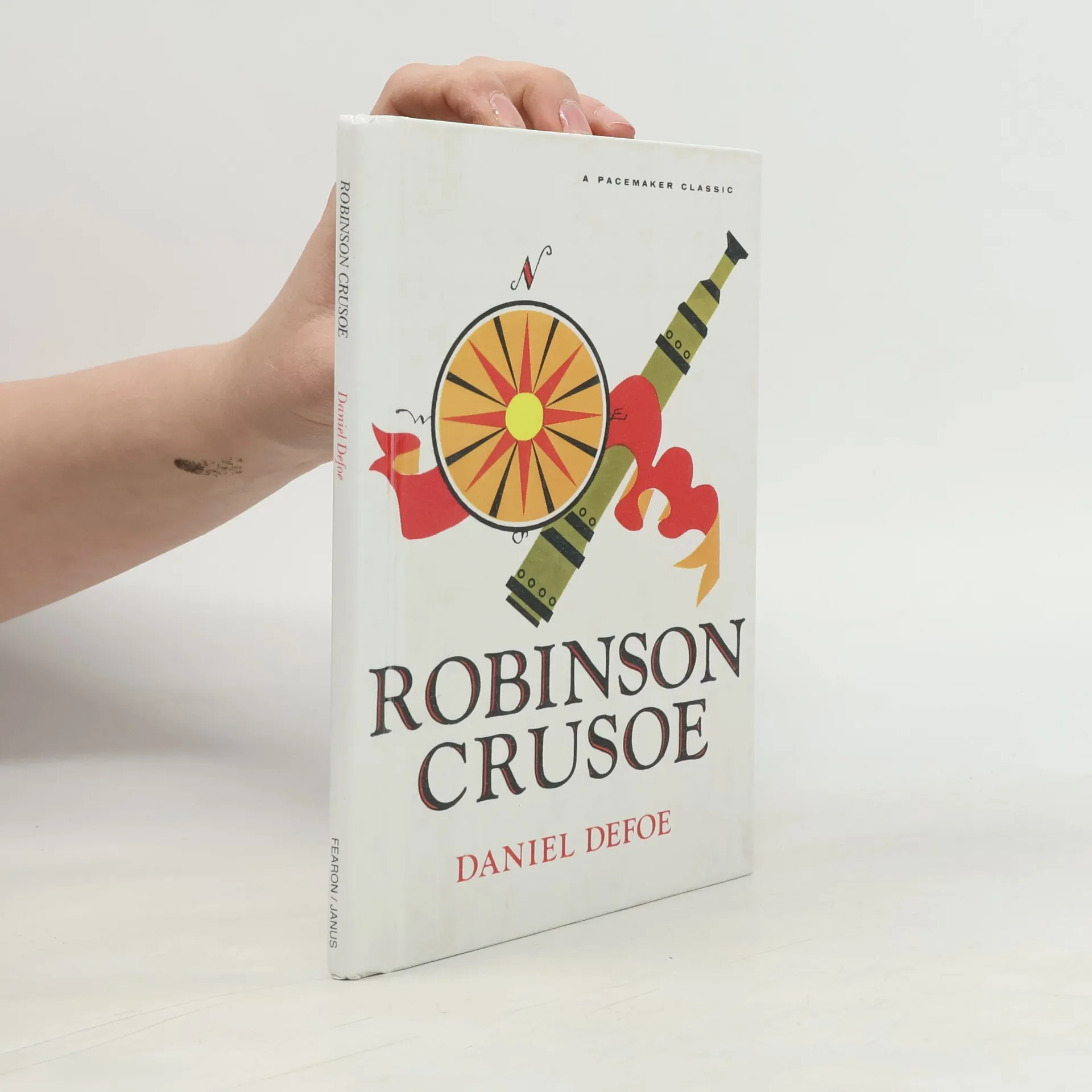
Pacemaker Classics: Robinson Crusoe
- 76 pages
- 3 hours of reading
With its high-interest adaptations of classic literature and plays, this series inspires reading success and further exploration for all students.These classics are skillfully adapted into concise, softcover books of 80-136 pages. Each retains the integrity and tone of the original book. Interest Level: 5-12 Reading Level: 3-4
Collected Classics 7
Round the World in Eighty Days. The Prince and the Pauper. Robinson Crusoe. Kidnapped. Robin Hood. The Three Musketeers. The Mysterious Island
- 322 pages
- 12 hours of reading
The new Penguin Readers Collected Classics bring together five classic Penguin Readers all in one edition! Available in hardcover or paperback, they are a chance for you and your students to enjoy great classic tales from the finest writers!
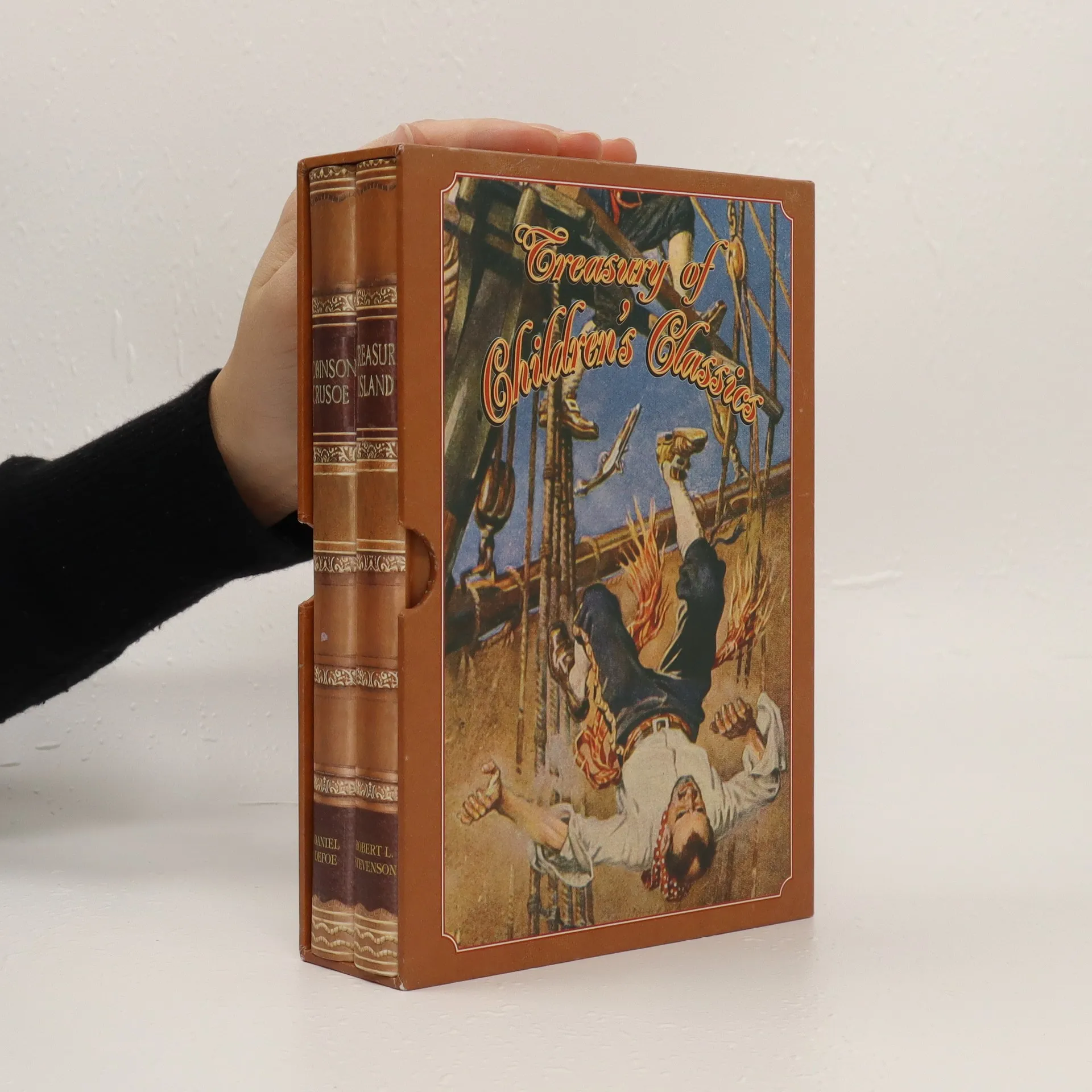
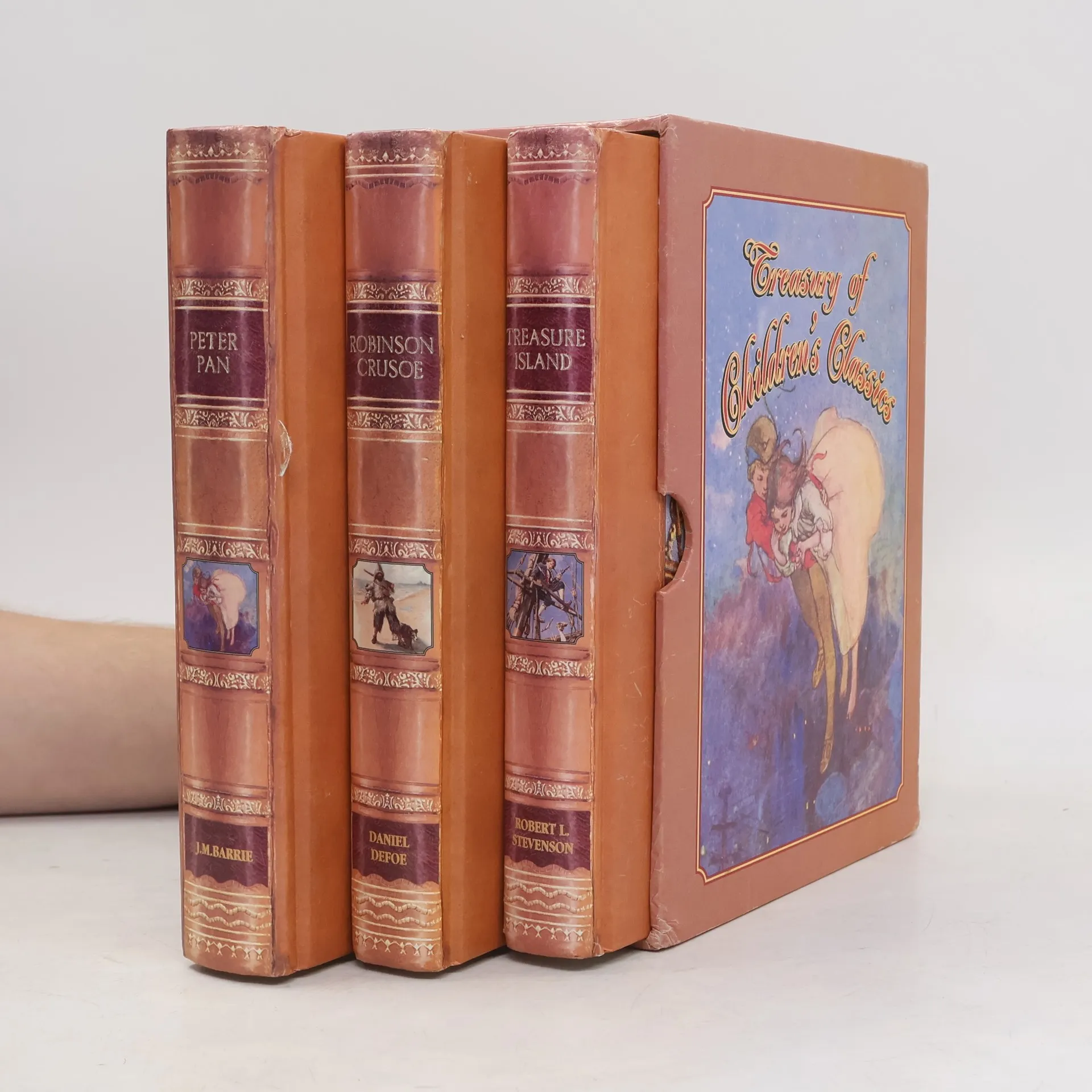
Treasury of Children's Classics. Treasure Island. Robinson Crusoe
- 2 volumes
- 305 pages
- 11 hours of reading
Treasure Island is an adventure novel by Scottish author Robert Louis Stevenson, narrating a tale of "buccaneers and buried gold". Traditionally considered a coming-of-age story, Treasure Island is an adventure tale known for its atmosphere, characters and action, and also as a wry commentary on the ambiguity of morality — as seen in Long John Silver — unusual for children's literature now and then.
Opere
- 1068 pages
- 38 hours of reading
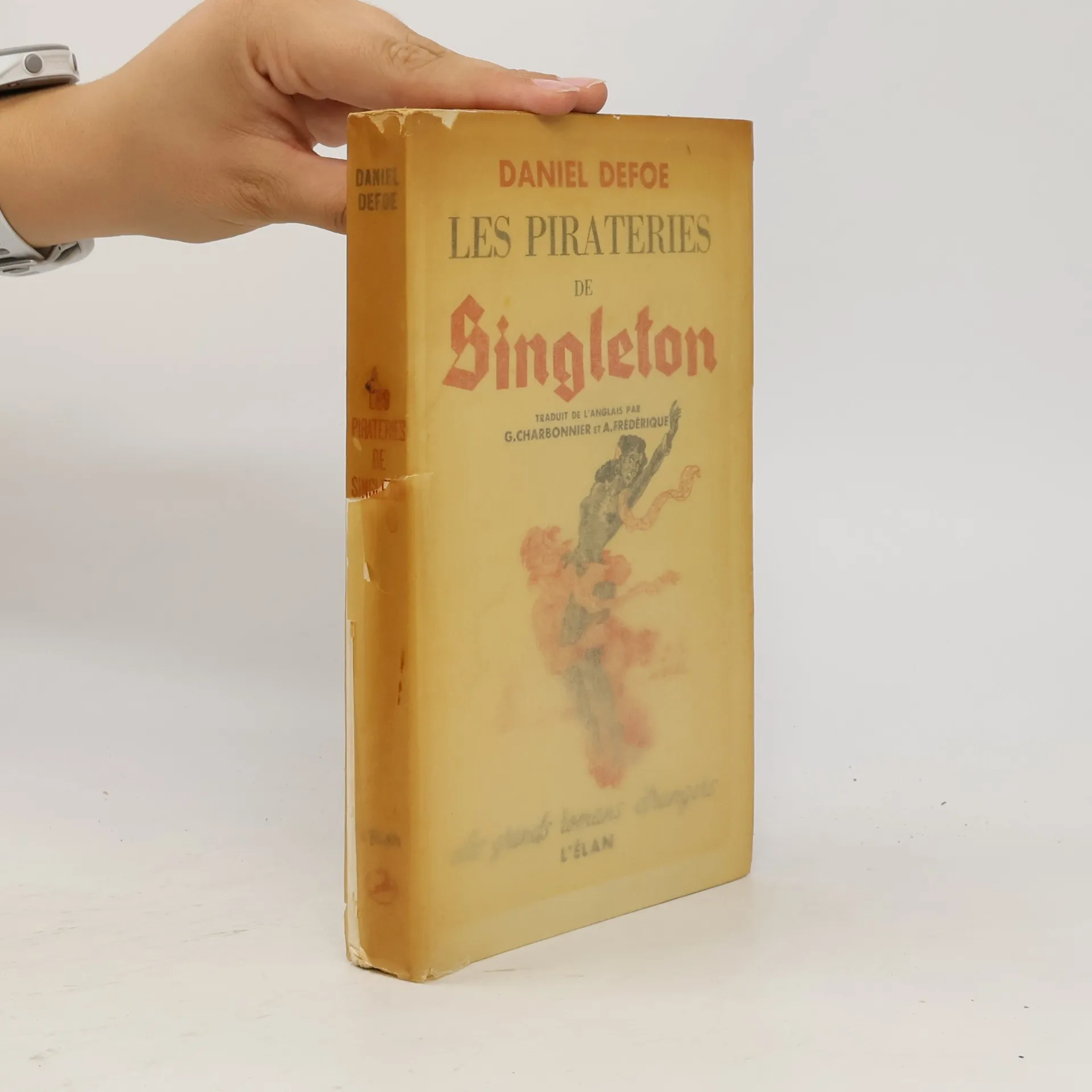
La scelta delle opere, nell'edizione dei Meridiani, di Daniel Defoe, autore tra i fondatori del romanzo moderno, nonché saggista, giornalista politico e di costume, è firmata dalla scrittrice Anna Banti. Tra le opere: Le avventure del capitano Singleton, Diario dell'anno della peste e L'amante fortunata ovvero Lady Roxana.
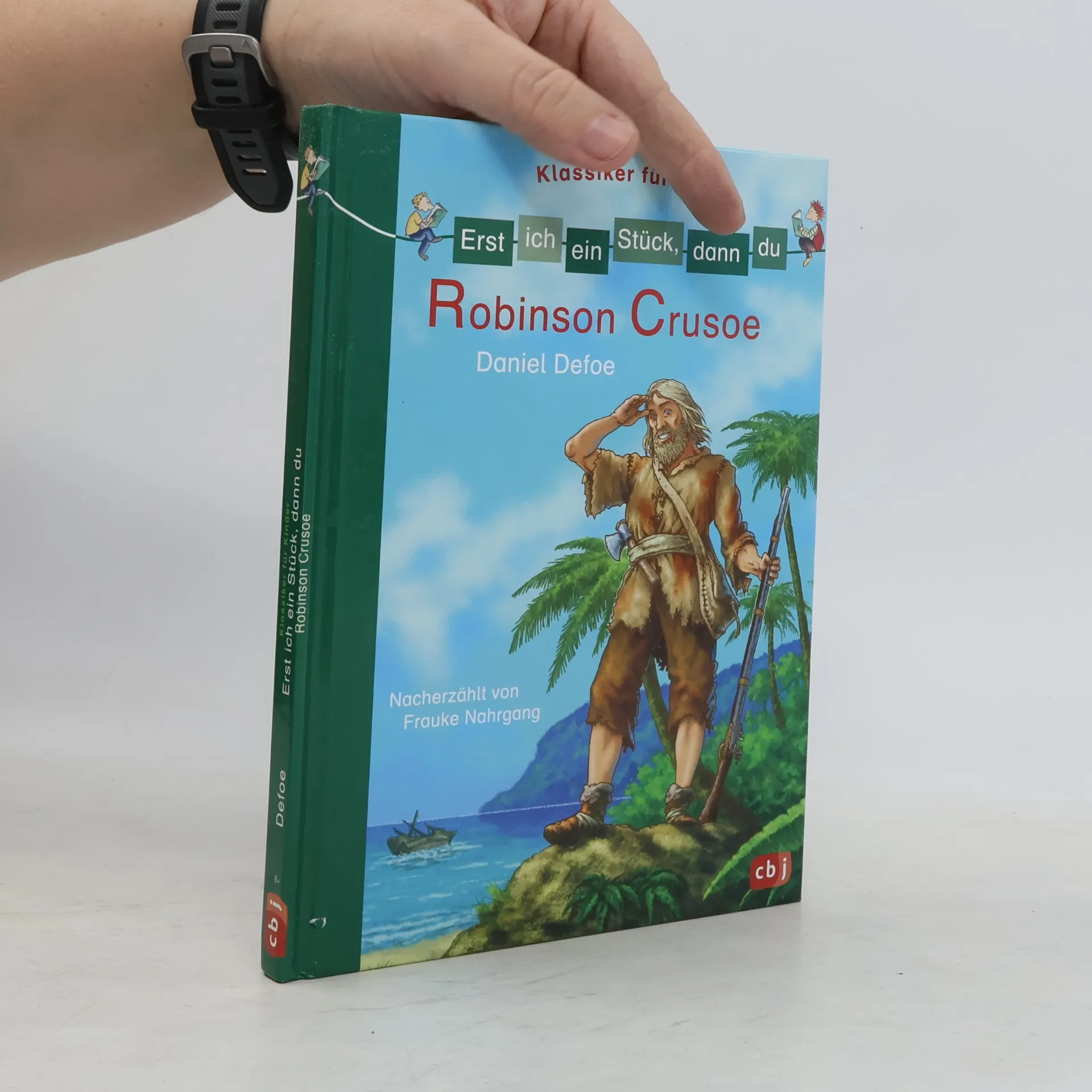
Die erfolgreiche Kinderbuchreihe mit bewährtem Konzept für das gemeinsame Lesenlernen und –üben Aus Abenteuerlust zieht es den jungen englischen Kaufmannssohn Robinson Crusoe hinaus auf die Weltmeere. Als sein Schiff in einem heftigen Sturm kentert, rettet sich Robinson als einziger Überlebender auf eine unbewohnte Insel. Mit einfachsten Mitteln baut er sich ein neues Leben auf. Viele Jahre lang lebt er völlig auf sich allein gestellt, bis er eines Tages einem jungen Eingeborenen das Leben rettet. Wenn das Lesen für Leseanfänger noch mühsam ist, heißt es in vielen Familien: »Lass uns gemeinsam lesen. Erst ich ein Stück, dann du. Wir wechseln uns ab.« Deswegen ist unsere beliebte Erstleser-Reihe »Erst ich ein Stück, dann du« speziell für das gemeinsame Lesen konzipiert: * Leseabschnitte für die erfahrenen Vorleser und die Leseanfänger wechseln sich ab * längere Passagen für Vorleser in kleiner Schrift * kurze Texte für Leseanfänger in Fibelschrift So macht gemeinsames Leselernen Spaß! Ausstattung: Mit fbg. Illustrationen
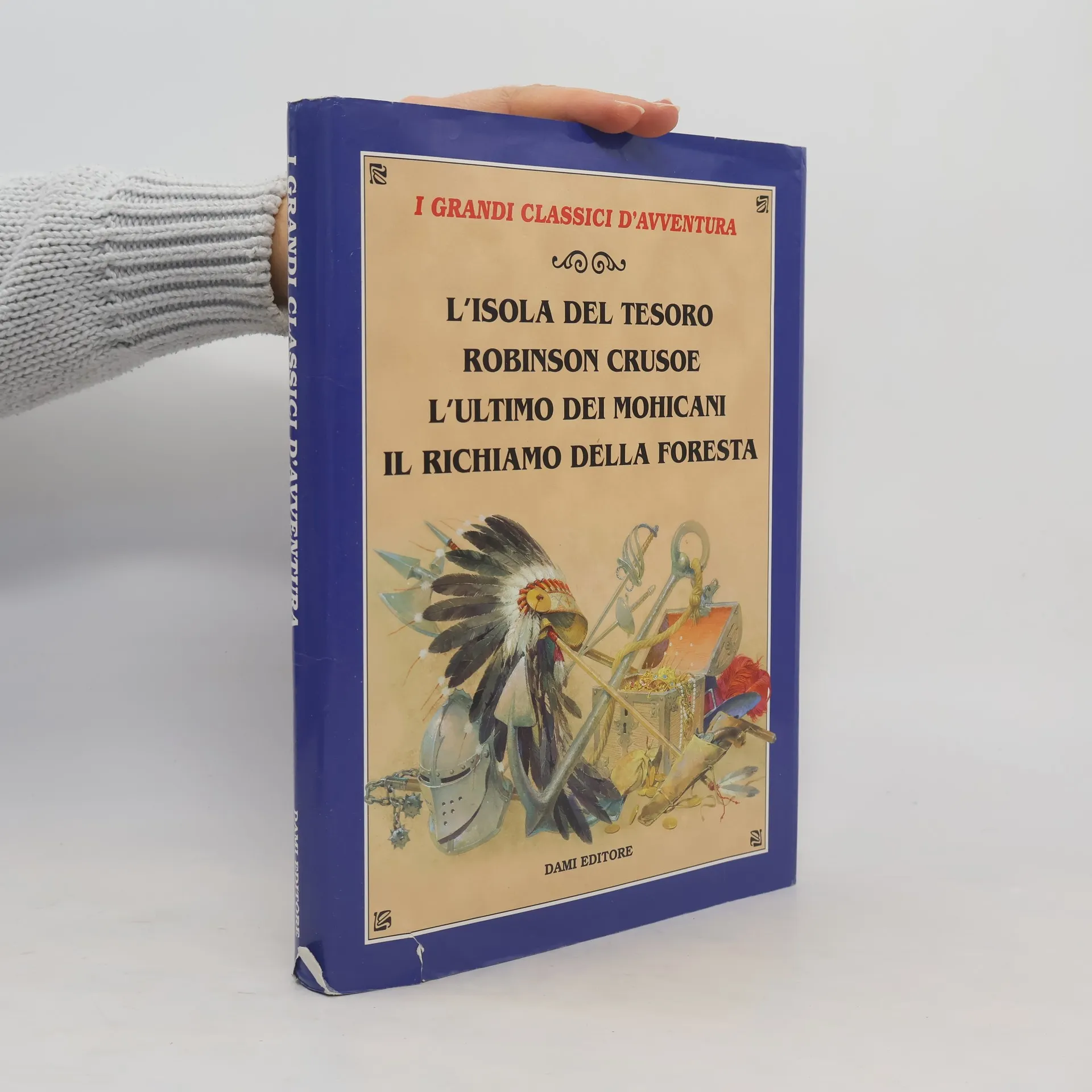
I grandi classici dell'avventura
L'isola del tesoro - Robinson Crusoe – L'ultimo dei Mohicani – Il richiamo della foresta
- 196 pages
- 7 hours of reading
Una nuova, moderna versione dei classici d'avventura per ragazzi.
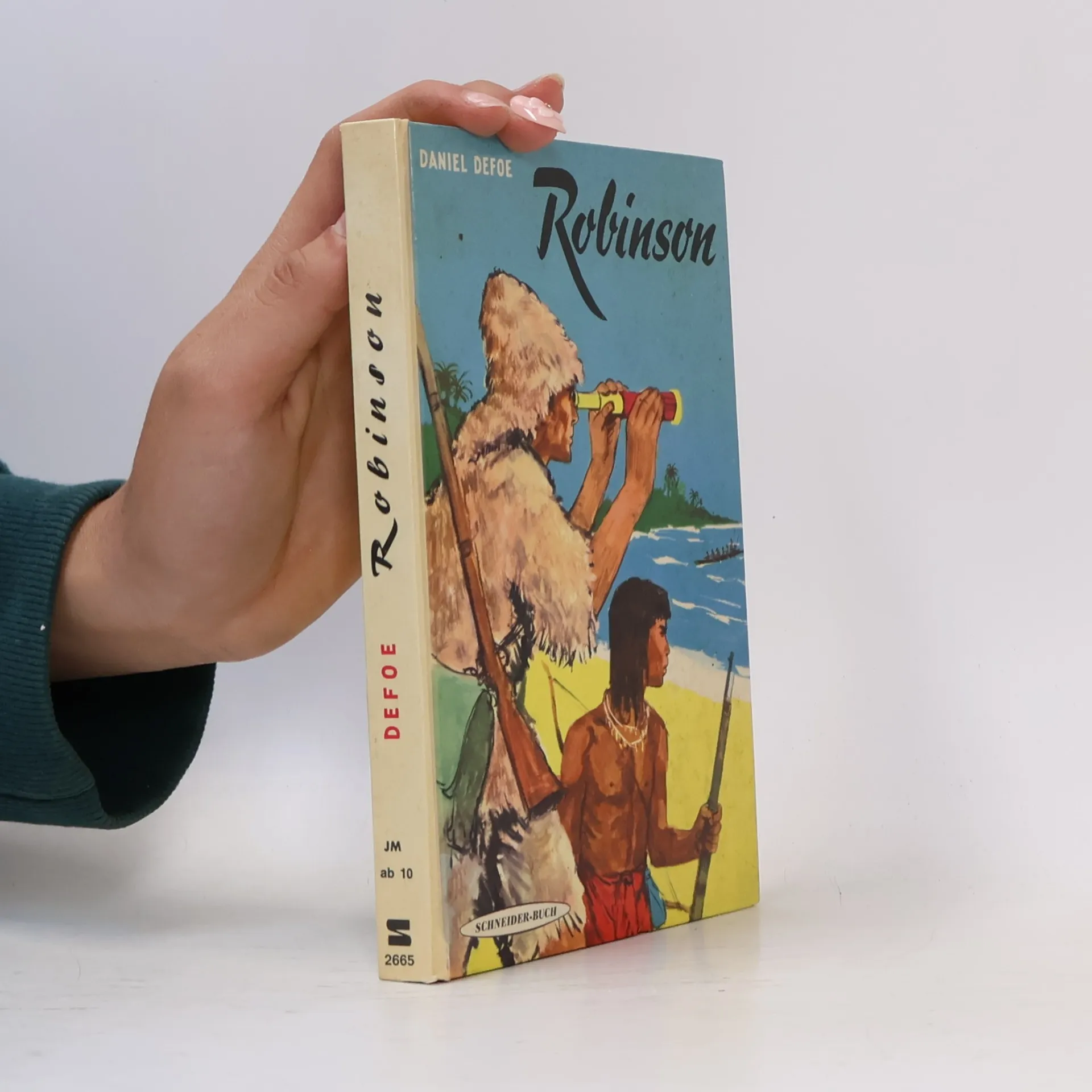
Neu erzählt u. mit Holzschnitten vers. v. Zacharias, Alfred.
Robinson Crusoe von Daniel Defoe
- 340 pages
- 12 hours of reading
Dass der „Robinson Cruseo“ zu einem Klassiker der Jugendliteratur wurde, ist vor allem dem in Deensen geborenen Schriftsteller und Pädagogen Joachim Heinrich Campe zu verdanken: seine Übersetzung des Buches gilt als erste spezifische deutsche Jugendschrift. Nach Joachim Heinrich Campe wurde das Campe Gymnasium Holzminden benannt. Für den Holzmindener Künstler Karl Cohnen war dies ein guter Anlass, um das Werk zu illustrieren. Seine etwa 100 Illustrationen finden eine ganz eigene grafische Sprache und verdeutlichen vor allem den Gegensatz von Zivilisation, Natur und Mythologie. Da es sich bei dem 1779 von Campe veröffentlichtem Buch „Robinson der Jüngere, zur angenehmen und nützlichen Unterhaltung für Kinde“ um eine sehr freie Übersetzung mit sehr zeitspezifischen pädagogischen Hinweisen handelt, wurde hier auf eine mehr am Original orientierte Übersetzung von Karl Altmüller aus dem Jahre 1869 zurückgegriffen.
Robinson Crusoe
- 64 pages
- 3 hours of reading
This series of books combines good stories with easy reading text for children aged five to six years and over who have just started reading alone. The series has been developed with Alison Kelly who is an expert in early reading.
Ein Zeitzeugnis ohnegleichen Am 11. August 1709 erscheint in England ein Text, der die unbedingte Aufnahme deutscher Flüchtlinge fordert. Das Argument: Die Aufnahme werde England zu nationaler Ehre gereichen und einen beträchtlichen wirtschaftlichen Gewinn mit sich bringen. Der Autor: Daniel Defoe. Zu Zehntausenden kommen die Menschen aus der Pfalz, um Armut und religiöser Verfolgung zu entgehen. Rufe nach Obergrenzen, Kontingenten und Flüchtlingskolonien werden laut, und auch damals gibt es gute Gründe dagegen. Defoe verschafft sich Zugang zu offiziellen Dokumenten und Statistiken, führt zahlreiche Interviews. Was er in Erfahrung bringt, ist erschütternd, aber nicht aussichtslos. Er berichtet von fremdenfeindlicher Hetze gegen die Deutschen ebenso wie von der Zivilcourage vieler Privatleute, die versuchen, den Heimatlosen neue Hoffnung zu geben.
De avonturen van Robinson Crusoe
- 224 pages
- 8 hours of reading
De jonge Robinson Crusoe verliet zijn huis in Engeland op zoek naar avontuur! Hij werd zeeman aan boord van een schip en zo begon zijn ongelooflijke reis. Helaas nam het avontuur een andere wending toen het schip zonk. Robinson was de enige overlevende. Hij spoelde als schipbreukeling aan op een eiland, waar het hem lukte te overleven met de aangespoelde wrakstukken, de proviand uit het schip en met wat hij op het eiland vond. Hij wist zichzelf zelfs weer beter te maken toen hij op een gegeven moment ziek werd! Robinson dacht zeker te weten dat hij de enige levende knager op het eiland was, tot hij op een dag plotseling een andere muis ontmoette, die hij de naam Vrijdag gaf. Dit maakte dat alles er ineens heel anders uit ging zien voor Robinson…
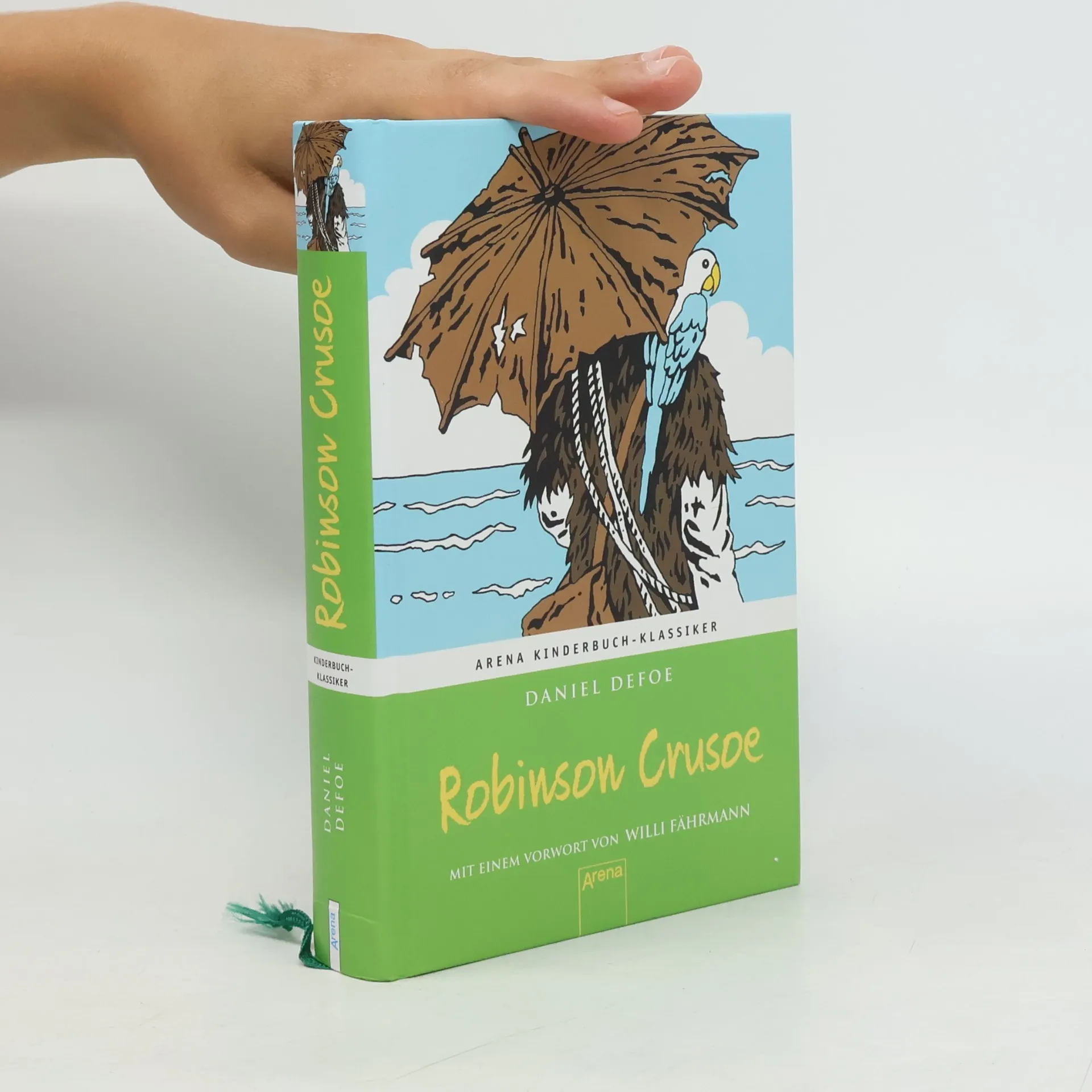
Robinson Crusoe
Arena Kinderbuch-Klassiker. Mit einem Vorwort von Willi Fährmann
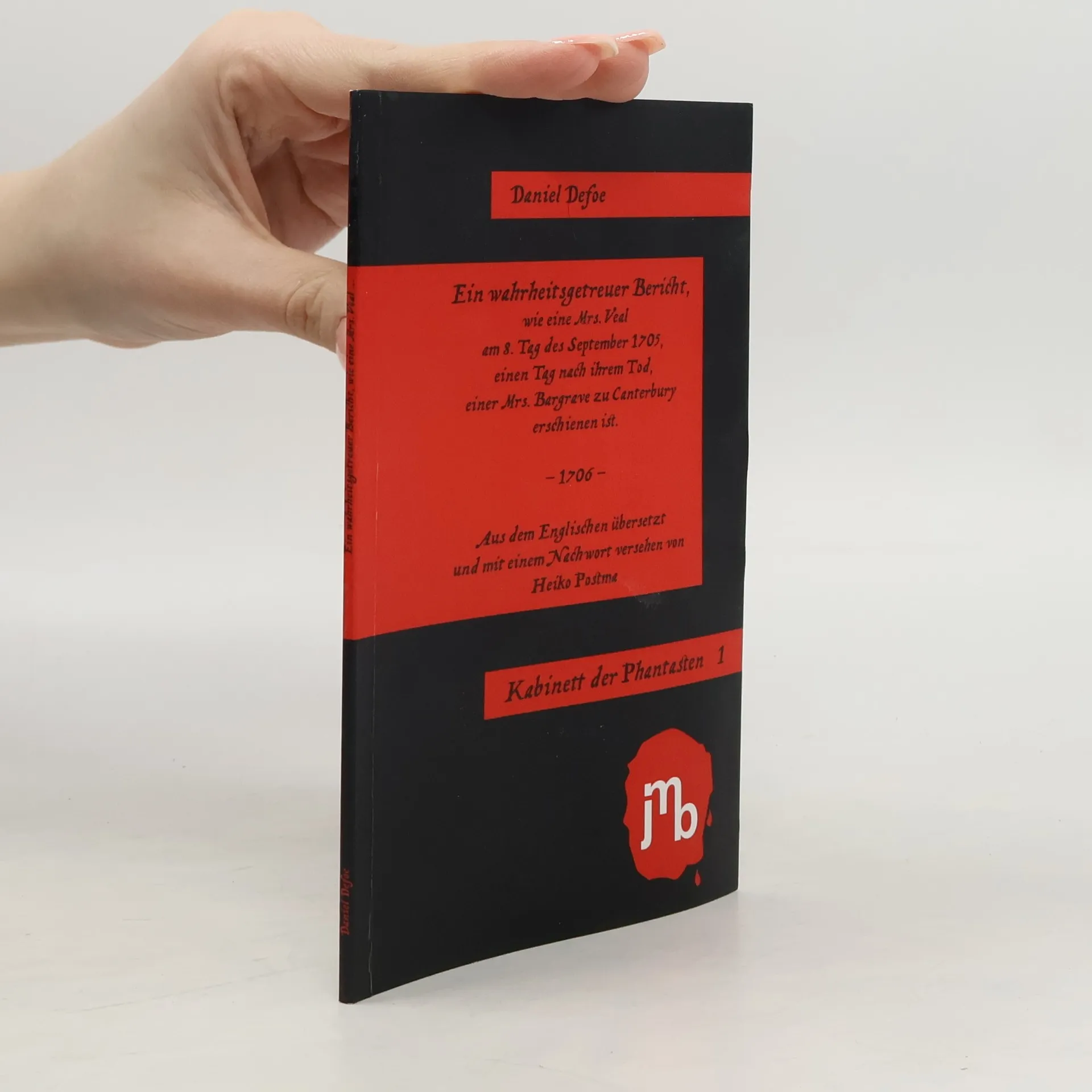
Daniel Defoe hinterfragte die Annahme, dass Geister keine 'äußere Gestalt' annehmen können, und nutzte die Berichte über die Erscheinung einer verstorbenen Frau in Canterbury für seine erste große Erzählung. Diese Mischung aus Fakt und Fiktion wurde 1706 veröffentlicht, 13 Jahre vor 'Robinson Crusoe'.
A diferencia de los vampiros y los zombis, los fantasmas son más bien tímidos y poco comunicativos. Solo unos pocos se muestran absolutamente hostiles. Se les ha visto traspasando muros sólidos y aunque sus apariciones no suelen sobrepasar unos segundos, tienden a volver casi siempre al mismo sitio y a la misma hora. Esta es una antología de los mejores cuentos de fantasmas en una nueva traducción, ilustrados, con notas y apéndice de Vicente Muñoz Puelles.
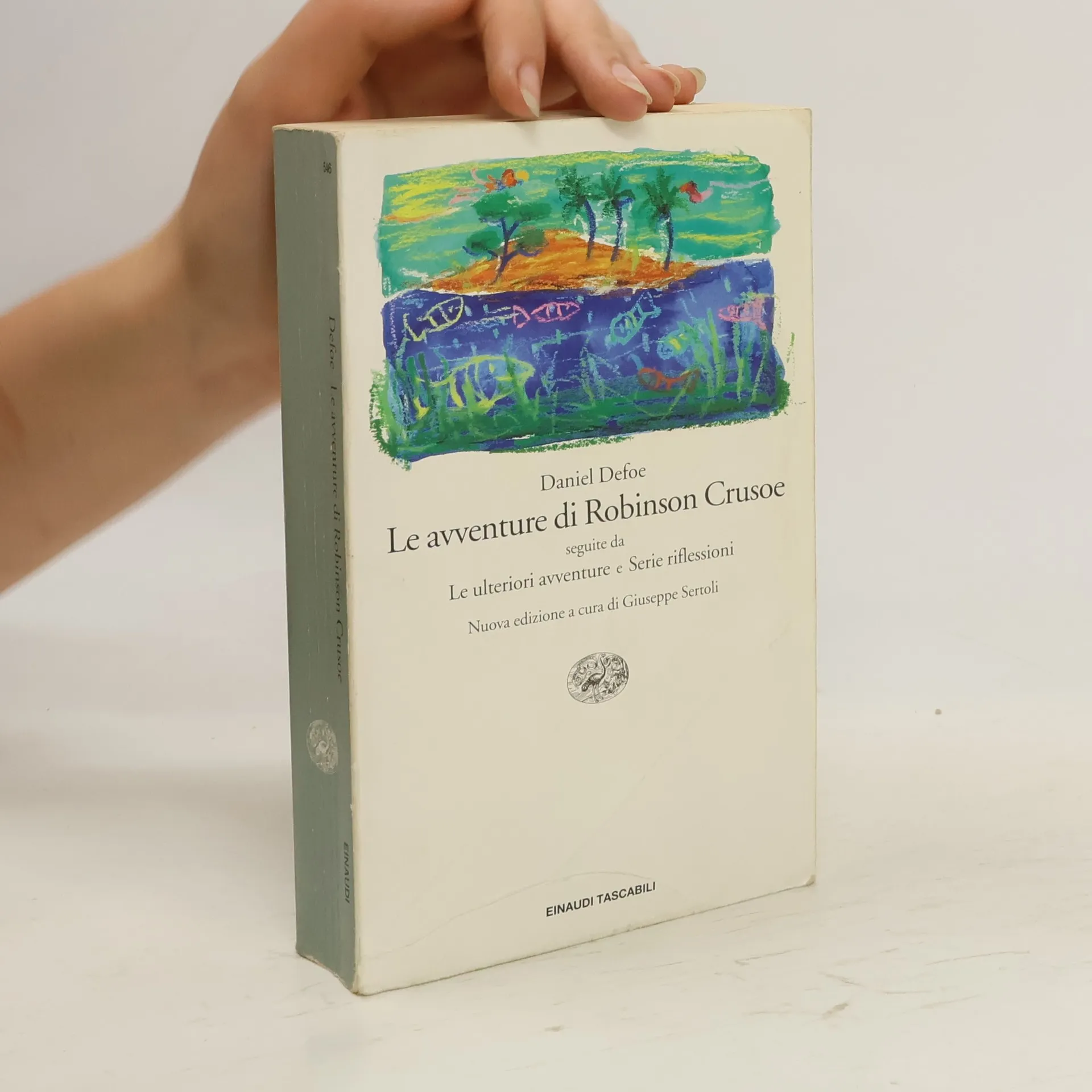
Le avventure di Robinson Crusoe seguite da Le ulteriori avventure e Serie riflessioni
- 704 pages
- 25 hours of reading
Un successo immediato accolse fin dalla prima edizione Le straordinarie e sorprendenti avventure di Robinson Crusoe che due secoli e mezzo più tardi Joyce definì «una lunga, armoniosa e consistente epopea nazionale». Nei quasi trent'anni trascorsi lontano da ogni forma di civiltà, Robinson costruisce, coltiva, caccia, assegna nomi, ripercorrendo in sostanza la storia del genere umano. La forza di suggestione di quelle pagine è tale da aver oscurato tutto il resto, e forse pochi saprebbero dire, a dispetto della notorietà della vicenda, che cosa avvenne prima e dopo il fatidico naufragio. Dall'universo letterario Robinson Crusoe è passato rapidamente a quello del mito, e tuttavia questo non esaurisce il progetto dell'opera. Robinson, infatti, protagonista di una biografia in due tempi, fa ritorno nelle Ulteriori avventure alla sua isola di Speranza, di cui fu già king and lord. L'inclinazione a riprendere il mare lo porterà fino in Cina, sulle rotte dell'espansione commerciale inglese, mosso dalla stessa irrequietezza che tanti anni prima lo aveva reso sordo alle sagge raccomandazioni del padre.Qui ricomposto, il grande affresco di Robinson si arricchisce per la prima volta anche della traduzione italiana delle Serie riflessioni, in cui lo stesso personaggio rievoca e commenta, in chiave, morale, alcuni episodi delle avventure per illuderci, ancora una volta, dell'autenticità della sua narrazione.
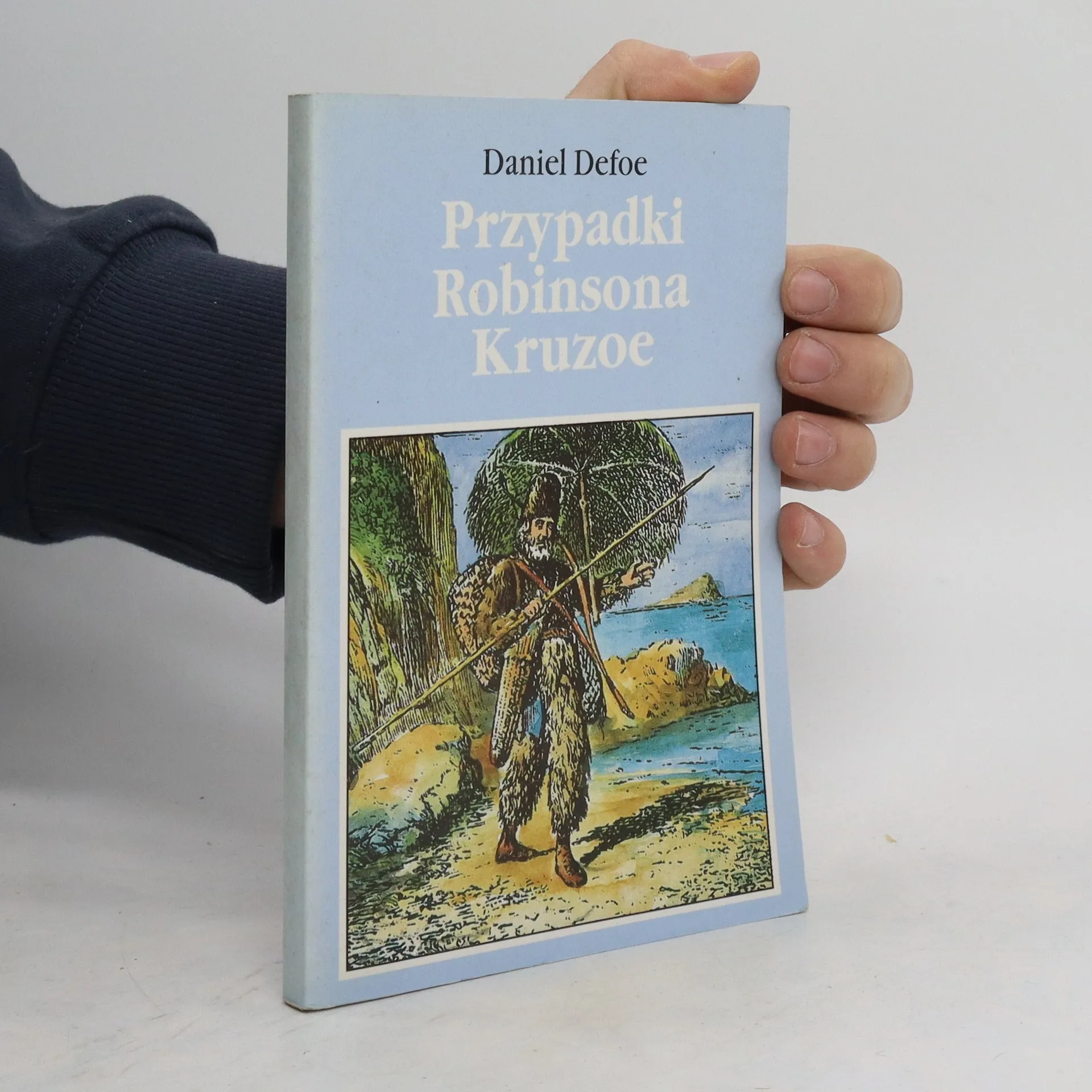
Przypadki Robinsona Kruzoe
- 207 pages
- 8 hours of reading
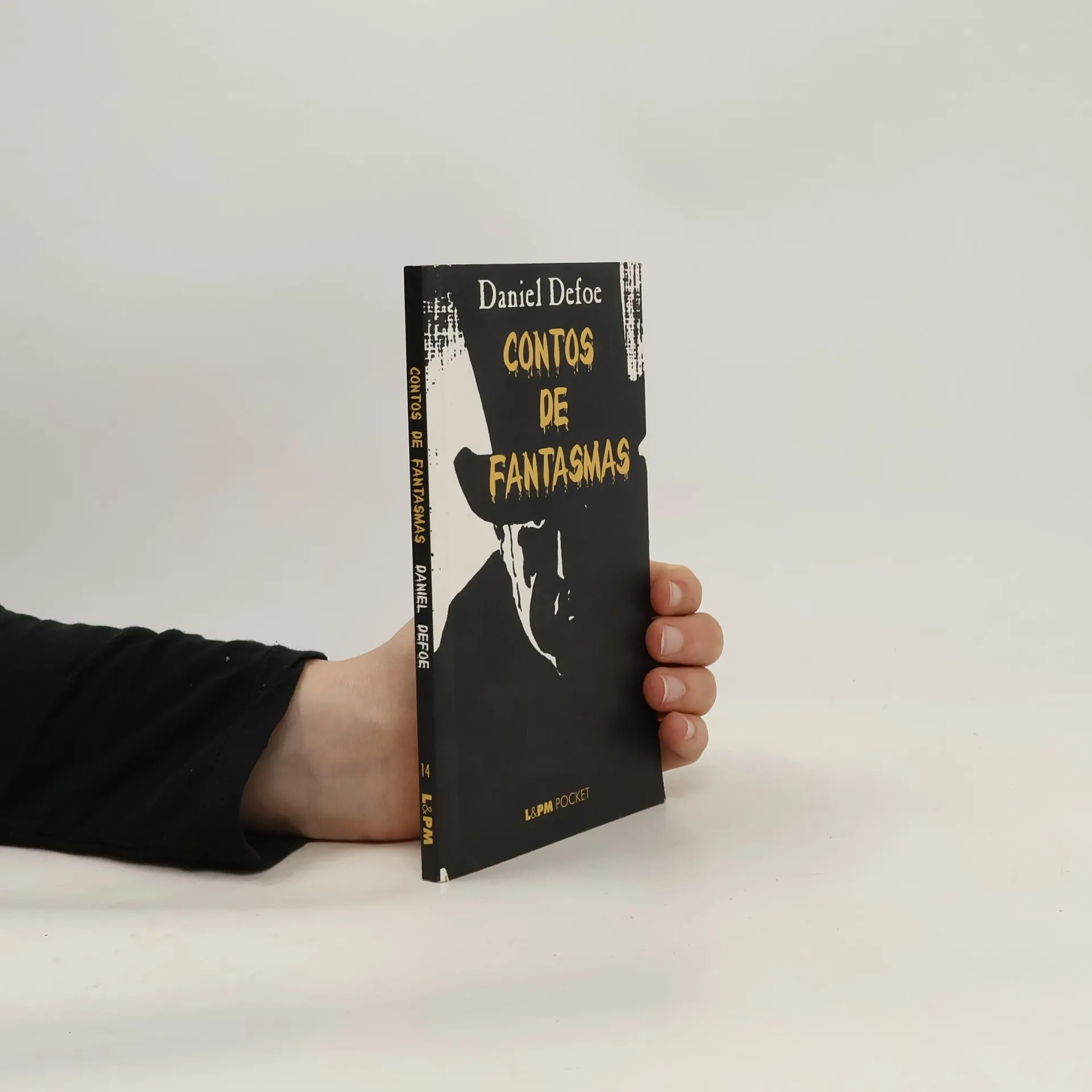
Contos de Fantasmas
- 128 pages
- 5 hours of reading
Daniel Defoe (1660-1731), o célebre autor de As aventuras de Robinson Crusoé foi um dos mais prolíficos escritores que se conhece, com mais de 500 títulos publicados. Entre os inúmeros gêneros que abordou (religião, política, sociologia, história, ficção, poesia) no seu jornal The Review (que ele escrevia praticamente sozinho). Defoe acreditava profundamente na reencarnação e escreveu estes Contos de Fantasmas baseado em entrevistas ou relatos conhecidos. Segundo ele, os episódios aqui relacionados – com exceção dos que estão agrupados sob o título de "Falsos fantasmas" – são todos verdadeiros e, em alguns deles, ele estaria disposta a ir em juízo, levando testemunhas e provas concretas. "A aparição da senhora Veal" é um dos exemplos.
Schooluitgave. - Voor een vocabulaire van 1500 woorden.
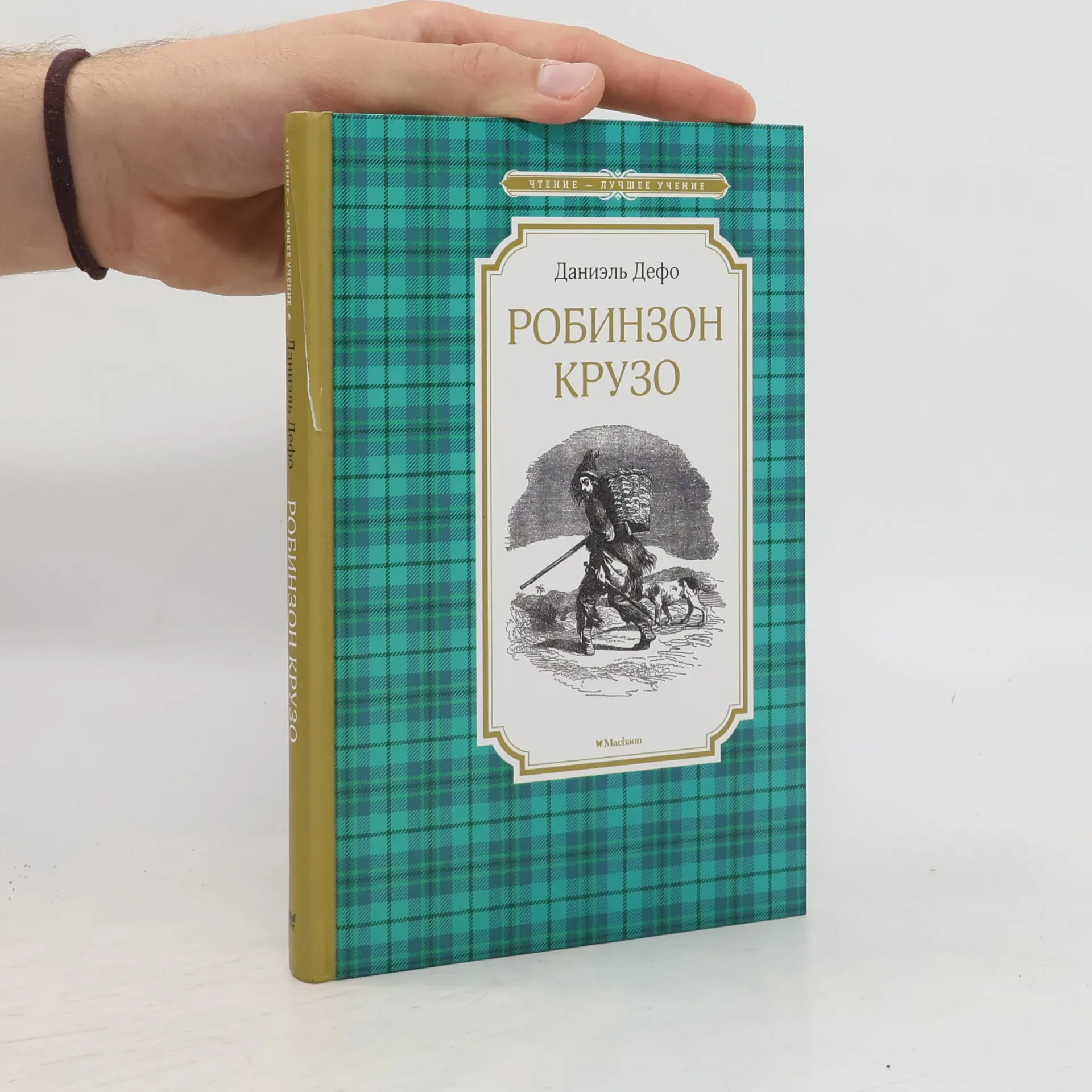
Чтение - Лучшее Учение: Робинзон Крузо
- 224 pages
- 8 hours of reading