
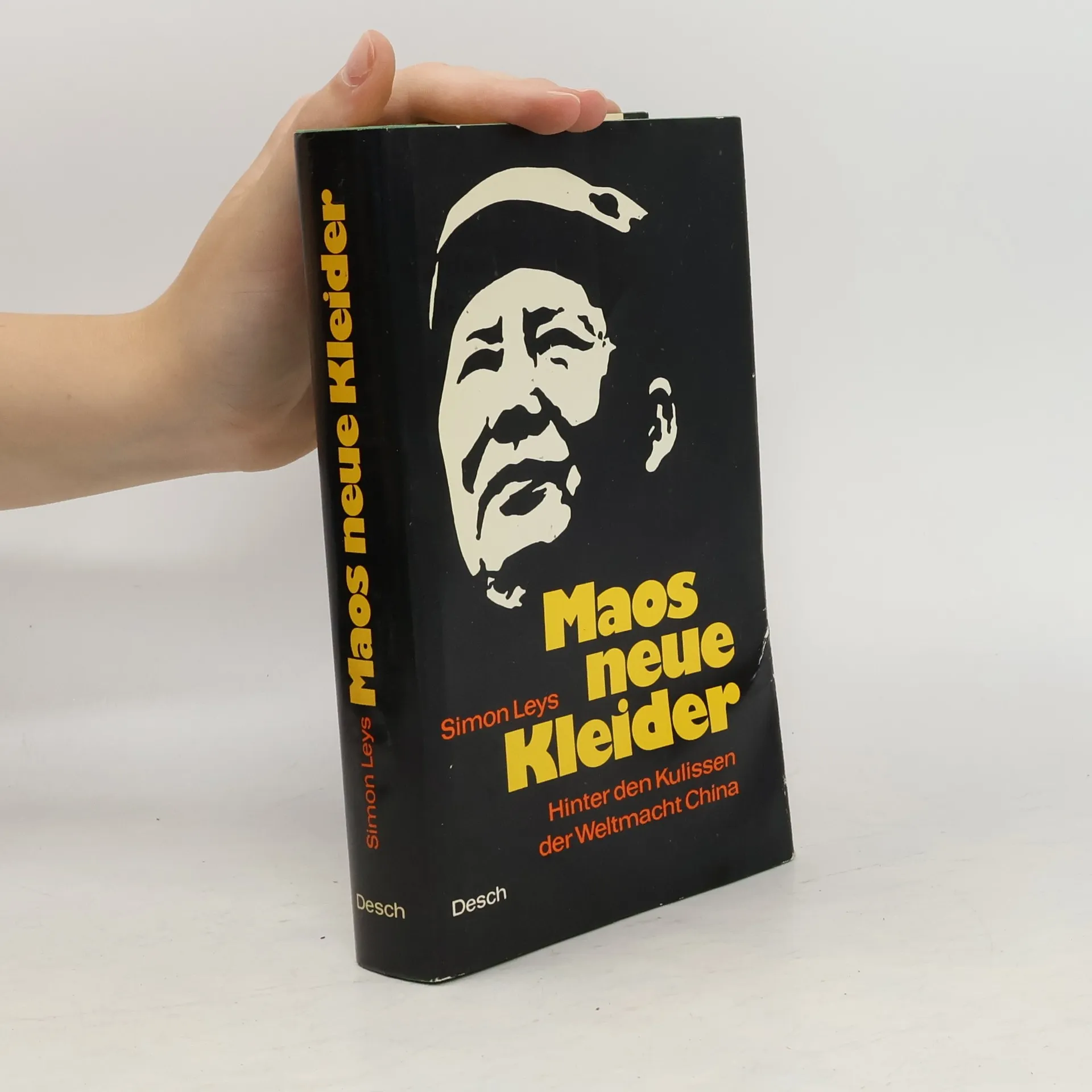
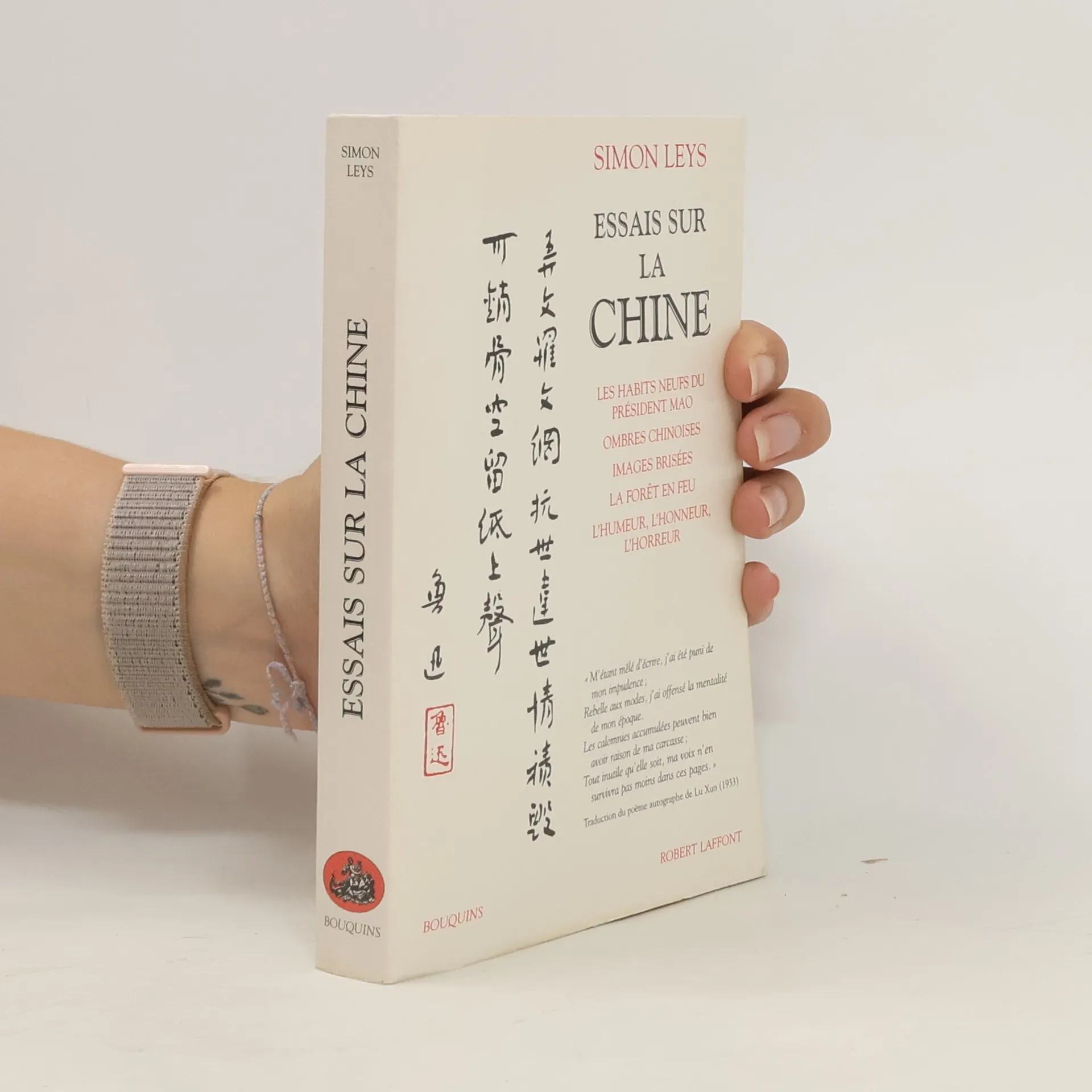
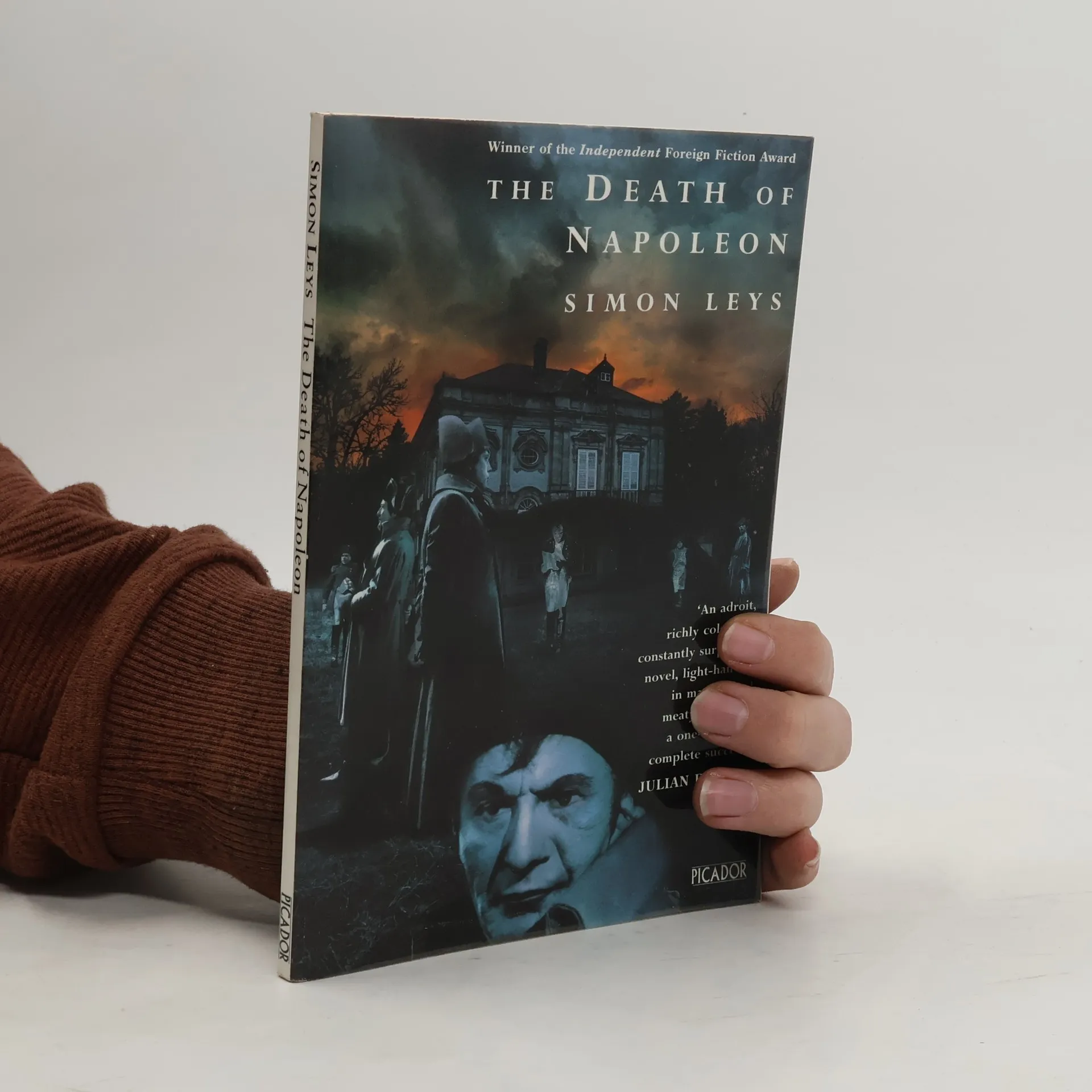
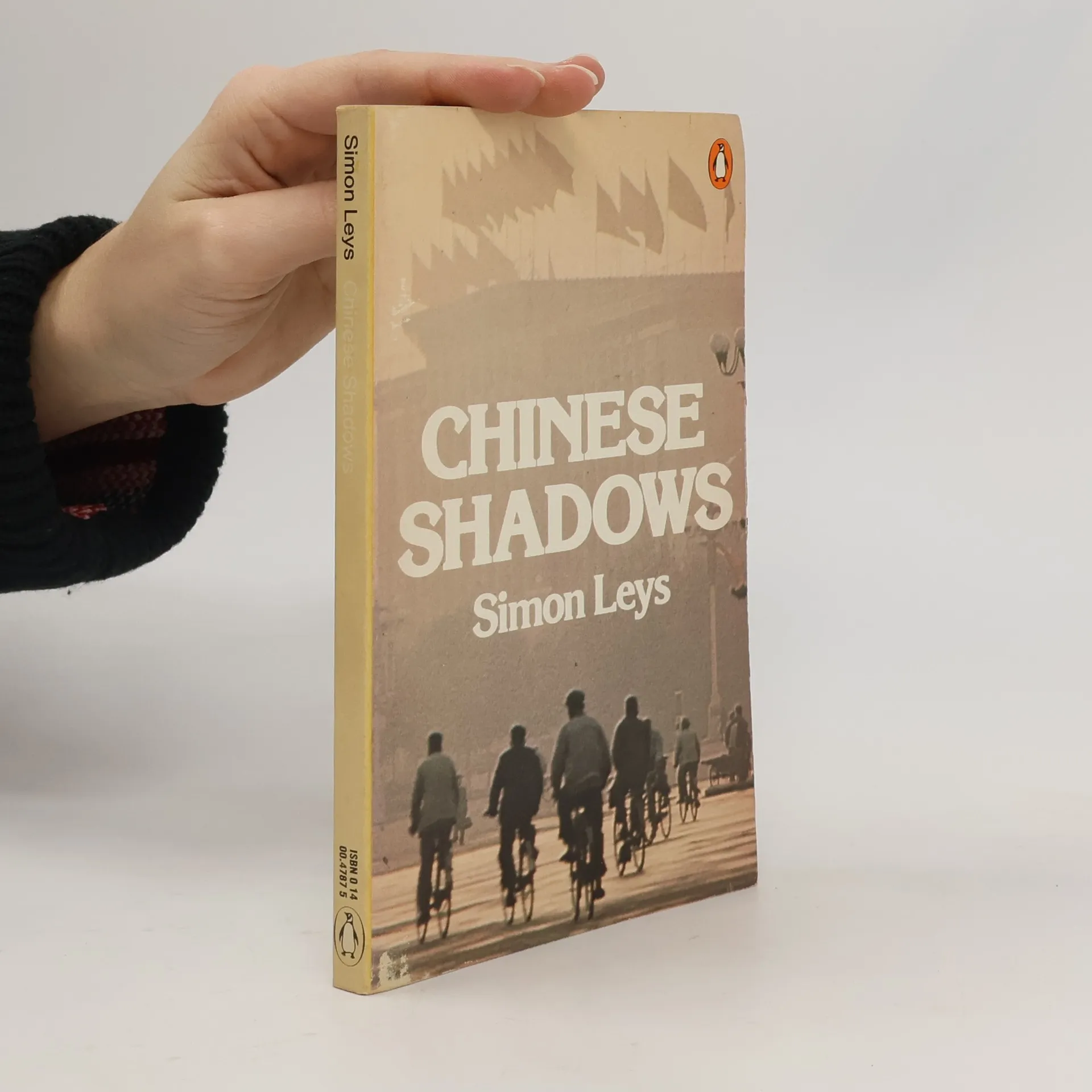
Explore the latest books of this year!
Bookbot

Simon Leys

    September 28, 1935 – August 11, 2014

    Simon Leys, the pen-name of Pierre Ryckmans, was a Belgian literary scholar and sinologist whose writings illuminated the complexities of Chinese literature and politics. Writing in three languages, he played a crucial role in exposing the true nature of the Cultural Revolution, earning international acclaim for his incisive analysis. Leys was celebrated for his keen intellect and his ability to weave literary criticism with political commentary, offering readers profound insights into challenging societal phenomena. His body of work remains an essential resource for understanding Chinese culture and history.

    Orwell czyli wstręt do polityki
    La mort de Napoléon
    The Death of Napoleon
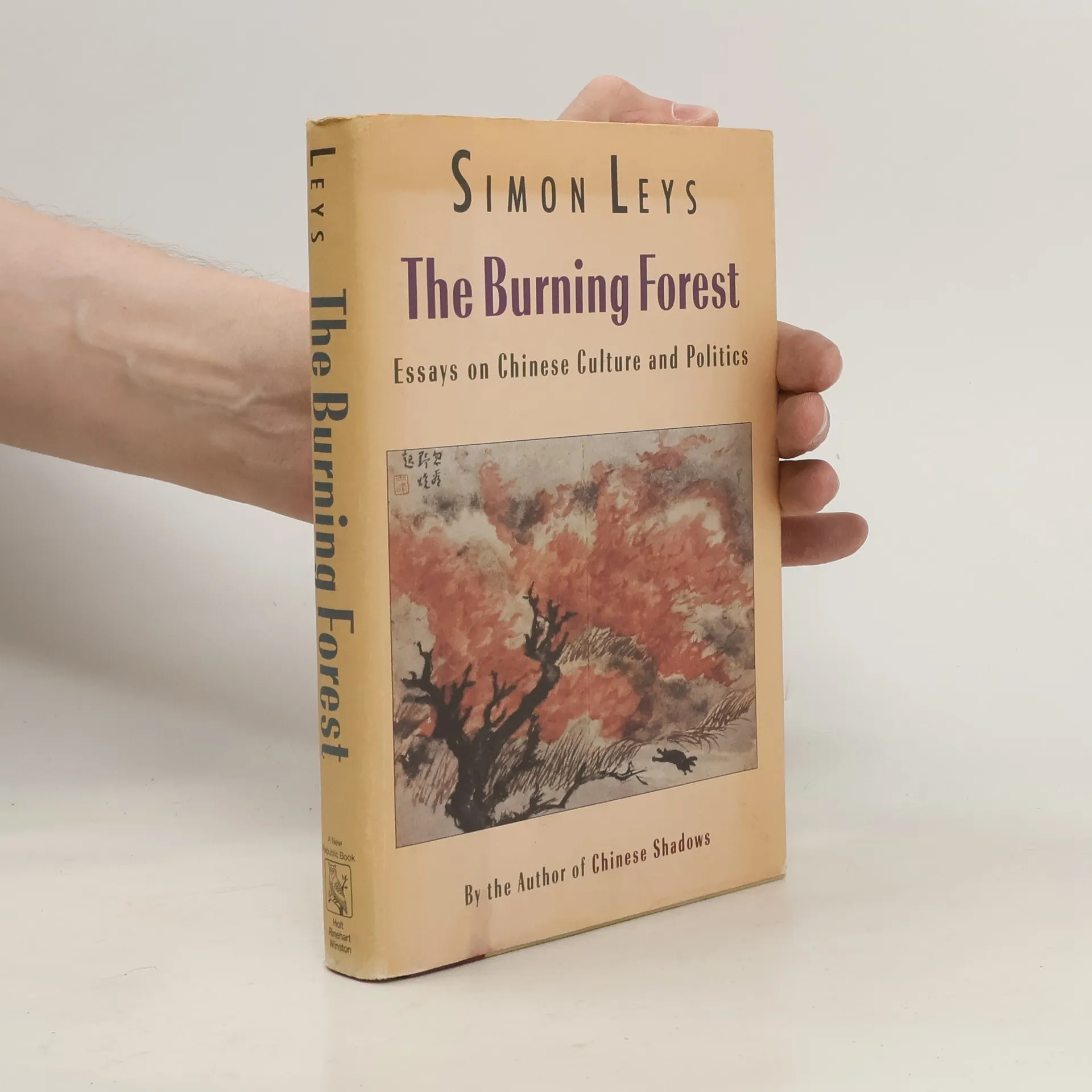
    The Burning Forest
    Chinese Shadows
    The hall of uselessness. Collected essays
    • The hall of uselessness. Collected essays

      • 572 pages
      • 21 hours of reading
      4.4(94)Add rating

      An NYRB Classics Original Simon Leys is a Renaissance man for the era of globalization. A distinguished scholar of classical Chinese art and literature and one of the first Westerners to recognize the appalling toll of Mao’s Cultural Revolution, Leys also writes with unfailing intelligence, seriousness, and bite about European art, literature, history, and politics and is an unflinching observer of the way we live now. The Hall of Uselessness is the most extensive collection of Leys’s essays to be published to date. In it, he addresses subjects ranging from the Chinese attitude to the past to the mysteries of Belgium and Belgitude; offers portraits of André Gide and Zhou Enlai; takes on Roland Barthes and Christopher Hitchens; broods on the Cambodian genocide; reflects on the spell of the sea; and writes with keen appreciation about writers as different as Victor Hugo, Evelyn Waugh, and Georges Simenon. Throughout, The Hall of Uselessness is marked with the deep knowledge, skeptical intelligence, and passionate conviction that have made Simon Leys one of the most powerful essayists of our time.
      The hall of uselessness. Collected essays
    • The second of Leys's trilogy on China's Cultural Revolution, describing the cultural and political upheaval under Mao's regime and expressing criticism of its Western supporters.

      Chinese Shadows
    • The Burning Forest

      Essays on Chinese Culture and Politics

      The distinguished sinologist and art historian, who has served as cultural attache at the Belgian Embassy in Peking, reflects on China's past and present in essays that trace the links between Chinese culture and politics

      The Burning Forest
    • The Death of Napoleon

      • 105 pages
      • 4 hours of reading

      "Ladies and gentlemen, alas! The Emperor is dead." The news goes out across Europe, but in fact Napoleon has not died. By means of an ingenious escape, he has returned to the Continent, leaving an impersonator on St. Helena, and it is this double who has unexpectedly and very problematically passed away. Traveling incognito, the Emperor experiences a series of bizarre adventures which bring him face to face with the myth of Napoleon as it is disconcertingly played out in everyday life. After a visit to Waterloo and near-arrest at the French border, he eventually arrives in Paris, where he falls in with some veteran Bonapartists and visits an asylum where most of the inmates are laboring under the mistaken impression that they are he. Will Napoleon ever recapture his true identity? Who, in the end, is he, now that "the Emperor is dead"? Simon Leys's truculent, delightful fable poses these and other questions in a rare work of fiction that is continually surprising and effervescent.

      The Death of Napoleon
    • W napisanym pięknym językiem eseju, Simon Leys szkicuje portret George’a Orwella, skupiając się na zagadnieniu jego niejednoznacznego stosunku do polityki i własnego pisarstwa jako pisarstwa politycznego. Rozwija zwłaszcza myśl o kluczowej w tym względzie roli „wyobraźni socjologicznej” Orwella i, szerzej, znaczenia związku bogatych doświadczeń życiowych, empatii i wyobraźni dla twórczości pisarskiej i dla odporności Orwella na polityczne i ideologiczne uogólnienia, uproszczenia i abstrakcje. Leys z dużą subtelnością rozważa paradoksy postawy i pisarstwa Orwella, owego „konserwatywnego anarchisty” – jak Orwell sam siebie określał – który wyobraźni w literaturze przypisywał funkcję tyleż etyczną, co estetyczną. Omawiając zaś owe paradoksalne aspekty intelektualnej biografii Orwella, nie zapomina o jej egzystencjalnym sednie, zestawiając swojego bohatera z Simone Weil, przywołując Alberta Camusa i Arthura Koestlera, wreszcie odwołując się też do „Zniewolonego umysłu” Miłosza.

      Orwell czyli wstręt do polityki
    • Essais sur la Chine

      • 82 pages
      • 3 hours of reading

      Une interprétation et une dénonciation de la Chine contemporaine à travers ces cinq essais iconoclastes aussi lucides et lumineux qu'implacables. Des textes rétifs à toute récupération politique.

      Essais sur la Chine