For over a century, Karl Marx's critique of capitalism has been a crucial resource for social movements. Now, recent economic crises have made it imperative for us to comprehend and actualize Marx's ideas. But without a knowledge of Karl Marx's life as he lived it, neither Marx nor his works can be fully understood.
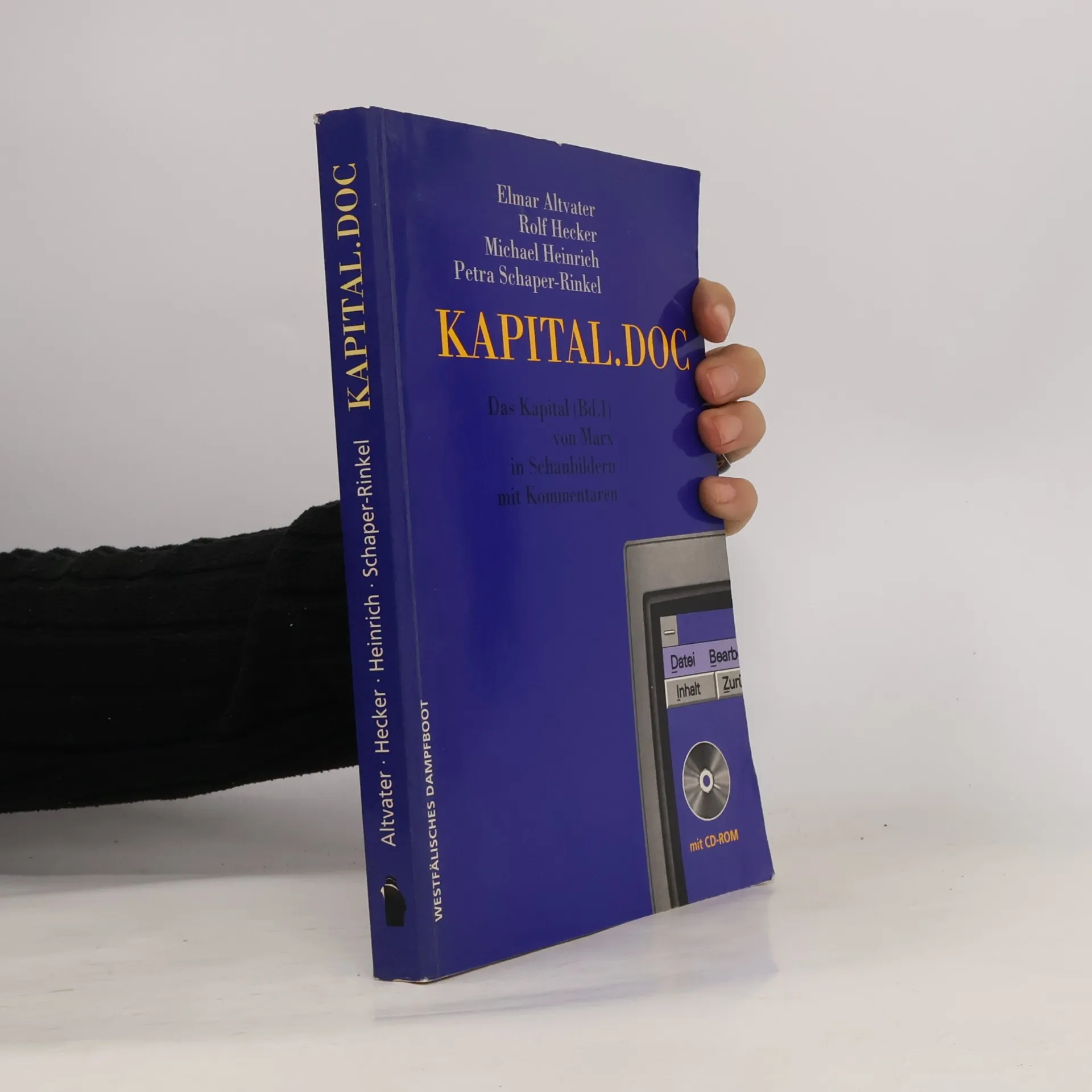
An accessible companion to Karl Marx's essential Capital With the recent revival of Karl Marx's theory, a general interest in reading Capital has also increased. But Capital—Marx’s foundational nineteenth-century work on political economy—is by no means considered an easily understood text. Central concepts, such as abstract labor, the value-form, or the fetishism of commodities, can seem opaque to us as first-time readers, and the prospect of comprehending Marx’s thought can be truly daunting. Until, that is, we pick up Michael Heinrich’s How to Read Marx's Capital. Paragraph by paragraph, Heinrich provides extensive commentary and lucid explanations of questions and quandaries that arise when encountering Marx’s original text. Suddenly, such seemingly gnarly chapters as “The Labor Process and the Valorization Process” and “Money or the Circulation of Capital” become refreshingly clear, as Heinrich explains just what we need to keep in mind when reading such a complex text. Deploying multiple appendices referring to other pertinent writings by Marx, Heinrich reveals what is relevant about Capital, and why we need to engage with it today. How to Read Marx's Capital provides an illuminating and indispensable guide to sorting through cultural detritus of a world whose political and economic systems are simultaneously imploding and exploding.
In diesem Band werden zentrale Konzepte wie abstrakte Arbeit, Wertform oder Warenfetischismus eingeführt, die nicht ohne Weiteres verständlich sind. Nach einer Einleitung, in der auf die Relevanz einer heutigen Beschäftigung mit dem 'Kapital' eingegangen wird, folgt ein ausführlicher Kommentar zu den ersten beiden Kapiteln. Absatz für Absatz werden Erläuterungen gegeben und Fragen behandelt, die sich bei der Lektüre des Originaltextes einstellen. Dabei wird nicht nur das Verständnis dieser beiden Kapitel erleichtert, es wird auch deutlich, was bei der Lektüre eines komplexen wissenschaftlichen Textes alles zu berücksichtigen ist. Zentrales Thema dieser ersten beiden Kapitel sind die Werttheorie und der Fetisch der Ware. Wichtige Aspekte, die Marx im 'Kapital' nur kurz anspricht, behandelte er in anderen Texten. Als Anhang sind dem Kommentar daher Passagen aus weiteren Marxschen Texten beigegeben, die ebenfalls ausführlich erläutert werden. Das vorliegende Buch ist nicht nur eine Hilfestellung zur selbständigen Lektüre des 'Kapital', sondern auch eine textnahe Auseinandersetzung mit der Werttheorie – dem Fundament der Marxschen Kritik der politischen Ökonomie.
Leseanleitung und Kommentar zum Anfang des «Kapital»
Die Beschäftigung mit Marx hat weiterhin Konjunktur. Wer sich aber selbst an die Lektüre von Marx‘ Hauptwerk 'Das Kapital' machen will, hat mit erheblichen Schwierigkeiten zu kämpfen, über die auch die Vielzahl einführender Literatur nicht wirklich hinweghelfen kann. Insbesondere die ersten, grundlegenden Kapitel des 'Kapitals' gehören zu den schwierigsten des gesamten Werkes. Der 2008 erschienene erste Teil von Michael Heinrichs Kommentar Wie das Marxsche 'Kapital' lesen? beschäftigt sich ausführlich mit den ersten beiden Kapiteln des 'Kapitals', die von der Ware und vom Austauschprozess handeln. In Lektüregruppen und Uni-Seminaren ist dieser Kommentar, der auch schon ins Spanische und Französische übersetzt wurde, bereits zum unentbehrlichen Hilfsmittel geworden. Der jetzt vorliegende zweite Teil schließt dieses Kommentierungsprojekt ab. Genauso ausführlich wie im ersten Teil werden die Kapitel 3 ('Das Geld oder die Warenzirkulation'), 4 ('Verwandlung von Geld in Kapital') und 5 ('Arbeits- und Verwertungsprozess') kommentiert. Ähnlich wie im ersten Teil des Kommentars gibt es auch hier wieder mehrere Anhänge, die weitere Marxsche Texte zu den angesprochenen Themen behandeln und eine Vertiefung der 'Kapital'-Lektüre ermöglichen.
«Basics Architekturfotografie» erklärt die wichtigsten Grundlagen der Fotografie, der Bildanalyse und der Bildbearbeitung und gibt Tipps und Hinweise für die eigene Arbeit.
Mit dem Zusammenbruch des Realsozialismus wurde die Marxsche Theorie fragwürdig. Zwischen pauschaler Todeserklärung und trotziger Verteidigung schien kein Platz für eine wirkliche Diskussion Marxscher Texte und ihrer intellektuellen Zusammenhänge.Michael Heinrichs inzwischen zum Klassiker avancierte Arbeit bildet hier einen Kontrapunkt. In seiner am "frühen" wie am "späten" Marx ansetzenden Untersuchung setzt er die Marxsche Ökonomiekritik sowohl zur Klassik wie zur Neoklassik in Beziehung und legt dabei tiefgreifende Ambivalenzen frei.
Mit den Wirtschaftskrisen der letzten Jahre wurde - wieder einmal - deutlich, dass die Marx'sche Krisentheorie alles andere als überholt ist. Seit mehr als hundert Jahren bildet Marx' Kapitalismuskritik einen Bezugspunkt für unterschiedliche soziale Bewegungen wie auch Stein des Anstosses für die Verteidiger der herrschenden Verhältnisse. Marx war Zeuge der Durchsetzung jener "modernen" Gesellschafts- und Wirtschaftsstrukturen - industrieller Kapitalismus, Parlamentarismus und Massenorganisationen - die immer noch unser Leben beherrschen. Seine Analysen und Kritiken treffen auch heute noch neuralgische Punkte unserer gesellschaftlichen Verhältnisse. --
Marx' intellektuelle und politische Entwicklung zwischen 1841 und 1845 steht im Mittelpunkt dieses Bandes. Nach dem Scheitern seiner Pläne in Bonn wird er Journalist bei der «Rheinischen Zeitung», wo er für Pressefreiheit und einen liberalen Staat eintritt. Seine kritische Haltung zu kommunistischen Ideen ändert sich, als er in Paris mit Arbeitervereinen und sozialistischen Theorien in Berührung kommt. Die Freundschaft mit Friedrich Engels beginnt, während Marx gleichzeitig mit den Herausforderungen des Privateigentums konfrontiert wird. Der Band beleuchtet auch die Missverständnisse über seine Entwicklung hin zum Materialismus und Kommunismus.
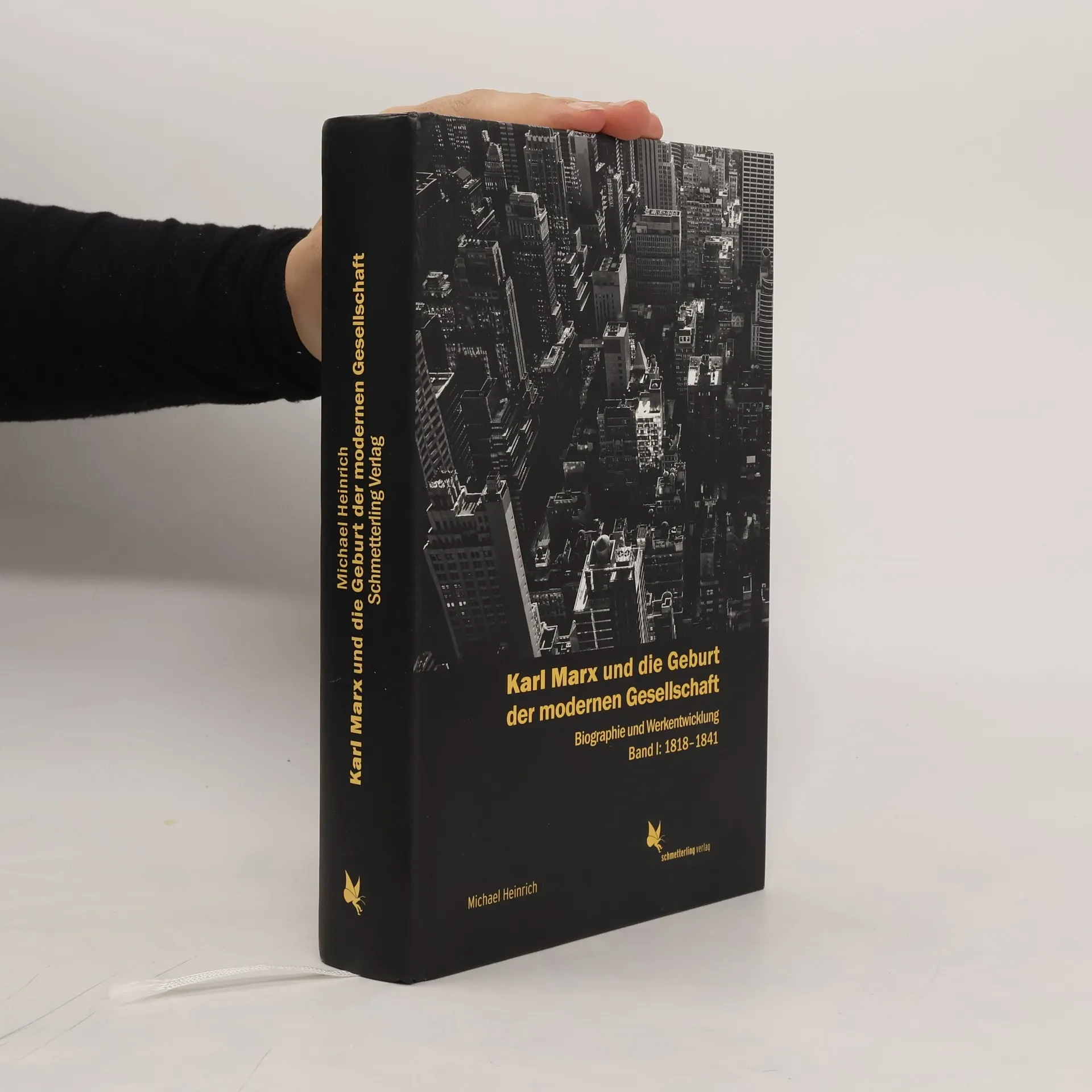
Der erste Band der Biographie beleuchtet ausführlich Marx' Jugend in Trier, sein Studium in Bonn und Berlin sowie seine redaktionellen Tätigkeiten. Er zeigt frühe Krisen in seiner intellektuellen Entwicklung und widerlegt einfache Modelle von Kontinuität oder Bruch. Die zweite Auflage enthält zusätzliche Informationen zum historischen Kontext und biographischen Details.
Die erste illustrierte Regelkunde - Originalausgabe
125 pages
5 hours of reading
Der Sportjournalist erklärt die Regeln und Fachausdrücke, indem er ein fiktives Match beschreibt und die einzelnen Spielszenen auf Fotos veranschaulicht; mit Informationen zu Geschichte, Ausrüstung, Aufgaben der einzelnen Spieler und zum Schiedsrichterteam.
Das vorliegende Buch diskutiert, worum es sich bei der jüngsten Finanz- und Wirtschaftskrise handelt und was in ihr entschieden wird; ob am Krankenbett des Kapitalismus anderes möglich ist als Gesundbeten oder Vivisektion; ob die Banken den Staat (beziehungsweise das Gemeinwesen, die Gesellschaft, die Demokratie, uns alle) zerstören oder der Staat die Banken (die Wirtschaft, den Export, die Konjunktur, uns alle); in welchem Kampf die Klassen stehen und wo das revolutionäre Subjekt geblieben ist; ob es einen 'way out' gibt und wohin. Revolution, sagt Lenin, findet statt, wenn die unten nicht mehr wollen und die oben nicht mehr können. Was findet statt, wenn beide nicht mehr wissen, was sie können wollen oder sollen?