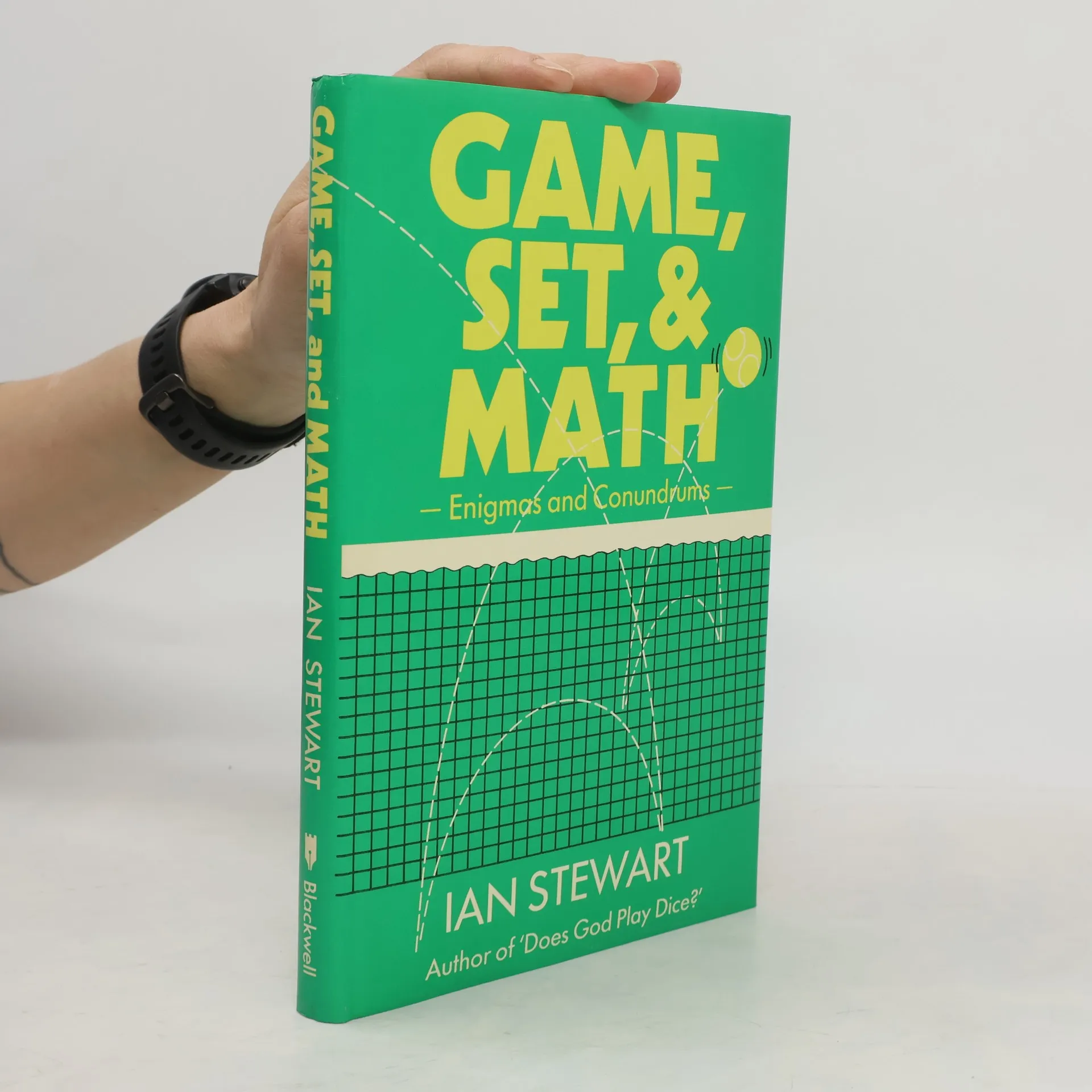
Game, set, and math
Enigmas and conundrums
A collection of Ian Stewart's recreational columns from Pour la Science, which demonstrate his ability to bring modern maths to life.



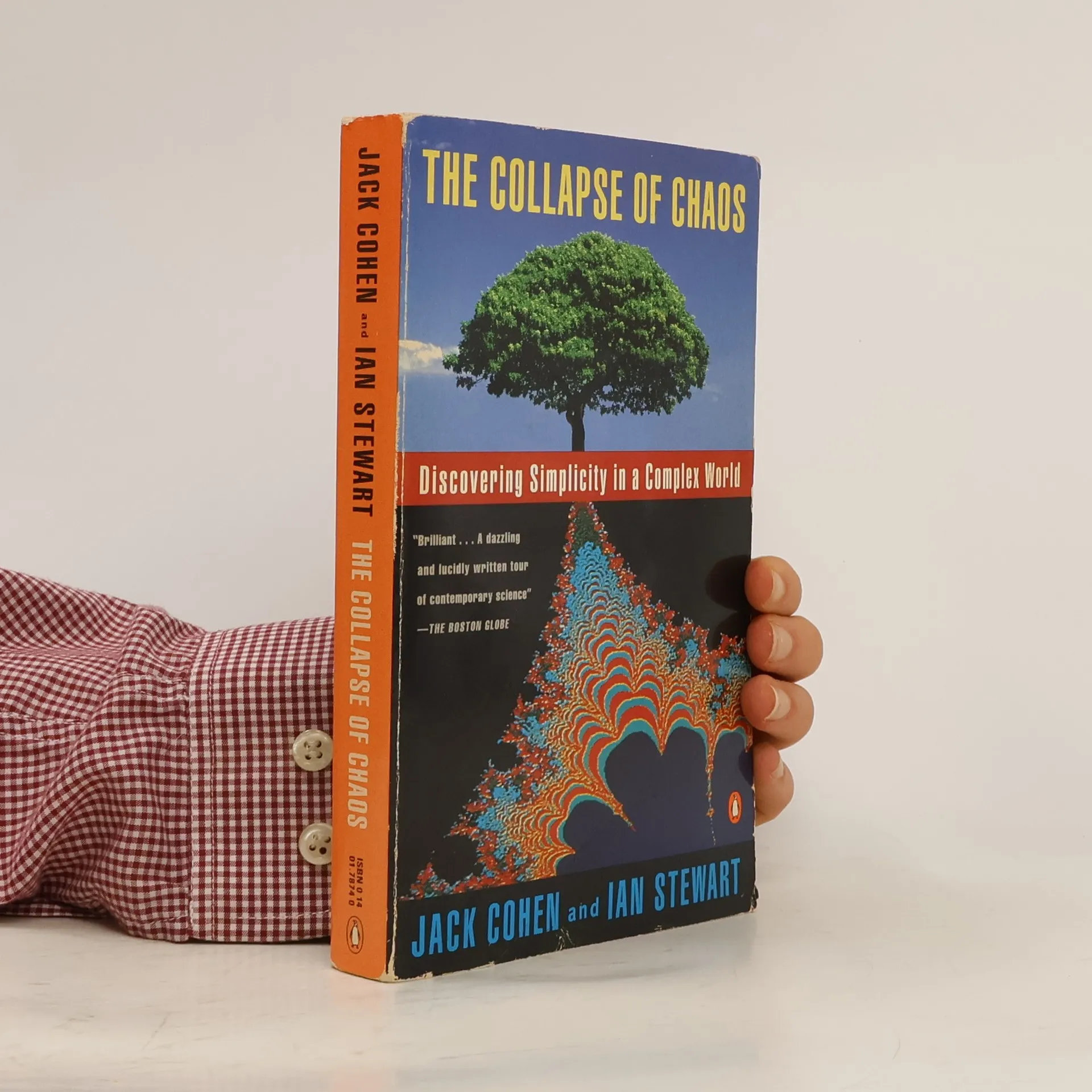


Enigmas and conundrums
A collection of Ian Stewart's recreational columns from Pour la Science, which demonstrate his ability to bring modern maths to life.
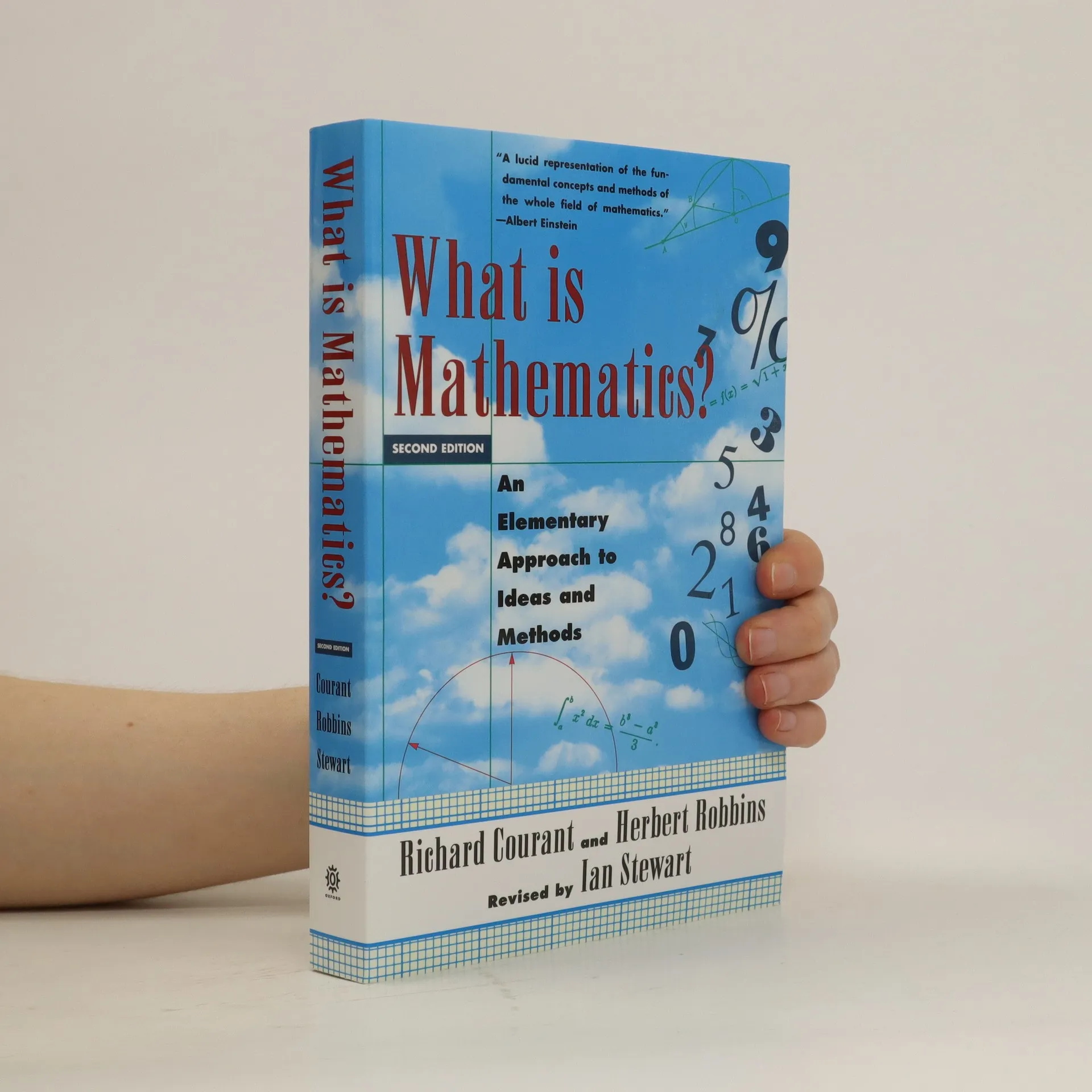
The teaching and learning of mathematics has degenerated into the realm of rote memorization, the outcome of which leads to satisfactory formal ability but not real understanding or greater intellectual independence. The new edition of this classic work seeks to address this problem. Its goal is to put the meaning back into mathematics. "Lucid . . . easily understandable".--Albert Einstein. 301 linecuts.
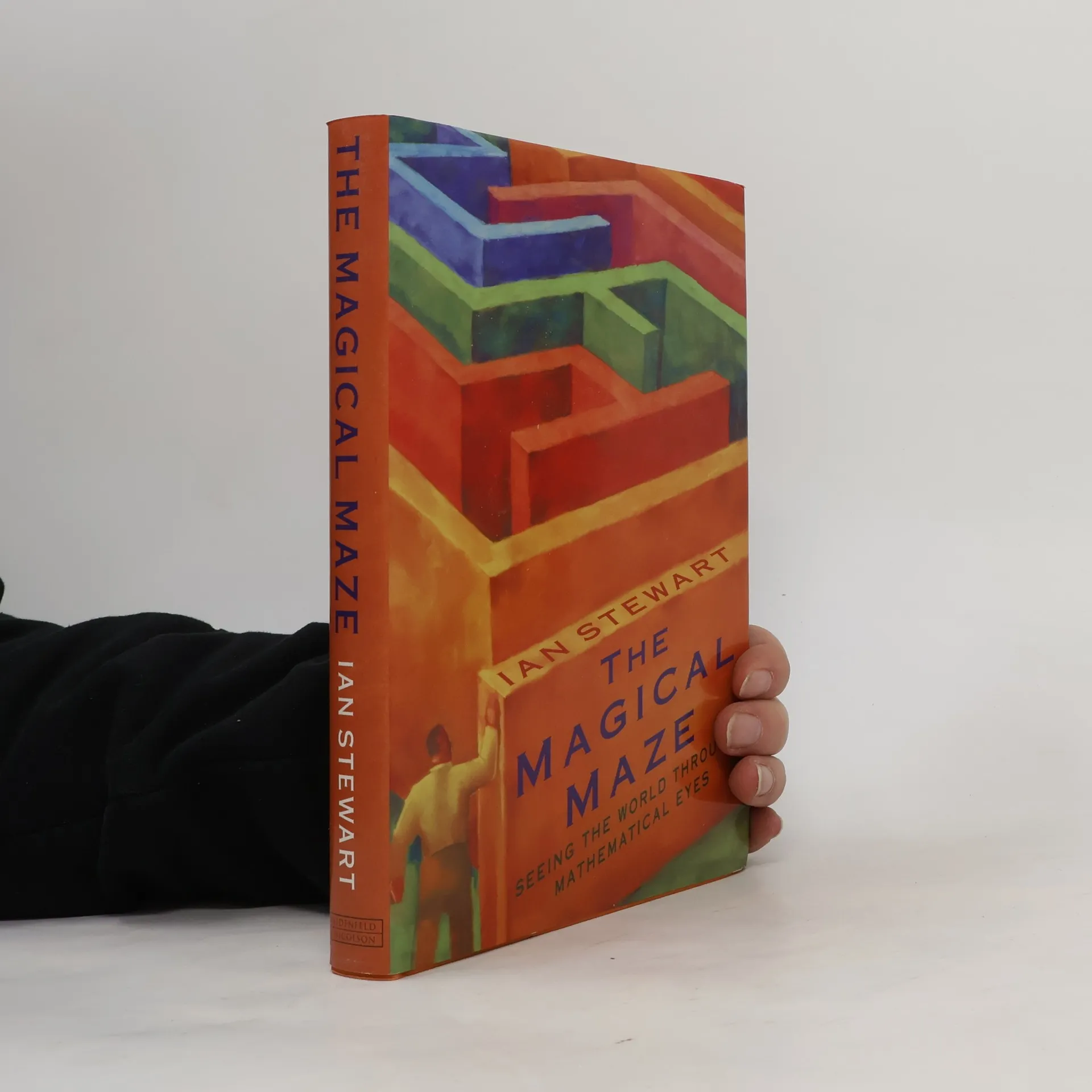
Ian Stewart has carved out a niche for himself as by far the leading populariser for maths in this country in a series of successful books. Structured on the image of a maze representing the network of connected mathematical ideas that have proved so powerful and effective in understanding the natural world, his new book is an expansion and development of his 1997 Royal Institution Christmas Lectures. It will expand very considerably on the subject matter of the lectures, covering the topics of the lectures - number, probability, game theory, patterns and oscillators - as well as knots, computability, chaos and other topics.
In this charming volume, a noted English mathematician uses humor and anecdote to illuminate the concepts of groups, sets, subsets, topology, Boolean algebra, and other mathematical subjects. 200 illustrations.
The first half of this book is a witty primer, a guided tour of the Islands of Truth that maps out everything you need to know about science from Newton to the present. The second half dives into the Oceans of Ignorance that surround what is known. Filled with anecdotes, diagrams, and colorful everyday examples, it is certain to make people look at the world in a new way.
A lively, accessible history of mathematics throughout the ages and across the globe Mathematics is fundamental to our daily lives. Science, computing, economics--all aspects of modern life rely on some kind of maths. But how did our ancestors think about numbers? How did they use mathematics to explain and understand the world around them? Where do numbers even come from? In this Little History, Snezana Lawrence traces the fascinating history of mathematics, from the Egyptians and Babylonians to Renaissance masters and enigma codebreakers. Like literature, music, or philosophy, mathematics has a rich history of breakthroughs, creativity and experimentation. And its story is a global one. We see Chinese Mathematical Art from 200 BCE, the invention of algebra in Baghdad's House of Wisdom, and sangaku geometrical theorems at Japanese shrines. Lawrence goes beyond the familiar names of Newton and Pascal, exploring the prominent role women have played in the history of maths, including Emmy Noether and Maryam Mirzakhani.
Exploring the intricate designs found in nature, this book delves into various patterns, such as a zebra's stripes and a spider's web. It highlights the mathematical principles that form the foundation of these natural phenomena, making complex concepts accessible and engaging for readers. Through vivid examples, it invites a deeper appreciation for the beauty and order present in the world around us.
The seventeen equations that form the basis for life as we know it Most people are familiar with history's great equations: Newton's Law of Gravity, for instance, or Einstein's theory of relativity. But the way these mathematical breakthroughs have contributed to human progress is seldom appreciated. In In Pursuit of the Unknown, celebrated mathematician Ian Stewart untangles the roots of our most important mathematical statements to show that equations have long been a driving force behind nearly every aspect of our lives. Using seventeen of our most crucial equations--including the Wave Equation that allowed engineers to measure a building's response to earthquakes, saving countless lives, and the Black-Scholes model, used by bankers to track the price of financial derivatives over time--Stewart illustrates that many of the advances we now take for granted were made possible by mathematical discoveries. An approachable, lively, and informative guide to the mathematical building blocks of modern life, In Pursuit of the Unknown is a penetrating exploration of how we have also used equations to make sense of, and in turn influence, our world.
One of the world's great mathematicians explores the origins, history and future of the universe.
How to Read Bridges is a practical introduction to looking at the structure and purpose of bridges. It is a guide to reading the structural clues embedded in every bridge that allows their variety and ingenuity to be better appreciated. Small enough to carry in your pocket and serious enough to provide real answers, this comprehensive guide: - analyses and explores all types of bridges from around the world from the first millennium to the present day. - explores fundamental concepts of bridge design, key materials and engineering techniques. - provides an accessible visual guide with intelligent text, using detailed illustrations and cross-sections of technical features.
Exploring the evolution of intelligence, culture, and the human mind, this popular science work delves into the intricate connections between these elements. The bestselling authors present compelling insights and engaging narratives that illuminate how our cognitive abilities have developed over time, shaping societies and individual behaviors. The book offers a thought-provoking examination of the interplay between biology and culture, making complex concepts accessible and intriguing for readers interested in the science of human development.
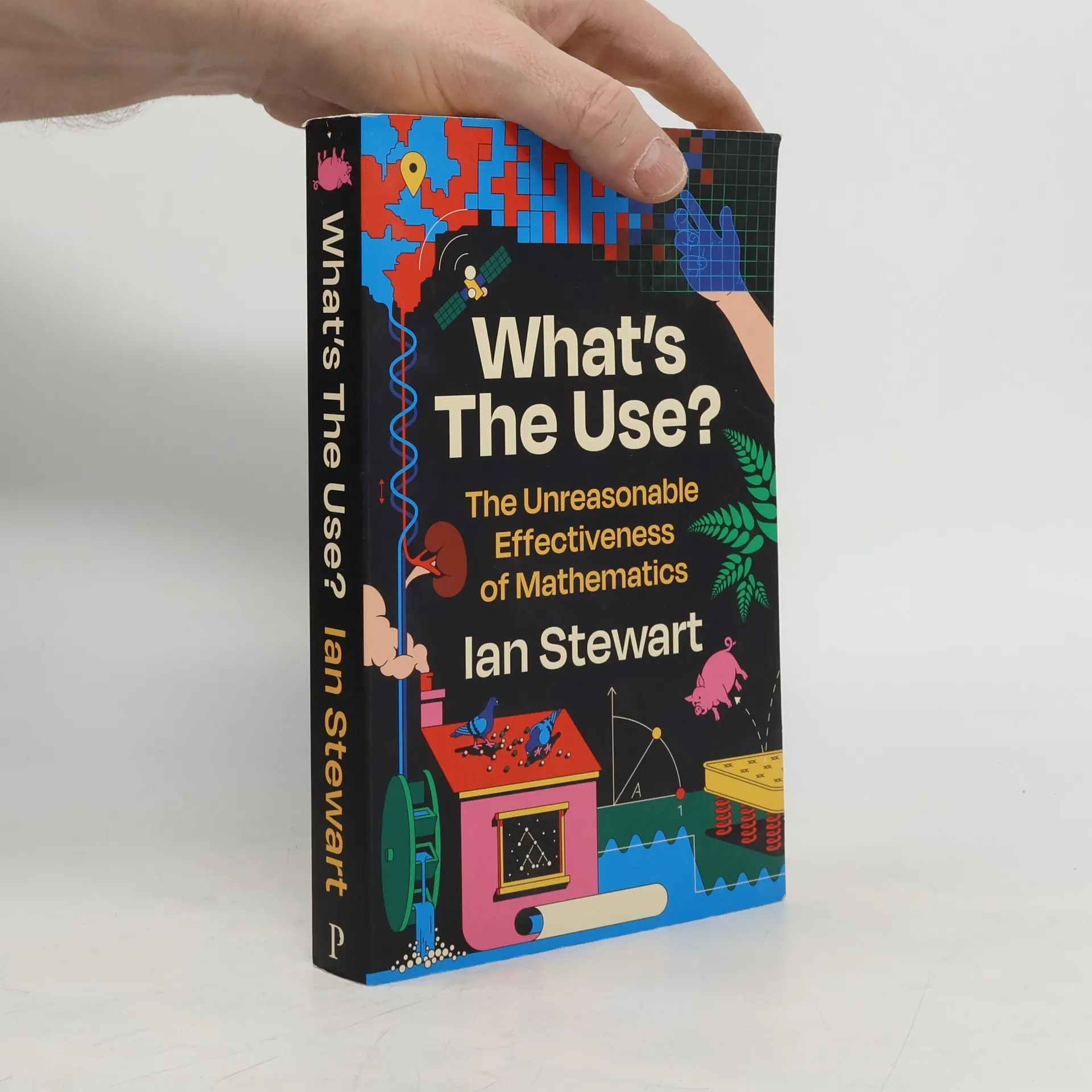
Many people think mathematics is useless. They're wrong. In the UK, the 2.8 million people employed in the mathematical science occupations contributed £208 billion to the economy in a single year - that's 10 per cent of the workforce contributing 16 per cent of the economy. What's the Use? asks why there is such a vast gulf between public perceptions of mathematics and reality. It shows how mathematics is vital, often in surprising ways, behind the scenes of daily life. How politicians pick their voters. How an absurd little puzzle solved 300 years ago leads to efficient methods for kidney transplants. How an Irish mathematician's obsession with a new number system improves special effects in movies and computer games. How SatNav relies on at least six mathematical techniques. And how a bizarre, infinitely wiggly curve helps to optimise deliveries to your door
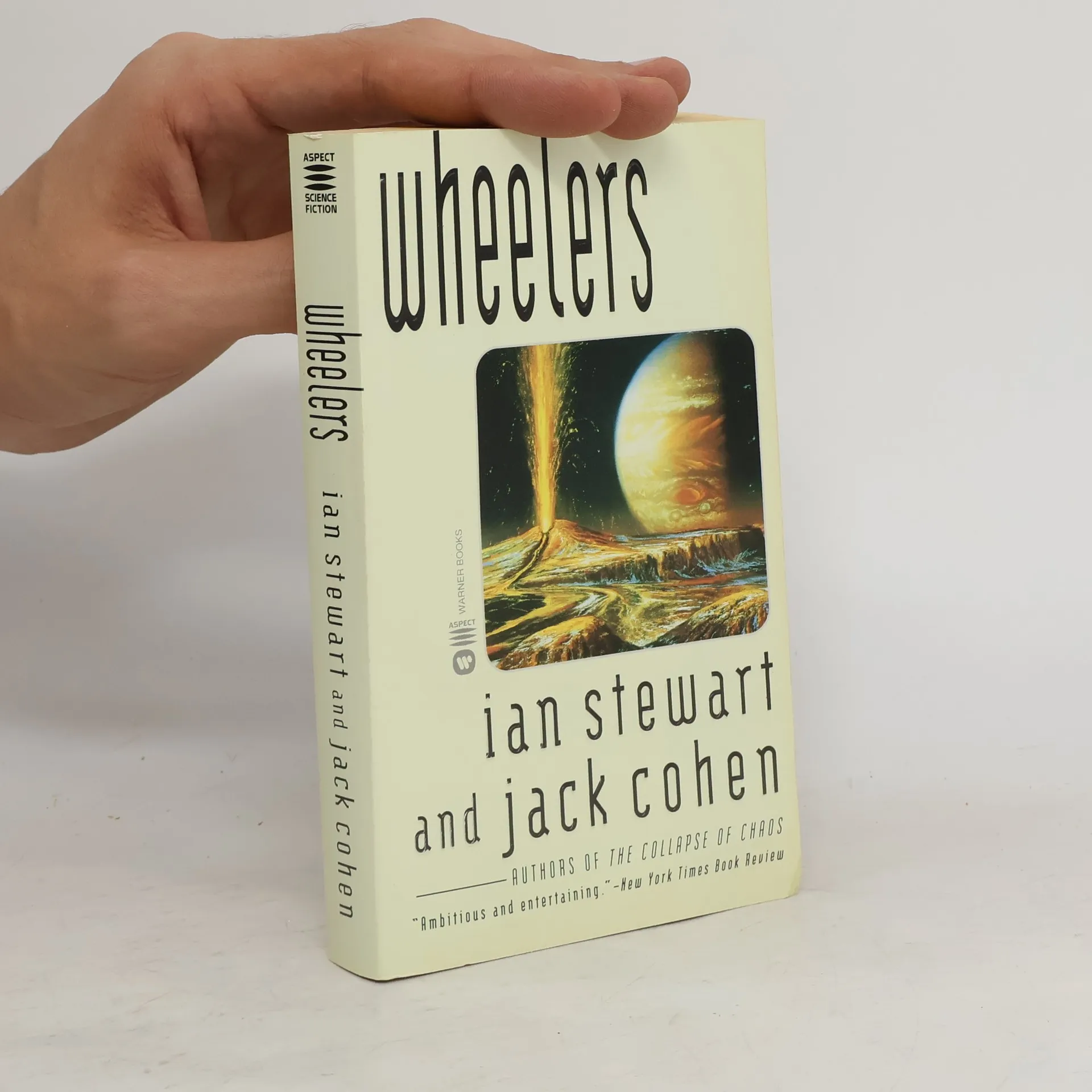
The discovery of wheeled objects buried in the icy surface of Jupiter's eighth moon leads to the even more bizarre revelation that Jupiter is in fact populated by a mysterious race of aliens. Reprint.
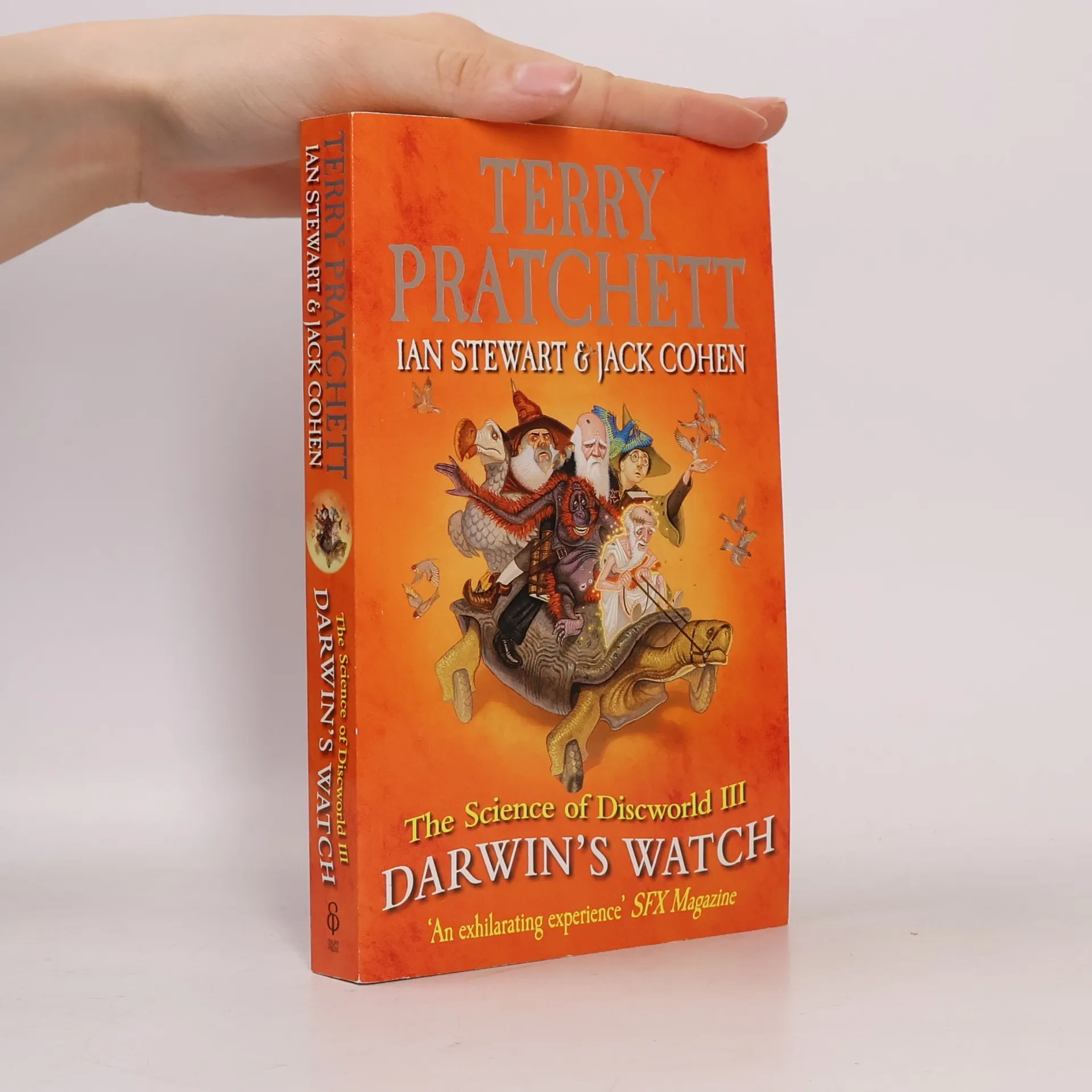
Darwin und die Götter der Scheibenwelt, English Edition
Roundworld is in trouble again, and this time it looks fatal. Having created it in the first place, the wizards of Unseen University feel vaguely responsible for its safety.
Focusing on Galois groups and classical Galois theory, this book serves as an educational resource for undergraduate students. It presents foundational concepts in a clear and accessible manner, making complex ideas more understandable. The text is designed to foster a deep comprehension of the interplay between algebra and field theory, highlighting the significance of Galois theory in modern mathematics.
Which mathematician elaborated a crucial concept the night before he died in a duel? Who funded his maths and medical career through gambling and chess? Who learned maths from her wallpaper? Ian Stewart presents the extraordinary lives and amazing discoveries of twenty-five of history's greatest mathematicians from Archimedes and Liu Hui to Benoit Mandelbrot and William Thurston. His subjects are the inspiring individuals from all over the world who have made crucial contributions to mathematics. They include the rediscovered geniuses Srinivasa Ramanujan and Emmy Noether, alongside the towering figures of Muhammad al-Khwarizmi (inventor of the algorithm), Pierre de Fermat, Isaac Newton, Carl Friedrich Gauss, Nikolai Ivanovich Lobachevsky, Bernhard Reimann (precursor to Einstein), Henri Poincar�, Ada Lovelace (arguably the first computer programmer), Kurt G�del and Alan Turing. Ian Stewart's vivid accounts are fascinating in themselves and, taken together, cohere into a riveting history of key steps in the development of mathematics.
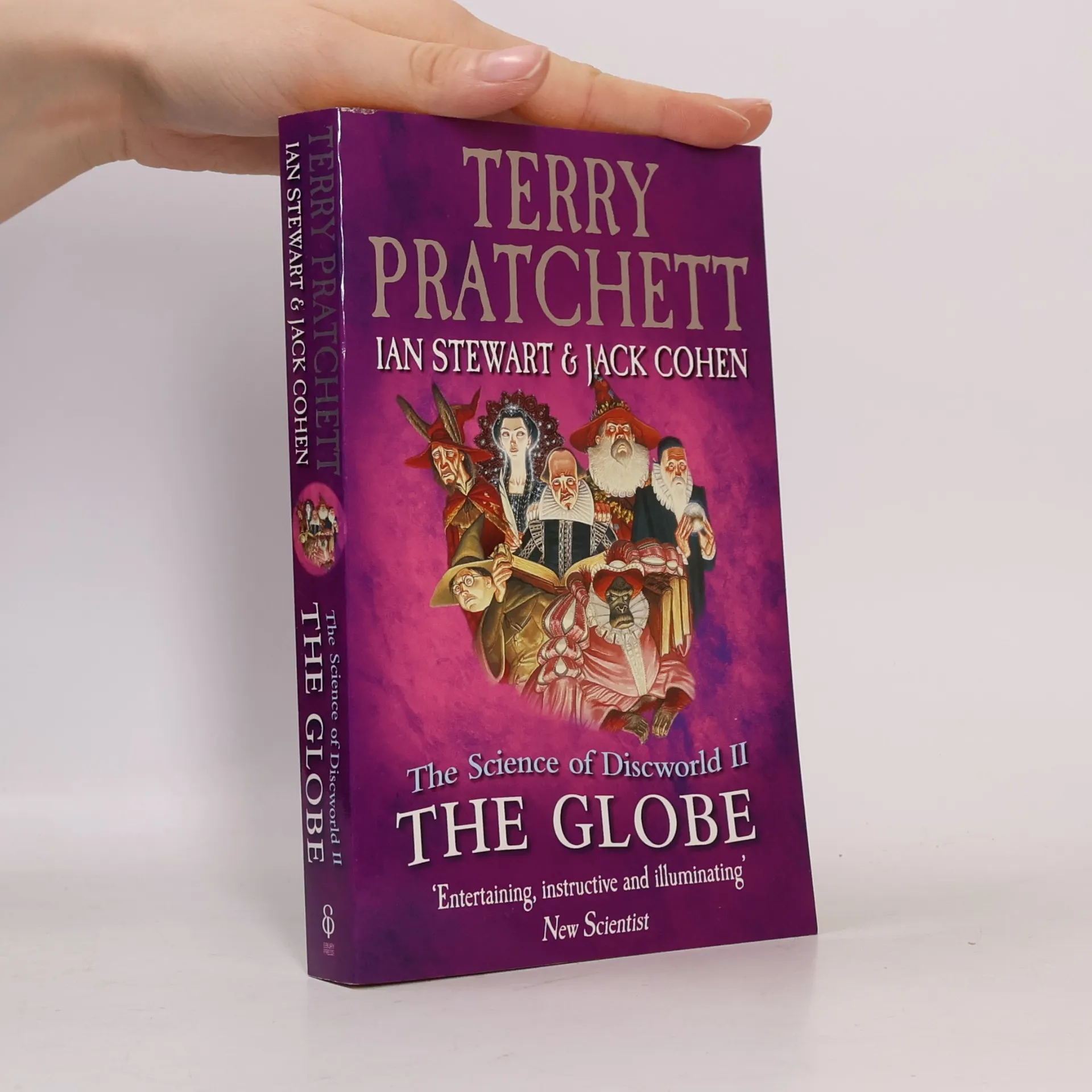
Acclaimed The Science of Discworld centred around an original Pratchett story about the wizards of Discworld.
Ian Stewart shows how equations open new vistas of experience, from electronics and global communications to radar, lasers, space craft and the atom bomb. His narative spans two and a half millennia, from the ancient Greeks to the ... formulation that recently guided the world's banking systems to near-oblivion. He show how insights in one era often inform work centuries later: Pythagoras's theorem inspired [Albert] Einstein and, yet more curiously, the stumbling calculations of a sixteenth century gambler [Girolamo Cardano] led to an impossible number that became a key to the baffling world of quantum physics
When a wizardly experiment goes adrift, the wizards of Unseen University find themselves with a pocket universe on their hands: Roundworld, where neither magic nor common sense seems to stand a chance against logic. The Universe, of course, is our own. And Roundworld is Earth. As the wizards watch their accidental creation grow, we follow the story of our universe from the primal singularity of the Big Bang to the internet and beyond
Inspiration and guidance for aspiring mathematicians
Professor Stewart's Hoard of Mathematical Treasures Stewart, Professor Ian
A retitled and revised edition of Ian Stewart's The Problems of Mathematics, this is the perfect guide to today's mathematics. Read about the latest discoveries, including Andrew Wiles's amazing proof of Fermat's Last Theorem, Chaos Theory, and fake four-dimensional spaces; and see how simple concepts from probability theory can help you maximize your National Lottery winnings.
At the heart of relativity theory, quantum mechanics, string theory, and much of modern cosmology lies one concept: symmetry. In Why Beauty Is Truth , world-famous mathematician Ian Stewart narrates the history of the emergence of this remarkable area of study. Stewart introduces us to such characters as the Renaissance Italian genius, rogue, scholar, and gambler Girolamo Cardano, who stole the modern method of solving cubic equations and published it in the first important book on algebra, and the young revolutionary Evariste Galois, who refashioned the whole of mathematics and founded the field of group theory only to die in a pointless duel over a woman before his work was published. Stewart also explores the strange numerology of real mathematics, in which particular numbers have unique and unpredictable properties related to symmetry. He shows how Wilhelm Killing discovered Lie groups with 14, 52, 78, 133, and 248 dimensions-groups whose very existence is a profound puzzle. Finally, Stewart describes the world beyond superstrings: the octonionic symmetries that may explain the very existence of the universe.
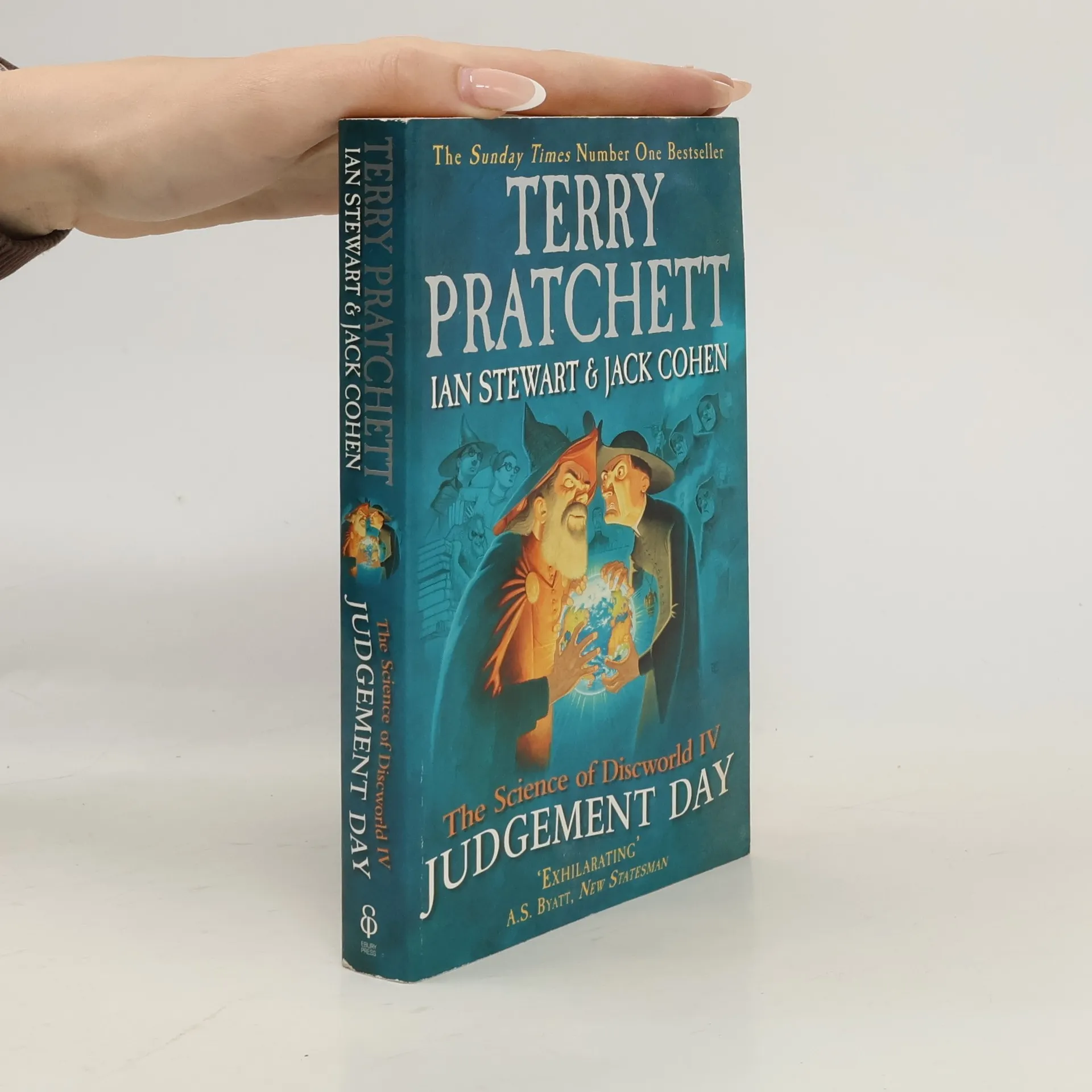
The fourth book in the Science of Discworld series deals with the really big questions: God, the Universe and Everything Else. Pratchett's brilliant new Discworld story JUDGEMENT DAY is annotated with very big footnotes (interleaving chapters) by mathematician Ian Stewart and biologist Jack Cohen, to bring you a mind-mangling combination of fiction, science and philosophy.
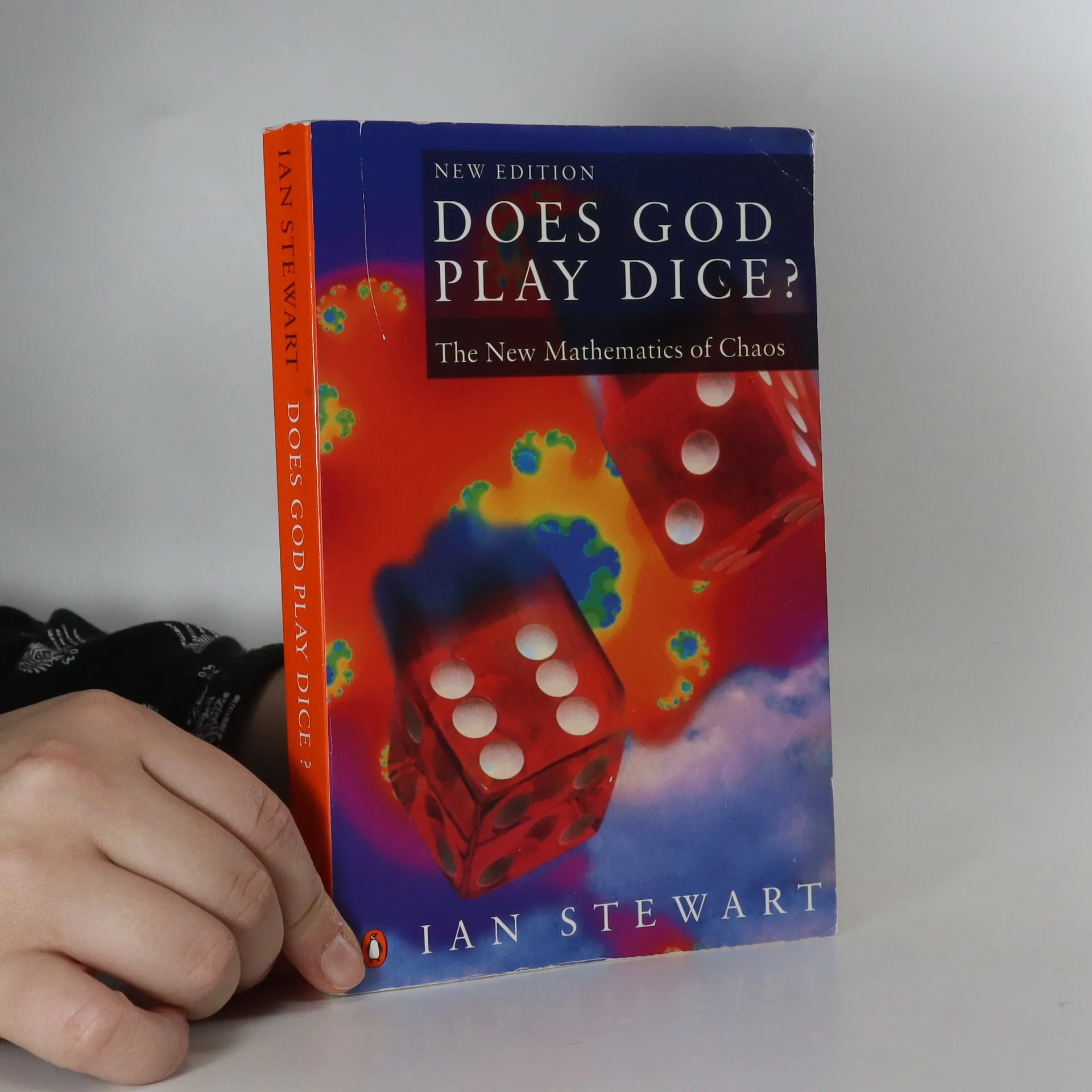
This revised edition of Does God Play Dice? takes a fresh look at chaos theory, its achievements, potential and the latest practical applications of chaos theory, including the development of intelligent heart pacemakers
Offers mathematical games, puzzles, and stories featuring geometry, logic, and probability.
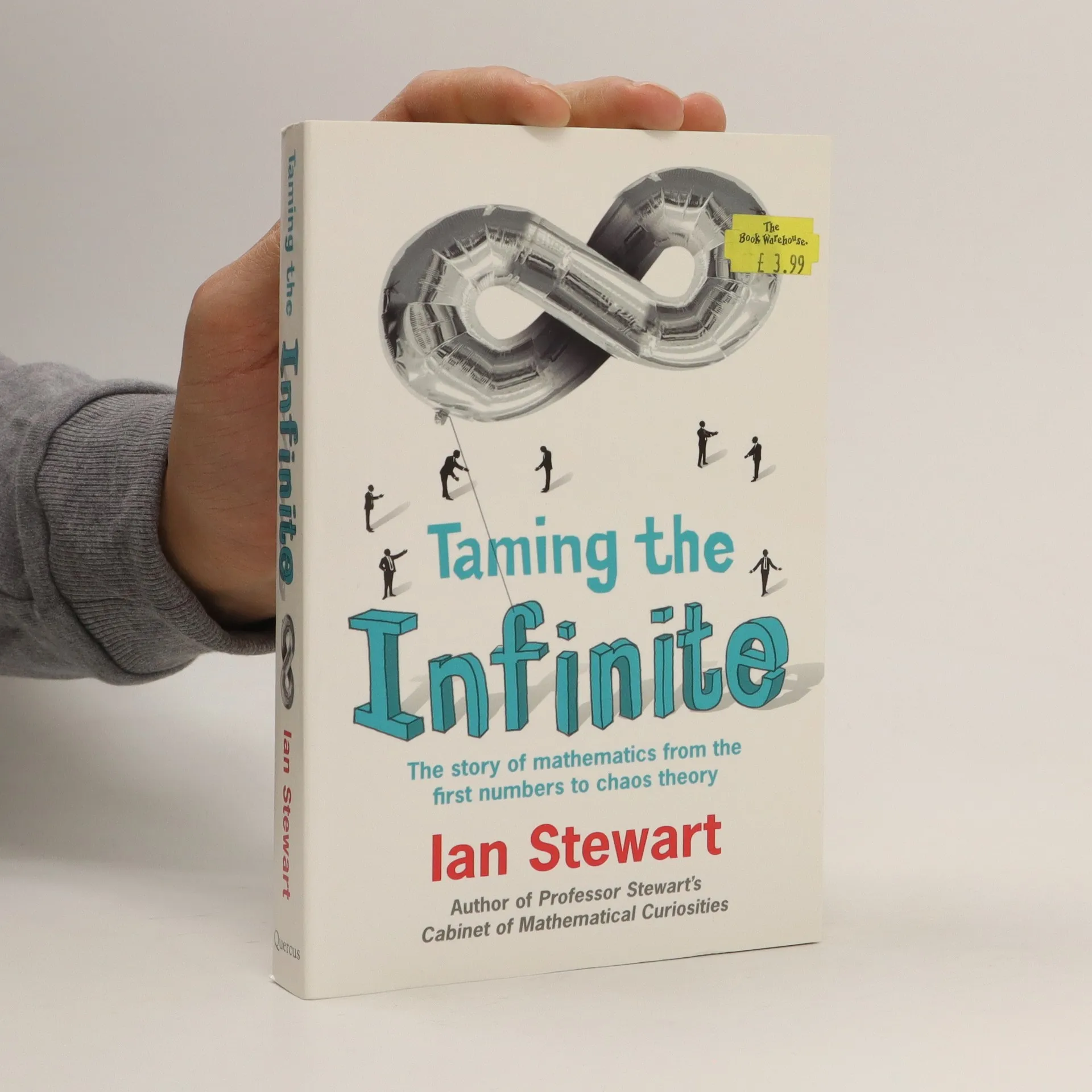
From ancient Babylon to the last great unsolved problems, Ian Stewart brings us his definitive history of mathematics. In his famous straightforward style, Professor Stewart explains each major development - from the first number systems to chaos theory - and considers how each affected society and changed everyday life forever. Maintaining a personal touch, he introduces all of the outstanding mathematicians of history, from the key Babylonians, Greeks and Egyptians, via Newton and Descartes, to Fermat, Babbage and Gödel, and demystifies maths' key concepts without recourse to complicated formulae. Written to provide a captivating historic narrative for the non-mathematician, Taming the Infinite: The Story of Mathematics is packed with fascinating nuggets and quirky asides, and contains 100 illustrations and diagrams to illuminate and aid understanding of a subject many dread, but which has made our world what it is today.
"It appears to us that the universe is structured in a deeply mathematical way. Falling bodies fall with predictable accelerations. Eclipses can be accurately forecast centuries in advance. Nuclear power plants generate electricity according to well-known formulas. But those examples are the tip of the iceberg. In Nature's Numbers, Ian Stewart presents many more, each charming in its own way.. Stewart admirably captures compelling and accessible mathematical ideas along with the pleasure of thinking of them. He writes with clarity and precision. Those who enjoy this sort of thing will love this book." - Los Angeles Times
There are some mathematical problems whose significance goes beyond the ordinary - like Fermat's Last Theorem or Goldbach's Conjecture - they are the enigmas which define mathematics.The Great Mathematical Problems explains why these problems exist, why they matter, what drives mathematicians to incredible lengths to solve them and where they stand in the context of mathematics and science as a whole. It contains solved problems - like the Poincar� Conjecture, cracked by the eccentric genius Grigori Perelman, who refused academic honours and a million-dollar prize for his work, and ones which, like the Riemann Hypothesis, remain baffling after centuries.Stewart is the guide to this mysterious and exciting world, showing how modern mathematicians constantly rise to the challenges set by their predecessors, as the great mathematical problems of the past succumb to the new techniques and ideas of the present.
Ian Stewart considers the concept of infinity and the profound role it plays in mathematics, logic, physics, cosmology, and philosophy. He shows that working with infinity is not just an abstract, intellectual exercise, and analyses its important practical everyday applications.
A new partnership of biologists and mathematicians is picking apart the hidden complexity of animals and plants to throw fresh light on the behaviour of entire organisms, how they interact and how changes in biological diversity affect the planet's ecological balance. The author explores these and whole range of pertinent issues.
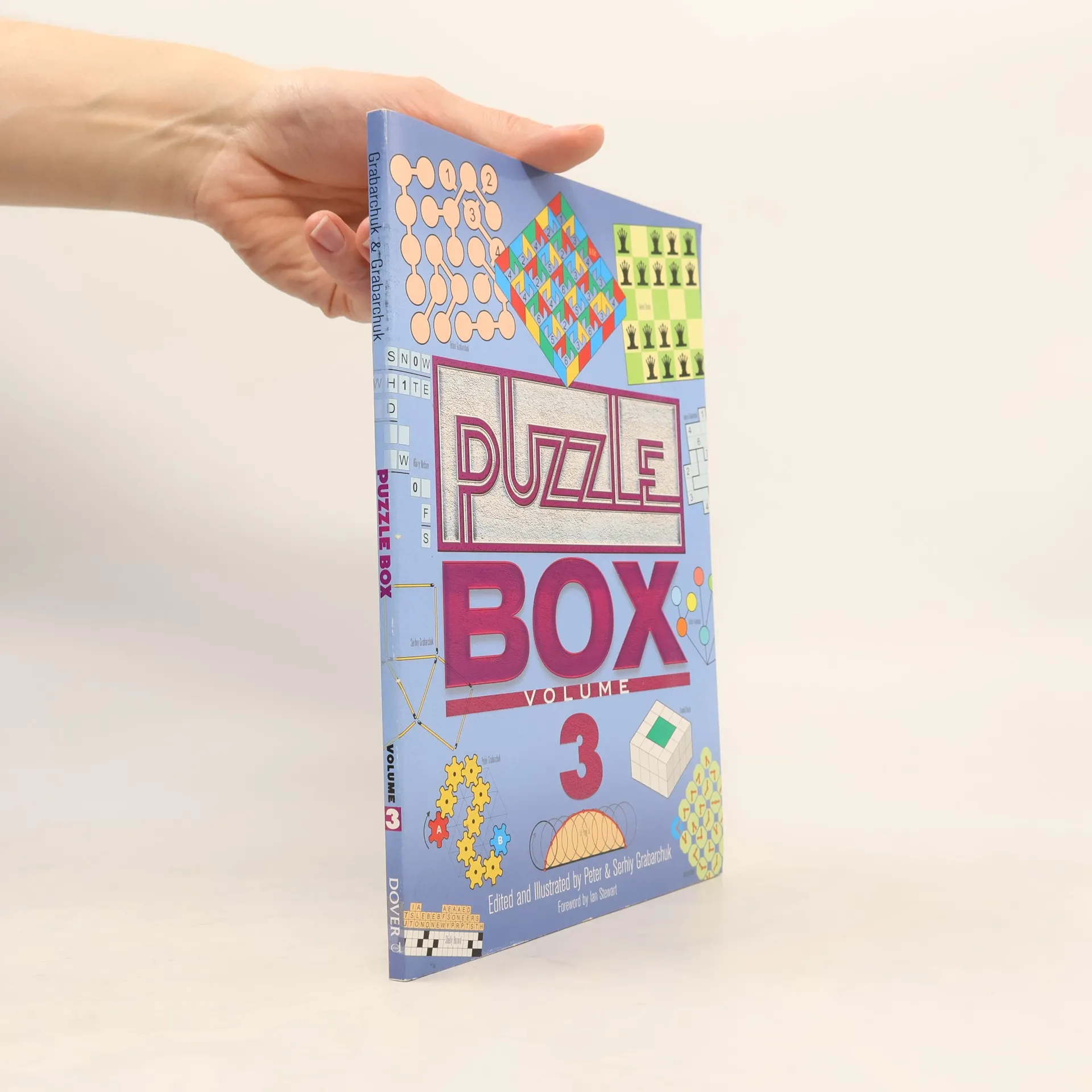
These 300 original and full-color exercises include 3-D puzzles, chess puzzles, connections, dissections, foldings, geometrical puzzles, logic problems, matchstick puzzles, mazes, moving pieces, number puzzles, put-togethers, strimkos, sudoku, and visual and word challenges. Solutions.
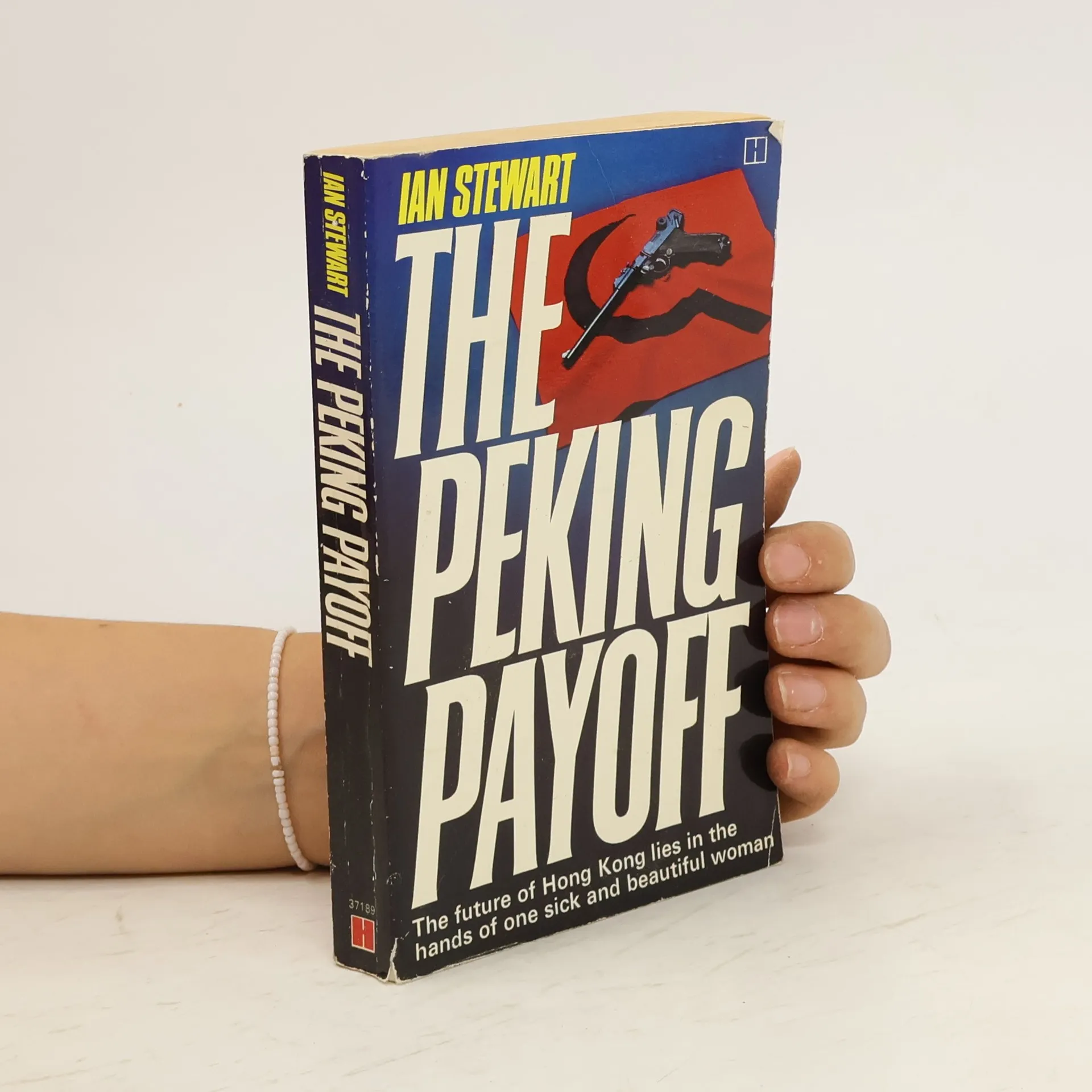
In the 1970s, a Hong Kong taipan, Donald MacGribben, sets out to obtain a secure future for the British Crown Colony amid uncertainty created by a power struggle in Maoist China. He arranges a meeting at the Canton (Kwangtung) Trade Fair with the Chinese Premier to seek a public assurance, in return for a substantial annual payment, that China has no immediate plans to seize HK. However, the Premier’s enemies are scheming to have him killed in a manner that will incriminate MacGribben, whose heroin-addicted wife has been blackmailed into carrying the murder weapon from Hong Kong into China.Getting wind that MacGribben’s scheme is under threat, Hal Jernberg, his friend and partner, races to unravel the complex conspiracy of the Chinese leader’s opponents but becomes himself a target. Suspense builds up in this action drama as the time for the meeting of the Premier and MacGribben draws near.The Peking Payoff takes the reader back to a China where rival factions are positioning themselves for the succession battle after the aging Mao Tse-tung (Mao Zedong) dies and to a Hong Kong still controlled from London through the Governor. The transfer of sovereignty over the territory from Britain to China is still more than two decades away.
Explores solar energy , how it is produced, the technology necessary and what the future holds
This series explores alternative energy resources, how they are produced, the technology necessary and what the future holds
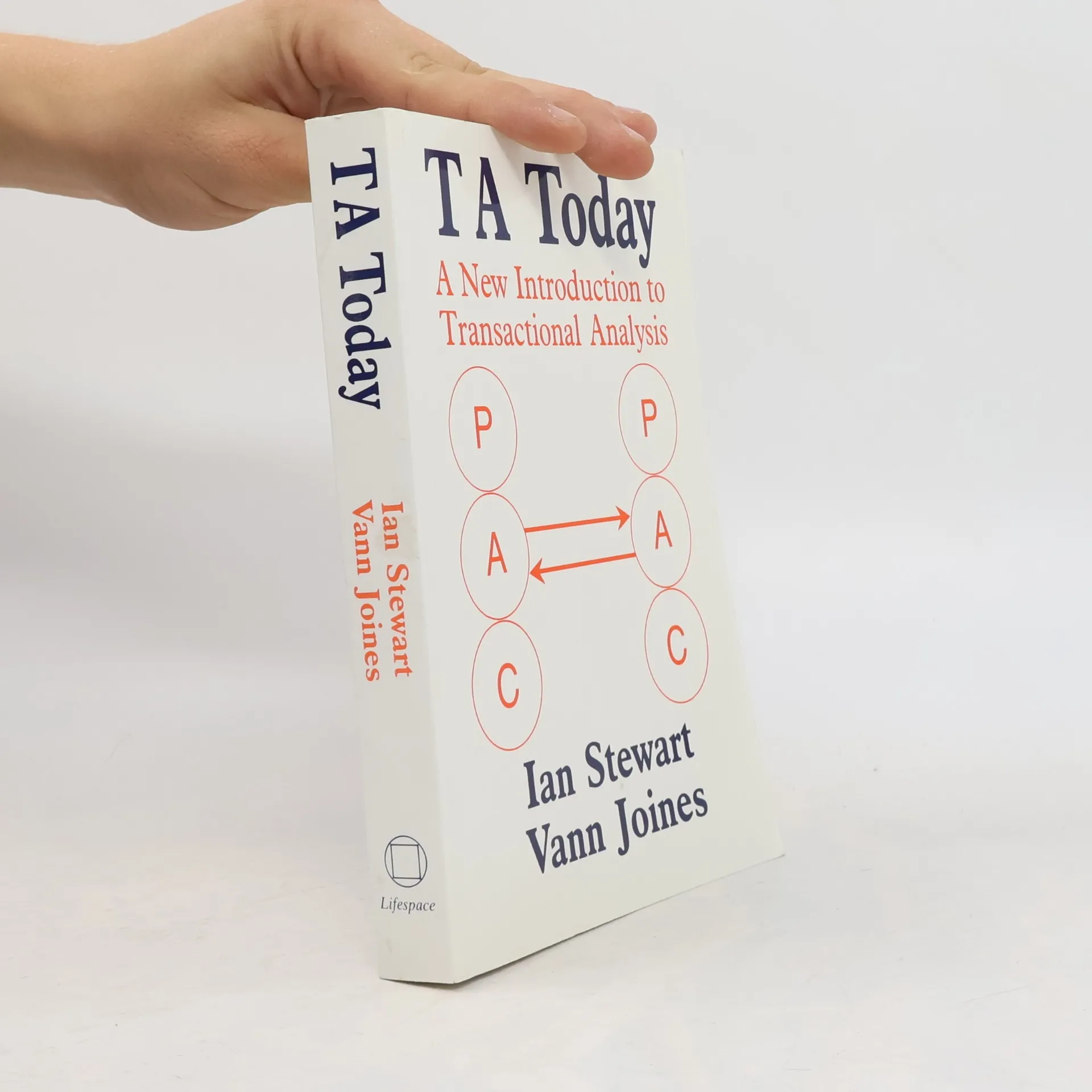
TA is a model for understanding human personality, relationships and communication. It was first developed by Eric Berne. Since then, TA has continued to grow. Theory has been expanded, reappraised and tested by observation. In the years since Berne's death in 1970 TA practioners have introduced new concepts and techniques that are now at the very heart of the discipline. TA today enjoys international recognition as a professional approach, aiding effectiveness in fields as diverse as psychotherapy, counselling, education, communications and management training.
Auguries, oracles, omens...and software simulation. This exploration delves into humankind's enduring desire to foresee and influence future events. It opens with Stephen Hawking's predictions about the universe's billion-year future and concludes with Don Cupitt's reflections on the Last Judgement. The narrative traces the evolution of prediction, from ancient soothsayers and astrologers who relied on religious and traditional authority to today's experts who utilize empirical observation and scientific theory to forecast outcomes in various fields, including the economy and medicine. Despite advancements, contributors acknowledge that prediction remains fraught with uncertainty, navigating a delicate balance between alarmism and complacency, often disrupted by human unpredictability, unforeseen changes, or flawed data. Originating from the sixth annual series of Darwin College Lectures in Cambridge in 1991, the work features insights from various contributors, including Leo Howe, Ian Stewart, Simon Schaffer, Frank Hahn, Ian Kennedy, Averil Cameron, and Richard Gombrich, each offering unique perspectives on the complexities of predicting the future.
The transition from school to university mathematics is seldom straightforward. Students are faced with a disconnect between the algorithmic and informal attitude to mathematics at school, versus a new emphasis on proof, based on logic, and a more abstract development of general concepts, based on set theory. This book bridges the divide.
Libro usado en buenas condiciones, por su antiguedad podria contener señales normales de uso
Wissenschaft und Ästhetik, Unterhaltung und Anspruch, hohe Mathematik und pures Vergnügen mischen sich in diesem Buch auf das Vortrefflichste … Und man muss kein Naturwissenschaftler sein, um den Exkursen in geheimnisvolle Muster und Anordnungen zu folgen. Gesunde Neugier, Interesse an Zusammenhängen und Hintergründen genügen und natürlich die Frage, ohne die Wissenschaft und Entdeckung nicht denkbar wären: Warum ist das so? Gut schreiben kann Stewart bekanntermaßen, unterhaltsam und eben doch mathematisch präzise. Alles ist klar und gut lesbar, man hat nicht das Gefühl, dass etwas erklärt wird, sondern dass man etwas erzählt bekommt. Die Stärke des Autors liegt darin, scheinbar Vertrautes aus ungewohnter, zahlenorientierter Perspektive zu beleuchten, ohne in nüchterne theoretische Mathematik abzugleiten. Gleichzeitig gelingt ihm der Brückenschlag zu philosophischen Fragestellungen. Ein wunderschönes Buch … macht Mathematik zum Abenteuer.
Die gekämmte Kugel, Ian Stewarts neue Sammlung von mathematischen Kurzgeschichten aus Spektrum der Wissenschaft, lädt zum Eintauchen in das Kuriositätenkabinett des international renommierten Wissenschaftlers und Geschichtenerzählers ein: Die haarige Frage, ob sich eine Kugel glattkämmen läßt, erweist sich als unerwartet sichere Wettervorhersage über Windstille auf der Erde. Von einigen Halbwahrheiten kann man lernen, warum sie tatsächlich den Wahrheitswert ½ haben. Und wer noch nie versucht hat, Tennisbälle zu bündeln oder mathematische Turing-U-Bahn zu fahren, kann unter Stewarts Anleitung zu einer mathematischen Entdeckungsreise aufbrechen, die zwar dem Chaos nicht ganz entkommt, aber doch zu einer überraschenden Erklärung der Welt führt.
(...) seine Spielereien und Wortspiele zeigen einen amüsanten Weg durch die Welt der Mathematik und ihrer Logik. Humor und Ernsthaftigkeit liegen bei Stewart nah bei einander. Associated Press Der britische Mathematikprofessor Ian Stewart schafft, was viele für unmöglich halten: Unterhaltsame Kurzgeschichten aus dem Reich der Mathematik. (...) Gießener Allgemeine (...) Die in seinem neuen Buch mit viel Humor erzählten, bisweilen kuriosen Geschichten sind ein Leckerbissen für alle Freunde der Mathematik, die es fantastisch und skurill mögem. (...) Die Welt
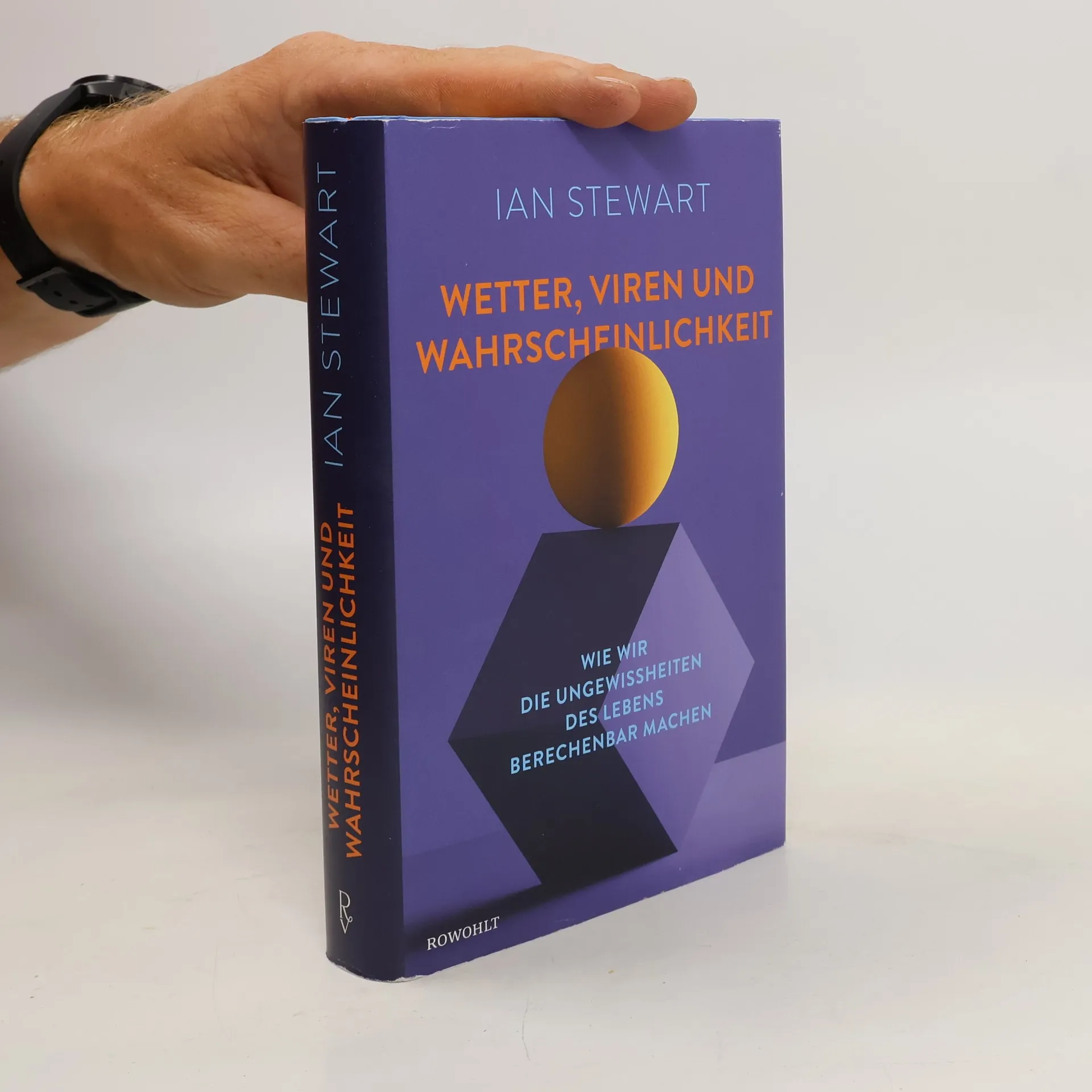
Wie wir die Ungewissheiten des Lebens berechenbar machen
Wir leben in unsicheren Zeiten, so viel ist klar. Manches scheint ungewiss, Corona und das Klima etwa. Wir möchten unsere Zukunft gerne kennen, statt den Ereignissen einfach ausgesetzt zu sein: ob es um das Wetter geht, die Börsenkurse, unsere Chancen vor Gericht oder beim Lotto, das Geschlecht des nächsten Kindes, die Nebenwirkungen eines Medikaments, die Berechnung einer Herdenimpfung. Und man kann das tatsächlich näherungsweise herausfinden. Wie − das zeigt uns der britische Kult-Mathematiker Ian Stewart in diesem Buch. Wie machen wir aus Nichtwissen Wissen? Wie bekommen wir mehr Sicherheit, welche unserer Entscheidungen die beste ist? Wenn es darum geht, das scheinbar Zufällige zu beherrschen, haben wir es mit den Mitteln der Statistik und Wahrscheinlichkeitsrechnung weit gebracht. Heute können wir vielfältige Formen von Unwissen bis zu einem gewissen Grad mess- und handhabbar machen. Allerdings, das zeigt Ian Stewart auch, haben wir in unserem Jahrhunderte währenden Bemühen, uns mit dem Unbekannten bekannt zu machen, immer auch neue Ungewissheiten entdeckt. Und oft genug gab es dabei fatale Fehlurteile. Man muss also schon wissen, wie es geht. Ian Stewart führt es uns gewohnt kurzweilig und mit leichter Hand vor.
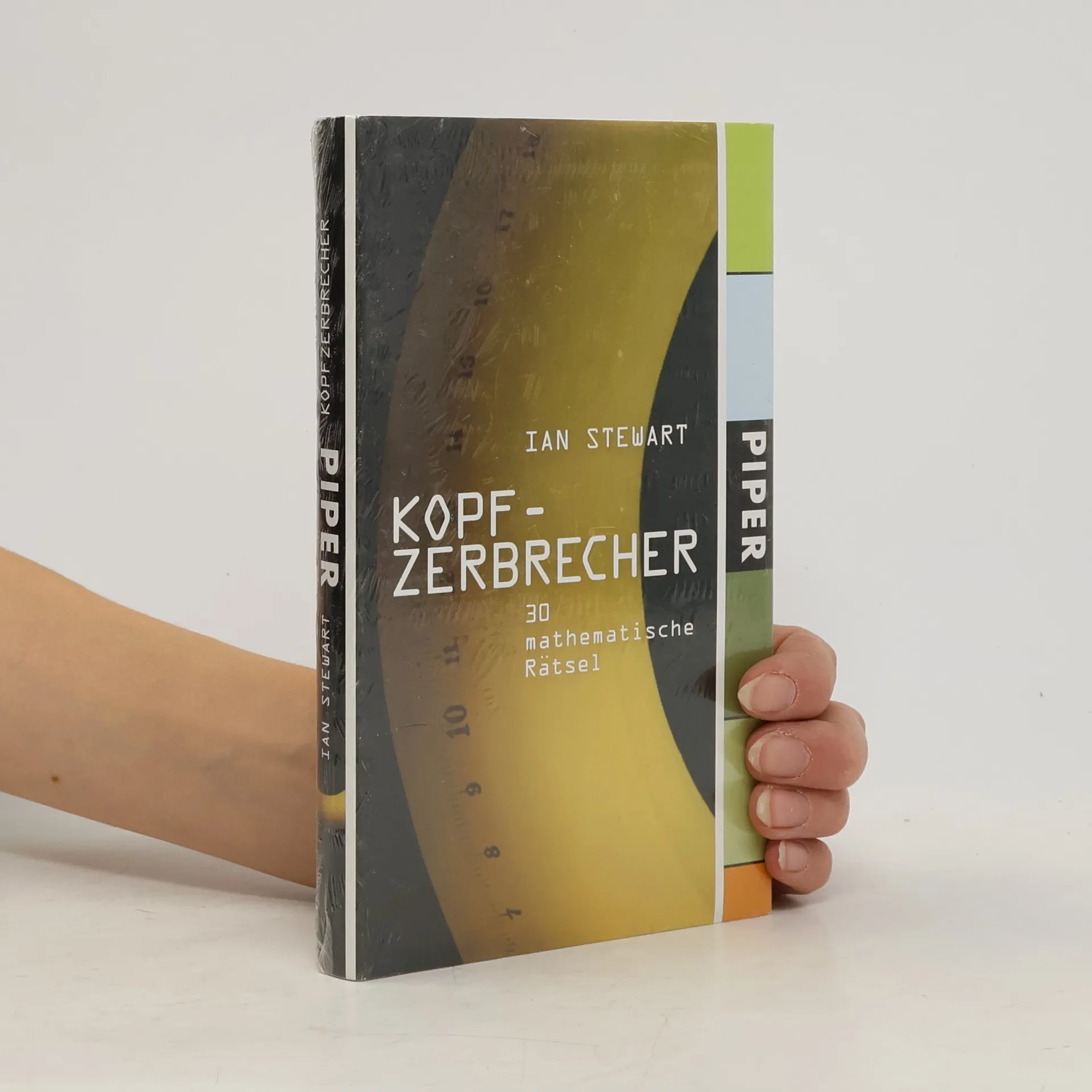
2008 ist das 'Jahr der Mathematik'. Wenn Sie mitmachen wollen, dann sollten Sie versuchen, Ian Stewarts dreißig mathematische Denksportaufgaben zu lösen und damit den Denkapparat zwischen Ihren Ohren zu trainieren. Spaß, Synapsen im Dauerlauf und die Bewunderung der anderen sind Ihnen sicher, wenn Sie diese Rätsel aufklären. Und dazu brauchen Sie weder endlose Rechenschritte noch den Super-computer. Es reichen Papier, Bleistift und das eigene Gehirn. Je schwieriger ein Rätsel aussieht, desto einfacher kann die Lösung sein. Auf geht’s: Klären Sie mutig den 'Mordfall Grüne Socke' und das 'Problem des Bürgermeisters von Spärlichingen', entschlüsseln Sie die 'putzige Pudelparade', die 'wohlproportionierte Pyramide' oder das 'Rätsel des verschwindenden Kamels'.
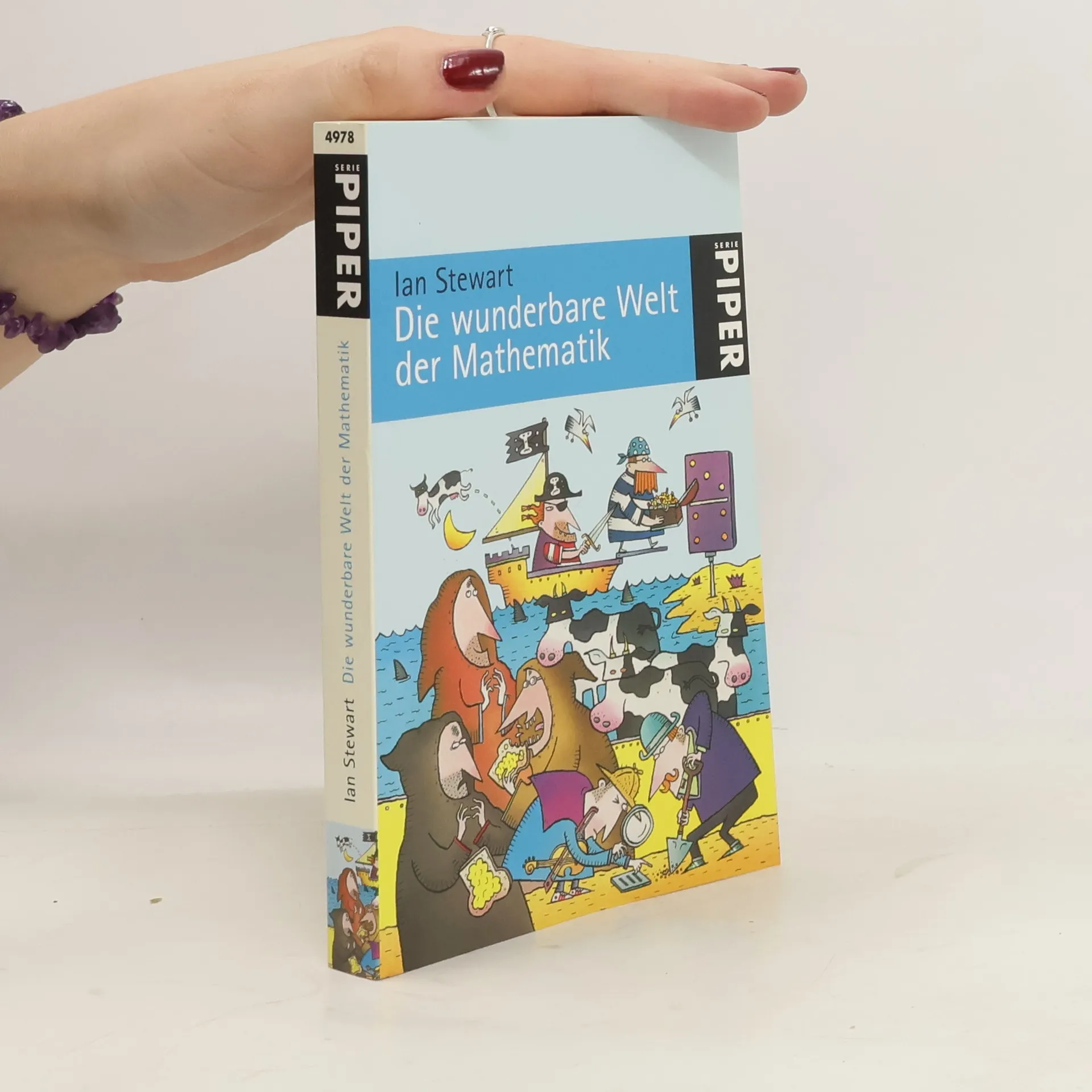
Mathematik kann einfach richtig Spaß machen. Und der phantasievolle Mathematiker Ian Stewart zeigt mit seinen vergnügten Rätselgeschichten, daß sie sogar in der Alltagssprache erklärt werden kann. Mit Mönchen, Möbelpackern, Piraten, Steinmetzen und Sherlock Holmes reist Ian Stewart durch die wunderbare Welt der Mathematik. 'Dieses Buch ist eine Einladung an alle, die ihre grauen Zellen trainieren und dabei Spaß haben wollen.' Hamburger Abendblatt
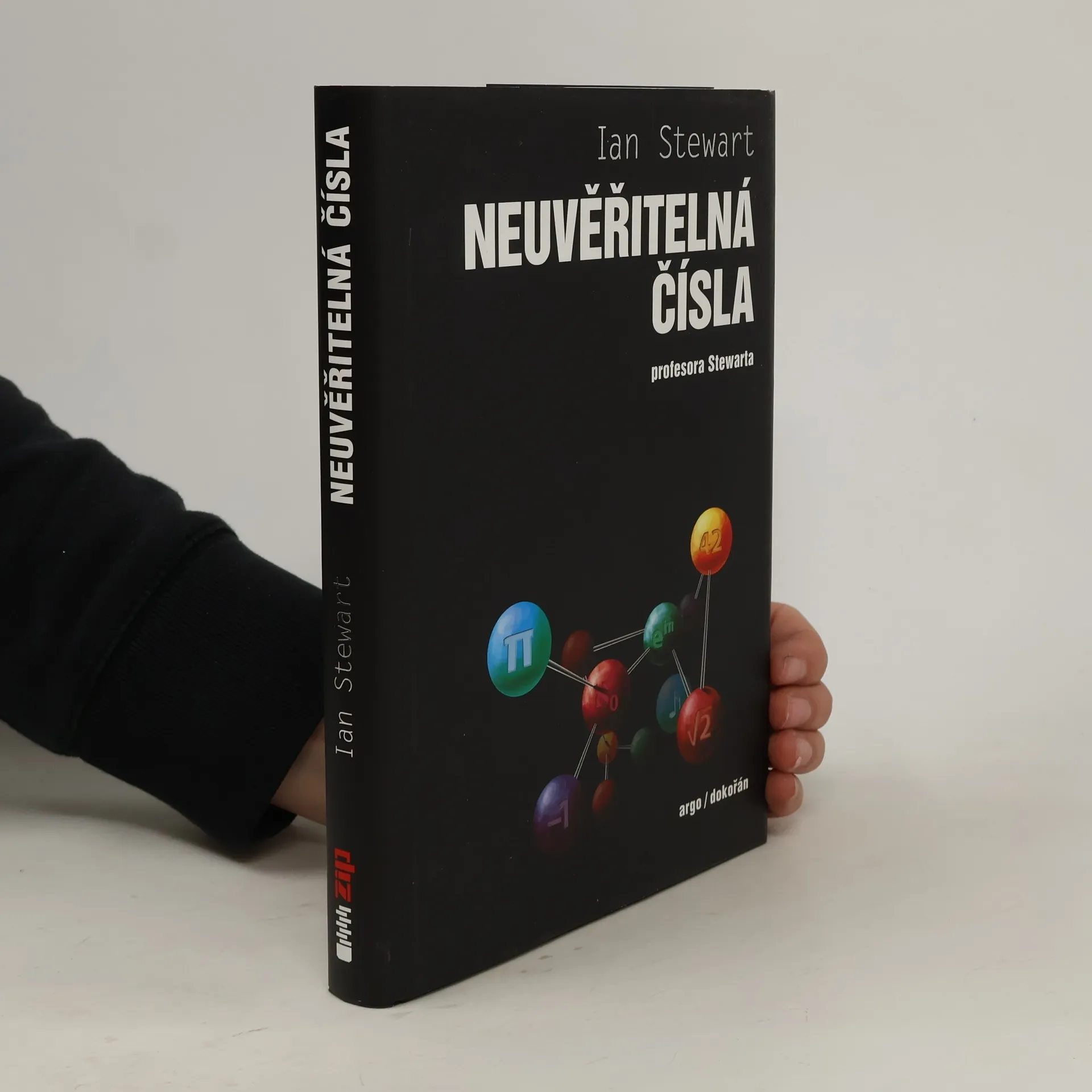
Čísla nás provázejí na každém kroku a profesor Stewart ukazuje jejich pozoruhodné vlastnosti. Od těch nejzákladnějších, jako je už jejich zápis v desetinné nebo binární notaci, přes objev nuly a mimořádnost prvočísel, až po čísla iracionální (jako je π a √2), čísla komplexní a kvaterniony. Fakticky ale nejde jen o čísla jako taková: autor s jejich pomocí přístupně vykládá pojmy algebry (např. prostory větší dimenze než 3, grupy prostorové symetrie, základy šifrování, Fermatovu věta), geometrie (např. problém kvadratury kruhu, kolik barev je třeba k vybarvení mapy, symetrii prostorových těles, kvazikrystaly, fraktály), analýzy (např. logaritmickou a exponenciální funkci) a teorie pravděpodobnosti (např. narozeninový paradox). Profesor Stewart nejen dokáže tuto plejádu pojmů zavést a objasnit, ale dokáže i ukázat, jak se uplatňují ve světě kolem nás.
Ian Stewart, geboren 1945, ist der beliebteste Mathematik-Professor Großbritanniens. Seit Jahrzehnten bemüht er sich erfolgreich, seine Wissenschaft zu popularisieren. Er studierte Mathematik in Cambridge und promovierte an der Universität Warwick. Dort ist er heute Professor für Mathematik und Direktor des Mathematics Awareness Center. Seit 2001 ist Stewart zudem Mitglied der Royal Society. Er lebt mit seiner Familie in Coventry.
Autor poodhaluje úžasný svět nekonečných šachových partií, zářících světlušek a samozřejmě řeší, jak nejefektivněji nakrájet dort. Na jednoduchých příkladech s tkaničkami od bot a mýdlovými bublinami až po Sierpinského trojúhelník ukazuje rozmanitost současné matematiky.
17 mathematische Gleichungen, die Geschichte machten
Unsere Geschichte in Gleichungen Sie bestimmen unser Dasein ebenso wie Kriege, Revolutionen und die Mächtigen der Welt: Vom Bau der Pyramiden bis zur Satellitennavigation bilden mathematische Gleichungen die Basis jeder Erfindung. Manche von ihnen sind gar zu Ikonen der Moderne geworden, zum Beispiel Einsteins E=mc2. Vom Satz des Pythagoras über Logarithmen, imaginäre Zahlen oder Newtons Gravitationsgesetz bis hin zur Chaostheorie erklärt und erzählt Ian Stewart Menschheitsgeschichte in Form von 17 Gleichungen, die die Welt verändert haben.
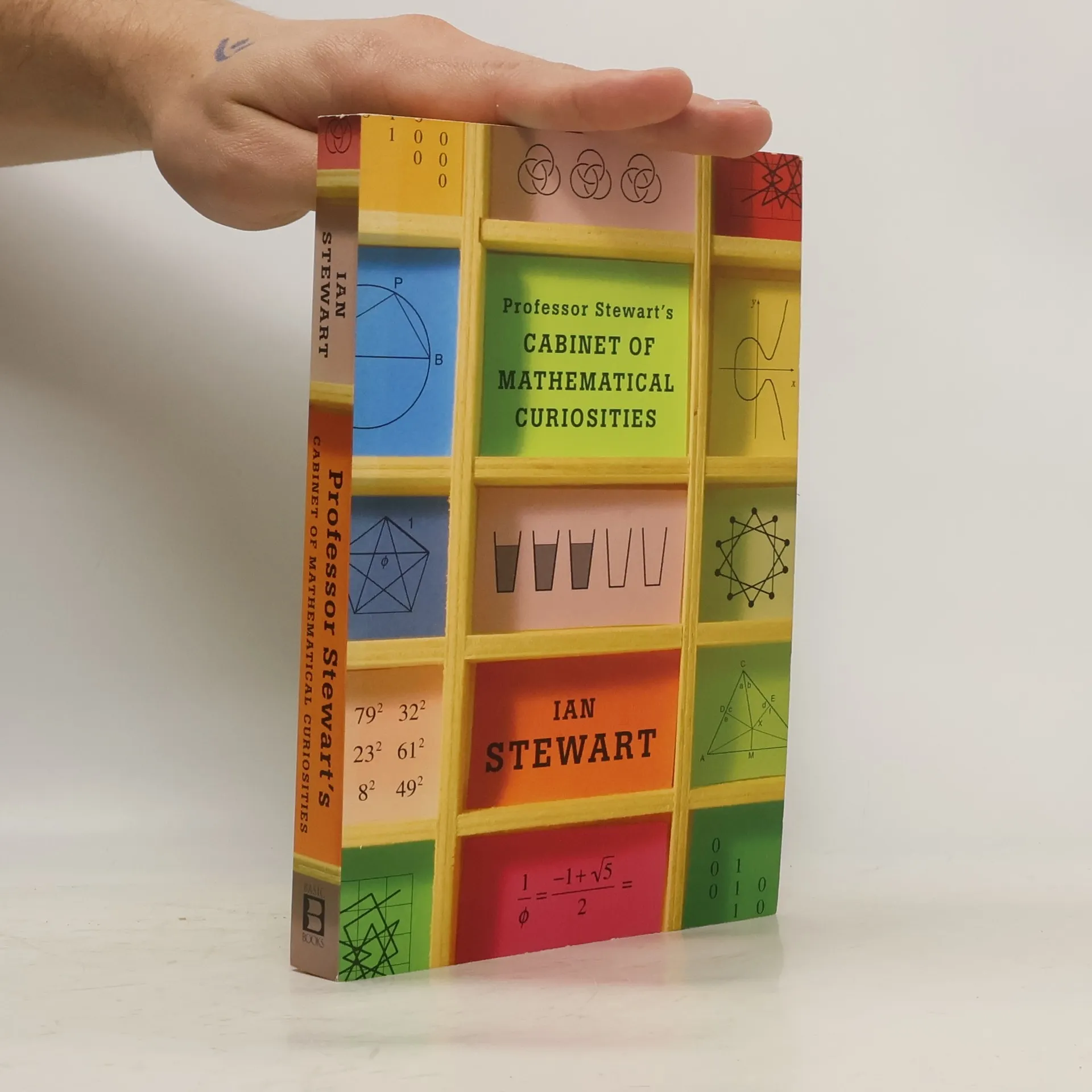
Like its wildly popular predecessors Cabinet of Mathematical Curiosities and Hoard of Mathematical Treasures, Professor Stewart's brand-new book is a miscellany of over 150 mathematical curios and conundrums, packed with trademark humour and numerous illustrations.In addition to the fascinating formulae and thrilling theorems familiar to Professor Stewart's fans, the Casebook follows the adventures of the not-so-great detective Hemlock Soames and his sidekick Dr John Watsup (immortalised in the phrase 'Watsup, Doc?'). By a remarkable coincidence they live at 222B Baker Street, just across the road from their more illustrious neighbour who, for reasons known only to Dr Watsup, is never mentioned by name. A typical item is 'The Case of the Face-Down Aces', a mathematical magic trick of quite devilish cunning.Ranging from one-liners to four-page investigations from the frontiers of mathematical research, the Casebook reveals Professor Stewart at his challenging and entertaining best.
Wozu brauchen wir im täglichen Leben Mathematik? Warum es ganz und gar nicht «sinnlos» ist (wie viele zu Schulzeiten denken), sich mit Mathematik zu beschäftigen, erklärt der renommierte Professor und Bestsellerautor Ian Stewart in seinem neuen, faktenreichen und anschaulichen Buch. Tatsächlich würde unsere moderne Welt ohne Mathematik auseinanderfallen, denn sie begegnet uns überall: wenn wir ein Selfie machen, einen Film gucken, ChatGPT nutzen oder eine Niere spenden, aber auch, wenn im Supermarkt Regale aufgefüllt werden, ein Fall vor Gericht verhandelt wird oder eine Partei aus politischen Minderheiten Mehrheiten macht. Dennoch glänzt die Mathematik in unserer Welt meist durch Abwesenheit, weil Berechnungen heutzutage fast überall maschinell – «unsichtbar» – erfolgen. Ian Stewart holt sie zurück ins Rampenlicht, zeigt die oft verblüffende Präsenz der Mathematik in zahlreichen Aspekten unseres Alltags und begeistert mit seinem leichtfüßig vermitteltem Wissen Mathe-Nerds und -Hasser gleichermaßen.
"Das Versteck der Andromeda" ist, ähnlich wie "Die Reise nach Pentagonien", eine Sammlung mathematischer Kurzgeschichten, diesmal direkt aus "Spektrum der Wissenschaft" übernommen. Ein Lesevergnügen, nicht nur für Stewart-Fans.
Wissenschaft und Ästhetik, Unterhaltung und Anspruch, hohe Mathematik und pures Vergnügen mischen sich in diesem Buch auf das Vortrefflichste … Und man muss kein Naturwissenschaftler sein, um den Exkursen in geheimnisvolle Muster und Anordnungen zu folgen. Gesunde Neugier, Interesse an Zusammenhängen und Hintergründen genügen und natürlich die Frage, ohne die Wissenschaft und Entdeckung nicht denkbar wären: Warum ist das so? Gut schreiben kann Stewart bekanntermaßen, unterhaltsam und eben doch mathematisch präzise. Alles ist klar und gut lesbar, man hat nicht das Gefühl, dass etwas erklärt wird, sondern dass man etwas erzählt bekommt. Die Stärke des Autors liegt darin, scheinbar Vertrautes aus ungewohnter, zahlenorientierter Perspektive zu beleuchten, ohne in nüchterne theoretische Mathematik abzugleiten. Gleichzeitig gelingt ihm der Brückenschlag zu philosophischen Fragestellungen. Ein wunderschönes Buch … macht Mathematik zum Abenteuer.
140pages. in4. Broché.
Grundlagen und Praxis transaktionsanalytischer Beratungsarbeit
Geïllustreerd overzicht van brugtypen, constructiemethoden en materialen
Architectuurgids voor bekende bruggen uit heden en verleden in de hele wereld.
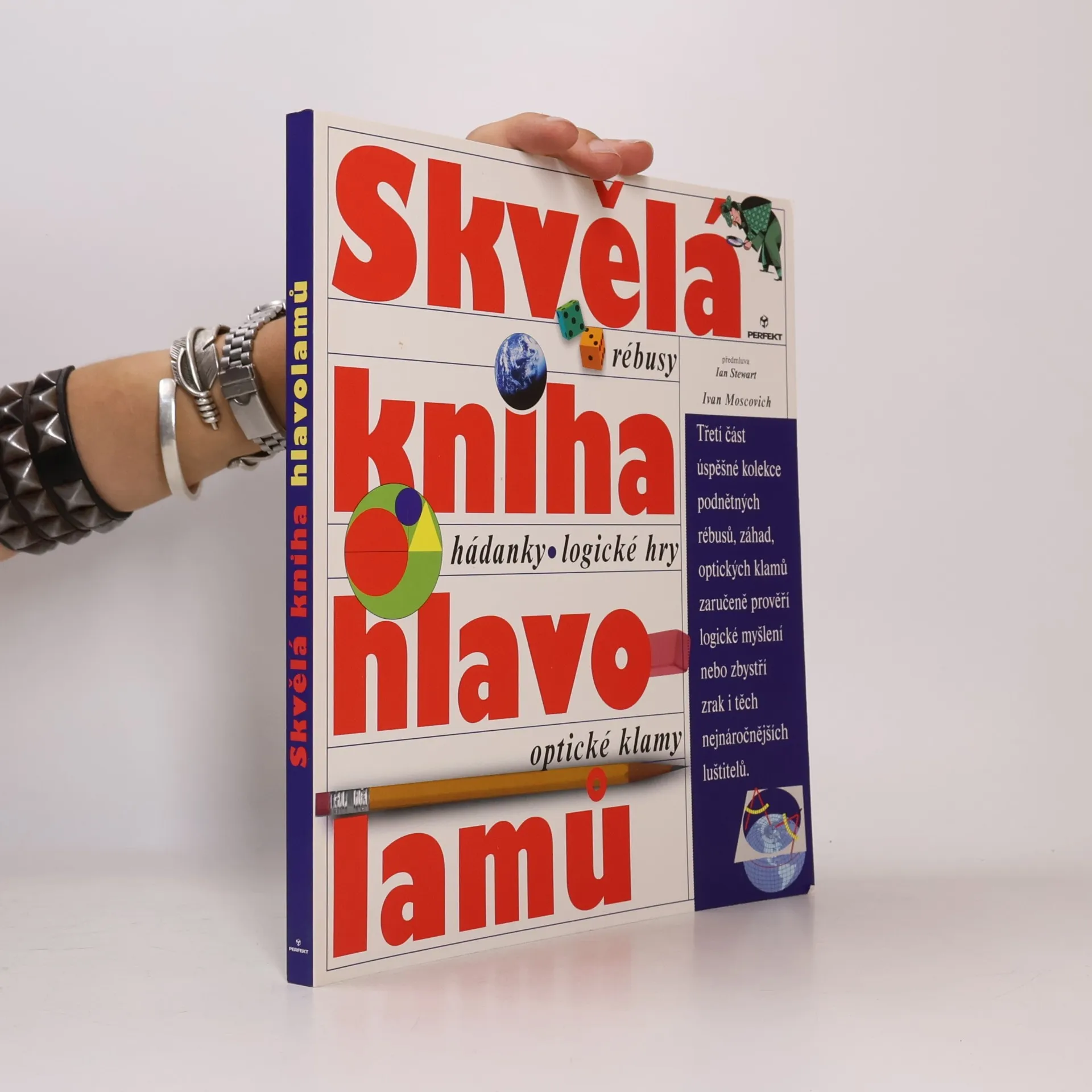
Proč se trojúhelníky těžko deformují? Padají malé dešťové kapky rychleji než velké? Vážíme na severním pólu více? Podaří se vám zdvihnout kuličku ze stolu pouze pomocí skleničky na víno? Proč mají golfové míčky na povrchu drobné prohlubně? Třetí část úspěšné kolekce podnětných rébusů, záhad, optických klamů zaručeně prověří logické myšlení nebo zbystří zrak i těch nejnáročnějších luštitelů.
Hledáte zábavu a vzrušení? Chcete si ověřit, jak jste na tom se zdatností, šikovností a logikou myšlení? Ivan Moscovich, světoznámý a uznávaný vynálezce, hádankář a umělec, vám to vše nabízí v jedinečné Velké knize hlavolamů. Publikace je sbírkou originálních a podnětných hlavolamů, skládanek, hádanek, rébusů, příkladů, různých obrázků a optických klamů, která kombinuje zábavu se stimulací mozkových buněk a zároveň ji aplikuje na oblast umění, vědy a matematiky. Hra a experimentování povzbudí vaše kreativní myšlení a zároveň vás vyburcuje k aktivitě jako dobře osolené arašídy. Díky této publikaci, která působí jako zdroj živé inspirace, se můžete stát vynalézavějšími, kreativnějšími, šikovnějšími... a navíc vás ještě okouzlí skrytá krása logiky. Tato mimořádná kniha, určená pro všechny věkové kategorie, je příkladem toho, jak se lze smysluplně a tvořivě zabavit ve volném čase.
Výběr ze sci-fi povídek světových autorů
Nahlédněte do kufříku naditého případy detektiva Soamese, jehož schopnosti si vůbec nezadají s umem Sherlocka Holmese. A stejně jako měl Holmes svého Watsona, i Soames má k ruce vysloužilého vojenského lékaře dr. Johna Watsupa, který mu svojí naivitou nahrává na brilantní smeče a zároveň pečlivě zapisuje vyřešené případy. Mnohé z nich jsou úzce provázány se zajímavým matematickým problémem a nalézt pachatele často není možné bez vyřešení zapeklité matematické záhady, což autor pohříchu mnohdy nechává na čtenáři. Ten, kdo už dlouho marně trápil své mozkové závity a chce se dát poddat, může nahlédnout do řešení na konci knihy, kde často najde i informace o obecnějších souvislostech a odkazy na literaturu. Tam, kde si tradiční detektiv vystačí se stopami od bláta, musí Soames zapojit zajímavé kombinatorické úvahy či své znalosti Peanovy aritmetiky nebo zapeklitých vlastností prvočísel. Matematické postupy více osvětlí dr. Watsup, který se však občas do řešení zamotá. Pomůžete mu?