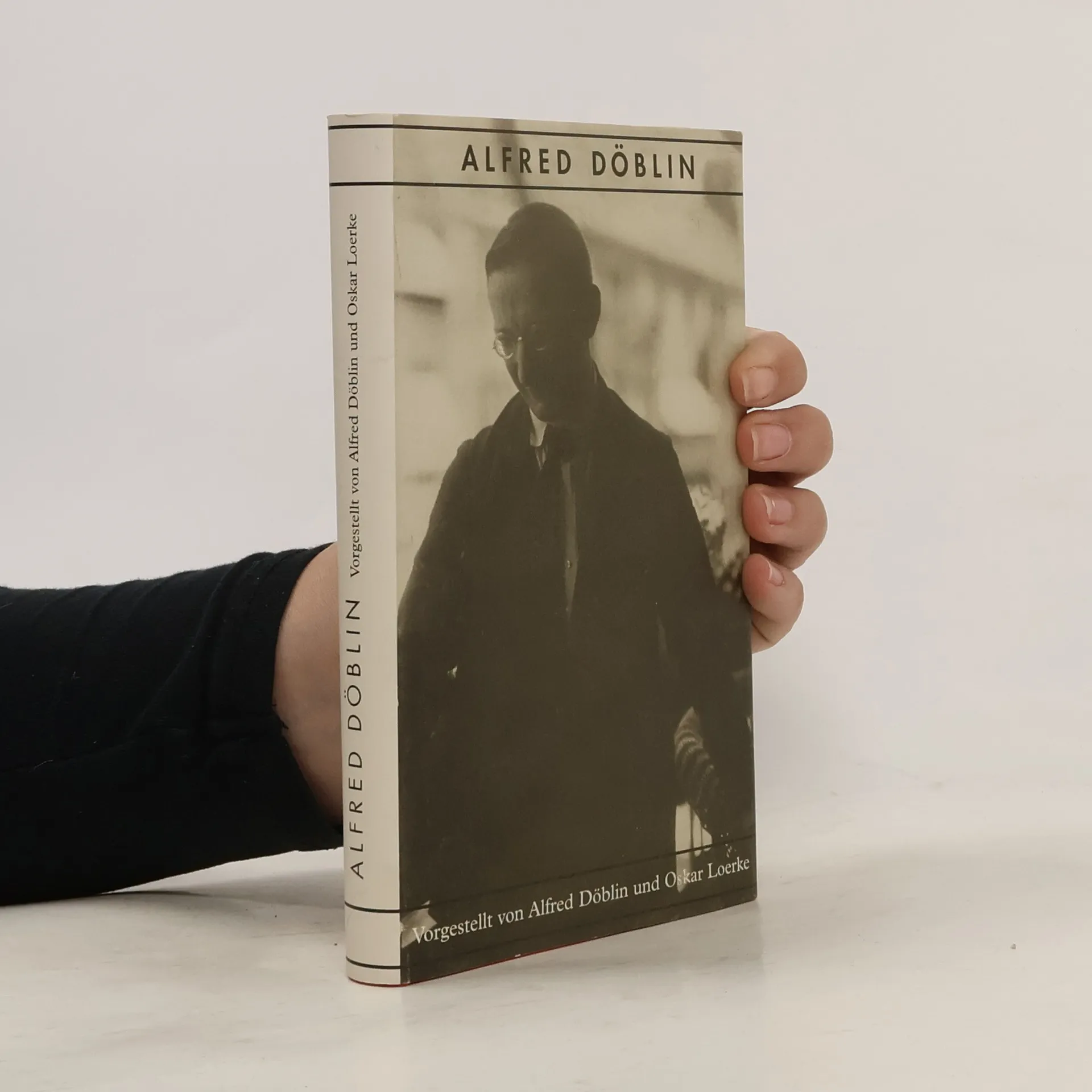
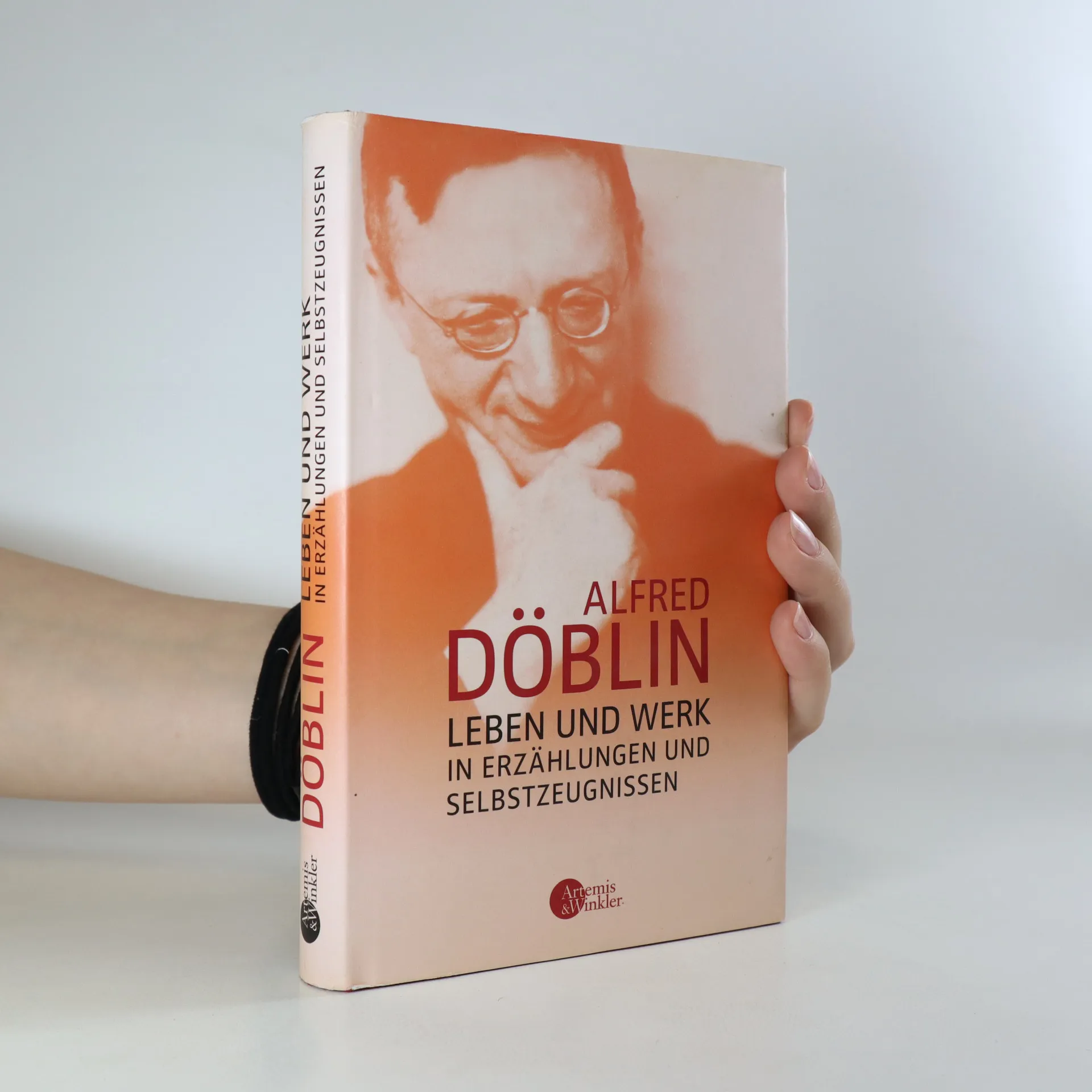
Alfred Döblin stands as a pivotal figure in German literary modernism, his extensive oeuvre navigating a diverse array of literary movements and styles. Through his novels, dramas, essays, and philosophical treatises, he delved into the complexities of modern urban life and societal structures. Döblin's distinctive voice and innovative approach to narrative make him an author whose work continues to resonate with readers seeking profound literary experiences. His literary legacy encompasses a broad spectrum of genres, reflecting his relentless exploration of the human condition.
Döblin's epic journey into Indian mythology follows the prince Manas, who, returning from a terrible battle, wishes to be "torn apart, crushed" in the realm of the dead. When his corpse is brought back, his wife Sawitri refuses to believe in her beloved's death and sets out to bring him back to life. This visually powerful, modern epic explores themes of love, loss, and the struggle against fate, presenting a narrative that is as bold as it is successful, and as extraordinary as it is surprising.
In his visionary future novel, "Mountains Oceans Giants," Döblin constructs a negative utopia. Presented as a future universal history divided into nine books, he depicts a technized, industrialized society marked by urbanization, massification, alienation from nature, and dehumanization, extending into the 27th century. The uprising against the machines of the metropolises begins in the late 24th century. By the 26th century, the Ural War erupts, resulting in the defeat of the West. Consequently, Western peoples must venture into new territories. Greenland is to be de-iced, and to harness the necessary energy, the volcanoes of Iceland are detonated. The operation succeeds, but it simultaneously awakens the seeds of prehistoric monsters and plants, leading to the resurgence of a dinosaur world. In response, human giants are bred as a countermeasure. Both thematically and linguistically, Döblin has created an expressionist masterpiece that impressively encapsulates all the currents of the era.
The great novel of 1920s Berlin life, in a superb new translation by Michael Hofmann Franz Biberkopf is back on the streets of Berlin. Determined to go straight after a stint in prison, he finds himself thwarted by an unpredictable external agency that looks an awful lot like fate. Cheated, humiliated, thrown from a moving car; embroiled in an underworld of pimps, thugs, drunks and prostitutes, Franz picks himself up over and over again - until one day he is struck a monstrous blow which might just prove his final downfall. A dazzling collage of newspaper reports, Biblical stories, drinking songs and urban slang, Berlin Alexanderplatz is the great novel of Berlin life: inventing, styling and recreating the city as reality and dream; mimicking its movements and rhythms; immortalizing its pubs, abattoirs, apartments and chaotic streets. From the gutter to the stars, this is the whole picture of the city. Berlin Alexanderplatz brought fame in 1929 to its author Alfred Döblin, until then an impecunious writer and doctor in a working-class neighbourhood in the east of Berlin. Success at home was short-lived, however; Doblin, a Jew, left Germany the day after the Reichstag Fire in 1933, and did not return until 1945. This landmark translation by Michael Hofmann is the first to do justice to Berlin Alexanderplatz in English, brilliantly capturing the energy, prodigality and inventiveness of Döblin's masterpiece.
A marriage gone horribly wrong; a secret female friendship and affair; a murder plot. This precursor to the true crime genre is told by Alfred Döblin, one of the giants of 20th century German literature and author of Berlin Alexanderplatz, which was named as one of the Guardian Top 100 Books of All Time.
Umfassende romanhafte Freske über die turbulenten Ereignisse des Dreißigjährigen Krieges. Die Handlung beginnt kurz nach der Schlacht am Weißen Berg und nach der Flucht Friedrichs von der Pfalz aus Böhmen. Sie endet mit dem Tod Wallensteins und seines Gegenspielers Ferdinand II. Der Autor charakterisiert die Wesenszüge beider Protagonisten sowie deren Machtambitionen. Der Roman ist in vielerlei Hinsicht poetische Fiktion, obwohl der Autor aus historischen Quellen schöpft, sodass sich farbenfrohe Bilder aus dem Hofleben mit Kriegsszenen in raffiniertem Kontrapunkt abwechseln.
„Der deutsche Maskenball“ und „Wissen und verändern!“ sind bedeutende politische Schriften von Döblin, verfasst unter dem Pseudonym Linke Poot. Tucholsky lobt den einzigartigen Witz und die prägnante Auseinandersetzung mit den gesellschaftlichen Fragen des neuen Deutschlands.
In German, softbound. Eine deutsche Revolution. Erzählwerk in drei Teilen. Nach dem Text der Erstausgabe (1949) mit einem Vorspiel aus Bürger und Soldaten 1918. 551 pages.
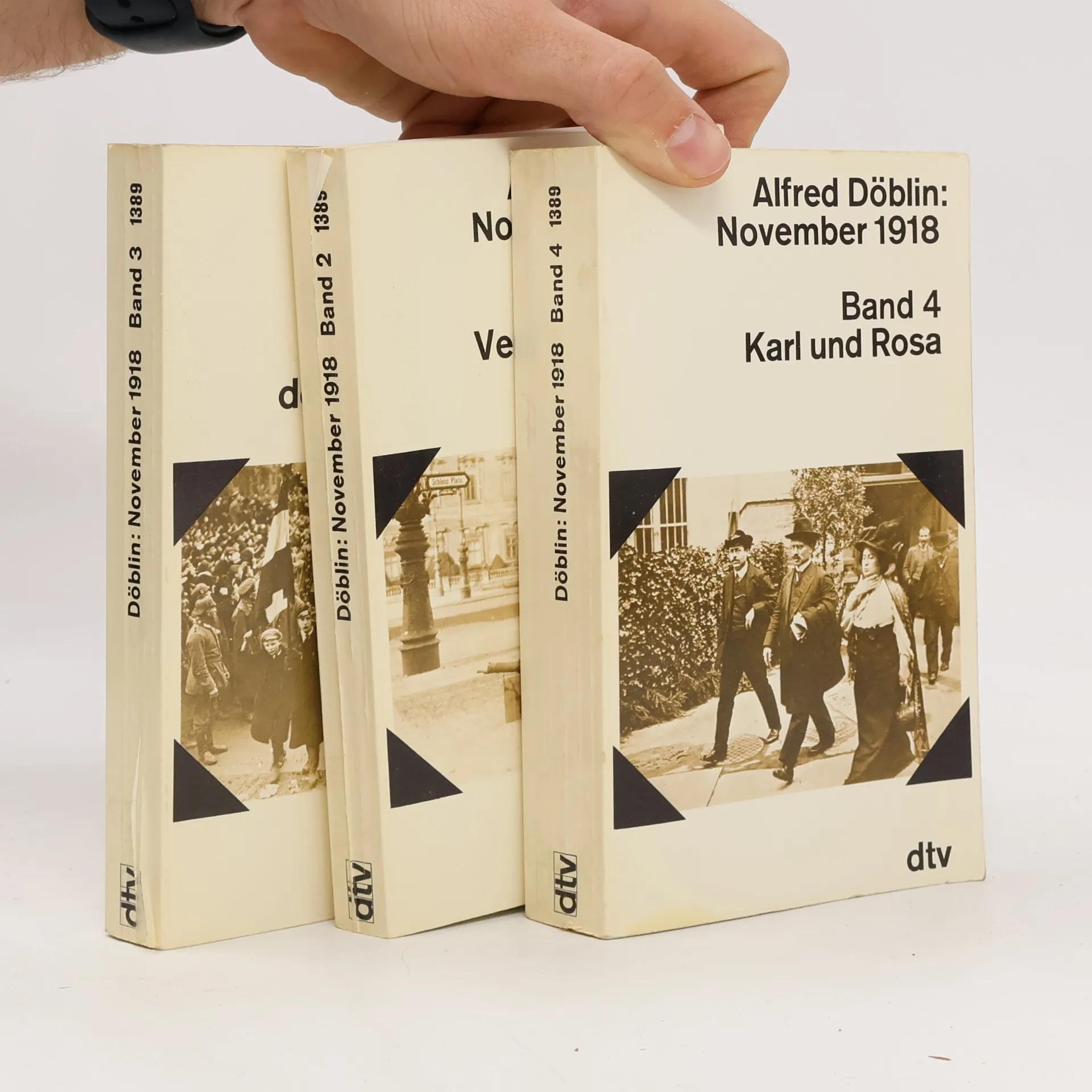
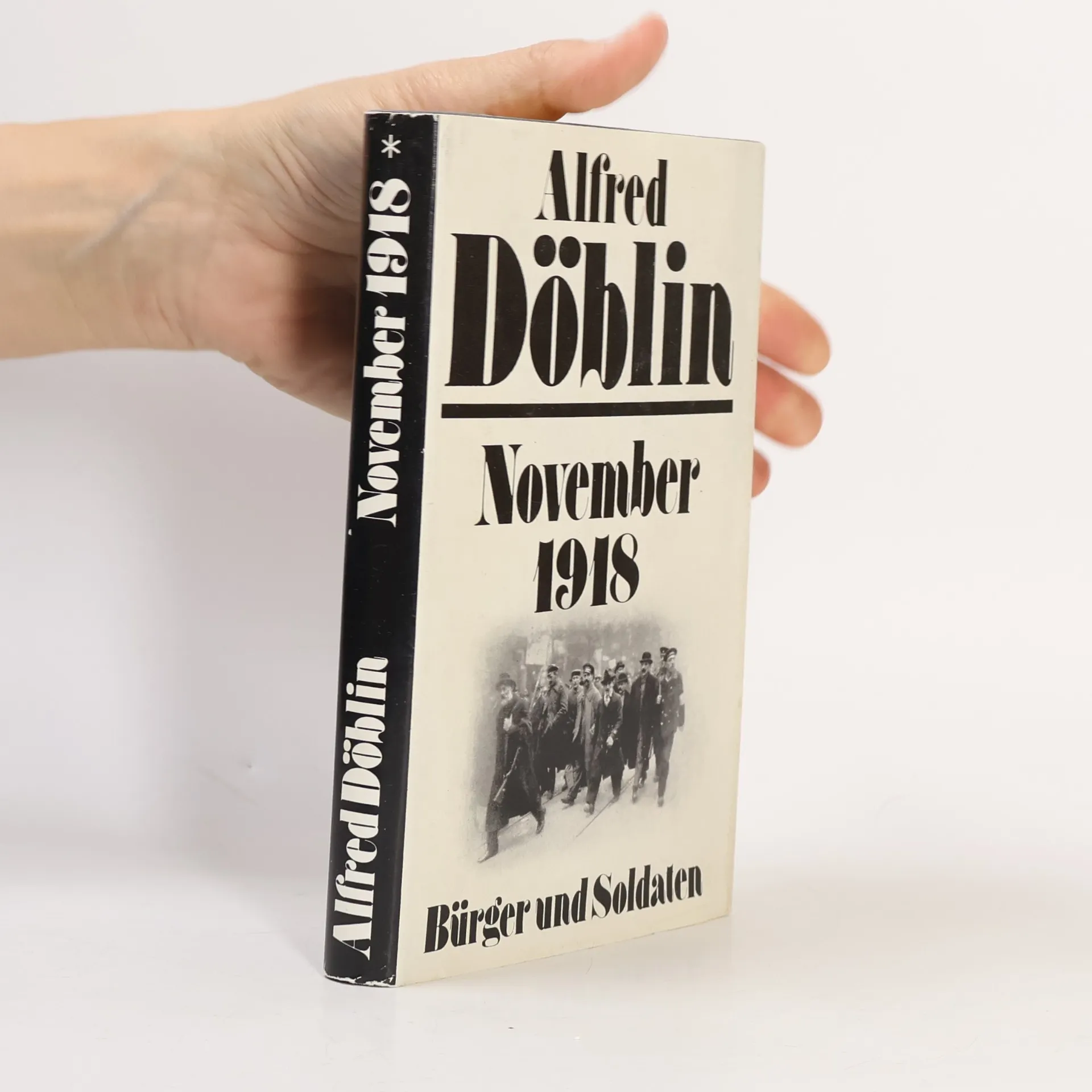
Im zweiten Band von November 1918 richtet sich Döblins kritischer Blick auf die wichtigsten politischen Protagonisten der unmittelbaren Nachkriegszeit: auf die reaktionäre Oberste Heeresleitung, auf den Spartakusbund mit Karl Liebknecht an der Spitze, vor allem aber auf den Rat der Volksbeauftragten unter Führung von Friedrich Ebert. Der Sozialdemokrat erscheint aus Döblins Sicht als großer Verräter an der Revolution, weil er sich mit den Repräsentanten der alten Ordnung einlässt. Im Grunde aber ist es das deutsche Volk selbst, das alle Hoffnungen auf einen Neuanfang verspielt.
Döblins große Südamerika-Trilogie In seiner erzählerischen Maßlosigkeit und Opulenz hat Döblins ›Amazonas‹-Trilogie nichts Geringeres zum Gegenstand als den ganzen südamerikanischen Kontinent und die vierhundertjährige Kolonial- und Gewaltgeschichte seiner europäischen Eroberung. Ein beeindruckendes Erzählwerk, das, im Pariser Exil entstanden, zugleich auch ein großes Buch der Trauer über die europäische Zivilisation ist. Mit einem Nachwort von Alexander Honold
Döblins frühe Auseinandersetzung mit Film und Rundfunk wird in diesem Band umfassend dokumentiert. Die Herausgabe seiner Filmszenarien und das Hörspiel „Die Geschichte vom Franz Biberkopf“ zeigen seine kreative Beschäftigung mit neuen Medien. Zudem sind erstmals alle Dramen Döblins enthalten, was sein literarisches Bild erweitert.
Der Erkenntnisdrang der Menschheit beginnt eines Tages die Natur zu verunsichern. So weigern sich gewaltige Wasserfälle - zu H2O degradiert - zu fließen, ein Tiger erkennt seine Jagdlust als Instinkt und stellt desillusioniert "wohin man auch empirische Sachverhälte. Von Willen keine Spur..." Döblins Erzählung ist auch heute, in einer immer schnelleren, immer fortschrittlicheren und aufgeklärten Welt merkwürdig aktuell.
Alfred Döblins letzter großer Roman – erstmals in der ursprünglichen FassungDer englische Soldat Edward Allison kehrt traumatisiert aus dem Zweiten Weltkrieg in sein Elternhaus zurück. Er fragt nach der Schuld am Krieg und löst damit einen Reigen von Erzählungen aus, die ganz unterschiedliche Facetten von Schuld beleuchten, vor allem auch innerhalb der eigenen Familie. Ein Meisterwerk der Erzählkunst, neu ediert auf der Grundlage des ursprünglichen Typoskripts.Herausgegeben von Christina Althen und Steffan Davies
Wallenstein. I und II. (of 2) by Alfred DöblinUnd wenn es in der literarischen Moderne einen Roman gibt, der von einer entfesselten, grenzenlosen Tatsachenphantasie angetrieben wird, dann ist es Döblins ›Wallenstein‹ aus dem Jahr 1920. Mit seinen opulenten und schockierenden Bildern vom Dreißigjährigen Krieg spiegelt der Roman nicht nur den zeitgenössischen Wahnsinn des Ersten Weltkriegs wider, sondern er verweist bereits auf die Barbarei, die noch kommen wird.
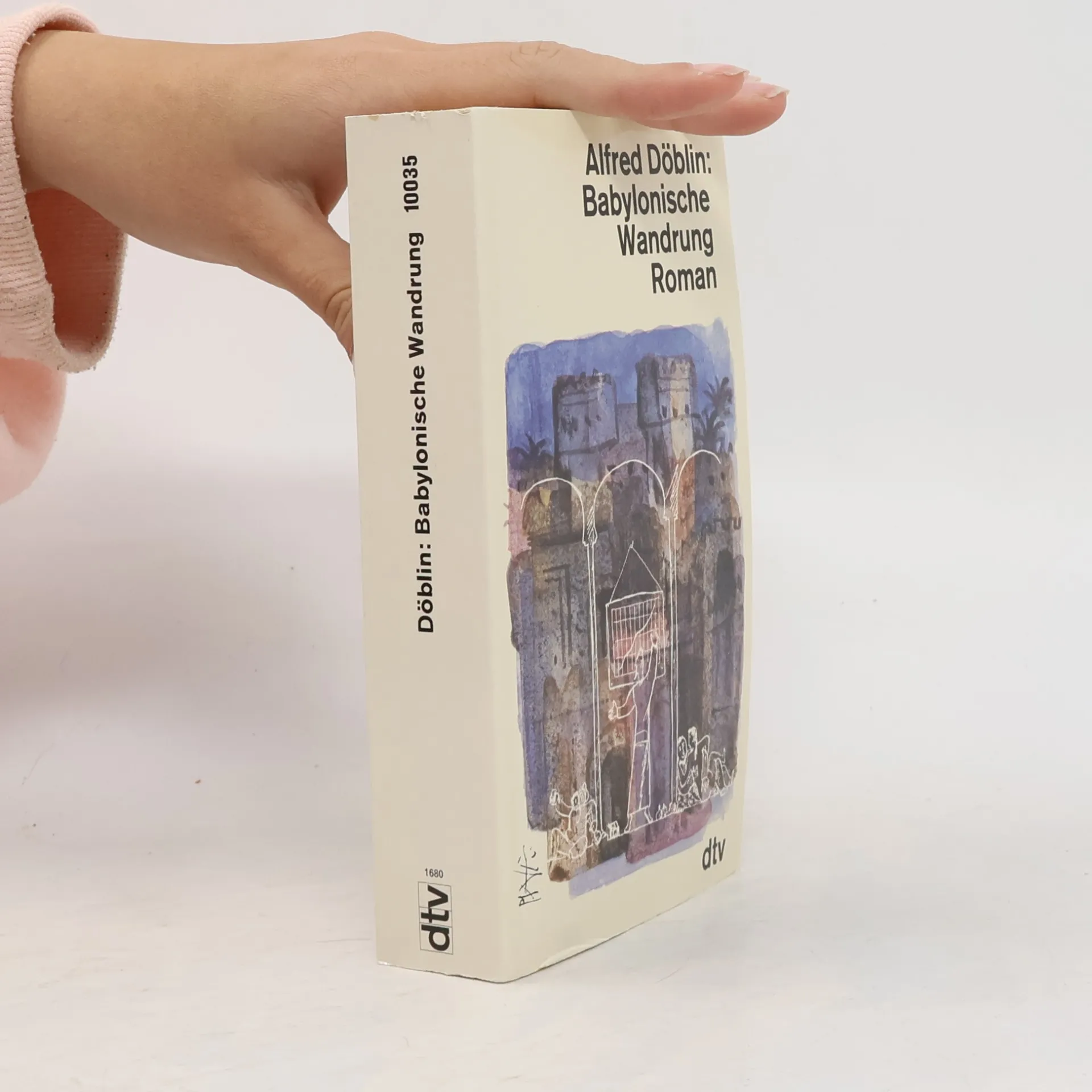
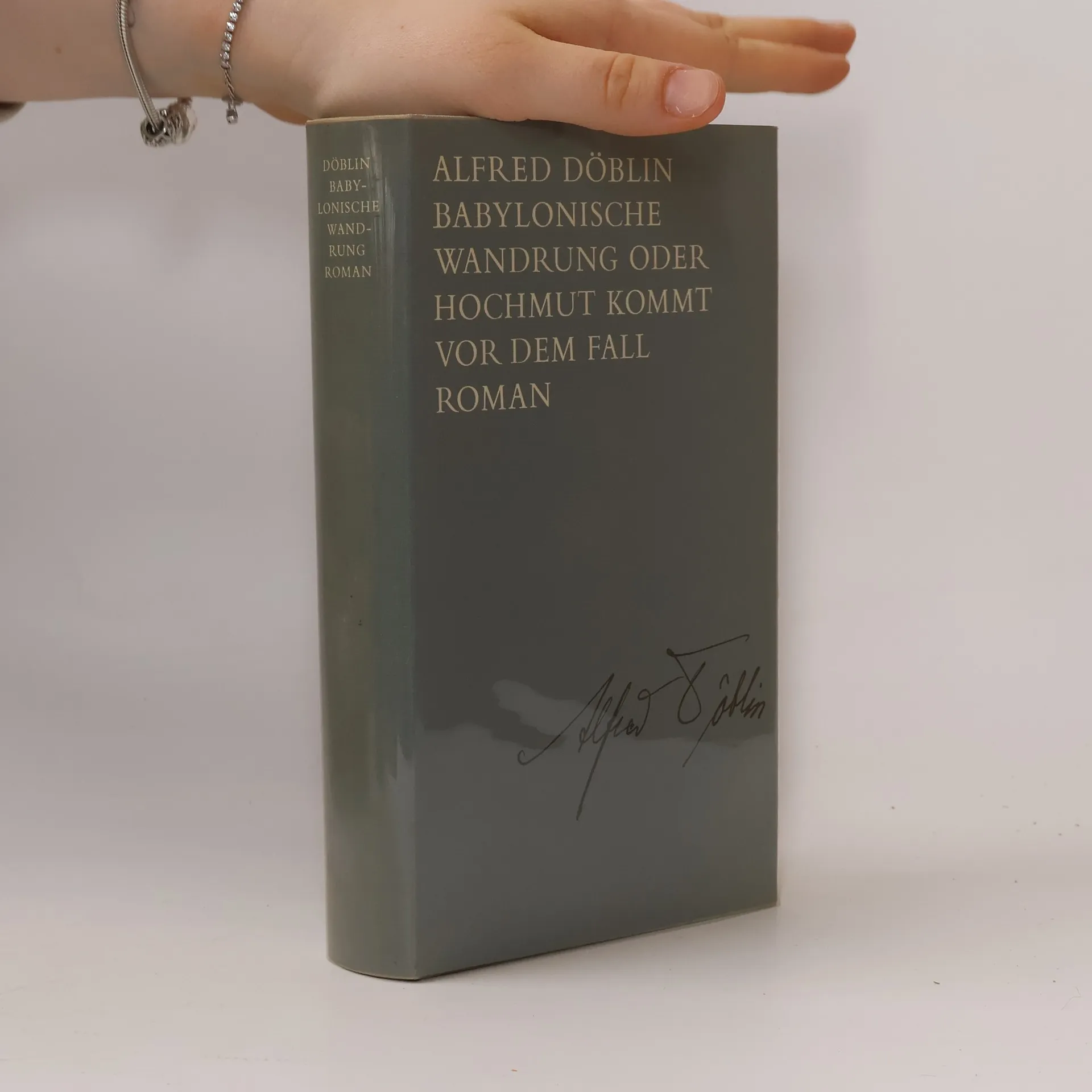
Zürich - Paris, 1933/34. Hier, im ersten Jahr leidvollen Exils, entsteht Alfred Döblins Roman von Konrad, dem babylonischen Gott, der auswandern muß, weil ihn die Menschen satt haben. Er 'wird durch den Spaß und das Elend unseres Daseins gejagt' und macht eine heilsame Wandlung durch. Kein Nebenprodukt Döblins, sondern ein Wunderwerk des Fabulierens voll burlesk-tragischen Humors und einer der wenigen großen phantastischen Romane der deutschen Literatur!
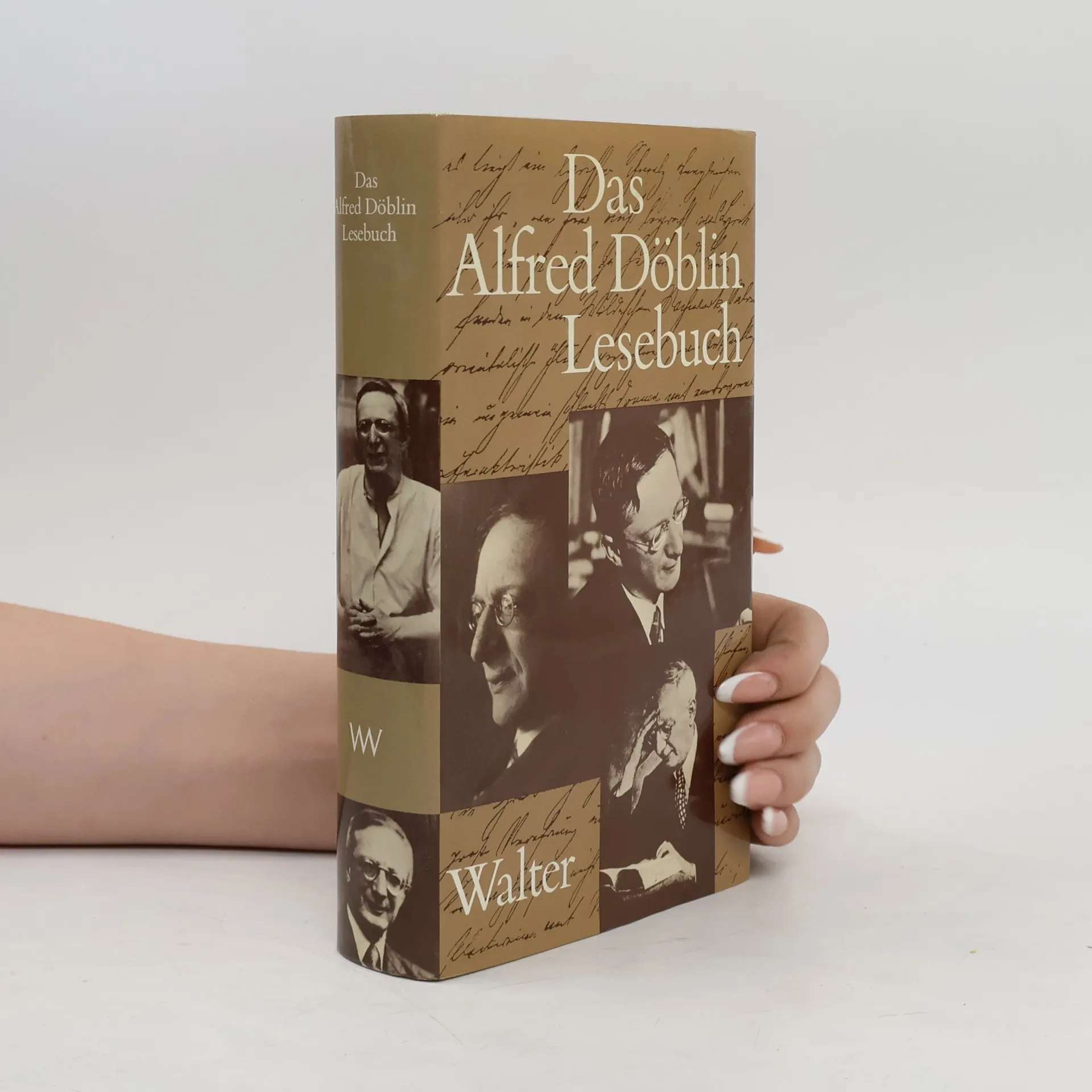
Alfred Döblin wurde vor allem durch seinen Roman ›Berlin Alexanderplatz‹ zu einem der kanonischen Autoren der literarischen Moderne. Das Lesebuch, das Nobelpreisträger Günter Grass zu Ehren Alfred Döblins zusammengestellt hat, erinnert daran, dass Döblin schon lange vor seinem Erfolgsroman ein höchst vitaler Autor der Avantgarde war und mit seinen fast vergessenen Exilromanen maßgeblich zur Aufklärung des 20. Jahrhunderts beigetragen hat. Neben Auszügen aus den wichtigsten Erzähltexten enthält das Lesebuch zahlreiche Beispiele aus Döblins kritischer Publizistik und zentrale autobiographische Dokumente. Eingeleitet wird der Band mit Günter Grass’ berühmter Rede ›Über meinen Lehrer Döblin‹.
Der Band umfasst Alfred Döblins frühe Werke, darunter die Erzählung „Modern“, den ersten Roman „Jagende Rosse“ sowie die Erzählungen „Adonis“ und „Erwachen“. Zudem enthält er den Roman „Der schwarze Vorhang“, der die Sexualität eines jungen Mannes thematisiert und zufällig in Zürich entdeckt wurde.
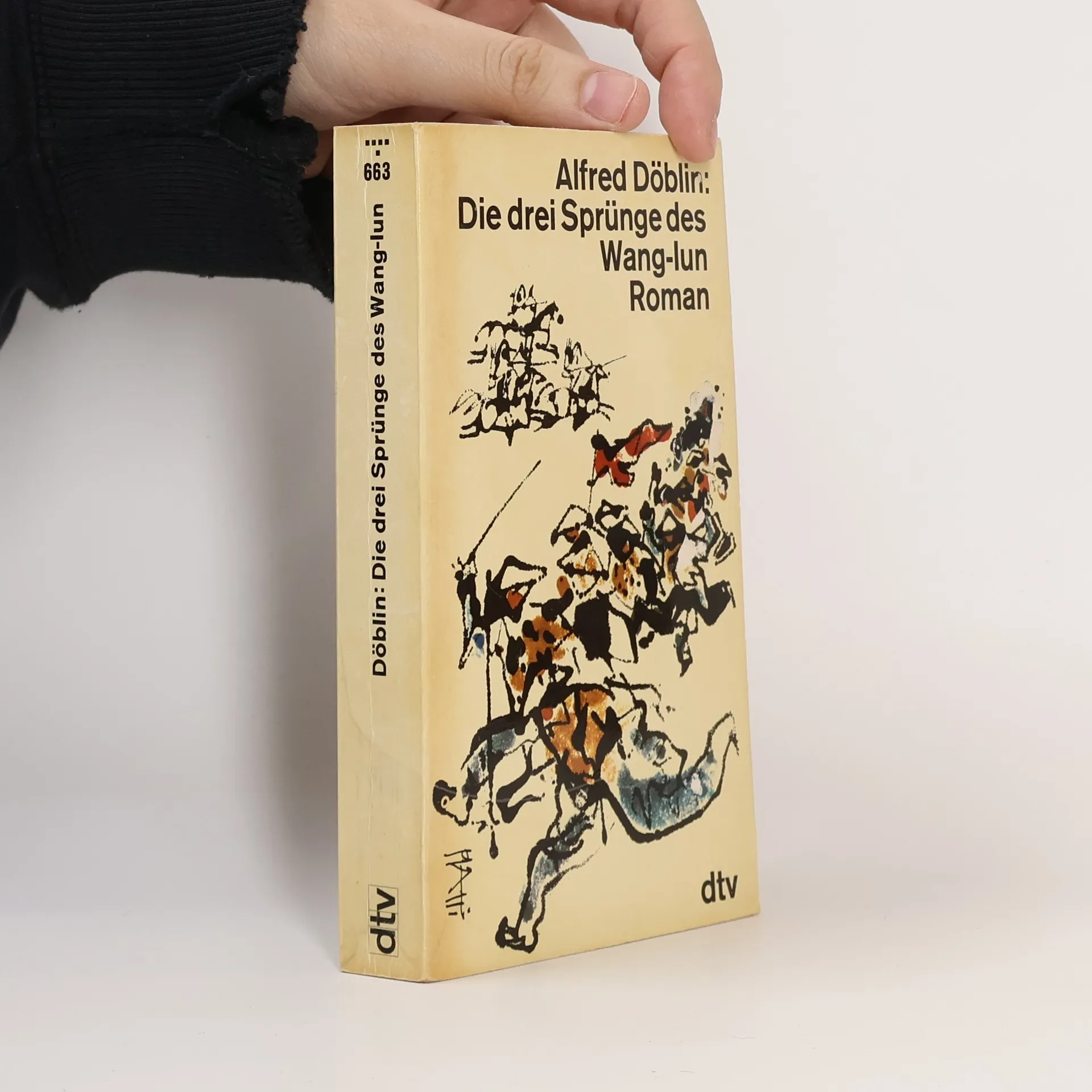
Döblins Debütroman aus dem Jahre 1915 wurde als das erste Meisterwerk expressionistischer Erzählkunst bewundert. Der Roman, der im China des 18. Jahrhunderts spielt und zum ersten Mal ungeheure Menschenmassen agieren lässt, markiert den Beginn der Moderne. Die Geschichte des armen Fischersohnes Wang-lun, der zum Anführer einer pazifistischen Sekte wird, aber schließlich doch zu den Waffen greift, ist eine Parabel auf die Unmöglichkeit einer friedlichen Welt.
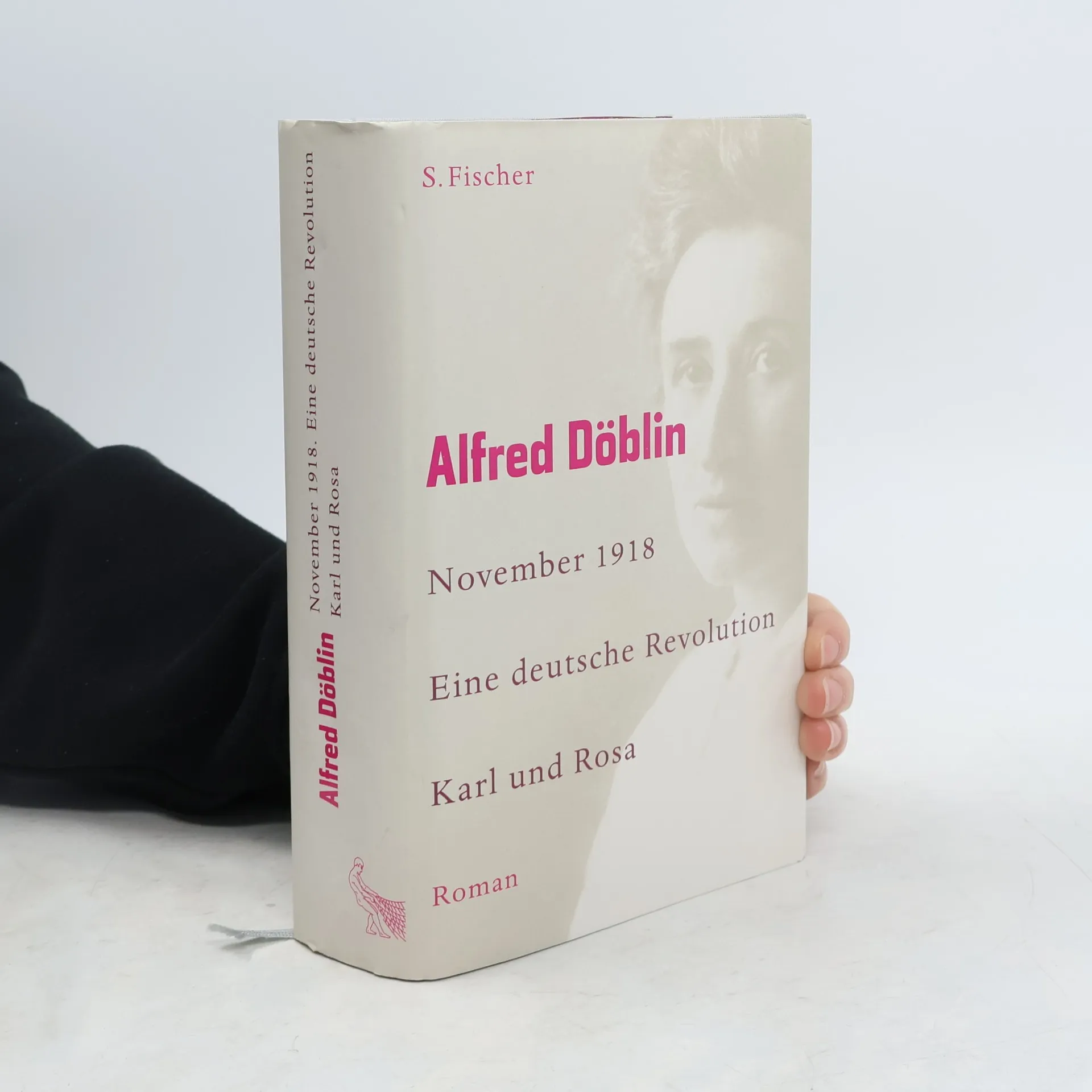
Alfred Döblins monumentales Erzählwerk über die Novemberrevolution Wie in allen vier Bänden von ›November 1918‹ geht es auch in diesem Roman um das Scheitern politischer Hoffnungen und die Vorgeschichte des Nationalsozialismus. Im Mittelpunkt steht das einfühlsame, vielschichtige Porträt Rosa Luxemburgs. In ihrer persönlichen Geschichte und brutalen Ermordung spiegelt sich das Scheitern der deutschen Revolution. Mit einem Nachwort von Helmuth Kiesel
Berlin in den frühen Dreißigerjahren: Die elegante Jessika kehrt nach einem Opernabend in ihre Grunewald-Villa zurück und entdeckt erleichtert die Pelzjacke ihrer besten Freundin Marjorie. Doch bald macht sie eine grauenvolle Entdeckung. Gemeinsam mit dem populären Krimiautor Frank Arnau initiierte der Herausgeber Willy Haas ein Experiment: Acht renommierte Autoren schrieben in Fortsetzungen einen Kriminalroman. Während drei Autoren – Alfred Döblin, Gabriele Tergit und Richard Huelsenbeck – bis heute bekannt sind, sind die anderen – Manfred Hausmann, Erich Ebermayer, Edlef Köppen, Kurt Heuser und Frank Arnau selbst – nur noch Kennern ein Begriff. Ursprünglich als PR-Aktion gedacht, um die Leser der Literarischen Welt während der Ferienzeit zu unterhalten, wurde der Roman von einem Preisausschreiben begleitet, bei dem eine Reise nach Moskau und Leningrad winkte. Von Juni bis August 1932 erschien wöchentlich eine Fortsetzung der Geschichte. Jeder Autor erhielt die Teile der anderen, um die Handlung fortzuspinnen, was zu einem absurden Durcheinander von Schauplätzen und Wendungen führte – heute ein besonders unterhaltsames Lesevergnügen. Im Nachwort rekonstruiert Erhard Schütz die Hintergründe des Kollektivromans und beleuchtet das Zusammenspiel von Presse und Literatur kurz vor dem Machtantritt der Nationalsozialisten.
Ein grandioser Familien- und WirtschaftsromanEine Witwe zieht nach Berlin und versucht sich dort mit ihren drei Kindern durchzuschlagen. Nach einem gescheiterten Selbstmordversuch richtet sich ihr neu erwachter Ehrgeiz auf die Karriere des ältesten Sohnes. Und tatsächlich gelingt dem Sohn der gesellschaftliche Aufstieg. Dann aber stellt die Wirtschaftkrise plötzlich wieder alles in Frage… Wie immer bei Döblin erzählt auch dieser Familienroman aus dem Jahr 1935 zugleich die Geschichte einer ganzen Epoche.
Wadzek y Rommel, los protagonistas de la novela, son dos industriales cuya única razón para vivir es la de superarse entre ellos y, de paso, aniquilarse el uno al otro. Rommel, un personaje ambicioso, extremado, actúa de manera sibilina contra su más firme competidor, Wadzek, quien, de este modo, se convertirá en víctima del sistema o, al menos, así lo percibe él, lo que hace que se vea obligado a arrastrar a toda su familia en una huida desaforada de un Berlín desproporcionado, caótico y tremendo... Wadzek contra la turbina de vapor (1918), para muchos la clara predecesora de la obra maestra de Alfred Döblin, Berlin Alexanderplatz, constituye una magistral y divertidísima sátira del capitalismo salvaje.
"Germany. A Winter's Tale" is the literary result of Heinrich Heine's journey through Germany in 1843. As a "foreigner" who left Germany in 1931, he returns to meet his mother and his publisher, Campe. From a distance, he critiques the stagnant social, political, and cultural conditions of Restoration Germany. Heine's "travel picture" initially appears to be a travelogue featuring stops in Aachen, Cologne, and Hamburg, but it is, in fact, a satire written shortly after his return to French exile. Upon its publication in 1844, Heine faced severe attacks from the press; the work was banned and censored. Nevertheless, it was published in full later that year in the social-revolutionary journal "Vorwärts," edited by Karl Marx. Heine, who offers radical political criticism, also expresses a deep connection to Germany and a desire for change: "Plant the black-red-gold flag at the height of German thought, make it the standard of free humanity, and I will give my best heart's blood for it." Heine's satirical epic represents the pinnacle of his work and holds a unique place in 19th-century poetry.
Erzählen als Experiment Als »Miniatur-Meisterwerke des Expressionismus« und »moderne Märchen« hat man Döblins frühe Erzählungen bezeichnet. Am berühmtesten wurde seine Erzählung ›Die Ermordung einer Butterblume‹, die bis heute neben Schnitzlers ›Leutnant Gustl‹ oder Kafkas ›Urteil‹ als einer der Schlüsseltexte der Moderne gilt. Diese Neuedition enthält sämtliche Texte der zu Döblins Lebzeiten publizierten Erzählungsbände, außerdem eine umfangreiche Auswahl einzelner Erzählungen aus den Jahren 1896 bis 1953. Zu entdecken sind dabei einige der schönsten und experimentierfreudigsten Prosatexte der deutschen Literatur, die völlig zu Unrecht im Schatten von ›Berlin Alexanderplatz‹ stehen. Mit einem Nachwort von Heinz Drügh und Christian Metz
Döblins Erzählungen von 1917 erscheinen erstmals als Taschenbuch. Der ›Lobensteiner‹-Zyklus umfasst zwölf Novellen, die Gaunergeschichten, Kriminalfälle und Märchen vereinen. Döblins Sprache ist prägnant und kontrastreich, mit einer Montage-Technik, die Paradoxien und Widersprüche thematisiert. Der Band enthält ein Nachwort und Betrachtungen zu den Erzählungen.
Döblin, Alfred – Klassiker der deutschen Literatur
68 pages
3 hours of reading
1930, ein Jahr nach dem Erscheinen von »Berlin Alexanderplatz«, verfaßte Döblin dieses Hörspiel nach Motiven seines Romans. Aber erst bei der Wiederentdeckung im Jahre 1962 erkannte man es als einen Meilenstein der Rundfunkgeschichte: kühne Montagen, milieugenau zupackende Sprache und prägnante Charakterzeichnung.
Döblins große Südamerika-Trilogie "Ihr seid in einer grauenhaften Unwissenheit", sagt der Häuptling am Ende der ›Amazonas‹-Trilogie zu den Europäern. Alfred Döblins im Exil entstandenes Erzählwerk veranschaulicht diese koloniale Ignoranz und ist so gesehen auch ein großes Buch der Trauer über die europäische Zivilisation. Darüber hinaus aber ist es der beeindruckende Versuch, dem unbekannten südamerikanischen Kontinent, seiner Natur, dem Wald und Wasser, den Tieren und Menschen, eine Vielzahl von Stimmen, Bildern und Geschichten zu verleihen. Ein opulent erzähltes Romanwerk, das unserer bis heute bestehenden Unwissenheit das ›Wissen‹ einer Tatsachenphantasie" entgegensetzt, die so überbordend und mitreißend ist wie der Amazonasstrom.
Döblins große Südamerika-Trilogie "Ihr seid in einer grauenhaften Unwissenheit", sagt der Häuptling am Ende der ›Amazonas‹-Trilogie zu den Europäern. Alfred Döblins im Exil entstandenes Erzählwerk veranschaulicht diese koloniale Ignoranz und ist so gesehen auch ein großes Buch der Trauer über die europäische Zivilisation. Darüber hinaus aber ist es der beeindruckende Versuch, dem unbekannten südamerikanischen Kontinent, seiner Natur, dem Wald und Wasser, den Tieren und Menschen, eine Vielzahl von Stimmen, Bildern und Geschichten zu verleihen. Ein opulent erzähltes Romanwerk, das unserer bis heute bestehenden Unwissenheit das ›Wissen‹ einer Tatsachenphantasie" entgegensetzt, die so überbordend und mitreißend ist wie der Amazonasstrom.
In "Das Land ohne Tod", dem ersten Band der "Amazonas: Romantrilogie", wird die Geschichte einer Expedition in das geheimnisvolle Amazonasgebiet erzählt. Die Protagonisten, darunter der Abenteurer und Naturforscher, sind auf der Suche nach einem mythischen Land, in dem das Leben und der Tod in einem anderen Licht erscheinen. Die Erzählung thematisiert die Konfrontation zwischen Zivilisation und Natur, sowie die Suche nach Identität und dem Sinn des Lebens in einer fremden Welt.
Die Charaktere sind vielschichtig und repräsentieren unterschiedliche Perspektiven auf den Amazonas und seine Bewohner. Sie erleben sowohl die Schönheit als auch die Gefahren des Dschungels, während sie mit ihren eigenen inneren Konflikten und der Frage nach der Ethik ihrer Unternehmungen kämpfen. Die Erzählung ist geprägt von einer dichten, atmosphärischen Sprache, die die lebendige Flora und Fauna des Amazonas einfängt und gleichzeitig tiefere philosophische Fragen aufwirft.
Döblin und Stauffacher schaffen es, die Leser in eine Welt voller Wunder und Herausforderungen zu entführen, in der die Grenzen zwischen Realität und Mythos verschwimmen. Der erste Band legt den Grundstein für die weiteren Entwicklungen in der Trilogie und eröffnet einen Dialog über die Beziehung zwischen Mensch und Natur.
In einer eindrucksvollen Szenerie in der Münchener Residenz entfaltet sich eine tiefgründige Auseinandersetzung mit der Beziehung zwischen Mensch und Gott. Ein glutäugiger Priester, gekleidet in einem schwarzen Jesuitenrock, vermittelt eine provokante Botschaft: Die Liebe zu Gott ist eine Sünde, da sie ihn erniedrigt. Stattdessen betont er die Notwendigkeit, Gott mit Ehrfurcht und Grauen zu begegnen, und stellt die Vorstellung von einer persönlichen Beziehung in Frage. Diese düstere Perspektive auf das Göttliche regt zur Reflexion über Glauben und die menschliche Existenz an.
In der alten Stadt Schan-hai-kwan wird der junge Chao-lao-sü, Sohn des Generals Chao-hoei, niedergeschlagen und entehrt. Während sein Vater droht, die Stadt zu bestrafen, nutzt der Stadtpräfekt seine Klugheit, um die Situation zu meistern. Alfred Döblin gilt als wichtiger Vertreter des literarischen Expressionismus.
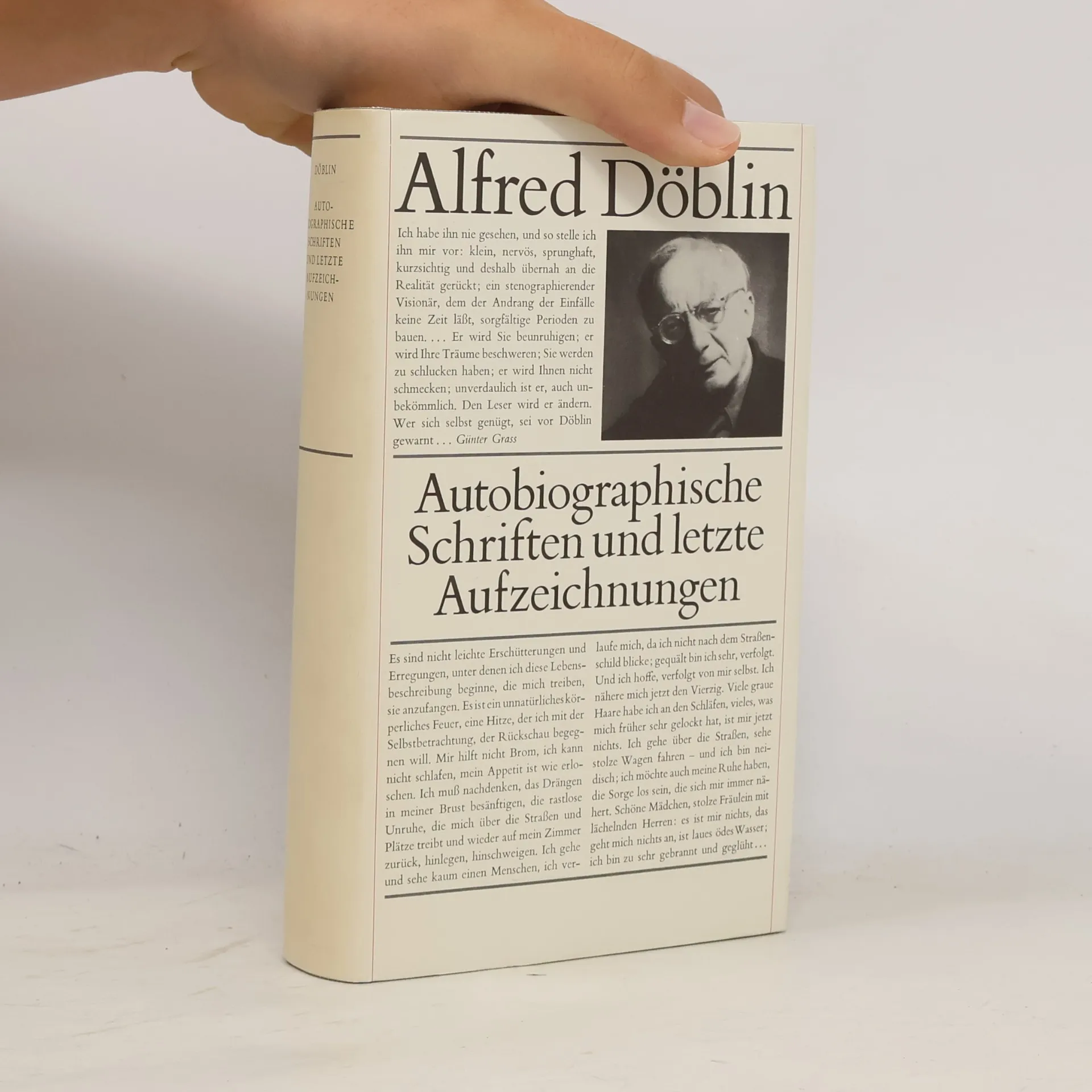
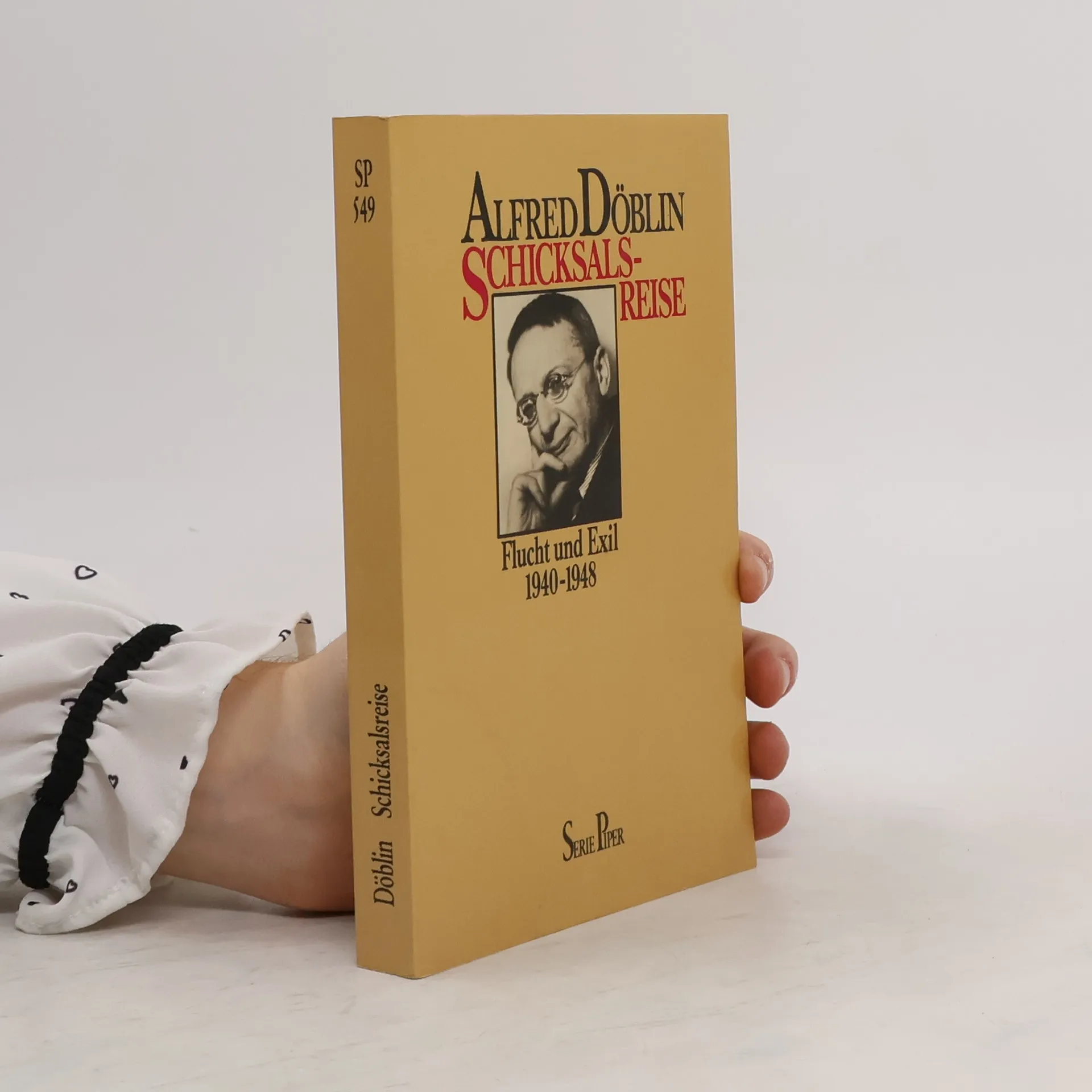
»Zwei Seelen in einer Brust« enthält 66 Texte von Döblin, darunter viele bislang unveröffentlichte oder aus dem Nachlass stammende Schriften. Diese Texte sind entscheidend für das Verständnis dieses bedeutenden deutschen Autors, der, wie Günter Grass bemerkte, »wagte, mit seinen Widersprüchen zu leben«.
Zum 50. Todestag von Alfred Döblin am 26.6.2007 Das Lesebuch zeichnet anhand von Erzählungen und autobiographischen Texten die Stationen des großen Dichters nach. Wir erfahren von Döblins Jugend, seiner führenden Rolle im pulsierenden Berlin der 20er Jahre, seinem mühevollen Leben im Exil und seiner Rückkehr nach Deutschland, wo er seit 1945 erfolgreich für einen demokratischen Neubeginn wirkte. Am 26. Juni 1957 starb Alfred Döblin im badischen Emmendingen. 'Alfred Döblins Werk, das ist das 20. Jahrhundert in Literatur gefasst.' (Die Zeit) Mit einem Essay von Günter Grass.
Joseph Roth: Ich will hier heimise.. Der nicht zu Hause. Ich möchte kommen und gehen, kommen und gehen. Thomas Mann: Schließlich, man braucht eine Kommode! Anaïs Nirs: Dagegen habe ich festgestellt, daß die Betten fremder Hotelzimmer, in denen anonyme Liebende gelegen hatten, meine Einbildungskraft anstachelten. Kurt Tucholsky: In einem fremden Hotelzimmer öffnet man das Fenster und macht es wieder zu und geht hin und her. Dann lege ich den Kopf an die Scheibe und mache ein dummes Gesicht. Die Nägel könnte ich mir auch mal schneiden. Was tue ich eigentlich hier? Franz Kafka: Ich kann fast von jedem Hotelzimmer, in dem ich gelebt habe, nur das Beste erzählen. Eine Liebeserklärung an das Leben im Hotel.
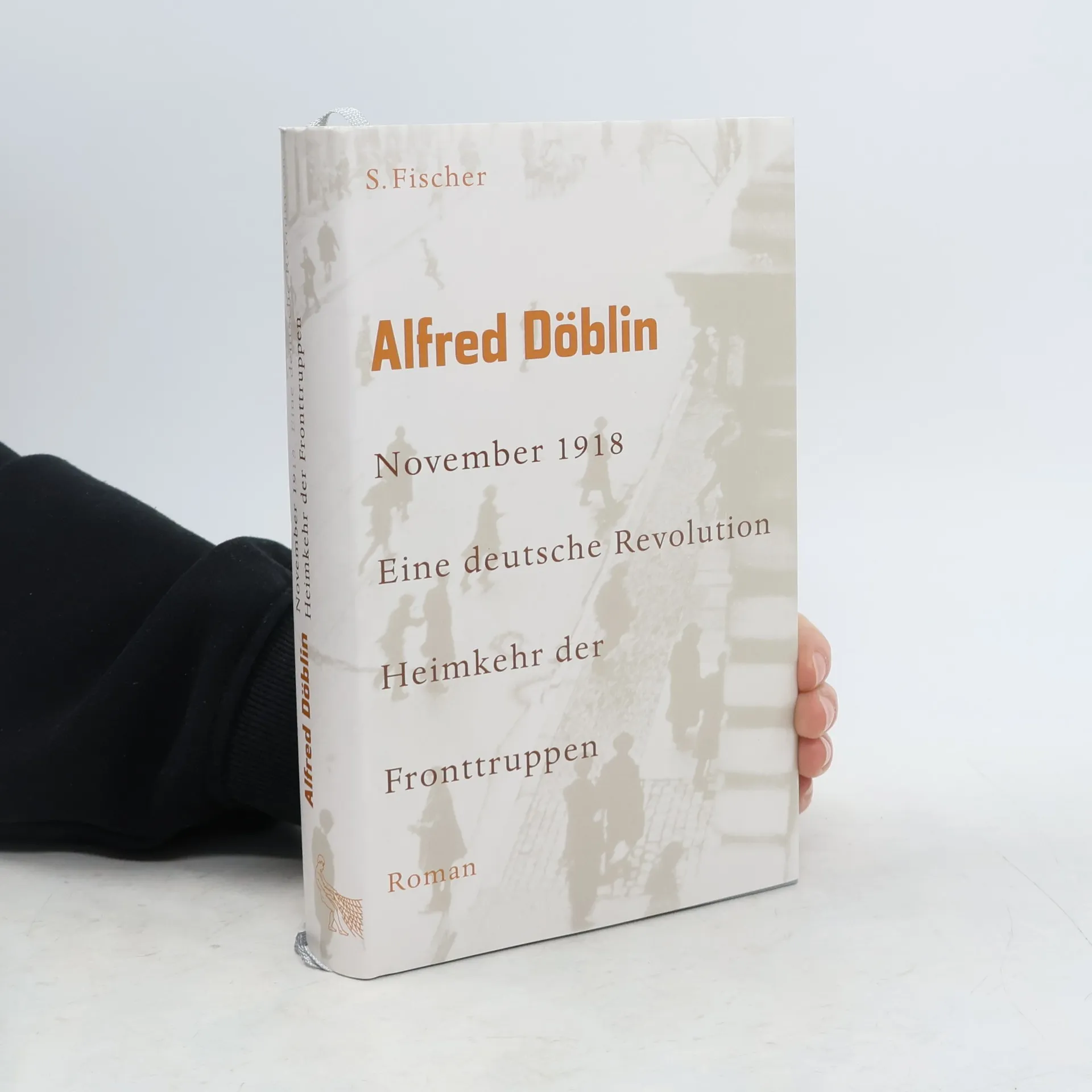
Erzählwerk in drei Teilen. Zweiter Teil, Zweiter Band: Heimkehr der Fronttruppen
"Heimkehr der Fronttruppen" widmet sich der verlorenen Generation der Kriegsheimkehrer. Mit dem jungen Freicorpsoffizier Johannes Maus steht in diesem Roman ein spießiger Kleinbürger im Vordergrund, der mit seinem Kampf für ein vermeintlich gesundes Deutschland bereits auf die Zeit des Nationalsozialismus verweist. Wie die anderen Bände von "November 1918" ist auch dieser Roman im Exil entstanden und liefert eine erste, hellsichtige Analyse des nationalsozialistischen Erfolgs.