
Explore the latest books of this year!
Bookbot

Claudio Magris

    10. April 1939

    Claudio Magris is a distinguished Italian author whose work often delves into the interconnectedness of European history and culture. His literary approach is marked by a profound interest in multicultural heritage, which he brings to life through keen observations and historical reflections. Through his writing, he uncovers the intricate tapestry of European identity, tracing its course across the continent. Magris imbues his works with a rich blend of scholarly depth and a passionate engagement with the human experience.

    Claudio Magris
    Der habsburgische Mythos in der österreichischen Literatur
    Trieste. Une identité de frontière
    Necropolis
    A Different Sea
    Microcosms
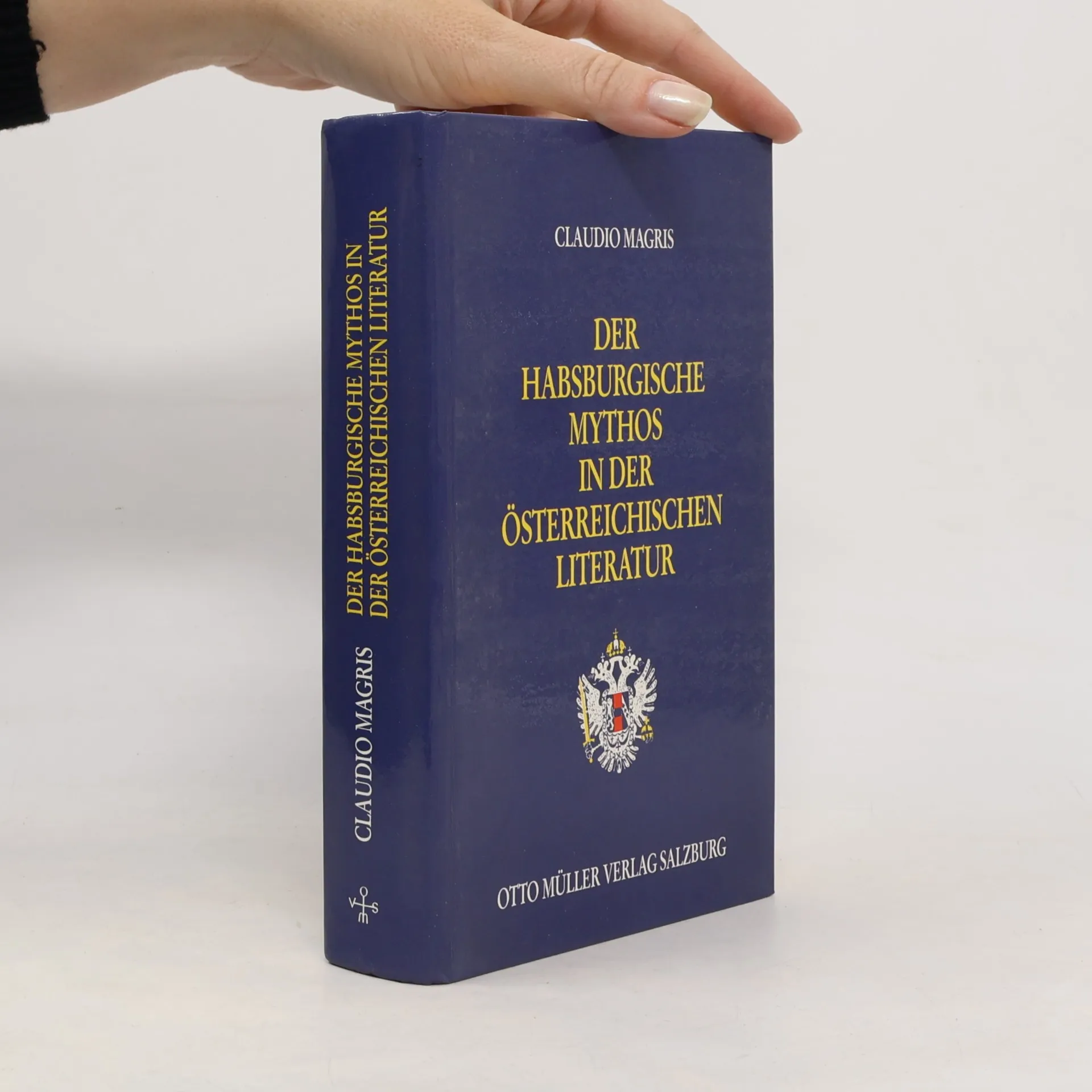
    Danube
    • Danube

      • 416 pages
      • 15 hours of reading

      A triumphant celebration of a river that has forever been at the center of the great movements of history.In this fascinating journey through the history and culture of the Danube, Claudio Magris, whose knowledge is encyclopedic and curiosity limitless, invites the reader to accompany him along the whole course of the river, from the Bavarian hills through Austro-Hungary and the Balkans to the Black Sea. In each town he raises the ghosts that inhabit the houses and monuments: Kafka and Freud; Wittgenstein and Marcus Aurelius; Lukcs, Heidegger, and Cline; Canetti and Ovid. He also encounters a host of more obscure but no less intriguing personalities--philosophers, novelists, diplomats, and patriots--on an odyssey that brings middle-European culture to life in its most picturesque and evocative forms.Danube is among the first of a new list of nonfiction paperbacks published as Harvill Press Editions.
      Danube
      3.9
    • Microcosms

      • 288 pages
      • 11 hours of reading

      In the tiny borderlands of Istria and Italy, from the forests of Monte Nevoso, to the hidden valleys of the Tyrol, to a Trieste cafe, Microcosms pieces together a mosaic of stories - comic, tragic, picaresque, nostalgic - from life's minor characters.
      Microcosms
      3.6
    • A Different Sea

      • 112 pages
      • 4 hours of reading

      Early this century Enrico, a young intellectual, leaves the city of Gorizia with its abundant population and culture, to spend several years living on the Patagonian pampas, alone with his ancient Greek texts, his flocks and, every now and then, a woman.
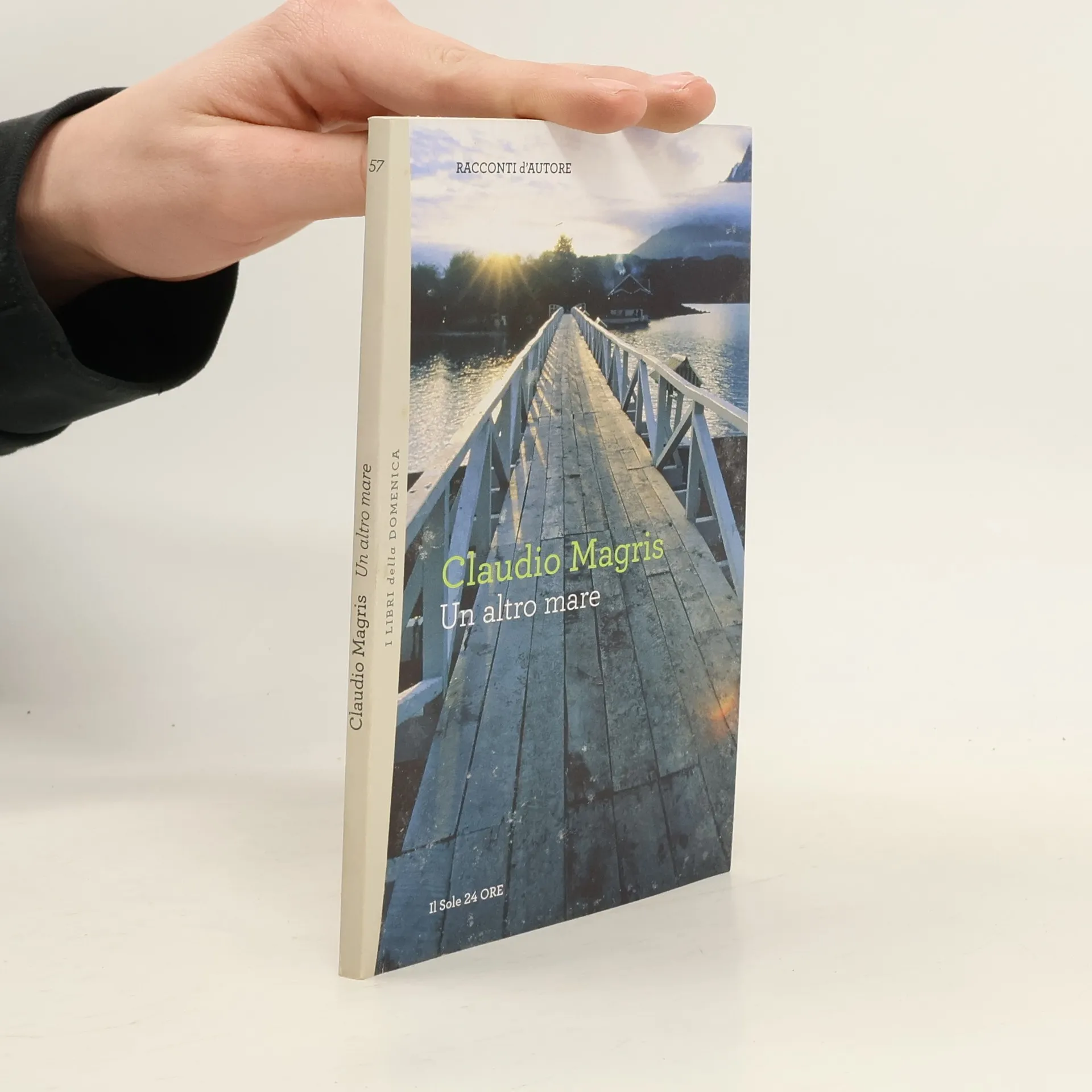
      A Different Sea
      3.5
    • Necropolis

      • 192 pages
      • 7 hours of reading

      A classic of Holocaust literature from the camps' oldest known survivor; introduced by Alan Yentob

      Necropolis
      4.7
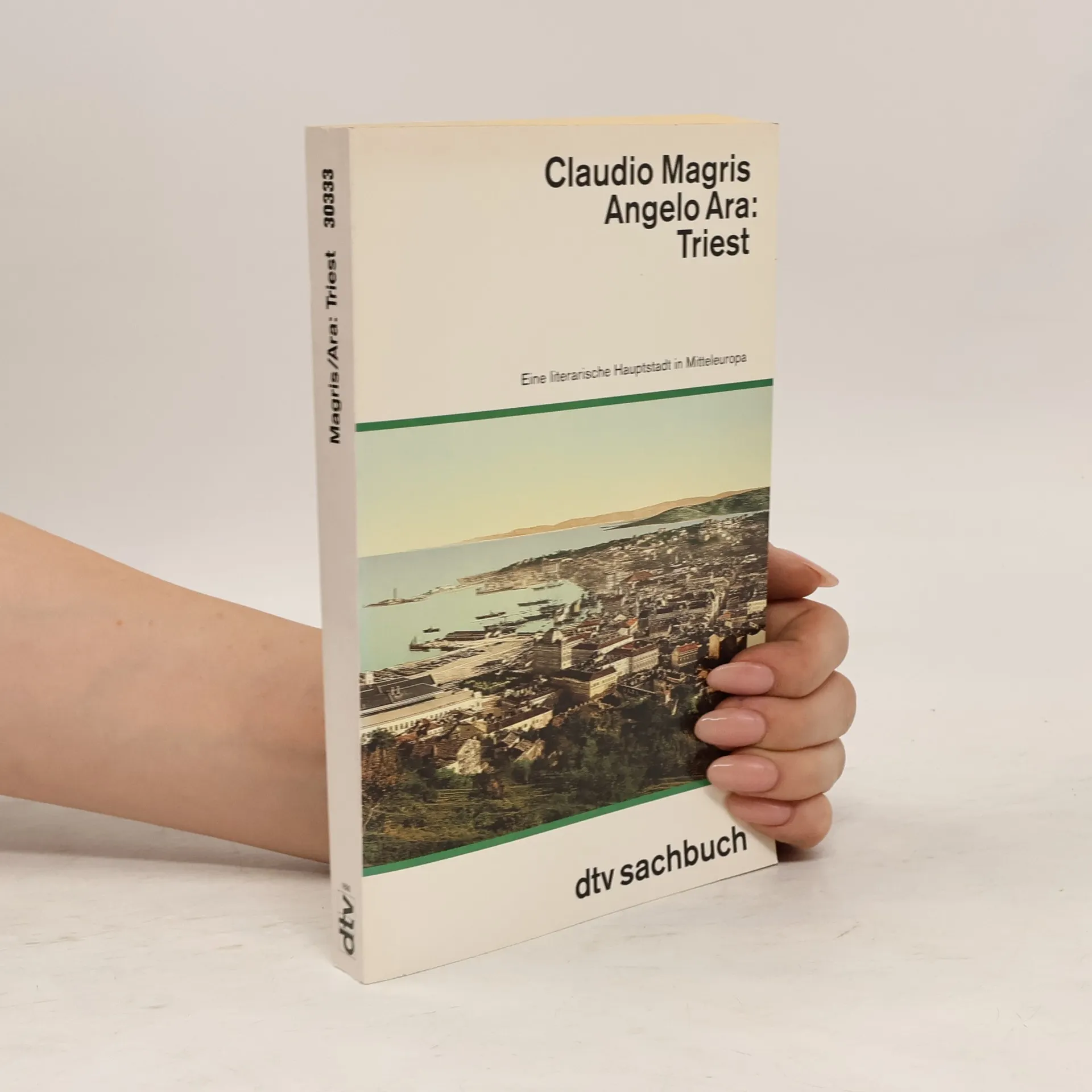
    • Trieste. Une identité de frontière

      • 288 pages
      • 11 hours of reading

      Gagner, mériter, revendiquer l’identité de celui qui n’est nulle part, c'est-à-dire d’une ville de frontière, pôle d’attraction grâce à son dynamisme économique, melting-pot où se côtoient la culture italienne, la tradition germanique, l’effervescence slave, enjeu d’un combat entre l’Italie et l’Autriche, puis la Yougoslavie ? cette ville qui « est littérature » et que hantent les grandes figures de Svevo, de Saba et de Joyce et de tant d’autres… Les auteurs se sont attachés à faire le point de tous les tiraillements linguistiques, démographiques, politiques et culturels ayant présidé à « l’identité de frontière » de cette fille naturelle de Vienne et adoptive de Rome, de ce carrefour jadis stratégique de la Mitteleuropa, nostalgique et boulimique de ses splendeurs passées, qui reste une des capitales littéraires du siècle et le laboratoire de l’Europe.

      Trieste. Une identité de frontière
      4.0
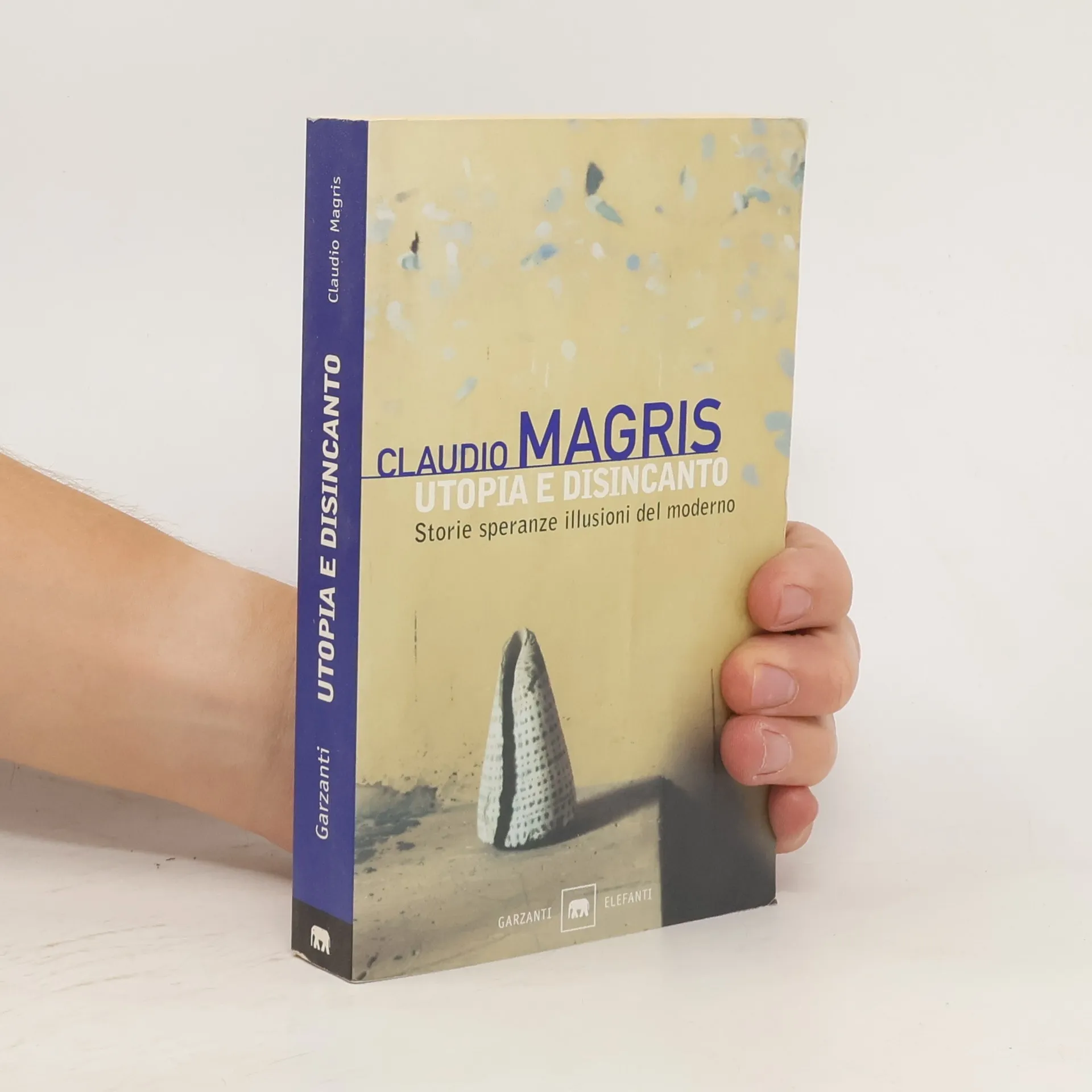
    • Questa raccolta di saggi (1974-1998), per lo più articoli apparsi sul Corriere della Sera, offre un contributo personale alla discussione sulla post-modernità. Magris analizza questa epoca attraverso chiavi interpretative, utilizzando una sensibilità post-moderna che si basa sulla memoria. Confronta passato e presente, recuperando ricordi personali e storici che si colorano emotivamente alla luce della sua rivisitazione. Il suo discorso si presenta come un puzzle, in cui l'autore interagisce con i lettori, citando autori e commemorando date significative, discutendo eventi quotidiani in modo colto e letterario. Critica, ad esempio, la liquidazione della bellezza femminile da parte di autori come La Rochefoucauld e Stendhal, evocando figure come Ninon de Lenclos, simbolo di passioni durature. In "Una custodia per i Buddenbrook", esplora la consapevolezza di Thomas Mann come "rappresentante" della società. Alcuni saggi, pur essendo superficiali, offrono spunti interessanti, mentre altri, come "Kitsch e Passione", affrontano tematiche filosofiche più complesse. Infine, si confronta con questioni radicali legate all'impegno etico dell'intellettuale in vari interventi.

      Utopia e disincanto
      4.0
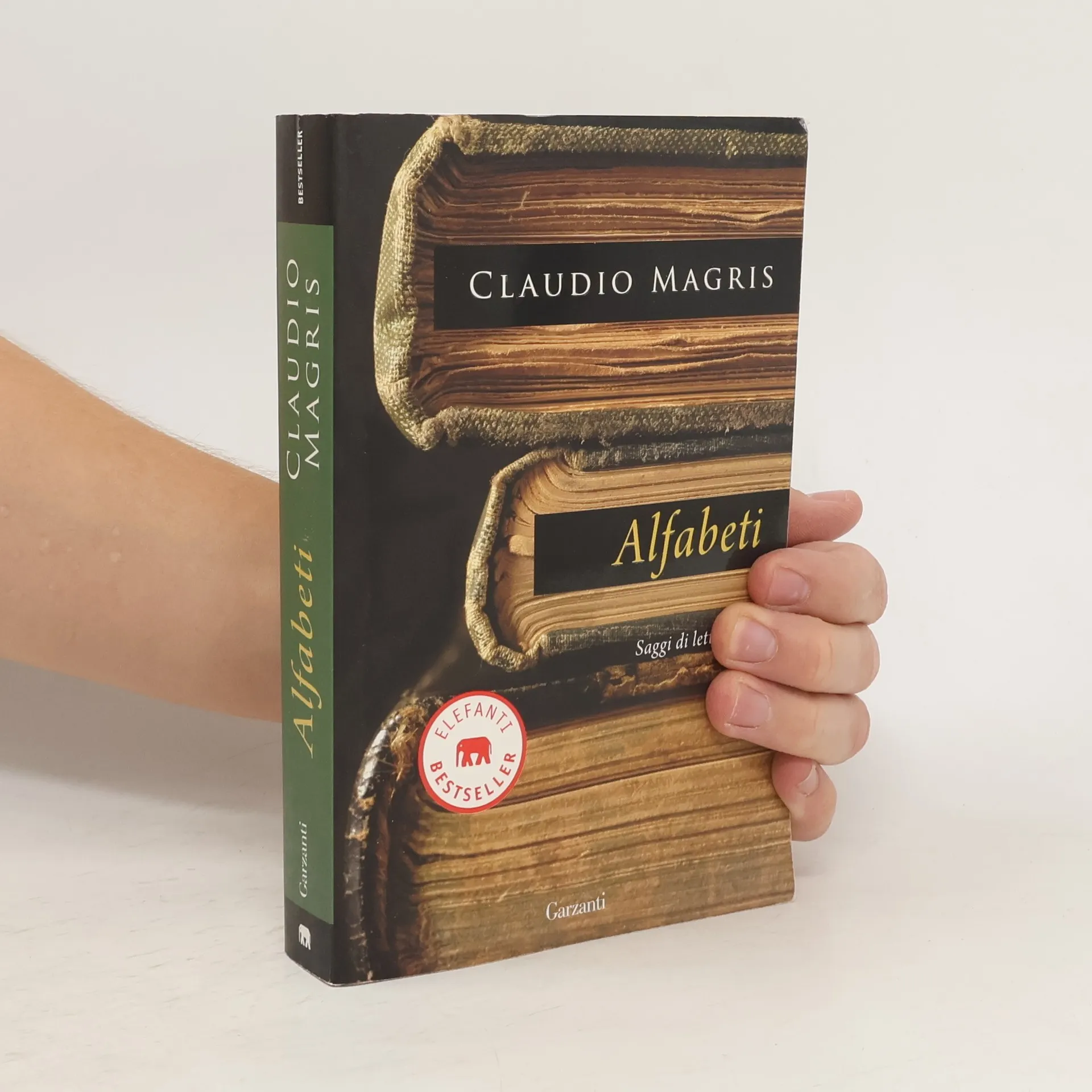
    • "Alfabeti" è un viaggio tra i libri e nella letteratura - uno dei mille possibili viaggi. Il percorso inizia dalle letture d'infanzia e d'adolescenza. Ci sono i libri che ci hanno formato, che ci hanno ferito e insieme hanno saputo curare la ferita. I libri che permettono di conoscere e ordinare il mondo e quelli che ne svelano il caos travolgente e distruttore, l'incanto e insieme l'orrore. I libri che fanno balenare la salvezza e quelli che si affacciano sul nulla. Soprattutto quelli che allargano i confini della letteratura e rimandano al di là di essa. "Alfabeti" parla soprattutto di libri che s'intrecciano e si scontrano con la vita e con la storia per tornare poi alla vita, plasmando gli sguardi, le idee, i sogni e le esistenze quotidiane dei loro lettori. Libri che trascendono anche la propria perfezione estetica per dire il dolore come la bellezza, l'amore come l'abiezione.

      Alfabeti
      3.9
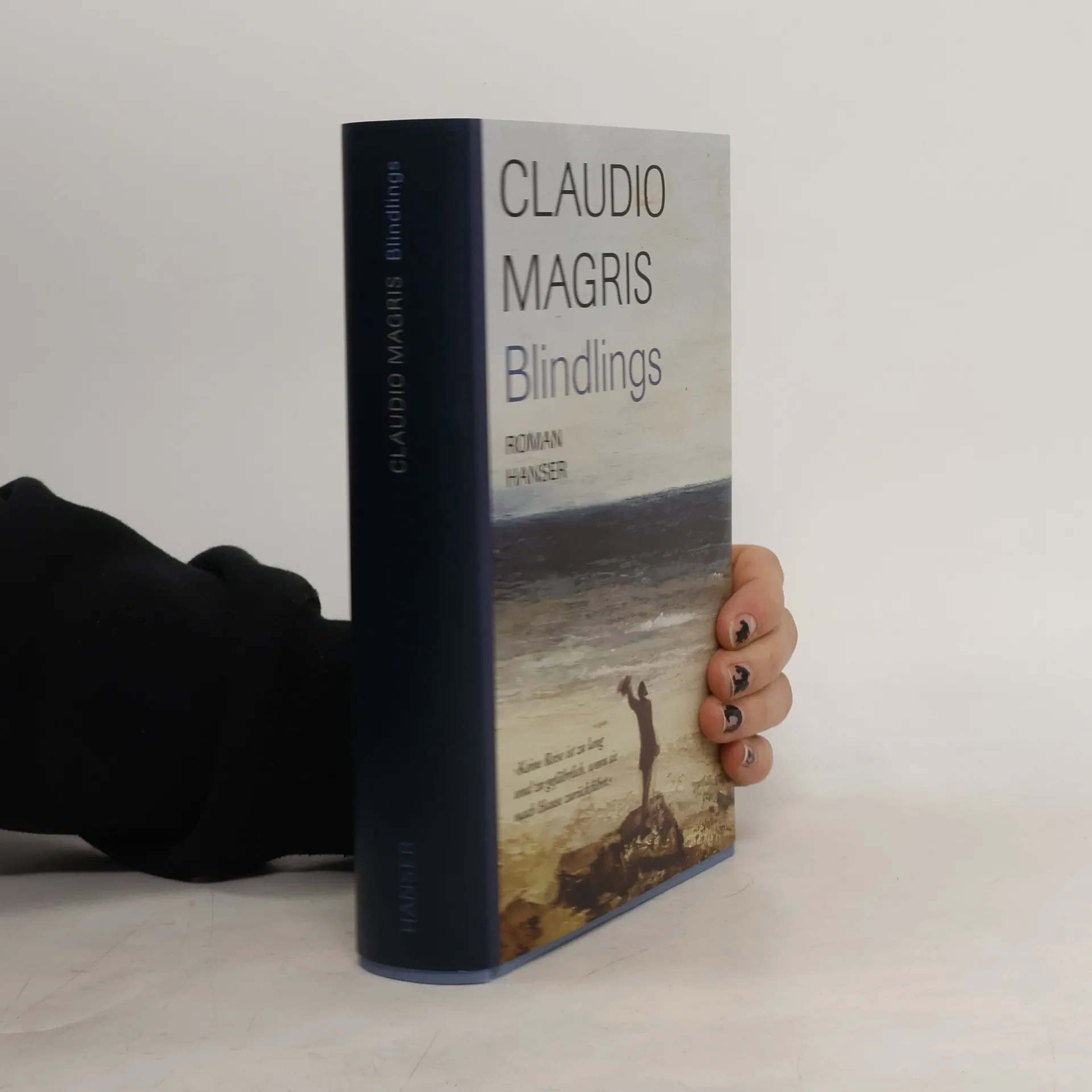
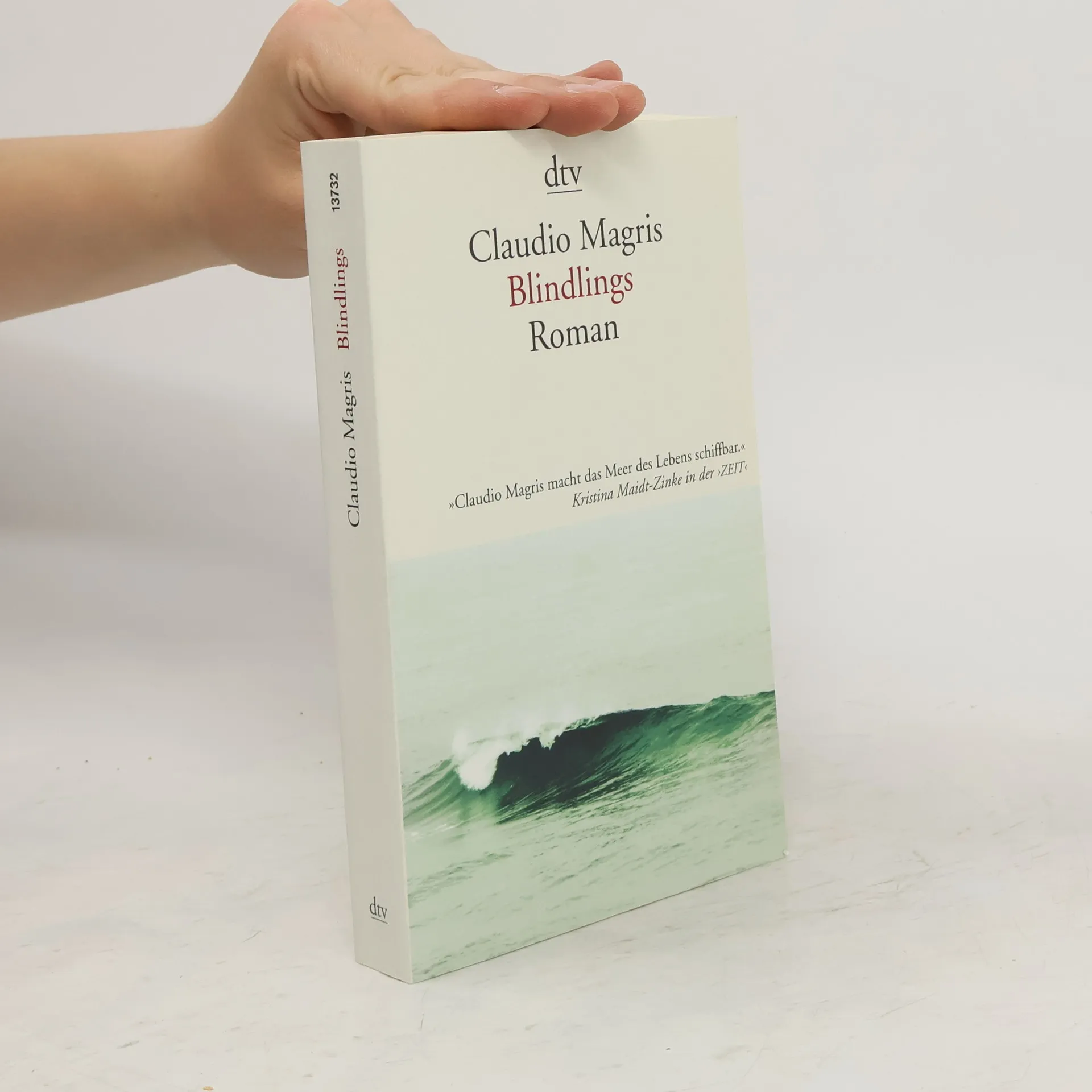
    • Claudio Magris erzählt vom Untergang der Illusionen: Da ist zum einen der Abenteurer Jorgensen, der am königlichen Hof in Dänemark aufwächst und Jahre später in jene Stadt deportiert wird, die er selber gegründet hat - Hobart Town in Tasmanien. Und zum anderen der Italiener Cippico: Er hat den politischen Kampf in Australien und den spanischen Bürgerkrieg mitgemacht, hat Dachau überlebt und wurde schließlich unter Tito eingesperrt auf der Todesinsel Goli Otoko. Beide Helden, obwohl in unterschiedlichen Jahrhunderten geboren, haben für ihre Ideale gekämpft, beide sind von den Ideologen ihrer Zeit betrogen worden. Ein großartiger Roman - Biographie, Geschichtswerk, Chronik, Phantasiegebilde und Mythos in einem.

      Blindings
      3.7
    • Paesaggi, umori, incontri, riflessioni, racconti di un viaggiatore sterniano che ripercorre con pietas e humor il vecchio fiume, dalle sorgenti al Mar Nero, ripercorrendo insieme la propria vita e le stagioni della cultura contemporanea, le sue fedi e le sue inquietudini. Un itinerario fra romanzo e saggio che racconta la cultura come esperienza esistenziale e ricostruisce a mosaico le civiltà dell'Europa centrale, rintracciandone il profilo nei segni della grande Storia e nelle effimere tracce della vita quotidiana.

      Danubio. Donau, italienische Ausgabe
      3.9