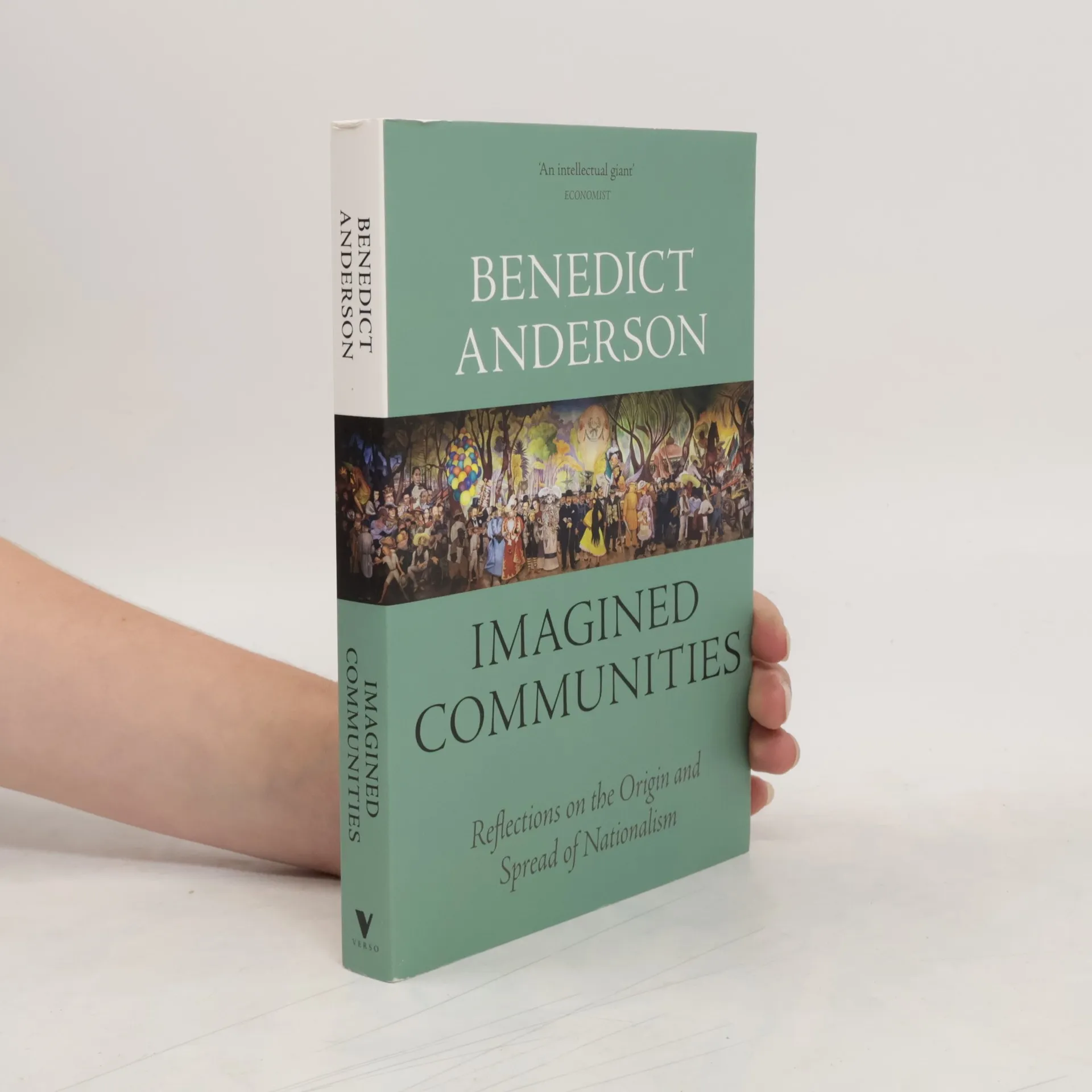
Benedict Anderson is renowned for his examinations of nationalism, particularly his influential work on the origins and spread of 'imagined communities.' His analyses delve deeply into the cultural and historical roots of national identities, exploring how these identities are forged and sustained in the modern world. Anderson's approach often emphasizes the role of media, language, and shared narratives in fostering a sense of belonging and national consciousness. His scholarship remains pivotal for understanding the dynamics of nationalism and its impact on global politics.
Focusing on overlooked areas of urban landscapes, this book examines how these neglected spaces transform into sites of resistance and community for marginalized groups, including refugees, asylum seekers, and the homeless. It delves into the dynamics of these environments, highlighting the resilience and agency of those who inhabit them, while addressing broader themes of displacement and social justice.
This valuable title provides a lasting contribution to our understanding of Javanese society. Insight comes through an analysis of wayang (Javanese shadow plays), not just as theater but in a broader social context.
This “sparkling” and world-famous work examines what drives people to live, die, and kill in the name of nations—revealing the surprising origins and development of nationalism (The Guardian). The full magnitude of Benedict Anderson’s intellectual achievement is still being appreciated and debated. Imagined Communities remains the most influential book on the origins of nationalism, filling the vacuum that previously existed in the traditions of Western thought. Cited more often than any other single English-language work in the human sciences, it is read around the world in more than thirty translations. Written with exemplary clarity, this illuminating study traces the emergence of community as an idea to South America, rather than to nineteenth-century Europe. Later, this sense of belonging was formed and reformulated at every level, from high politics to popular culture, through print, literature, maps and museums. Following the rise and conflict of nations and the decline of empires, Anderson draws on examples from South East Asia, Latin America and Europe’s recent past to show how nationalism shaped the modern world.
Exploring the concept of Weltliteratur, this work delves into how Goethe's ideas intersect with the cultural dynamics of globalization. It examines the influence of literature across borders and its role in shaping cultural identities in a global context. The book highlights the interplay between local traditions and global narratives, offering insights into the evolution of literature and its capacity to foster cross-cultural understanding. Through a critical lens, it addresses the implications of globalization on literary expression and reception.
Die Erzählung Der Teufel auf den Philippinen von 1887 schwadroniert durch die barocken Irrgärten spanischer Chroniken, verfasst von den Mönchen, unter deren Herrschaft die Philippinen 300 Jahre lang standen. Zwei philippinische Intellektuelle, die in der Bibliothek eines Verstorbenen zusammentreffen, unterhalten sich mit der Lektüre dieser Schriften. In der Folge entwickelt sich im Dickicht der Überlieferungen, Texte und Stimmen ein bizarrer Dialog zwischen den beiden, mit tragikomischem Ausgang. Die in delirierender Abfolge vorgelegten Berichte von Teufelserscheinungen, Exorzismen und satanischen Begebenheiten legen die brutalen Mechanismen kolonialer Machtausübung offen – De los Reyes zeigt darin das Dilemma der Kolonisierten selbst, die im Gestrüpp fremder Überlieferung stets Gefahr laufen, ihre eigene Stimme zu verlieren und zugleich überall auf die verschütteten Untergründe ihres vorkolonialen Erbes stossen. Die vorliegende Ausgabe des Textes wird begleitet von Kommentaren des Politologen und Experten für Südostasien Benedict Anderson (1936–2015), des philippinischen Autors und Literaturwissenschaftlers Ramon Guillermo sowie von der Schweizer Autorin und Übersetzerin Annette Hug, die den Text aus dem Tagalog ins Deutsche übertragen und kommentiert hat. Mario Lüscher hat den Text von Benedict Anderson aus dem Englischen übertragen und eine biografische Skizze zu Isabelo de los Reyes beigesteuert.