Optimismus pro samouky
Židovské anekdoty na ráno, poledne a večer



Židovské anekdoty na ráno, poledne a večer
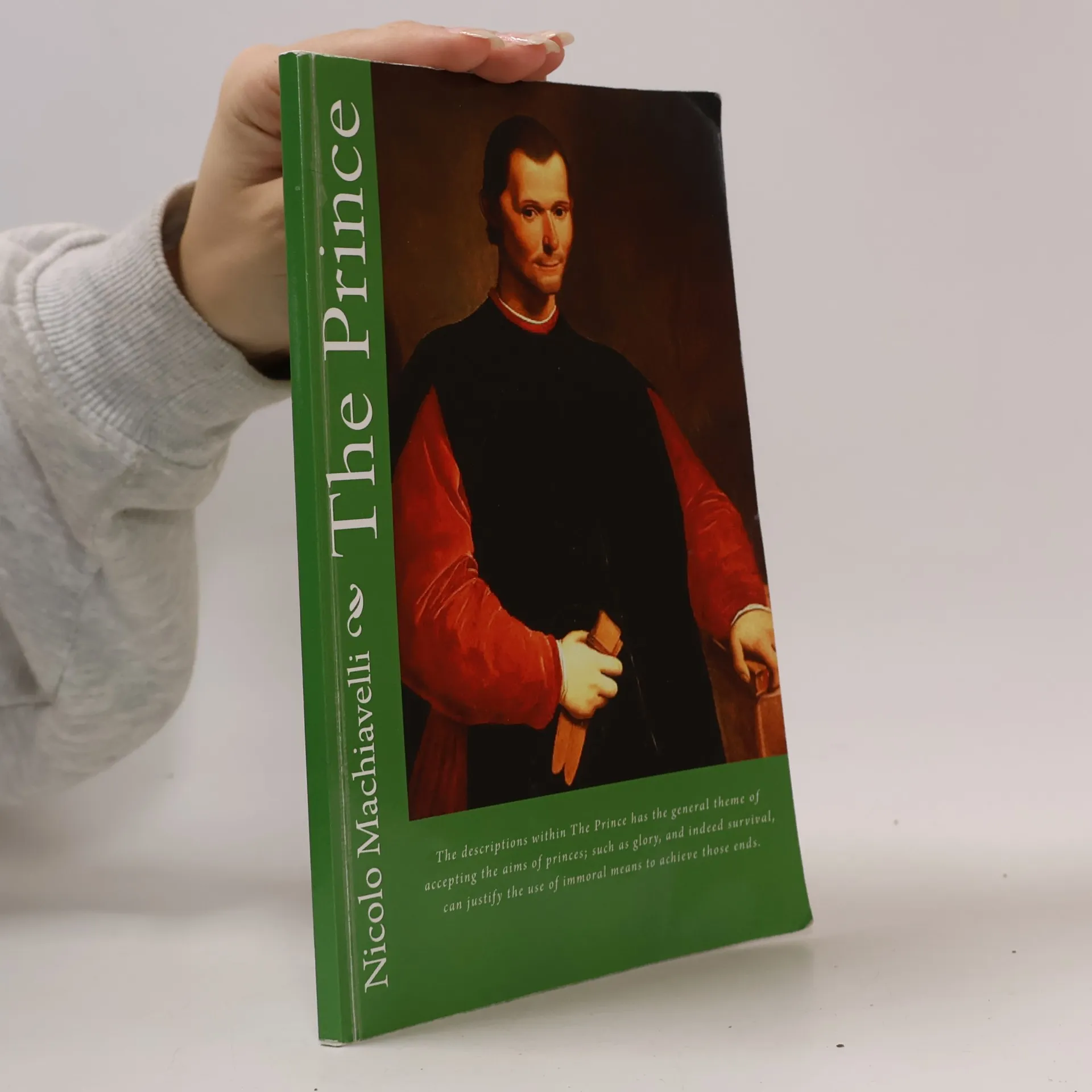
The Prince is a political treatise by Niccolò Machiavelli, an Italian diplomat and political theorist. A version circulated in 1513, but the printed edition was published in 1532, posthumously and with the Medici pope's approval. Controversy surrounded Machiavelli's writings from the outset. Although it appears to follow the traditional Mirror of Princes style, it is recognized as innovative, partly due to its use of Italian instead of Latin, a trend gaining traction since Dante's works. Often regarded as a foundational text of modern political philosophy, The Prince prioritizes practical truth over abstract ideals, challenging the prevailing Catholic and scholastic views on politics and ethics. Despite its brevity, it remains Machiavelli's most famous work, coining the term "Machiavellian" as a pejorative. It also contributed to the negative connotations associated with "politics" and "politician" in the West. The treatise overlaps with Machiavelli's later work, Discourses on Livy, and draws on contemporary Italian examples of political criminality, similar to his lesser-known Life of Castruccio Castracani. The central theme suggests that the ambitions of princes, like glory and survival, can justify immoral actions to achieve their goals.
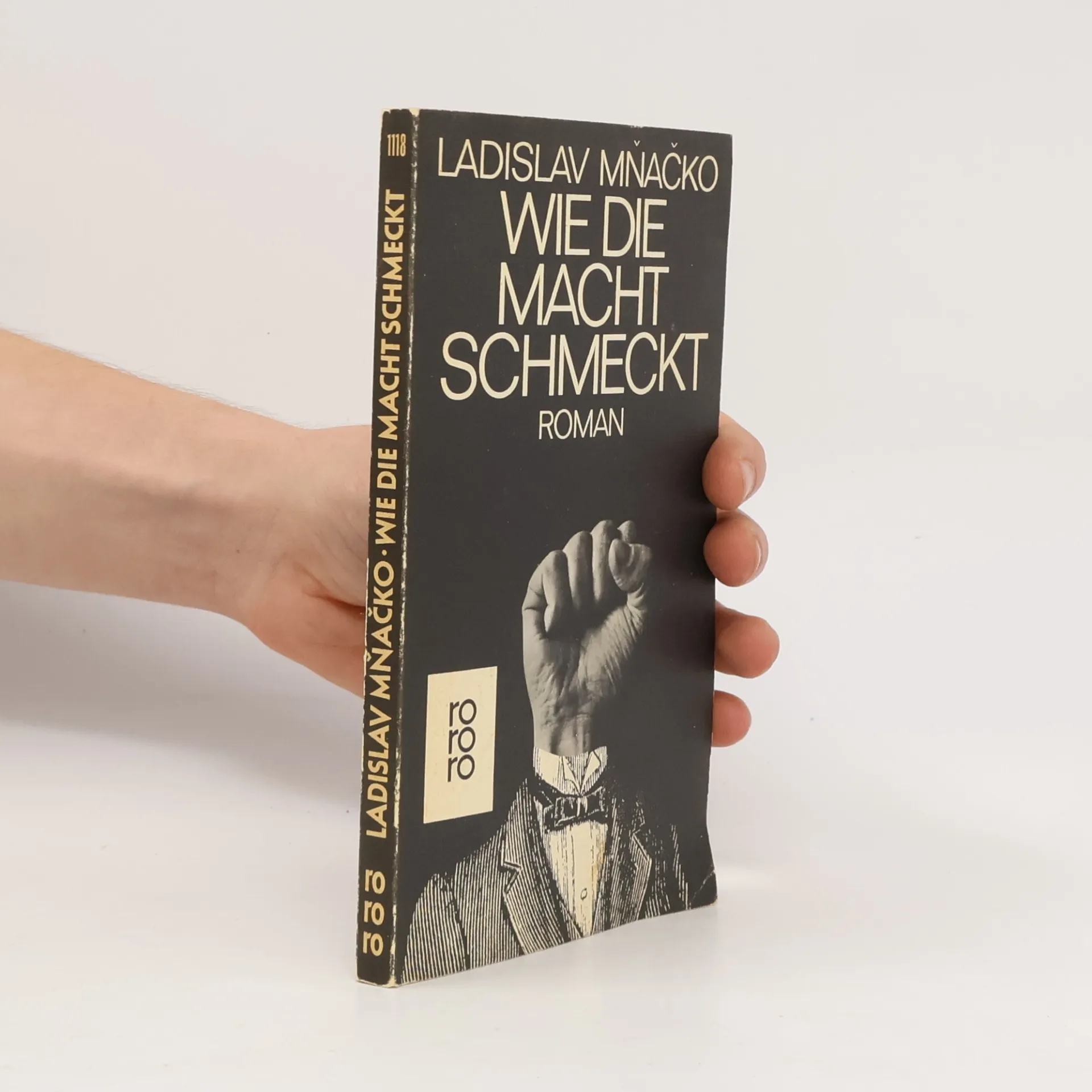
Nach über zwanzig Jahren kehrt Ladislav Mňačko, ein Autor, dessen Name der jüngeren Generation kaum bekannt ist, in die slowakische Literatur zurück. Nach seiner Emigration im Jahr 1968 verschwand sein Werk aus dem literarischen Diskurs, doch in den fünfziger und sechziger Jahren erregte er mit seinen Büchern und journalistischen Beiträgen große Aufmerksamkeit. Zu seinen bedeutenden Werken zählen die Reportage „Kde končia prašné cesty“ und die Romane „Smrť sa volá Engelchen“ und „Ako chutí moc“, die scharf gesellschaftliche Probleme reflektierten und den Boden für die Ereignisse von 1968 bereiteten. Mňačko setzte seine literarische Tätigkeit auch im Exil fort, wobei seine Texte, wie die Essays „Agresori“ und „Siedma noc“, ebenfalls von Bedeutung sind. Die Neuauflage des Romans „Ako chutí moc“ ist besonders relevant, da sie das Lebensschicksal eines ehemaligen Revolutionärs und führenden Staatsmannes analysiert, dessen Macht ihn allmählich zersetzt. Das Werk kann auch als Kritik an den nicht-stalinistischen Machthabern der letzten zwanzig Jahre gelesen werden und deckt die gleichen Machtmechanismen sowie den demoralisierten Einfluss der Macht auf. Daher ist dieses Werk auch heute aktuell und kann zur gegenwärtigen gesellschaftlichen Erneuerung beitragen.
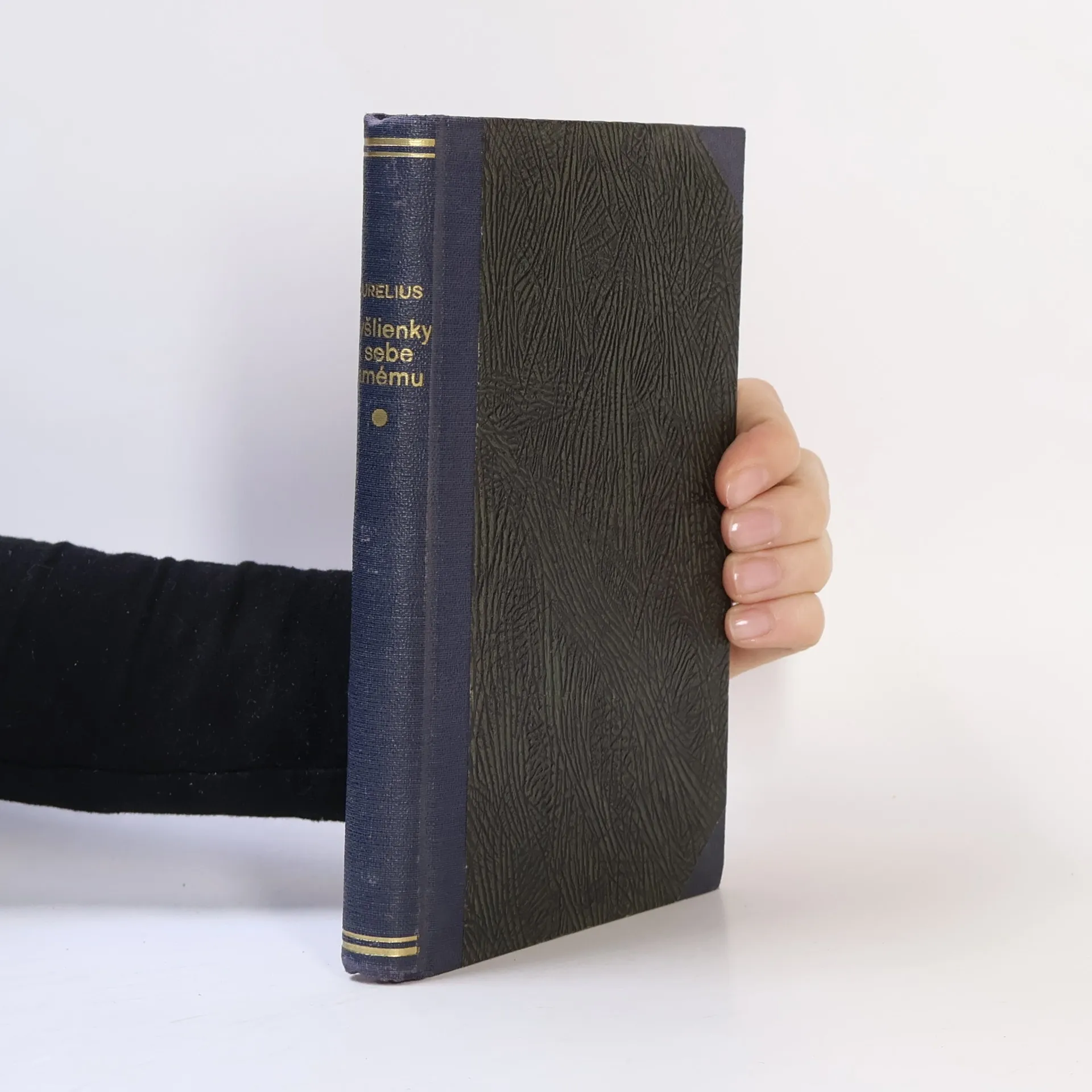
Rímska ríša sa na vrchole svojho rozmachu dostávala do búrlivých pomerov, keď čelila útokom rôznych kmeňov a vnútorným rozporom. Marcus Aurelius sa stal cisárom v týchto pohnutých časoch a väčšinu svojej vlády strávil medzi vojskom v odľahlých častiach ríše, kde bojoval za jej celistvosť a usporiadanie pomerov po rozbrojoch. Jeho životné skúsenosti mu umožnili vytvoriť si ucelený pohľad na ľudské bytie a strasti s ním spojené. Aurelius, známy svojím záujmom o filozofiu a stoicizmus, preslávil sa nielen schopnosťou udržať ríšu počas problémov, ale aj svojím filozofickým dielom, ktoré napísal v posledných rokoch života na území Kvádov, dnešného Slovenska. V diele zhŕňa svoje životné skúsenosti a zamýšľa nad podstatou sveta a jeho princípmi, pričom uvádza aj myšlienky iných autorov, čo svedčí o jeho vzdelanosti. Myšlienky Marca Aurelia sú pôsobivé a odhaľujú jeho hlboké zamyslenie nad ľudskou existenciou. Publikáciu dopĺňa úvodná štúdia Miloslava Okála o jeho živote a diele.
Autor, smýšlením venkovan, hledá právo měst na existenci, odhaluje zástěrku „nezištné“ solidarity zahraničních spojenců, porovnává kvality generálů naší současnosti a minulosti, odmítá slova, jimiž se nám cizí síly snaží vnutit pokřivené vidění světa, na prstech sčítá poslance a senátory obdařené morálkou, svědomím a zodpovědností. Vzníceně reaguje na úslužný voluntarismus dnešní žurnalistiky, tvrdí, že bez poctivého úsilí o pravdu společnost upadne, protože pouze pravda přináší příslib budoucnosti, opakovaně se dovolává autority TGM a píše naivní dopisy současnému prezidentovi – které, jak uhodnete, zůstávají bez odpovědi. Pochybuje, že „v lásce a ve válce je dovoleno všechno“, tíží ho, že „v lodním boku je díra jako hrom a dovnitř se valí voda“, a tak se ptá Odkud jdeme, kde jsme a kam bychom měli mířit. Prohlašuje: Potřebujeme změnu, pomozme jí! a zachází tak daleko, že předestírá body stručného politického programu. Ve vření událostí se střelka kompasu ztrácí. Platí stále siločáry světa, který budovali naši úctyhodní předkové? Je něco, v čem jsme lepší než oni, anebo si hovíme na dně díry, do níž se propadla naše zodpovědnost a důvěra v budoucnost? Mají nás dnešní dramata spravedlivě smést z povrchu Země, anebo se snad opravdu blížíme k vyššímu stupni společenské existence bez sporů, násilí a válek? Pokud ano, nebude to Pyrrhovo vítězství?
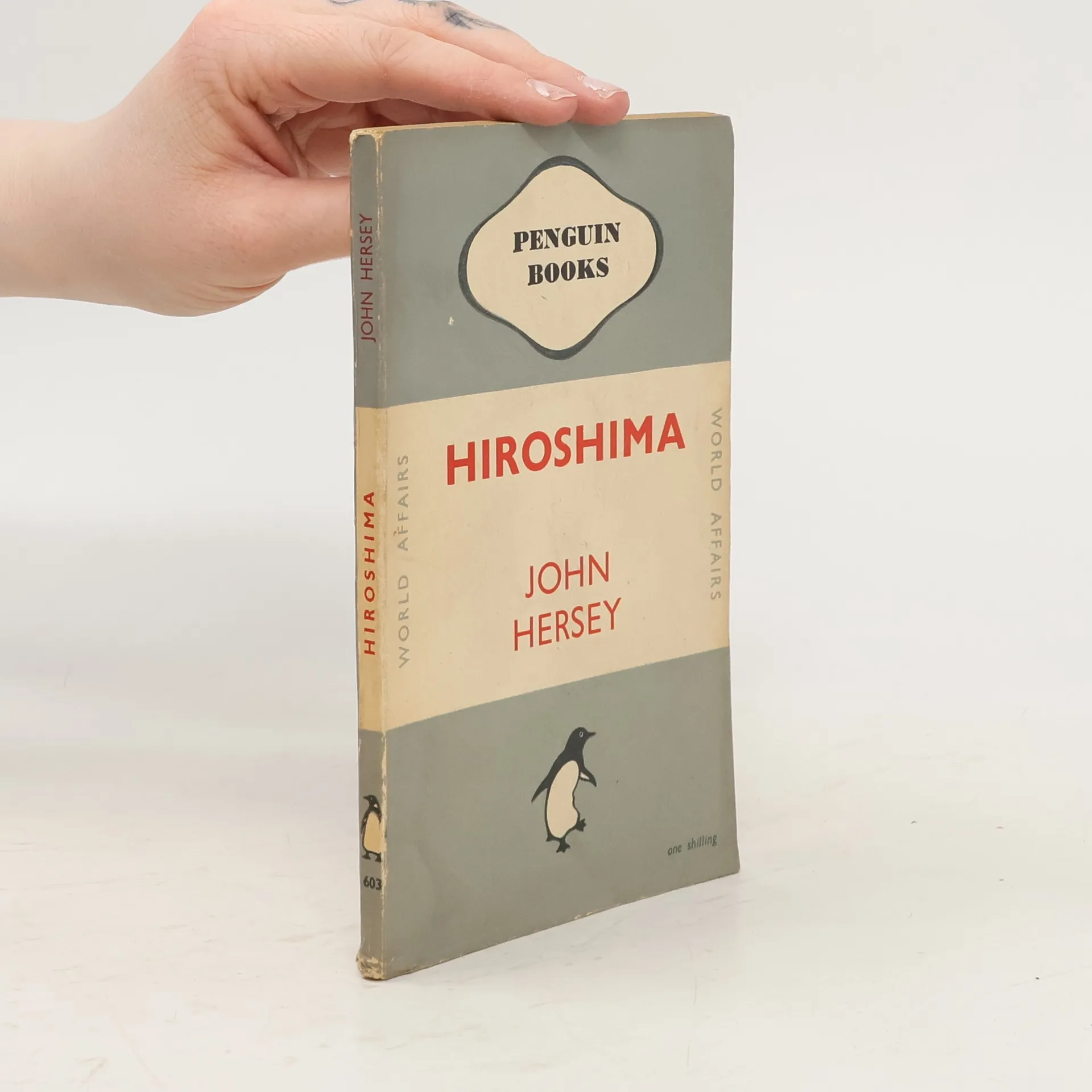
When the first atomic bomb was dropped on Hiroshima in August 1945, killing 100,000 men, women and children, it was the beginning of a terrifying new episode in human history. Written only a year after the disaster, John Hersey brought the event vividly alive with his heartrending account of six men and women who survived despite all the odds. He added a further chapter when, forty years later, he returned to Hiroshima to discover how the same six people had struggled to cope with catastrophe and with often crippling disease. The result is a devastating picture of the long-term effects of one very small bomb.
Alain-Fournier's bittersweet novel of youthful ardour and longing is the story of Meaulnes and his search for his lost love. Impulsive, reckless and heroic, Meaulnes embodies the romantic ideal, our search for the unobtainable, and the mysterious world between childhood and adulthood. His beautiful heroine Yvonne is based on the real-life love of the brilliant young author, killed in the First World War after writing this, his only novel.
Set in the post-Great War Long Island/New York world of the rich. The narrator, Nick Carraway, sympathetically records the pathos of Gatsby's romantic dream which founders on the reality of corruption, the insulated selfishness of Tom and Daisy, and the cutting edge of violence.
kulturní organizace zřizované Zlínským krajem : Kroměřížsko, Slovácko, Valašsko, Zlínsko a Luhačovicko
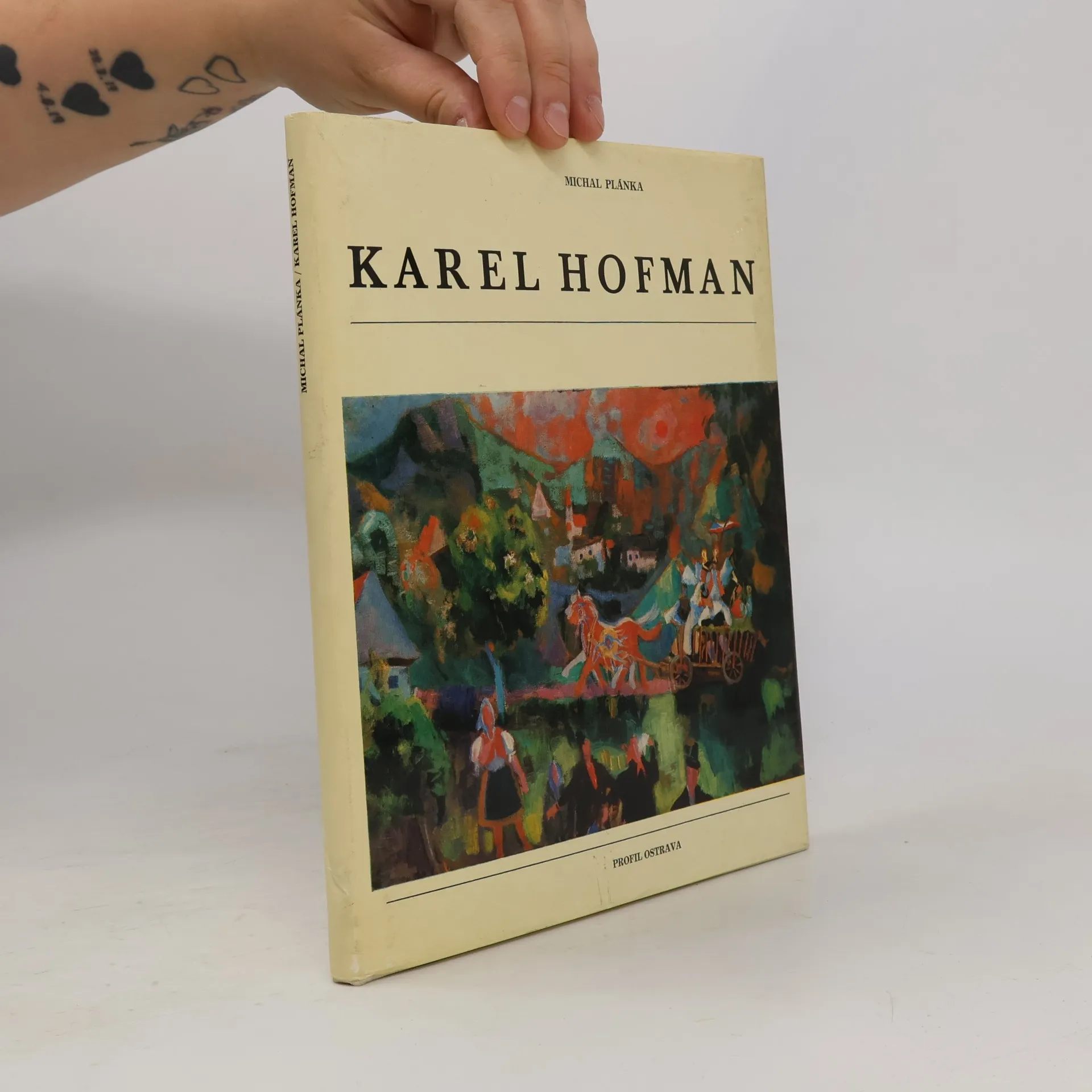
Biografie Karla Hofmana Československý malíř Karel Hofman vystavuje v Bologni galerii Sagittario krajiny a fantazie, které jsou zcela naplněny vůni střední Evropy a na nich je patrný vliv expresionismu .Jde především o obrazy jež vyvěrají z lidových tradic z nichž čerpal též Marc Chagall Zde lyrismus některých velkých obrazů venkova svou vůni zdůrazňující proměny ročních období tlumočených působívě tichou hrou barevných skvrn tu zase tichý vkus obrazu fantazie vkus který není naivním uměním , ale má společnou malířskou kulturu již jsou neseny jeho krajiny Tato kultura a světelnost jeho obrazů nám vysvětluje jeho pobyt v Itálii. V ní jakoby zaznívaly vzpomínky na jas římského nebe. 43 černobilých a 19 barevných reprodukčních ďila Karla Hofmana. Cizojazyčná kniha,Čeština, němčina,angličtina,ruština, francouzština
V. celostátní sympózium průmyslového návrhu