Exploring the intersection of science and spirituality, this work delves into whether those with a scientific mindset can embrace spiritual beliefs. The author, known for his acclaimed previous work, presents a thought-provoking narrative that invites readers to reconsider the boundaries between empirical understanding and the essence of spiritual experience. Through engaging prose, the book offers insights that challenge conventional thinking, making it a compelling read for those curious about the harmony between these two realms.
Alan Lightman Book order (chronological)
November 28, 1948
Alan Lightman, a physicist and humanist, delves into the interplay between science and human experience in his writing. His works, informed by a deep understanding of physics, often explore complex concepts like time and reality, but always through a human lens. Lightman masterfully blends intellectual depth with poetic sensibility, offering readers a unique perspective on how we perceive the world around us. His writing is both meditative and inspiring, revealing universal truths through specific narratives.


Isabel and the Invisible World
- 40 pages
- 2 hours of reading
"There's only one gift Isabel wants for her birthday: a way to see invisible things. She can hardly think of anything else until the day of her party arrives! Unwrapping a big box, Isabel finds a surprise inside - a glass prism - and a dazzling world of previously invisible colour emerges, lighting up the room around her. What else could be out there, waiting for her eyes to discover?"--Publisher's description.
Ada and the Galaxies
- 40 pages
- 2 hours of reading
New York Times best-selling author Alan Lightman, in collaboration with Olga Pastuchiv, brings galaxies close in a stunning picture-book tribute to the interconnectedness of the natural world. Layering photographs taken from the Hubble telescope into charming and expressive art, illustrator Susanna Chapman zooms in on one child's experiences: Ada knows that the best place for star-gazing is on the island in Maine where she vacations with her grandparents. By day, she tracks osprey in the trees, paddles a kayak, and hunts for shells. But she's most in her element when the sun goes down and the stars blink to life. Will the fog this year foil her plans, or will her grandfather find a way to shine a spotlight on the vast puzzle of the universe . . . until the weather turns?
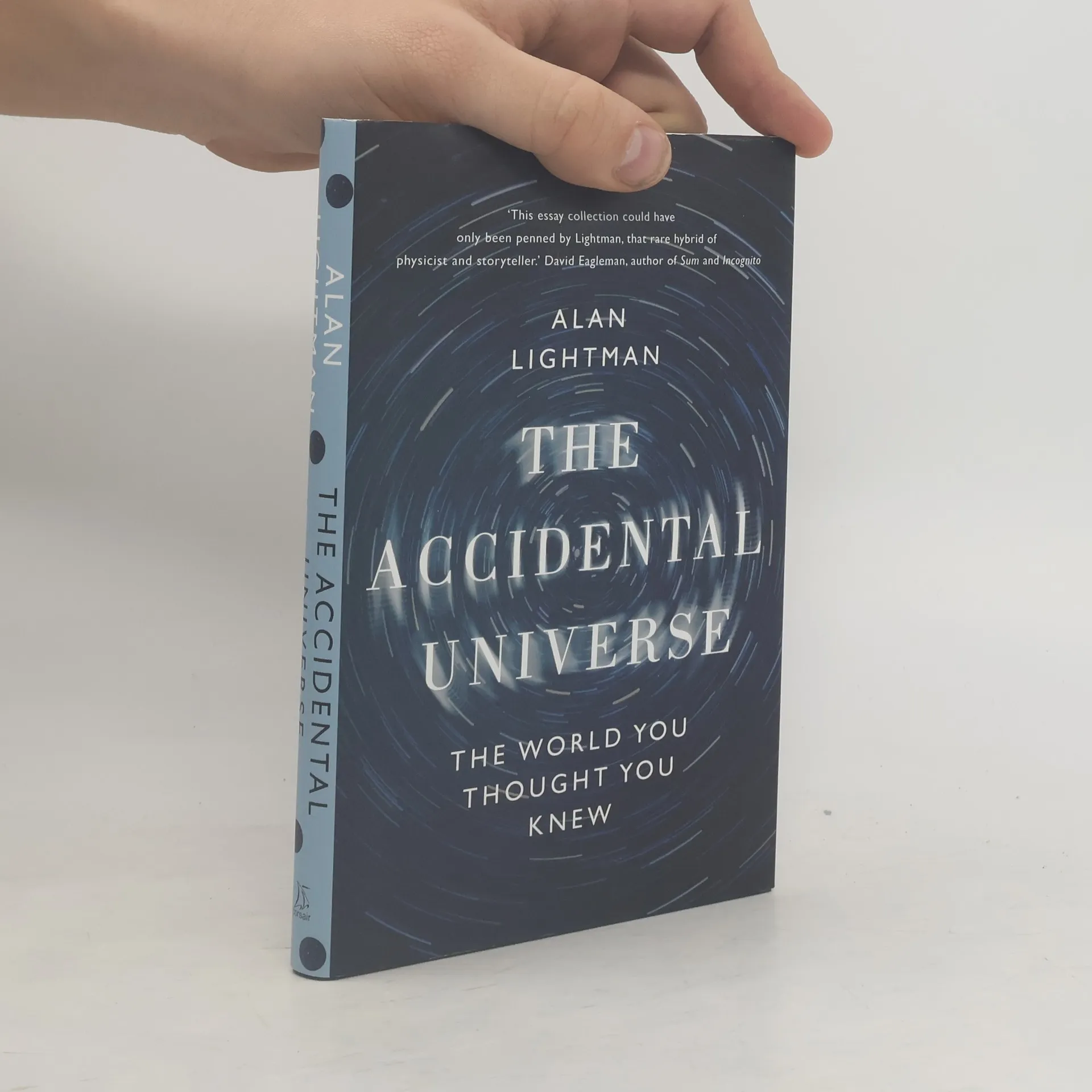
The accidental universe
- 176 pages
- 7 hours of reading
Explores the emotional and philosophical questions raised by discoveries in science, focusing most intently on the human condition and the needs of humankind. This title offers a collection of essays that shows us our own universe from a series of diverse perspectives.
“As I remember, I had just woken up from a nap when I decided to create the universe.” So begins Alan Lightman’s playful and profound new novel, Mr g, the story of Creation as told by God. Barraged by the constant advisements and bickerings of Aunt Penelope and Uncle Deva, who live with their nephew in the shimmering Void, Mr g proceeds to create time, space, and matter. Then come stars, planets, animate matter, consciousness, and, finally, intelligent beings with moral dilemmas. Mr g is all powerful but not all knowing and does much of his invention by trial and error. Even the best-laid plans can go awry, and Mr g discovers that with his creation of space and time come some unforeseen consequences—especially in the form of the mysterious Belhor, a clever and devious rival. An intellectual equal to Mr g, Belhor delights in provoking him: Belhor demands an explanation for the inexplicable, requests that the newly created intelligent creatures not be subject to rational laws, and maintains the necessity of evil. As Mr g watches his favorite universe grow into maturity, he begins to understand how the act of creation can change himself, the Creator. With echoes of Calvino, Rushdie, and Saramago, combining science, theology, and moral philosophy, Mr g is a stunningly imaginative work that celebrates the tragic and joyous nature of existence on the grandest possible scale.
Reunion
- 240 pages
- 9 hours of reading
Charles is a professor at a college, a once promising poet, admiring of passion but without passion himself. He decides to attend his 30th college reunion - and there witnesses a replay of his last year in college. Struggling with memories that often appear contradictory, Charles confronts the series of devastating events that changed his life.
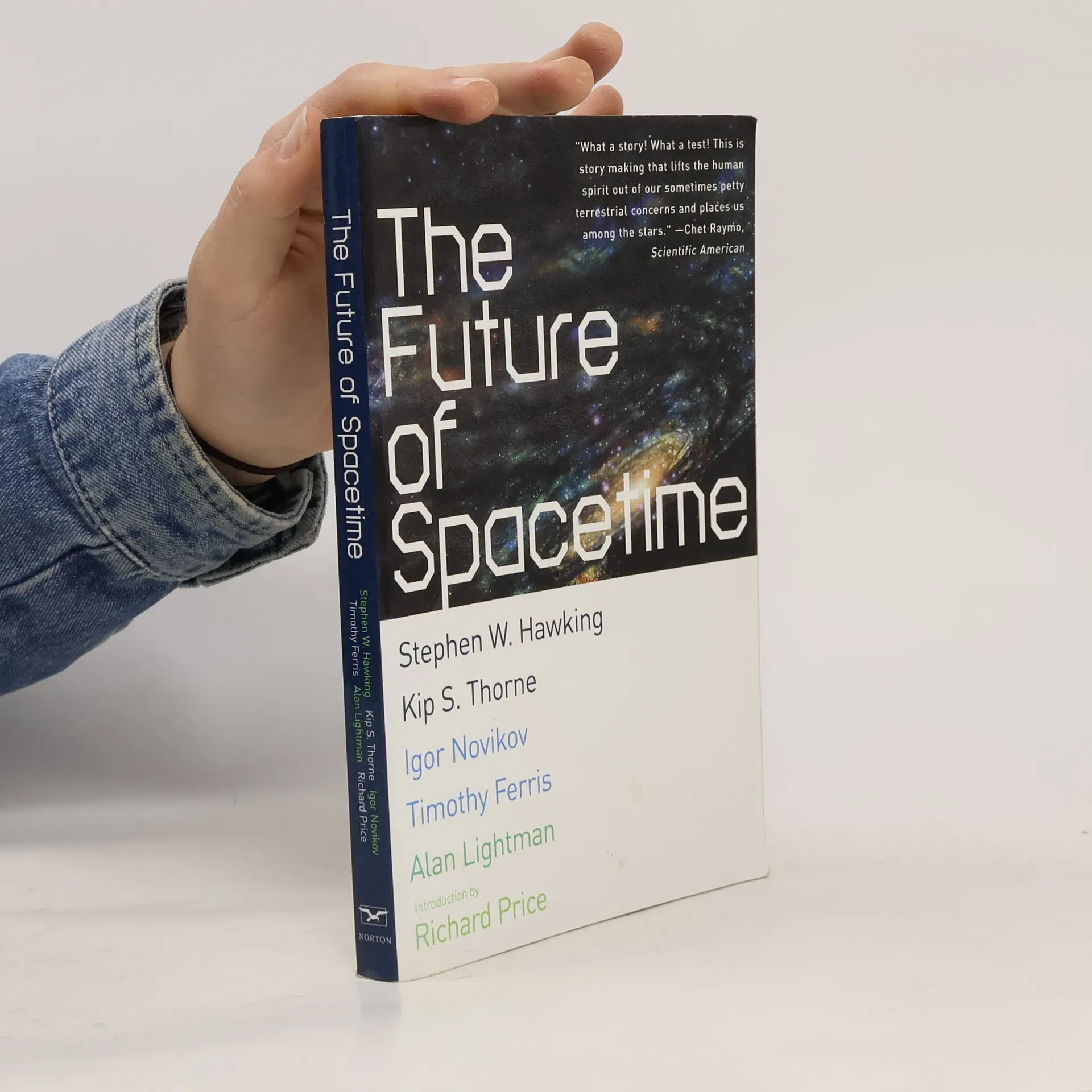
Future of Spacetime
- 222 pages
- 8 hours of reading
This collection features insights from renowned physicists on the nature of spacetime, time travel, and the future of science. Richard Price introduces spacetime physics, while Stephen Hawking discusses the concept of chronology protection. Igor Novikov explores the possibility of altering the past, and Kip S. Thorne speculates on future scientific advancements. Timothy Ferris addresses the challenges of making science accessible to the public, and Alan Lightman reflects on the intersection of physics and literature, highlighting the role of physicists as storytellers.
The Diagnosis
- 369 pages
- 13 hours of reading
One day Bill Charmers, a junior executive, realizes that he cannot remember where he is or even who he is. His memory returns and he descends into a mental nightmare. With no conclusive medical answers, his wife thinks he is imagining it, while his colleagues are oblivious to his suffering.
Wie jeden Werktag befindet sich der Bostoner Bill Chalmers kurz vor 8.30 Uhr auf dem Weg zur Arbeit. 23 Minuten wird die U-Bahn brauchen. Neun Minuten wird er zu Fuß zu seinem Büro gehen. Er wird sich an seinen Schreibtisch setzen, an Konferenzen teilnehmen, telefonieren, Zahlen referieren. Bill Chalmers tickt nach einem vorgegebenen Rhythmus. Uhr und Handy sind die Konstanten im Koordinatensystem seines Lebens. Aber das hat an diesem Tag etwas anderes mit ihm vor: Chalmers wird nie im Büro ankommen. Zwischen den Bahnhöfen Harvard und Central verliert er das Gedächtnis. Mit einem Mal hat er vergessen, wohin. Vor allem aber: wieso. In einer psychiatrischen Klinik wird Chalmers wieder hergestellt, seine Festplatte gewissermaßen neu konfiguriert. Aber zurückgeblieben ist eine beängstigende Taubheit. Und die breitet sich nach und nach über seinen ganzen Körper aus ... Alan Lightman hält unserer hektischen, seelisch verwüsteten Welt den Spiegel vor. Seine messerscharf beobachtete Tragikomödie, die für den National Book Award nominiert worden ist, hat in den USA nicht nur Norman Mailer begeistert. Aber der brachte es auf den Punkt: »Die Diagnose« lässt einen nicht mehr los.
Zeit für die Sterne
- 222 pages
- 8 hours of reading
Muss man nicht immer wieder in Ehrfurcht vor den Wundern des Universums verharren? Gibt es überhaupt Antworten auf die großen Fragen nach Ursprung und Sinn des Kosmos? Alan Lightman, Grenzgänger zwischen Wissenschaft und Poesie, meditiert in vierundzwanzig sehr persönlichen, eleganten Essays über die Schönheit, die sich hinter den großen Naturzusammenhängen verbirgt. Dass wir Menschen sie erkennen können, ist kosmisch gesehen ein geradezu unwahrscheinlicher Glücksfall, und in solchen Momenten ist die Ewigkeit zum Greifen nah.
Good Benito
- 215 pages
- 8 hours of reading
From the author of the best-selling Einstein’s Dreams comes a wonderfully original, deeply moving, and wryly funny novel about the clash between the absolutes of science and the vagaries of human experience. Bennett always knew he would live a life of science. From the homemade rockets and experiments of his childhood to the complex equations he solved as a professor of physics, his vision has transformed the uncertainty and frailty of life into an order and beauty that he inhabits with deep satisfaction. But his vision betrays him, revealing a profound incompleteness, an inadequacy to confront the contradictions his life: the black maid who raises him and loves him but cannot welcome him into her own house, the mentally absent father who wishes he’d died a hero in World War II, the self-destructive wife who invites Bennett’s cruelty. As Bennett struggles between reason and intuition, he slowly learns to allow the imperfections of daily life—the chaos he has worked so hard to control—to broaden his understanding of the world and his place in it. Written with lyrical sparseness, hilarity mixed with sadness, the story of Bennett’s struggle becomes both a beautifully rendered portrait of the emotional life of a scientist and a resonant tale of the disillusionment that haunts us all. From the Hardcover edition.
Great Ideas in Physics
- 250 pages
- 9 hours of reading
What does it mean to say that time and space are relative? How can an electron be in two places at once? For anyone who wants a basic understanding of the physical processes that define the universe, Lightman provides the perfect introduction in Great Ideas in Physics. In addition to explaining physics, he brings in relevant passages from philosophy and literature to demonstrate how these great ideas have impacted the world of thought.
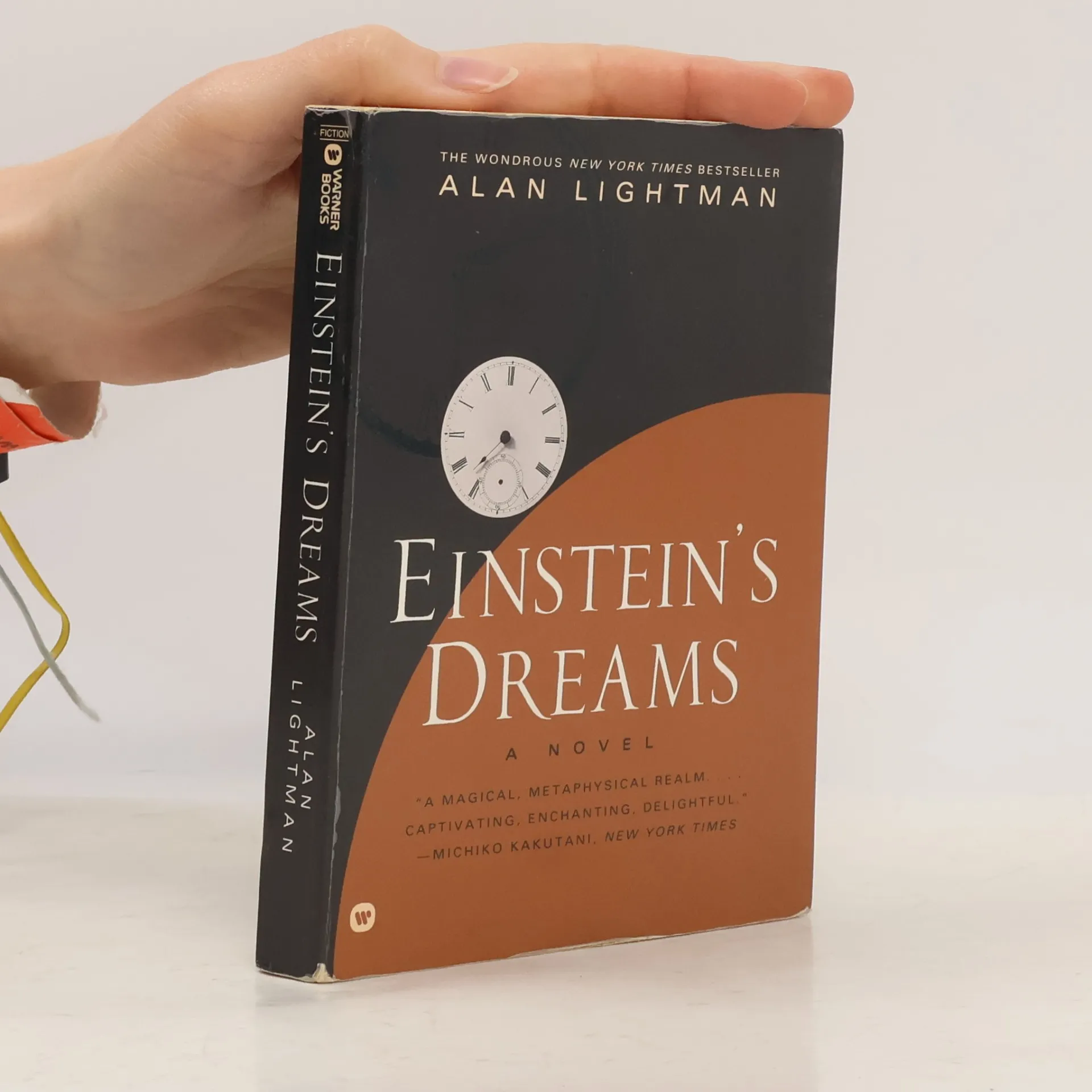
Einstein's Dreams
- 179 pages
- 7 hours of reading
In this provocative national bestseller, first-time novelist Lightman takes us back to 1905 and into the dreams of a young patent clerk named Albert Einstein, just as he was completing his theory of relativity. "Lightman lets the reader in on the workings of a creative scientific mind."
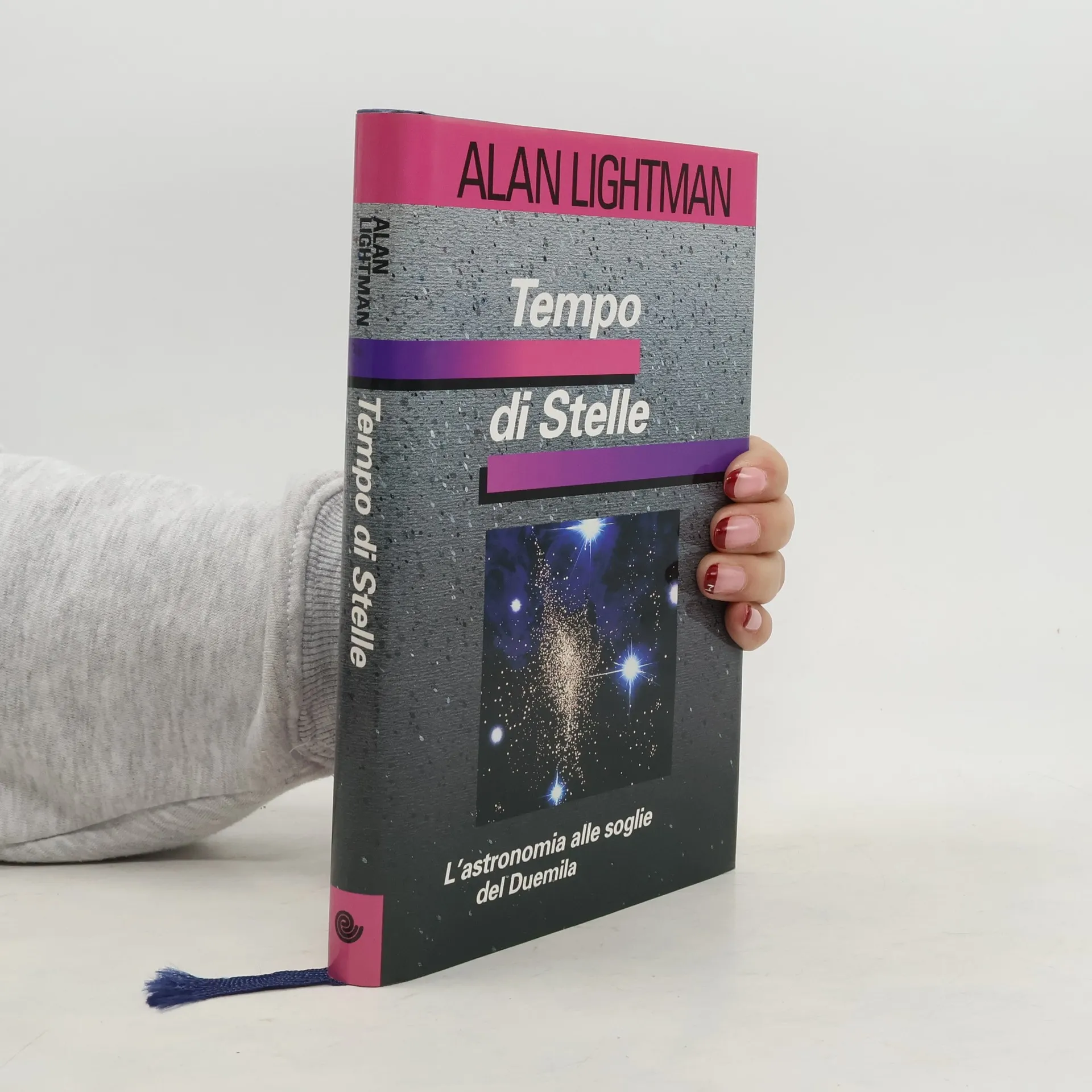
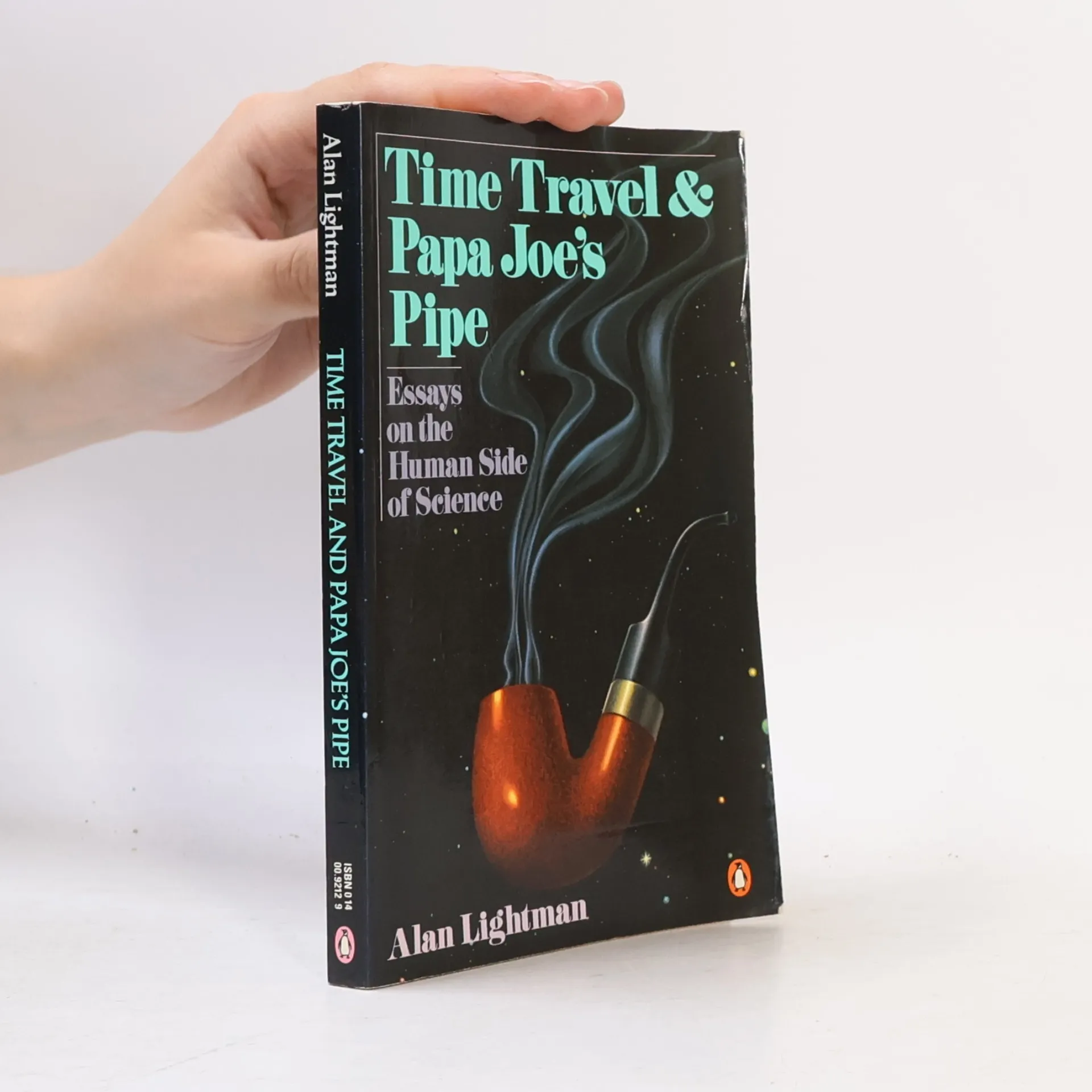
Time Travel and Papa Joe's Pipe
- 168 pages
- 6 hours of reading
The science consultant and columnist lucidly establishes the connections between the farther reaches of scientific theory and research and everyday life