


Parameters
More about the book
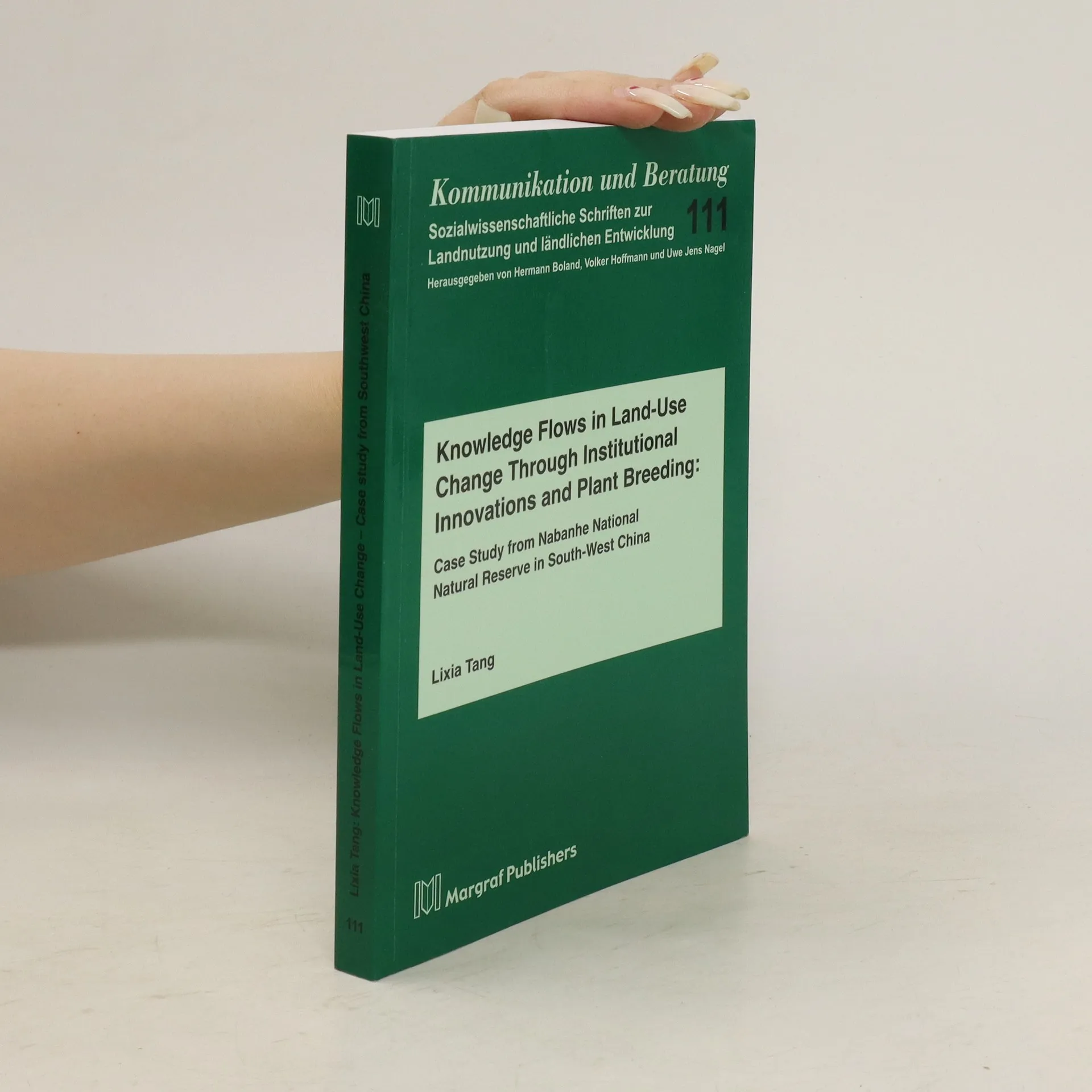
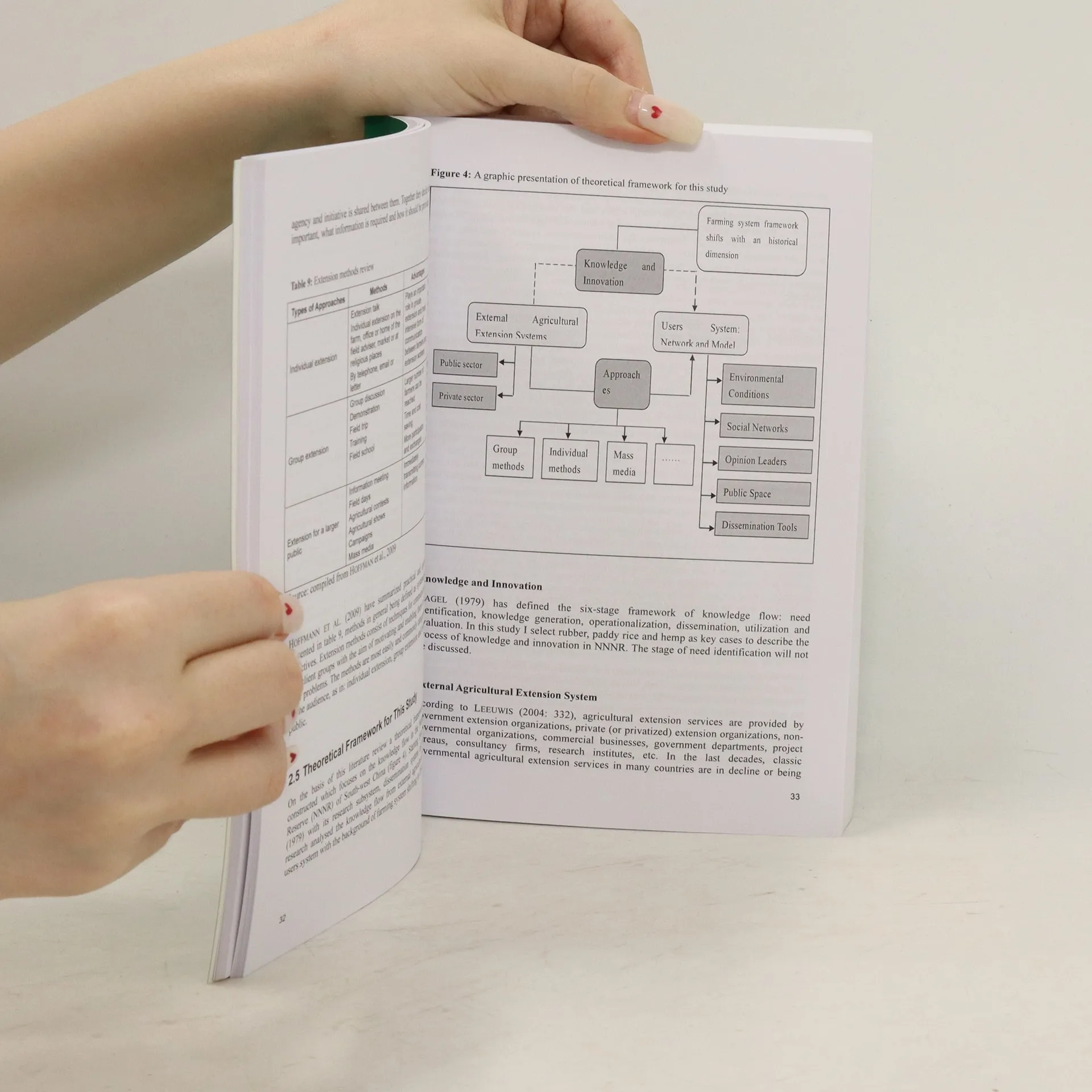
Rural areas in China are undergoing a breathtaking transformation, shifting from traditional land-use systems to a highly commercialized, profit-oriented agriculture. This paper presents findings from an in-depth analysis of knowledge-flow processes related to recent innovations, specifically rubber, hybrid paddy rice, and Yunnan hemp in the Nabanhe National Natural Reserve (NNNR), near the borders of Laos and Myanmar. As in other parts of China, the NNNR is experiencing changes in farming systems, land tenure, household economies, social life, and cultural traditions, all while facing significant challenges to ecological balance and biodiversity. The focus of this work is on the innovation and modification of agricultural knowledge. It examines changes within the agricultural knowledge system, identifies external entities that provide new agricultural insights, and explores mechanisms for knowledge flow and dissemination within communities. Additionally, it analyzes dissemination conditions such as social networks, opinion leaders, and public spaces, comparing various mechanisms for both internal and external agricultural knowledge flows to determine the characteristics of effective dissemination.
Book purchase
Knowledge flows in land-use change through institutional innovations and plant breeding, Lixia Tang
- Language

- Released
- 2013
- Binding
- (Paperback)
Payment methods
No one has rated yet.
- Title
- Knowledge flows in land-use change through institutional innovations and plant breeding
- Language
- English
- Authors
- Lixia Tang
- Publisher
- Margraf
- Released
- 2013
- Format
- Paperback
- ISBN10
- 3823616609
- ISBN13
- 9783823616603
- Series
- Categories
- Description
- Rural areas in China are undergoing a breathtaking transformation, shifting from traditional land-use systems to a highly commercialized, profit-oriented agriculture. This paper presents findings from an in-depth analysis of knowledge-flow processes related to recent innovations, specifically rubber, hybrid paddy rice, and Yunnan hemp in the Nabanhe National Natural Reserve (NNNR), near the borders of Laos and Myanmar. As in other parts of China, the NNNR is experiencing changes in farming systems, land tenure, household economies, social life, and cultural traditions, all while facing significant challenges to ecological balance and biodiversity. The focus of this work is on the innovation and modification of agricultural knowledge. It examines changes within the agricultural knowledge system, identifies external entities that provide new agricultural insights, and explores mechanisms for knowledge flow and dissemination within communities. Additionally, it analyzes dissemination conditions such as social networks, opinion leaders, and public spaces, comparing various mechanisms for both internal and external agricultural knowledge flows to determine the characteristics of effective dissemination.