

More about the book
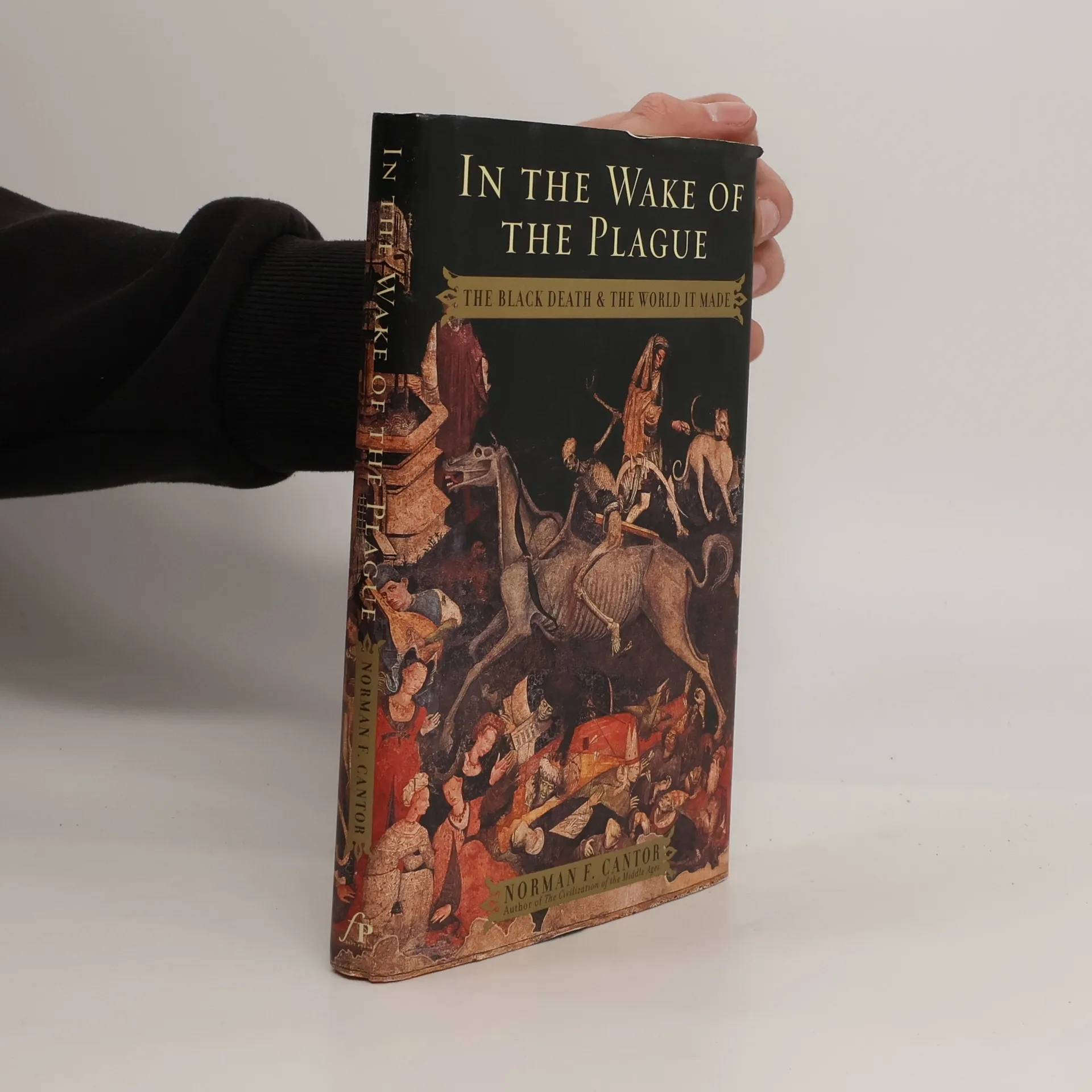
Much of what we know about the Black Plague of the fourteenth century is misleading. While the gruesome symptoms are largely accurate, the true nature of the Plague and its historical impact remain clouded by myths. Norman Cantor, a leading historian of the Middle Ages, combines recent scientific findings and innovative historical research to retell the story of the Black Death in a compelling narrative. This work offers a microcosmic view of the Plague in England and beyond, highlighting the lives of various individuals from peasants to royalty. Notable figures include Princess Joan of England, en route to marry a Castilian prince; Thomas of Birmingham, an abbot managing his abbey like a CEO during this crisis; and John le Strange, a landowner witnessing the collapse of his family's legacy. Cantor argues that despite the devastation, the Plague led to some positive outcomes, such as the decline of old orders and the rise of scientific thought over church dogma, initiating an intellectual revolution. Additionally, the era saw a surge in art as people sought to protect themselves from the disease. Economically, the surviving peasants thrived, paving the way for independent farming. This narrative weaves together stories of resilience and transformation, presenting a captivating portrait of a world profoundly changed by the Black Death.



Book purchase
In the Wake of the Plague, Norman F. Cantor
- Language

- Released
- 2001
- Binding
- (Hardcover)
Payment methods
We’re missing your review here.
- Title
- In the Wake of the Plague
- Subtitle
- The Black Death and the World It Made
- Language
- English
- Authors
- Norman F. Cantor
- Publisher
- Free Press
- Released
- 2001
- Format
- Hardcover
- Pages
- 245
- ISBN10
- 0684857359
- ISBN13
- 9780684857350
- Series
- Categories
- Tags
- Historical Themes, Science, Creative Nonfiction, Murders, Middle Ages, History of Europe, Jews, History and Facts, 14th Century, Plague, Medieval England
- First published
- 2001
- Original title
- In the Wake of the Plague
- Rating
- 3.45 out of 5
- Description
- Much of what we know about the Black Plague of the fourteenth century is misleading. While the gruesome symptoms are largely accurate, the true nature of the Plague and its historical impact remain clouded by myths. Norman Cantor, a leading historian of the Middle Ages, combines recent scientific findings and innovative historical research to retell the story of the Black Death in a compelling narrative. This work offers a microcosmic view of the Plague in England and beyond, highlighting the lives of various individuals from peasants to royalty. Notable figures include Princess Joan of England, en route to marry a Castilian prince; Thomas of Birmingham, an abbot managing his abbey like a CEO during this crisis; and John le Strange, a landowner witnessing the collapse of his family's legacy. Cantor argues that despite the devastation, the Plague led to some positive outcomes, such as the decline of old orders and the rise of scientific thought over church dogma, initiating an intellectual revolution. Additionally, the era saw a surge in art as people sought to protect themselves from the disease. Economically, the surviving peasants thrived, paving the way for independent farming. This narrative weaves together stories of resilience and transformation, presenting a captivating portrait of a world profoundly changed by the Black Death.