


More about the book
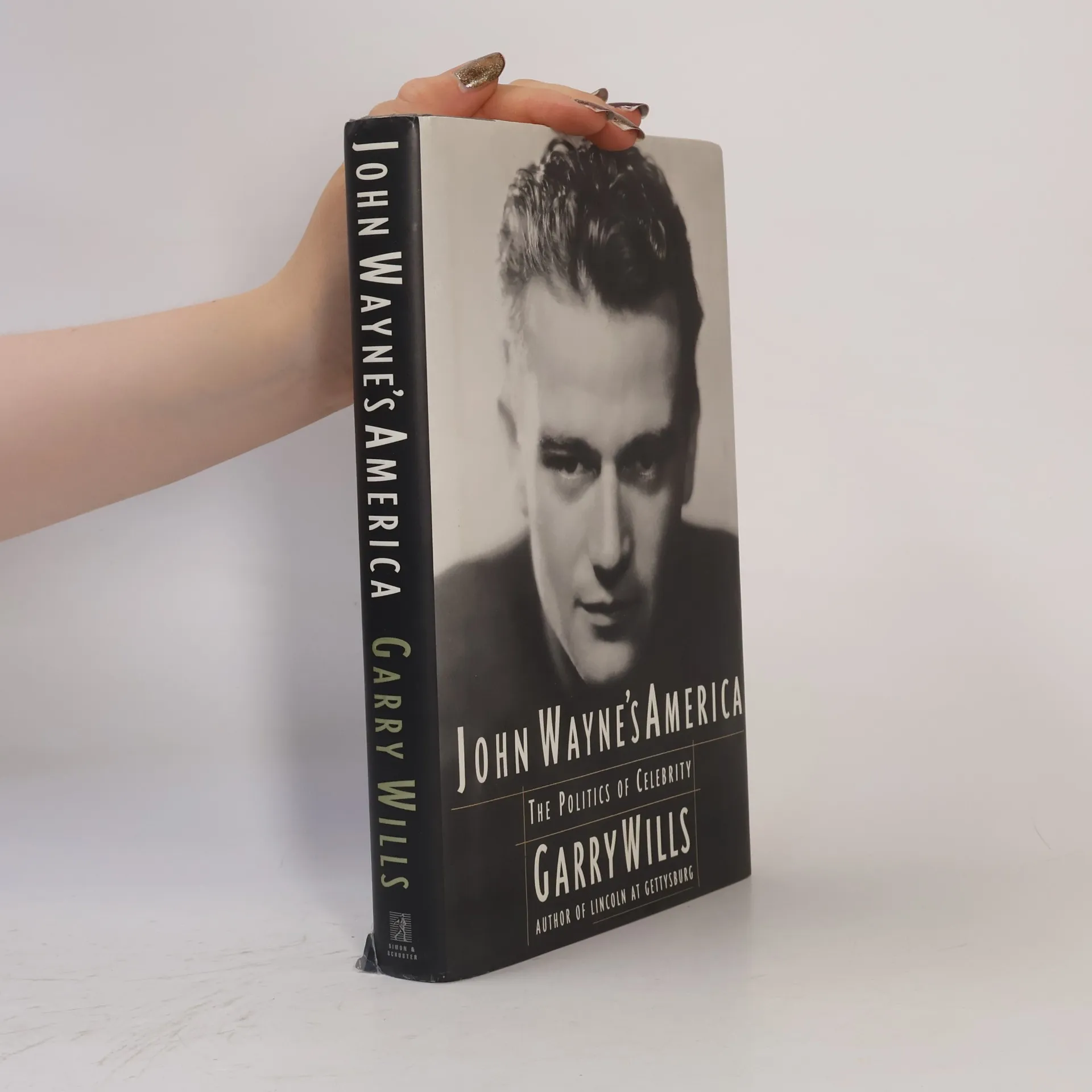
Eighteen years after his death, John Wayne remains America's favorite movie star, symbolizing authentic Americanism and influencing political views. In this groundbreaking study, Pulitzer Prize-winning author Wills examines how Wayne, born Marion Morrison in Iowa, became a myth crafted by master directors like John Ford, embodying America's frontier myth. Unlike other actors, Wayne represented a politics of large meanings—gender, ideology, character, and personal responsibility—often transcending his own views. Although he avoided military service in WWII, he became the archetype of the American soldier through his roles. His image as a staunch anti-Communist belied his reluctance to take a stand during Hollywood's ideological battles until after they were resolved. Wayne's political significance evolved through his film roles, from the young, individualist cowboy hero to the middle-aged authority figure and finally to the elderly survivor of a bygone heroic era. Wills illustrates how Wayne's characters resonated with audiences during pivotal historical moments, leading Americans to invest their emotions in his embodiment of deep-seated myths. This exploration reveals how Wayne's Hollywood image shaped and distorted the perception of his life and the broader definition of "being American."


Book purchase
John Wayne's America, Garry Wills
- Language

- Released
- 1997
- Binding
- (Hardcover),
- Book condition
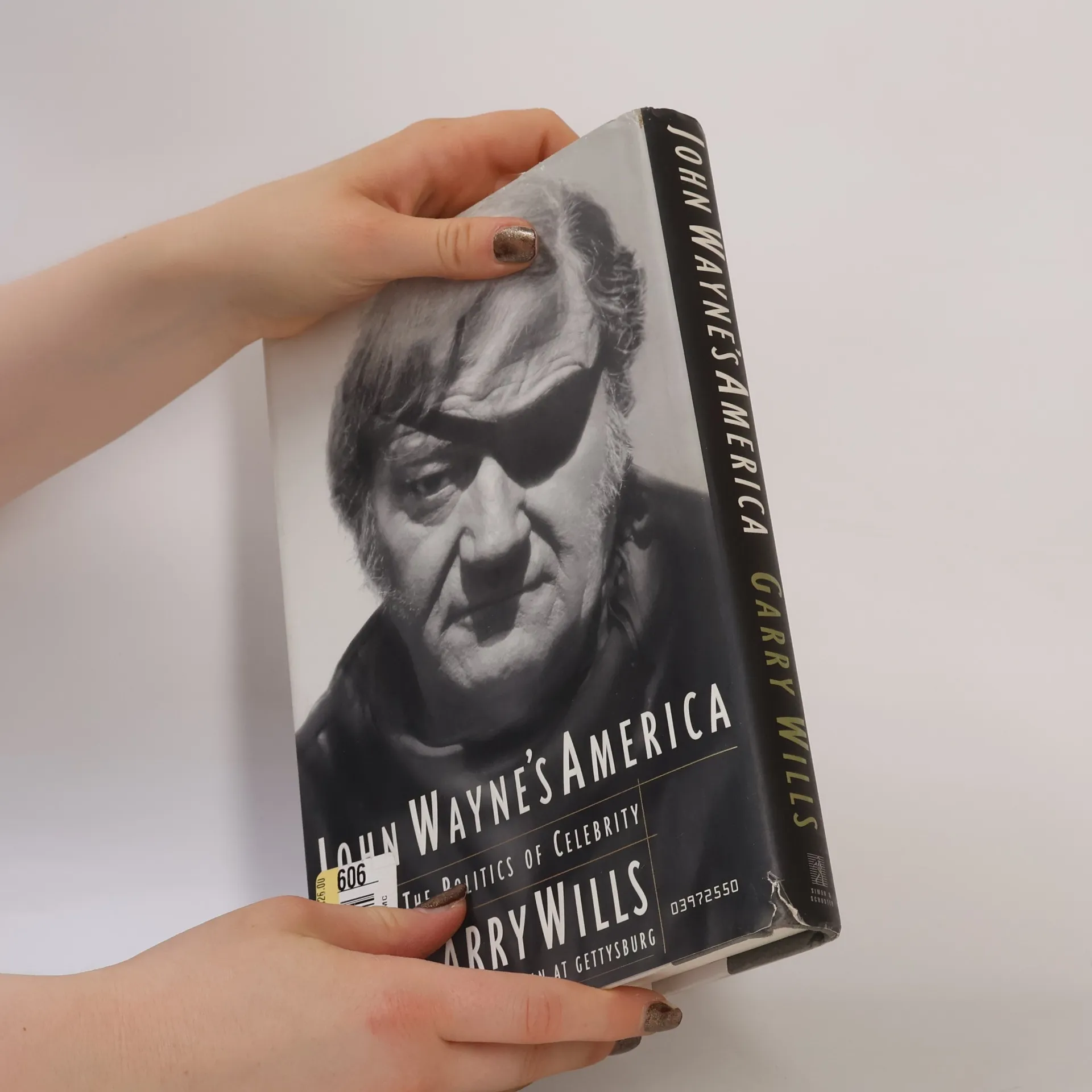
- Damaged
- Price
- €5.20
Payment methods
We’re missing your review here.
- Title
- John Wayne's America
- Subtitle
- The Politics of Celebrity
- Language
- English
- Authors
- Garry Wills
- Publisher
- Simon & Schuster
- Released
- 1997
- Format
- Hardcover
- Pages
- 380
- ISBN10
- 0684808234
- ISBN13
- 9780684808239
- Series
- Tags
- Non-Fiction, Art & Culture, Social Sciences, Historical Themes, True Stories, Biographies, Political Science & Politics, Politics, American Literature, Filmthema, Film, Politicians' Biographies
- Rating
- 3.85 out of 5
- Description
- Eighteen years after his death, John Wayne remains America's favorite movie star, symbolizing authentic Americanism and influencing political views. In this groundbreaking study, Pulitzer Prize-winning author Wills examines how Wayne, born Marion Morrison in Iowa, became a myth crafted by master directors like John Ford, embodying America's frontier myth. Unlike other actors, Wayne represented a politics of large meanings—gender, ideology, character, and personal responsibility—often transcending his own views. Although he avoided military service in WWII, he became the archetype of the American soldier through his roles. His image as a staunch anti-Communist belied his reluctance to take a stand during Hollywood's ideological battles until after they were resolved. Wayne's political significance evolved through his film roles, from the young, individualist cowboy hero to the middle-aged authority figure and finally to the elderly survivor of a bygone heroic era. Wills illustrates how Wayne's characters resonated with audiences during pivotal historical moments, leading Americans to invest their emotions in his embodiment of deep-seated myths. This exploration reveals how Wayne's Hollywood image shaped and distorted the perception of his life and the broader definition of "being American."