

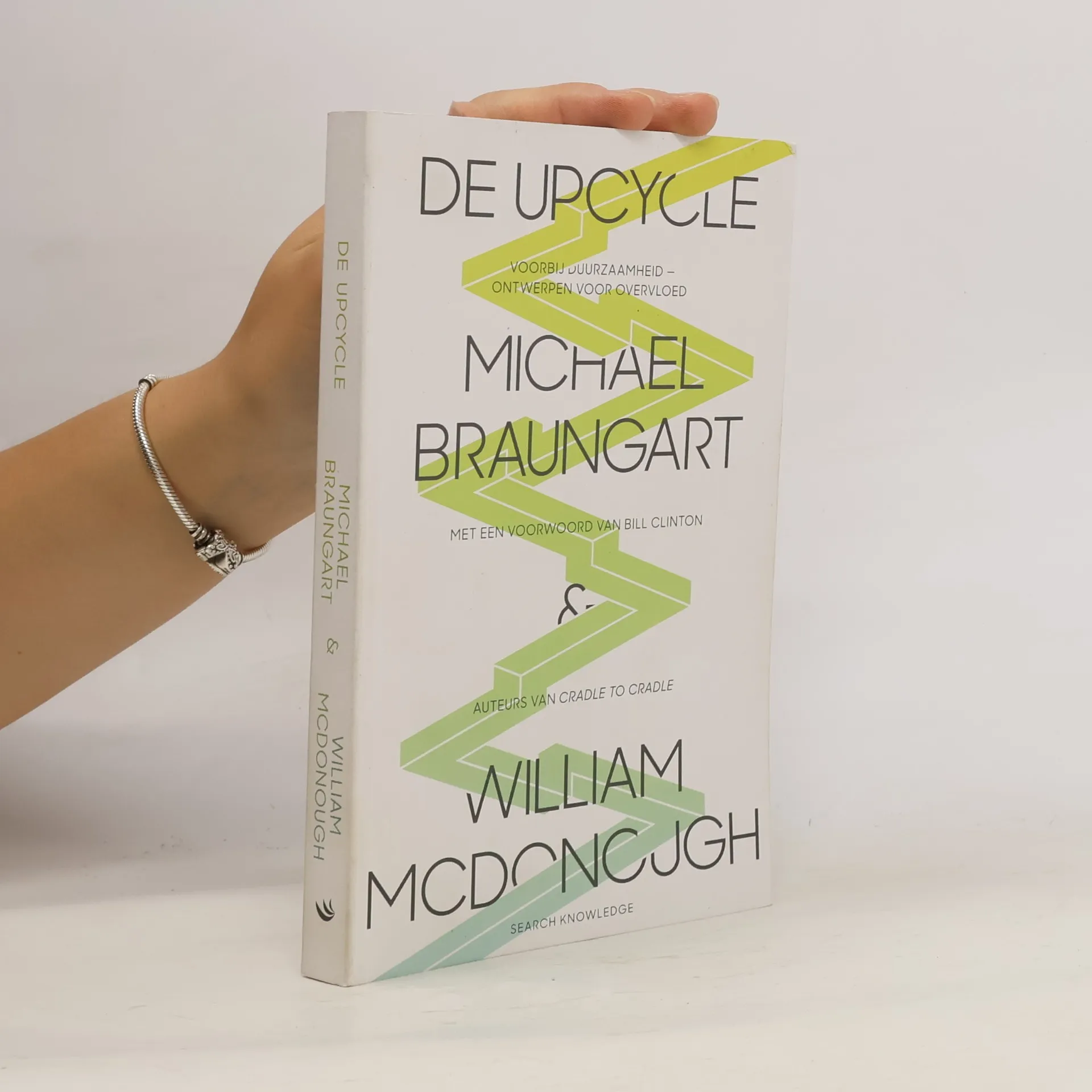
De upcycle - Voorbij duurzaamheid - Ontwerpen voor overvloed
voorbij duurzaamheid - ontwerpen voor overvloed
Book rating
More about the book
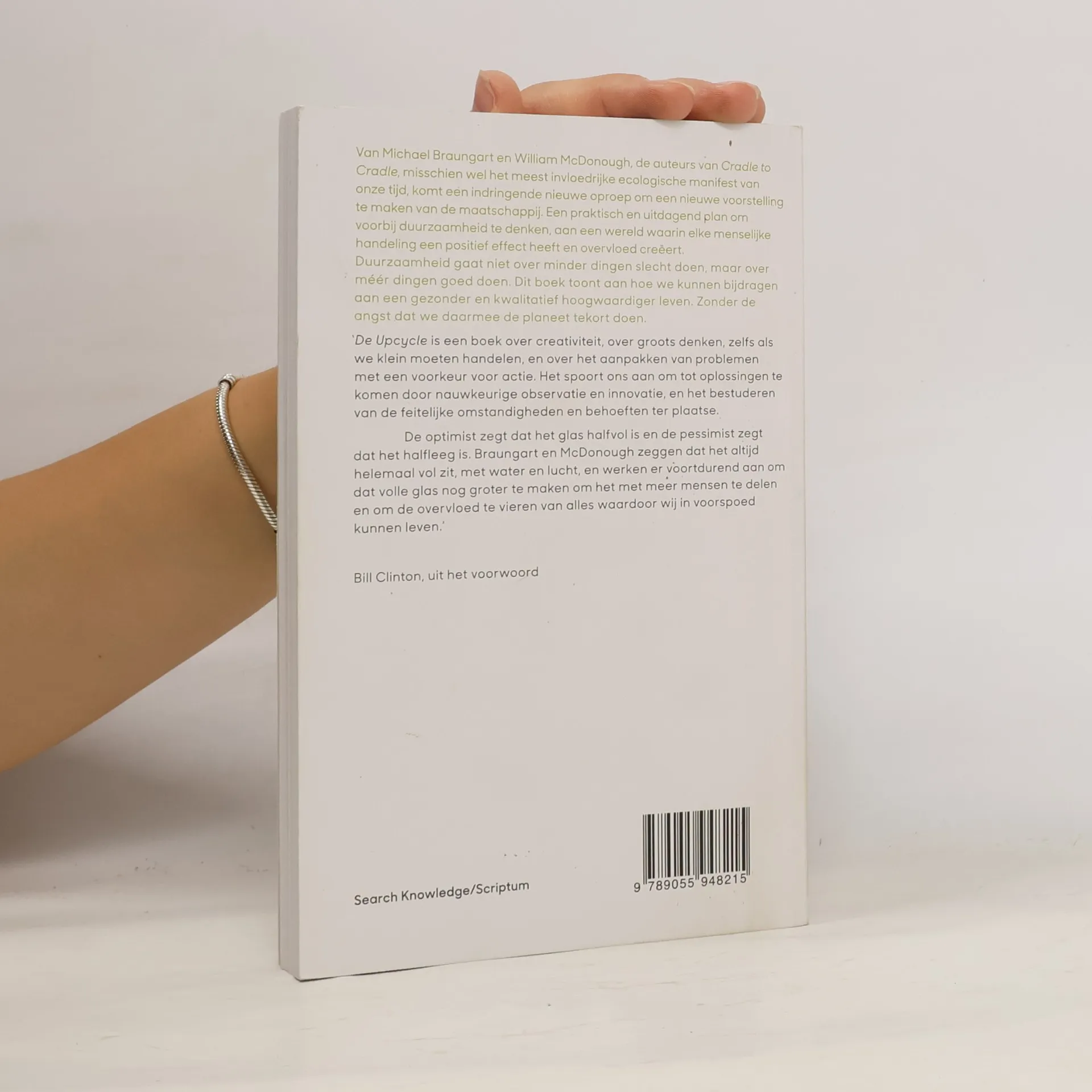
The Upcycle is the anticipated sequel to Cradle to Cradle, building on ten years of practical application of the cradle-to-cradle concept. Authors William McDonough and Michael Braungart propose a transformative approach to our ecological crisis: rather than merely reusing resources, we can actively enhance them. They argue that resource scarcity and sustainability are fundamentally design issues. With a focus on beneficial designs for products, buildings, and business practices, they showcase real-world examples of innovation—reinventing everyday items like chairs, cars, and factories to not only sustain life but to enhance it. This inspiring exploration highlights the unfolding of a new industrial revolution. While it shares the ambition of classics like Silent Spring, its mission diverges significantly. The authors challenge us to rethink our role on Earth, advocating for a redesign of our activities to improve the planet rather than merely protect it. This vision is not only bold but also achievable, offering a hopeful perspective on our potential to positively impact the environment.


Book purchase
De upcycle - Voorbij duurzaamheid - Ontwerpen voor overvloed, Michael Braungart, William McDonough
- Language

- Released
- 2013
- Binding
- (Paperback),
- Book condition
- Damaged
- Price
- €23.36
Payment methods
We’re missing your review here.
- Subtitle
- voorbij duurzaamheid - ontwerpen voor overvloed
- Language
- Dutch
- Authors
- Michael Braungart, William McDonough
- Publisher
- Scriptum
- Released
- 2013
- Format
- Paperback
- Pages
- 287
- ISBN10
- 9055948217
- ISBN13
- 9789055948215
- Series
- Tags
- Non-Fiction, Art & Culture, Business, Business & Management, Science & Math, Science, Environmental Themes, Design, Ecology, Marketing & Sales, Sustainability
- Original title
- The upcycle
- Rating
- 4.1 out of 5
- Description
- The Upcycle is the anticipated sequel to Cradle to Cradle, building on ten years of practical application of the cradle-to-cradle concept. Authors William McDonough and Michael Braungart propose a transformative approach to our ecological crisis: rather than merely reusing resources, we can actively enhance them. They argue that resource scarcity and sustainability are fundamentally design issues. With a focus on beneficial designs for products, buildings, and business practices, they showcase real-world examples of innovation—reinventing everyday items like chairs, cars, and factories to not only sustain life but to enhance it. This inspiring exploration highlights the unfolding of a new industrial revolution. While it shares the ambition of classics like Silent Spring, its mission diverges significantly. The authors challenge us to rethink our role on Earth, advocating for a redesign of our activities to improve the planet rather than merely protect it. This vision is not only bold but also achievable, offering a hopeful perspective on our potential to positively impact the environment.