

Florentina Pakosta
More about the book
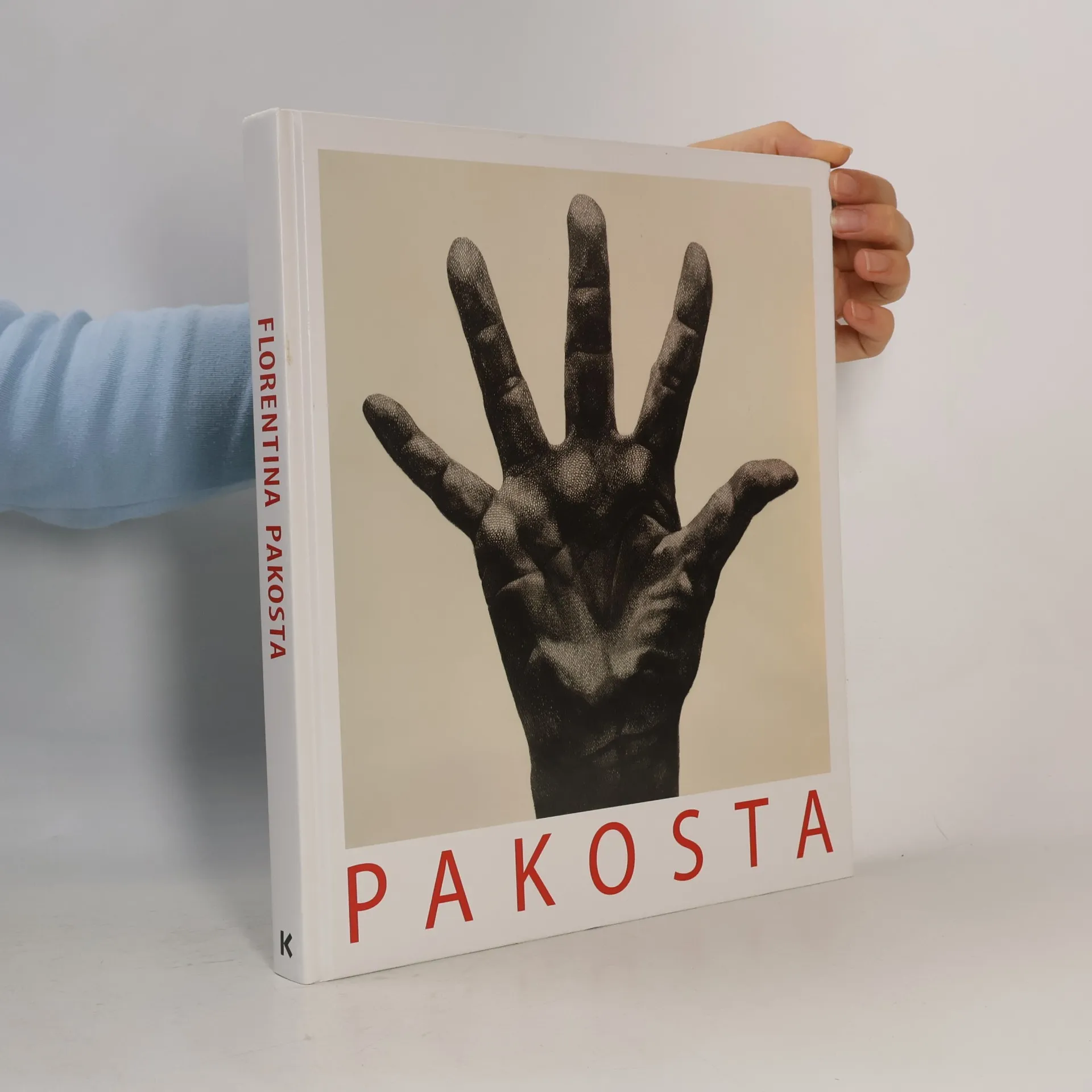
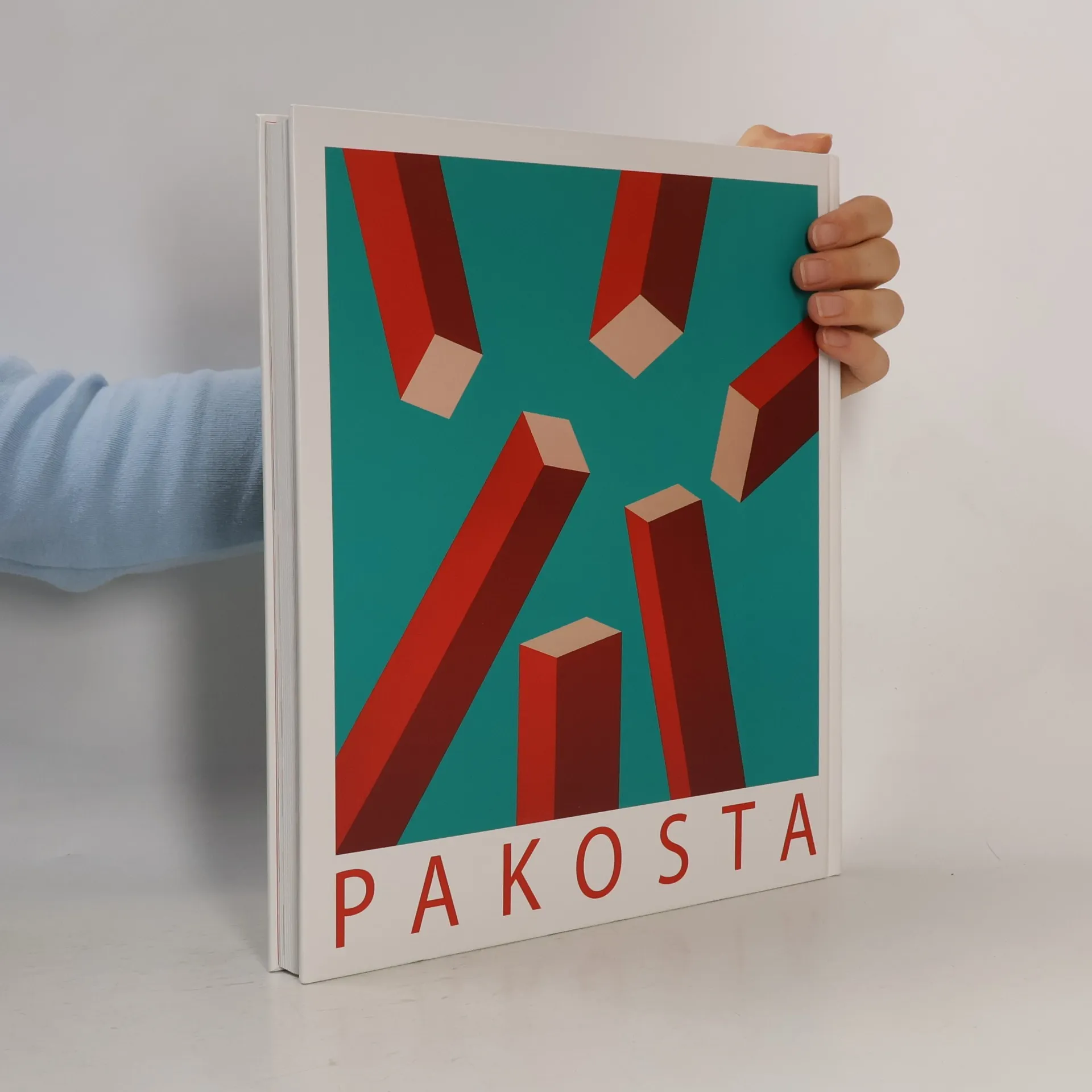
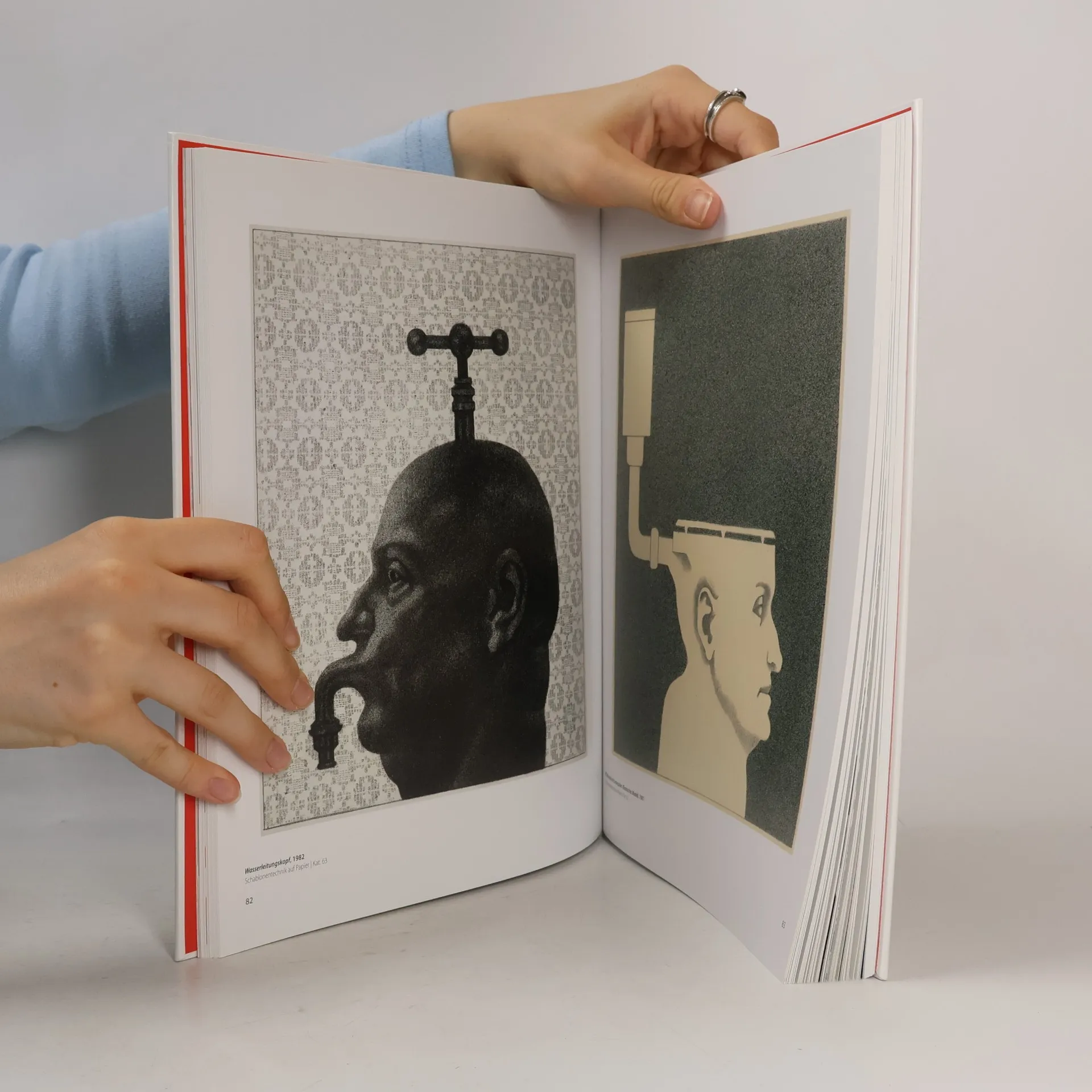
On the occasion of Austrian artist Florentina Pakosta's 85th birthday, the Albertina Museum is devoting a large-scale retrospective to her oeuvre. In her 1960s drawings and printed graphics, Florentina Pakosta reacted to discrimination against women in the art scene. For centuries, male artists had portrayed women as objects or muses. Pakosta consequently turned her gaze on men and proceeded to dissect their facial expressions and body language. Her satirical works attack patriarchal power structures by caricaturing male behavior and reversing traditional roles. Self-portraits likewise play a central role in the oeuvre of Florentina Pakosta--showing her at times serious, then self-confident, then combative. In her series Warenlandschaften [Product Landscapes] and Menschenmassen [Crowds of People], on the other hand, Pakosta lends expression to the disappearance of the subject in capitalism. Pakosta's mid-1980s output then gradually turns away from black-and-white, figurative painting in favor of an abstract visual language--and to this day, she has continued to create series of characteristic works comprised of geometric beams.
Publication

There are currently of book Florentina Pakosta (2018) in stock.
Book purchase
Florentina Pakosta, Reinhard Spieler, Florentina Pakosta, Elsy Lahner, Klaus Albrecht Schröder, Susanne Winder
- Language

- Released
- 2018
- Binding
- (Hardcover),
- Book condition
- Good
- Price
- €15.49
Payment methods
No one has rated yet.
- Title
- Florentina Pakosta
- Language
- German
- Publisher
- Kerber
- Released
- 2018
- Format
- Hardcover
- Pages
- 215
- ISBN10
- 395045215X
- ISBN13
- 9783950452150
- Series
- Categories
- Tags
- Description
- On the occasion of Austrian artist Florentina Pakosta's 85th birthday, the Albertina Museum is devoting a large-scale retrospective to her oeuvre. In her 1960s drawings and printed graphics, Florentina Pakosta reacted to discrimination against women in the art scene. For centuries, male artists had portrayed women as objects or muses. Pakosta consequently turned her gaze on men and proceeded to dissect their facial expressions and body language. Her satirical works attack patriarchal power structures by caricaturing male behavior and reversing traditional roles. Self-portraits likewise play a central role in the oeuvre of Florentina Pakosta--showing her at times serious, then self-confident, then combative. In her series Warenlandschaften [Product Landscapes] and Menschenmassen [Crowds of People], on the other hand, Pakosta lends expression to the disappearance of the subject in capitalism. Pakosta's mid-1980s output then gradually turns away from black-and-white, figurative painting in favor of an abstract visual language--and to this day, she has continued to create series of characteristic works comprised of geometric beams.