
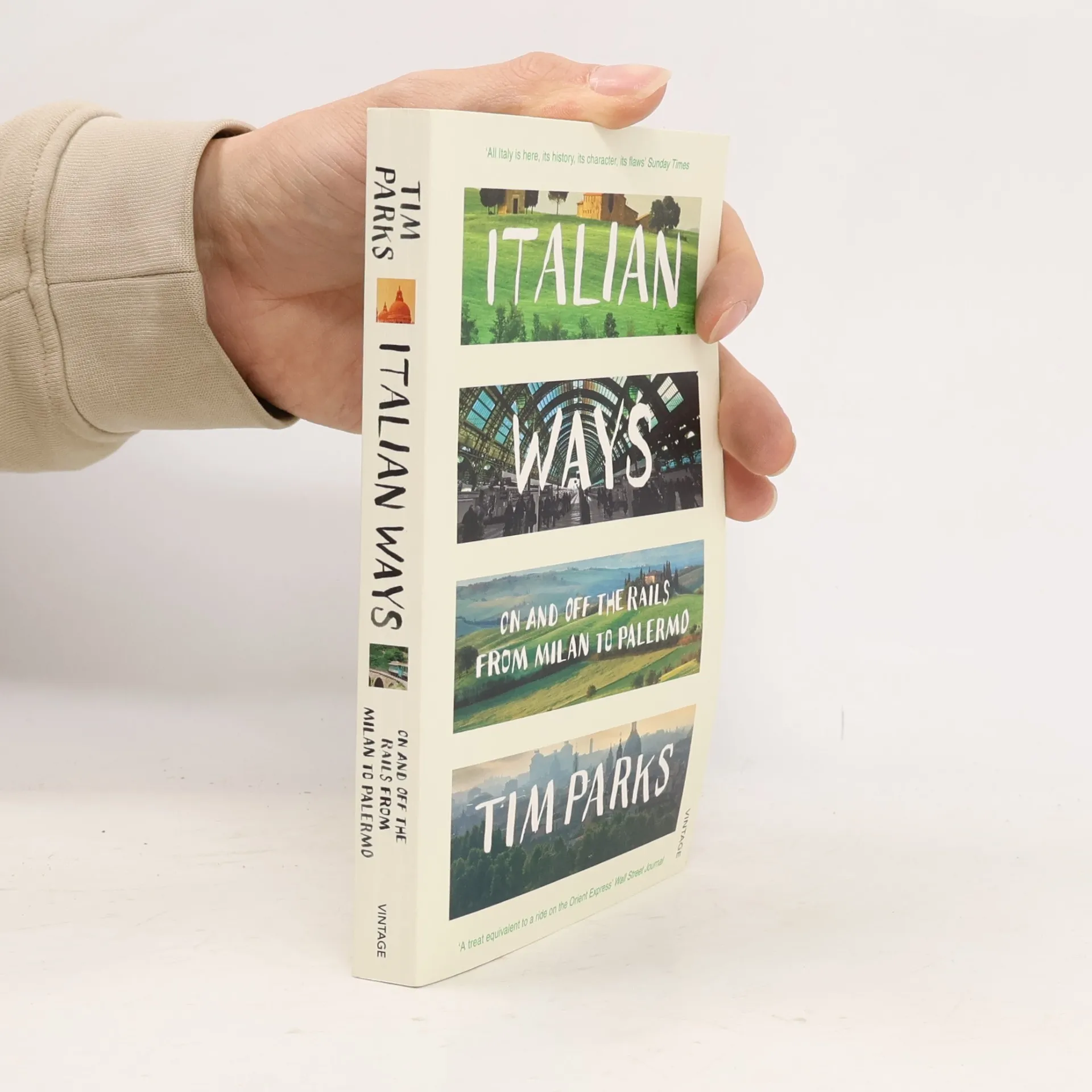
A journey around Italy by train, full of humorous and insightful observations on what the railways and their travellers reveal about the country In Italian Ways , bestselling writer Tim Parks brings us a fresh portrait of Italy today through a wry account of his train journeys around the country. Whether describing his daily commute from Milan to Verona, his regular trips to Florence and Rome, or his occasional sojourns to Naples and Sicily, Parks uses his thirty years of amusing and maddening experiences on Italian trains to reveal what he calls the ‘charmingly irritating dystopian paradise’ of Italy. Through memorable encounters with ordinary Italians – conductors and ticket collectors, priests and prostitutes, scholars and lovers, gypsies and immigrants – Parks captures what makes Italian life distinctive. Italian Ways also explores how trains helped build Italy and how the railways reflect Italians’ sense of themselves from Garibaldi to Mussolini to Berlusconi and beyond. Most of all, Italian Ways is an entertaining attempt to capture the essence of modern Italy.
Italy and Italians Series
This series delves into the rich history, culture, and life of Italy and its people. It explores the diverse regions of the country, from bustling cities to picturesque landscapes. Readers will discover fascinating stories about the people, traditions, and cuisine that define Italian identity. It's a celebration of all things Italian, perfect for those who have a passion for this captivating nation.


Exploring the nuances of Italian parenthood, the narrative delves into the challenges and joys of raising Italian-born children while navigating local culture. Parks captures the essence of family life through vivid observations at home, school, and church, blending humor with moments of despair. His experiences reveal the complexities of adapting to a new society, emphasizing the Italian philosophy that all days blend together. Through his keen insights, Parks offers a charming and relatable portrayal of expatriate life in Italy.
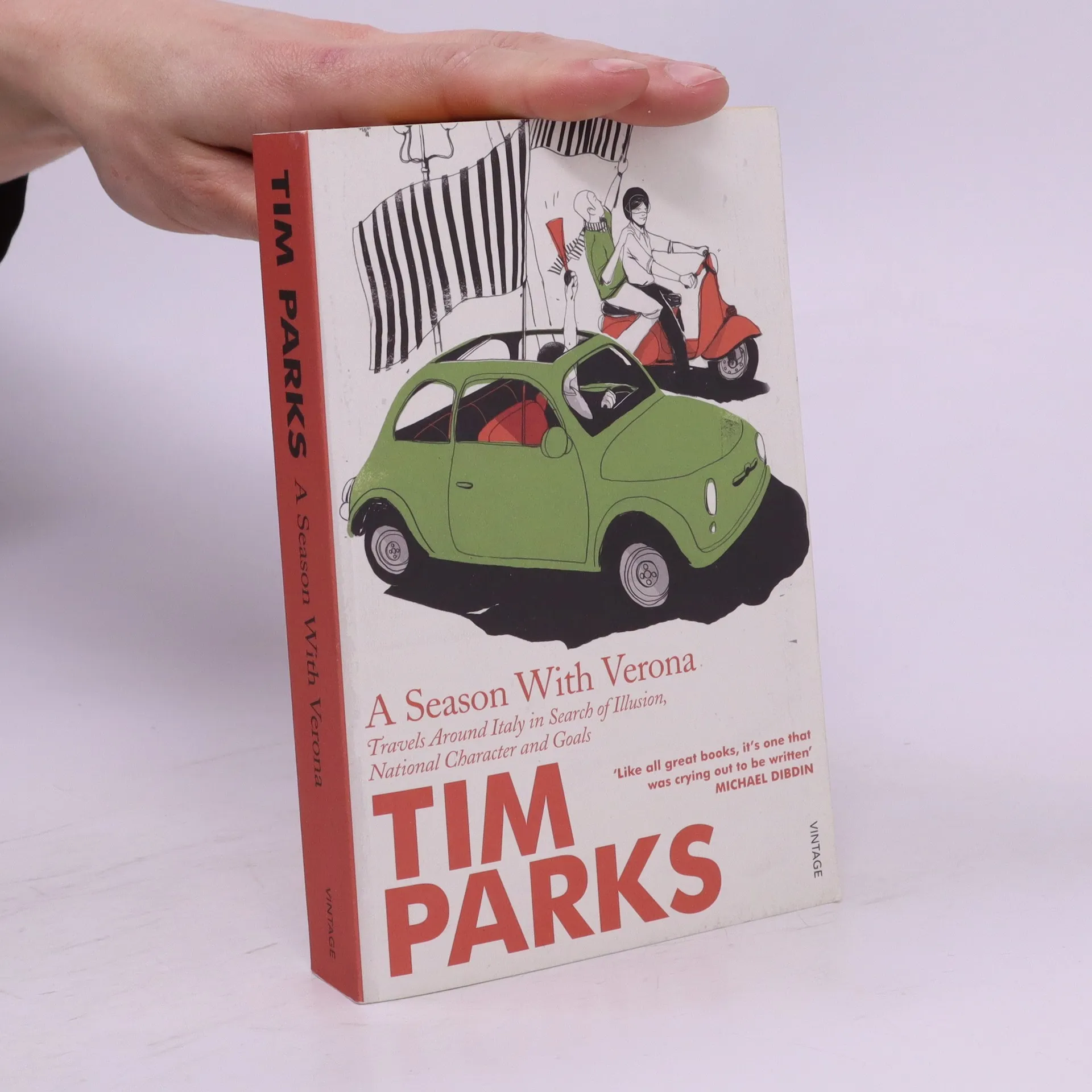
A season with Verona : travels around Italy in search of illusion, national character and goals
- 464 pages
- 17 hours of reading
Is Italy A United Country, Or A Loose Affiliation Of Warring States? Is Italian Football A Sport, Or An Ill-Disguised Protraction Of Ancient Enmities? After Twenty Years In The Bel Paese, Tim Parks Goes On The Road To Follow The Fortunes Of Hellas Verona Football Club, To Pay A Different Kind Of Visit To Some Of The World'S Most Beautiful Cities, And To Get A Fresh Take On The Conundrum That Is National Character. From Udine To Catania, From The San Siro To The Olimpico, This Is A Highly Personal Account Of One Man'S Relationship With A Country, Its People And Its National Sport. A Book That Combines The Tension Of Cliff-Hanging Narrative With The Pleasures Of Travel Writing, And The Stimulation Of A Profound Analysis Of One Country'S Mad, Mad Way Of Keeping Itself Entertained.
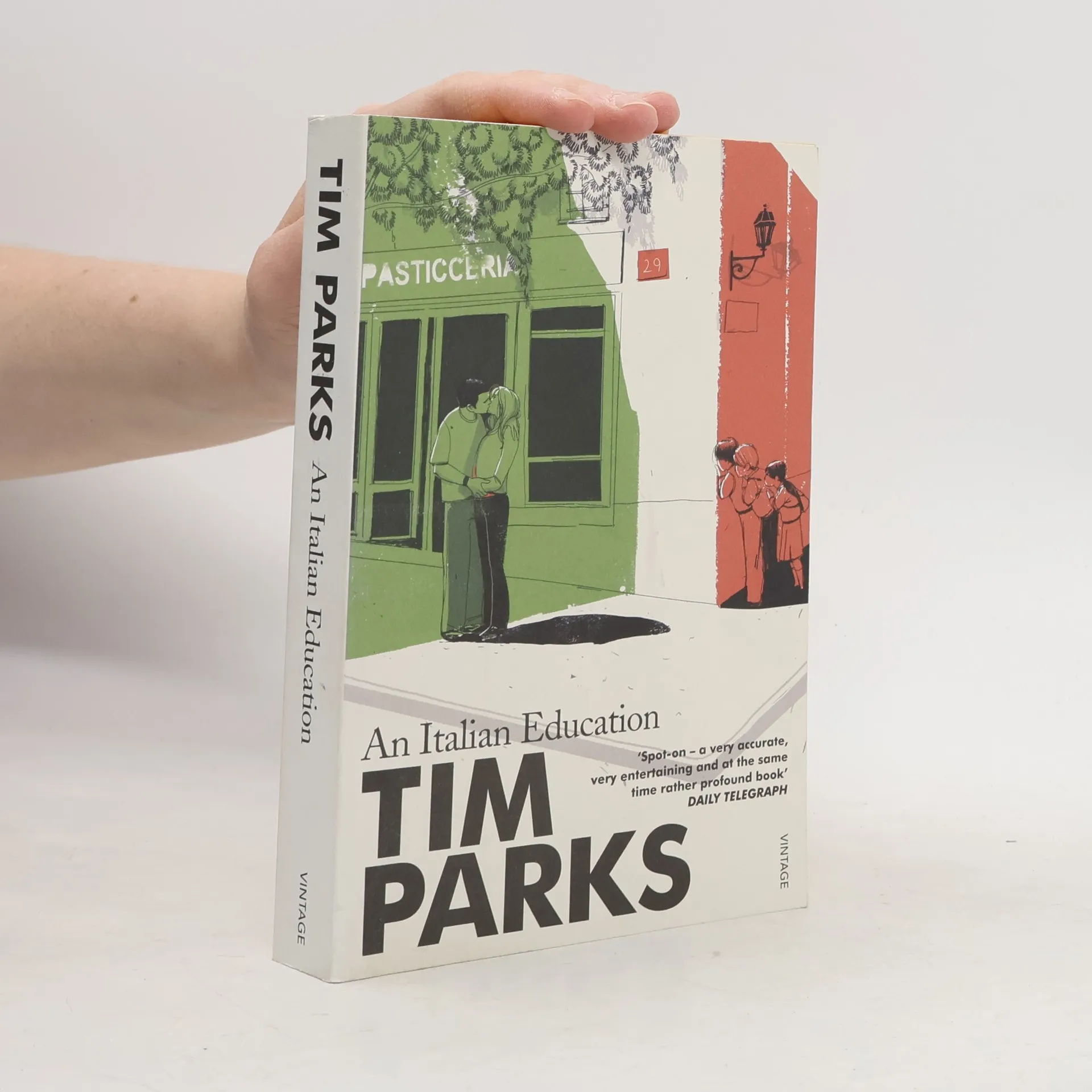
An Italian Education
- 464 pages
- 17 hours of reading
How does an Italian become Italian? Or an Englishman English, for that matter? Are foreigners born, or made? In An Italian Education Tim Parks focuses on his own young children in the small village near Verona where he lives, building a fascinating picture of the contemporary Italian family at school, at home, at work and at play. The result is a delight- at once a family book and a travel book, not quite enamoured with either children or Italy, but always affectionate, always amused and always amusing.
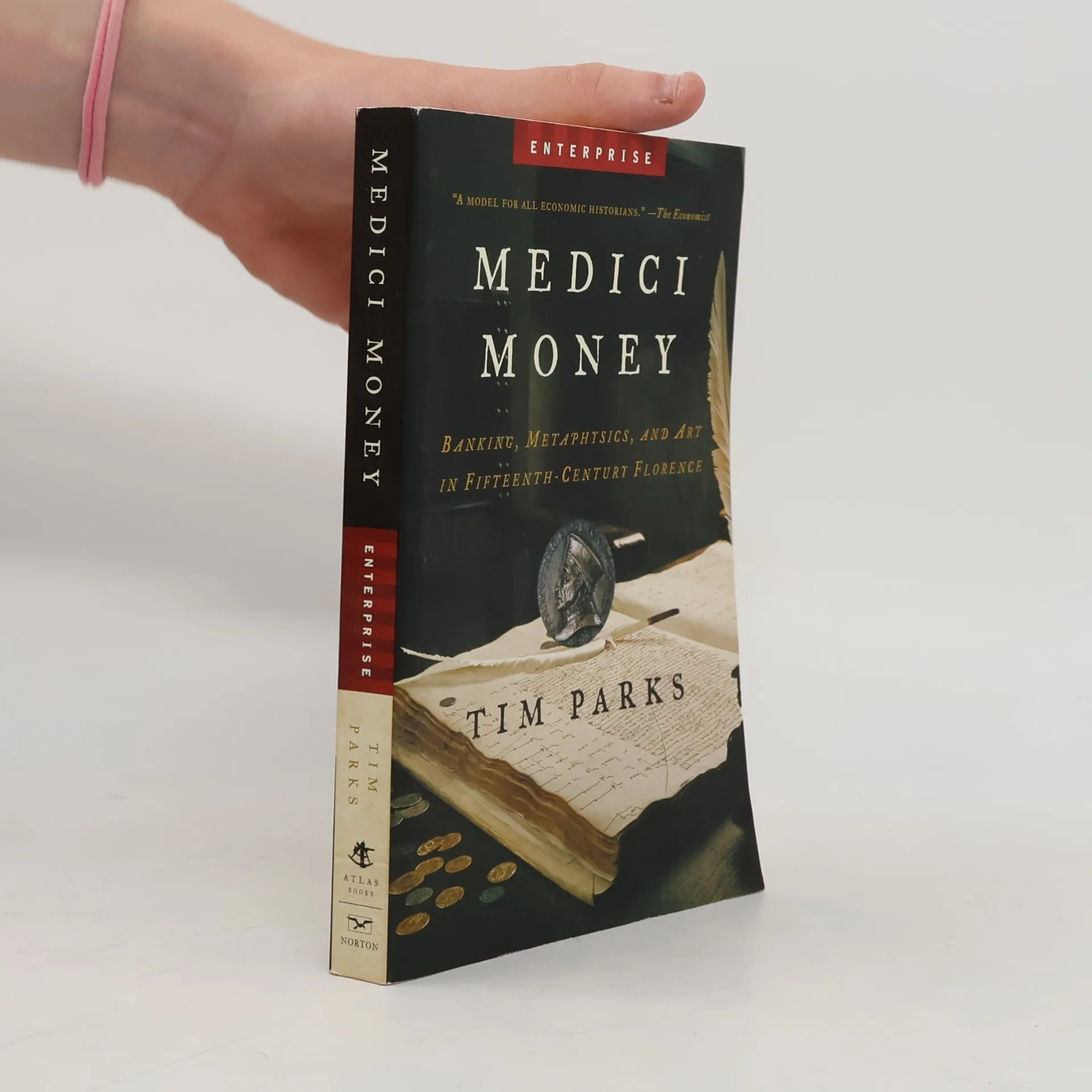
Medici Money
- 288 pages
- 11 hours of reading
The Medici are famous as the rulers of Florence at the high point of the Renaissance. Their power derived from the family bank, and this book tells the fascinating, frequently bloody story of the family and the dramatic development and collapse of their bank (from Cosimo who took it over in 1419 to his grandson Lorenzo the Magnificent who presided over its precipitous decline). The Medici faced two apparently insuperable problems: how did a banker deal with the fact that the Church regarded interest as a sin and had made it illegal? How in a small republic like Florence could he avoid having his wealth taken away by taxation? But the bank became indispensable to the Church. And the family completely subverted Florence's claims to being democratic. They ran the city. Medici Money explores a crucial moment in the passage from the Middle Ages to the Modern world, a moment when our own attitudes to money and morals were being formed.To read this book is to understand how much the Renaissance has to tell us about our own world. Medici Money is one of the launch titles in a new series, Atlas Books, edited by James Atlas. Atlas Books pairs fine writers with stories of the economic forces that have shaped the world, in a new genre - the business book as literature.