Tim Parks is a British author celebrated for his incisive essays and novels. His work often delves into the complexities of modern life, the search for meaning, and interpersonal relationships, all rendered with a distinctive voice. Parks is known for his keen observational skills and penetrating psychological insights into his characters. His essays provide thoughtful reflections on the craft of writing, reading, and the art of translation. His writing invites readers to contemplate the world around them.
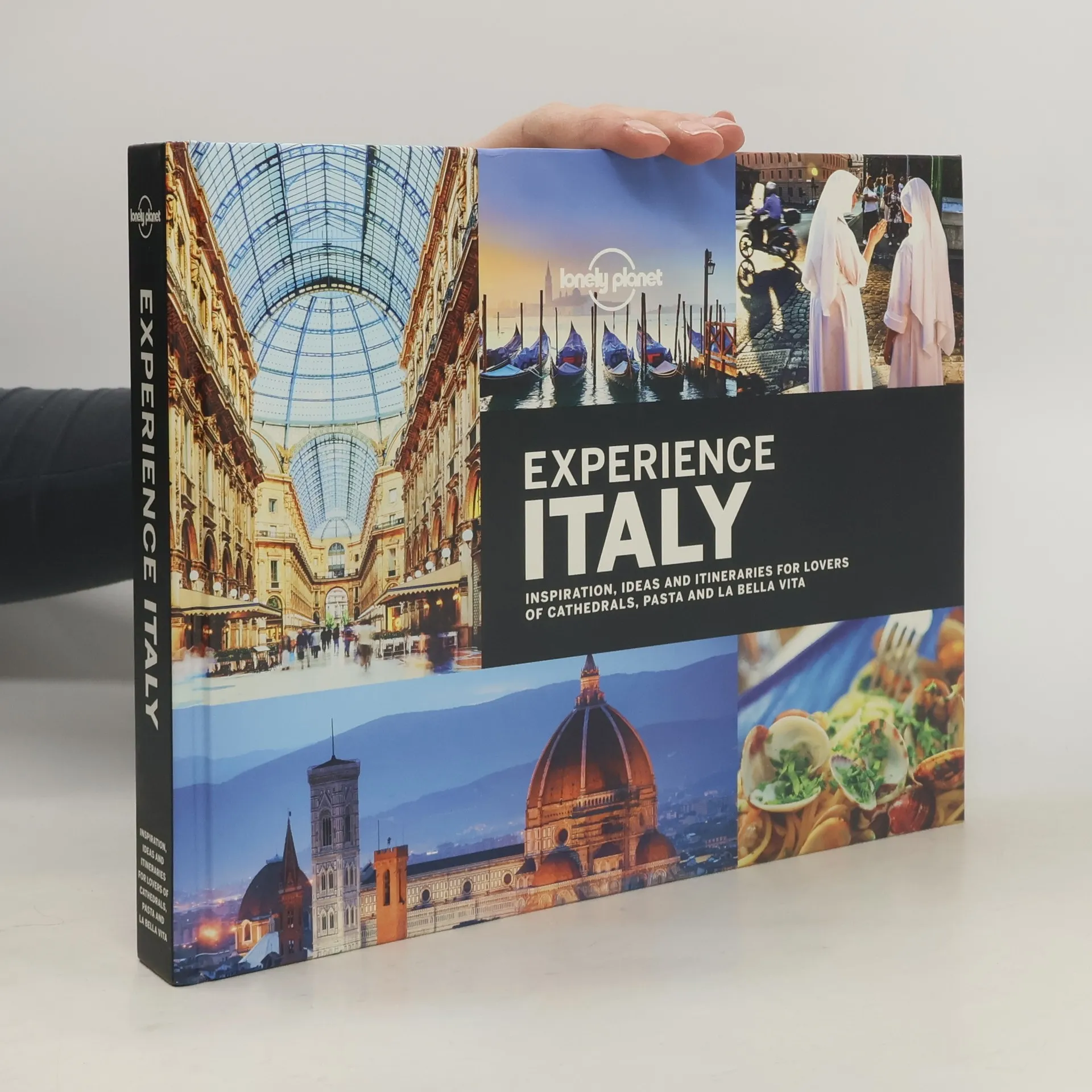
Tour the wineries of northern Italy. Explore the cave houses of Matera. Search out mindblowing gelato. Experience Italy unveils new aspects of the Italy you know and showcases the Italy you're yet to encounter.
Drawing on anecdote, autobiography, and an extraordinary range of reading, novelist Tim Parks has fused together essay and narrative to create a beguillingly new reading experience, at once charming, gripping and intellectuarlly mind-blowing. Whether he is exploring ghosts or First World Ware heroes, Indian gods or Verona Football Club, adultery or the EC, each piece moves with masterful assurance towards those moments of illumination when finally we appreciate, if only fleetingly, the relationship between our most intimate experiences and the larger world of ideas, and in so doing grasp the principles that underlie our modern way of life.
Is Italy A United Country, Or A Loose Affiliation Of Warring States? Is Italian Football A Sport, Or An Ill-Disguised Protraction Of Ancient Enmities? After Twenty Years In The Bel Paese, Tim Parks Goes On The Road To Follow The Fortunes Of Hellas Verona Football Club, To Pay A Different Kind Of Visit To Some Of The World'S Most Beautiful Cities, And To Get A Fresh Take On The Conundrum That Is National Character. From Udine To Catania, From The San Siro To The Olimpico, This Is A Highly Personal Account Of One Man'S Relationship With A Country, Its People And Its National Sport. A Book That Combines The Tension Of Cliff-Hanging Narrative With The Pleasures Of Travel Writing, And The Stimulation Of A Profound Analysis Of One Country'S Mad, Mad Way Of Keeping Itself Entertained.
Already a highly successful lawyer, Daniel Savage has just been promoted to the position of Crown Court judge--though jealous colleagues whisper that his promotion might be due to the fact that he is black. He decides that it's finally time to settle down, forswear philandering, and rededicate himself to his family. His teenage children require a father's attention, and his career demands responsible behavior. But this supposed pillar of society has been leading a double life for far too long. Just when he seems to have it all--success, money, a wonderful family--everything is about to fall apart. On the eve of a shocking murder trial, a young woman from his past--who holds an explosive secret that could threaten both his family and his career--begins making mysterious phone calls to his house. As lives and lies tangle inside his courtroom, Judge Savage finds his own existence spiraling downward into violence, blackmail, deception, and confusion that will keep readers guessing to the last page.
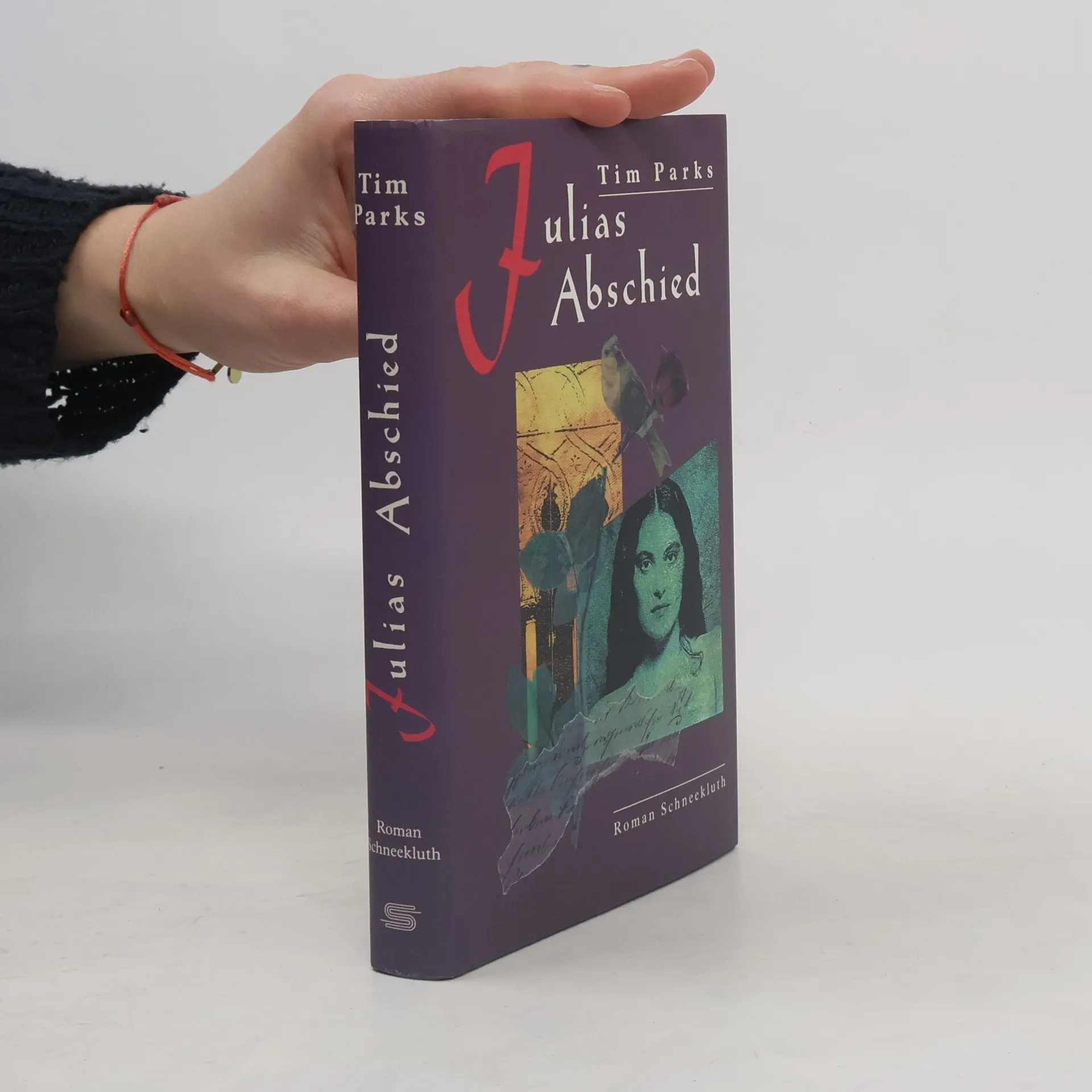
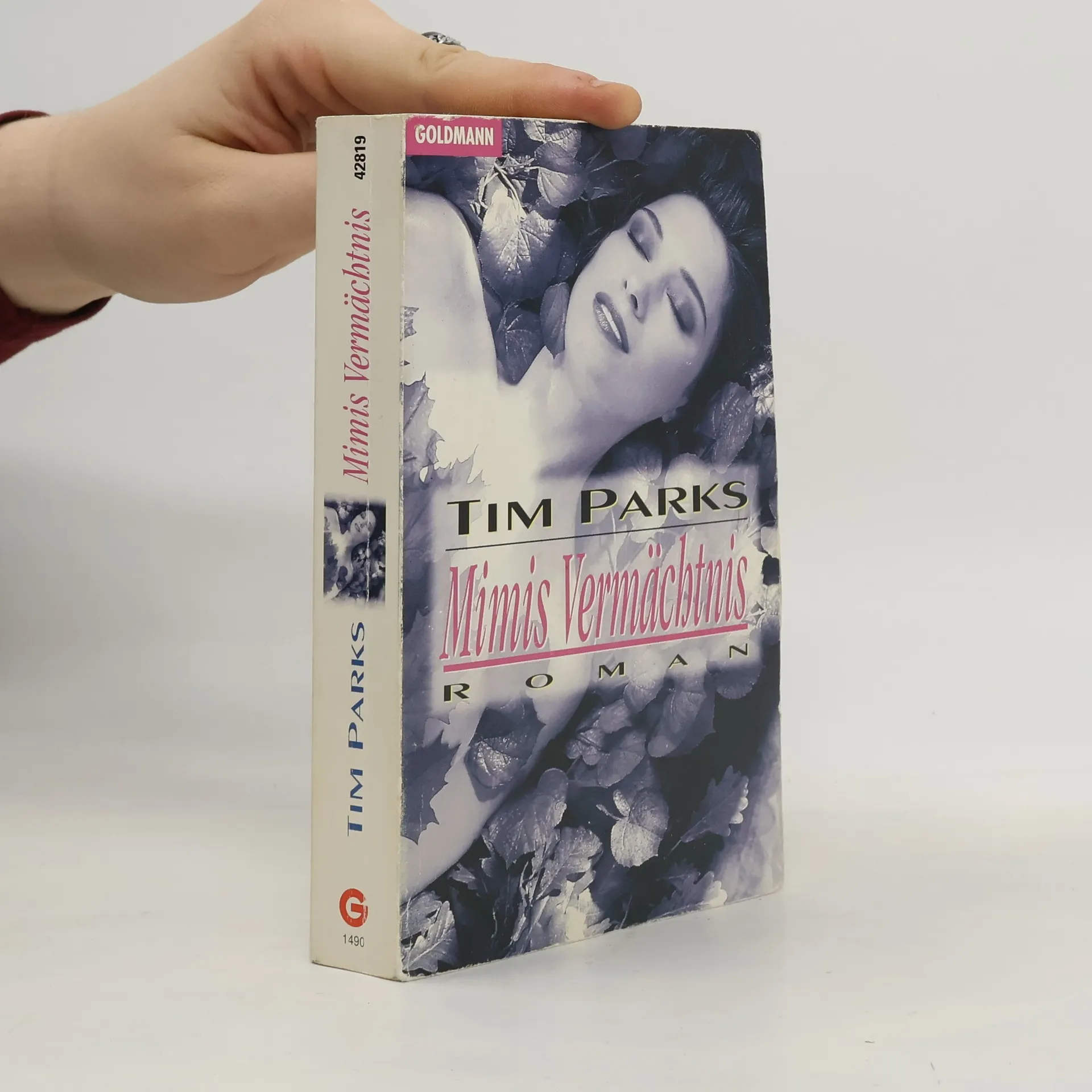
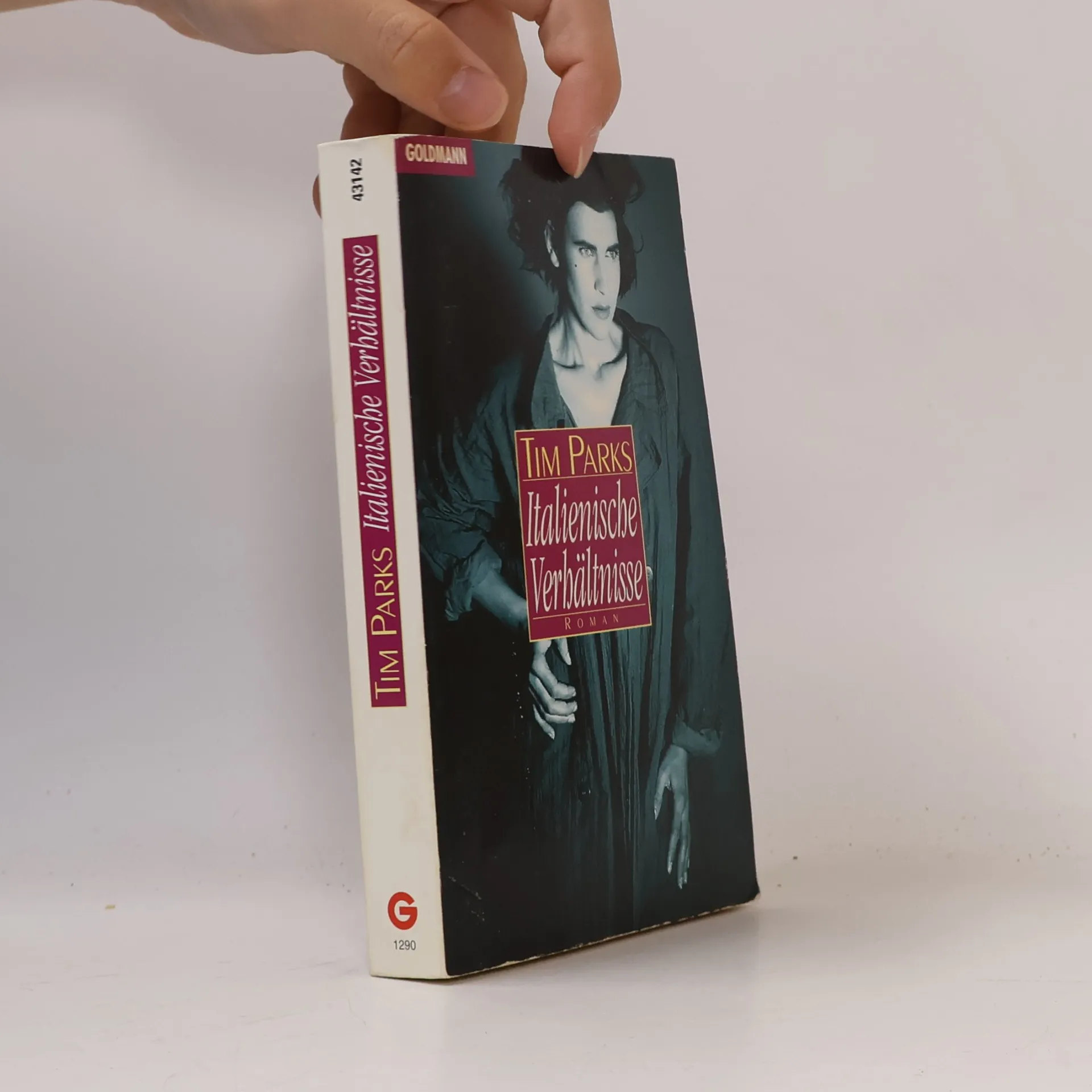
Three months after returning to England, Christopher Burton, receives a phone- call at the reception desk of the Rembrandt Hotel, Knightsbridge that informs him of his son's suicide. But why on receiving this terrible news, does Burton immediately decide that he must leave his Italian wife of thirty years standing? schovat popis
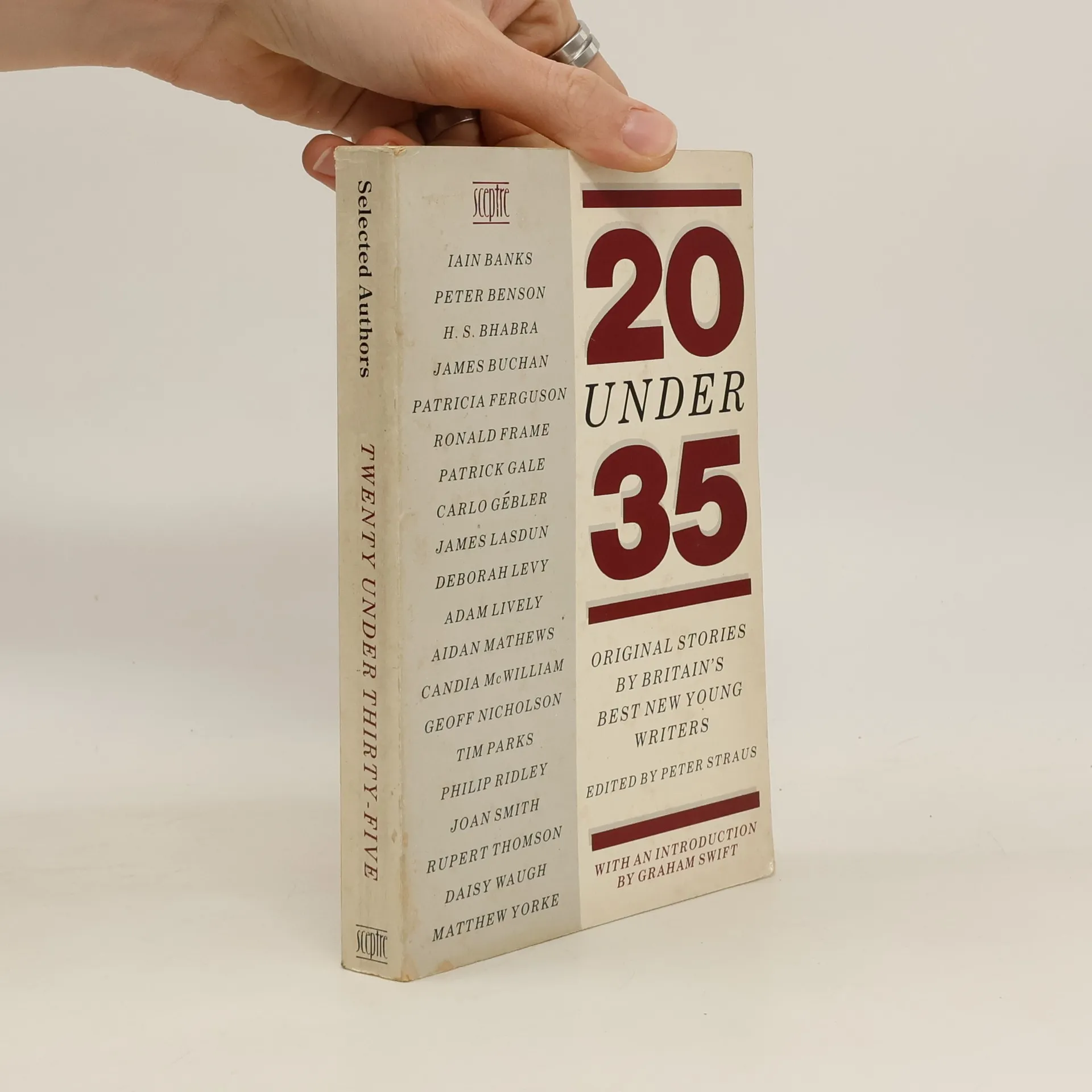
Original Stories by Britain's Best New Young Writers
336 pages
12 hours of reading
A collection of short stories by young British writers, this provides an introduction to the work of Iain Banks, Peter Benson, H.S. Bhabra, James Buchan, Patricia Ferguson, Ronald Frame, Patrick Gale, Carlo Gebler, James Lasdun, Deborah Levy, Adam Lively, Aidan Mathews, Candia McWilliam, Geoff Nicholson, Tim Parks, Philip Ridley, Joan Smith, Rupert Thomson, Daisy Waugh and Mathew Yorke. Many of these have already received critical acclaim. The collection is introduced by Graham Swift, author of "Waterland" and "Out of this World".
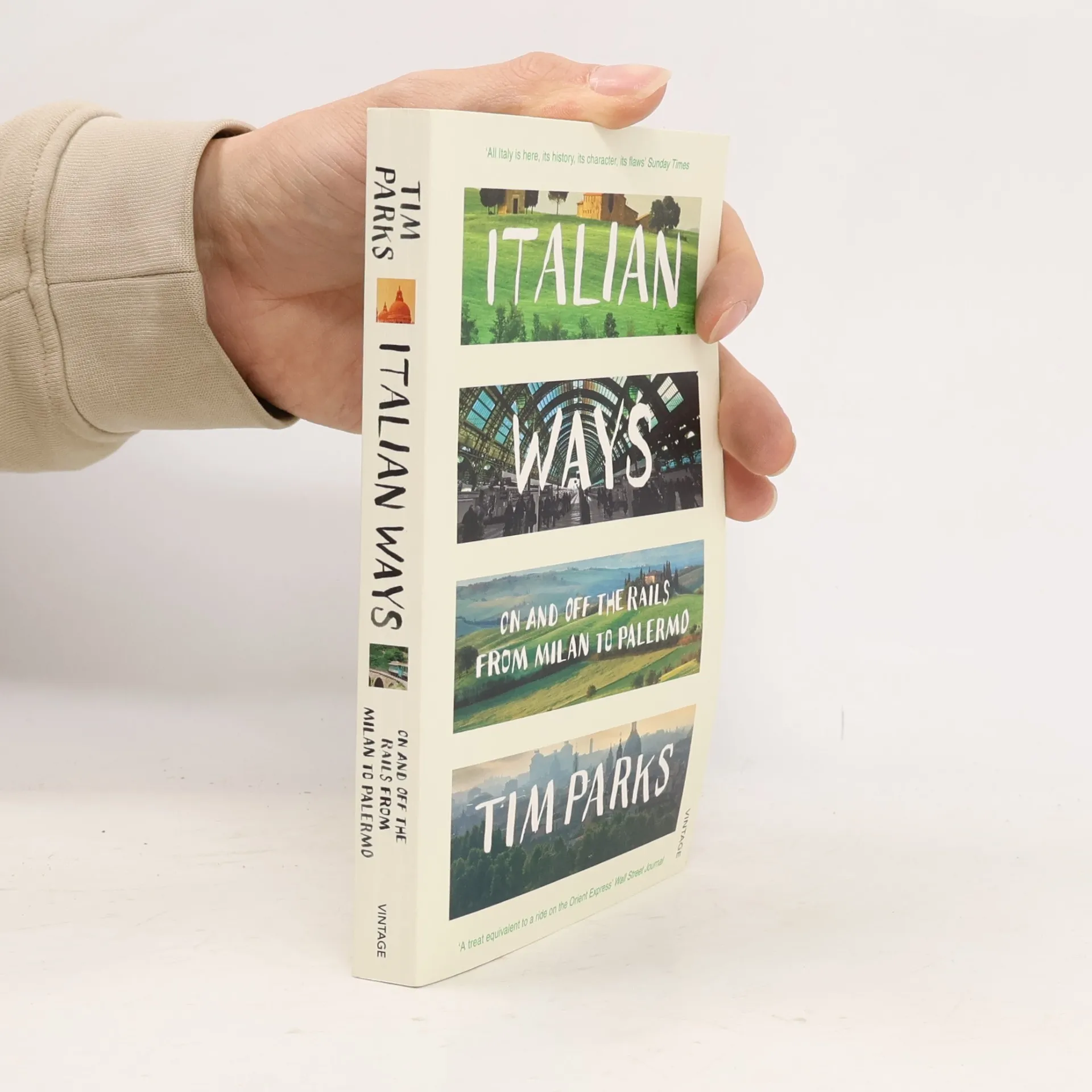
'All Italy is here' Sunday Times From the bestselling author of Italian Neighbours, An Italian Education and A Season with Verona Longlisted for the Dolman Travel Book Award In 1981 Tim Parks moved from England to Italy and spent the next thirty years alongside hundreds of thousands of Italians on his adopted country's vast, various and ever-changing networks of trains. Through memorable encounters with ordinary Italians - conductors and ticket collectors, priests and prostitutes, scholars and lovers, gypsies and immigrants - Tim Parks captures what makes Italian life distinctive. He explores how trains helped build Italy and how the railways reflect Italians' sense of themselves from Garibaldi to Mussolini to Berlusconi and beyond.
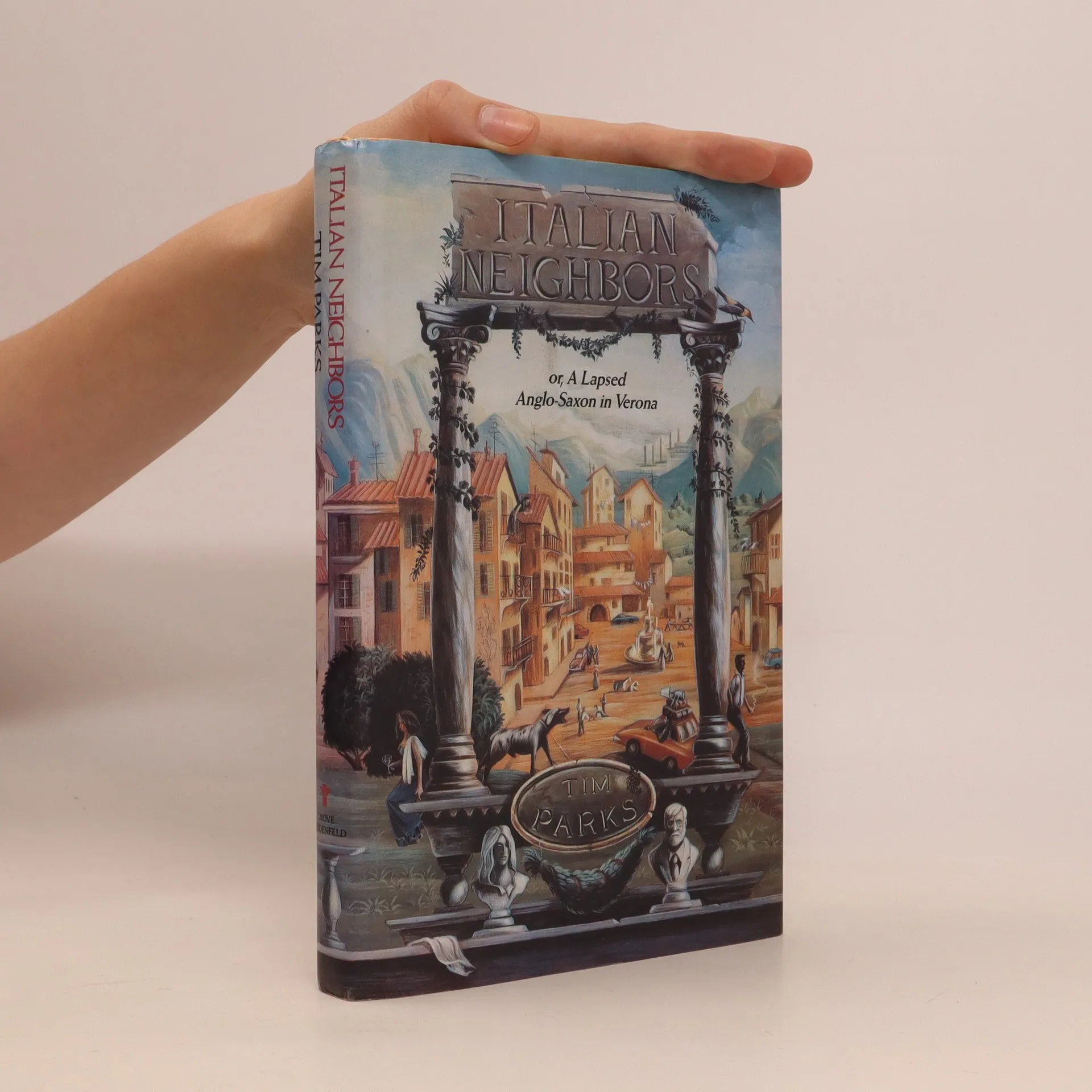
An American expatriate describes life in Verona, the collision between invading suburbia and the die-hard peasant tradition, the architecture, wine bottling, gardening, religion, health care, and the Veronese
"In the autumn of 2004, shortly after his memorable interview with the President of the United States and following the publication of his elder son's novelised autobiography, cruelly entitled "Under His Shadow", celebrity journalist, broadcaster and documentary film-maker Harold Cleaver boarded a British Airways flight from London Gatwick to Milan Malpensa, proceeded by Italian railways as far as Bruneck in the South Tyrol and thence by taxi, northwards, to the village of Luttach only a few kilometres from the Austrian border, from whence he hoped to find some remote mountain habitation in which to spend the next, if not necessarily the last, years of his life." Thus opens Tim Parks' new novel and masterpiece. Overweight and overwrought, London's most successful journalist abandons home, partner, mistresses and above all television, the instrument that brought him identity and power. His quest: to climb above "the noise line," to get beyond the e.mail and the mobile phone and the interminable clamour of the public voice of which he himself was such a master. Weeks later, snowed in at five thousand feet, harangued by voices from the past and humiliated by his inability to understand the gothic peasants he relies on for food and whisky, Cleaver discovers that there is nowhere so noisy and so dangerous as the solitary mind.
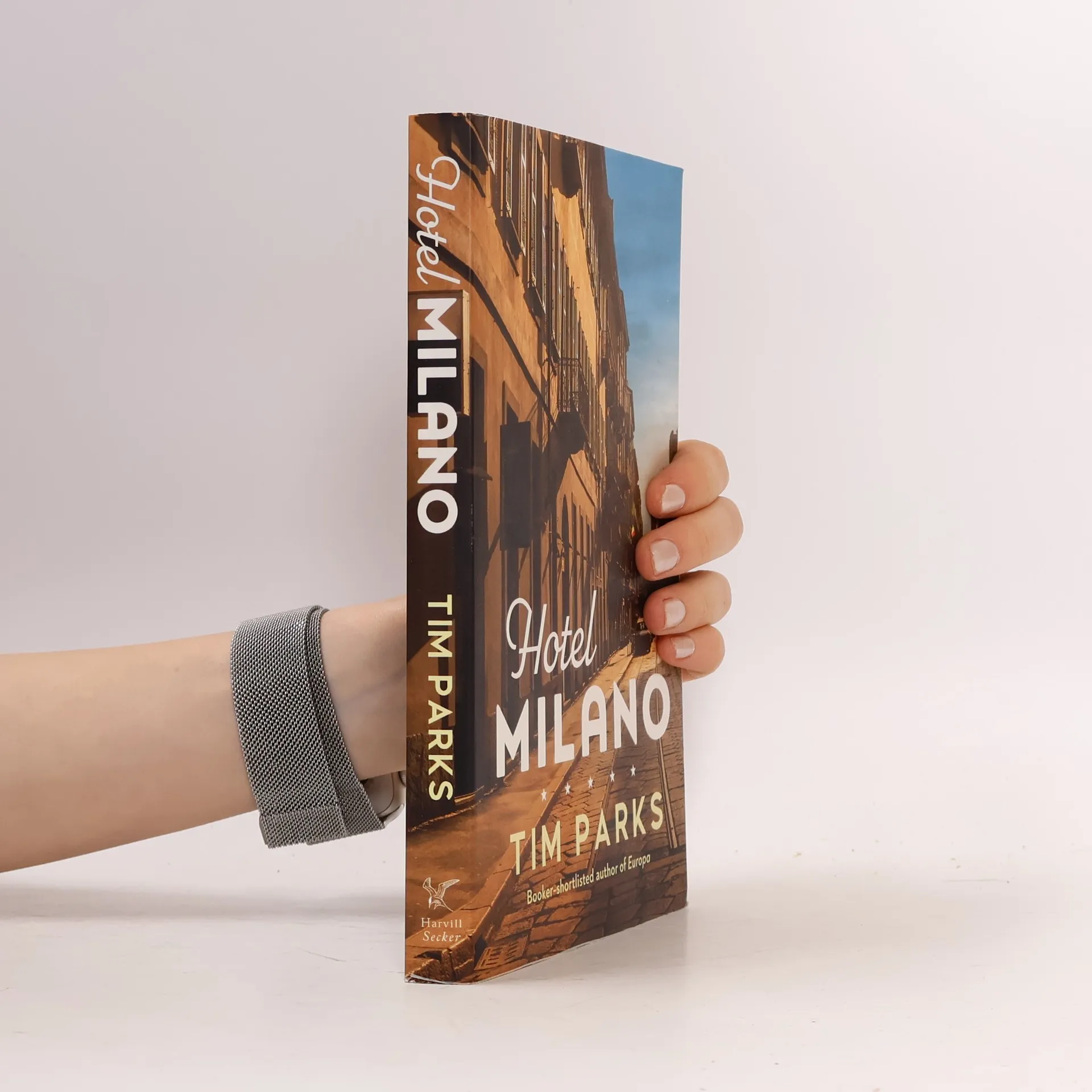
From the bestselling writer of Italian Ways, Europa and The Hero's Way, a story set during the first days of lockdown in Europe, about the unexpected kindness of strangers and one man's emotional reckoning. Milan, 2020. Drawn abruptly from his reclusive life in London for a friend's funeral, Frank finds himself in the eye of a pandemic he had barely registered on the news. From the relative comfort of his balcony at Hotel Milano, he surveys the train station across the piazza, seeing the mad dash for the last trains, hearing the sirens and watching the police stop people in the street. He feels himself remote from it all. Then, one night, the sound of a child's footsteps leads him to discover a family sheltering secretly above him- a family who need his help. As the days pass, this reserved and difficult man begins to open himself to others. Faced with the task of saving a life, he must also take stock of his own.
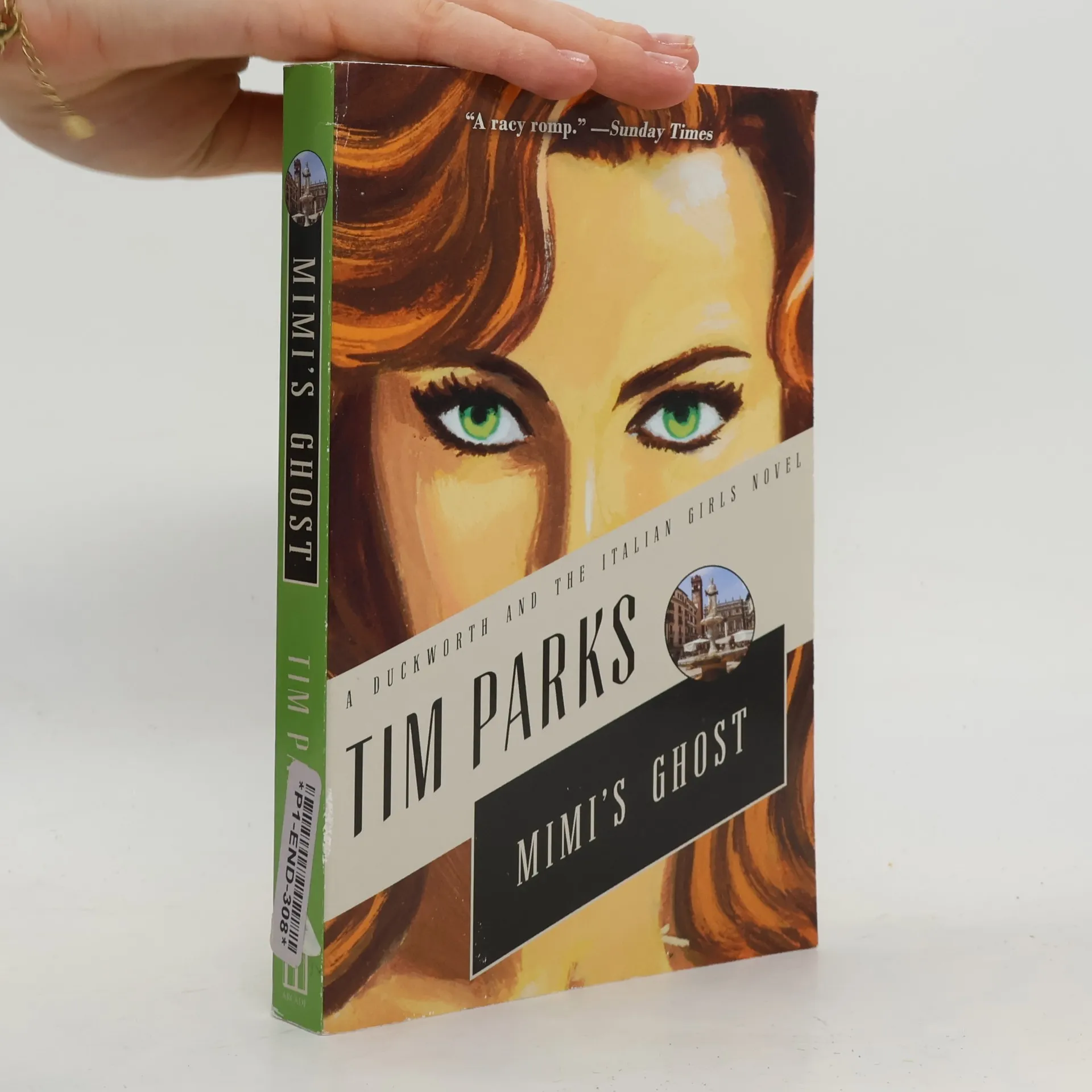
Featuring a thrilling and unpredictable plot, the second Duckworth novel delivers a roller-coaster experience filled with excitement and eccentricity. Readers can expect a blend of humor and suspense as they follow the escapades of a charismatic yet unpredictable protagonist, promising a wild ride from start to finish.
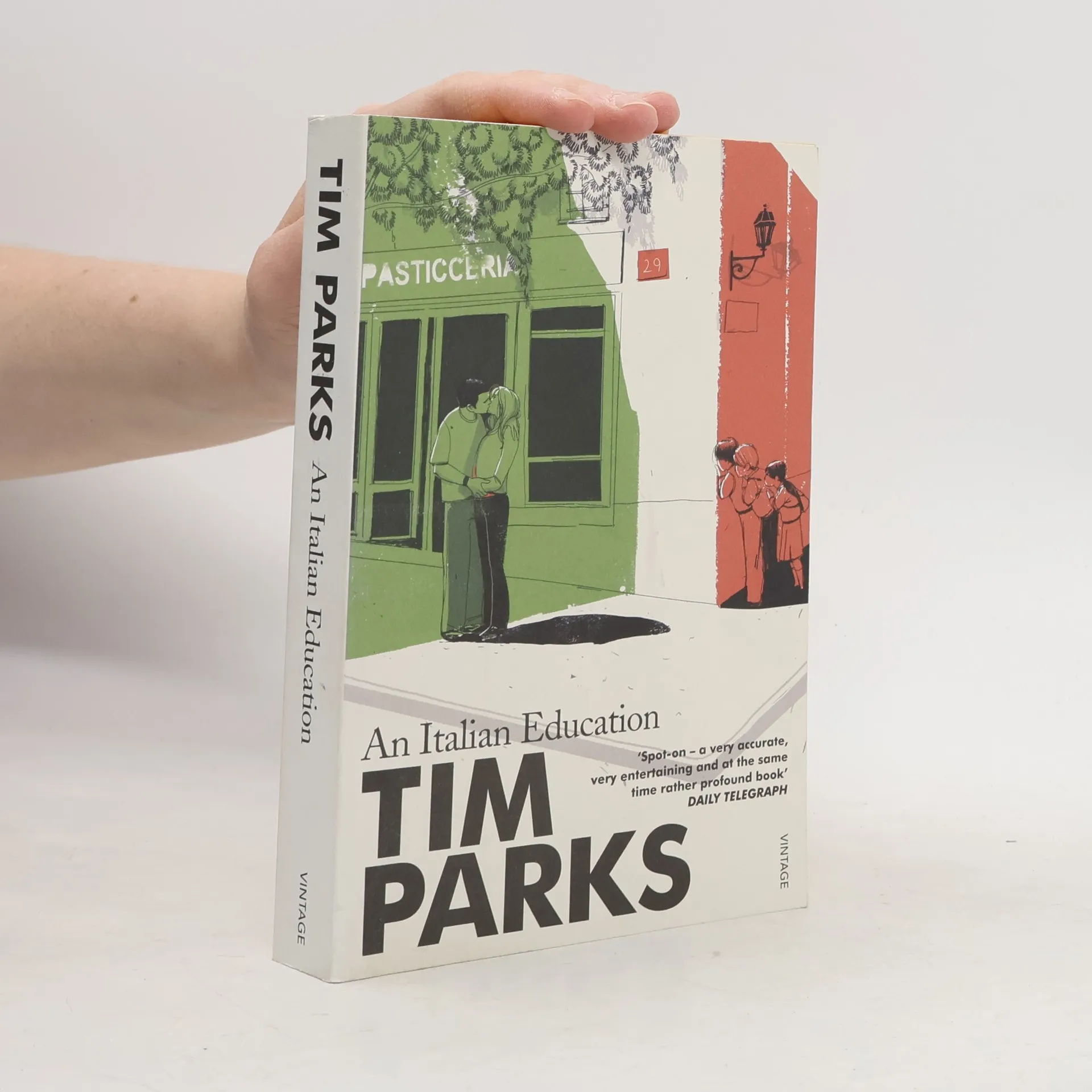
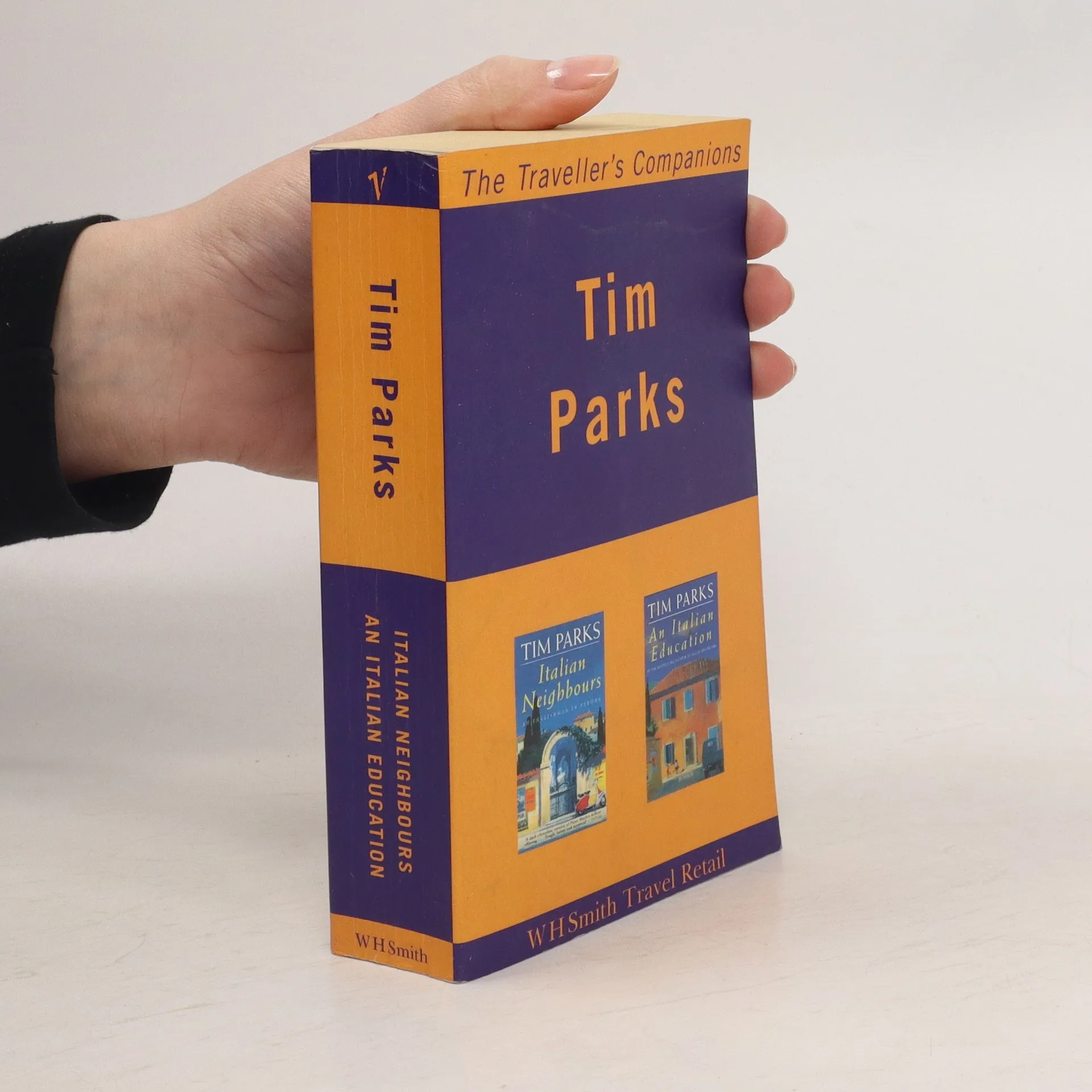
How does an Italian become Italian? Or an Englishman English, for that matter? Are foreigners born, or made? In An Italian Education Tim Parks focuses on his own young children in the small village near Verona where he lives, building a fascinating picture of the contemporary Italian family at school, at home, at work and at play. The result is a delight- at once a family book and a travel book, not quite enamoured with either children or Italy, but always affectionate, always amused and always amusing.
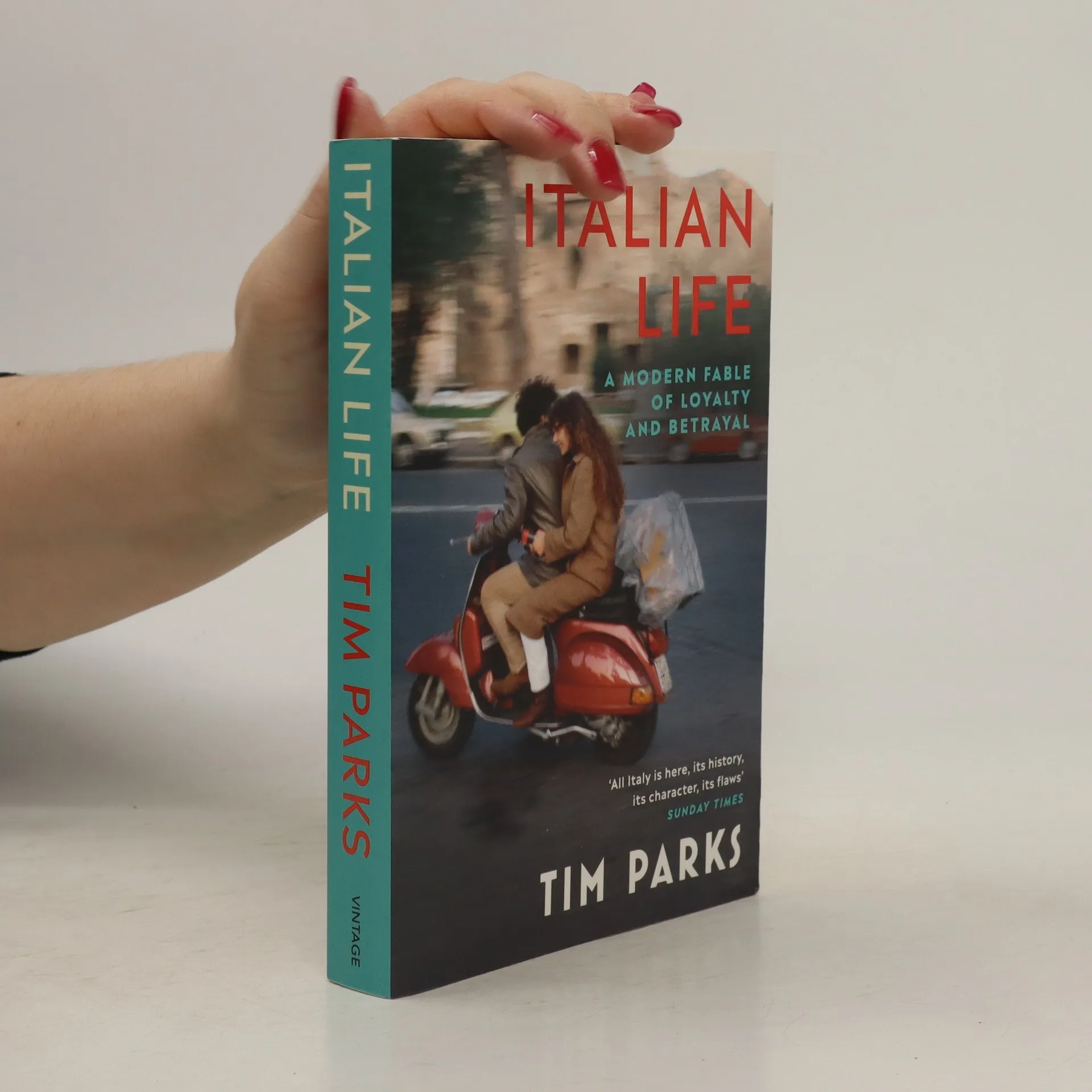
The long-awaited new book on 'how Italy really works' from the bestselling writer on Italian culture. Forty years ago, Tim Parks made the bel paese his home. Italian Life is his reckoning with his adopted country, an attempt to get to the core of it, to make sense of it, to fold others' stories in with his own experience - now that he is, in his own words, 'to some degree Italian' himself. The result is an arresting, on-the-ground account of 21st century Italy told through the eyes of a rich cast of characters, among them students from poverty-stricken Basilicata trying to start new lives in the wealthy gloom of Milan, a priest, a poet, a young professor from Padua, and an Englishman who refuses to toe the line. At the book's centre is a story of corruption and power. But it is also a celebration of culture and history, fact and fable, sacred and secular, ancient and modern: a thought-provoking, surprising, entertaining and even definitive account of how Italy actually happens.
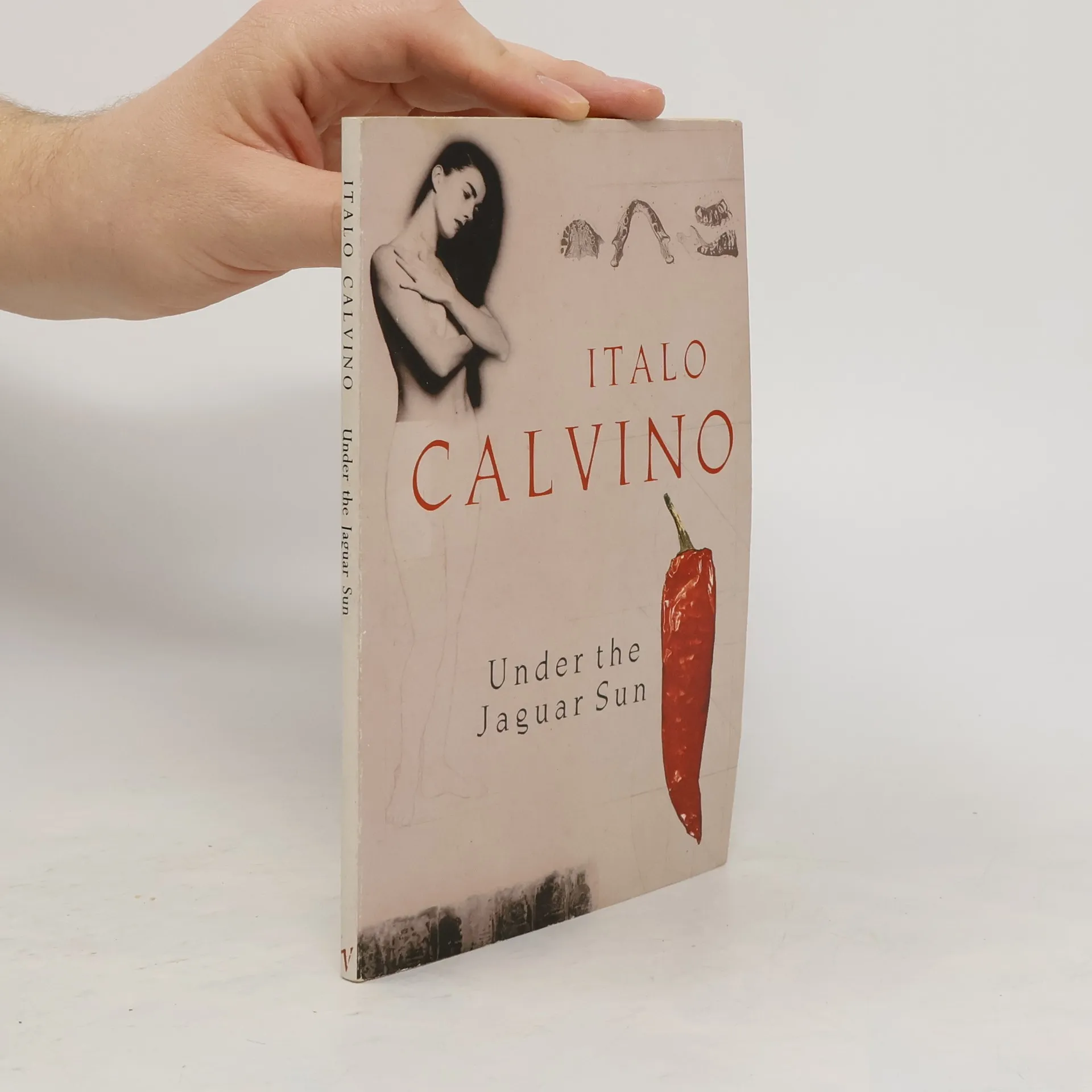
In these three witty and fantastical stories, Italo Calvino explores the sensory aptitudes of the body in taste, hearing and smell. 'Each story continues Calvino's lifelong campaign to add more territory to the empire of the imagination; each discloses marvels in regions that we presumed exhausted' Time 'In all three stories, intellectual keenness accompanies intense receptiveness to sensuous nuance' Sunday Times
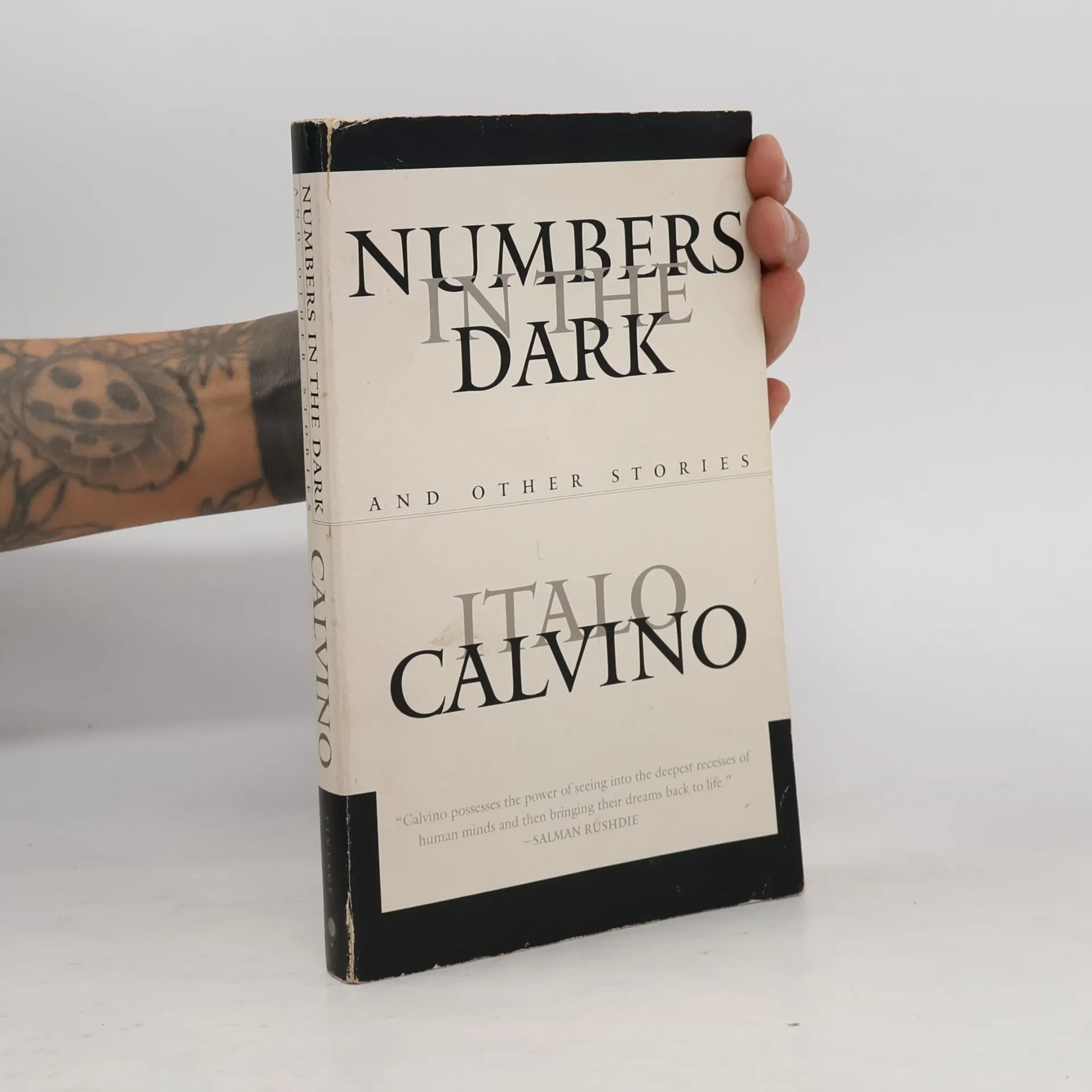
For the first time in paperback--a volume of thirty-seven diabolically inventive stories, fables, and "impossible interviews" from one of the great fantasists of the 20th century, displaying the full breadth of his vision and wit. Written between 1943 and 1984 and masterfully translated by Tim Parks, the fictions in Numbers in the Dark display all of Calvino's dazzling whimsy and horror, exuberance of style, and a cheerful grasp of the absurdities of the human condition.
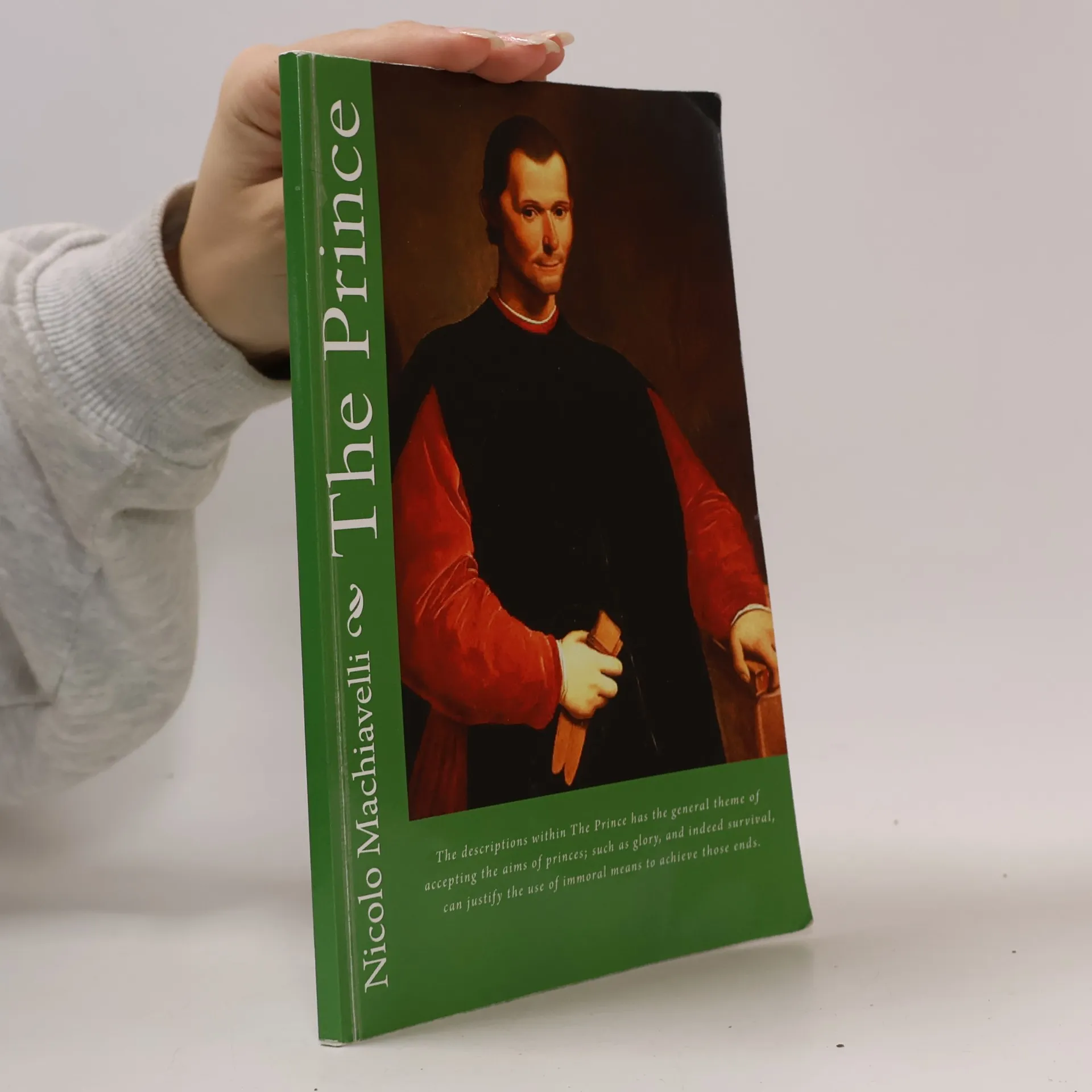
The Prince is a political treatise by Niccolò Machiavelli, an Italian diplomat and political theorist. A version circulated in 1513, but the printed edition was published in 1532, posthumously and with the Medici pope's approval. Controversy surrounded Machiavelli's writings from the outset. Although it appears to follow the traditional Mirror of Princes style, it is recognized as innovative, partly due to its use of Italian instead of Latin, a trend gaining traction since Dante's works.
Often regarded as a foundational text of modern political philosophy, The Prince prioritizes practical truth over abstract ideals, challenging the prevailing Catholic and scholastic views on politics and ethics. Despite its brevity, it remains Machiavelli's most famous work, coining the term "Machiavellian" as a pejorative. It also contributed to the negative connotations associated with "politics" and "politician" in the West.
The treatise overlaps with Machiavelli's later work, Discourses on Livy, and draws on contemporary Italian examples of political criminality, similar to his lesser-known Life of Castruccio Castracani. The central theme suggests that the ambitions of princes, like glory and survival, can justify immoral actions to achieve their goals.
The acclaimed author of Italian Ways returns with an exploration into Italy’s past and present—following in the footsteps of Garibaldi’s famed 250-mile journey across the Apennines.In the summer of 1849, Giuseppe Garibaldi, Italy’s legendary revolutionary, was finally forced to abandon his defense of Rome. He and his men had held the besieged city for four long months, but now it was clear that only surrender would prevent slaughter and destruction at the hands of a huge French army.Against all odds, Garibaldi was determined to turn defeat into moral victory. On the evening of July 2, riding alongside his pregnant wife, Anita, he led 4,000 hastily assembled men to continue the struggle for national independence elsewhere. Hounded by both French and Austrian armies, the garibaldini marched hundreds of miles across the Appenines, Italy’s mountainous spine, and after two months of skirmishes and adventures arrived in Ravenna with just 250 survivors.Best-selling author Tim Parks, together with his partner Eleonora, set out in the blazing summer of 2019 to follow Garibaldi and Anita’s arduous journey through the heart of Italy. In The Hero’s Way he delivers a superb travelogue that captures Garibaldi’s determination, creativity, reckless courage, and profound belief. And he provides a fascinating portrait of Italy then and now, filled with unforgettable observations of Italian life and landscape, politics, and people.
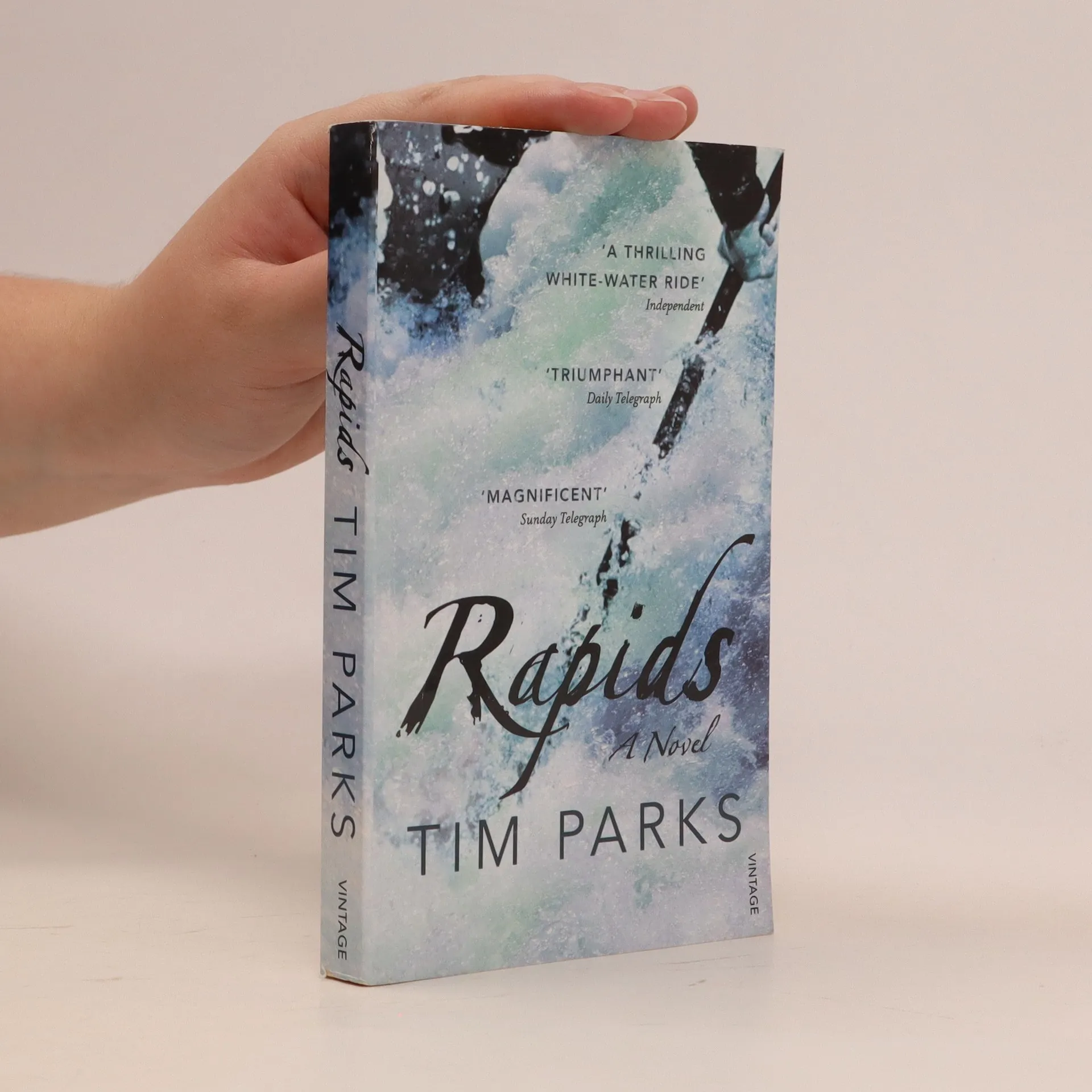
In the dramatic landscape of the Italian Alps a group of English canoeists arrive for an 'introduction to white water.' Camping, eating and paddling together, six adults and nine adolescents seem set to enjoy what their leader insists on calling a 'community experience.' Their hosts are Clive, a taciturn figure, and Michela, his fragile girlfriend. Joining the group late are Vince, a banker trying to make sense of the flotsam of his existence, and his teenage daughter whom he feels moving inexorably away from him. The dangerous river manages to bring out the group's qualities and failings in the most urgent fashion, provoking sudden conflicts and unexpected shifts of alliance. An ideal love affair breaks down and an apparently impossible one timidly buds. A banal disagreement turns violent. Meanwhile, the hottest summer on record is filling the glacier-fed rivers with a melt water so wild that it is surely unwise of the distracted instructors to launch their party into the last day's descent of the upper Aurina.
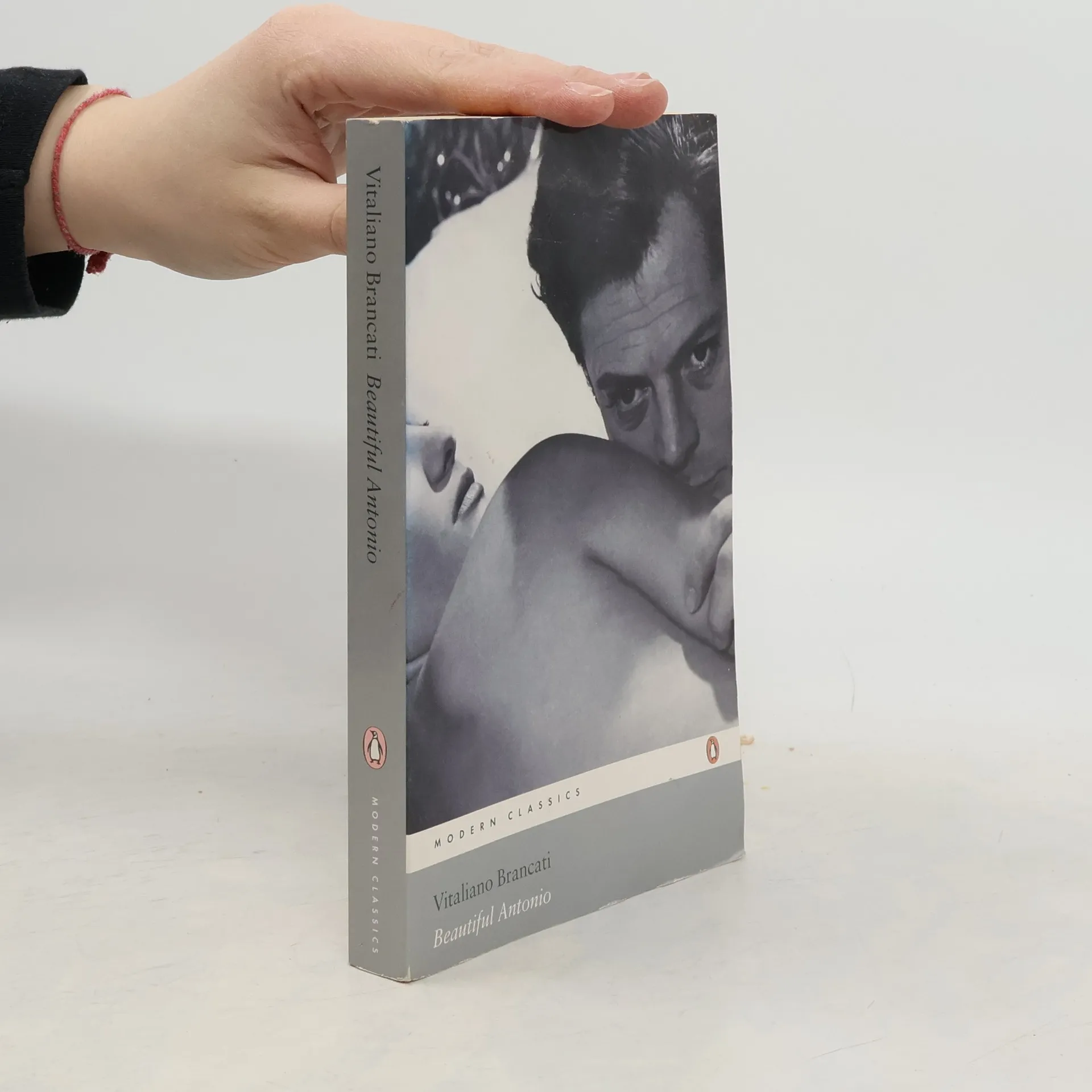
The story follows Antonio, a notorious playboy returning to his hometown after a stint in Rome, where he is pressured by his father to marry the lovely Barbara. However, a year into their marriage, the unexpected scandal arises when it is revealed that Barbara remains a virgin, challenging societal norms and the couple's relationship. This twist sets the stage for exploring themes of reputation, fidelity, and the complexities of love and marriage.
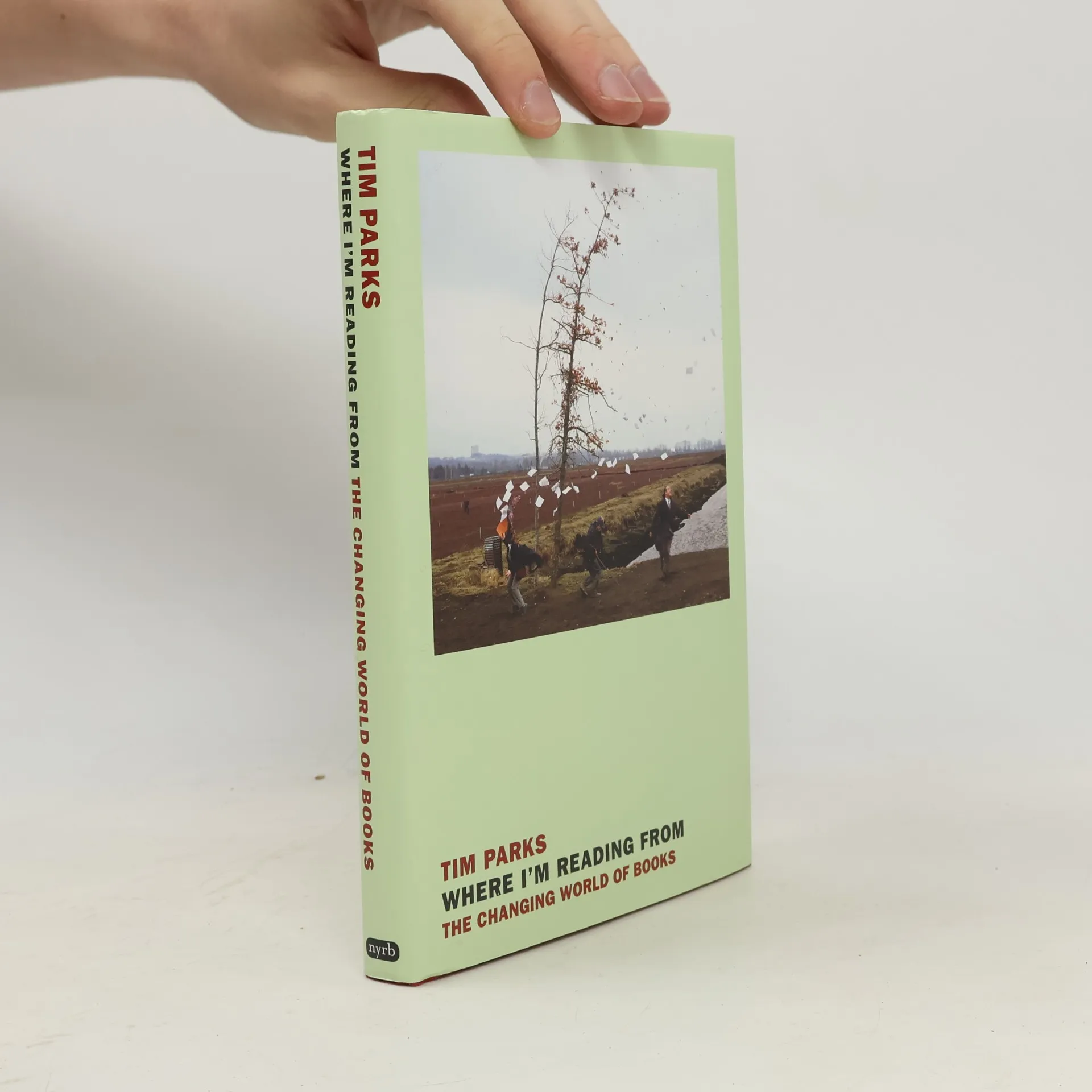
Why do we need fiction? Why do books need to be printed on paper, copyrighted, read to the finish? Do we read to challenge our vision of the world or to confirm it? Has novel writing turned into a job like any other? In Where I’m Reading From, the internationally acclaimed novelist and critic Tim Parks ranges over a lifetime of critical reading—from Leopardi, Dickens, and Chekhov, to Woolf, Lawrence, and Bernhard, and on to contemporary work by Jonathan Franzen, Peter Stamm, and many others—to overturn many of our long-held assumptions about literature and its purpose. In thirty-eight interlocking essays, Where I’m Reading From examines the rise of the “global” novel and the disappearance of literary styles that do not travel; the changing vocation of the writer today; the increasingly paradoxical effects of translation; the growing stasis of literary criticism; and the problematic relationship between writers’ lives and their work. Through dazzling close readings and probing self-examination, Parks wonders whether writers—and readers—can escape the twin pressures of the new global system and the novel that has become its emblematic genre.
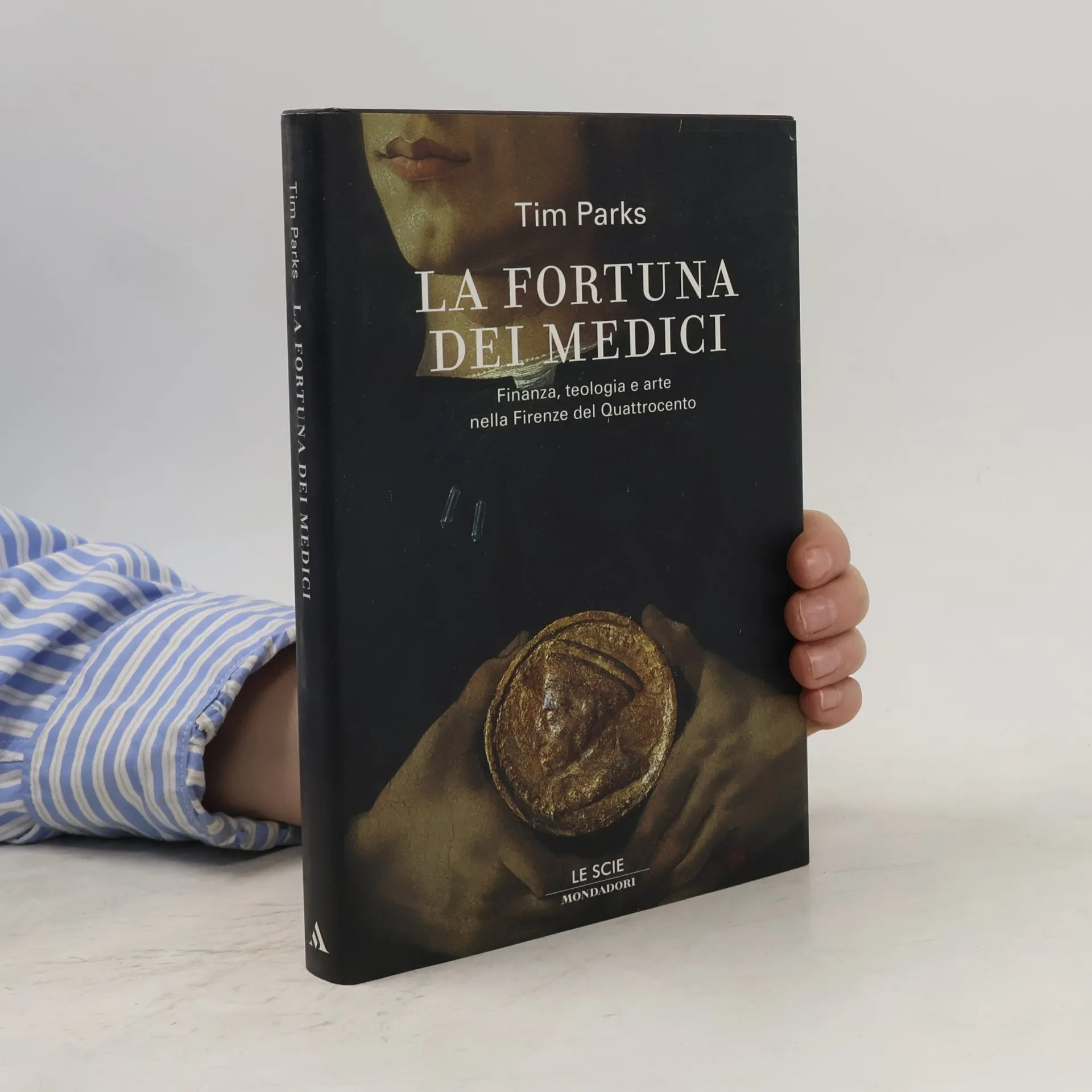
Banking, Metaphysics, and Art in Fifteenth-Century Florence
288 pages
11 hours of reading
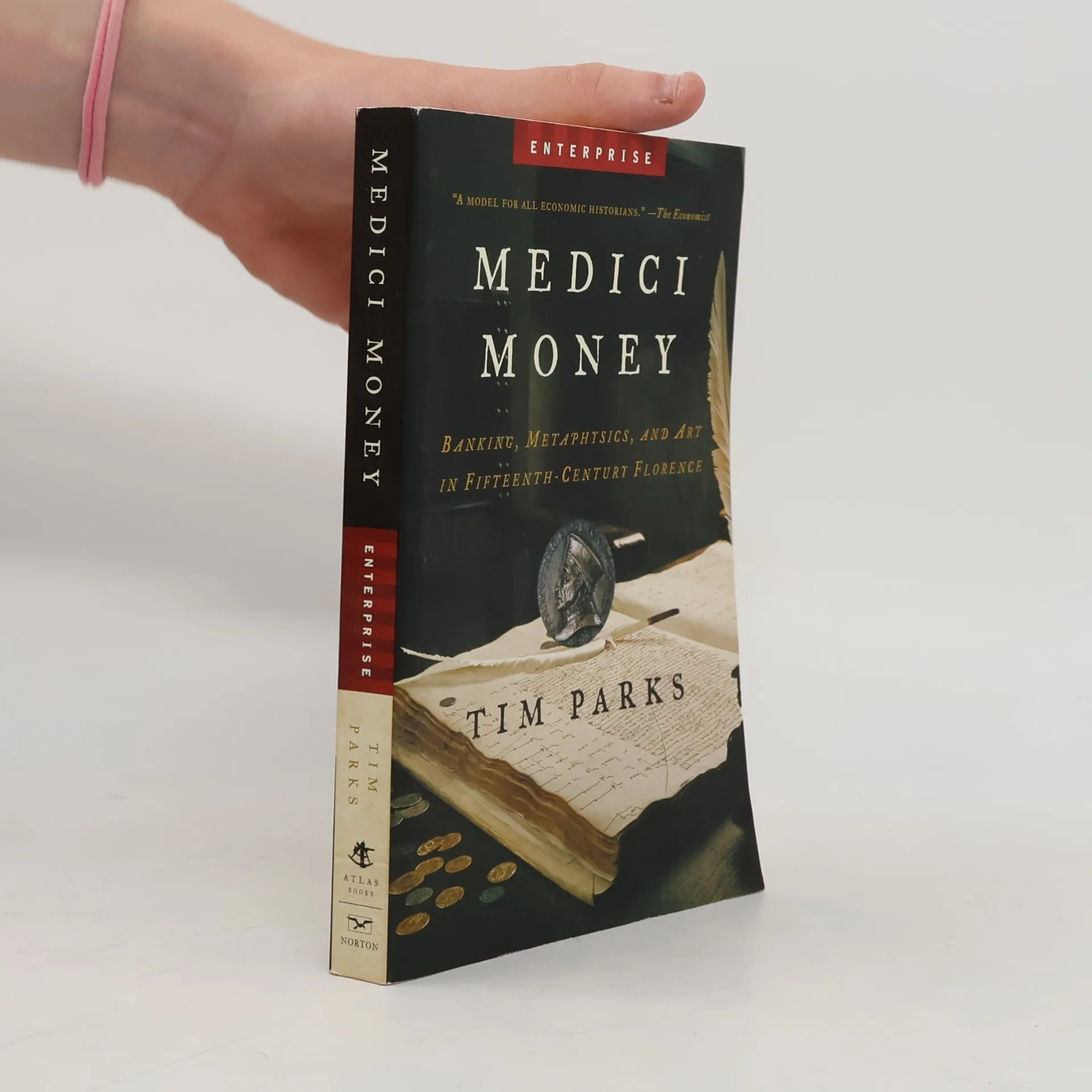
Before they achieved renown as patrons of the arts and de facto rulers of Florence, the Medici family earned their fortune in banking. But even at the height of the Renaissance, charging interest of any kind meant running afoul of the Catholic Church’s ban on usury. Tim Parks reveals how the legendary Medicis—Cosimo and Lorenzo “the Magnificent” in particular—used the diplomatic, military, and even metaphysical tools at hand, along with a healthy dose of intrigue and wit, to further their fortunes as well as their family’s standing.
Bored and broke, Morris Duckworth, an English teacher in Verona, stumbles on a plan for financial salvation - to marry Massimina, a seventeen-year-old student. And if his intentions are frustrated by a suspicious, conservative family, is it any fault of his that the lovely girl chooses to elope? Obsessed by self-advancement and excitement, Morris' dreams of blackmail, theft and murder plunge him deep into a chilling nightmare of deception and violence.
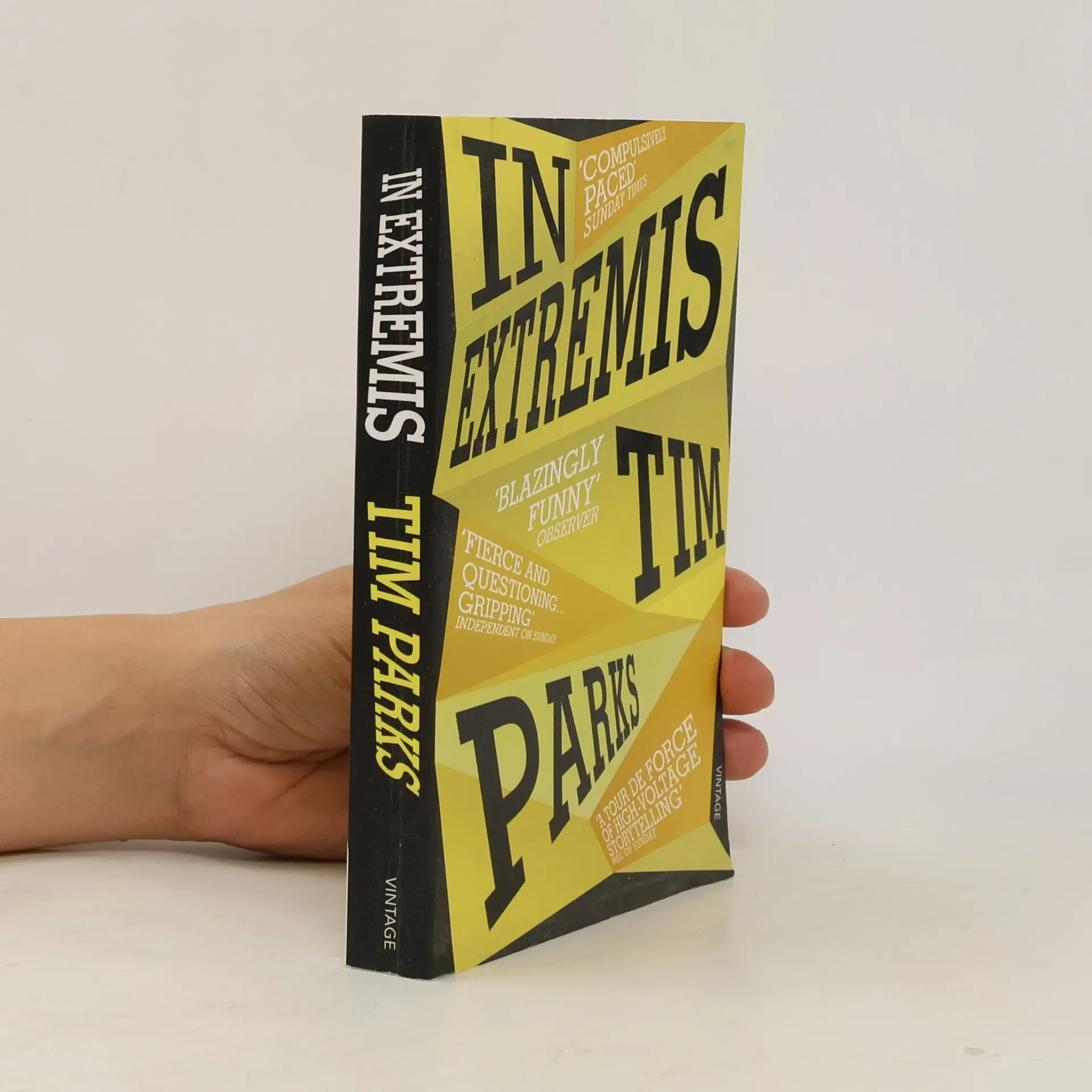
The best novel I read this year was Tim Parks's In Extremis, a frantic and
minutely observed comedy of family, marriage, life and death. There is
something in the synaptic twitch of Parks's prose that brings us closer to the
pressures and rhythms of a lived life than the work of any other contemporary
writer I can think of Mike McCormack New Statesman, Best Books of 2017
Sex is forbidden at the Dasgupta Institute. So what is the sparkling, magnetically attractive Beth Marriot doing here? Beth is fighting demons: a catastrophic series of events has undermined all prospect of happiness. Trauma leaves her no alternative but to bury herself in the austere asceticism of a community that wakes at 4am, doesn't permit eye contact, let alone speech, and keeps men and women strictly segregated. But the curious self dies hard. Conflicted and wayward, Beth stumbles on a diary and cannot keep away from it, or the man who wrote it. Originally published with the title The Server
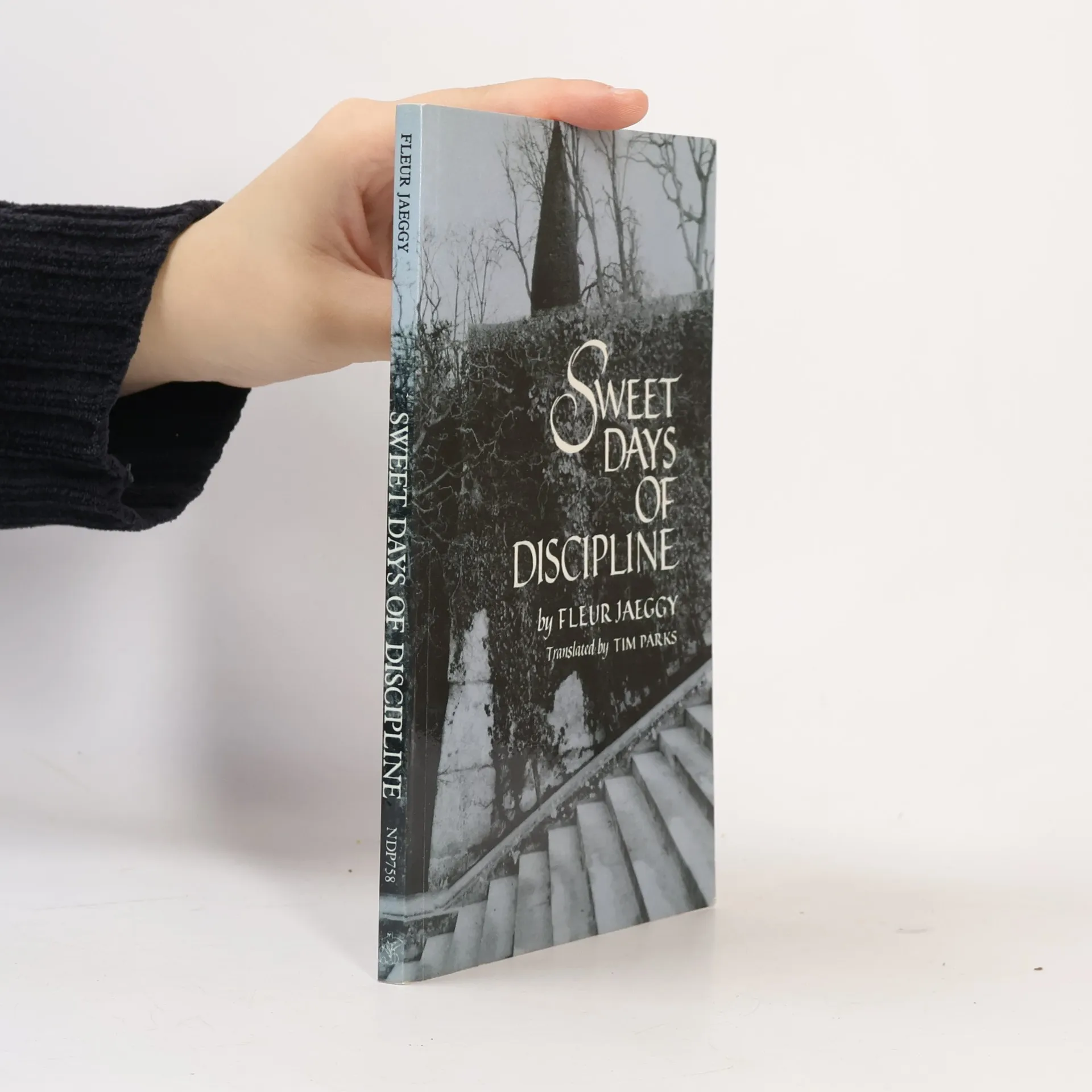
Set in postwar Switzerland, Fleur Jaeggy’s eerily beautiful novel begins simply and innocently enough: "At fourteen I was a boarder in a school in the Appenzell." But there is nothing truly simple or innocent here. With the off-handed knowingness of a remorseless young Eve, the narrator describes life as a captive of the school and her designs to win the affections of the apparently perfect new girl, Fréderique. As she broods over her schemes as well as on the nature of control and madness, the novel gathers a suspended, unsettling energy. Now translated into six languages, I beati anni del castigo in its Italian original won the 1990 Premio Bagutta and the 1990 Premio Speciale Rapallo. In Tim Parks’ consummate translation (with its "spare, haunting quality of a prose poem"), Sweet Days of Discipline was selected as one of the London Times Literary Supplement ’s Notable Books of 1992: "In a period when novels are generally overblown and scarcely portable, it is good to be able to recommend [one that is] miraculously short and beautifully written."
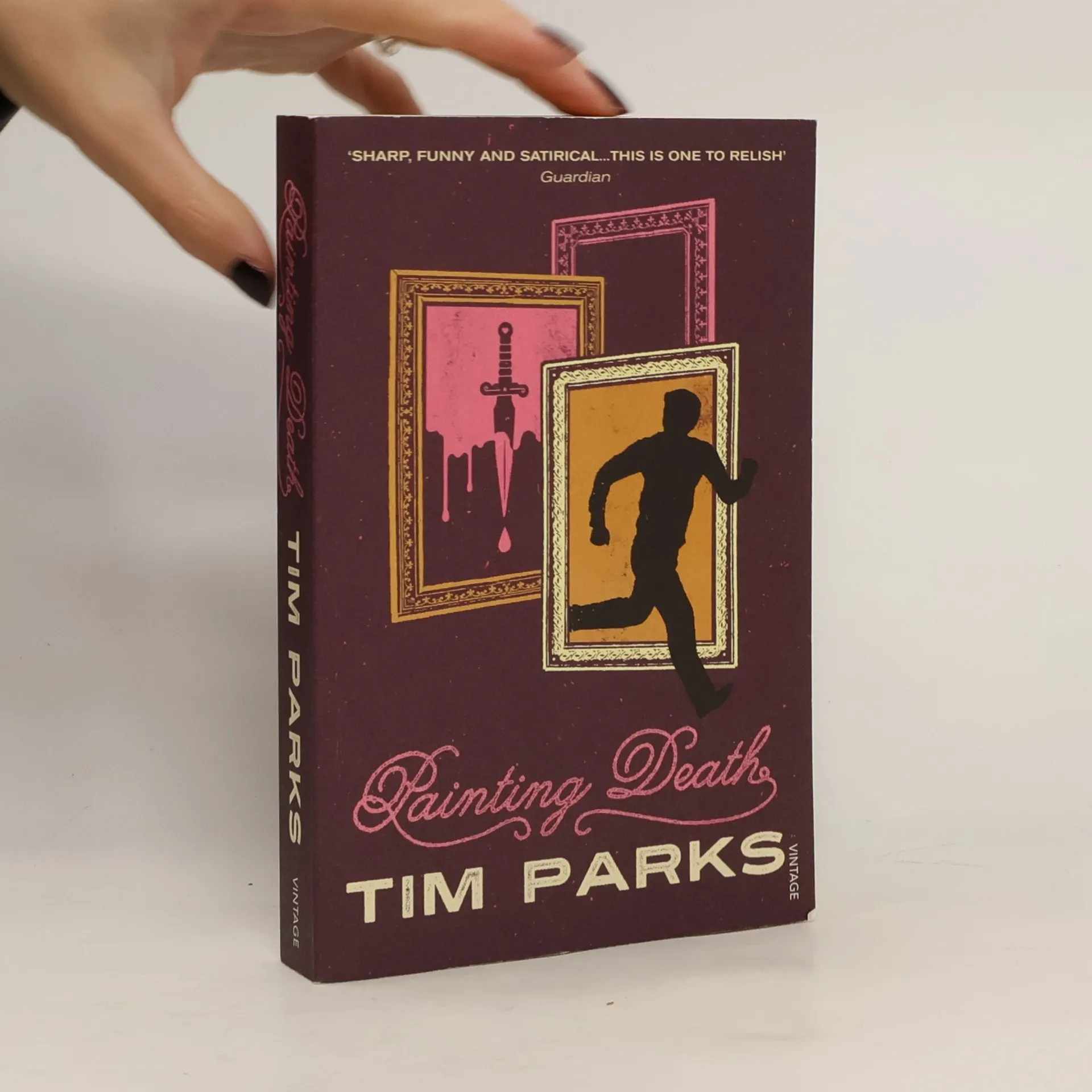
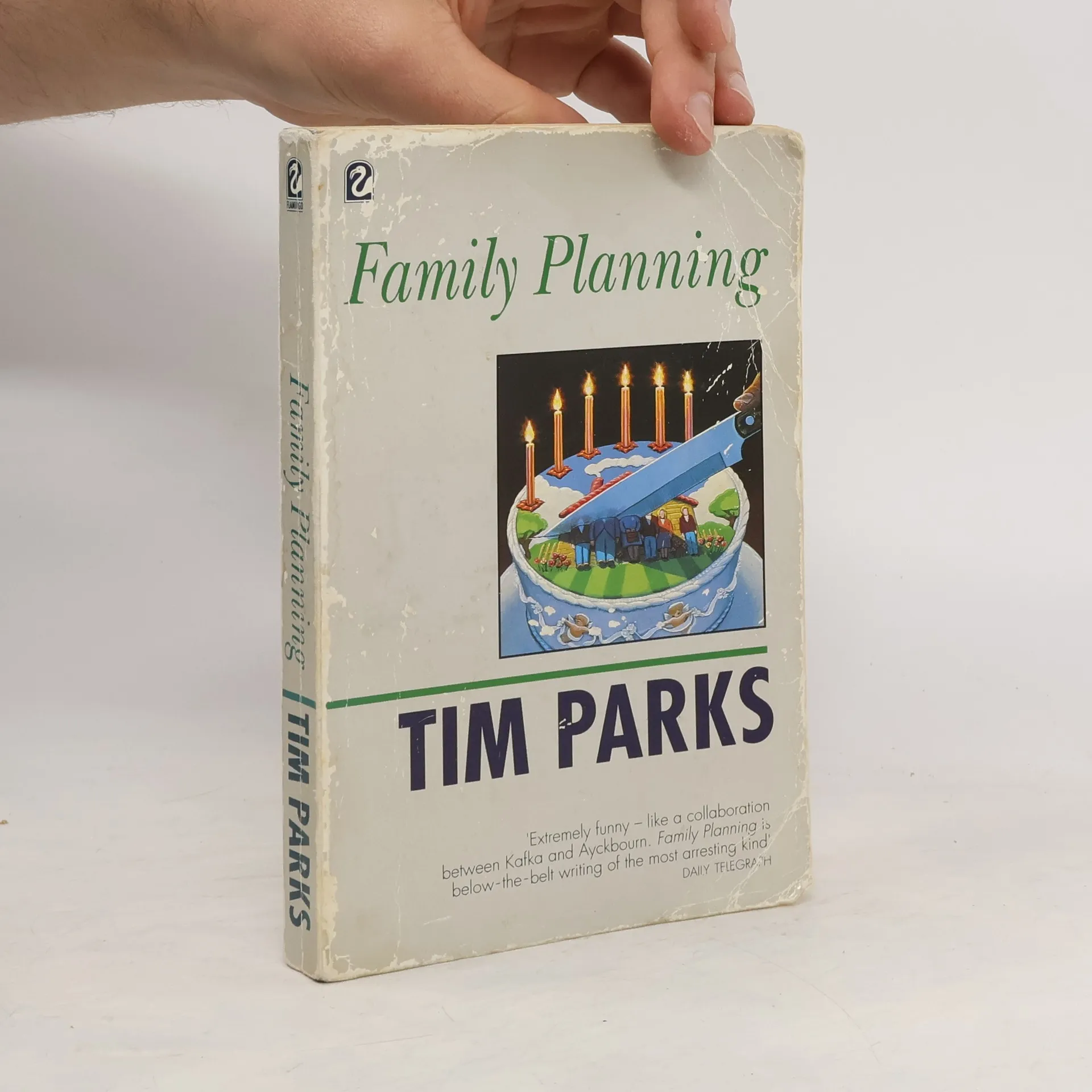
Morris Duckworth has a dark past. Having married and murdered his way into a wealthy Italian family he has long left aside the paperweight and the pillow to become a respected member of Veronese business life. But itâe(tm)s not enough. Never satisfied with being anything short of the best, he comes up with a plan to put on the most exciting art exhibition of the decade, based on a subject close to his heart: killing. All the great slaughters of scripture and classical times will be on show, from Cain and Abel, to Brutus and Caesar. But as Morris meet stiff resistance from the Neapolitan director of Veronaâe(tm)s Castelvecchio museum, everything starts to unravel around him. His children are rebelling, his mistress is asking for more than he wants to give, his wife is increasingly attached to her ageing confessor, and worst of all itâe(tm)s getting harder and harder to ignore the ghosts that swirl around him, and the skeletons rattling in every cupboard. The shame of it is that Morris Arthur Duckworth really did not want to have to kill again.
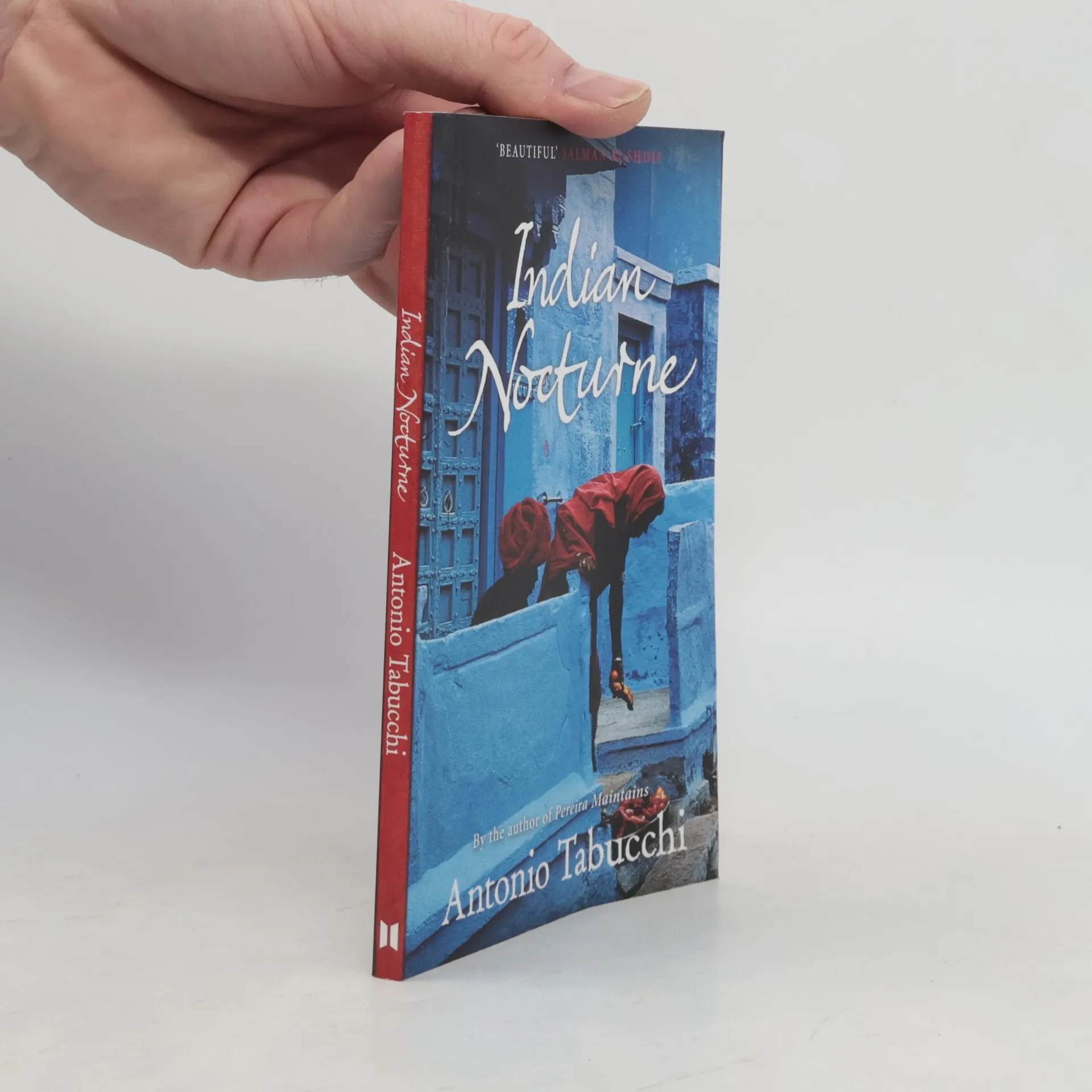
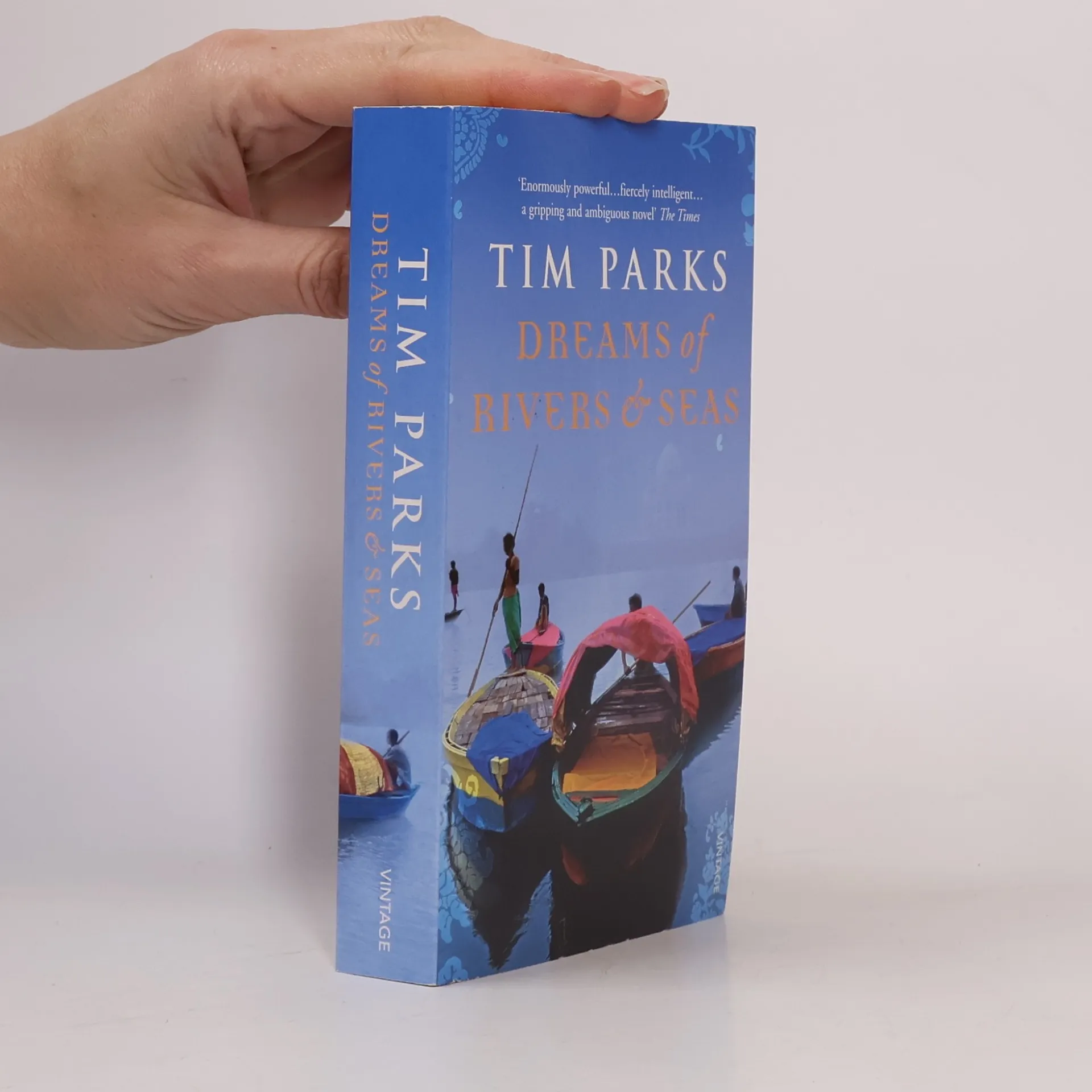
'For some time now, I have been plagued, perhaps blessed, by dreams of rivers and seas, dreams of water.' Just days after Albert James writes these lines to his son John, in London, he is dead. Abandoning a pretty girlfriend and the lab where he is completing his PhD, John flies to Delhi to join his mother in mourning. A brilliant and controversial anthropologist, the nature of Albert James's research, and the circumstances of his death, are far from clear. On top of this, John must confront his mother's coolness, and the strangeness of the cremation ceremony that she has organised for his father. No sooner is the body consigned to the flames than a journalist arrives, determined to write a biography of the dead man. The widow will have nothing to do with the project, yet seems incapable of keeping away from the journalist. In Tim Parks's masterly new novel, India, with its vast strangeness, the density and intensity of its street life, its indifference to all distinctions between the religious and the secular, is a constant source of distraction to these westerners in search of clarity and identity. To John, the enigma of his father's dreams of rivers and seas appears to be one with the greater mystery of the country.
A brilliantly comic, dark and dyspeptic novel about an obsessive love gone sour. Jealousy and revenge, passion and dread intertwine in one man's soul as he's trapped in the awful claustrophobia of a three-day coach journey across Europe with a group of people he loathes - and the woman who broke his heart. Written with extraordinary stylistic and emotional intensity and an hilarious sense of the absurd, this story of inescapably enchanted disenchantment is Tim Parks' finest novel to date.
This novel, by the same author as "Tongues of Fire", "Loving Roger", and "Home Thoughts", deals with Raymond, who has gone mad. His family have planned their lives very carefully, and insanity was not one of the things they had expected to deal with. The problem is, what will they do with him?
Allen and Franco are two young entrepreneurs coasting their last year of Business School in New York. Feeling drained and uninspired by the pressures of success, they take on an expected journey to the jungle of Costa Rica, where they will do what they can to make a business out of an old, abandoned property, submerged in local rumors. Once surrounded by the power of the place, they unravel an unexpected family history, which will take them on a wild and spiritual inner journey. The struggles of arduous work and lack of resources will shape these men's partnership, new friendships, and the way they each understand their lives. In this intimate tale, N.V. Parks takes us on a unique spiritual journey, a rite of healing and transformation into adulthood, unraveling a new meaning of happiness and success, while soaking in the magnificent beauty of Ostional Wildlife Refuge.
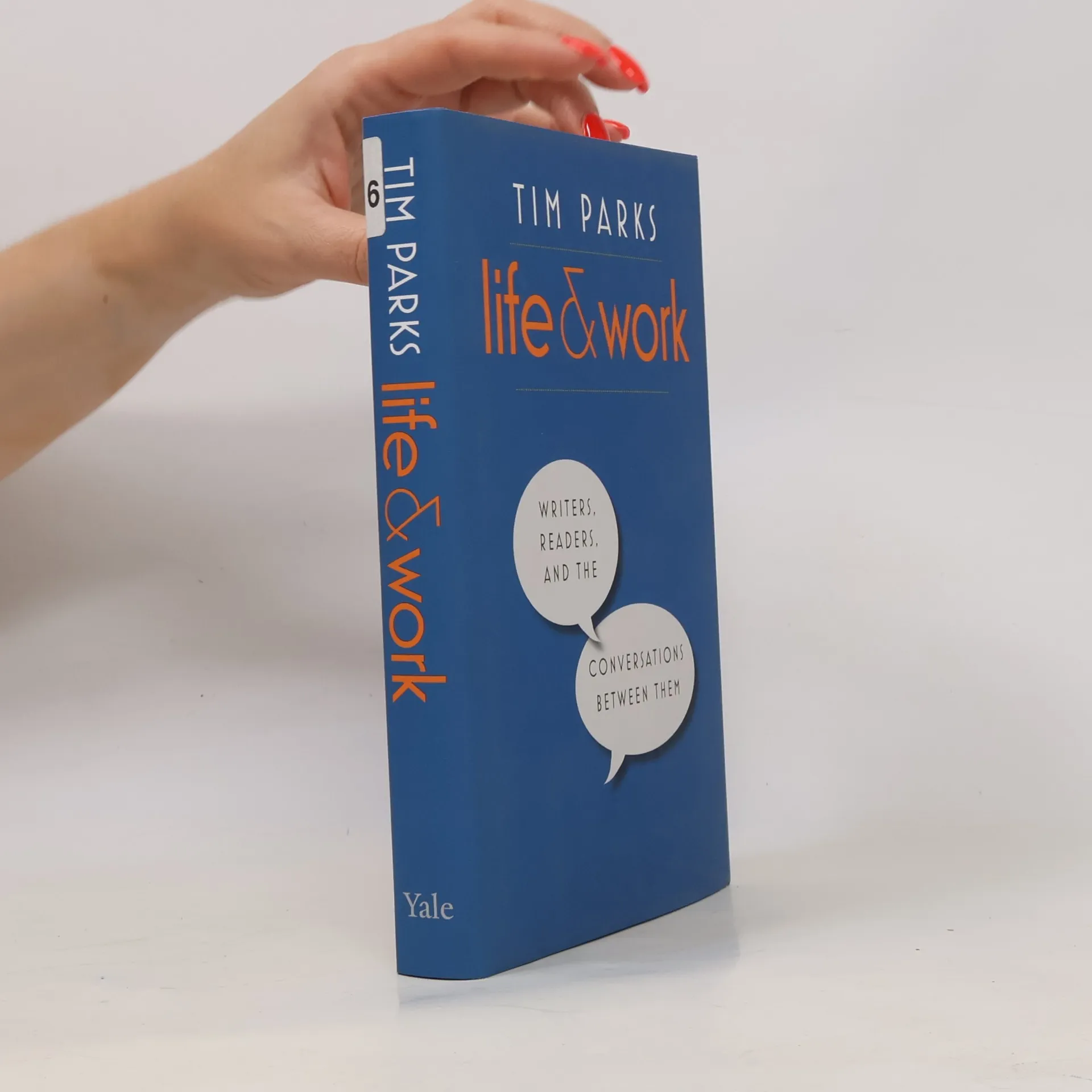
Writers, Readers, and the Conversations between Them
320 pages
12 hours of reading
In this brilliant collection, a renowned critic vividly depicts the dynamic relationships between authors, their work, and their readers Acclaimed novelist and critic Tim Parks has long been fascinated by the complicated relationship between an author’s life and work. Dissatisfied with the dominant modes of reading he encountered, he began exploring the underlying values and patterns that guide authors in both their writing and their lives. In a series of provocative, incisive, and unflinching essays written over the past decade and collected for the first time here, he reveals how style and content in a novel reflect a whole pattern of communication and positioning in the author’s ordinary and daily behavior. We see how life and work are deeply enmeshed in the work of writers as diverse as Charles Dickens, Feodor Dostoevsky, James Joyce, Anton Chekhov, Philip Roth, Julian Barnes, Peter Stamm, and Geoff Dyer, among others. Parks further shows us how readers’ reactions to these writers and their works are inevitably connected to these communicative patterns, establishing a relationship that goes far beyond aesthetic appreciation. This original and daring collection takes us into the psychology of some of our greatest writers and challenges us to see with more clarity how our lives become entangled with theirs through our reading of their novels.
Im halluzinatorischen Licht einer Mittelmeerinsel inspiziert ein Geologe einen Granitbruch, in dem ein Arbeiter unter verdächtigen Umständen ums Leben gekommen ist. Ursprünglich beauftragt, einen verheerenden Bericht zu schreiben, bringt er seine junge Geliebte mit und vernachlässigt seine Frau und Familie. Doch seine Pläne werden durch die anklagende Witwe des Verstorbenen, ein Fax seiner schwangeren Frau und einen drohenden Konflikt mit den Bruchbesitzern gestört. Widersprüchliche Botschaften und komplexe Motivationen überlagern sich, während aus dem Staub und Lärm des Bruchs die Konturen einer erschütternden Verschwörung hervortreten. Als das Innenministerium ihm befiehlt, den Fall abzubrechen, ist es bereits zu spät. Er ist in ein Netz aus Erpressung, Täuschung und Mord geraten. In dieser Erzählung wird ein eindringliches Porträt eines Mannes gezeichnet, der sich mehreren Kräften und wachsenden Obsessionen gegenübersieht. Auf dem Spiel stehen seine Ehe, seine Affäre, seine Karriere, das Leben seines ungeborenen Kindes sowie das Leben unschuldiger Menschen. Alle Entscheidungen erscheinen verdächtig, und selbst Integrität kann als Tarnung für die Flucht interpretiert werden.
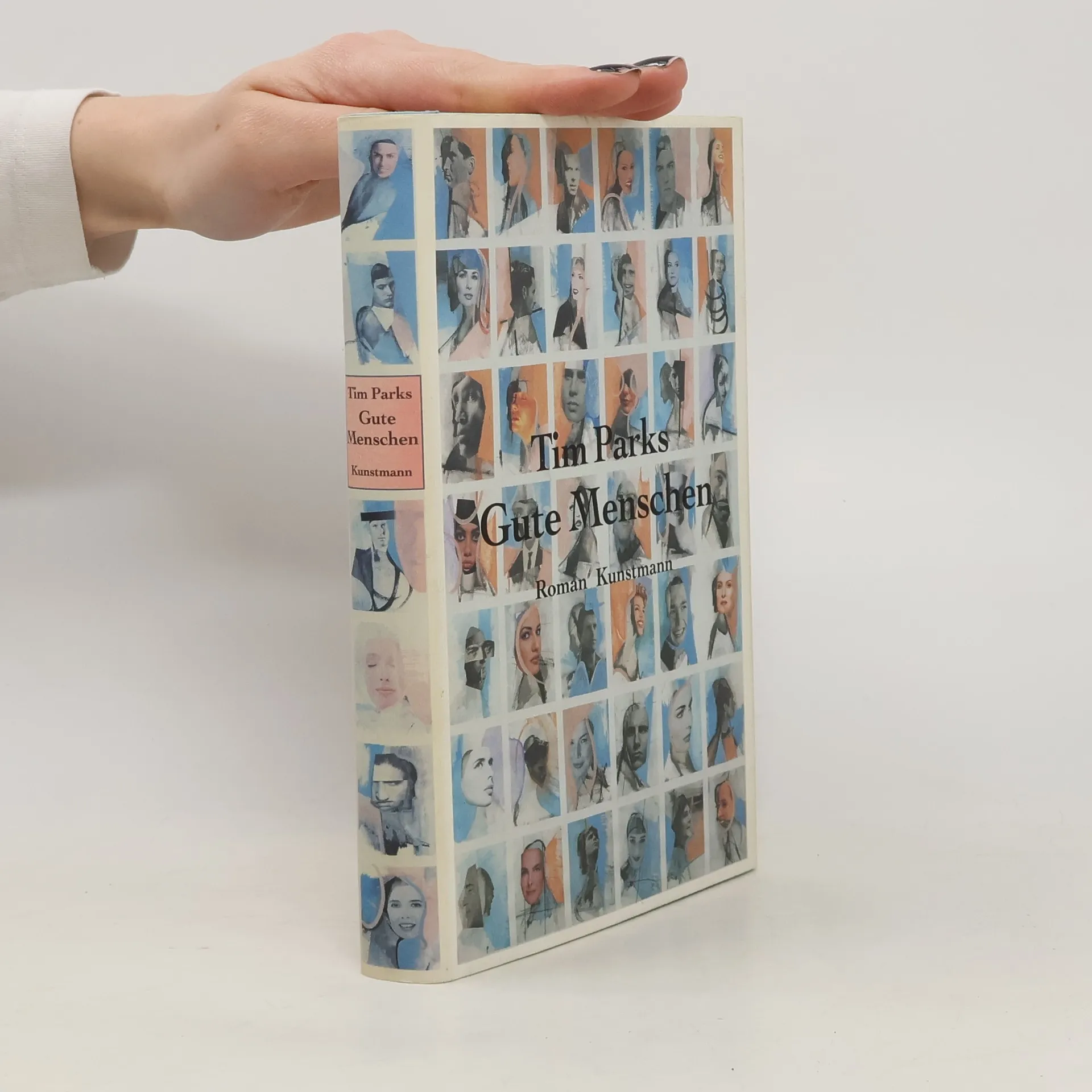
Ach, die guten Menschen! Vater in Afrika als Missionar massakriert; die Mutter nicht ganz von dieser Welt, aber alle Mühseligen und Beladenen der Nachbarschaft strecken ihre Beine unter den Küchentisch; der grantelnde Großvater aus böser alter Zeit; die Tante hat einen Elvis-Club gegründet und später den Kopf in den Backofen gesteckt. George will raus da, und die Zeiten sind günstig.§Maggie Thatchter regiert, junge Leute werden gebraucht. Also: Studieren, heiraten, Karriere machen, um es der arbeitsscheuen Verwandschaft zu zeigen und dahin ziehen wo die besseren Leute wohnen.§Ein schönes Programm, und so überzeugend, denn George erzählt alles selbst: Wie man es schafft, wie man Konkurrenten abhängt, sich eine Freundin nimmt, wenn es in der Ehe nicht so richtig läuft, und ein Kind macht, damit alles bleibt, wie es ist.
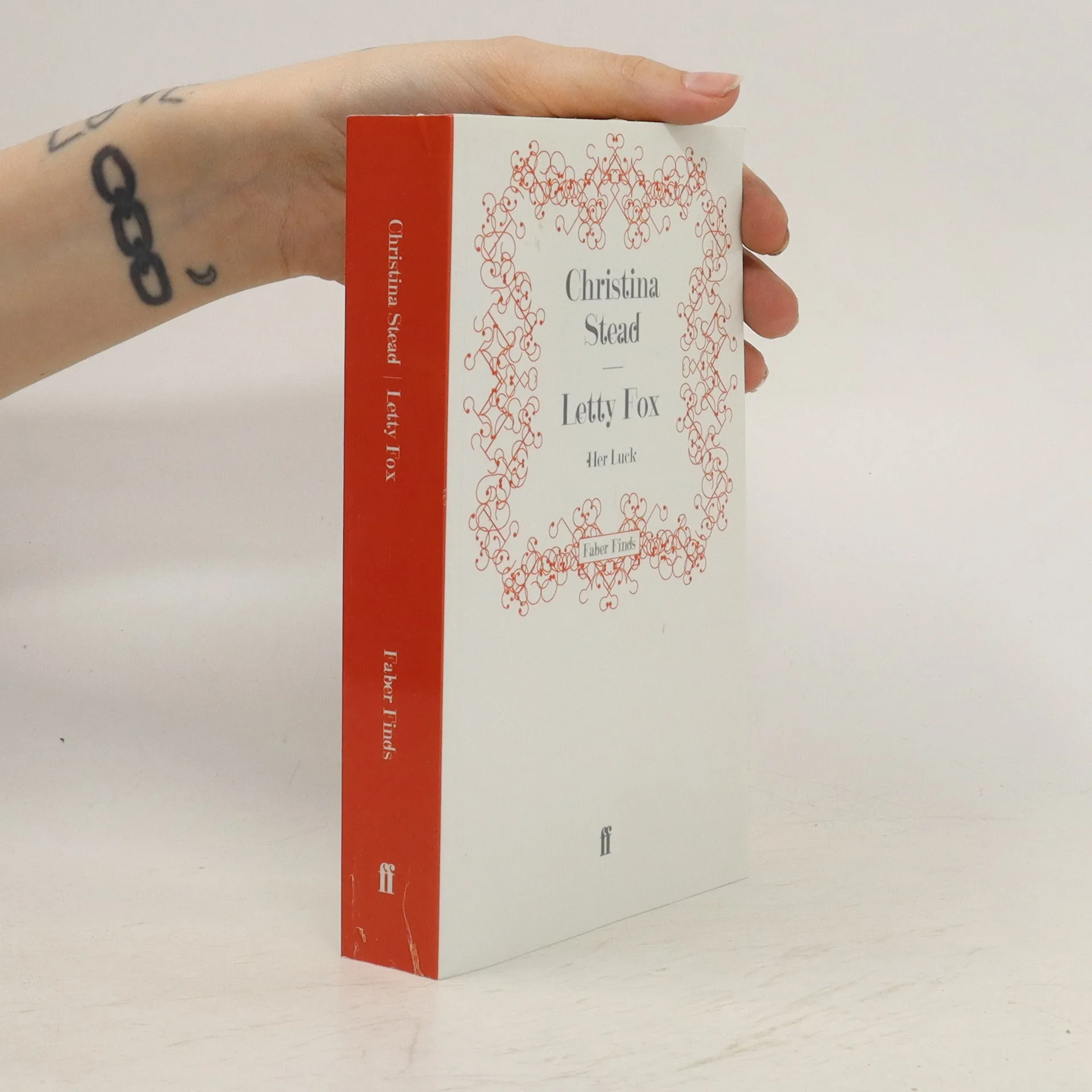
You can't help liking Letty Fox. She is the eponymous hero of this novel, and what a big, energetic, sprawling novel it is. Letty Fox, with brio and relish, describes her picaresque adventures in the New York and London of the 1930s and 1940s. She is surrounded by a family notable for its size, eccentricity and marital irregularities. Letty herself has many affairs but finds marriage elusive. Bizarre, satirical and imaginative, first published in 1947, this powerful portrayal of a woman who might have been independent but chose otherwise stands as one of Christina Stead's most impressive works. Christina Stead is much more than the author of "The Man Who Loved Children." To remind readers forcefully of this, Faber Finds is reissuing nine of her works: "The Beauties and Furies," "For Love Alone," "House of All Nations," "Letty Fox: Her Luck," "A Little Tea, A Little Chat," "Miss Herbert," "The People with Dogs," "The Puzzleheaded Girl" and "The Salzburg Tales."
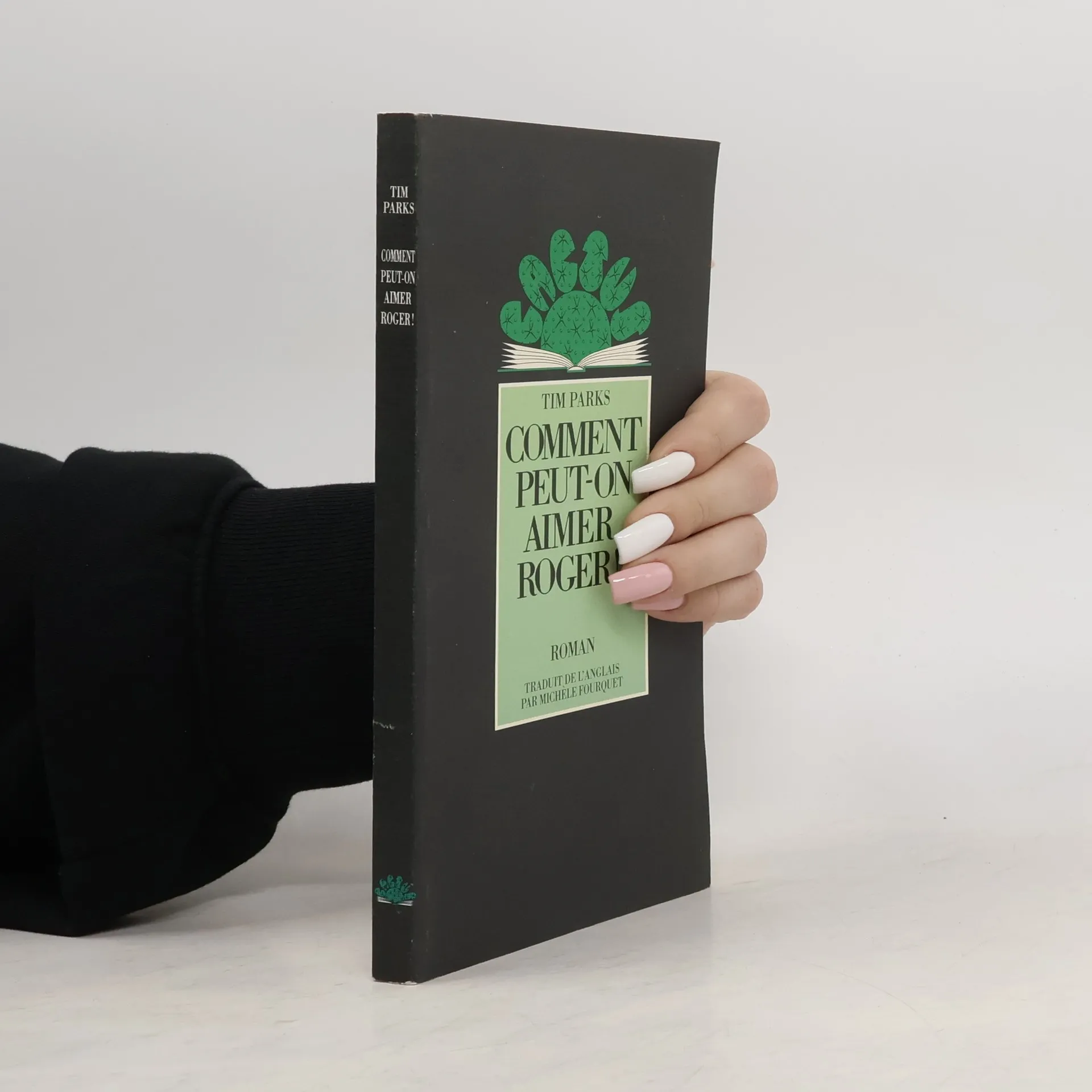
Tight and disturbing, Loving Roger begins with a dead body and a chilling question. Why has nice, ordinary, affectionate Anna picked up her kitchen knife and murdered the man she insists she loves?... This brief novel is a mordantly illuminating essay on the way love contains the seeds of vindictiveness and hatred.
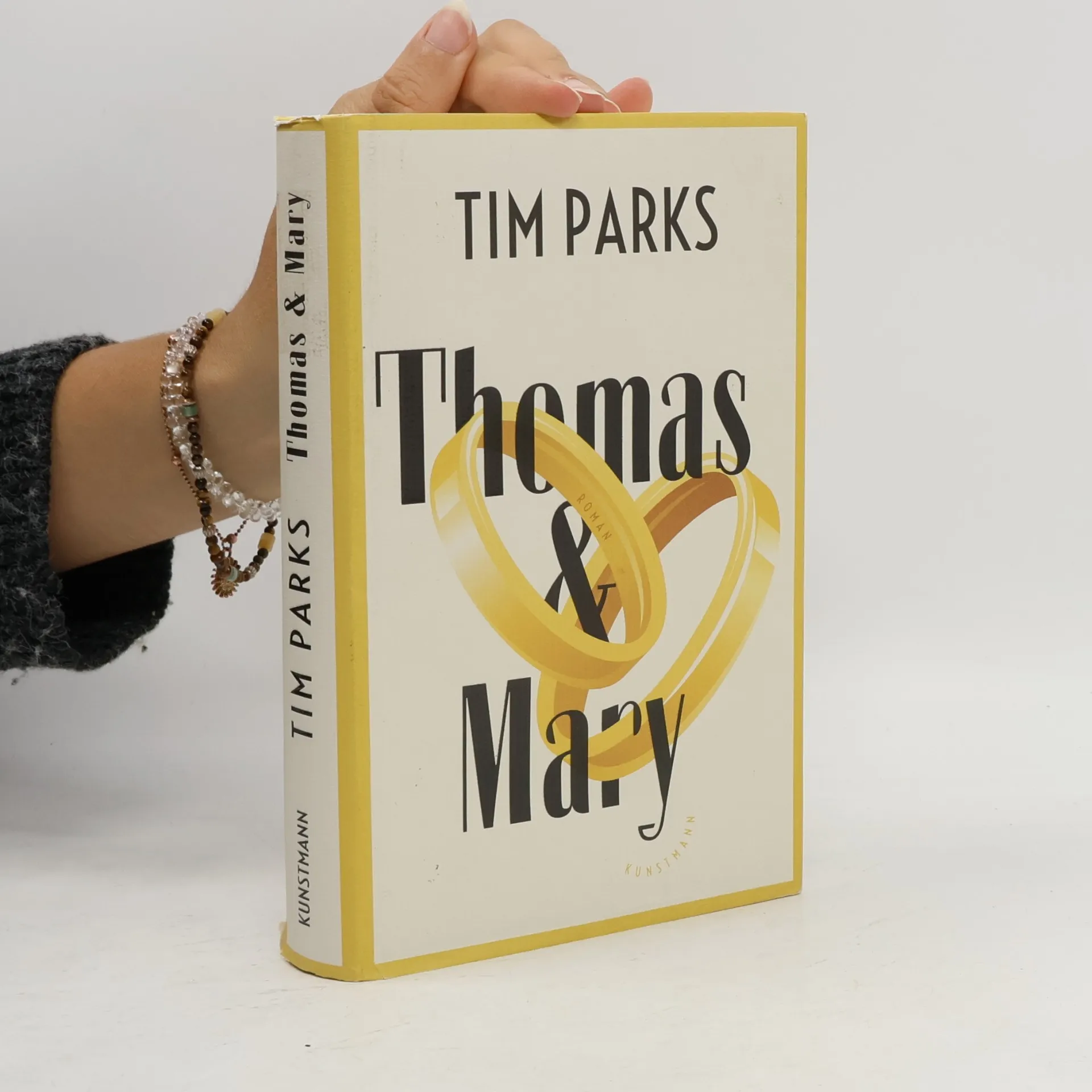
Thomas und Mary – eine Liebesgeschichte, die mit einer Trennung beginnt: zärtlich und unsentimental, mal komisch, mal tragisch. Wie das Leben. 30 Jahre sind Thomas und Mary verheiratet. Sie haben zwei Kinder, einen Hund, ein Haus im Grünen. Aber nach Jahren des Auseinanderlebens kommt es – endlich – zu einer Entscheidung. In dieser umgekehrten Liebesgeschichte erzählt Tim Parks, was passiert, wenn die Zuwendung und Hingabe, die ein Paar am Anfang füreinander hatte, sich verwandelt: in lange Spaziergänge mit dem Hund, in die Vermeidung, zur gleichen Zeit ins Bett zu gehen, in Spannungen, wer die Kühlschranktür offen gelassen oder den Tisch nicht abgeräumt hat. Zwischen Komödie und Tragödie pendelt dieser wunderbar leichte Roman, in dem 30 Jahre Ehe mit kühlem Kopf und warmem Herzen überprüft werden, die Abhängigkeiten, die Zärtlichkeit, der Verrat. Es ist die leidenschaftlich intime Chronik einer Ehe, die Tim Parks erzählt, wie sie vielen Leserinnen und Lesern bekannt sein dürfte. Und wie er die Ausläufer des schmerzlichen Verlusts schildert, der durch die ganze Familie geht, wenn das Paar im Grunde seiner Herzen beschlossen hat, dass es vorbei ist – das macht ihm keiner nach.
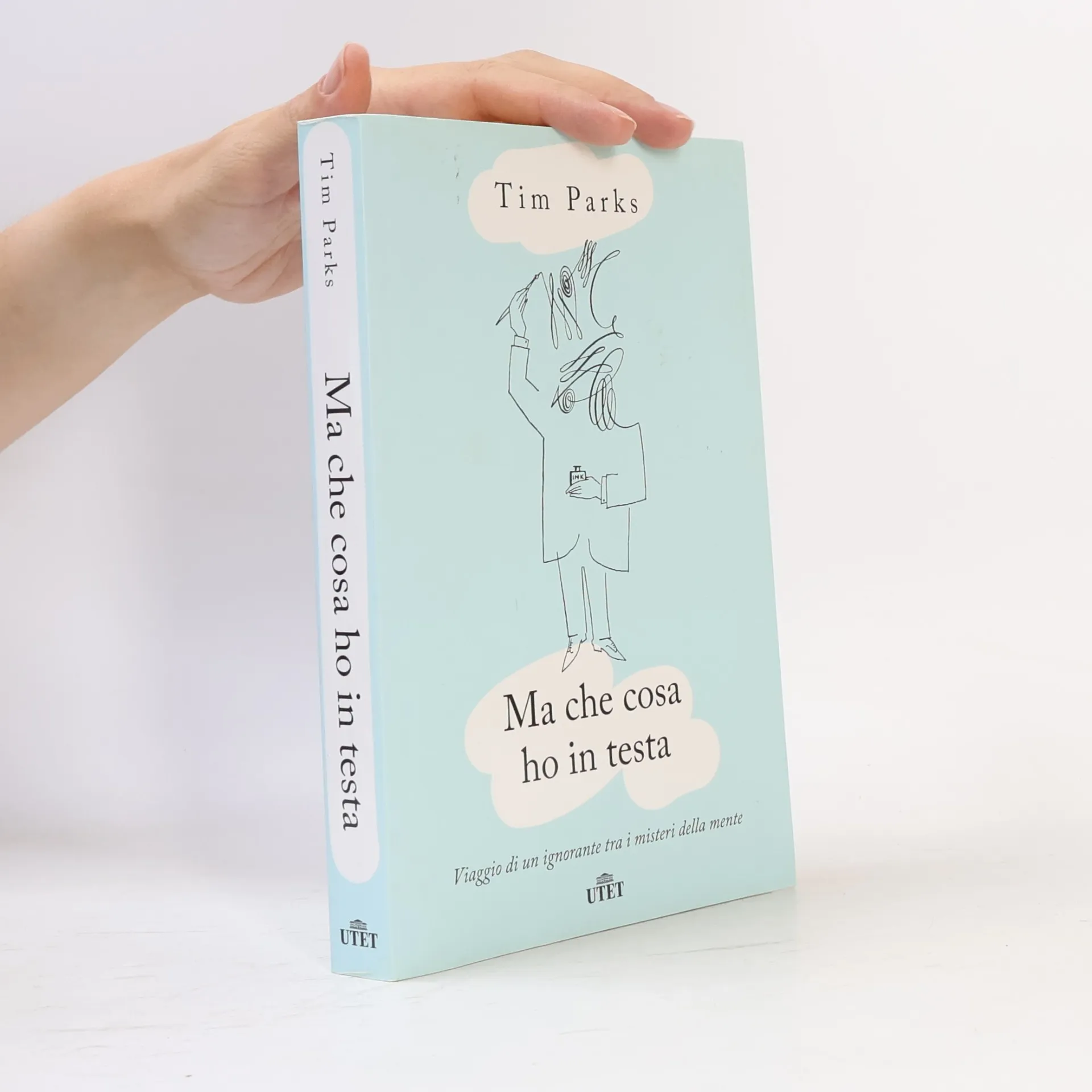
Quando Tim Parks riceve un invito dall’Università di Heidelberg, è colpito: vogliono coinvolgere scrittori e filosofi in un dialogo con neurobiologi e psicologi per esplorare se le scienze possano fondare una nuova metafisica. Incuriosito, Parks si chiede come l’osservazione del mondo possa rivelare il perché della sua esistenza, suggerendo che la scienza stia occupando spazi un tempo riservati alla filosofia e alla religione. Accettando l'invito, abbandona i suoi progetti di romanzo per approfondire un tema che lo ossessiona: la coscienza e il suo funzionamento. Molti esperti sostengono che l’esperienza sia intrappolata nei nostri cervelli, una rappresentazione inaffidabile della realtà esterna. Tuttavia, gli studi sul cervello mostrano solo neuroni che si scambiano impulsi elettrici. Parks racconta il suo viaggio tra esperimenti e professori certi delle loro teorie, ponendo domande che instillano dubbi. Ogni incontro e dialogo lo porta a riconsiderare le esperienze quotidiane, trasformando momenti semplici in scoperte nuove. Alla fine, anche se la vera natura della coscienza rimane sfuggente, il mondo appare più reale e vivo che mai.
Die Gabe der Zungenrede, Prophezeiung, Exorzismus. . . was könnten solche Konzepte in einem selbstzufriedenen Hinterland Nordlondons bedeuten? Für Richard Bowen wird die Jugend zum Albtraum, als seine Eltern sich der charismatischen Bewegung anschließen und einen Teufel in seinem Bruder finden.
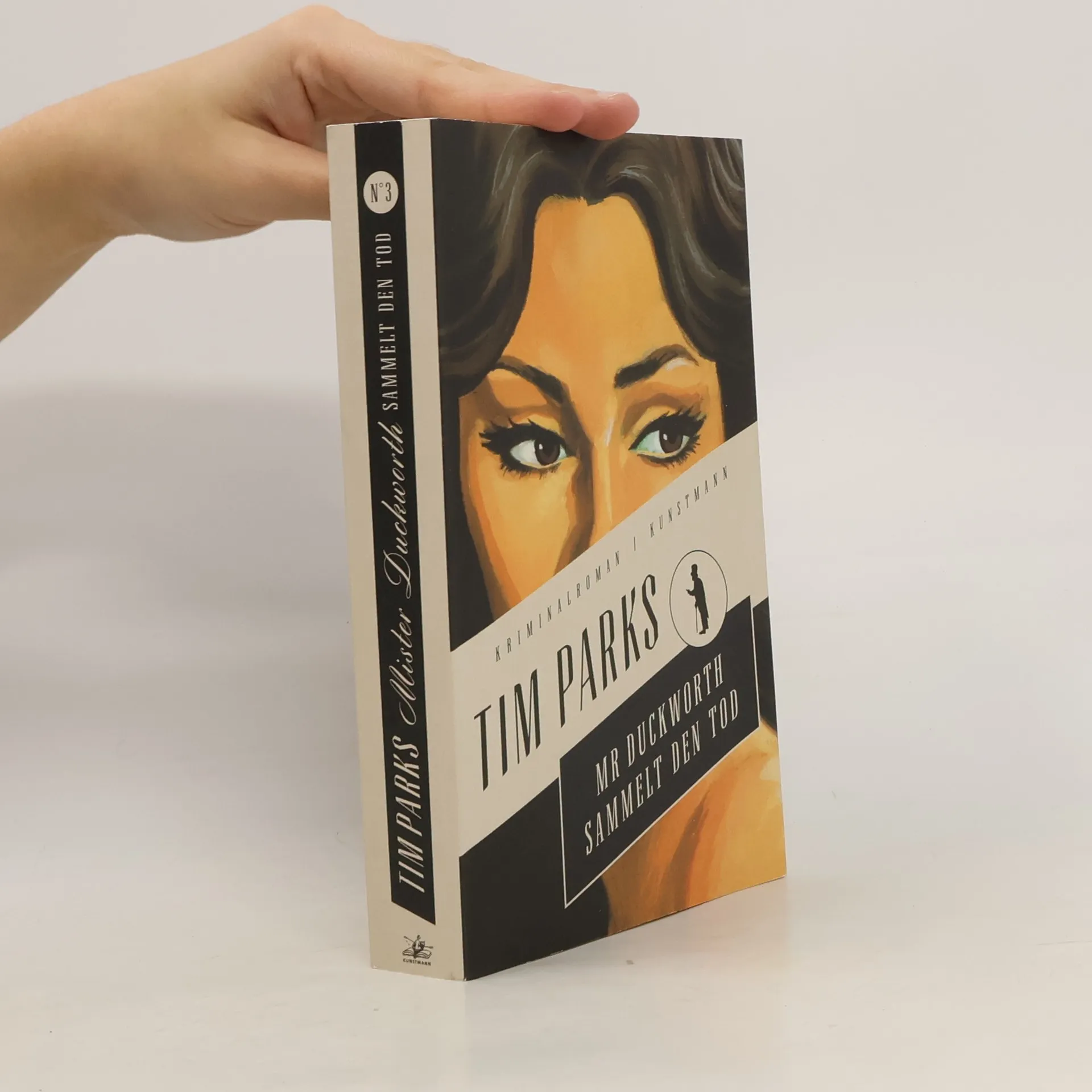
Morris Duckworth ist älter geworden, verheiratet mit Antonella, der dritten und ältesten Trevisan-Schwester, erfolgreicher Vorstand des Familienimperiums und Kunstsammler – von Gemälden, auf denen Gewalt und Tod abgebildet sind. So kann er seine freie Zeit in Betrachtung von Taten verbringen, von denen er hofft, sie niemals wieder selbst verüben zu müssen. Aber als Morris dem Museum der Stadt eine prächtige Ausstellung vorschlägt, um so alles, was er über Mord, Totschlag und Ästhetik weiß, mit der Welt zu teilen, werden ihm Hindernisse in den Weg gestellt, die auch in dem sanftesten Größenwahnsinnigen mörderische Instinkte hervorrufen.
Ein gutaussehender Engländer schlägt sich als Sprachlehrer in Italien durch. Als eine Schülerin sich in ihn verliebt, brennt er mit ihr durch und täuscht eine Erpressung vor.
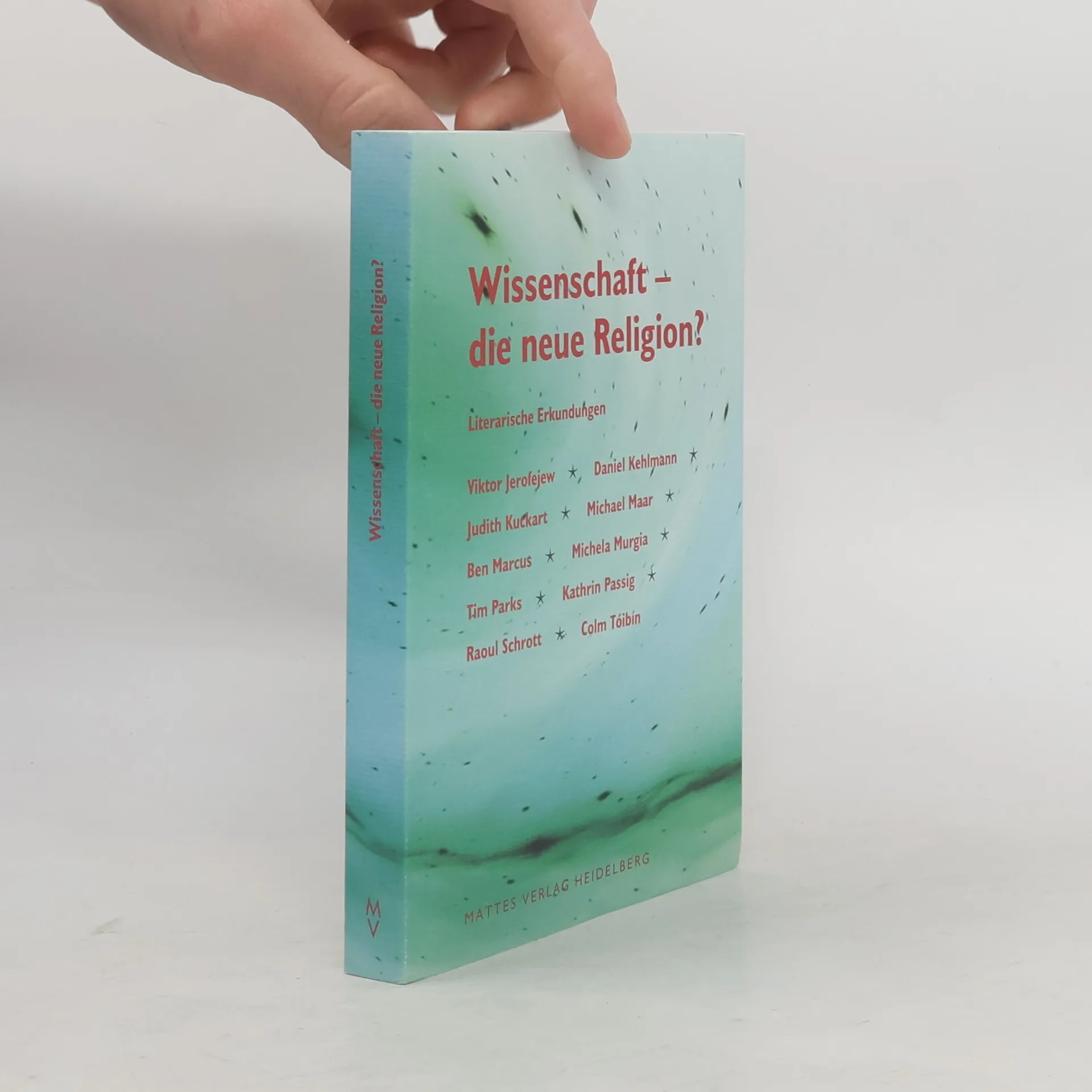
Zehn Autorinnen und Autoren aus sieben Ländern erforschten auf Einladung des Heidelberger Deutsch-Amerikanischen Instituts als literarische Kundschafter die Welt der (Natur)Wissenschaften. Ihre »Mission«: Antworten zu finden auf die Frage, ob es heute die Wissenschaften sind - und nicht länger die Religion -, die dem Menschen Orientierung bieten in einer Zeit immenser Beschleunigung, gravierender Veränderungen und drängender globaler Aufgaben. Leben die großen Fragen der Menschheit heute in den Wissenschaften fort, die einst unter dem Dach von Metaphysik und Religion ihren Anfang nahmen? Entsprechend der ganz unterschiedlichen Erfahrungs- und Temperamentswelten der Schriftstellerinnen und Schriftsteller sind Texte - Erzählungen, Reportagen, Essays - entstanden, die unterschiedlicher kaum sein könnten.