

Ho voluto presentare il Gesù dei Vangeli come il Gesù reale, il "Gesù storico" in senso autentico. Sono convinto che questa figura sia molto più logica e storicamente comprensibile rispetto alle ricostruzioni degli ultimi decenni. Questo Gesù - quello dei Vangeli - appare come una figura storicamente sensata e convincente. Solo un evento straordinario, in cui la figura e le parole di Gesù superarono le speranze dell'epoca, può spiegare la sua crocifissione e la sua efficacia. Già vent'anni dopo la sua morte, nel grande inno a Cristo della Lettera ai Filippesi (2,6-11), troviamo una cristologia che afferma che Gesù era uguale a Dio, ma si spogliò, si fece uomo e si umiliò fino alla morte sulla croce, ricevendo l'omaggio del creato, come proclamato nel profeta Isaia (45,23). La ricerca critica si interroga su cosa sia accaduto in quei vent'anni dalla crocifissione. Come si è sviluppata questa cristologia? Come mai gruppi sconosciuti furono così creativi e riuscirono a imporsi? Non è più logico pensare che la grandezza si collochi all'inizio e che la figura di Gesù abbia infranto tutte le categorie disponibili, potendo essere compresa solo a partire dal mistero di Dio?
Jesus of Nazareth Series
This series delves deeply into the life and teachings of Jesus of Nazareth, seeking to answer fundamental questions about human existence. It explores the interplay between historical scholarship and faith, examining whether Jesus was merely a man or a divine figure. The author offers a comprehensive perspective that is both a personal reflection and a culminating theological work. It is an exploration to understand Jesus' identity and his significance for the modern world.

Recommended Reading Order
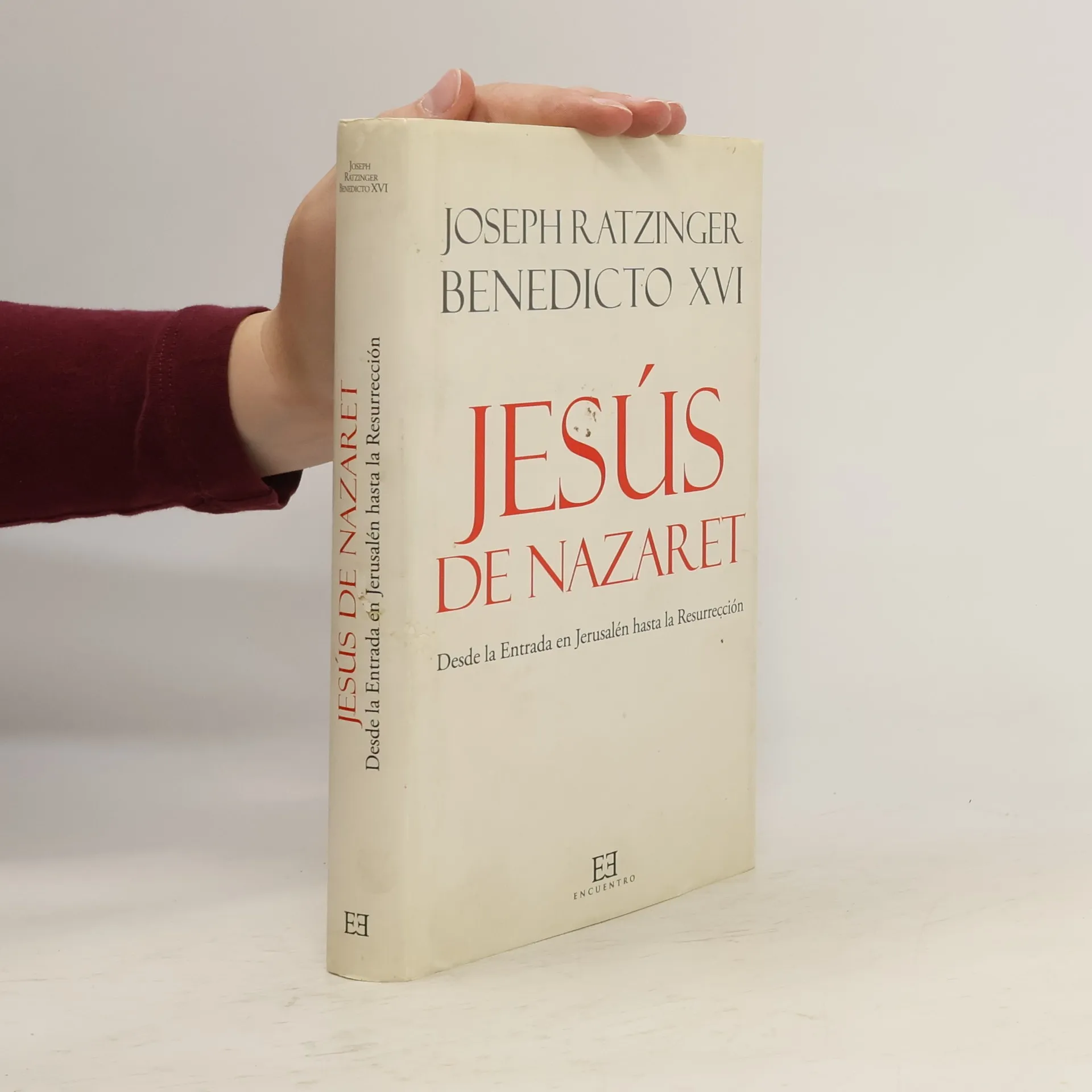
«En el gesto de las manos que bendicen se expresa la relación duradera de Jesús con sus discípulos, con el mundo. En su ascensión Él viene para elevarnos por encima de nosotros mismos y abrir el mundo a Dios. Por eso, los discípulos pudieron alegrarse cuando volvieron de Betania a casa. Por la fe sabemos que Jesús, al bendecir, tiene sus manos extendidas sobre nosotros. Esta es la razón permanente de la alegría cristiana». Joseph Ratzinger / Benedicto XVI
Jesus of Nazareth
- 256 pages
- 9 hours of reading
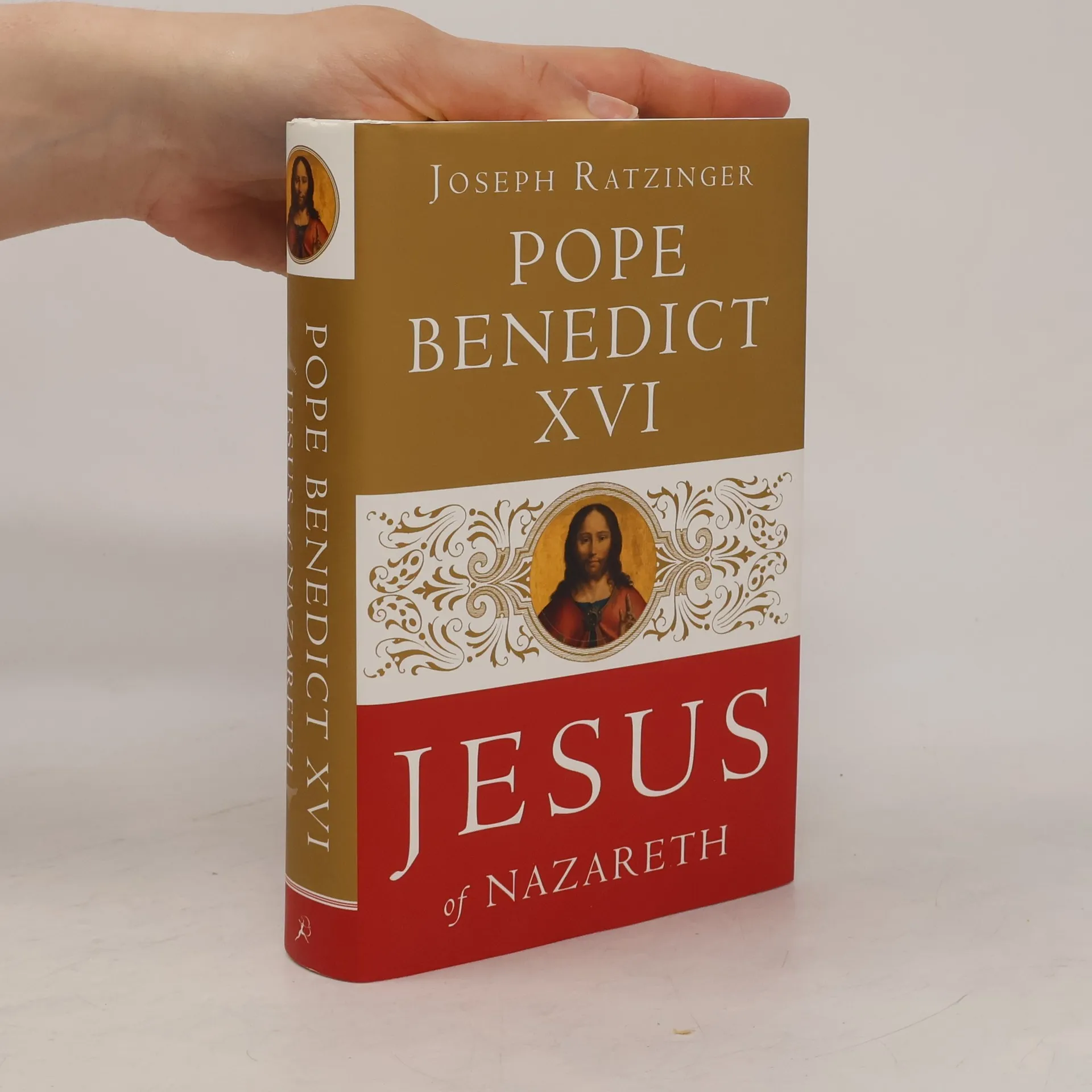
The New York Times bestselling final volume in the Pope’s Jesus of Nazareth series, detailing how the stories of Jesus’ infancy and childhood are as relevant today as they were two thousand years ago. In 2007, Joseph Ratzinger published his first book as Pope Benedict XVI in order “to make known the figure and message of Jesus.” Now, the Pope focuses exclusively on the Gospel accounts of Jesus’ life as a child. The root of these stories is the experience of hope found in the birth of Jesus and the affirmations of surrender and service embodied in his parents, Joseph and Mary. This is a story of longing and seeking, as demonstrated by the Magi searching for the redemption offered by the birth of a new king. It is a story of sacrifice and trusting completely in the wisdom of God as seen in the faith of Simeon, the just and devout man of Jerusalem, when he is in the presence of the Christ child. Ultimately, Jesus’ life and message is a story for today, one that speaks to the restlessness of the human heart searching for the sole truth which alone leads to profound joy.
Related books
Ježiš Nazaretský I, II, Prológ (box)
- 852 pages
- 30 hours of reading
Balenie obsahuje: Ježiš Nazaretský – Od krstu v Jordáne po premenenie (1. diel) Ježiš Nazaretský – Od vstupu do Jeruzalema po zmŕtvychvstanie (2. diel) Ježiš Nazaretský – Prológ, Ježišovo detstvo (3. diel) „V týchto knihách chcem Ježiša evanjelií predstaviť ako skutočného Ježiša, ako ,historického Ježiša‘ v pravom zmysle slova. Som presvedčený a pevne dúfam, že aj čitateľ uvidí, že takáto postava je oveľa logickejšia a aj z historického hľadiska oveľa zrozumiteľnejšia než rekonštrukcie, s ktorými sme mali do činenia v posledných desaťročiach. Domnievam sa, že práve tento Ježiš – Ježiš evanjelií – je historicky zmysluplnou a hodnovernou postavou. Iba ak sa stalo niečo neobyčajné, ak Ježišova postava a jeho slová radikálne prekročili všetky dobové nádeje a očakávania, iba tak sa dá vysvetliť jeho ukrižovanie a iba tak sa dá vysvetliť jeho účinkovanie…“