
This series delves into the dynamic world of modern art, exploring its pivotal artists, styles, and intellectual currents. Each volume offers an insightful look into the evolution of visual language that shaped the 20th and 21st centuries. Readers can expect in-depth analyses of revolutionary movements, from Impressionism to contemporary practices. It serves as an essential guide for anyone fascinated by the ever-shifting landscape of artistic expression.
Mass culture, popular taste and kitsch, previously considered outside the
limits of fine art, were the inspiration and provocative themes of pop art.
This book is intended as an accessible introduction to the pop art movement.
schovat popis
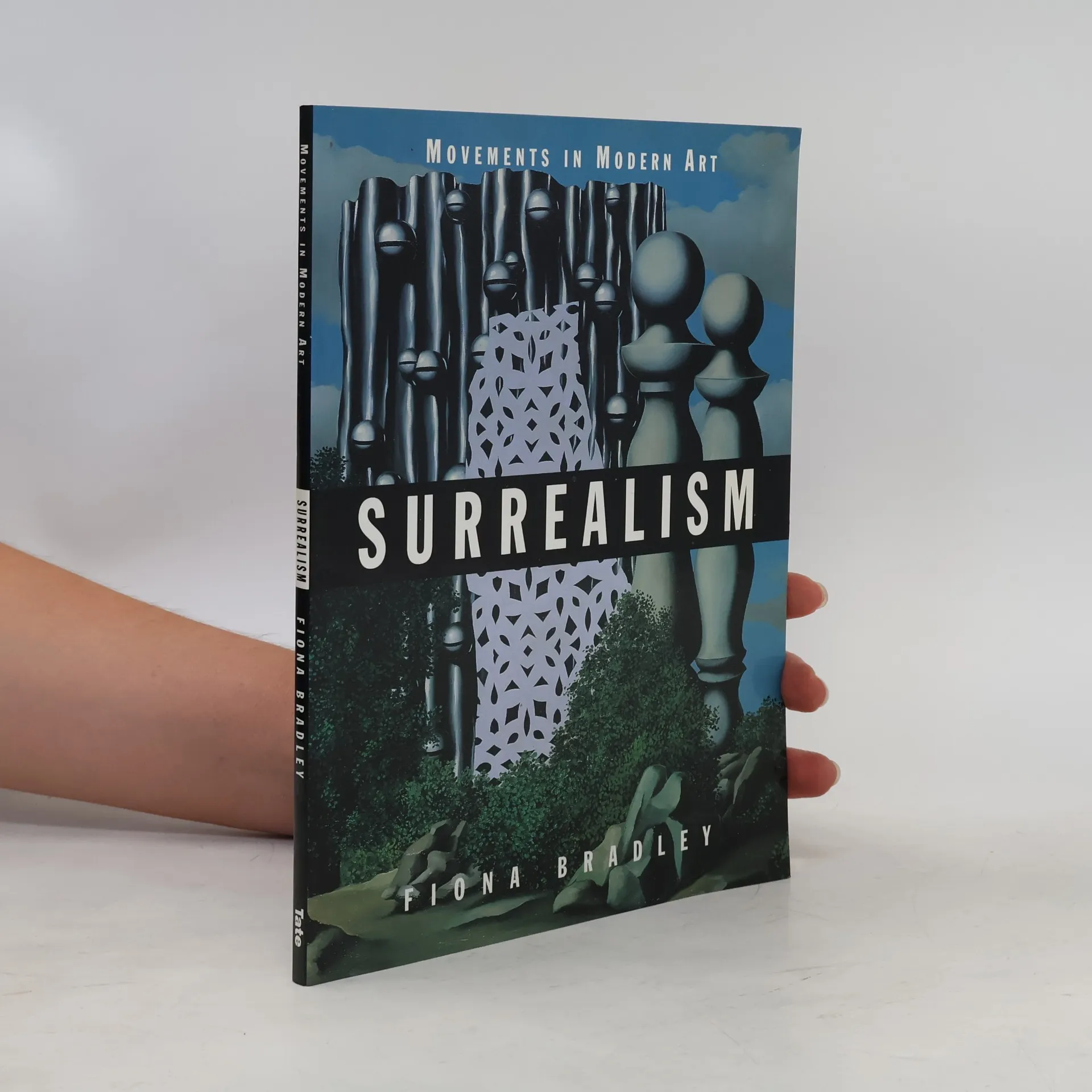
Exploring the significance and defining traits of Surrealism, this book delves into its impact on art and literature. It examines the movement's origins, key figures, and its revolutionary approach to creativity and reality. Through insightful analysis, the study highlights how Surrealism challenges conventional perceptions and embraces the unconscious mind, making it a pivotal force in modern artistic expression.
In this incisive study, the curator and writer Debra Bricker Balken examines the work of the leading artists associated with Abstract Expressionism, including Willem de Kooning, Lee Krasner, Robert Motherwell, Barnett Newman, Jackson Pollock and Mark Rothko. At the same time she examines the myths surrounding the movement, the variation in the motivation and practice of artists grouped by art historians under the same heading, and the role played by critics in the movement's reception, both at the time and up to the present day.Of equal value to the general reader and the art historical scholar alike, Balken's text is a valuable addition to the literature on one of the most influential of all twentieth-century art movements.
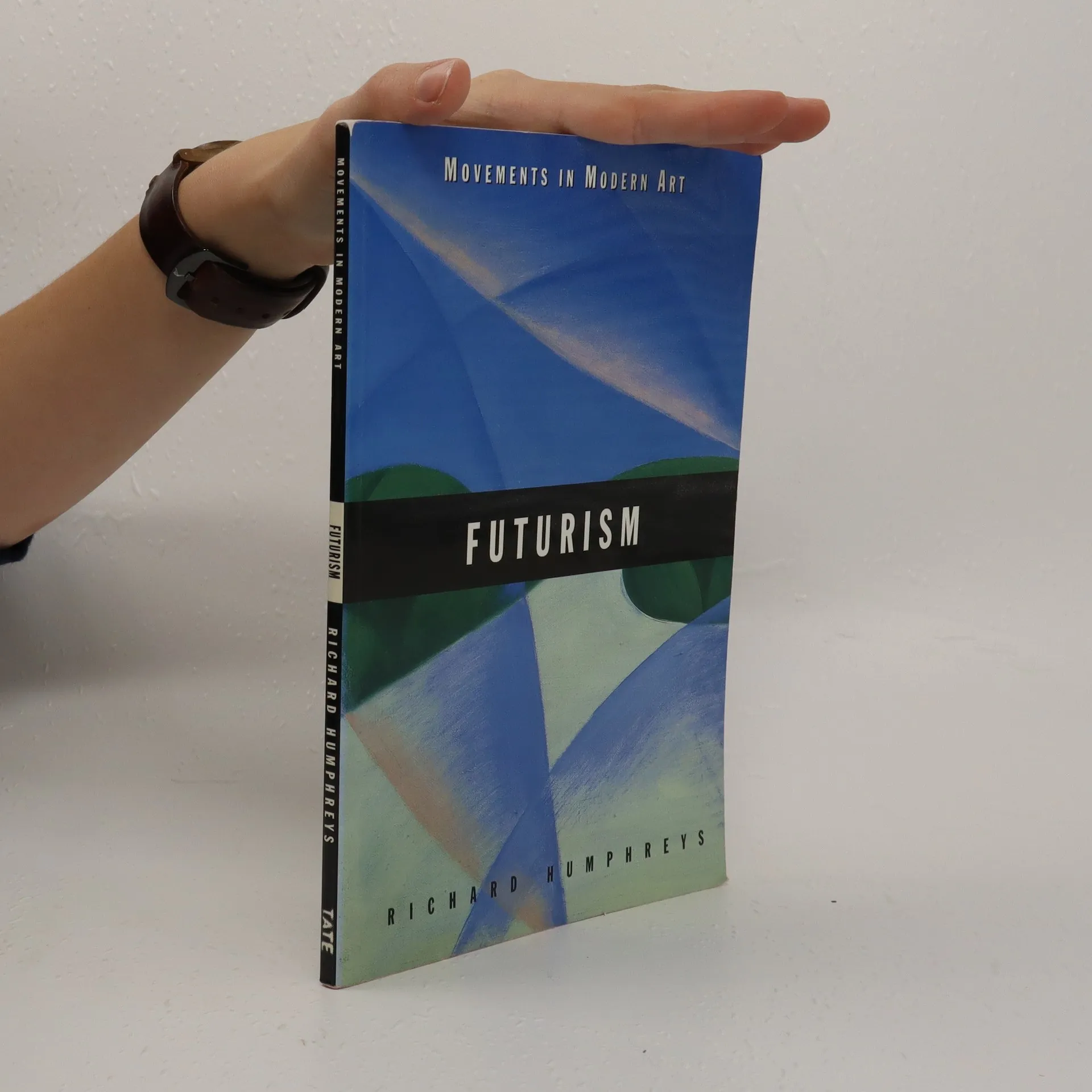
Futurism, brainchild of the Italian writer and impresario, F.T. Marinetti, was the defining avant-garde art movement of the 20th century. This book traces it from its origins in dissident underground politics in 1909 to its ultimately fatal relationship with Mussolini's regime between the wars.
A collective adventure begun by a small group of intellectuals in Paris in the early 1920s, amongst them Max Ernst, Rene Magritte and Salvador Dali, Surealism's influence was felt through the rest of continenal Europe and in Britain, the Americas, Mexico, and Japan. This introduction documents how the artists met, the relationship of Surrealism to Dada, and the influences that informed the movement, particularly the work of Sigmund Freud. The position of women, as Surrealist subject mater as well as artists in their own right, is also examined.
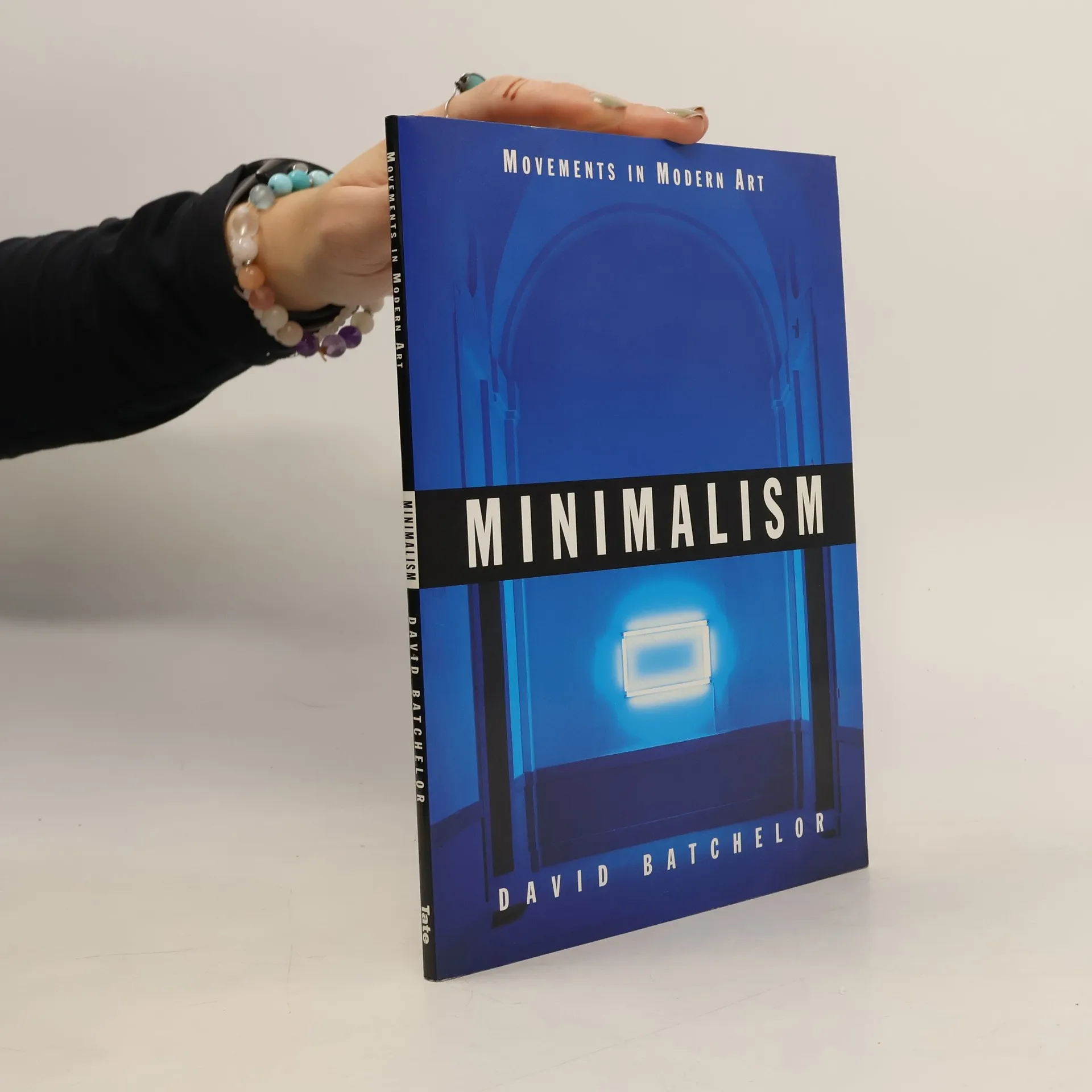
The controversy surrounding Carl Andre's Equivalent VIII, made of 120 firebricks, gives an idea of the difficulty some people have in seeing such works as art. This book aims to show not only how "The Bricks" can be seen as art, but that sculpture such as this is some of the most interesting and imaginative work to come out of the 1960s. The term Minimalism has been applied to this type of art. Although the artists involved did not regard themselves as a group, the work is typically abstract, three-dimensional, modular, geometric, preconceived in design and industrial in execution. This introduction examines the implications of these characteristics. Looking in particular at the work of five key artists--Carl Andre, Dan Flavin, Donald Judd, Sol LeWitt and Robert Morris--the author highlights some of the important differences in the development and direction of each artist's work. This thought-provoking publication also looks at the varied types of criticism and interpretation to which Minimalism has been subjected over the years. It ends by discussing how Minimalism, which has had a huge influence on subsequent art, continues to inform the work of contemporary artists.