
Explore the latest books of this year!
Bookbot

Semiotext(e) / Foreign Agents

This series offers a groundbreaking exploration into the world of radical French and European theory. It delves into key ideas and concepts that have shaped modern thought, often focusing on subversive and critical perspectives. Each volume provides deep insights into the works of leading thinkers, making complex philosophical discourse accessible to a wider audience. The collection is essential for understanding contemporary intellectual movements.

Speed and Politics
The Soul at Work
Radical Alterity
DIVIDUUM
Chaosophy
Utopia Deferred
  • The Utopie group was born in 1966 at Henri Lefebvre's house in the Pyrenees. The eponymous journal edited by Hubert Tonka brought together sociologists Jean Baudrillard, Rene Lourau, Catherine Cot, architects Jean Aubert, Jean-Paul Jungmann, Antoine Stinco, and landscape architect Isabelle Auricoste. Over the next decade, both in theory and in practice, the group articulated a radical ultra-leftist critique of architecture, urbanism, and everyday life. Utopia Deferred collects all of the essays Jean Baudrillard published in Utopie in their original form as well as a recent interview with the author. These essays, torn from the headlines of the tumultuous decade following May 1968, surpass Marxism itself.

    Utopia Deferred
    3.8
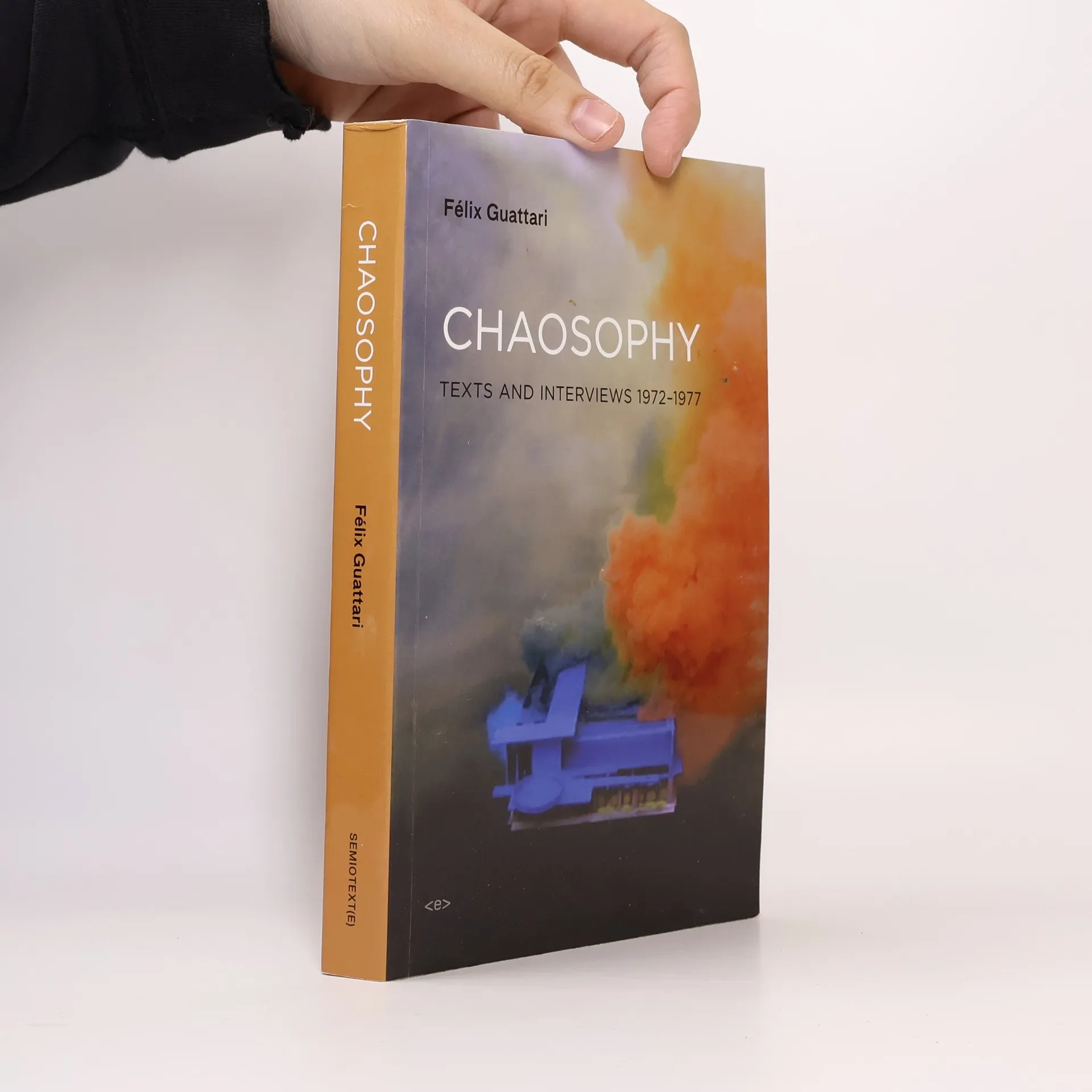
  • Chaosophy

    • 335 pages
    • 12 hours of reading

    Groundbreaking essays that introduce Guattari's theories of schizo-analysis, in an expanded edition.

    Chaosophy
    4.1
  • DIVIDUUM

    Maschinischer Kapitalismus und molekulare Revolution, Band 1

    • 256 pages
    • 9 hours of reading

    Die jahrhundertelange Konjunktur des Individuums gerät ins Wanken. Es beginnt das Zeitalter des Dividuellen. Die schlechte Nachricht von Gerald Raunigs Philosophie der Dividualität ist, dass sich das Dividuelle im maschinischen Kapitalismus vor allem als Verschärfung von Ausbeutung und Indienstnahme zeigt: In Algorithmen, Derivaten, Big Data und Social Media wirkt Dividualität als ausufernde Erweiterung von herrschaftlicher Teilung und Selbstzerteilung. Die gute Nachricht: Genau auf dem Terrain des Dividuellen wird auch eine neue Qualität von Widerstand möglich, als kritische Mannigfaltigkeit, molekulare Revolution und Con-division

    DIVIDUUM
  • A focused exploration of Baudrillard's understanding and use of alterity and otherness, a crucial theme that appears and reappears throughout his work as a whole.

    Radical Alterity
    3.5
  • The Soul at Work

    • 229 pages
    • 9 hours of reading

    An examination of new forms of alienation in our never-off, plugged-in culture-and a clarion call for a conspiracy of estranged people.

    The Soul at Work
    4.0
  • Speed and Politics

    • 176 pages
    • 7 hours of reading

    Focusing on the concept of speed as a transformative force, Paul Virilio's work examines its role in shaping civilization through technological advances linked to militarization. He argues that speed, rather than class or wealth, drives societal change, presenting a topological history of humanity's evolution. Drawing from various thinkers, Virilio's "technical vitalism" explores the implications of rapid advancements, including military technology and information systems, offering a critical perspective on their impact on human nature and society's future.

    Speed and Politics
    3.9
  • Characterizing it as a mythic discourse, Jean Baudrillard proceeds, in this brilliant essay, to dismantle the powerful, seductive figure of Michel Foucault.

    Forget Foucault
    3.8
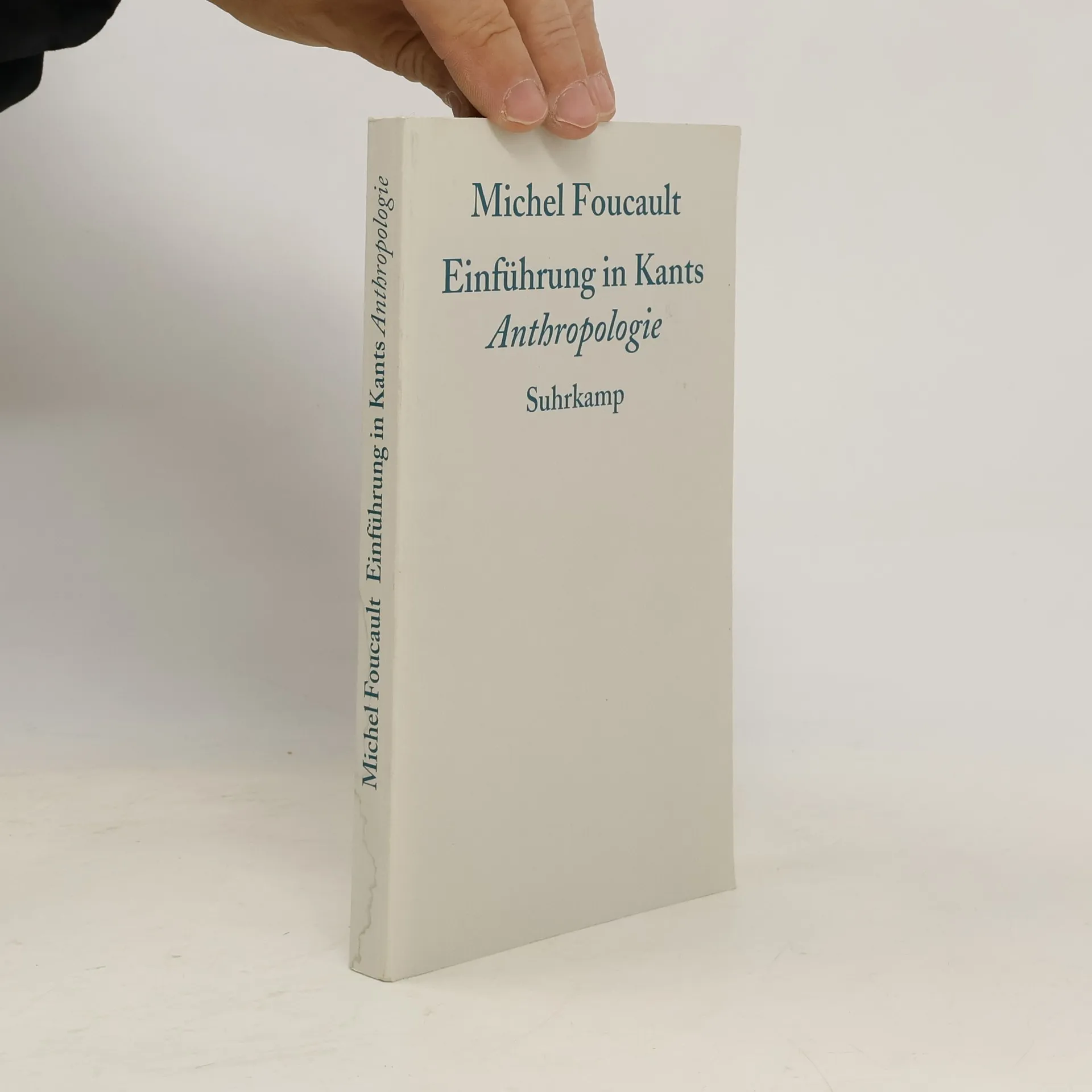
  • Als Gilles Deleuze in den achtziger Jahren bemerkte, Foucault sei letztlich »Kantianer«, wirkte das noch wie eine bewußt forcierte Übertreibung, die eine zu wenig beachtete Seite des Autors ins Licht rücken sollte. In der Folge trat dann immer deutlicher zutage, welche große Bedeutung Kants kritischer Philosophie für Foucaults gesamtes philosophisches Unternehmen zukommt. Sein letzter Vorlesungszyklus am Collège de France beginnt mit einer eingehenden Lektüre von »Was ist Aufklärung?«; und damit schließt sich ein Kreis, der Ende der fünfziger Jahre mit der Übersetzung von Kants Anthropologie in pragmatischer Hinsicht begann. Die ausführliche Einleitung, mit der Foucault seine Übersetzung versehen hatte, war lange Zeit nur im Archiv zugänglich und nur einer kleinen Zahl von Spezialisten bekannt. Nun liegt der Text endlich in einer sorgfältig edierten Fassung vor. Er zeigt, daß Foucault die Kunst der geduldigen, klarsichtigen und gleichsam unerschrockenen Lektüre nicht erst in seinen späten Auslegungen antiker Texte beherrschte. Seine Einführung in Kants Anthropologie legt nicht nur den Grund für die berühmten Analysen des anthropologischen Zirkels in der Ordnung der Dinge; sie markiert mit der Frage nach dem Verhältnis von Anthropologie und Kritik auch den entscheidenden Punkt, an dem Foucault Kants Denken aufnimmt.

    Einführung in Kants Anthropologie
    3.6
  • Virilio and Lotringer revisit their prescient book on the invisible war waged by technology against humanity since World War II.

    Pure War
    4.1
  • Returning to Reims

    • 256 pages
    • 9 hours of reading

    "There was a question that had come to trouble me a bit earlier, once I had taken the first steps on this return journey to Reims... Why, when I have had such an intense experience of forms of shame related to class, shame in relation to the milieu in which I grew up, why, when once I had arrived in Paris and started meeting people from such different class backgrounds, I would often find myself lying about my class origins... why had it never occurred to me to take up this problem in a book?" Returning to Reims is a breathtaking account of one man's return to the town where he grew up after an absence of thirty years. It is a frank, fearlessly personal story of family, memory, identity and time lost. But it is also a sociologist's view of what it means to grow up working class and then leave that class; of inequality and shifting political allegiances in an increasingly divided nation. A phenomenon in France and a huge bestseller in Germany, Didier Eribon has written the defining memoir of our times.

    Returning to Reims
    4.3
  • Geschwindigkeit und Politik

    Ein Essay zur Dromologie

    • 200 pages
    • 7 hours of reading

    بول فيريليو هو "فيلسوف السرعة". وقد اهتم بالمجال الحضري باعتباره مجالا سياسيا بامتياز. خلاصة بحوثه أن الغرب لم يعرف ثورة سياسية وإنما ثورة درومولوجية (علم السرعة) ولم يعرف ثورة ديمقراطية وإنما ثورة دروموقراطية (سلطة السرعة). السرعة أضحت قدر العالم ومصيره. ليس هناك تعريف للدولة الحديثة ولا للثورة خارج إطار الحركة والشارع، طالما أن النزول إلى الشارع أمر ملازم لكل الثورات. الشارع لا يكون إلا في المدينة. جذور السلطة منغرسة في الشارع. الثورة لا تبلغ قيامتها في مواقع الإنتاج كما تنبأ الماركسيون وإنما في الشارع، لذلك فإن أبواب المدن وجماركها والثكنات والسجون والملاجئ وإشارات المرور ومحطات الاستخلاص هي كوابح تضعها الدولة أمام الحركة والأفكار، أي أمام الثورة. الدولة الحديثة هي مدينة Polis وشرطة Police تراقب الحركة Etat Voirie، لأن التحكم في حركة المرور هو هاجس الدولة الحديثة حتى حدا بها الأمر إلى تربية الناس منذ المدرسة على احترام إشارات المرور. التحكم في حركة المرور يعني في النهاية التحكم في "حركة المرور" السياسية.

    Geschwindigkeit und Politik
    3.5
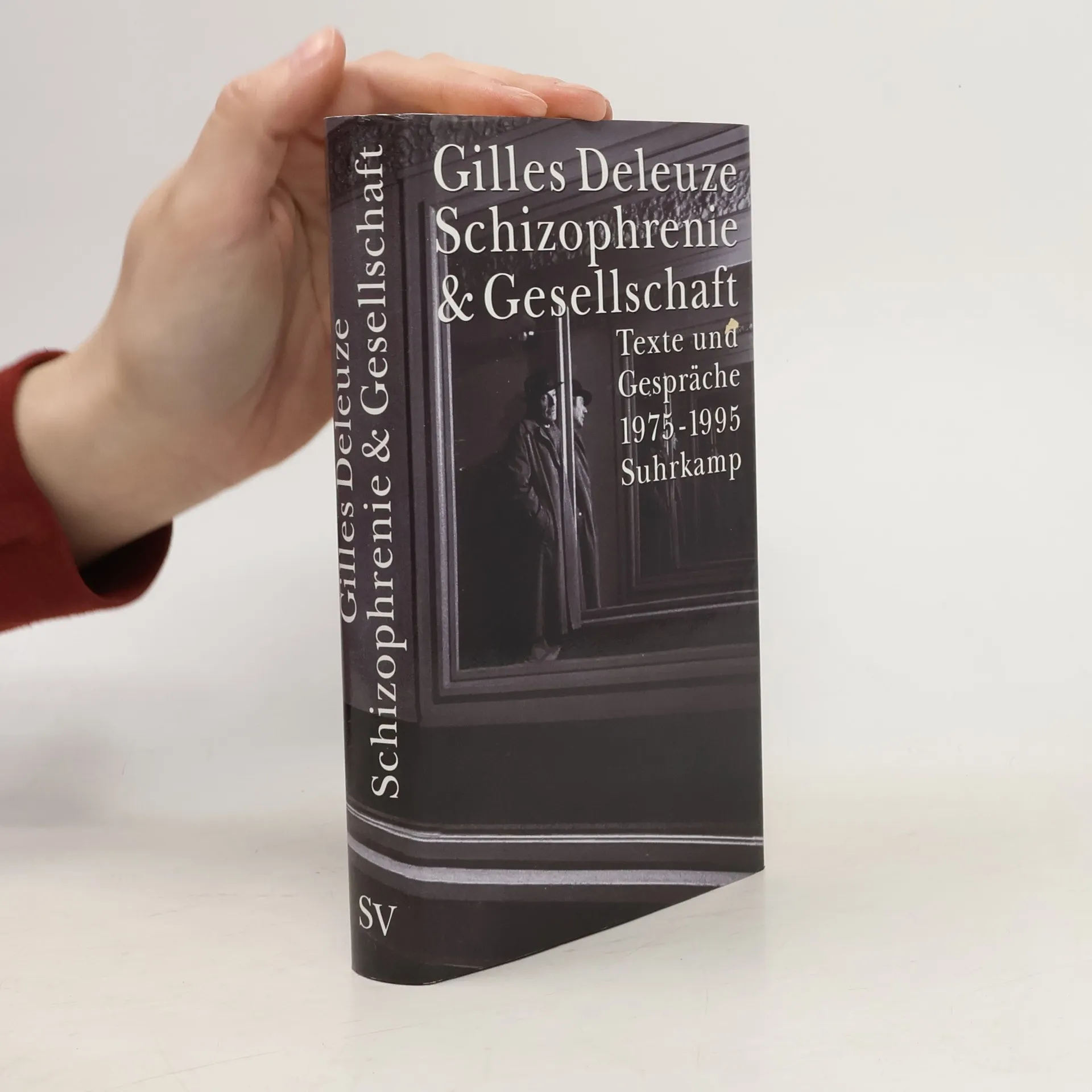
  • Es ist vielmehr die intellektuelle Erfahrung einer verstörenden und beunruhigenden Präsenz, die den eigenen Blick auf die Gegenwart durchkreuzt. Diese Leseerfahrung wird jeder machen, der in diesen Band mit Aufsätzen, Interviews und kleineren Beiträgen von Gilles Deleuze eintaucht. So zeigt sich etwa die Nähe seiner kritischen Stimme zu aktuellen politischen Debatten, wie sie von Slavoj Žižek oder Noam Chomsky bis hin zu Michael Hardt und Toni Negri geführt werden. Auch seine Überlegungen zur Philosophie des zwanzigsten Jahrhunderts, zum zeitgenössischen Kino und zur Filmtheorie, zur Psychoanalyse oder zur Literatur haben ihr Korrelat in der Gegenwart. Krieg, Pazifismus, Toleranz, Revolution, Drogen, Befreiung und Kritik - das sind Deleuze' Stichworte zur Erkundung des Heute, die nichts von ihrer Sprengkraft verloren haben.

    Schizophrenie und Gesellschaft
    4.4
  • The Anti-OEdipus Papers

    • 439 pages
    • 16 hours of reading

    With Anti-Oedipus in 1972, Felix Guattari and Gilles Deleuze instigated one of the most daring intellectual adventures of our time, updating both psychoanalysis and Marxism in light of a more radical and "constructivist" vision of capitalism. Assembled here for the first time, Guattari's notes, addressed to and annotated by Deleuze, reveal an inventive, visionary "conceptor," arguably one of the more enigmatic figures in philosophy and social-political theory today. The Anti-Oedipus Papers (1969-1973) are supplemented by substantial journal entries describing Guattari's turbulent relationship with his teacher Jacques Lacan, apprehensions about Anti-Oedipus and personal accounts of his life

    The Anti-OEdipus Papers
    4.1
  • Soft Subversions

    • 341 pages
    • 12 hours of reading

    A new, expanded, and reorganized edition of a collection of texts that present a fuller scope to Guattari's thinking from 1977 to 1985.

    Soft Subversions
    4.3
  • Germania Tod in Berlin

    • 119 pages
    • 5 hours of reading

    Behandelt die proletarische Tragödie des Stalinismus und das Schicksal der deutschen Revolution in einem dramatischen Text von außergewöhnlicher Strenge und Fülle.

    Germania Tod in Berlin
    4.0
  • Bezludna wyspa

    • 614 pages
    • 22 hours of reading

    Niniejszy tom zbiera niemal całość tekstów Gillesa Deleuze'a opublikowanych między 1953 a 1974 rokiem, od momentu wydania jego pierwszej książki „Empiryzm i subiektywność” do debat dotyczących „Anty-Edypa”. Zbiór składa się z artykułów, zapisów konferencji, przedmów, wywiadów i wykładów, które były wcześniej publikowane, ale nie znalazły się w jego książkach. Deleuze postawił jedynie dwa warunki: brak tekstów sprzed 1953 roku oraz publikacji pośmiertnych lub z niezredagowanych rękopisów. Zawiera także kilka wcześniej niewydanych tekstów, które figurują w bibliografii z 1989 roku. Celem zbioru jest udostępnienie tekstów trudno dostępnych, rozproszonych w różnych publikacjach. W kontekście mitologii, wyspa symbolizuje nowe początki i odrodzenie, będąc miejscem, gdzie wszystko zaczyna się od nowa. Wyspa jest źródłem wtórnym, które umożliwia ponowne rozpoczęcie, a proces powstawania świata przebiega dwustopniowo, jako narodziny i odrodzenie. Konieczność drugich narodzin nie wynika z katastrofy, lecz to katastrofa następuje na początku, co wskazuje na potrzebę nowego początku. Wyspa, oddzielona wodą, staje się przestrzenią dla żeńskich wspólnot, symbolizującą mitologiczne macierzyństwo i ideę nowego początku.
    Bezludna wyspa
    4.3
  • Neither sun nor death

    • 367 pages
    • 13 hours of reading

    Ancient philosophy served as a mental workout, utilizing logical forms like machines in a gym. Today, philosophy acts as a super-workout for communicative energies, fostering connections worldwide. Peter Sloterdijk gained recognition in the late 1980s for his Critique of Cynical Reason, which challenged the "enlightened false consciousness" of Habermasian critical theory. After seven years in India studying Eastern philosophy, he has become a prominent voice in discussions on politics and globalization, particularly through his magnum opus Spheres, a three-volume exploration of humanity's relationship with space: Bubbles, Globes, and Foam. In his latest work, Sloterdijk addresses questions from German writer Hans-Jurgen Heinrichs, discussing technological mutation, media development, and his intellectual journey. Known for his iconoclastic and provocative style, Sloterdijk is a compelling figure in contemporary philosophy, reminiscent of Nietzsche and Heidegger. He argues that modern philosophers must embrace danger and navigate the complexities of today's world, moving beyond humanist and nationalist confines toward a broader ecological and global perspective. This work serves as an excellent introduction to Sloterdijk's philosophical insights on globalization, showcasing his ability to engage with both contemporary French Theory and traditional philosophical thought.

    Neither sun nor death
    4.0
  • Der reine Krieg

    • 171 pages
    • 6 hours of reading

    "Der reine Krieg" beschreibt den unsichtbaren Krieg, den die Technologie gegen die Menschheit führt. In einem faszinierenden Dialog mit Sylvere Lotringer präsentiert Paul Virilio seine Überlegungen zur Wirkung der Geschwindigkeit auf unsere Zivilisation. Virilio, ein führender Philosoph der Geschwindigkeit, argumentiert, dass die "technische Überraschung" des Ersten Weltkriegs die Erkenntnis war, dass eine Kriegswirtschaft nur durch eine Fortsetzung in Friedenszeiten aufrechterhalten werden kann. Dies führte zu einer Aufhebung der Unterscheidung zwischen Krieg und Frieden und leitete die Militarisierung der Wissenschaft ein. Jede neue Erfindung bringt Schatten mit sich, die oft ignoriert werden: So führte das Automobil zu Unfällen, und die Kernenergie zu Hiroshima und Tschernobyl. Technologien der sofortigen Kommunikation haben eine neue Form der Raumvernichtung und Derealisierung der Zeit hervorgebracht. Sofortiges Feedback verkleinert den Planeten, und "Globalisierung" wird als deren Unfall betrachtet. Dieses 1983 veröffentlichte Werk führte Virilios Denken in die Vereinigten Staaten ein und bleibt für nachfolgende Generationen eines der einflussreichsten Essays unserer Zeit.

    Der reine Krieg
    4.7
  • Transversality can be visualized as a fenced field with horses wearing adjustable blinkers, where the adjustment represents the "coefficient of transversality." When the blinkers are fully closed, the horses experience a traumatic encounter, but as they are opened, movement becomes easier. Originally published in French in 1972, this collection features articles by Félix Guattari written between 1955 and 1971, offering insight into his intellectual and political journey leading up to his collaboration with Gilles Deleuze in "Anti-Oedipus: Capitalism and Schizophrenia." Guattari's unique background includes co-founding the La Borde psychiatric clinic in 1953 with psychoanalyst Jean Oury, emphasizing that treating psychotics requires altering the entire institutional context. He viewed "institutional psychotherapy" as a means not only to heal but also to foster a new relationship with the world. A dissident within the French Communist Party and an active participant in the May 1968 student uprising, Guattari recognized the potential for integrating analysis into political groups. He conceptualized these groups as open machines—subject-groups—rejecting hierarchical structures and developing transversally, rhizomatizing through connections with other groups.

    Psychoanalysis and Transversality
    4.2
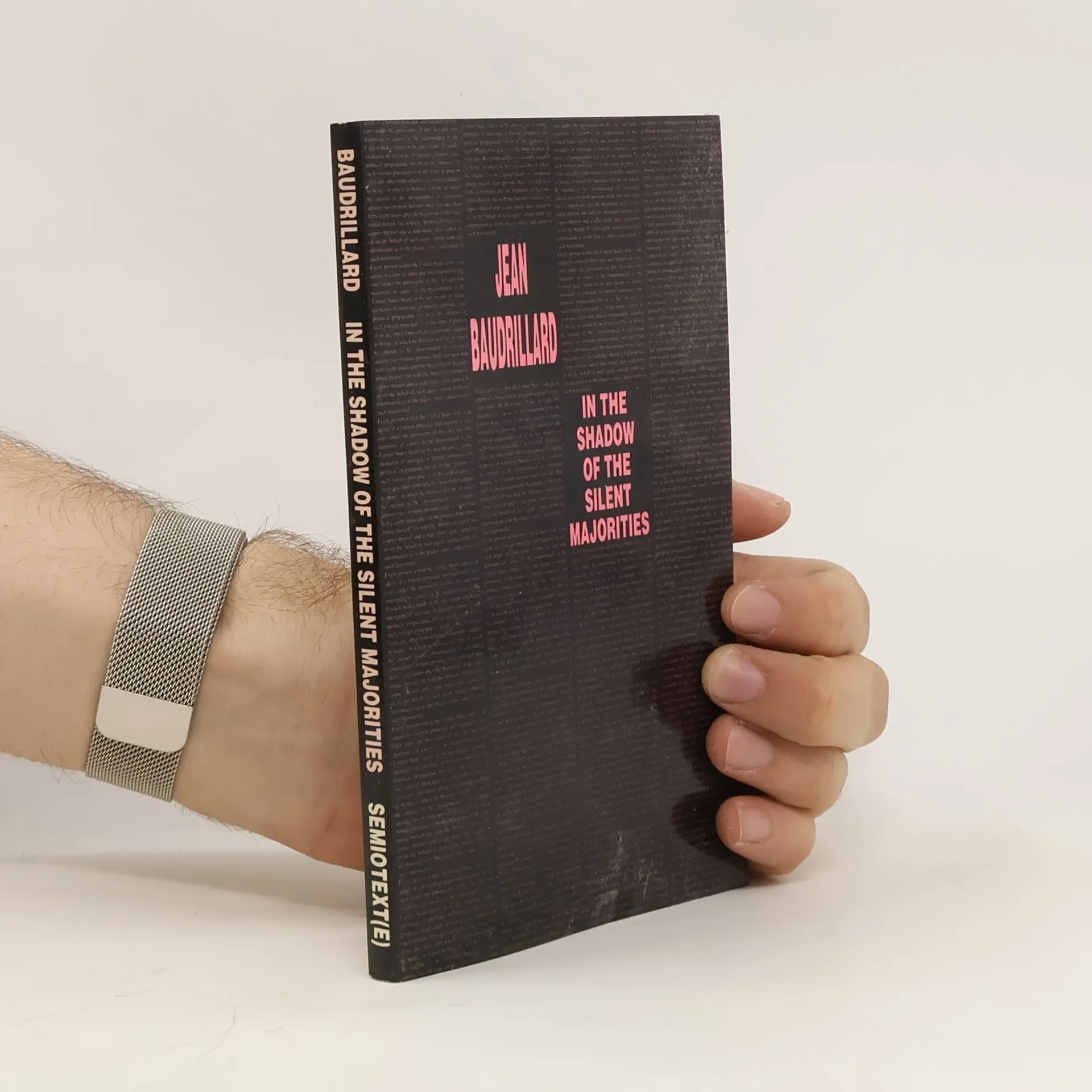
  • Diese hier erstmals als Buch auf Deutsch veröff entlichte Studie zählt zu den konzisesten und wichtigsten Abhandlungen Baudrillards und ist doch eine der am wenigsten bekannten. Er beschäft igt sich darin mit den Grenzen der Soziologie, der Informationstheorie und den Th eorien von »Masse«, für ihn der »Nullpunkt des Politischen«. Baudrillard formuliert eine Informationstheorie, nach der »die Masse ein Medium ist, das stärker ist als alle Medien «.

    Im Schatten der schweigenden Mehrheiten oder das Ende des Sozialen
    2.8
  • Baudrillard's "The Ecstasy of Communication" is a pivotal work summarizing two decades of his radical theory, reflecting on contemporary alienation and the shift from meaningful existence to constant communication. This anti-manifesto critiques influences like McLuhan and remains a crucial companion to Baudrillard's oeuvre, offering a dark reflection on modernity.

    The Ecstasy of Communication, New Edition
    4.1
  • Terror from the air

    • 111 pages
    • 4 hours of reading

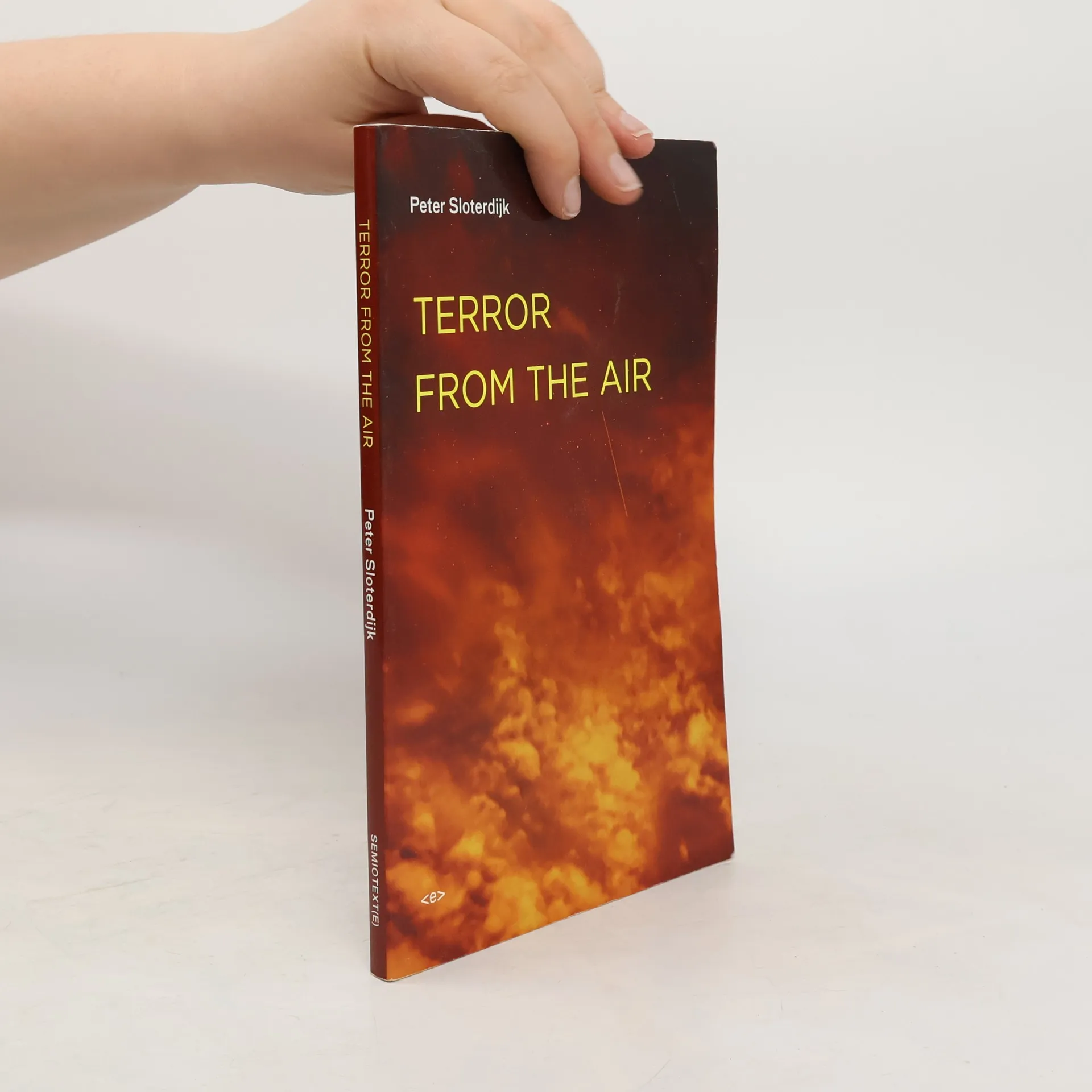
    "According to Peter Sloterdijk, the twentieth century started on a specific day and place: April 22, 1915, at Ypres in Northern France. That day, the German army used a chlorine gas meant to exterminate indiscriminately. Until then, war, as described by Clausewitz and practiced by Napoleon, involved attacking the adversary's vital function first. Using poison gas signaled the passage from classical war to terrorism. This terror from the air inaugurated an era in which the main idea was no longer to target the enemy's body, but their environment. From then on, what would be attacked in wartime as well as in peacetime would be the very conditions necessary for life. This kind of terrorism became the matrix of modern and postmodern war, from World War I's toxic gas to the Nazi Zyklon B used in Auschwitz, from the bombing of Dresden to the attack on the World Trade Center. Sloterdijk goes on to describe the offensive of modern aesthetics, aesthetic terrorism from Surrealism to Malevich -- an "atmo-terrorism" in the arts that parallels the assault on environment that had originated in warfare."--Back cover

    Terror from the air
    4.0
  • Ranging from reflections on the Enlightenment and revolution to a consideration of the Frankfurt School, this collection offers insight into the topics preoccupying Foucault as he worked on what would be his last body of published work, the three-volume History of Sexuality.

    The Politics of Truth
    4.1
  • Signs and Machines

    • 280 pages
    • 10 hours of reading

    An analysis of how capitalism today produces subjectivity like any other good, and what would allow us to escape its hold.

    Signs and Machines
    4.1
  • Letters by writer, filmmaker, and cultural revolutionary Guy Debord conjure a vivid picture of the dynamic first years of the Situationist International movement.

    Correspondence
    4.0
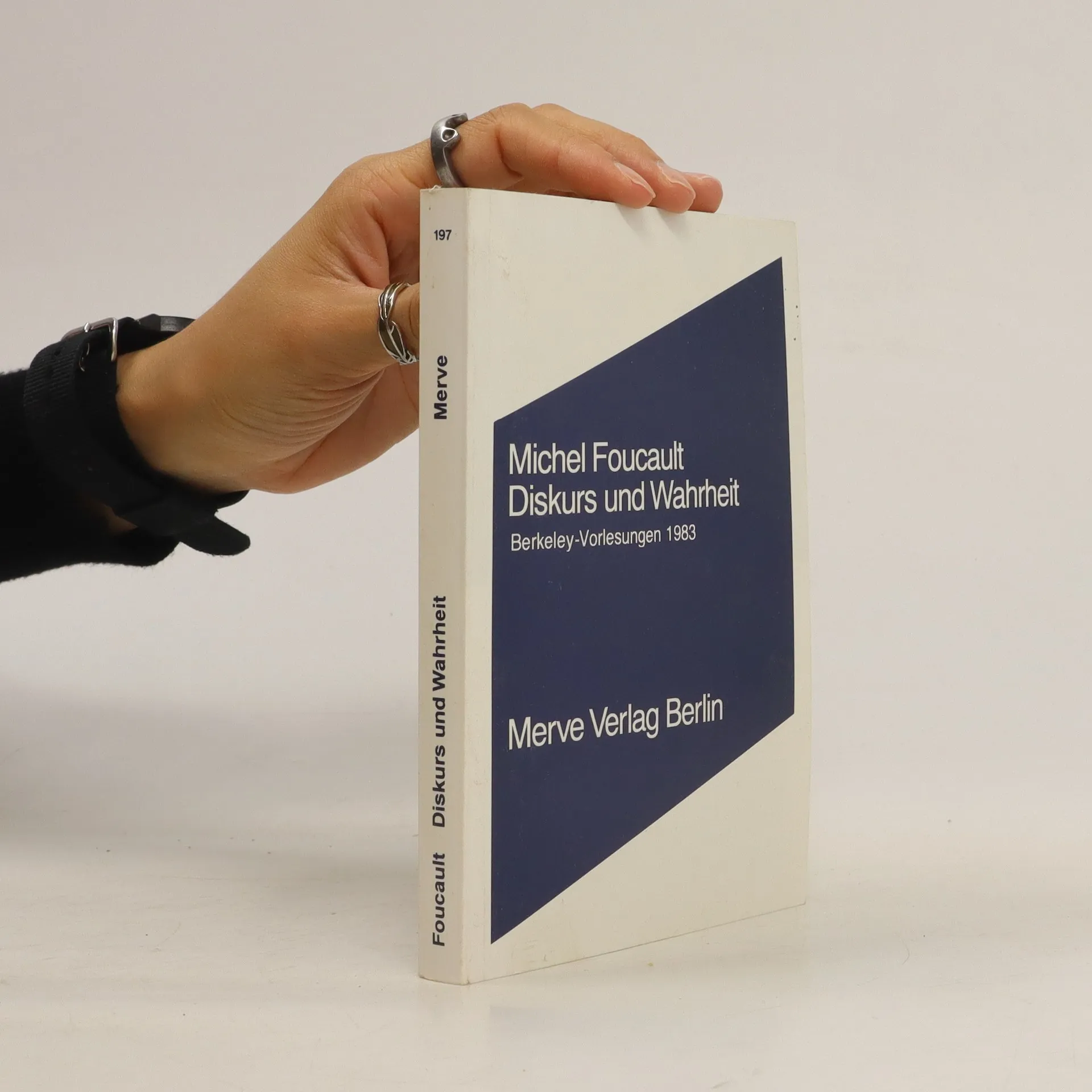
  • Diskurs und Wahrheit

    Die Problematisierung der Parrhesia. Berkeley-Vorlesungen 1983

    6 Vorlesungen, die 1983 in Berkeley gehalten wurden: Wer ist in der Lage, die Wahrheit zu sagen? Mit welchen Folgen und mit welcher Beziehung zur Macht? Parrhesia bedeutet, freimütig und aufrichtig die Wahrheit zu sagen, und ist zuallererst eine Praktik, der es um die Übereinstimmung zwischen Denken und Leben geht.

    Diskurs und Wahrheit
    4.0
  • Exploring the concept of "picnolepsy," this work delves into the consciousness shaped by speed and its effects on perception. Virilio uses a range of cultural references, from cinema to notable historical figures, to illustrate the impact of speed on modern life. He connects the experience of living in a fast-paced society to themes of absence and disconnection. This edition includes a new introduction by Jonathan Crary, enhancing the discussion of visual culture and setting the stage for Virilio's later work on the intersection of war and cinema.

    The Aesthetics of Disappearance
    3.8
  • The book provides a critical analysis of François Mitterrand's ascent to power and the allure of political authority for the French Left. It chronicles the political landscape of France from 1977 to 1984, examining the complex relationship between the Socialist Party and the Communist Party. Through a collection of previously published commentaries, it explores Baudrillard's concept of simulacrum in politics, revealing how political narratives can distort reality and influence public perception.

    The Divine Left: A Chronicle of the Years 1977-1984
    3.9
  • The most accessible and exhaustive introduction to Foucault's thought to date, including every extant interview made by Foucault from the mid-60s until his death in 1984.

    Foucault Live
    4.4