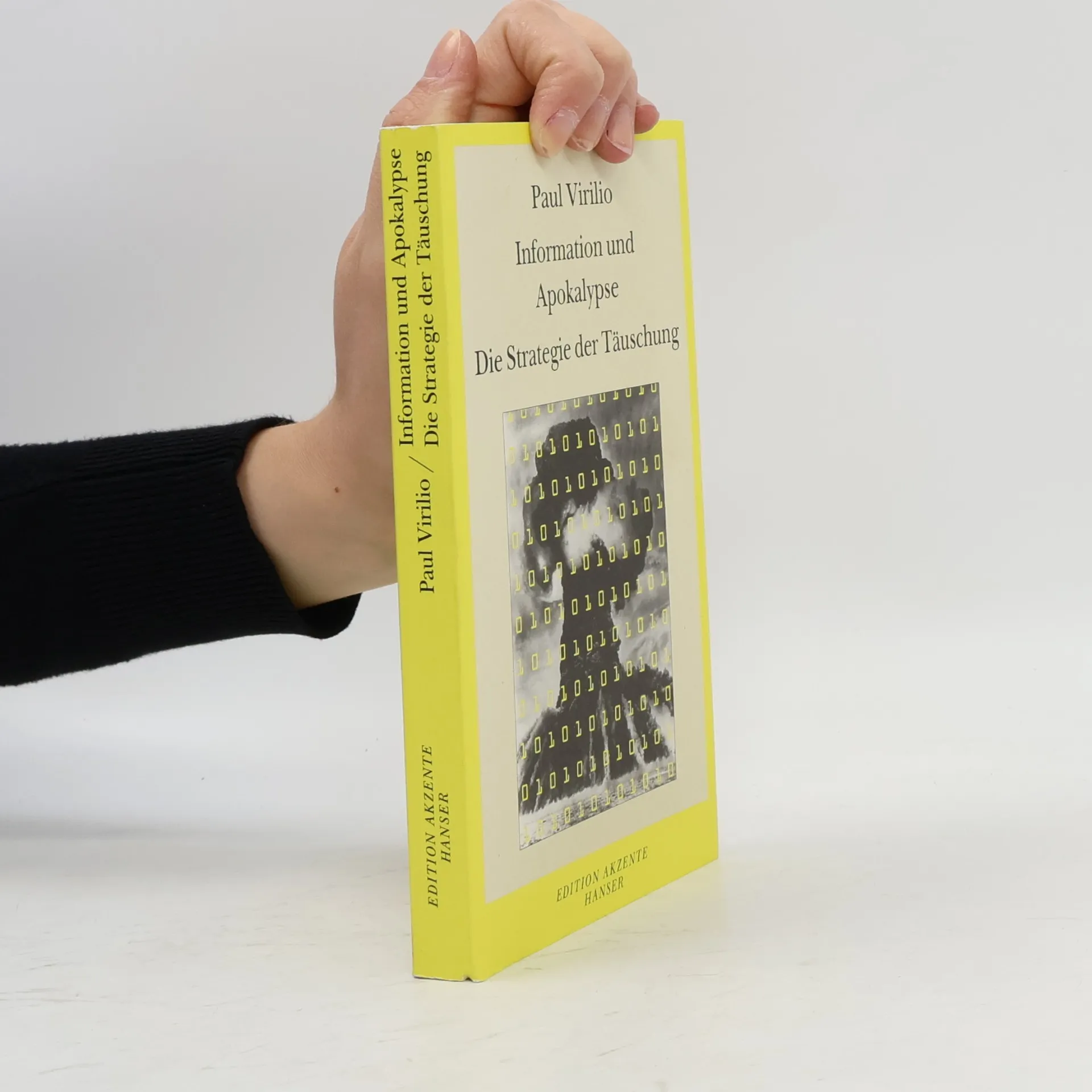
Out of print for almost a decade, we are thrilled to bring back one of our most requested hard-to-find titlesphilosopher and cultural theorist Paul Virilio's Bunker Archeology. In 1994 we published the first English-language translation of the classic French edition of 1975, which accompanied an exhibition of Virilio's photographs at the Centre Pompidou. In Bunker Archeology, urbanist Paul Virilio turns his attentionand camerato the ominous yet strangely compelling German bunkers that lie abandoned along the coast of France. These ghostly reminders of destruction and oppression prompted Virilio to consider the nature of war and existence, in relation to both World War II and contemporary times. Virilio discusses fortresses and military space in general as well as the bunkers themselves, including an examination of the role of Albert Speer, Hitler's architect, in the rise of the Third Reich.
Paul Virilio Books
Paul Virilio was a cultural theorist and urbanist, best known for his writings on technology as it developed in relation to speed and power. His work draws on diverse references to architecture, the arts, the city, and the military to explore how these elements shape our understanding of the world. Virilio examined the impacts of constant acceleration on society and the mind. His analyses offer profound insights into the dynamics of modern life.


Virilio and Lotringer revisit their prescient book on the invisible war waged by technology against humanity since World War II.
The Administration of Fear
- 93 pages
- 4 hours of reading
A new interview with the philosopher of speed, addressing the ways in which technology is utilized in synchronizing mass emotions.
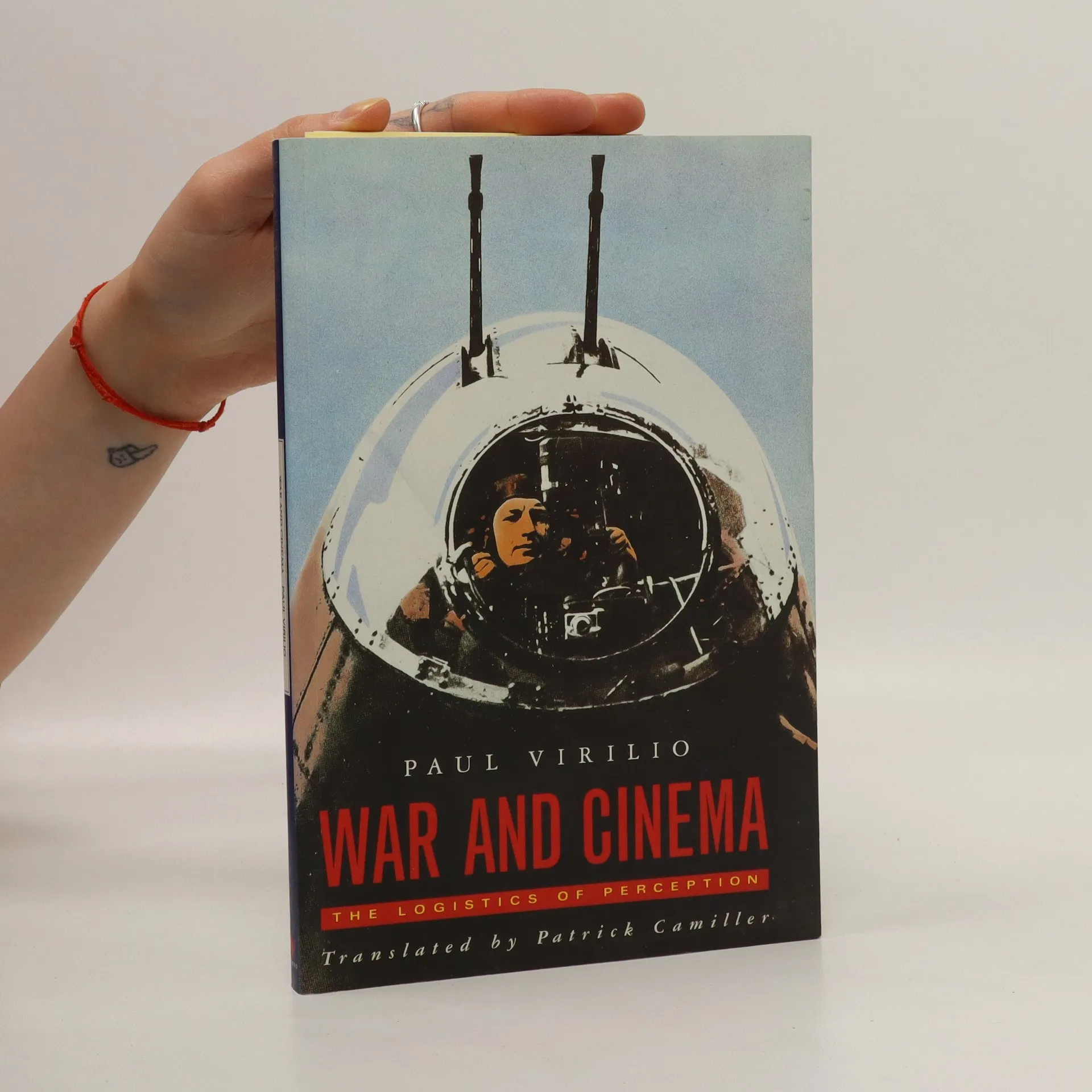
War and Cinema
- 150 pages
- 6 hours of reading
Looking at how the technologies of cinema and warfare have developed a fatal interdependence, this book explores these conjunctions from a range of perspectives. It gives a detailed technical history of weaponry, photography and cinematography, with accounts of films and military campaigns.
The Aesthetics of Disappearance
- 128 pages
- 5 hours of reading
Exploring the concept of "picnolepsy," this work delves into the consciousness shaped by speed and its effects on perception. Virilio uses a range of cultural references, from cinema to notable historical figures, to illustrate the impact of speed on modern life. He connects the experience of living in a fast-paced society to themes of absence and disconnection. This edition includes a new introduction by Jonathan Crary, enhancing the discussion of visual culture and setting the stage for Virilio's later work on the intersection of war and cinema.
Speed and Politics
- 176 pages
- 7 hours of reading
Focusing on the concept of speed as a transformative force, Paul Virilio's work examines its role in shaping civilization through technological advances linked to militarization. He argues that speed, rather than class or wealth, drives societal change, presenting a topological history of humanity's evolution. Drawing from various thinkers, Virilio's "technical vitalism" explores the implications of rapid advancements, including military technology and information systems, offering a critical perspective on their impact on human nature and society's future.
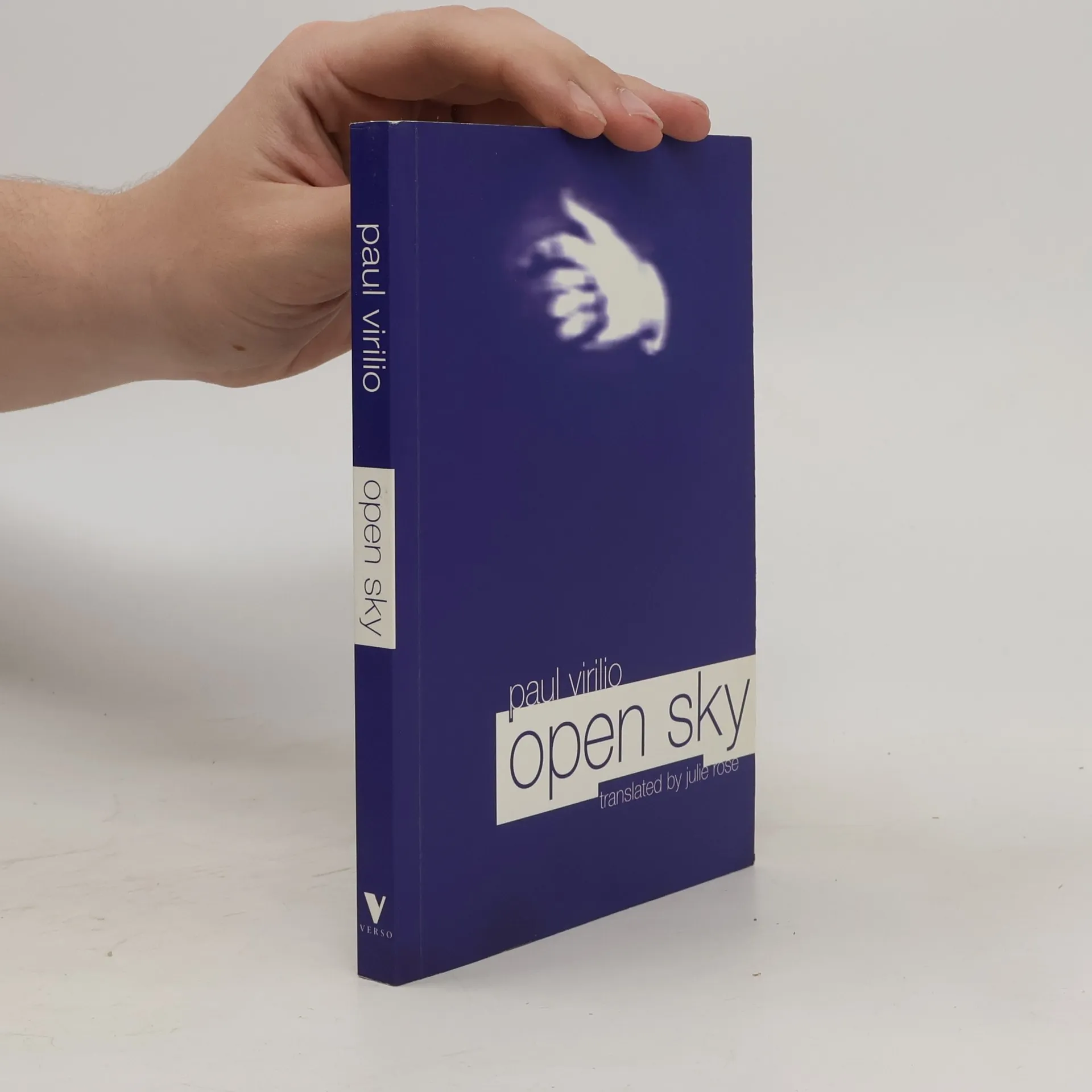
“One day the day will come when the day will not come.” Bleak in its analysis of the social destruction wrought by modern technologies of communication and surveillance, but passionately political, Open Sky is Paul Virilio’s most far-reaching and radical book for many years. Deepening and extending his earlier work on speed perception and political control, and applying it now to the global ‘real time’ of the information superhighways, he explores the growing danger of what he calls a “generalized accident,” provoked by the breakdown of our collective and individual relation to time, space and movement.But this is not merely a lucid and disturbing lament for the loss of real geographical spaces, distance, intimacy or democracy. Open Sky is also a call for revolt—against the insidious and accelerating manipulation of perception by the electronic media and repressive political power, against the tyranny of “real time,” and against the infantilism of cyberhype. Paul Virillo makes a powerful case for a new ethics of perception, and a new ecology, one which will not only strive to protect the natural world from pollution and destruction, but will also combat the devastation of urban communities by proliferating technologies of control and virtuality.
Art as far as the eye can see
- 128 pages
- 5 hours of reading
Art used to be an engagement between the artist and materials, but now as art practices and mediums have changed, these materials have also changed. Where art used to talk of the aesthetics of disappearance, it must now confront the disappearance of the aesthetic. In the twenty-first century, the new battleground is art as light versus art as matter. In this work, author Paul Virilio argues that this change reflects how speed and politics have been transformed to speed and mass culture.
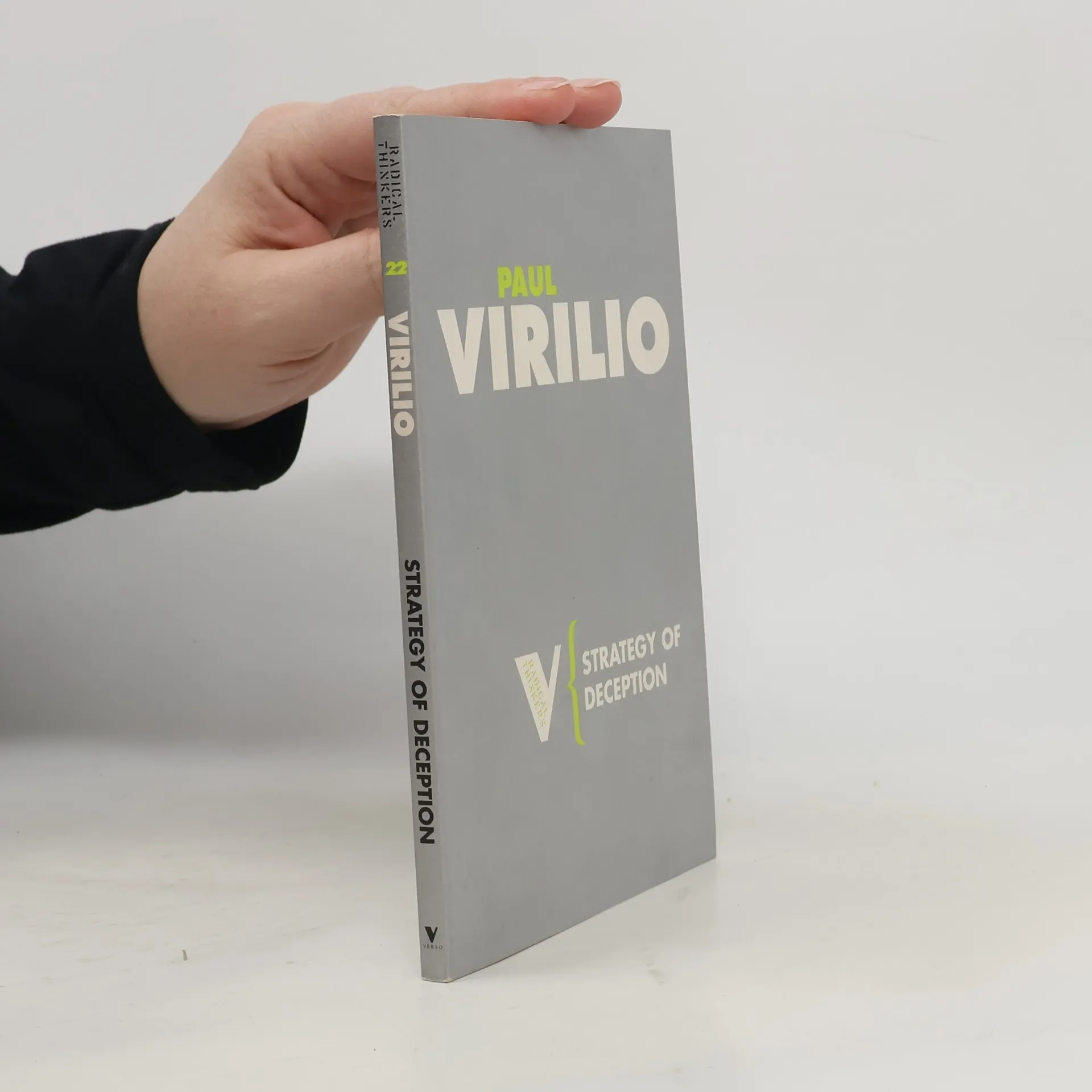
Radical Thinkers - 22: Strategy of Deception
- 120 pages
- 5 hours of reading
Offers an examination of modern warfare in which the reality of battle is reduced to flickering images on a screen.
Paul Virilio: Bunker Archeology
- 212 pages
- 8 hours of reading
Focusing on the intersection of architecture and philosophy, the book explores Paul Virilio's pioneering work in bunker archaeology, initiated in the late 1950s. His early photography of WWII bunkers along the French coast evolved into a profound examination of military space and communication. Virilio's concept of "Cryptic Architecture" positions these structures as precursors to contemporary architectural thought. This re-edition coincides with a Centre Pompidou exhibition, highlighting the enduring relevance of his insights into deception, acceleration, and the complexities of modern existence.
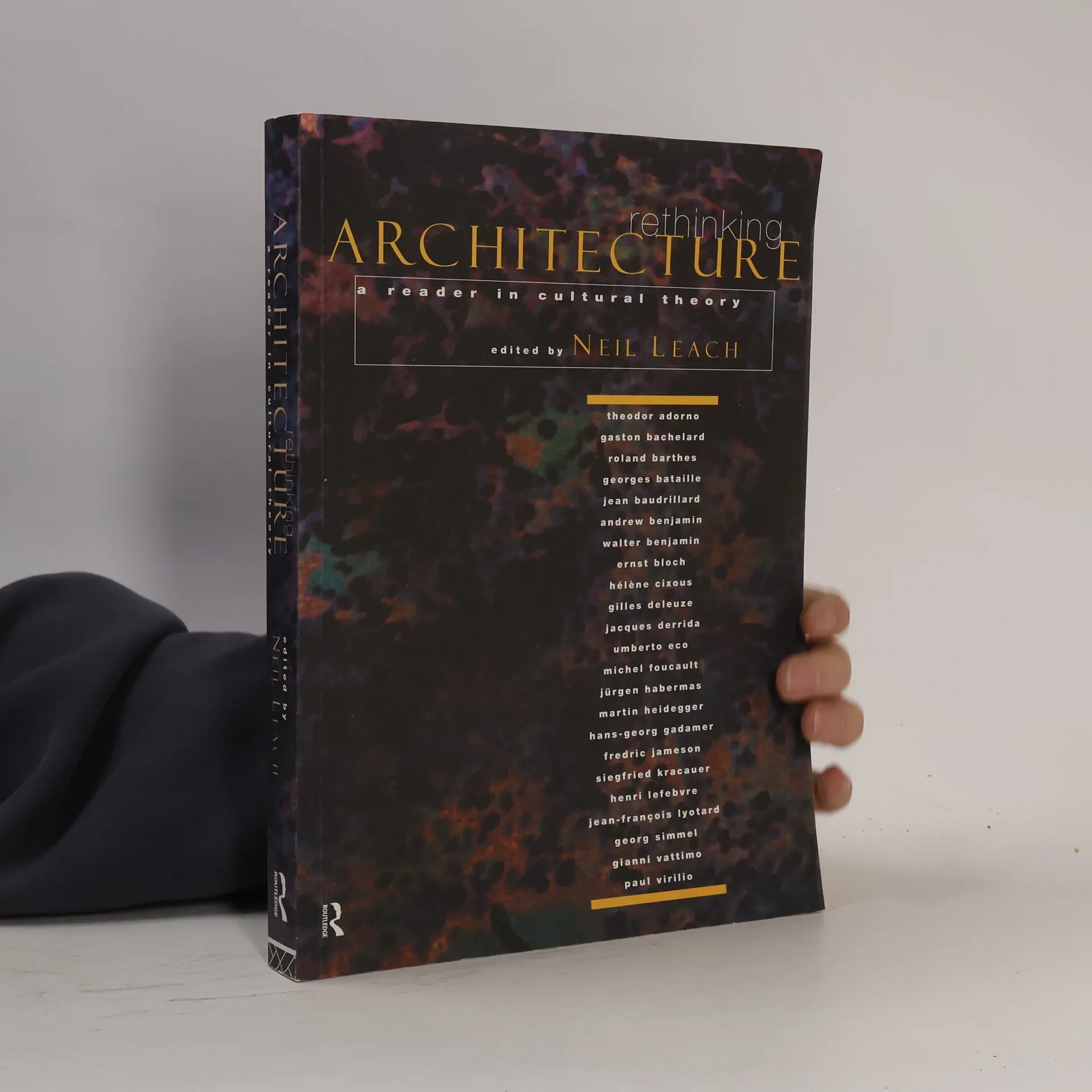
The collection features essential writings from influential philosophers and cultural theorists of the twentieth century, exploring the foundational ideas that have shaped urban environments and architectural experiences. It delves into the theoretical frameworks that underpin contemporary architecture, offering insights into the cultural and philosophical contexts that inform our understanding of space and design. This compilation serves as a critical resource for those interested in the intersection of architecture, philosophy, and urban theory.
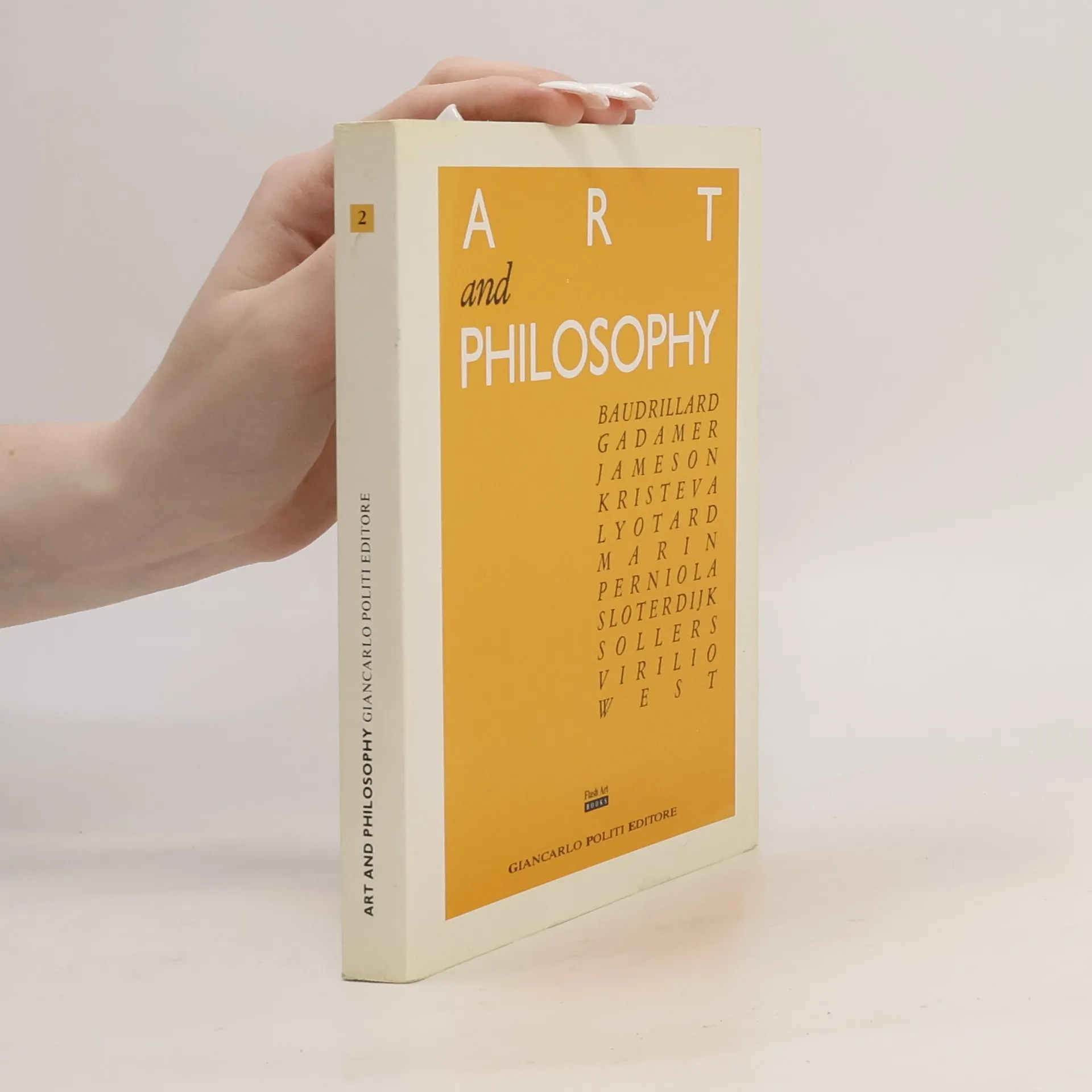
Art and Philosophy
- 173 pages
- 7 hours of reading
Book by Jean Baudrillard, Hans-Goerg Gadamer, Fredric Jameson, Julia Kristeva, Jean-Francois Lyotard, Louis Marin, Mario Perniola, Cornel West, Philippe Sollers, Paul Virilio
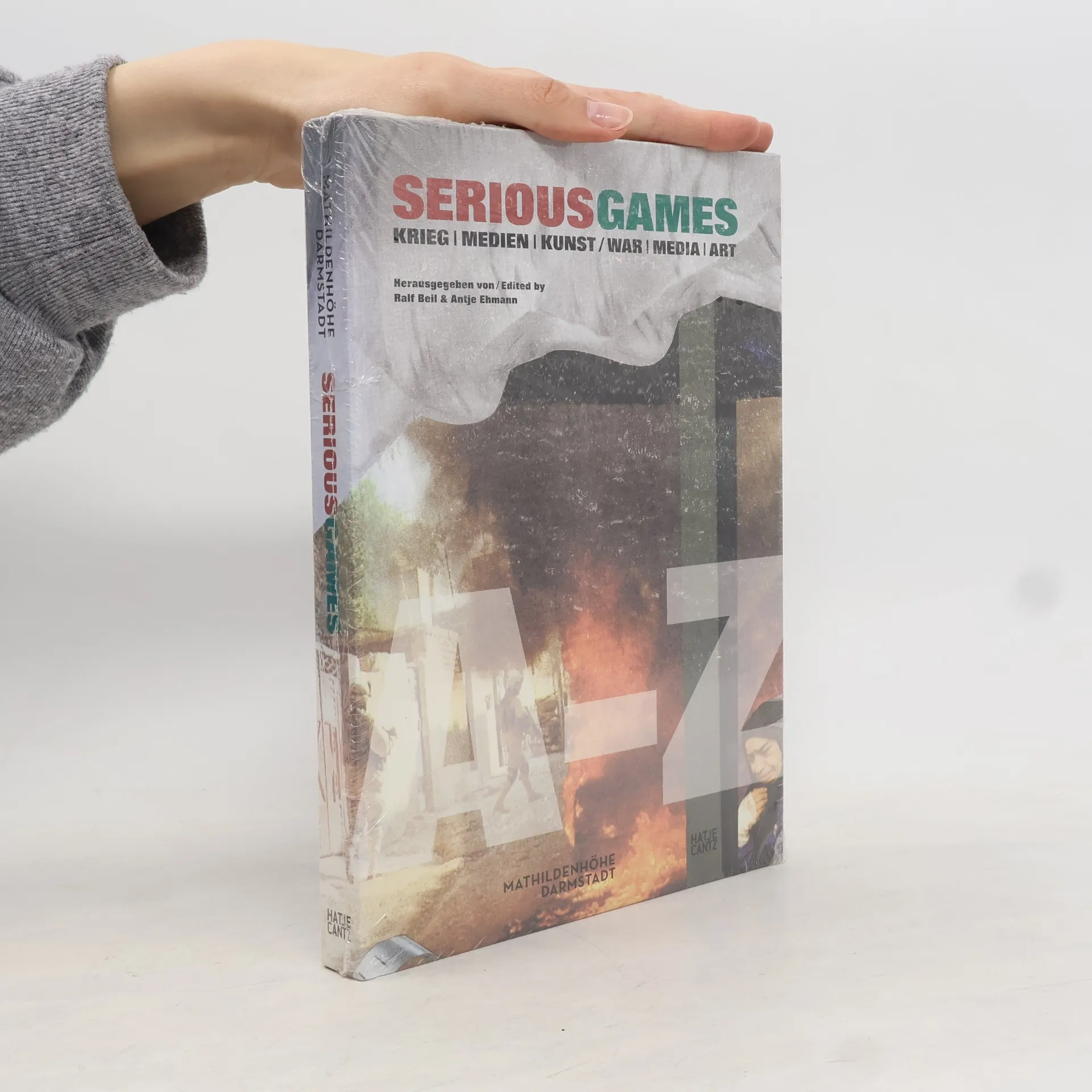
Serious Games - Zur Ausstellung in der Mathildenhöhe Darmstadt, 2011. Dtsch.-Engl.
- 207 pages
- 8 hours of reading
Im Irak-Krieg 1992 fiel die Kriegsführung mit der Berichterstattung zusammen: Das zivile Fernsehen zeigte Bilder, die kurz zuvor noch auf militärischen Kontroll-Monitoren zu sehen waren. Mittlerweile liefern Dienststellen der US-Armee komplette Datensätze für Computerspiele. Virtuelle Wüstenlandschaften mit Betonpisten und Strommasten prägen heute die Fantasie von Kindern und Jugendlichen wie früher einmal die Tunnel und Bergdörfer von Spielzeugeisenbahnen. Das lexikalisch aufgebaute Kompendium untersucht die permanente Umwandlung von Kriegsbildern zu Unterhaltungsbildern und damit die Militarisierung der Imagination. Es geht darum, welche Bilder Kriege erzeugen und wie diese in der Kunst der Gegenwart aufgegriffen und gespiegelt werden. Beleuchtet wird diese Frage anhand von Fotografien, Videos, Computerspielen, Gemälden und Rauminstallationen, unter anderem von Peggy Ahwesh, Oliver van den Berg, Kota Ezawa, Harun Farocki, Jean-Luc Godard, Richard Hamilton, Walid Raad, Martha Rosler, Allan Sekula und Hito Steyerl. Ausstellung: Mathildenhöhe Darmstadt 27.3.–24.7.2011
»Überall trägt das Außen den Sieg über das Innen davon, und die geophysische Geschichte kehrt sich um wie ein Handschuh.« Paul Virilo resümiert in diesem Gespräch seine jahrzehntelange Arbeit zur beschleunigten und grenzzersetzenden Militarisierung der Räume. Als leidenschaftlicher Liebhaber der nicht stillzustellenden, pulsierenden Küstenlinie, lässt er in diesem Band seine Reflexion dort verweilen, wo er die letzte Grenze ausmacht: Uferzonen und Küstenstreifen als Zugang zum Verständnis heutiger Weltbevölkerung und zur Notwendigkeit, eine Geopolitik der Ströme und Brandungen zu erfinden.
Cyberwelt, die wissentlich schlimmste Politik
Ein Gespräch mit Philippe Petit
- 127 pages
- 5 hours of reading
Der Gesprächsband von Paul Virilio und Philippe Petit ist nicht nur einVerweilen bei den wichtigen Ideen und Publikationen des französischenArchitekten, Urbanisten und Theoretikers Paul Virilio, sondern offenbart auchbiographische Schnittstellen zwischen seinem Leben und seinen Arbeiten, zwischen seinen Erfahrungen und seinen Warnungen. Petit und Viriliosprechen über Urbanistik, Echtzeitmedien, Finanzkrisen, Biopolitik und Macht. So stellt sich Virilio dem Vorwurf, ein Pessimist zu sein und beharrt dagegenauf der Notwendigkeit, die unterbelichtete Seite der technischen Errungenschaften, die einseitig als Fortschritt gefeiert werden, in den Fokus unsererÜberlegungen zu rücken. Dabei stand die Einlösung einiger Prognosen, die der Seismograph Viriliogibt, Mitte der 90er Jahre überhaupt erst noch aus * sei es in Hinsicht auf dieFinanzkrise oder die Aufstände in den französischen Vororten * bzw. harrenwir ihrer noch ungeduldig, wie bspw. das Ende des Fernsehens, das erschlüssig nahelegt.
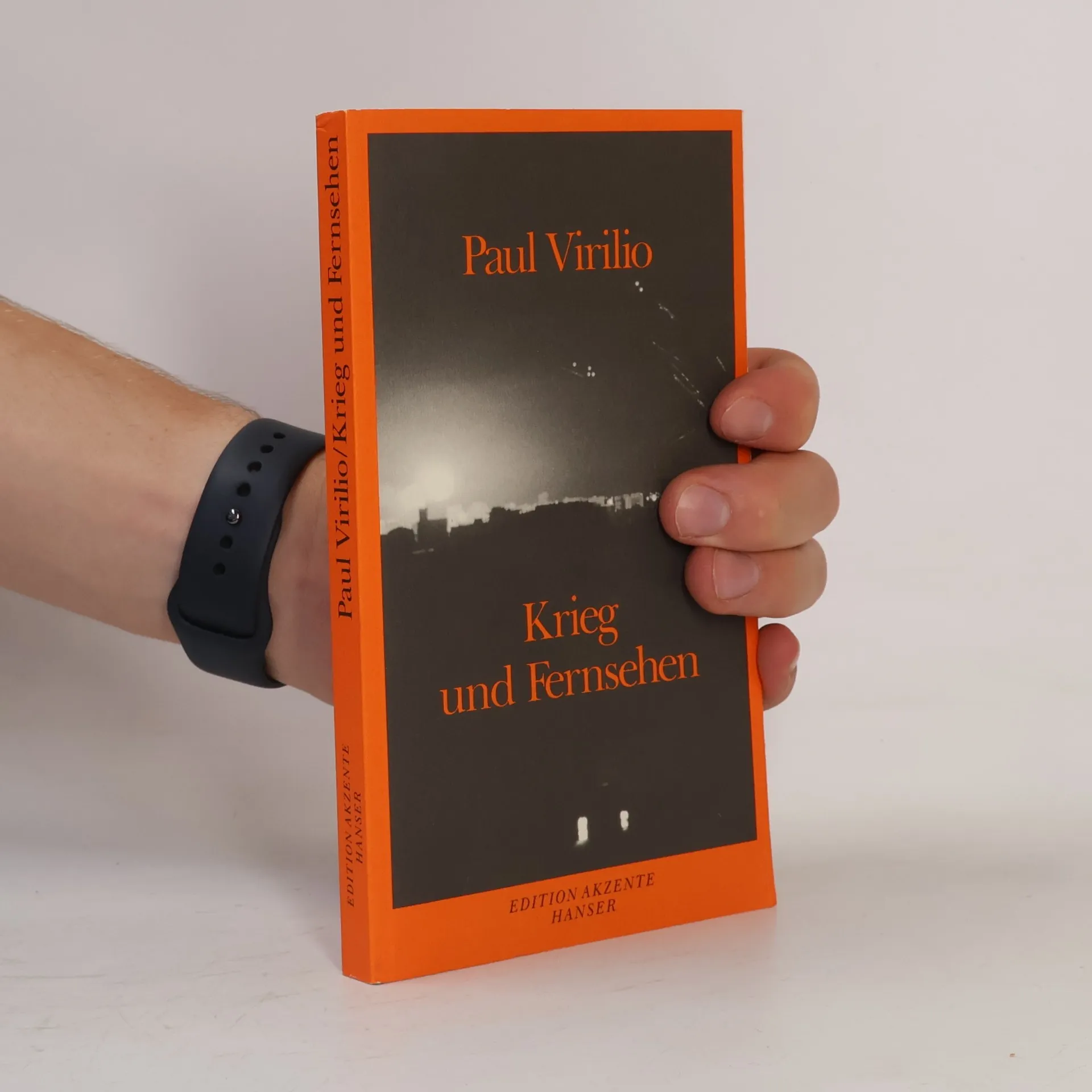
Krieg und Fernsehen
- 154 pages
- 6 hours of reading
Der Autor hat in seinem vor dem Fernseher geschriebenen Kriegstagebuch für die Monate Januar bis Juni 1991 nicht nur minutiös den Wahnsinn des Golfkrieges protokolliert. Er hat in seinen Aufzeichnungen, in denen sich seine pazifistische Ethik, sein stupendes technologisches Wissen und sein politischer Scharfsinn verbunden haben, über eine bestürzende Wahrheit aufgeklärt: Der Golfkrieg war das brutale Experiment für einen Krieg der Zukunft, in dem politische Dimensionen einer Konfliktbewältigung für immer eliminiert sind und in dem die Kriegsführung einer gigantischen Elektronik überantwortet wird.
Virilio ist der Speedfreak unter den Denkern. Er unterscheidet drei Revolutionen der Geschwindigkeit: - das Transportwesen im 19. Jahrhundert - die Transmissions- oder Übertragungsmedien im 20. Jahrhundert - und die künftige Revolution der Transplantationen.
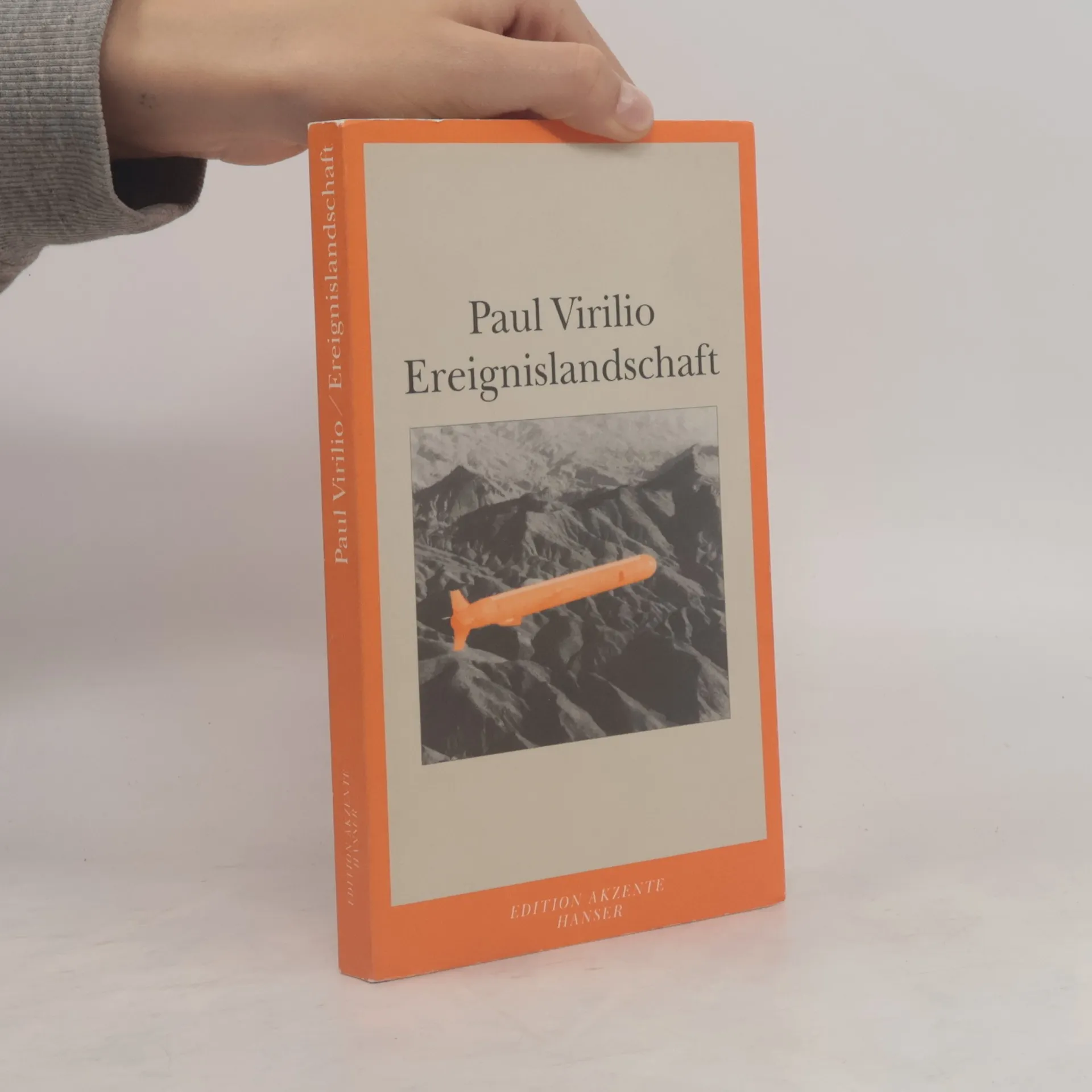
Ereignislandschaft
- 167 pages
- 6 hours of reading
Am Ende des 20. Jahrhunderts verwischen avancierte elektronische Medien den Unterschied zwischen der Realität und ihrer Darstellung, während die Wirklichkeit immer stärker von winzigen Maschinen und Bauteilen beherrscht wird, die sich dem Blick des menschlichen Auges entziehen. Paul Virilio protokolliert, wie es dazu kam, daß uns die Ereignisse aus dem Blick gerieten, und imaginiert als Gegenmodell die Vorstellung einer Ereignislandschaft.
Der negative Horizont
- 290 pages
- 11 hours of reading
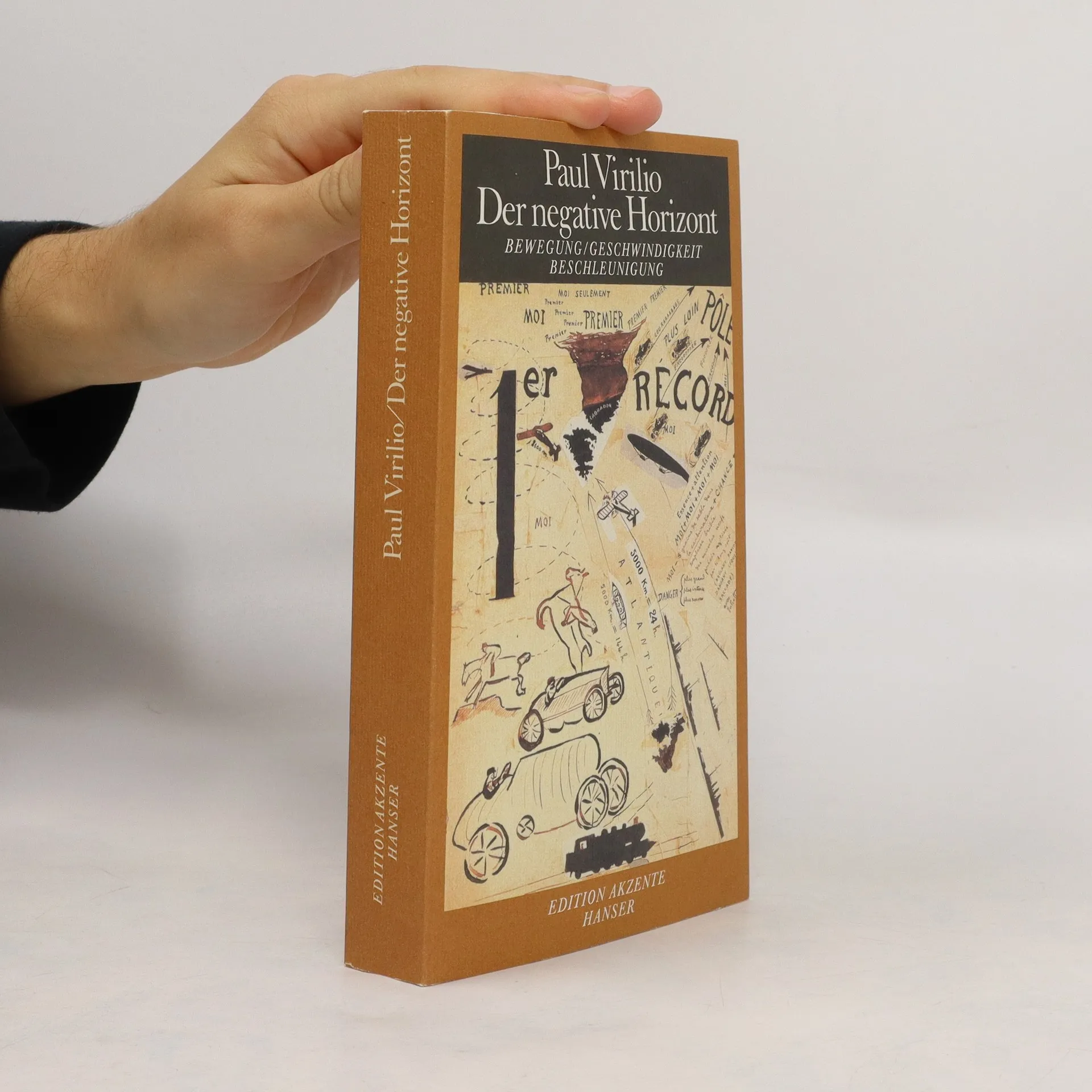
Es war 1843, als Heinrich Heine den Schock durch die Eisenbahn so beschrieb: „Welche Veränderungen müssen jetzt eintreten in unsrer Anschauungsweise und in unsren Vorstellungen! Sogar die Elementarbegriffe von Zeit und Raum sind schwankend geworden. Durch die Eisenbahn wird der Raum getötet, und es bleibt nur noch die Zeit übrig.“ Paul Virilio zitiert diese berühmte Beobachtung häufig, weil sie eine Schlüsselszene in der modernen Geschichte bezeichnet und weil er die Erfahrung, daß Bewegung, beschleunigter Verkehr, Geschwindigkeit unsere Wahrnehmung und unser Verhalten verändern, zum Zentrum einer faszinierenden, überraschenden Geschichtstheorie macht: die Geschichte der Menschheit, ihrer Politik, ihrer Kultur, ihrer Empfindungen als die Geschichte von Bewegung, von Beschleunigung und von Geschwindigkeit. Das Kind auf dem Rücken der Mutter, Lasttiere, das Reitpferd, Schiffe, das Schießpulver, die Eisenbahn, das Flugzeug, die optische, dann die elektronische Nachrichtenübermittlung und schließlich die Laserwaffe, in der absolute Höchstgeschwindigkeit und Zerstörung zusammenfallen: Stationen auf dem Weg rasender Beschleunigung bis heute, bis zum Triumph der Geschwindigkeit, an der sich der Mensch berauscht und die sich als Gewalt schließlich gegen ihn wendet.
L'inertie polaire. Essai sur Fernando Pessoa
- 182 pages
- 7 hours of reading
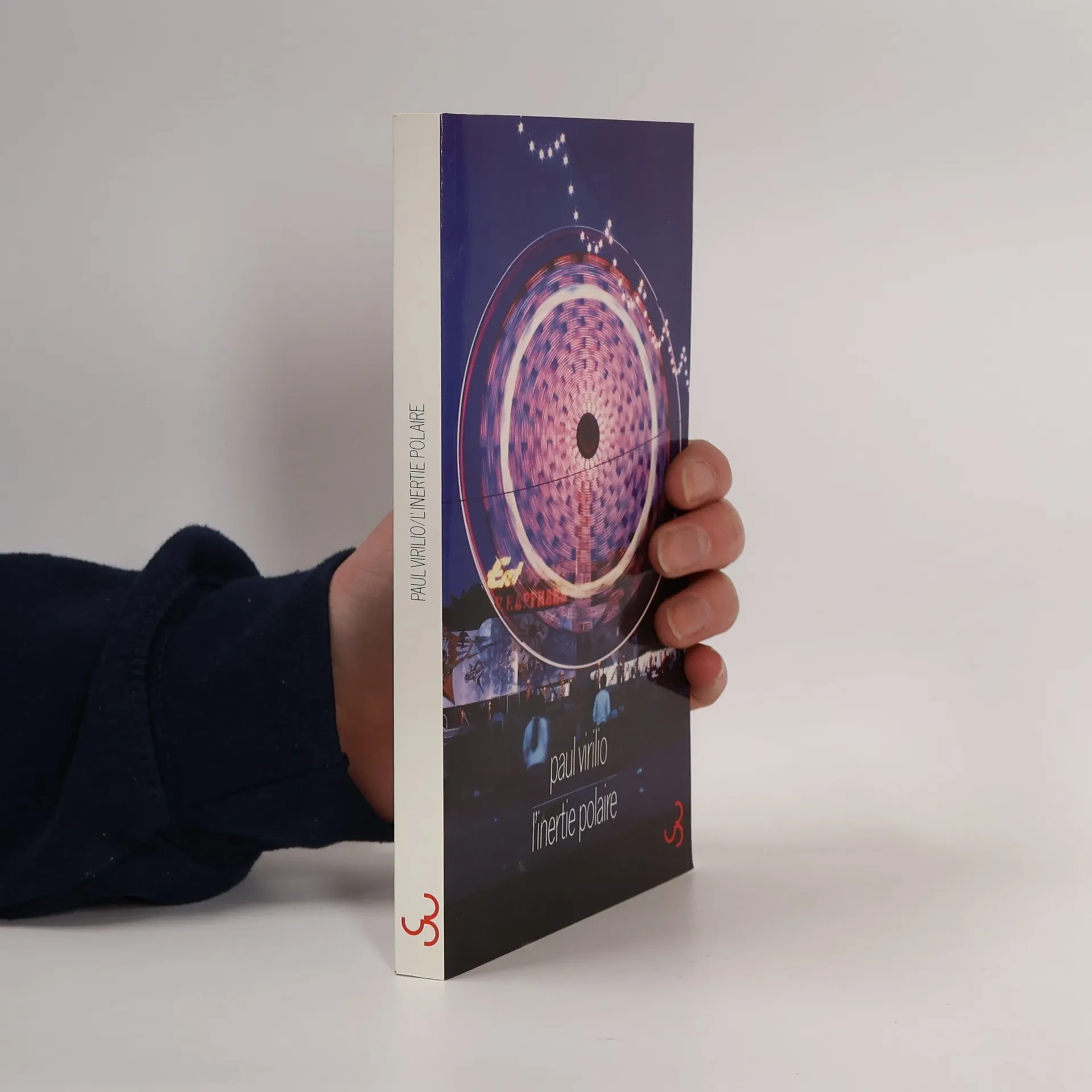
A l'origine de la science moderne se trouvent le principe d'inertie et celui de la relativité du mouvement exprimés par Galilée... Aujourd'hui, après des siècles de développement, les technosciences issues de cette pensée aboutissent à la généralisation de ce même principe : l'inertie devient l'horizon prioritaire de l'activité humaine. Ce qui paraissait jusqu'à présent le signe du handicap et de l'infirmité - l'incapacité à se mouvoir pour agir - devient symbole de progrès et de maîtrise du milieu. A l'aménagement du territoire se substitue, dès lors, le contrôle d'environnement, un contrôle où le temps réel de la téléaction l'emporte sur l'espace réel de l'action immédiate, la téléprésence à distance dominant la présence effective des personnes, tout arrive désormais, sans qu'il soit nécessaire de partir. A l'arrivée restreinte des moyens de transport et de télécommunication succède alors l'arrivée généralisée des moyens de télécommunication instantanés, d'où ce confinement domestique, cette inertie domiciliaire présentés le plus souvent comme le comble du confort et de l'autonomie. Après l'Insécurité du territoire et l'Espace critique, l'inertie polaire parachève un triptyque ébauché il y a une quinzaine d'années par Paul Virilio et consacré à l'évolution du statut de l'espace contemporain.
Minima - 66: L'incidente del futuro
- 92 pages
- 4 hours of reading
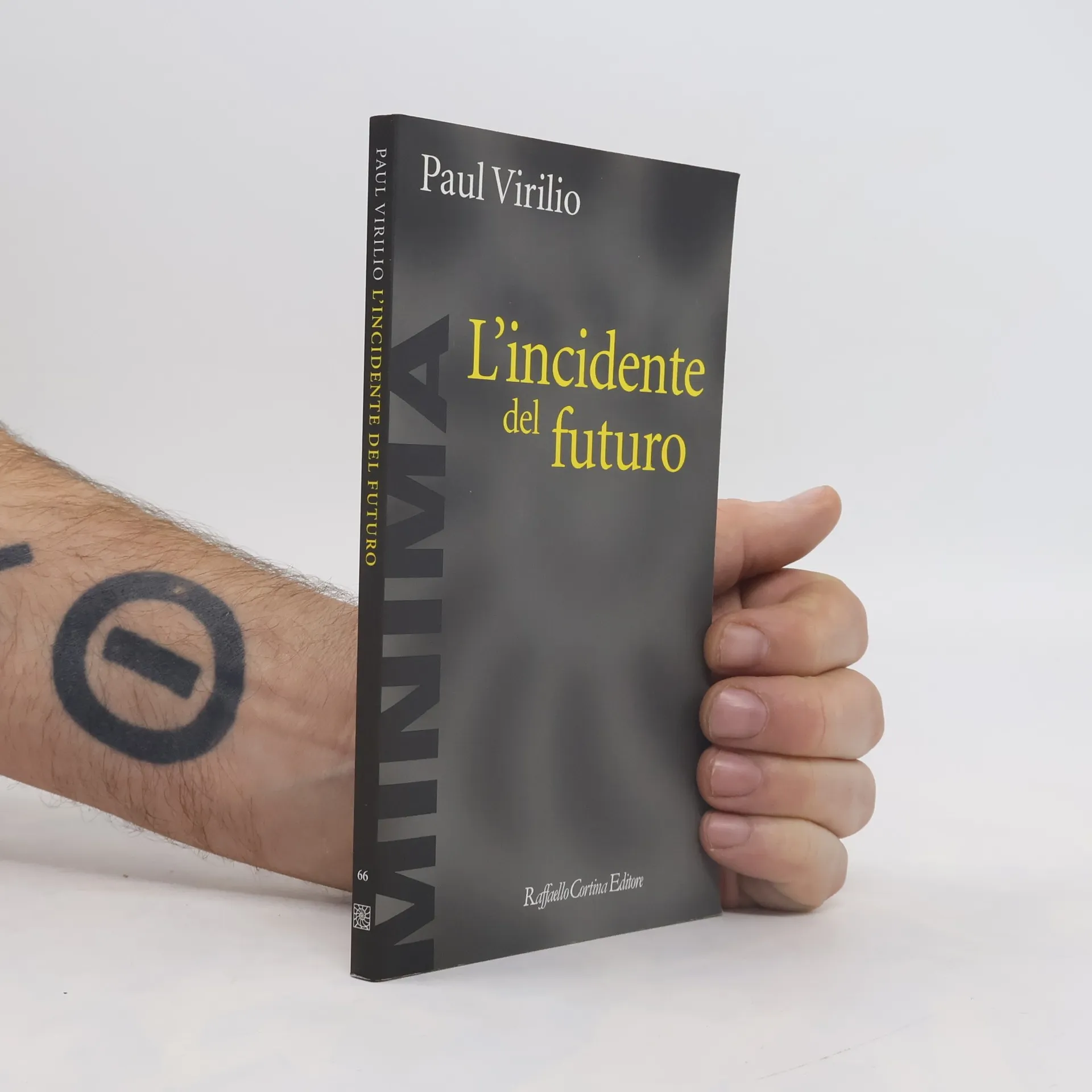
بول فيريليو هو "فيلسوف السرعة". وقد اهتم بالمجال الحضري باعتباره مجالا سياسيا بامتياز. خلاصة بحوثه أن الغرب لم يعرف ثورة سياسية وإنما ثورة درومولوجية (علم السرعة) ولم يعرف ثورة ديمقراطية وإنما ثورة دروموقراطية (سلطة السرعة). السرعة أضحت قدر العالم ومصيره. ليس هناك تعريف للدولة الحديثة ولا للثورة خارج إطار الحركة والشارع، طالما أن النزول إلى الشارع أمر ملازم لكل الثورات. الشارع لا يكون إلا في المدينة. جذور السلطة منغرسة في الشارع. الثورة لا تبلغ قيامتها في مواقع الإنتاج كما تنبأ الماركسيون وإنما في الشارع، لذلك فإن أبواب المدن وجماركها والثكنات والسجون والملاجئ وإشارات المرور ومحطات الاستخلاص هي كوابح تضعها الدولة أمام الحركة والأفكار، أي أمام الثورة. الدولة الحديثة هي مدينة Polis وشرطة Police تراقب الحركة Etat Voirie، لأن التحكم في حركة المرور هو هاجس الدولة الحديثة حتى حدا بها الأمر إلى تربية الناس منذ المدرسة على احترام إشارات المرور. التحكم في حركة المرور يعني في النهاية التحكم في "حركة المرور" السياسية.
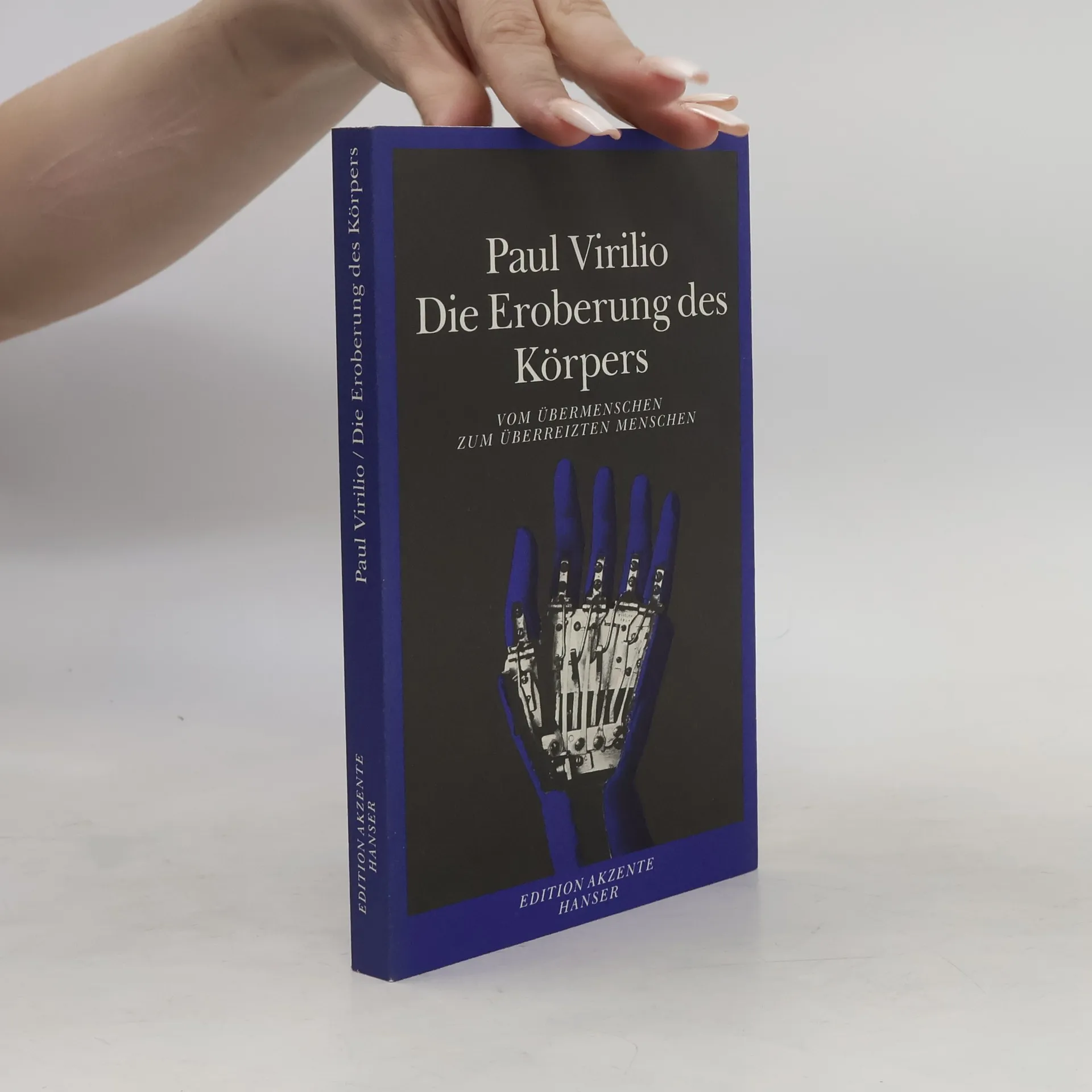
Paul Virilio sieht im technischen Fortschritt der Medizin, in dieser Eroberung des Körpers, eine Entwicklung heraufziehen, die nun auch den letzten Schonraum der menschlichen Individualität bedroht. Herzschrittmacher, Organtransplantationen, prothetische Chirurgie - wird der Mensch zum Ersatzteillager? Der Autor protokolliert die Gefahren dieser Revolution und kommentiert sie radikal.
Paul Virilio: Bunker-Archäologie
- 212 pages
- 8 hours of reading
Die Bunker-Archäologie von Paul Virilio bietet einen tiefen Einblick in die architektonischen und philosophischen Dimensionen der Bunker aus dem Zweiten Weltkrieg. Ursprünglich als Kunst-Glaser tätig, begann Virilio in den 1950er Jahren, diese Kriegsbauten zu fotografieren und erkannte in ihnen "Vorboten einer neuen Architektur". Sein Werk verbindet Themen wie militärischen Raum, Kommunikationskrieg und die Reflexion über die Gegenwart. Die Neuedition anlässlich einer Ausstellung im Centre Pompidou macht seine zeitlosen Ideen erneut zugänglich und relevant.
Die drei Essays dieses Bandes zeigen den Fortschrittsskeptiker Virilio einmal mehr als brillanten Analytiker der brennenden Fragen des beginnenden 21. Jahrhunderts. Die stetig wachsenden Migrationsströme, die Transformationen urbaner Lebenswelten und der veränderte Umgang mit den Begriffen Raum und Zeit führen Virilio zur Widerlegung der klassischen Dichotomie von Sesshaftigkeit und Nomadismus. Er formuliert das Konzept der Ultrastadt, ein Knotenpunkt menschlichen Lebens und Handelns, der anders als die früheren Stadtzentren ein transitorischer Unort ist und dessen Entstehen er in Riesenbahnhöfen und Flughäfen verortet. In prägnantem und beinahe aphoristischem Stil deckt der Dromologe die Absurdität des Imperativs der Beschleunigung in den westlichen Gesellschaften auf und warnt vor seinen unmittelbaren Folgen: der Erschöpfung der natürlichen Ressourcen, dem Verlust von Identität und Perspektiven und der Zerstörung des individuellen Zeitgefühls – der Chronodiversität.
Paul Virilio erzählt die tragische Geschichte unserer Städte: Waren sie einmal Herz der Zivilisation, so sind sie heute der Schauplatz ihrer Zersetzung. Die offene Stadt, Kosmopolis, weicht der Klaustropolis.
Sehen ohne zu sehen
- 44 pages
- 2 hours of reading
Die Universität des Desasters
- 174 pages
- 7 hours of reading
Die Überlegungen seiner neuesten Essaysammlung führen Virilio zu einer fundierten Skepsis hinsichtlich Fortschritt und Wissenschaft. Er stellt den Umgang mit dem Wissen in Frage und fordert eine globale Risikoforschung, die kommende Megakatastrophen verhindern soll.
Information und Apokalypse
- 197 pages
- 7 hours of reading
Zwei Essays, einer vor und einer nach dem Kosovo-Krieg geschrieben. Die Satellitenbilder im Fernsehen suggerierten einen unbestechlichen Blick, lieferten aber keineswegs eindeutige Daten über die Lage in Serbien und im Kosovo. „Information als Apokalypse“ denkt die Möglichkeiten der Informationstechnologie zu Ende - bis zu jenem Punkt, an dem sich die Wirklichkeit in vernetzten Rechnern verflüchtigt und die politische Macht jenen zufällt, die über diese Netze herrschen. „Die Strategie der Täuschung“ erklärt, wie und mit welchen Konsequenzen sich diese Prognose im Kosovo-Krieg erfüllte.
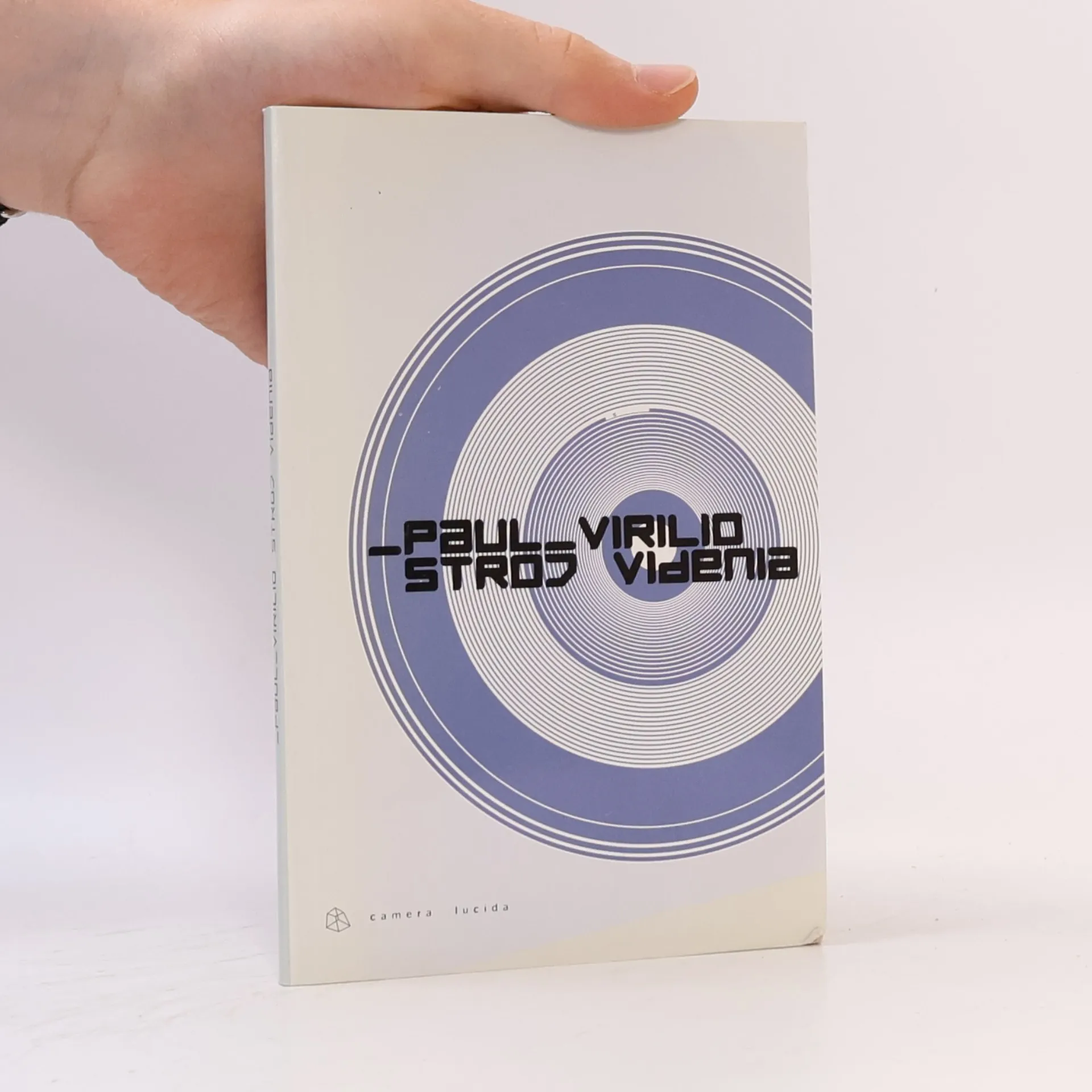
Stroj videnia
- 111 pages
- 4 hours of reading
Pět esejí současného francouzského filozofa se zabývá historií obrazu a vidění.
Francouzský postmoderní filozof kriticky zkoumá sociokulturní fenomény dnešní doby a shrnuje je ve výstižném pojmu technokultura. V ní má informace o události větší cenu než samotná událost. Absolutní moc technokultury a globalizace nakonec člověka vyčerpává a dělá z něj zajatce světa simulace a stimulace.
In seinen Essays beleuchtet Paul Virilio die Transformation der Filmkamera zur Waffe und die aggressive Wahrnehmung. Er beschreibt die drohende mediale Ghettoisierung und elektronische Apartheid durch Telekommunikation, die zu einem rasenden Stillstand führt und die Gesellschaft an der Selbstauslöschung arbeiten lässt.