The Tongue Set Free
- 288 pages
- 11 hours of reading
The Tongue Set Free is the first volume in Elias Canetti's three-volume autobiography. Translated from the German by Joachim Neugroschel.


This autobiographical trilogy delves into the depths of personal memory, exploring the complexities of childhood and formative experiences. It traces an individual's development across diverse cultures and languages, uncovering early influences and emotional revelations. The series masterfully captures the confluence of tradition and modernity, offering an intimate perspective on the shaping of identity and worldview. It is a journey of self-discovery where personal history intertwines with broader societal and historical events.


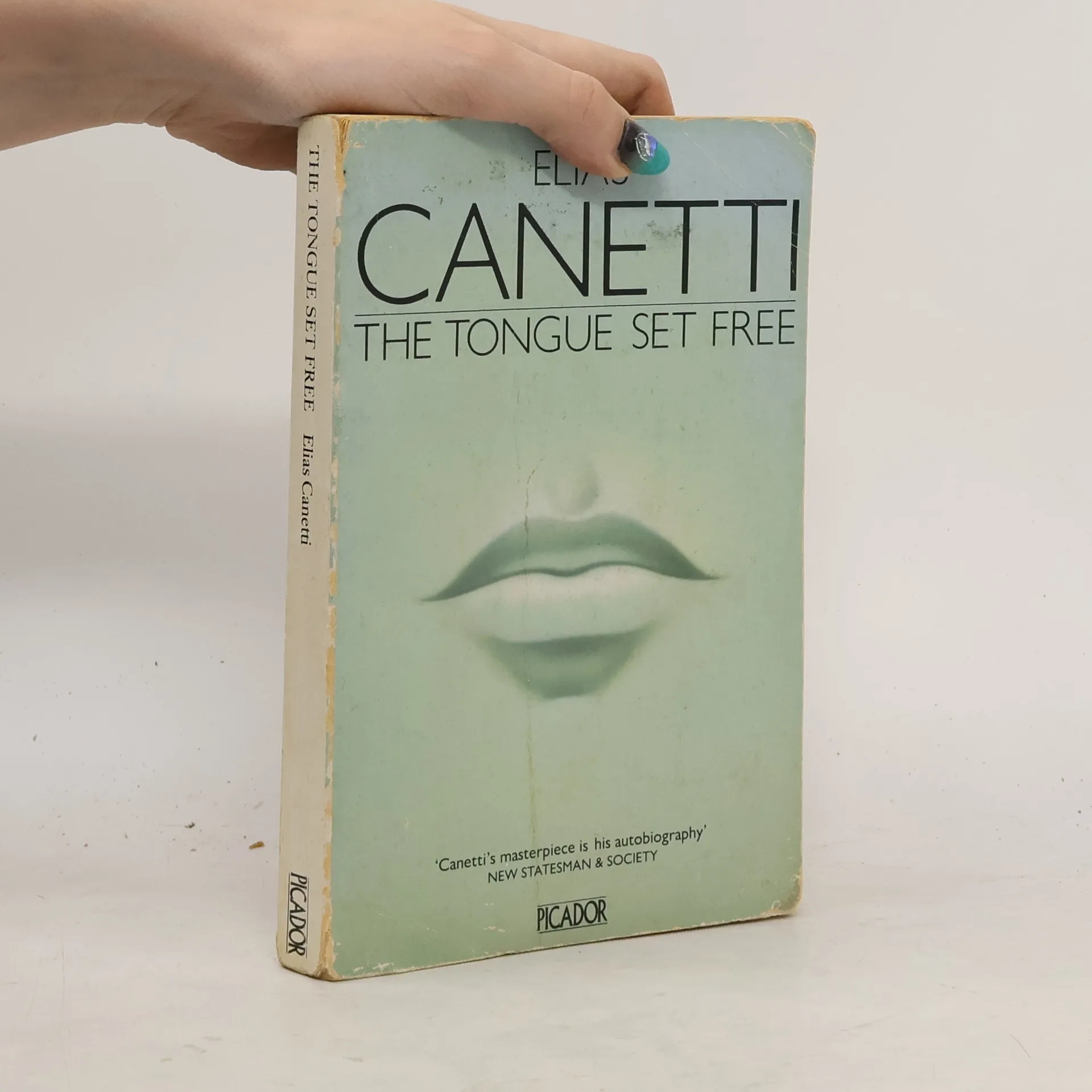
The Tongue Set Free is the first volume in Elias Canetti's three-volume autobiography. Translated from the German by Joachim Neugroschel.
The second part of the Nobel Prize winner's classic autobiography, reissued by Granta in a stunning new paperback edition.
This is the third part of Canetti's autobiography and features the author still in his twenties. Canetti depicts the intellectual life of the leading bars and cafes of Vienna and creates portraits of many of the leading figures of his day including Herman Broch, Robert Musil and Alma Mahler.