

At a glittering society party in St Petersburg in 1805, conversations are dominated by the prospect of war. In this book, the author entwines grand themes - conflict and love, birth and death, free will and faith - with unforgettable scenes of nineteenth-century Russia, to create a magnificent epic of human life in its imperfection and grandeur.
War and Peace Series
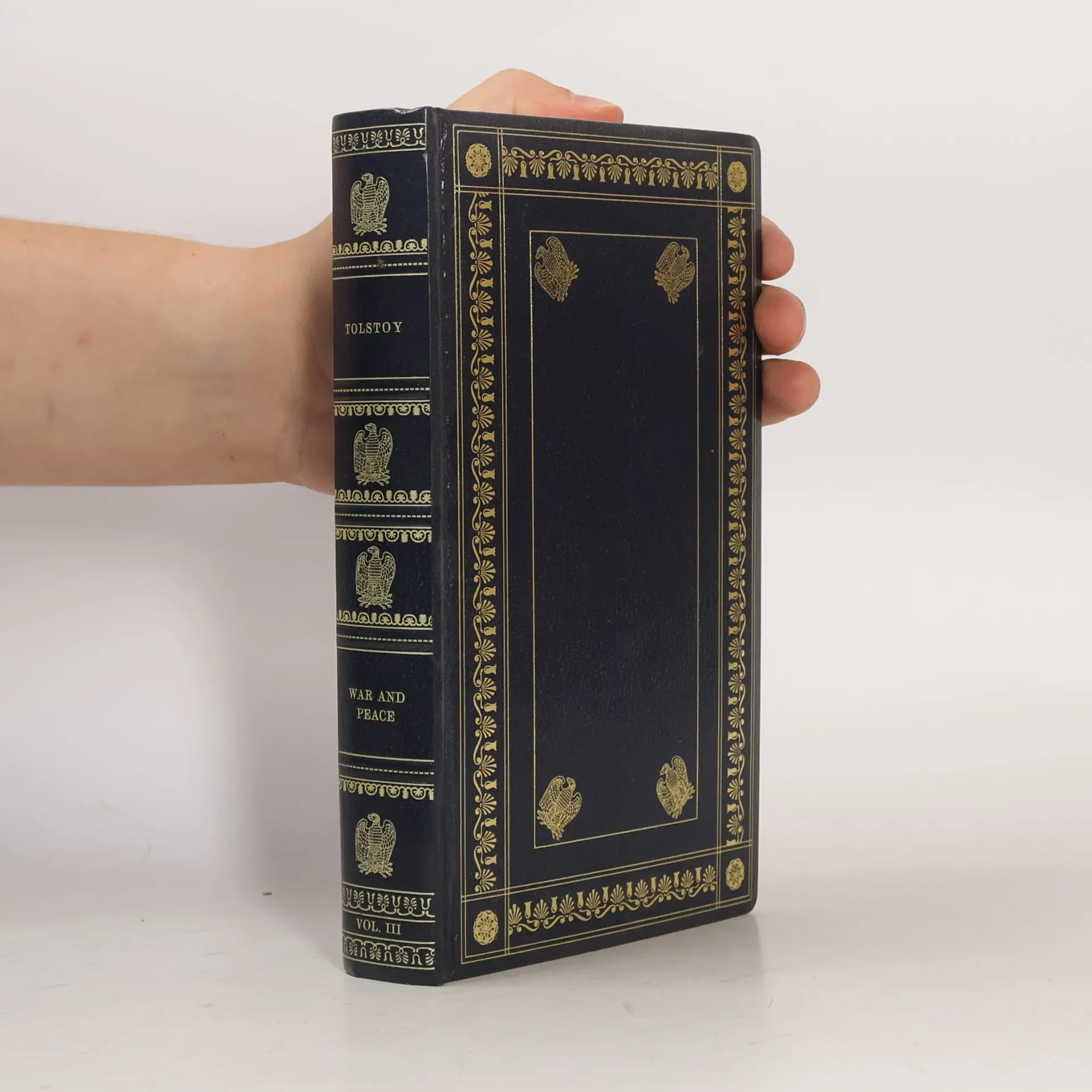
This sweeping epic delves into the tumultuous lives, loves, and wars of early 19th-century Russia. It follows the intertwined destinies of several aristocratic families whose lives are irrevocably altered by Napoleon's invasion. The narrative masterfully balances grand historical events, including pivotal battles and societal intrigue, with profound personal journeys and existential questions.

Recommended Reading Order
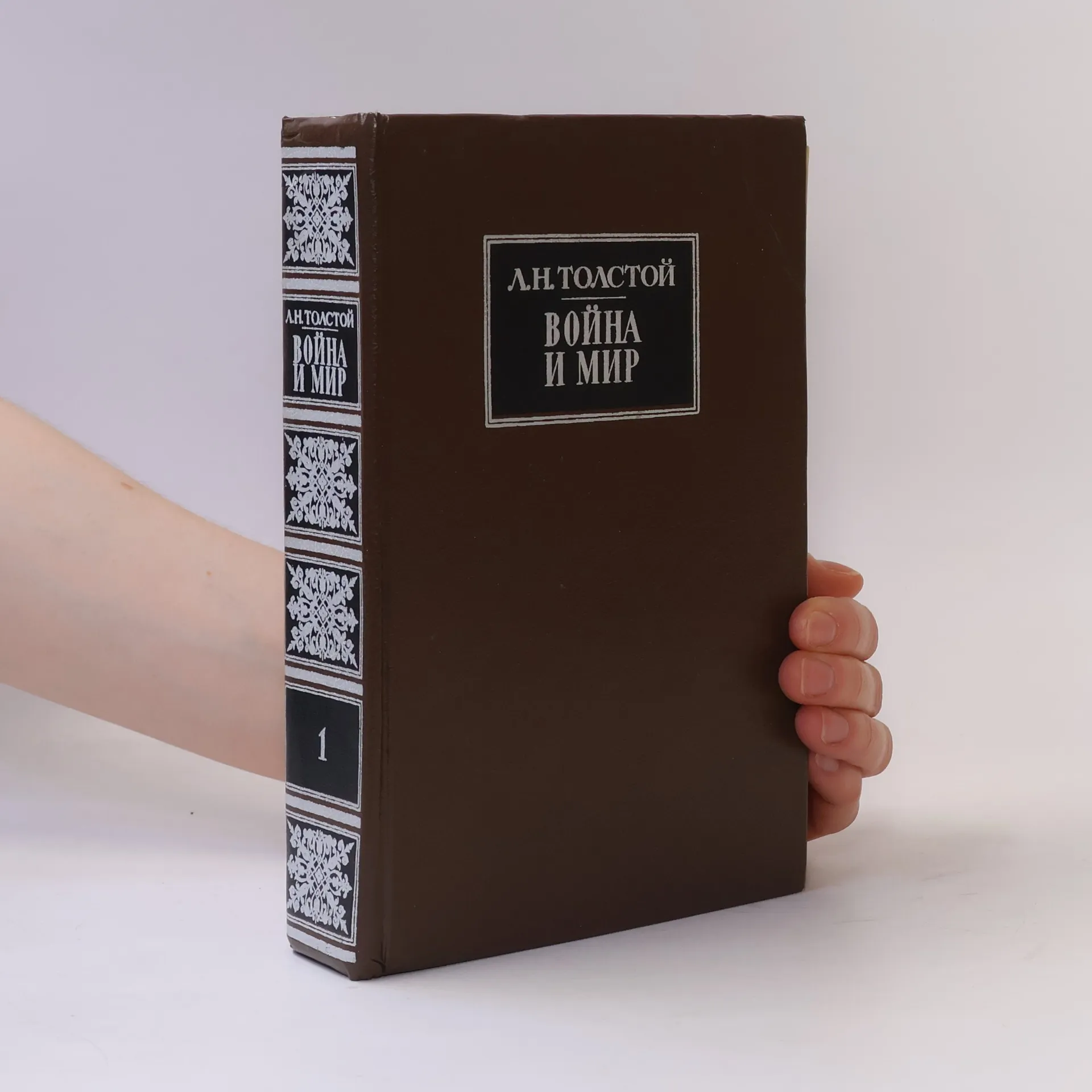
Война и мир. В 2 книгах. Книги 1–2
- 732 pages
- 26 hours of reading
Великий роман-эпопея Льва Толстого чудесным образом, как огромная мозаика, сложен из тысяч картин - батальных, бальных, любовных, бытовых, политических, философских, портретных, пейзажных, психологических... Все они неслучайны, уместны, своевременны: за сюжетными ответвлениями, ходами, пересечениями стоят предопределение и авторская воля. Ритм романа, увлекающий читателя, сверен с пульсом живой истории: он то заторможен, как реформаторская деятельность Сперанского; то стремителен, как комета 1812 года; то спокоен, как Кутузов в Филях; то методичен, как народная дубина; то необратим, как бегство французов по Смоленской дороге... Все эти картины, сплетаясь, образуют самое знаменитое в мире произведение классической русской литературы - "Война и мир".
L. N. Tolstoy wrote War and Peace between 1863 and 1869, with the complete four-volume edition published in 1869. Initially condemned by critics, the novel achieved immense popularity, leading to rapid sales of its editions. It is a classic epic novel depicting Russian society in the early decades of the 19th century. Alongside a multitude of realistically portrayed characters set against historical events, it vividly presents figures such as General Kutuzov and Napoleon. The narrative includes detailed accounts of the Napoleonic Wars between Russia and France from 1805 to 1812, notably the Battle of Austerlitz in 1805, the Battle of Borodino, and the French occupation of Moscow. The main characters are two nobles, Andrei Bolkonsky and Pierre Bezukhov, along with members of the Rostov family. Pierre Bezukhov embodies Tolstoy's philosophical ideas, often providing insightful commentary on the political and social dynamics of his time, as well as on significant historical figures. The novel has been successfully adapted into film multiple times.
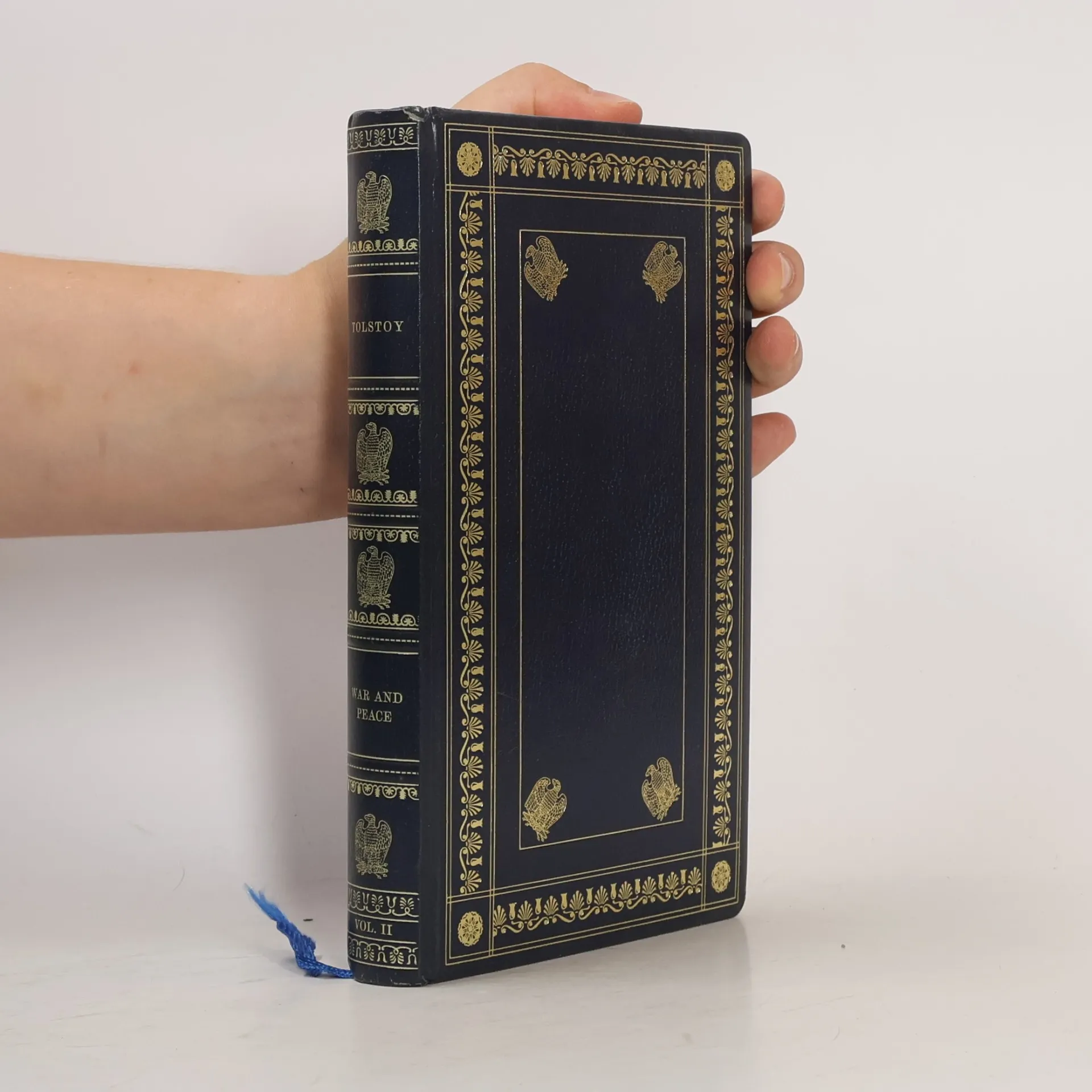
Oorlog en vrede - Boek 2
- 768 pages
- 27 hours of reading
Graaf Andrej Bolkonski dient in het Russische leger. Als bij de geboorte van zijn zoon zijn vrouw komt te overlijden, laat hij zijn zoontje achter en neemt deel aan de Slag bij Austerlitz in 1805. Als commandant keert hij terug naar zijn landgoed. Omstreeks 1810 verblijft hij temidden van de beau monde in Moskou en Petersburg, en ontmoet daar Natasja Rostova. Natasja Rostova stamt uit een verarmd geslacht van Russische landadel. Op haar zestiende vat zij een bakvissenliefde voor Bolkonski op. In de hoop op een forse bruidsschat stemmen haar ouders toe in een huwelijk. Nog tijdens hun verlovingstijd verliest Natasja zich aan de adellijke losbol Anatole Koeragin. Bolkonski neemt deel aan de Slag bij Borodino en raakt dodelijk gewond. Pierre Bezoechov is Bolkonski's boezemvriend (een feestbeest maar aandoenlijk naïef) bastaardzoon en toekomstig erfgenaam van de rijkste man van Rusland. Graaf Koeragin, vader van Anatole, aast op Bezoechovs erfenis en slaagt erin hem te laten trouwen met zijn dochter. Na de Slag bij Borodino wordt Bezoechov krijgsgevangen gemaakt, wat zijn periode van loutering inluidt. Eenmaal bevrijd keert hij terug naar Petersburg, hoort dat zowel zijn vrouw als Bolkonski dood zijn en geeft zichzelf toe dat hij altijd maar van één vrouw heeft gehouden: Natasja Rostova. Kort daarop trouwen zij.
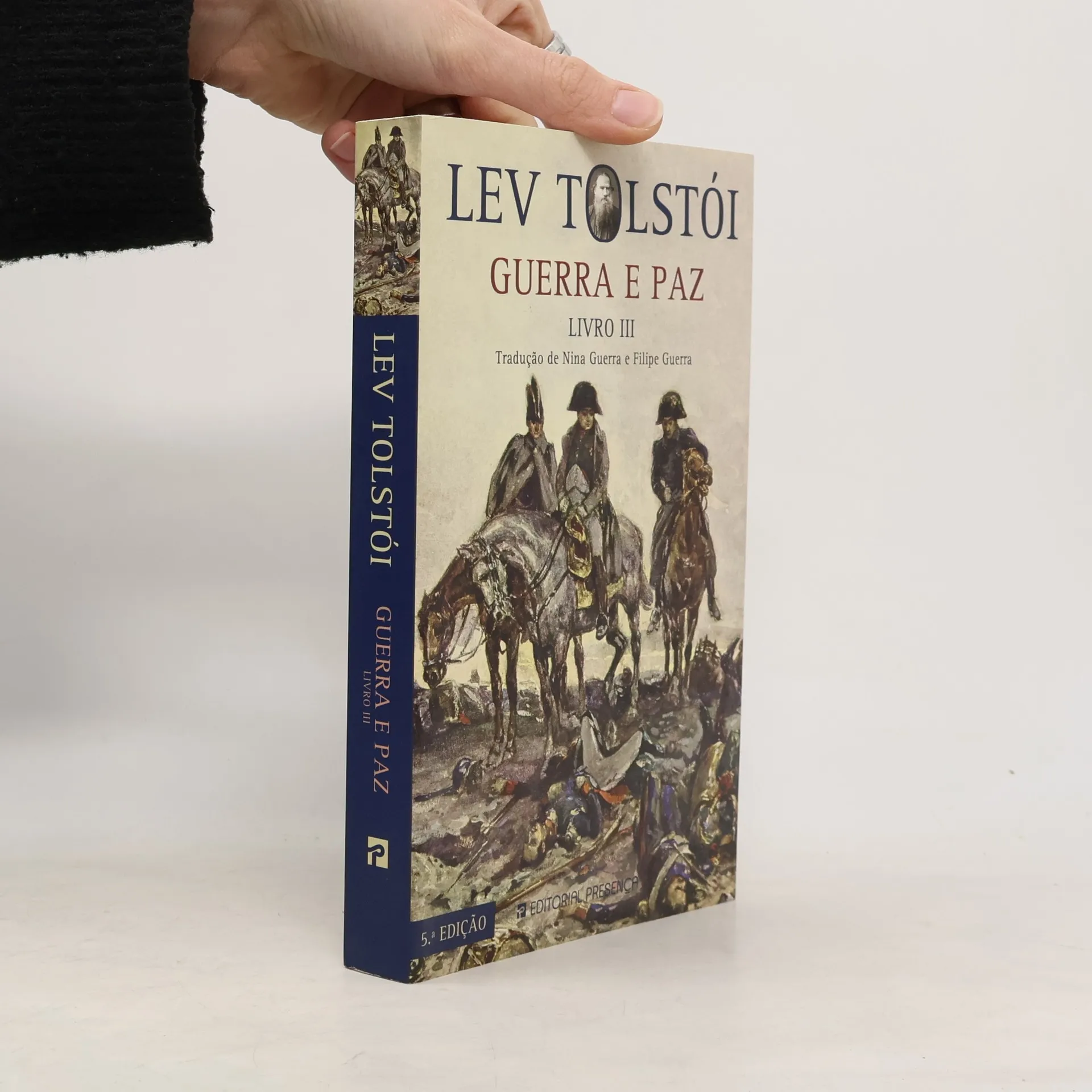
Guerra e Paz – Livro III - 5.ª Edição
- 447 pages
- 16 hours of reading
Alternate Cover Edition can be found here . Considerado como um dos nomes maiores da literatura, este escritor, filósofo, pedagogo e até profeta, foi um defensor acérrimo das minorias e dos mais desfavorecidos, e um dos primeiros a insurgir-se contra a escravatura. Apesar das muitas perseguições a que foi sujeito, Tolstói encontrou na escrita um refúgio e foi de forma sábia que abordou temas tão inquietantes quanto complexos. Entre 1865 e 1869 escreveu e publicou aquela que é talvez a sua obra-prima e uma das maiores criações literárias de sempre: Guerra e Paz . Tendo como pano de fundo um cenário de guerra, com a invasão da Rússia por parte das tropas napoleónicas, esta novela épica apoia-se em episódios ficcionais e históricos sobre aquele país, num momento de profunda convulsão. Tolstói deixou-nos um valiosíssimo legado literário ao lado de outros grandes vultos como Shakespeare ou Homero.
The novel "War and Peace," written between 1863 and 1869, is a four-part epic and one of the greatest works of world literature. It features over 250 characters, including historical figures such as Tsar Alexander I, Emperor Napoleon, and General Kutuzov. The extensive and vivid depictions of battles, such as those at Austerlitz and Borodino, as well as the desolate, burning Moscow, are unparalleled in literature. Intimate scenes from the lives of the upper class, along with romantic entanglements and adventures, alternate with portrayals of historical events and the struggle of the Russian people against Napoleon. Tolstoy drew inspiration not only from global historical events but also from his own family's experiences. For instance, the character Natasha Rostova and her life struggles were inspired by his sister-in-law T. A. Kuzminskaya. The third part of the epic takes place in 1812 and recounts events such as the Battle of Borodino and Napoleon's presence in Moscow.
War and Peace Book 4
- 80 pages
- 3 hours of reading
Set against the backdrop of the 1812 French invasion of Russia, the narrative intricately weaves the lives of various Russian families, highlighting the impact of the Napoleonic era on society. Beyond its historical framework, the book delves into philosophical discussions and character explorations, showcasing individuals from diverse backgrounds as they navigate the complexities of their time. It employs innovative narrative techniques reminiscent of early 19th-century literature, ultimately presenting a profound analysis of humanity's emotional and psychological evolution.