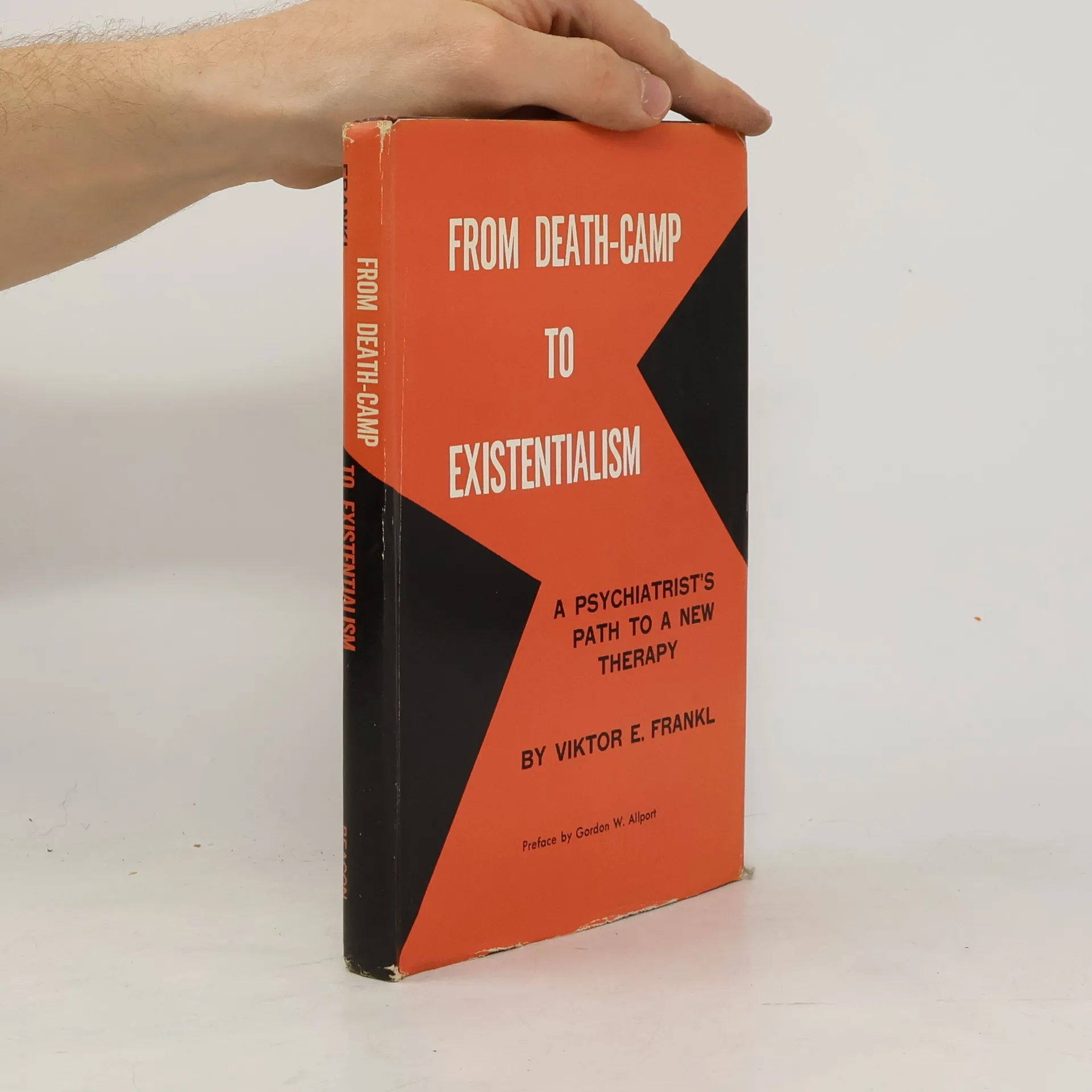
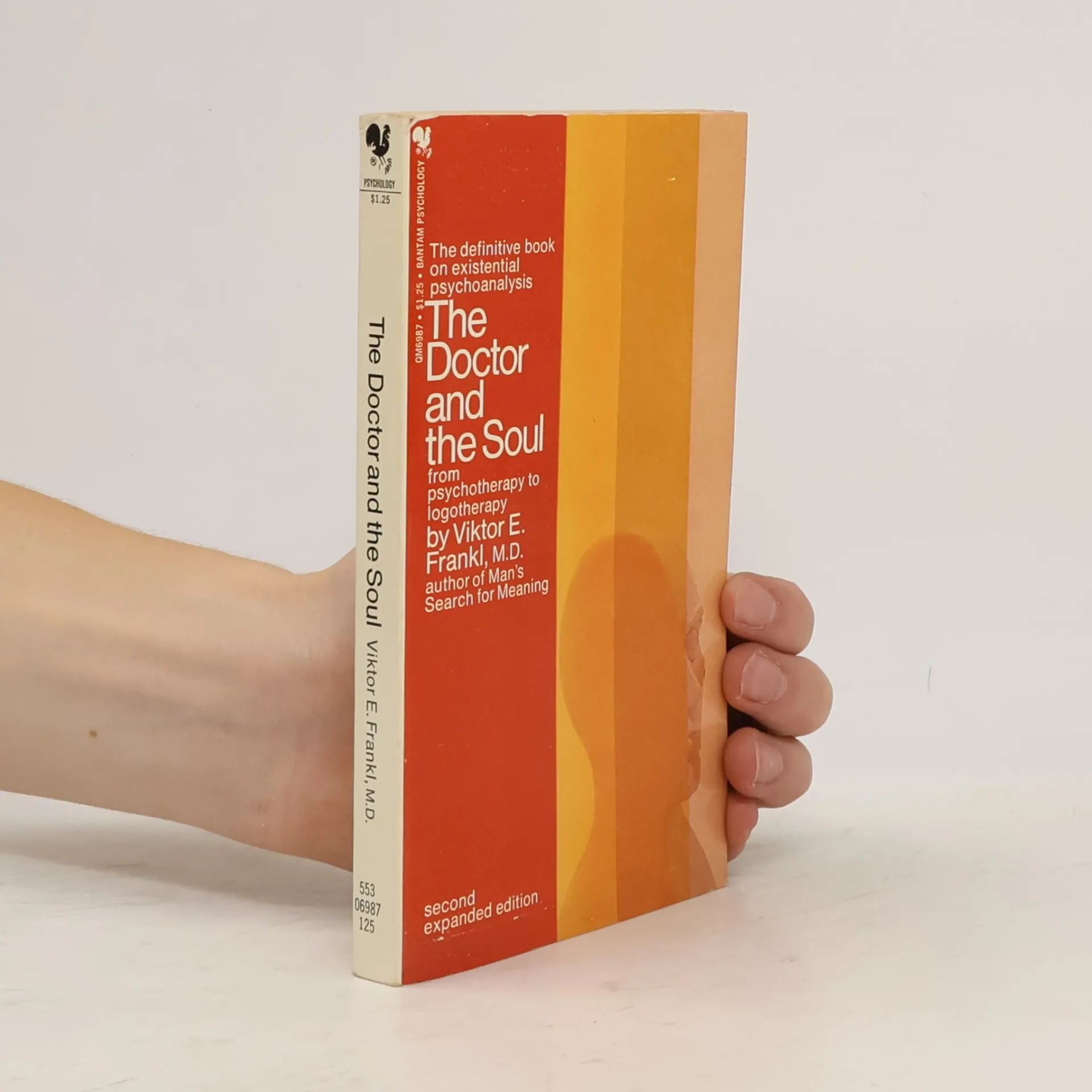
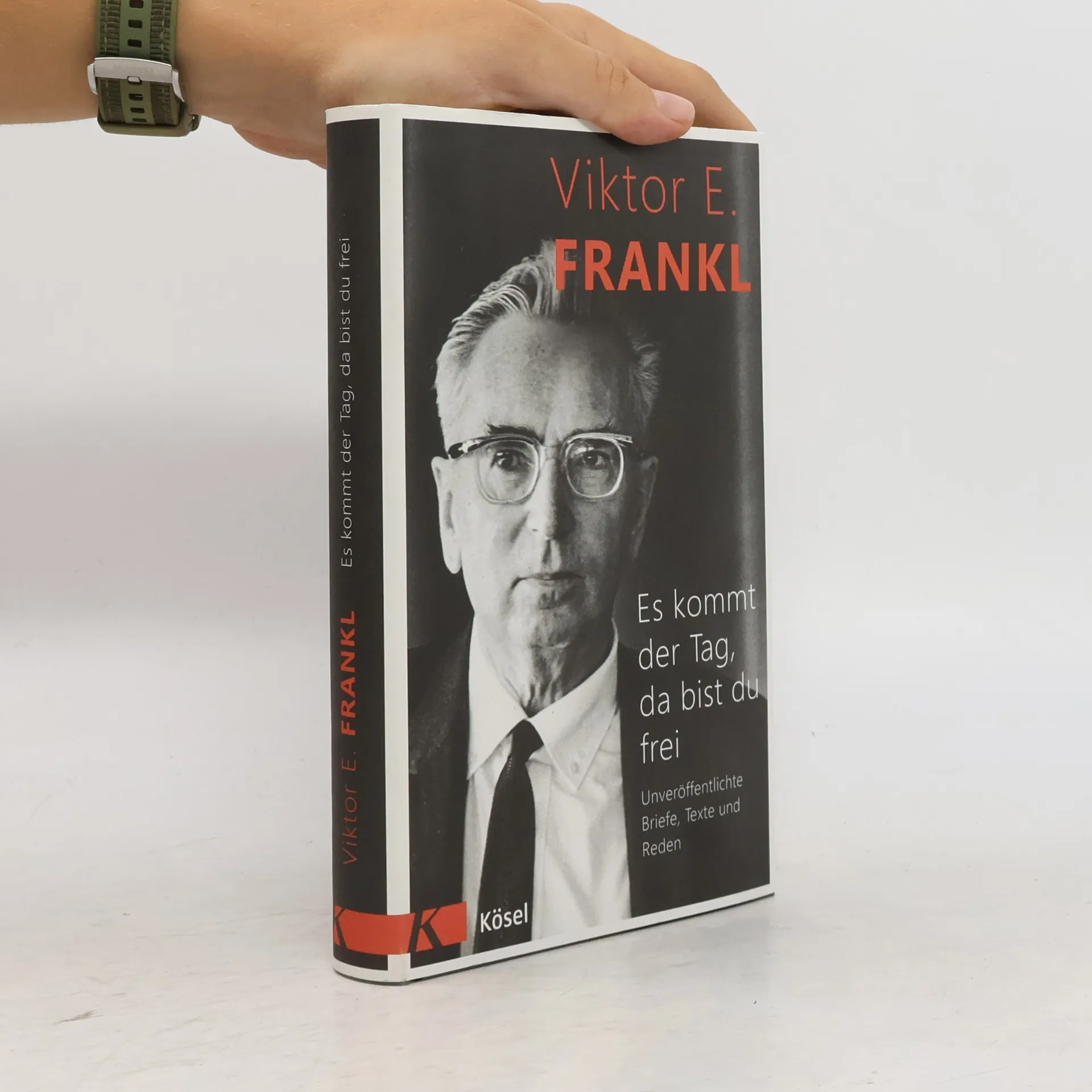
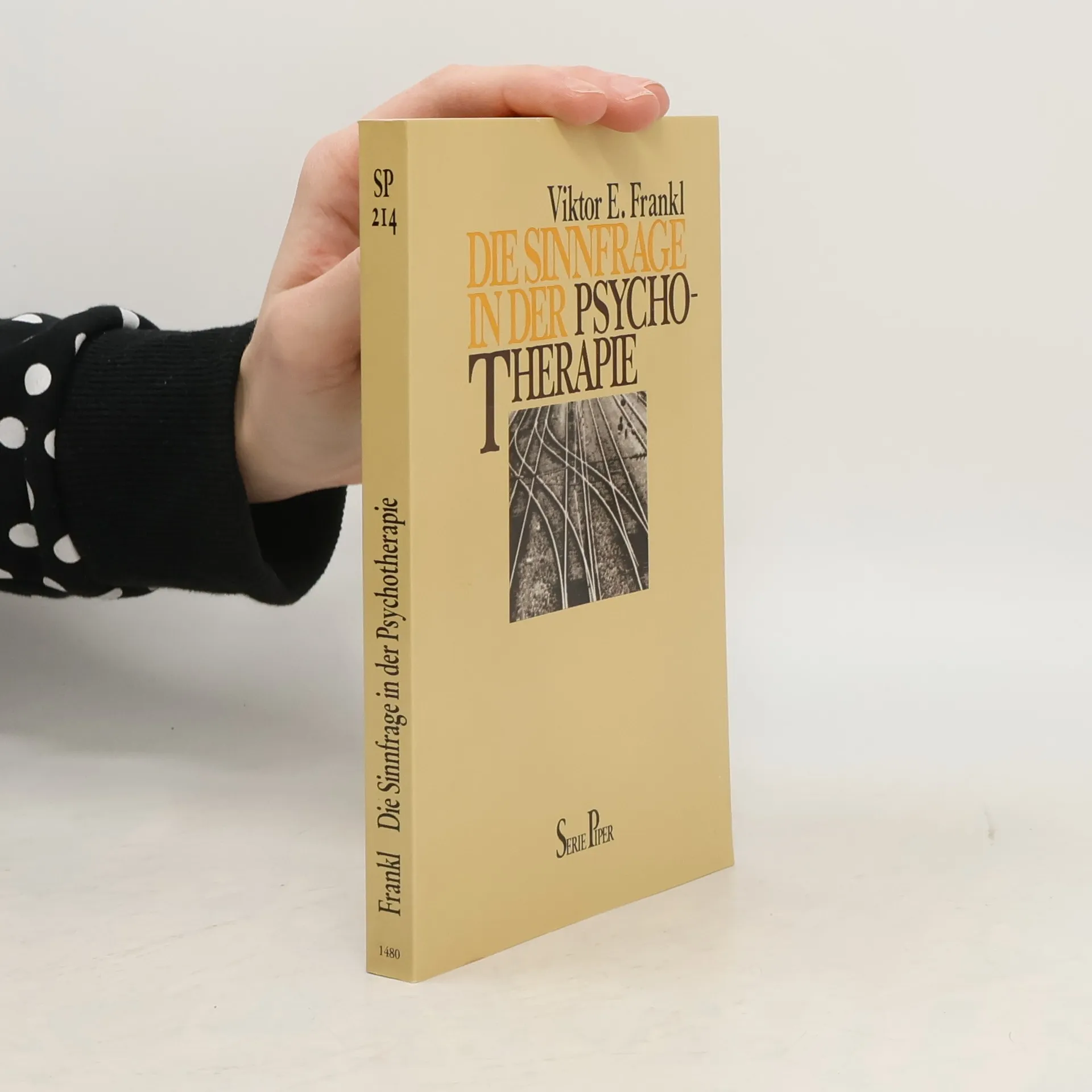
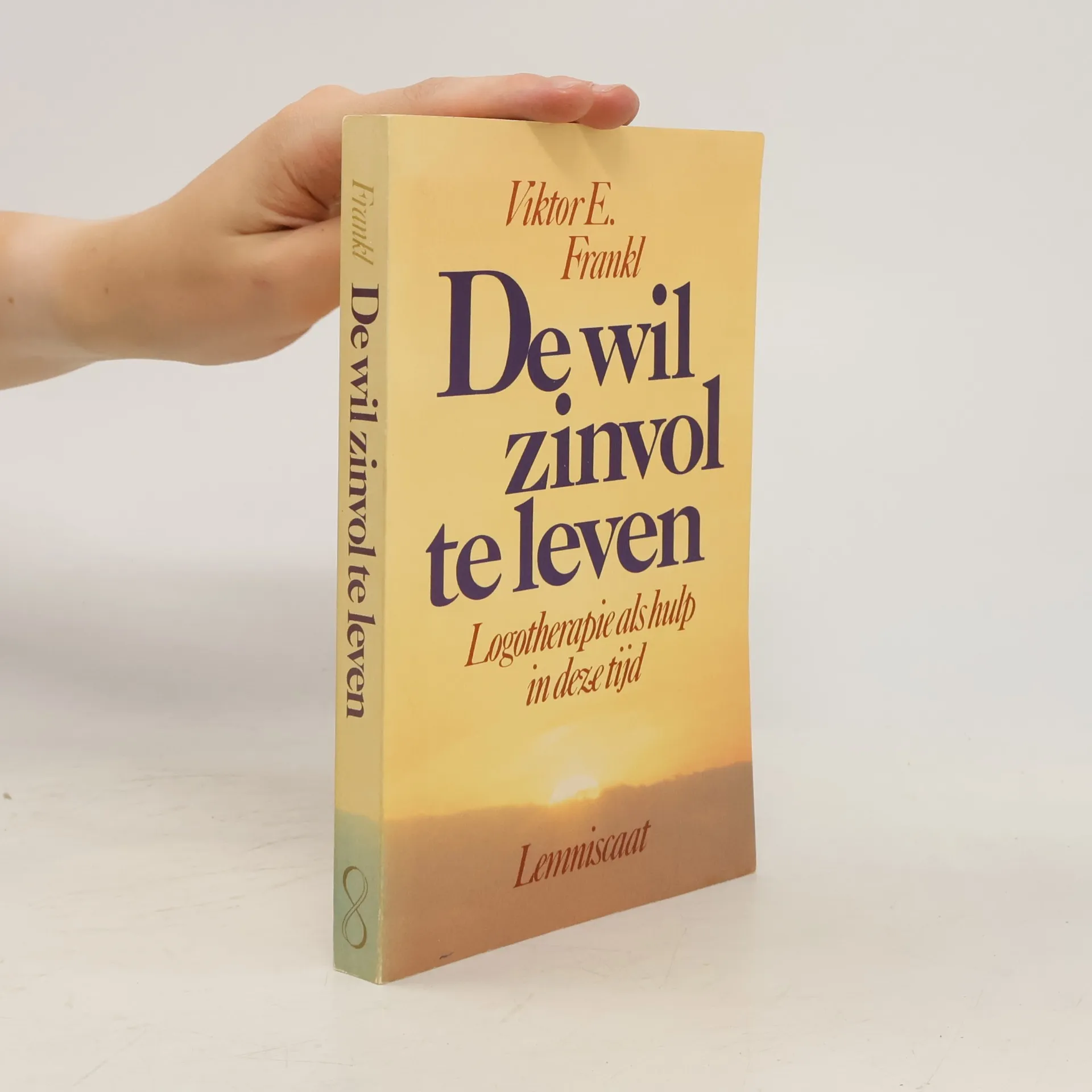
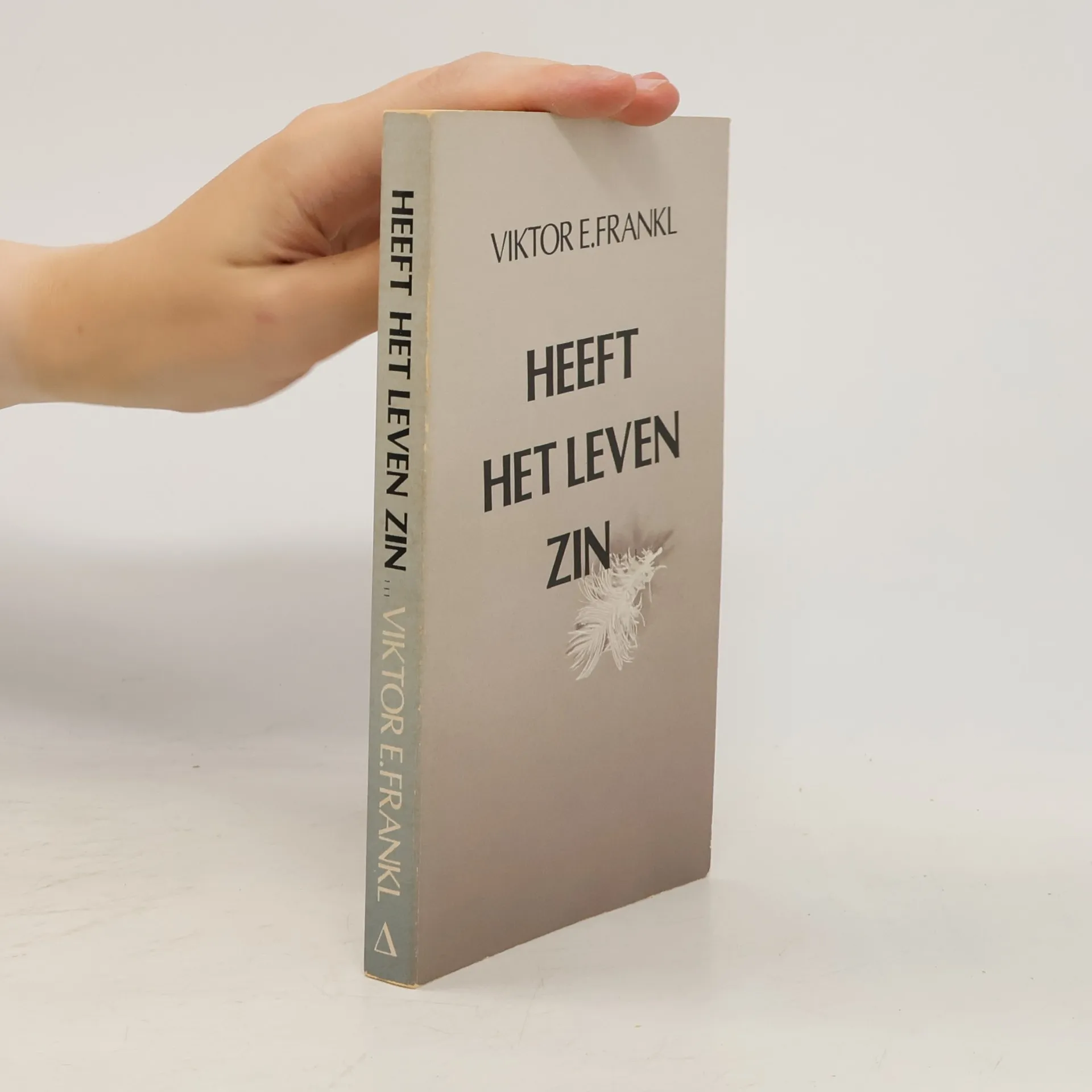
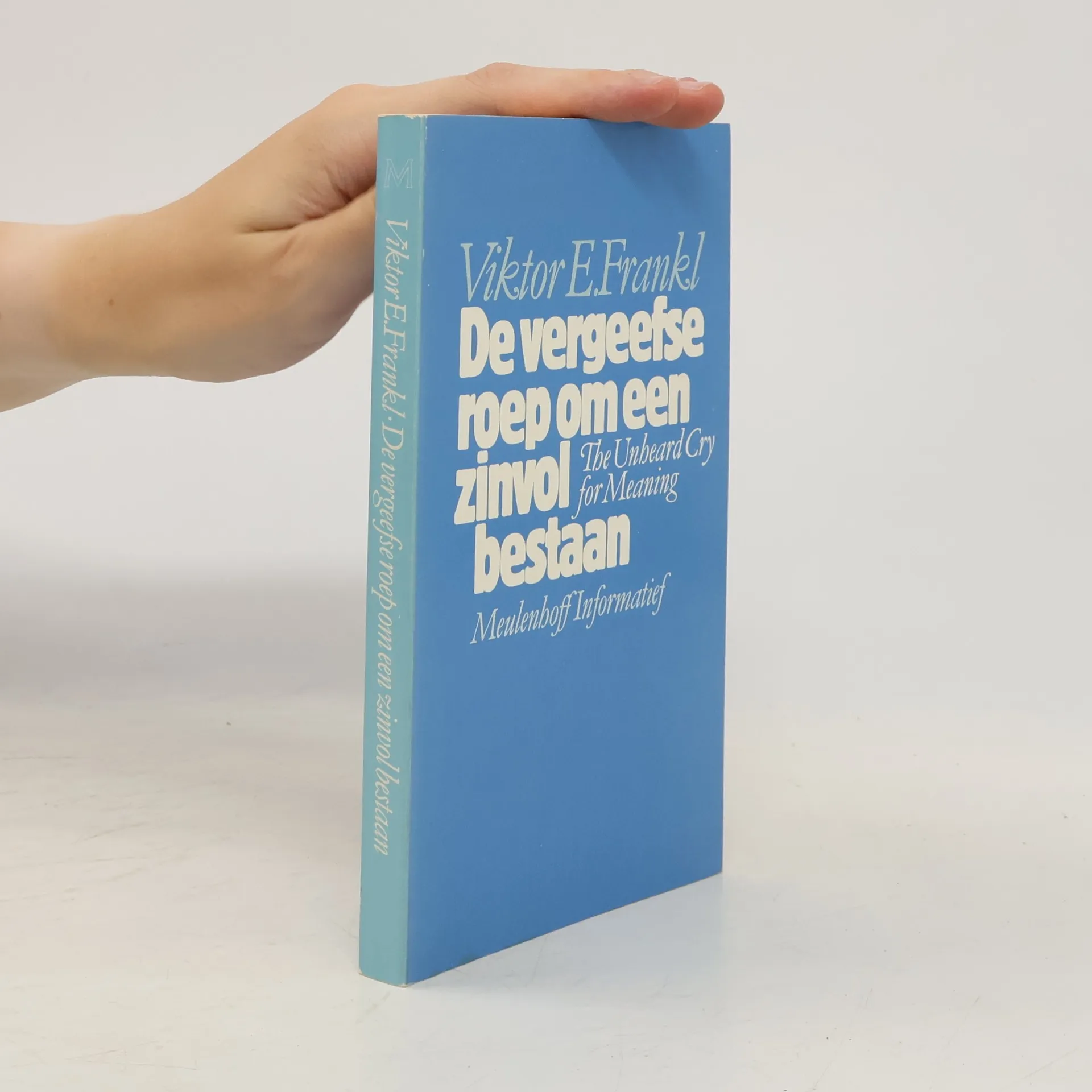
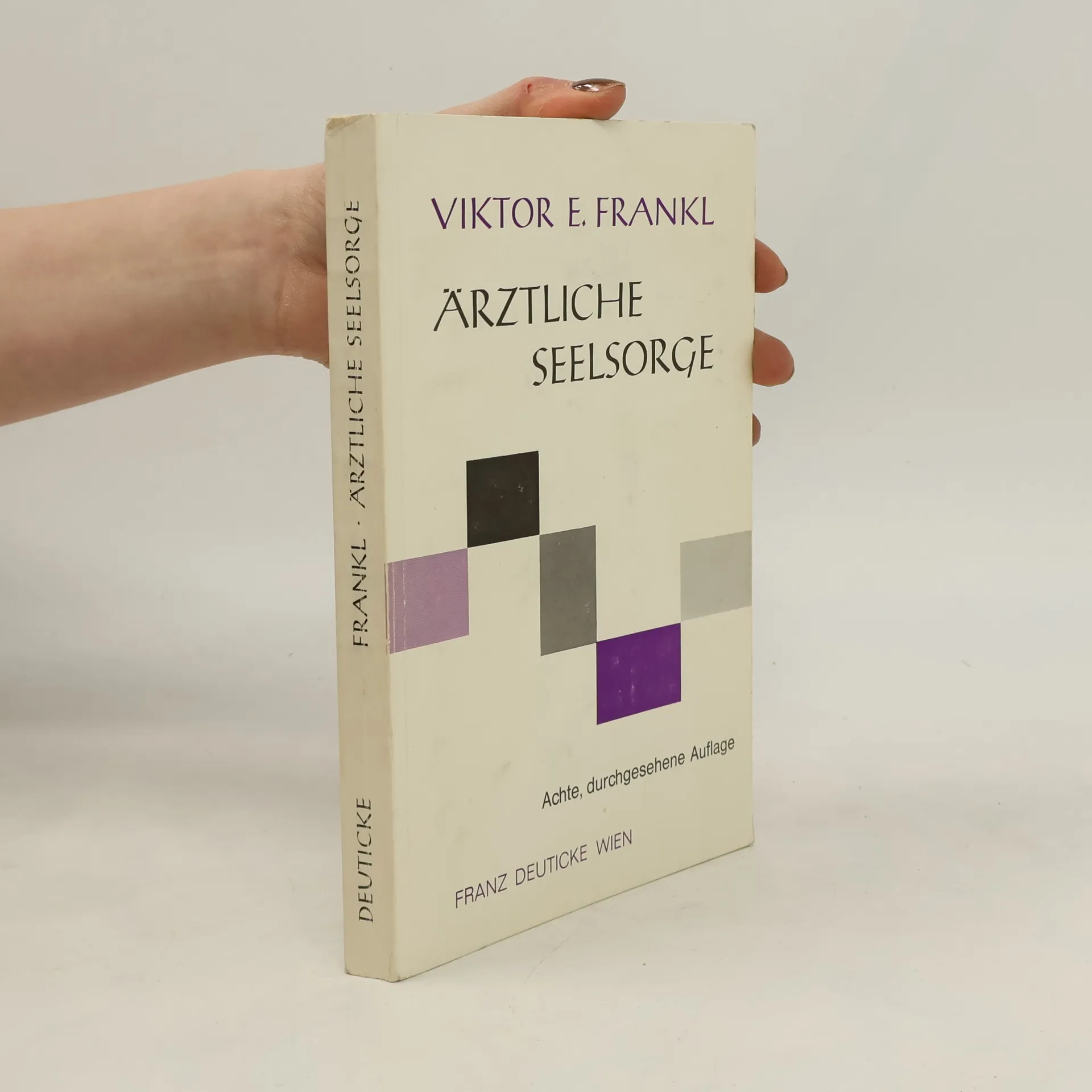
Book by Lent, Timothy
Viktor Frankl Books
- Gabriel Lion
March 26, 1905 – September 2, 1997
Viktor Emil Frankl, a neurologist and psychiatrist, was a Holocaust survivor who pioneered logotherapy, a form of existential analysis. His seminal work, born from his harrowing experiences, details a psychotherapeutic approach centered on discovering meaning in all circumstances, even the most dire. This quest for purpose, he argued, provides the essential reason for living. Frankl stands as a significant figure in the development of existential therapy.

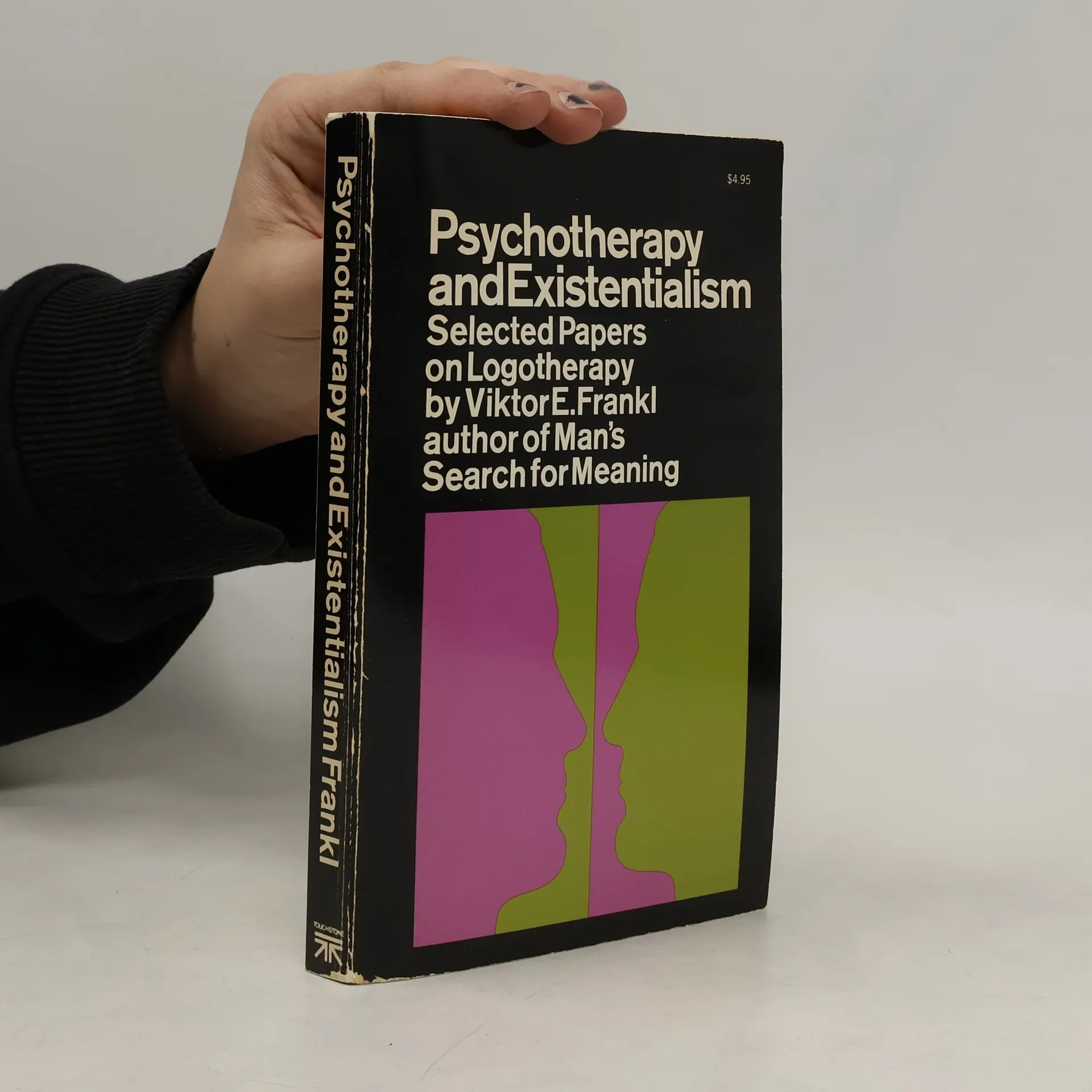

Emphasizing spiritual values and the quest for meaning in life in its approach to the neurotic behavior, by the founder of logotherapy.
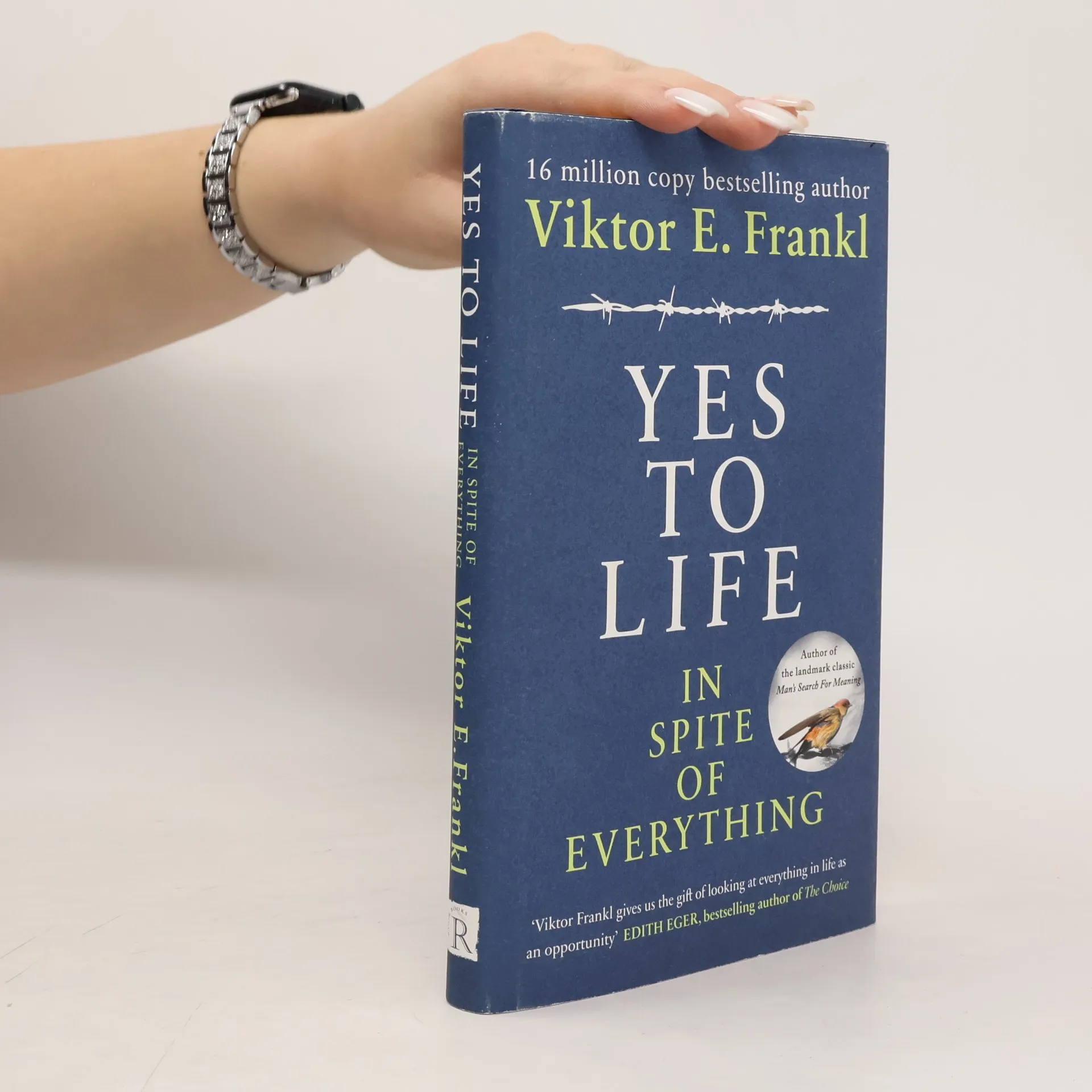
Yes to Life
- 160 pages
- 6 hours of reading
Eleven months after his liberation from Auschwitz, Viktor E. Frankl held a series of public lectures in Vienna, published here for the first time. The psychologist explained his central thoughts on meaning, resilience and the importance of embracing life even in the face of great adversity
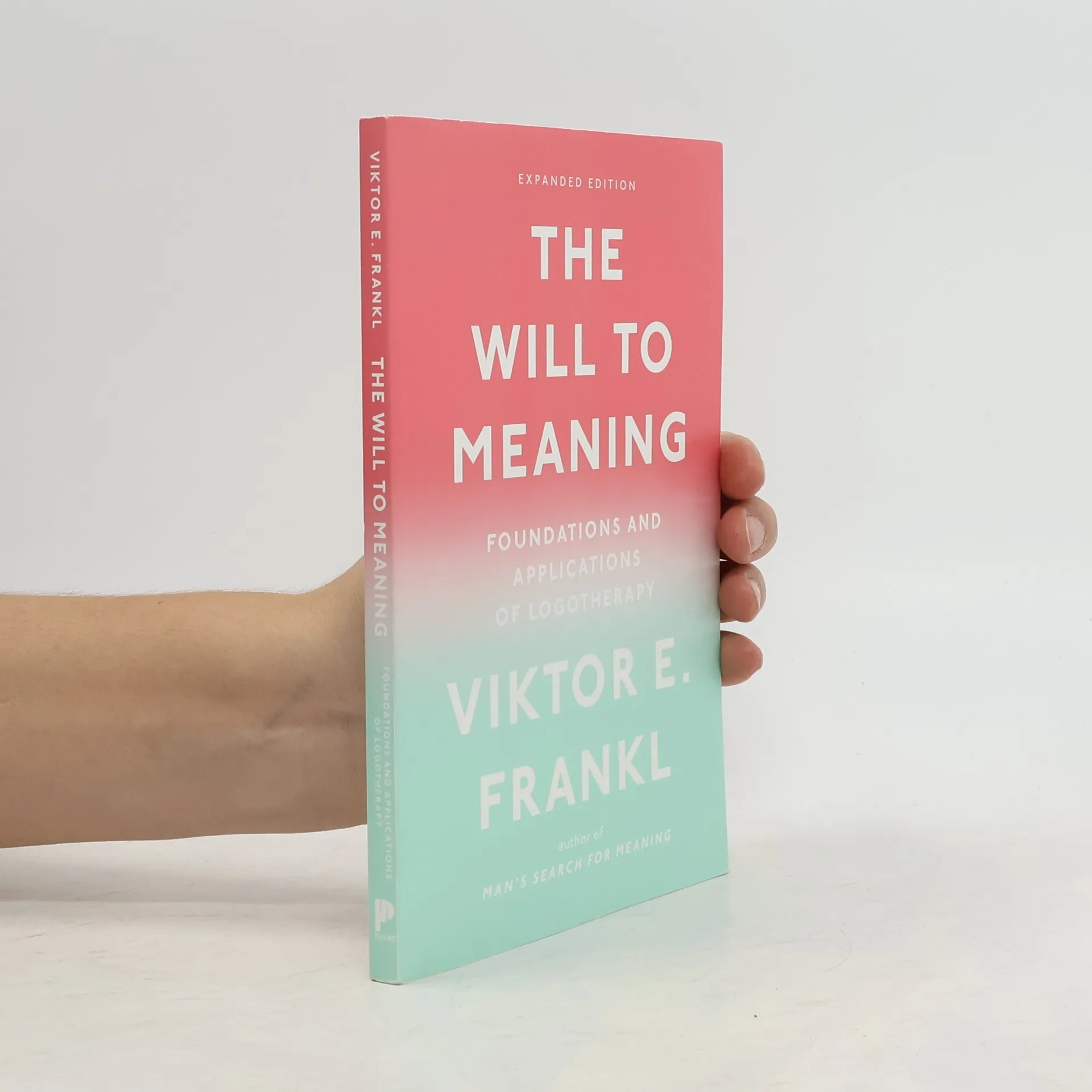
The Will to Meaning
- 152 pages
- 6 hours of reading
From the author of Man's Search for Meaning, one of the most influential works of psychiatric literature since Freud. Holocaust survivor Viktor E. Frankl is known as the founder of logotherapy, a mode of psychotherapy based on man's motivation to search for meaning in his life. The author discusses his ideas in the context of other prominent psychotherapies and describes the techniques he uses with his patients to combat the "existential vacuum." Originally published in 1969 and compiling Frankl's speeches on logotherapy, The Will to Meaning is regarded as a seminal work of meaning-centered therapy. This new and carefully re-edited version is the first since 1988.
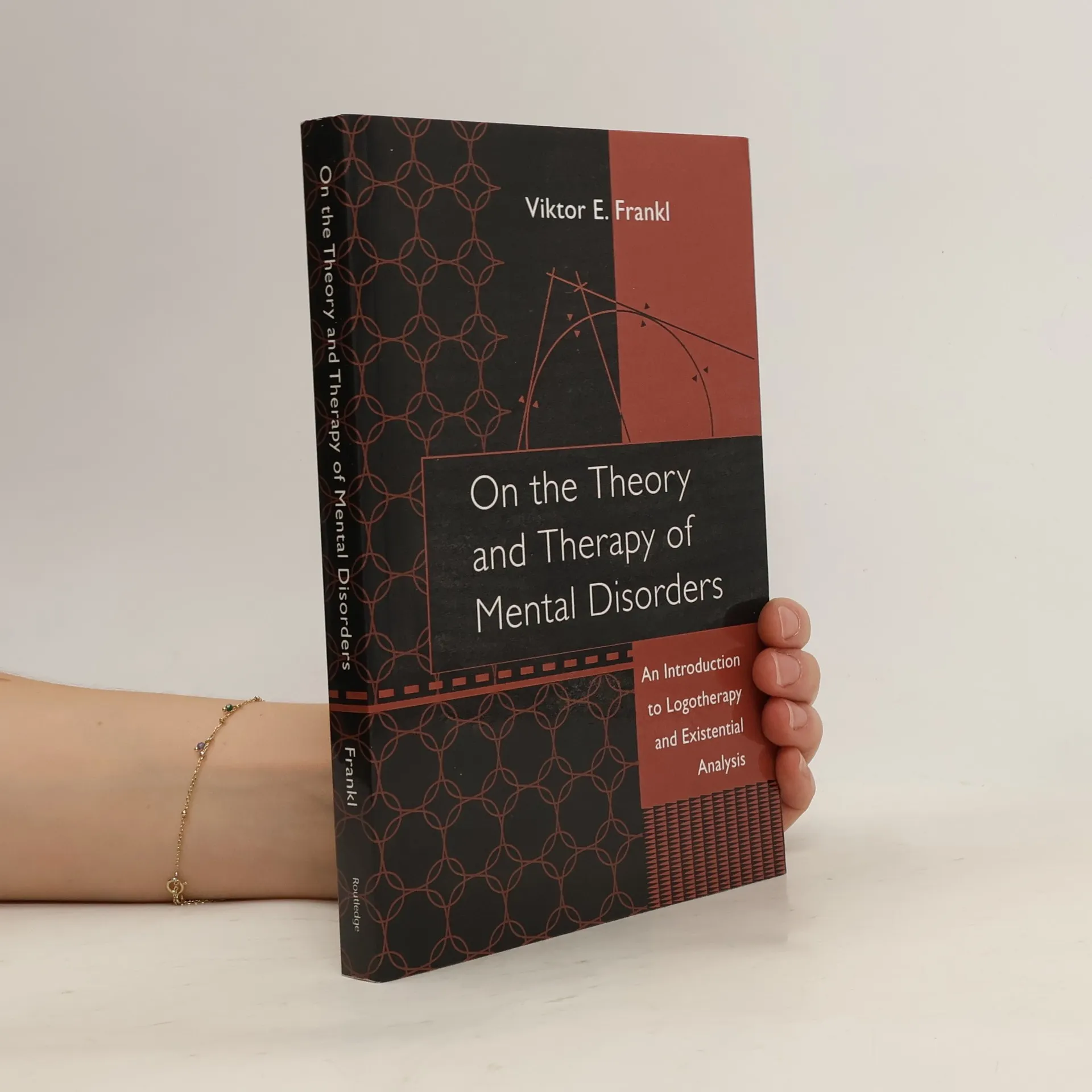
On the Theory and Therapy of Mental Disorders
An Introduction to Logotherapy and Existential Analysis
- 304 pages
- 11 hours of reading
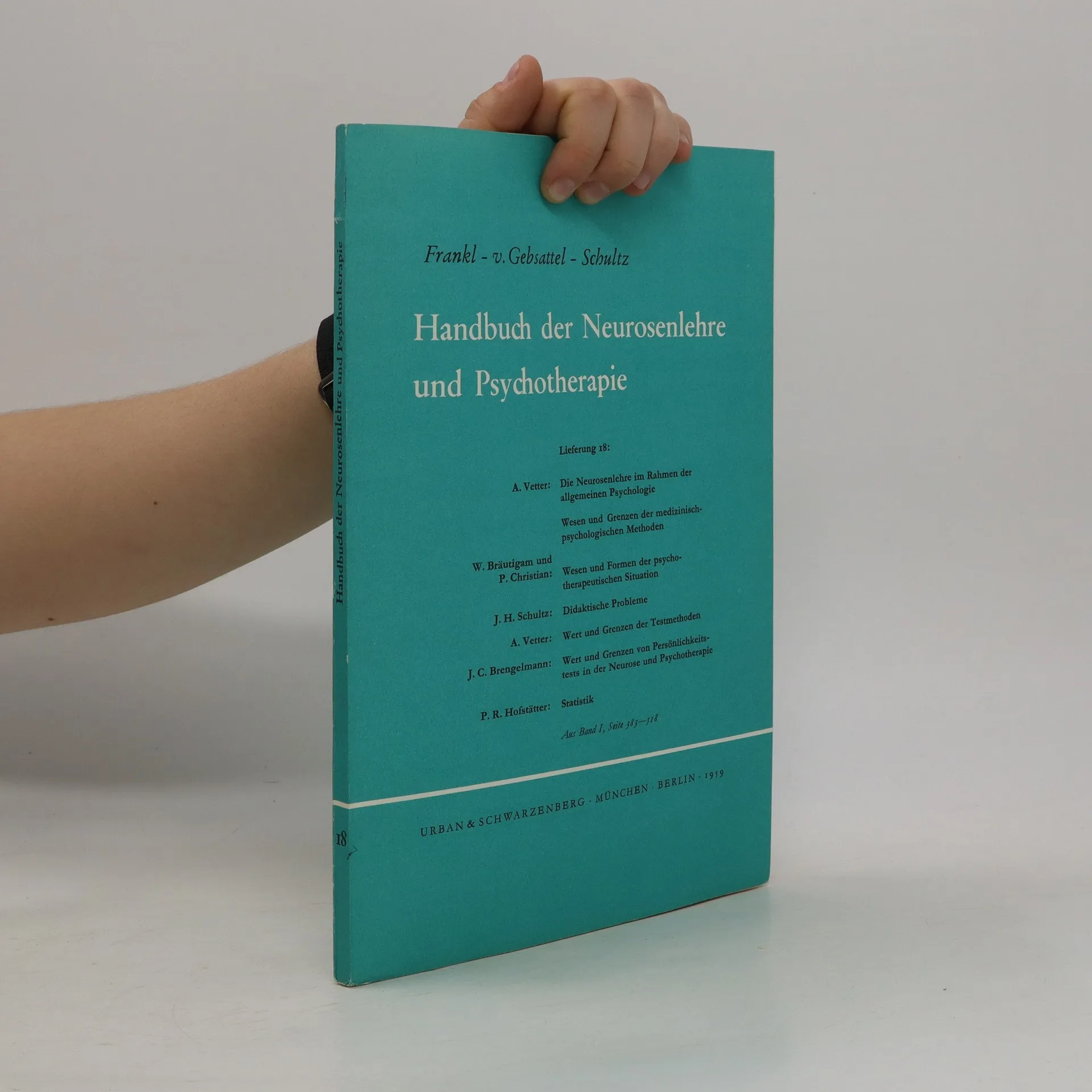
Logotherapy and Existential Analysis has been internationally recognized for decades as an empirically supported humanistic school of psychotherapy. Evidence for the growing significance of logotherapy includes institutes, societies and professorships in many countries of the world, as well as conferences and publications. On the Theory and Therapy of Neuroses: An Introduction to Logotherapy and Existential Analysis, the translation of Viktor Frankl's Theorie und Therapie der Neurosen by James M. DuBois, will allow for the first time English-only readers to experience this essential text on logotherapy.
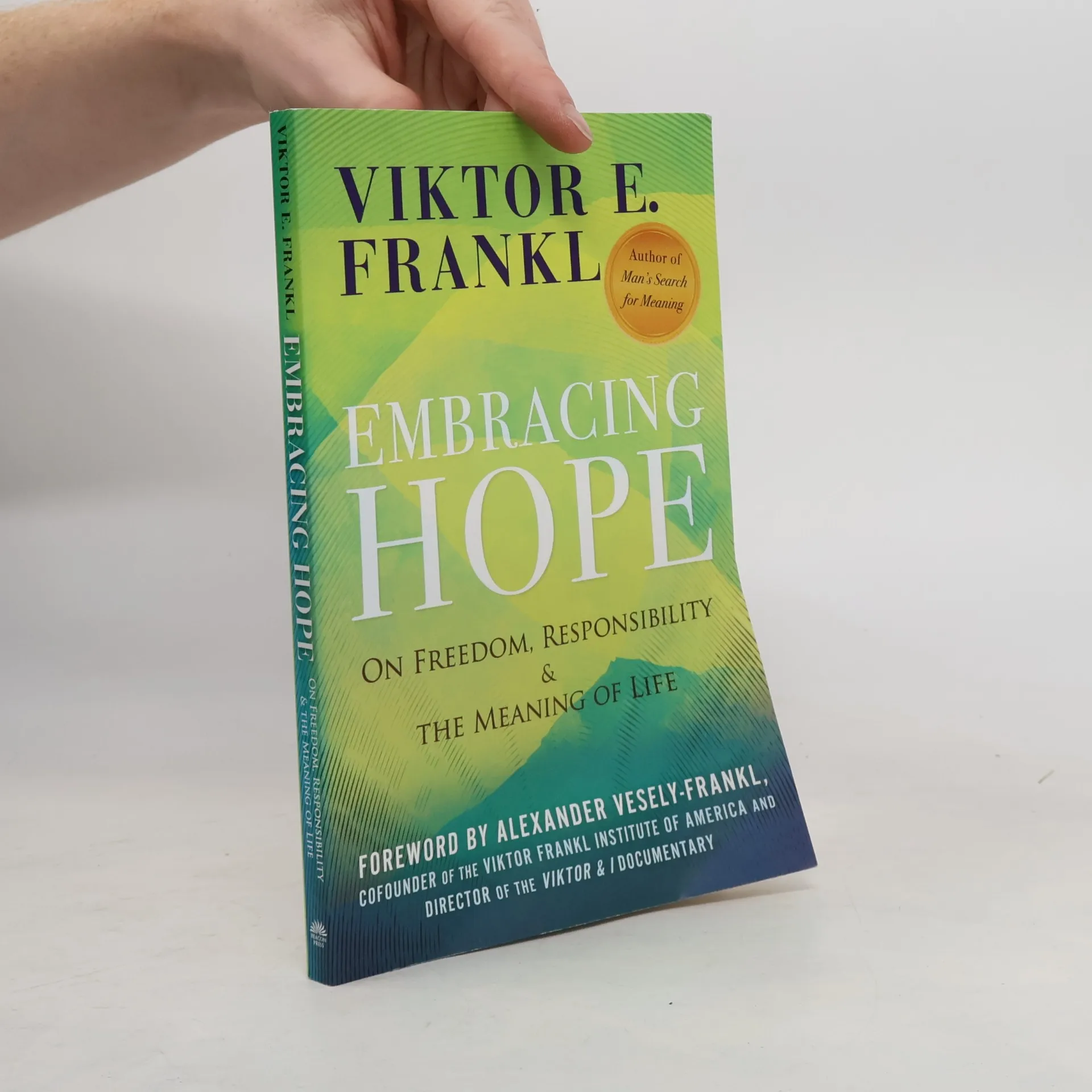
This rediscovered collection by Viktor Frankl delves into profound themes of freedom and responsibility, emphasizing the importance of finding meaning in the ephemeral aspects of life. It offers insights into the human experience and encourages readers to reflect on their own existence. Published for the first time in the United States, the work showcases Frankl's enduring relevance and philosophical depth, inviting a new audience to engage with his thoughts on life's transience.
At his death in 1997, Viktor E. Frankl was lauded as one of the most influential thinkers of our time. The Unheard Cry for Meaning marked his return to the humanism that made Man's Search for Meaning a bestseller around the world. In these selected essays, written between 1947 and 1977, Dr. Frankl illustrates the vital importance of the human dimension in psychotherapy. Using a wide range of subjects -- including sex, morality, modern literature, competitive athletics and philosophy -- he raises a lone voice against the pseudo-humanism that has invaded popular psychology and psychoanalysis. By exploring mankind's remarkable qualities, he brilliantly celebrates each individual's unique potential, while preserving the invaluable traditions of both Freudian analysis and behaviorism. Book jacket.
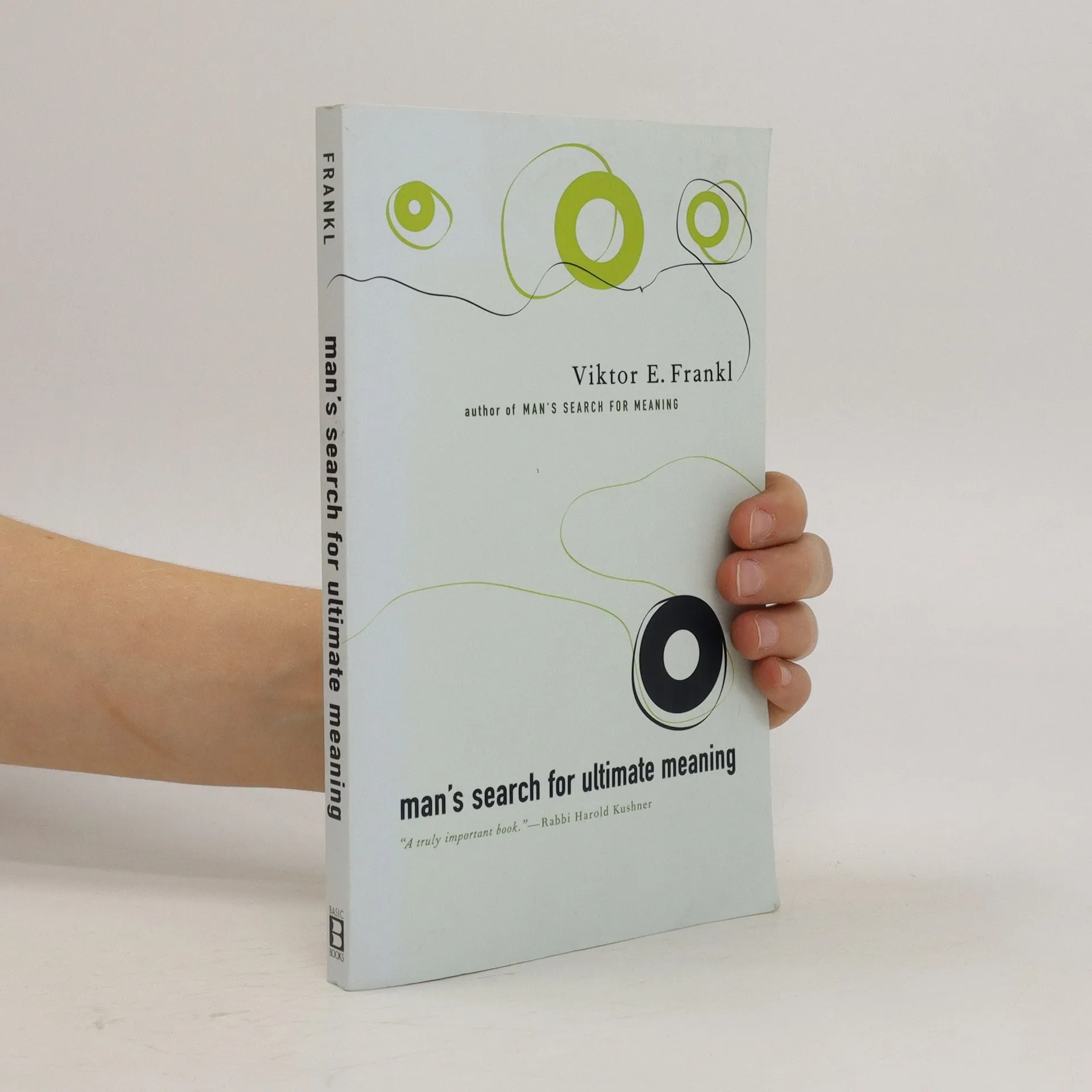
Man's Search for Ultimate Meaning
- 208 pages
- 8 hours of reading
Viktor Frankl is known to millions of readers as a psychotherapist who has transcended his field in his search for answers to the ultimate questions of life, death, and suffering. Man's Search for Ultimate Meaning explores the sometime unconscious human desire for inspiration or revelation, and illustrates how life can offer profound meaning at every turn.
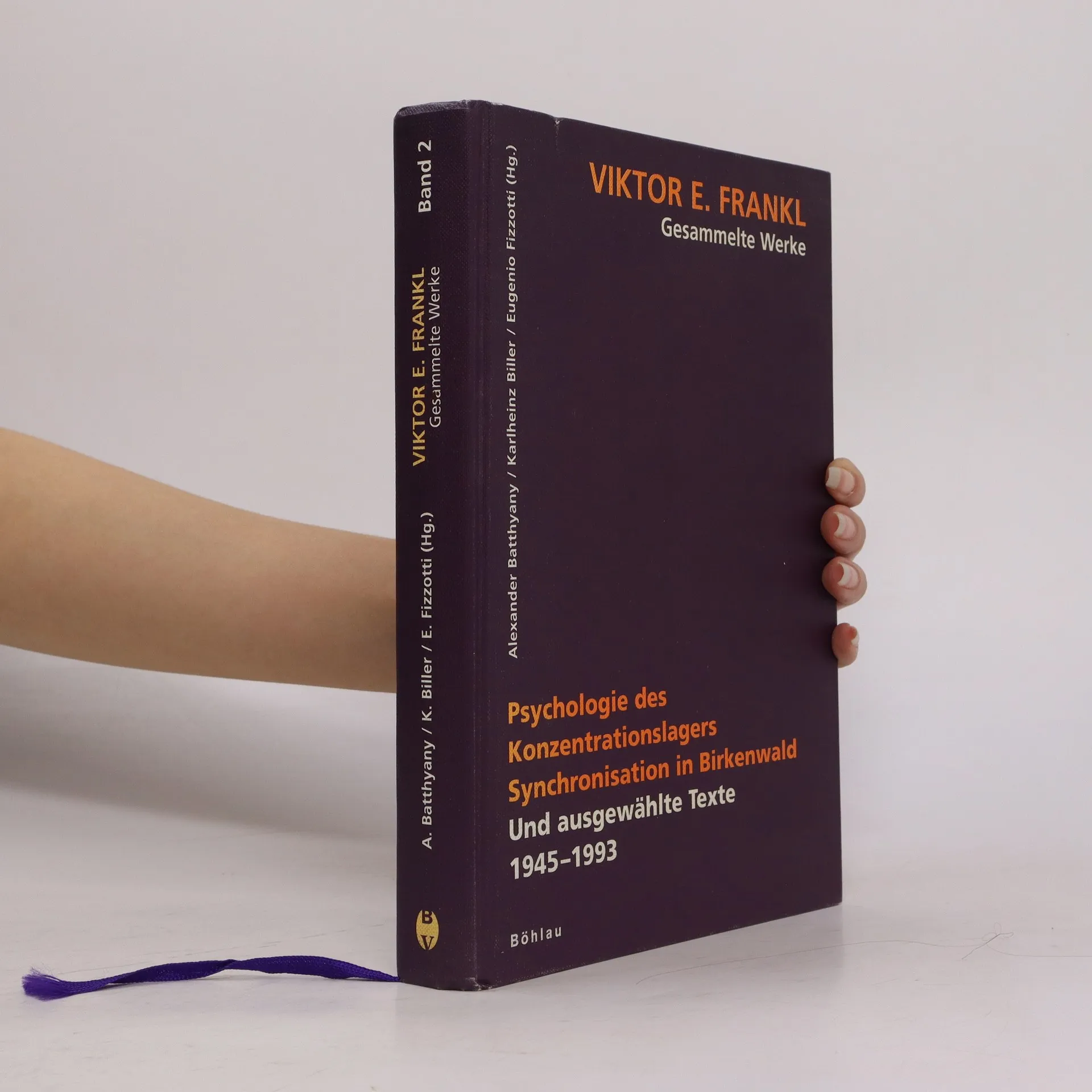
Band 1 der Gesammelten Werke mit dem thematischen Schwerpunkt des Konzentrationslagers und der psychologischen und philosophischen Probleme der NS-Zeit und ihrer Folgen enthält den Text „Trotzdem Ja zum Leben sagen“ / „Ein Psychologe erlebt das Konzentrationslager“ sowie erstmalig aus dem privaten Nachlass veröffentlichte Briefe, die Frankl unmittelbar nach seiner Befreiung verfasst hat. Biografische Erläuterungen und historische Zeitdokumente ergänzen den Band.
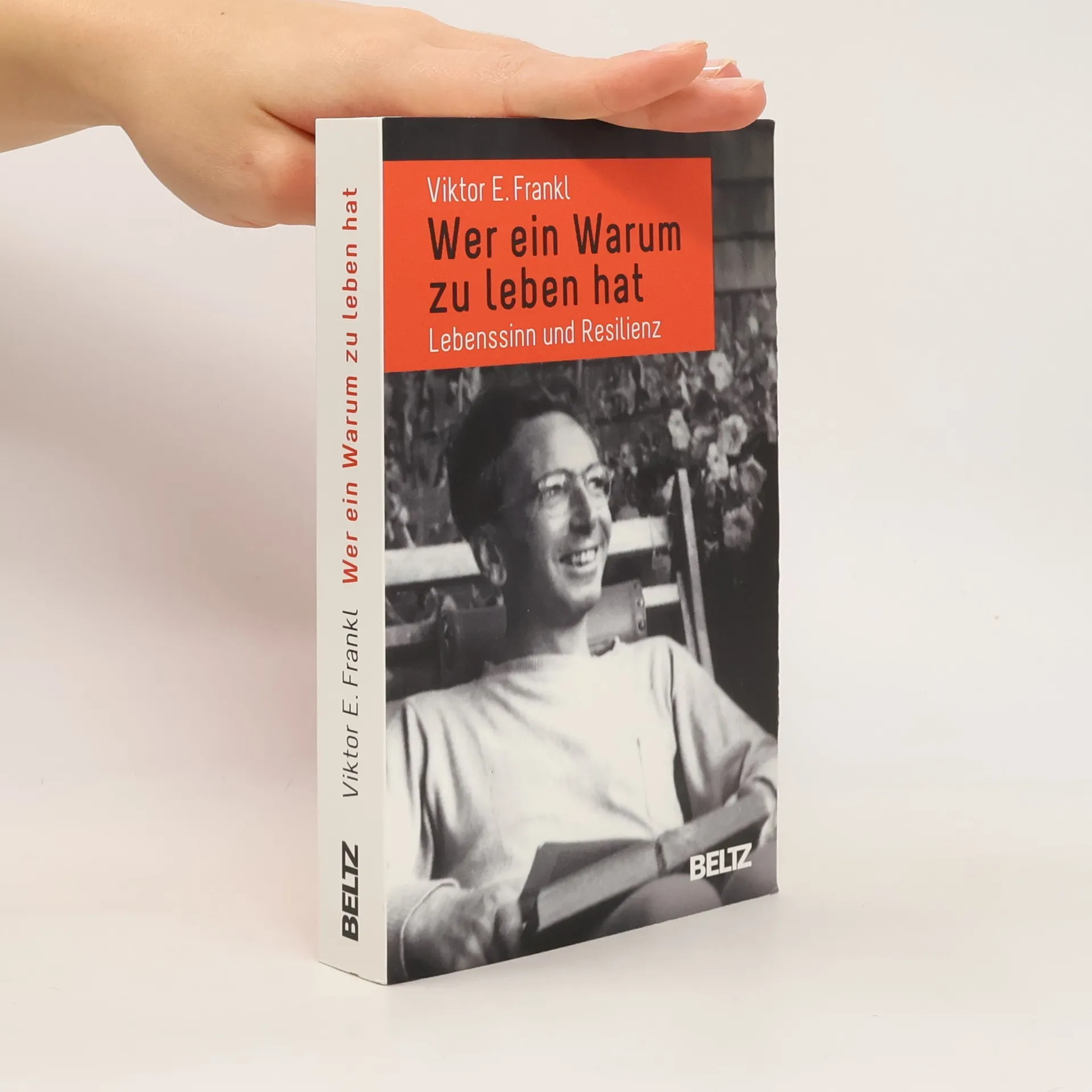
Wer ein Warum zu leben hat
Lebenssinn und Resilienz
»Wer ein Warum zu leben hat, erträgt fast jedes Wie« – nach diesem Motto erforschte Viktor Frankl, wie Sinnerfüllung auch angesichts schwerer Schicksalsschläge möglich ist und Menschen in die Lage versetzt, in Krisenzeiten seelisch heil zu bleiben. Lebenssinn und Resilienz stehen im Mittelpunkt der von Frankl begründeten Logotherapie, seiner Auseinandersetzung mit Holocaustüberlebenden und seiner kritischen Haltung gegenüber der inneren Leere der modernen Konsumgesellschaft. Dieses Buch lädt ein, den großen Humanisten neu zu entdecken. Seine Texte aus sechs Jahrzehnten zeigen den Brückenschlag, den Frankl zwischen Psychologie und philosophischer Lebenskunst vollzogen hat. »Ein Warum - das ist ein Lebensinhalt; und das Wie - das waren jene Lebensumstände, die das Lagerleben so schwierig machten, dass es eben nur im Hinblick auf ein Warum überhaupt tragbar wurde.« Viktor E. Frankl
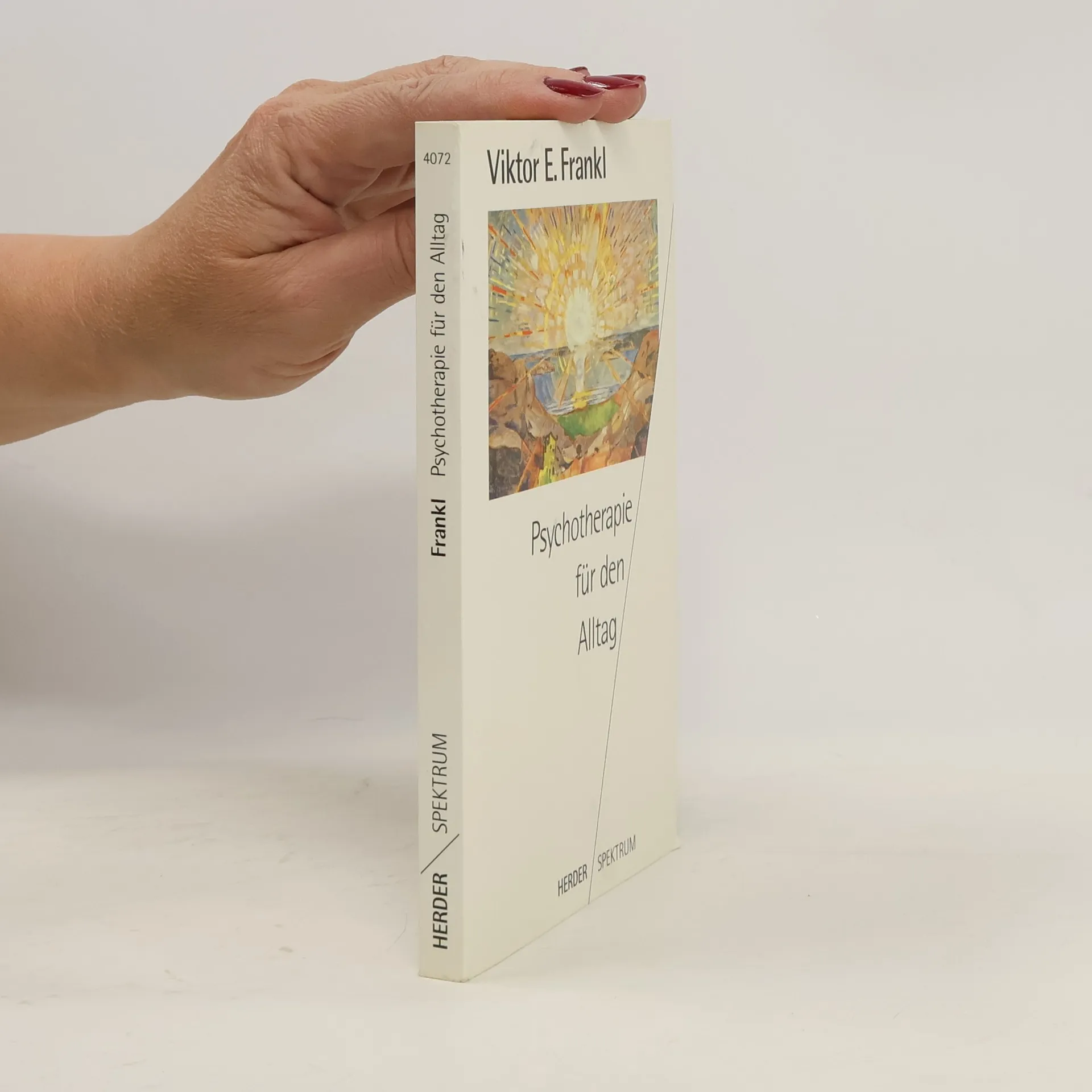
Psychotherapie für den Alltag
- 170 pages
- 6 hours of reading
Liebe, Melancholie, Überlastung und Stress, Altern und Reifen, das Verhältnis von Leib und Seele - es sind Lebensthemen wie diese, die das Zentrum dieses Buches ausmachen.
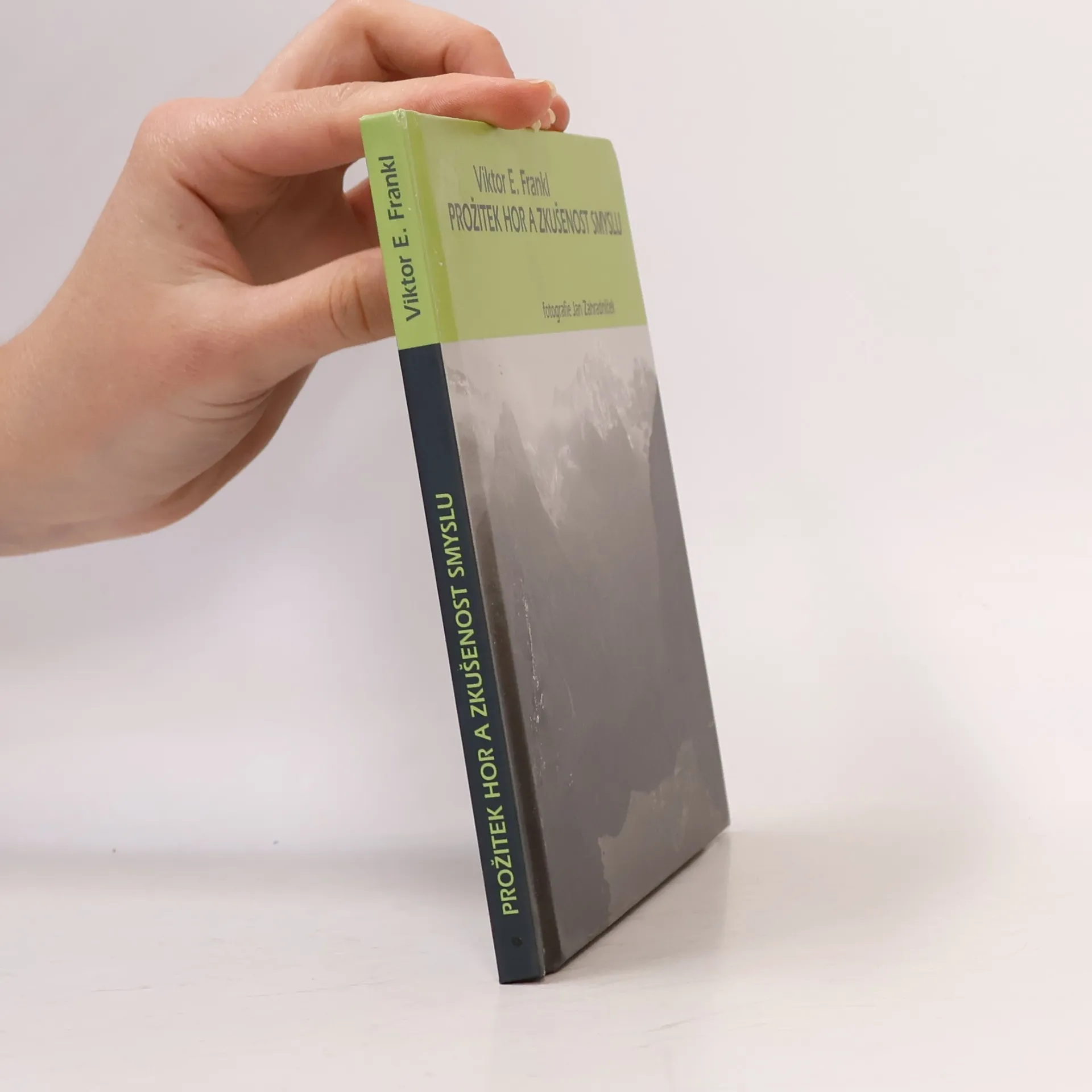
Strach z lezení působil na známého neurologa a psychiatra jako koření života. "Copak si člověk musí od sebe nechat všechno líbit? Nemůže být silnější než strach? V horách dostávají myšlenky volný průběh a vlastně není žádné větší podstatné rozhodnutí v mém životě, které bych tam neučinil." Veškeré zážitky, za které jsme horám a stěnám a horským hřbetům vděčni, se podle Frankla svážejí a ukládají jako životní úroda do stodol, kde jsou chráněny před pomíjivostí. Hluboké myšlenky k horolezectví jsou doplněny působivými snímky Jana Zahradníčka.
Човекът в търсене на смисъл
- 200 pages
- 7 hours of reading
Поколения читатели откриват вдъхновение и смелост в малката книжка на Виктор Франкъл, който описва живота си в нацистките концентрационни лагери и научените там уроци за духовно оцеляване. Въпреки годините на страдание в лагерите, където загиват всичките му близки - майка му, баща му, брат му и бременната му съпруга, - Виктор Франкъл не престава да вярва, че животът има смисъл. Дори когато сме изгубили всичко, когато ни измъчват глад и студ и сме подложени на нечовешко отношение, дори и тогава вътрешната сила на човека може да го издигне над външната му участ, твърди Франкъл. Защото на човека може да се отнеме всичко, освен едно: последната човешка свобода да избере своето отношение при всякакви обстоятелства, да избере свой собствен път.
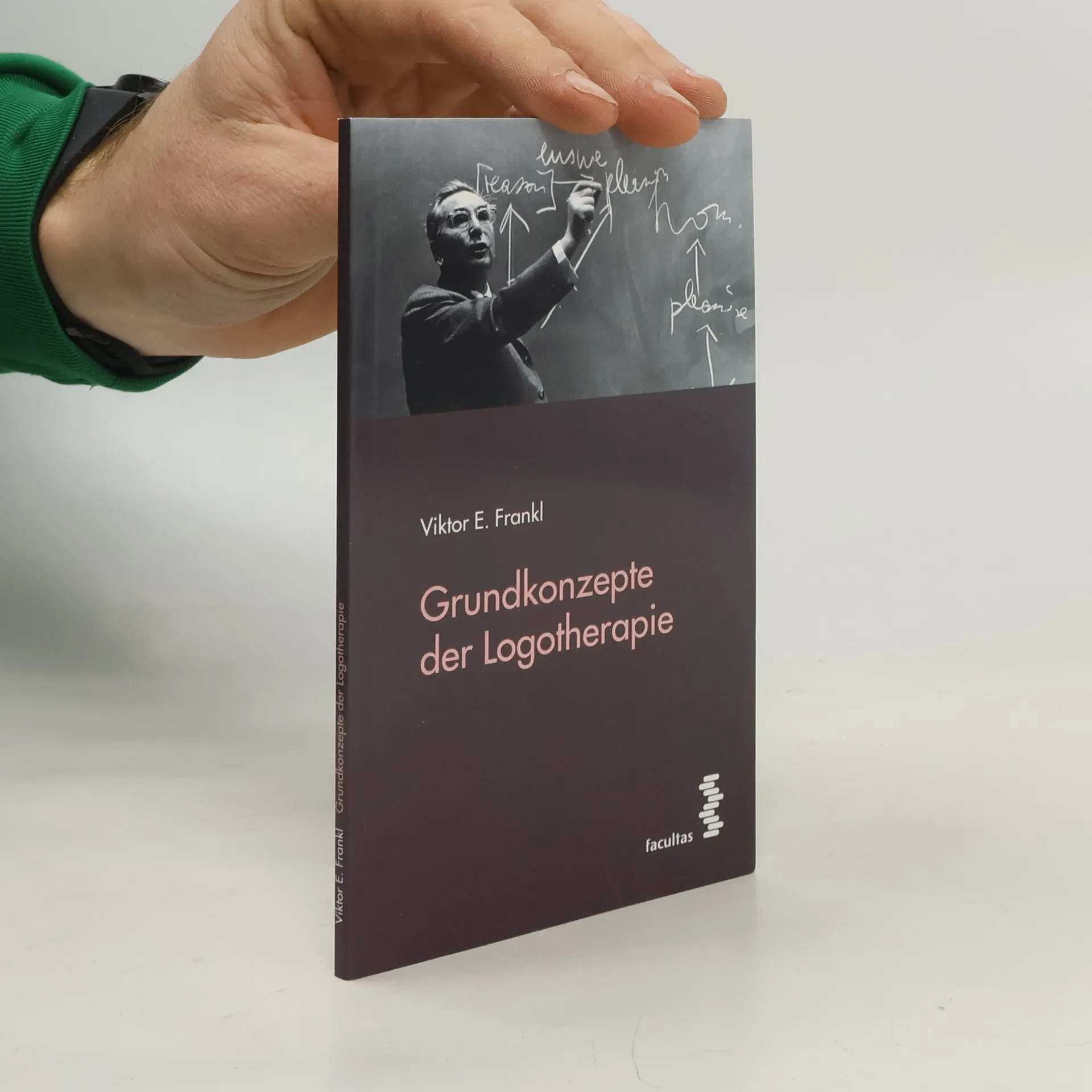
Die englische Ausgabe des Buches „. trotzdem Ja zum Leben sagen“ von Viktor E. Frankl erschien 1959 unter dem Titel „Man’s Search for Meaning“. Um seinen angelsächsischen LeserInnen die Konzepte der Logotherapie nahezubringen, fügte Frankl ab 1962 ein Kapitel „Basic Concepts of Logotherapy“ hinzu, das er später mit der weniger trockenen Überschrift „Logotherapy in a Nutshell“ versah. Diese konzise und authentische Kurzdarstellung von Frankls sinn- und ressourcenorientiertem psychotherapeutischen Ansatz lag bisher nicht in einer deutschen Fassung vor. Mit dem vorliegenden Buch wird diese Lücke geschlossen. Ein Gegenstück zu dem aus dem Englischen erst „rückübersetzten“ Grundriss der Logotherapie bildet der Aufsatz „Zur geistigen Problematik der Psychotherapie“, der 1938 in einem deutschsprachigen Fachjournal erschien. Es war dies die erste Publikation, in der Frankl die Begriffe „Logotherapie“ und „Existenzanalyse“ verwendete; allerdings hatte er schon lange davor in Vorträgen „eine Art Logotherapie“ gefordert. Die InteressentInnen sind SchülerInnen, Studierende und Lehrende der Psychologie, Pädagogik, Medizin, Psychotherapie sowie interessierte Laien.
Frankls Buch über die «anthropologischen Grundlagen der Psychotherapie» ist zu einer Art Klassiker der Logotherapie geworden. Der Autor zeichnet darin ein umfassendes und doch «durchkomponiertes» Bild des Menschen, das weit über die gängigen psychologisch-anthropologischen Modelle hinausführt und in die Dimension des spezifisch humanen Phänomens vordringt. Das Buch enthält zwei Frühwerke von Frankl («Homo patiens» und «Der unbedingte Mensch») und eine Reihe neuerer Arbeiten, die zeigen, wie sich Frankls Anschauungen weiterentwickelt haben. Auf diese Weise ist das Buch zu einer im besten Wortsinn interdisziplinären Synopsis geworden, welche die zeitlosen Probleme des Menschen deutlich werden lässt.
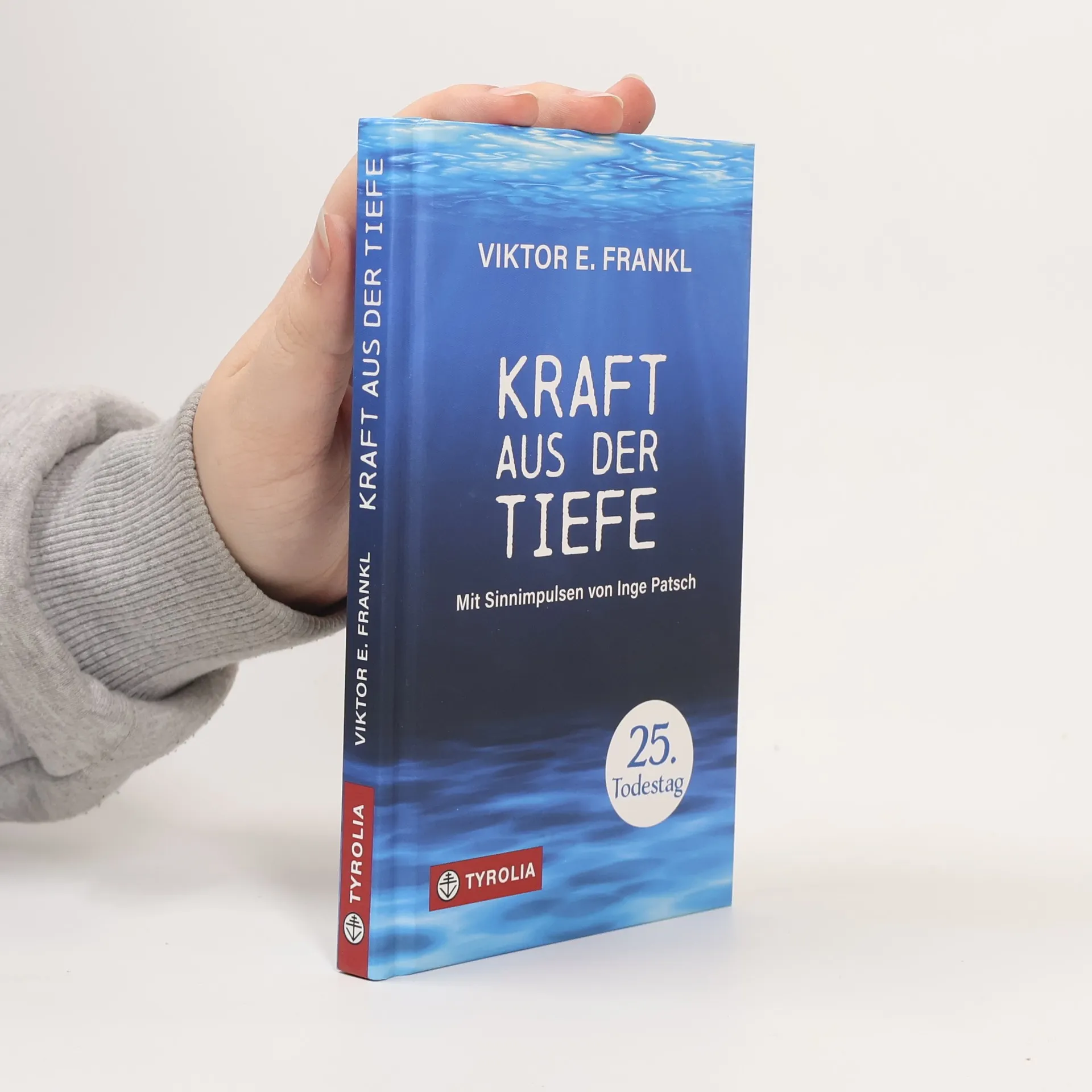
Kraft aus der Tiefe
Mit Sinnimpulsen von Inge Patsch. 25 zentrale Aussagen von Viktor Frankl, ausgewählt und kommentiert.
Wofür es sich zu leben lohnt Inspirierende Texte, die stärken und Orientierung geben Viktor E. Frankls hinterließ als Arzt und KZ-Überlebender mit seiner Lehre der Logotherapie und Existenzanalyse ein großes Erbe, das in der psychologischen und medizinischen Forschung sowie in vielen Psychotherapierichtungen Anerkennung findet und in zahlreichen Neuerscheinungen bei Lebensorientierungsbüchern auf ungebrochenes Interesse stößt. Für dieses Buch zum 25. Todestag des großen „Sinnstifters“ hat Inge Patsch Auszüge aus seinen Werken ausgewählt und dazu 25 Sinnimpulse verfasst. Entstanden sind kurze, persönlich gehaltene Texte, die zeigen, wie alltagstauglich Frankls Sinnlehre besonders in unserer Zeit ist. Die Tirolerin, die im Frühjahr 2022 ihren 70. Geburtstag feierte, blickt als Logotherapeutin und Autorin auf eine langjährige Erfahrung zurück, mit der sie Menschen ermutigt, zu sich selbst und zum Leben JA zu sagen. Tipp: Logotherapie – eine bewährte Lebensorientierung Schön gestaltetes Geschenkbuch
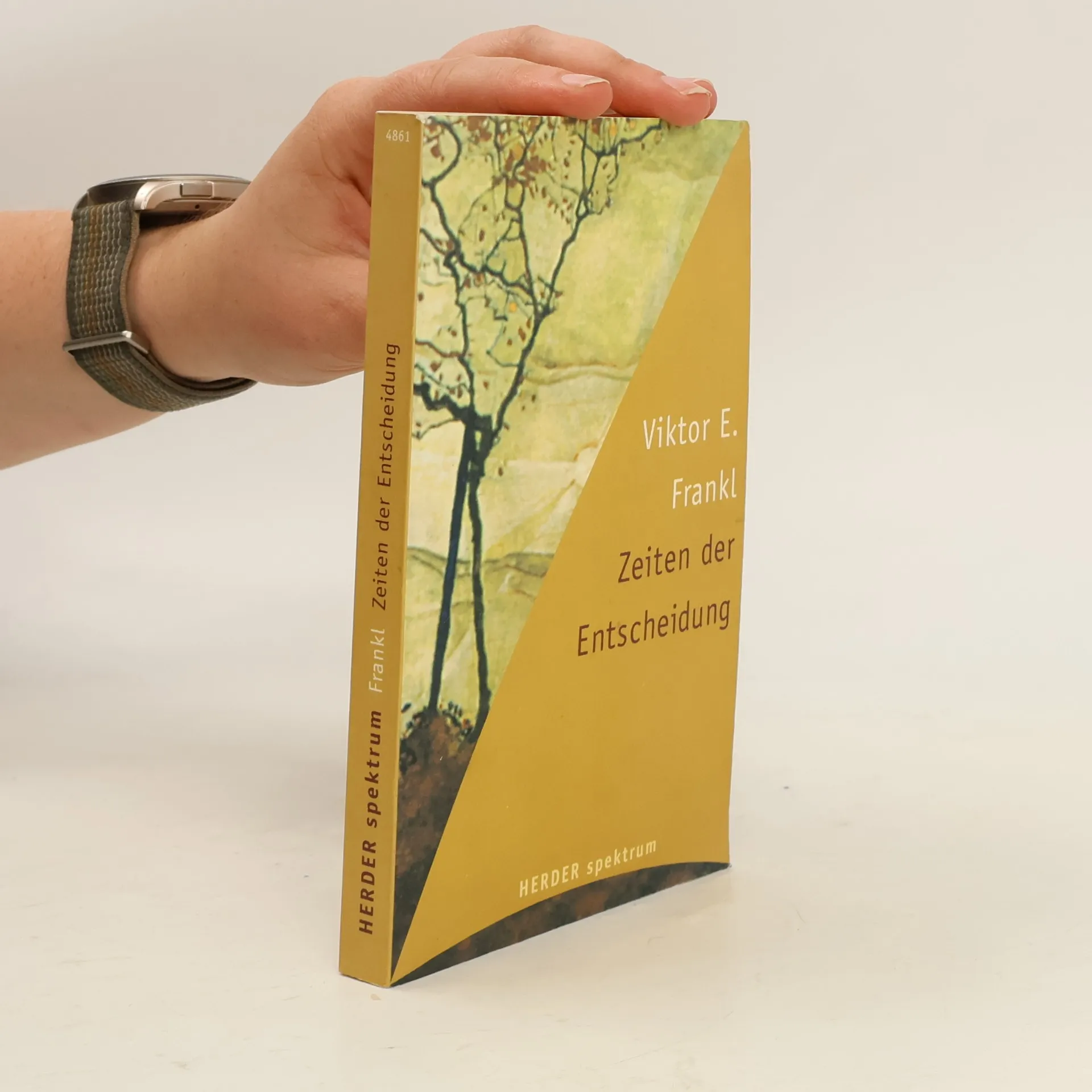
Zeiten der Entscheidung
- 220 pages
- 8 hours of reading
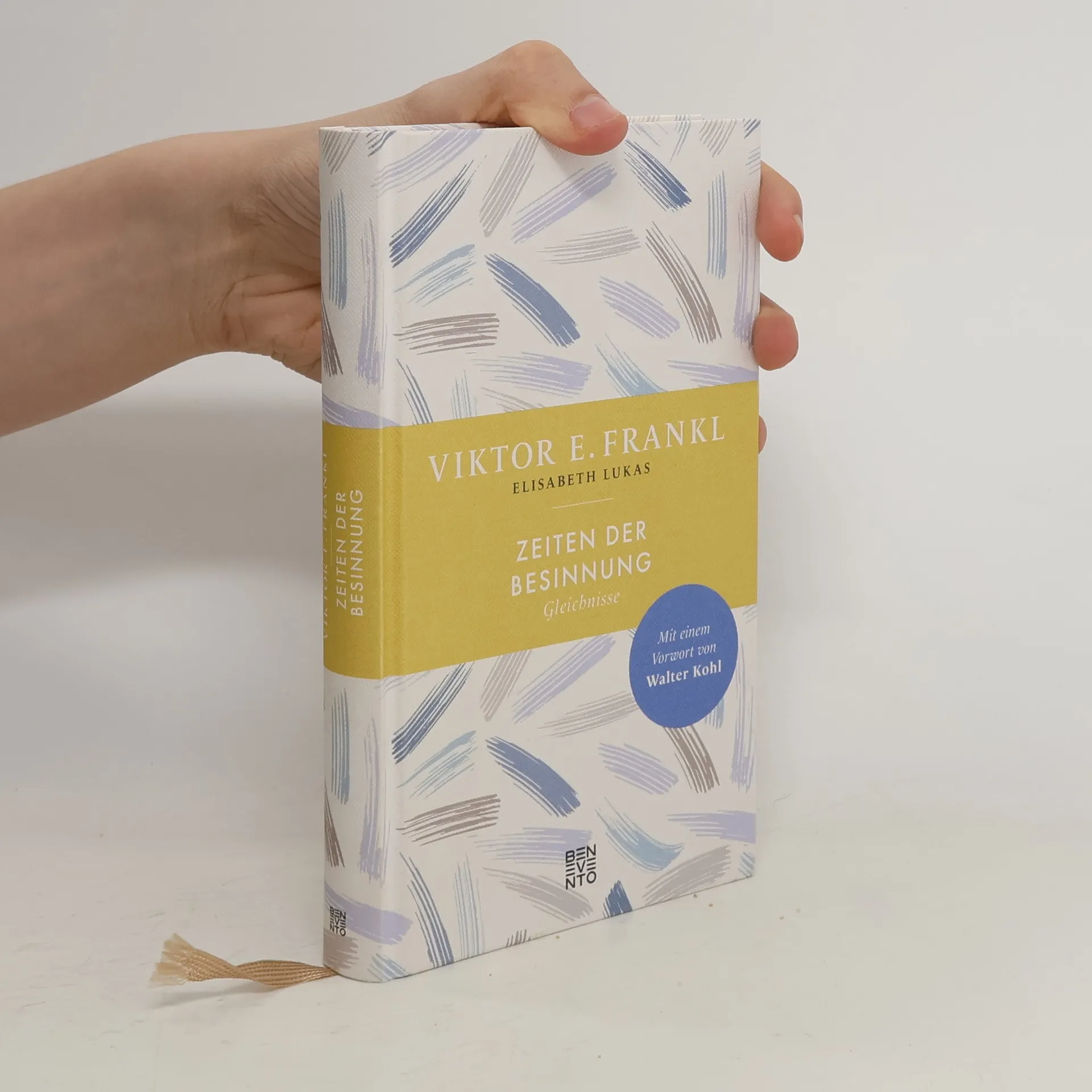
Hoffnung und Zuversicht trotz Lebenskrise: Auf Sinnsuche mit Viktor Frankl Viktor Frankl, der unfassbares Leid in Konzentrationslagern erlebte und seine Familie verlor, blieb zeitlebens ein Menschenfreund und meisterte jede Krise. Als Begründer der Logotherapie nutzte er Alltagsgleichnisse, um die Bedeutung der Selbsttranszendenz für die Sinnfindung zu verdeutlichen. Elisabeth Lukas, seine bekannteste Schülerin, hat in diesem Buch die eindrücklichsten Gleichnisse zusammengestellt und kommentiert. Das Grundprinzip der Logotherapie wird beleuchtet: Wie begegnen wir dem Leben als Befragte, nicht als Fragesteller? Die wichtigsten Gleichnisse, durch die Frankl Werte vermittelte, werden neu aufgelegt und erläutert. Zudem wird die Bedeutung kurzer Geschichten für die Persönlichkeitsentwicklung thematisiert. Lukas hebt hervor, dass viele Erkenntnisse in Frankls Schriften zeitlos und aktueller denn je sind. Ihre kenntnisreichen Ergänzungen verdeutlichen die Relevanz von Frankls Denken in der heutigen Zeit. Die bibliophil ausgestattete Buchreihe aus dem Benevento Verlag macht Frankls Lehren für ein neues Publikum zugänglich, das von seinen Gleichnissen lernen kann. Lebenskrisen meistern, anstatt an ihnen zu verzweifeln: Frankls Worte zeigen Wege auf, wie Mut und Hoffnung bewahrt werden können!
Die schönsten Texte Viktor E. Frankls Die Logotherapie befähigt Menschen in belastenden Situationen und mit schwer lösbaren Problemen, Sinn im Leben neu zu entdecken. Diese positive und humane Psychotherapie geht zurück auf Viktor E. Frankl (1905–1997). Der große Arzt, Therapeut, Schriftsteller und international renommierte Lehrer würde am 26. März 2005 einhundert Jahre alt werden. Aus diesem Anlass hat Elisabeth Lukas, seine bedeutendste Schülerin, die schönsten, tief poetischen, ja mystischen Texte aus Viktor E. Frankls Gesamtwerk zusammengestellt. Das Wesen und die Grundlagen der Logotherapie hat Frankl immer wieder in Gleichnissen verdichtet. Erstmals sind diese Grundtexte der Logotherapie im Überblick greifbar. Elisabeth Lukas kommentiert die Gleichnisse Frankls und schließt deren Bedeutung für heute auf. Ein kostbares Lesebuch für alle, die nach Lebenssinn suchen. Hilfreich für alle, die die Seelenheilkunde nach Viktor E. Frankl schätzen oder kennen lernen wollen.
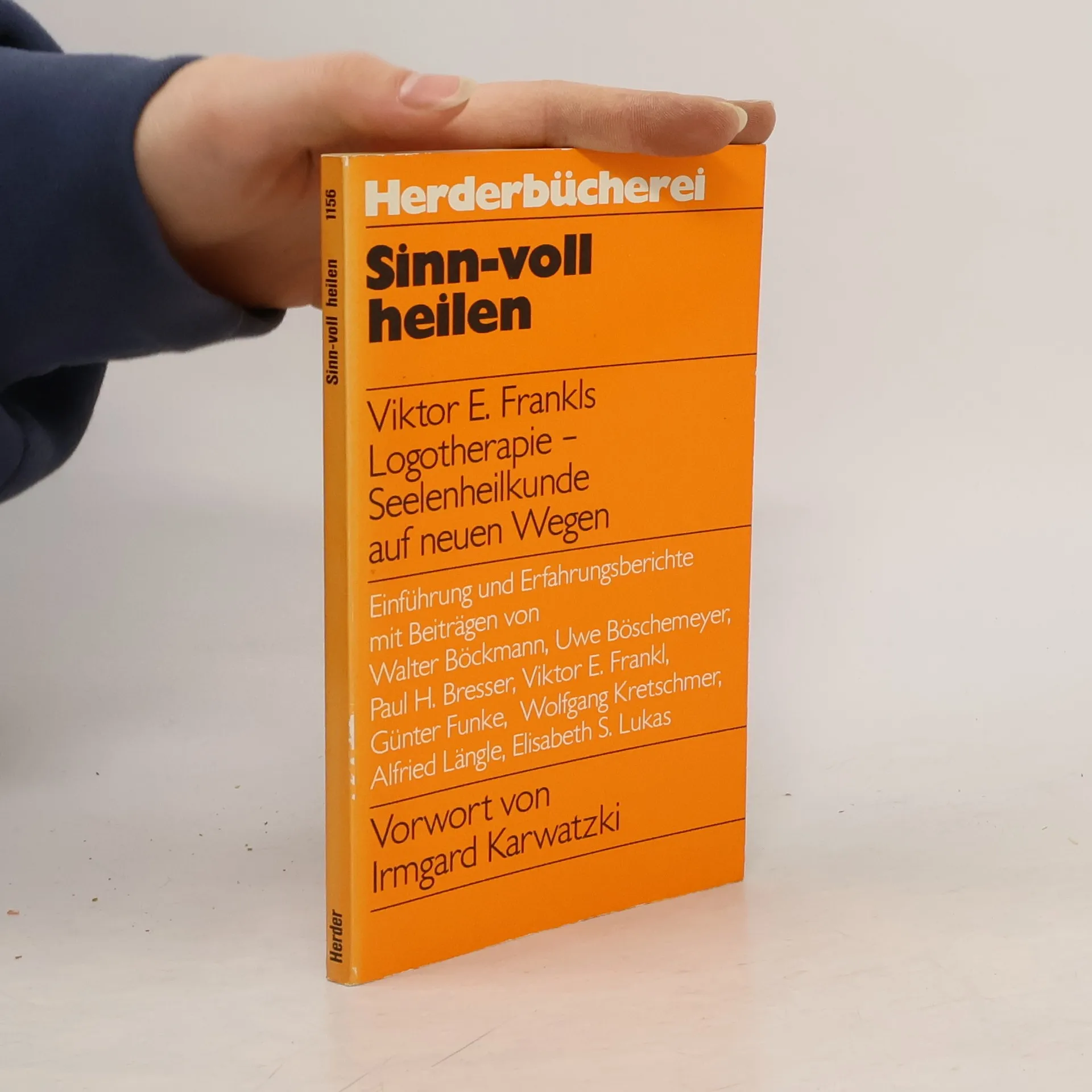
Sinn-voll heilen
- 158 pages
- 6 hours of reading
Die Psychotherapie in der Praxis
- 304 pages
- 11 hours of reading
Es ist ein Buch über Sinn, Leiden und existenzielle Leere. Der Autor erklärt die existenzielle Analyse und Logotherapie.
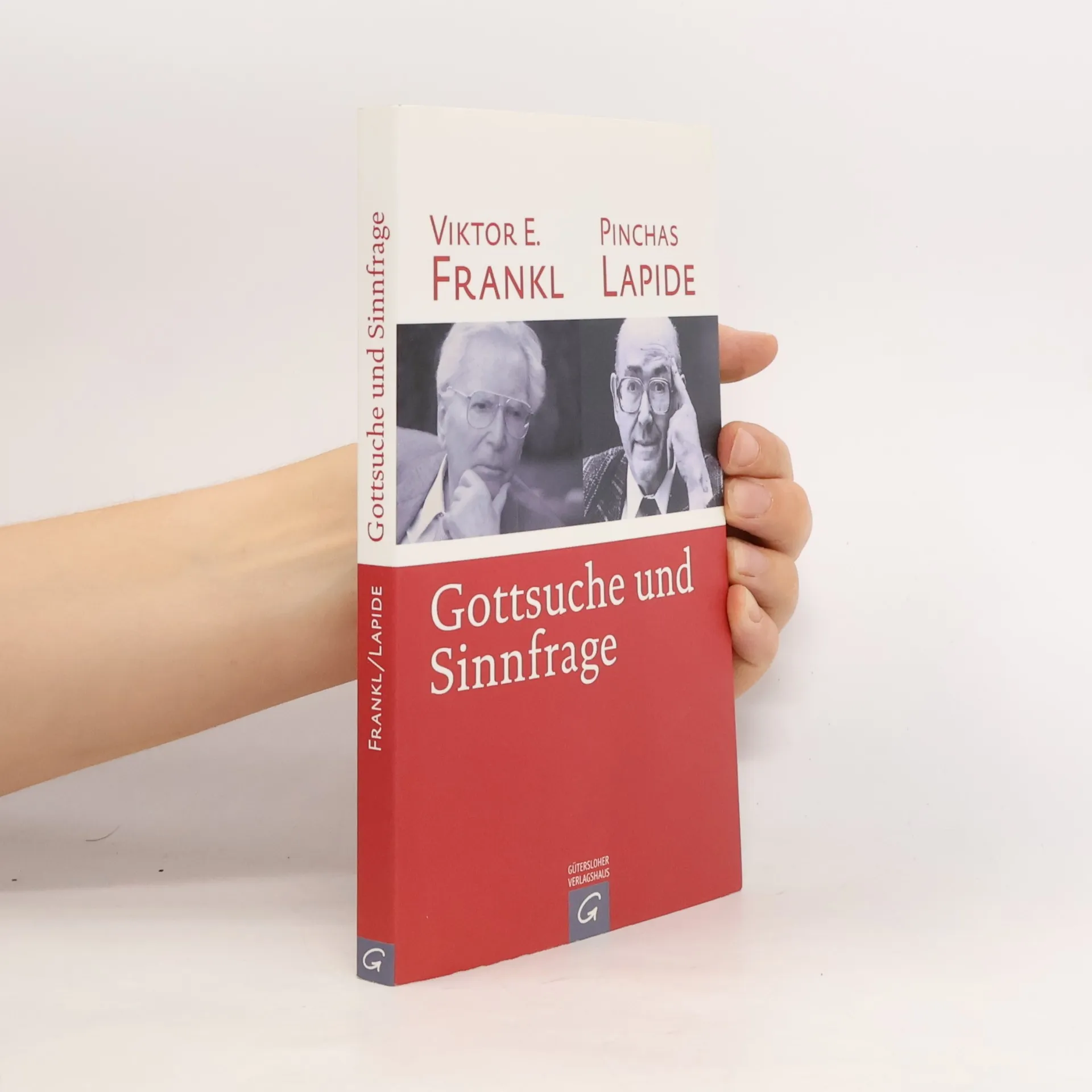
Ein Interdisziplinärer Dialog über Fragen der Sinnstiftung für das menschliche Leben - Ein lange verschollenes Dokument einer spannenden Begegnung - Zum 100. Geburtstag von Viktor E. Frankl am 5. März 2005 Der Psychotherapeut V. E. Frankl und der jüdische Theologe P. Lapide gestalteten 1984 in Wien einen interdisziplinären Dialog über Heil und Heilung des Menschen, der bislang unveröffentlicht blieb. Der besondere Reiz dieses Bandes liegt in dem Bestreben der beiden Autoren, sich ganz für die Perspektive der jeweils anderen Disziplin zu öffnen und ihr Wissen ausschließlich in den Dienst der Suche nach Wahrheit zu stellen. Dabei begegnen sich die beiden praktizierenden Juden immer wieder auf dem Boden ihrer persönlichen religiösen Erfahrung und in Bezug auf prägende, lebensgeschichtliche Ereignisse wie dem Holocaust. Fundamentale, existentielle Fragestellungen wie Leid und Schuld aber auch Liebe und Lebenssinn kommen hier in beeindruckender Tiefe zur Sprache.
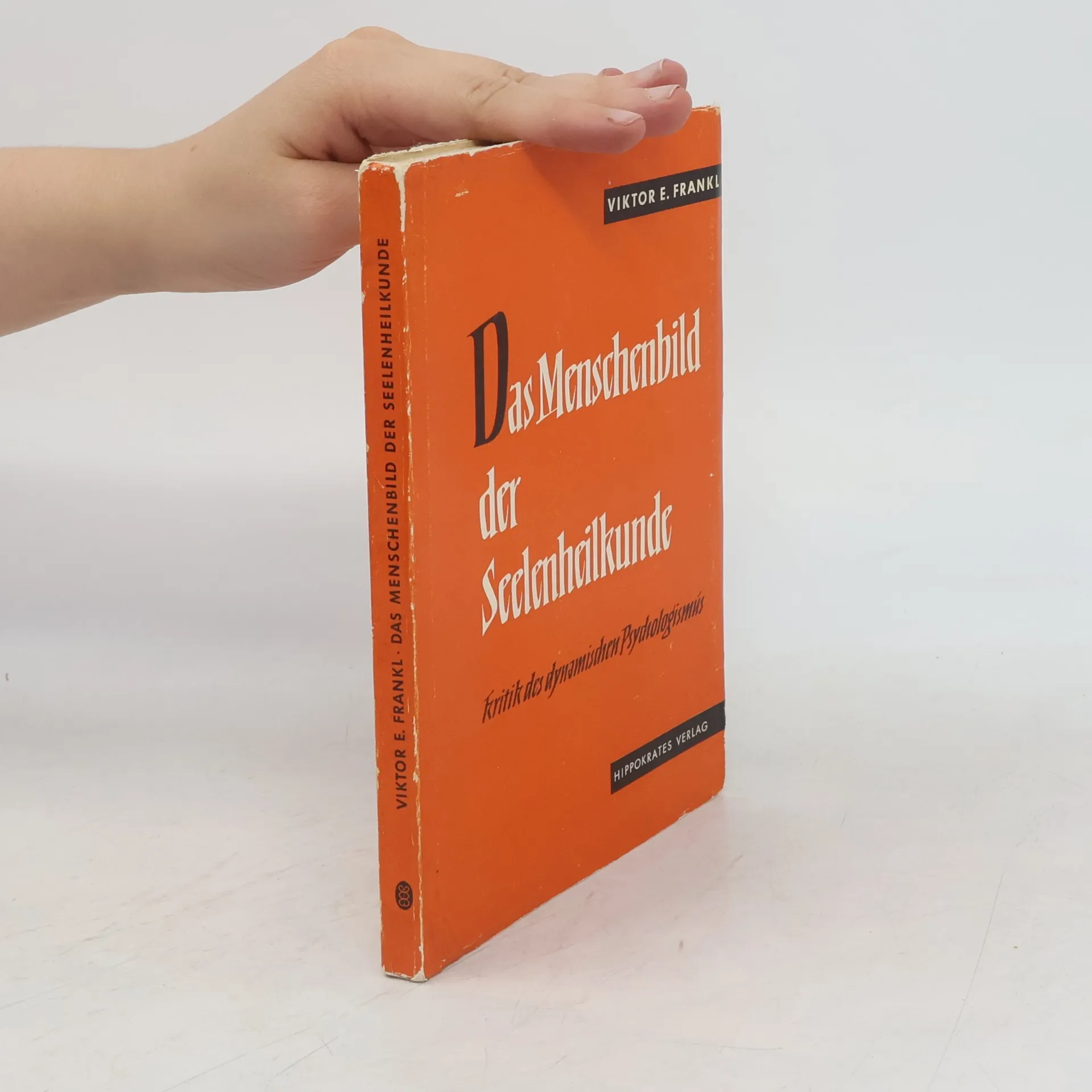
Dieses Buch bietet einen Querschnitt durch das gesamte publizistische Werk des Autors auf dem Gebiet der Psychotherapie und ihrer anthropologischen Grundlagen.'
La sofferenza di una vita senza senso
- 136 pages
- 5 hours of reading
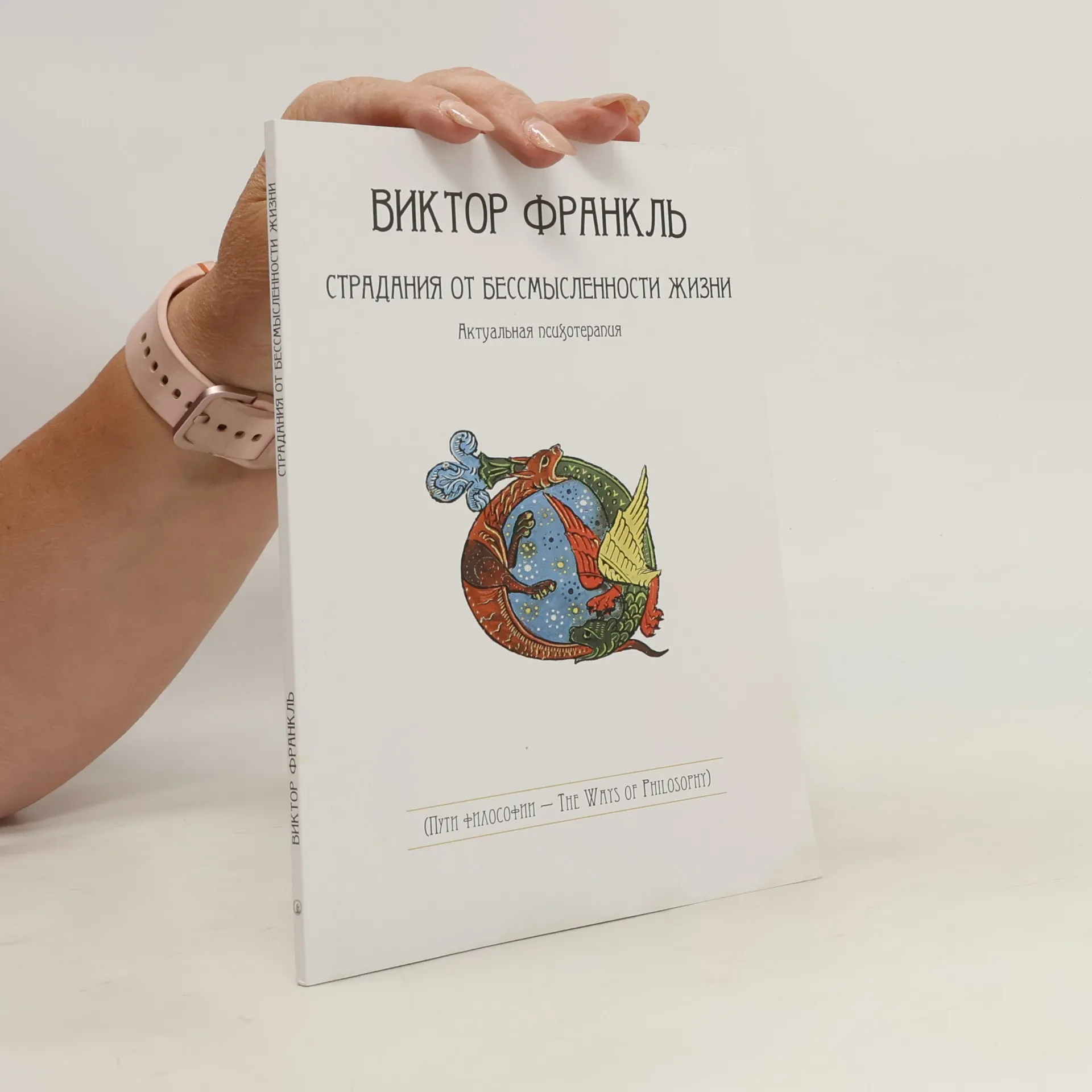
Chi pensa che la vita umana debba procedere da un successo all'altro è come un stolto che osserva un cantiere, sorpreso che si scavi in profondità per costruire una cattedrale. Ogni persona ha bisogno di un senso nella vita che le dia direzione e prospettiva, permettendo di condurre un'esistenza sana dal punto di vista psicologico. Senza una risposta alla domanda "perché?", soffriamo. Questo vuoto paralizzante è una malattia dei nostri tempi. Viktor E. Frankl ha sviluppato nel secolo scorso una concezione terapeutica chiamata logoterapia, ovvero la cura attraverso la ricerca di significato, che consente di affrontare efficacemente questa vacuità esistenziale. La sua opera offre una visione di questa concezione e, attraverso numerosi esempi, illustra come affrontare la sofferenza derivante dal vuoto esistenziale. Il libro raccoglie le conferenze tenute da Frankl a Varsavia, Zurigo e Monaco.
Was nicht in meinen Büchern steht
- 114 pages
- 4 hours of reading
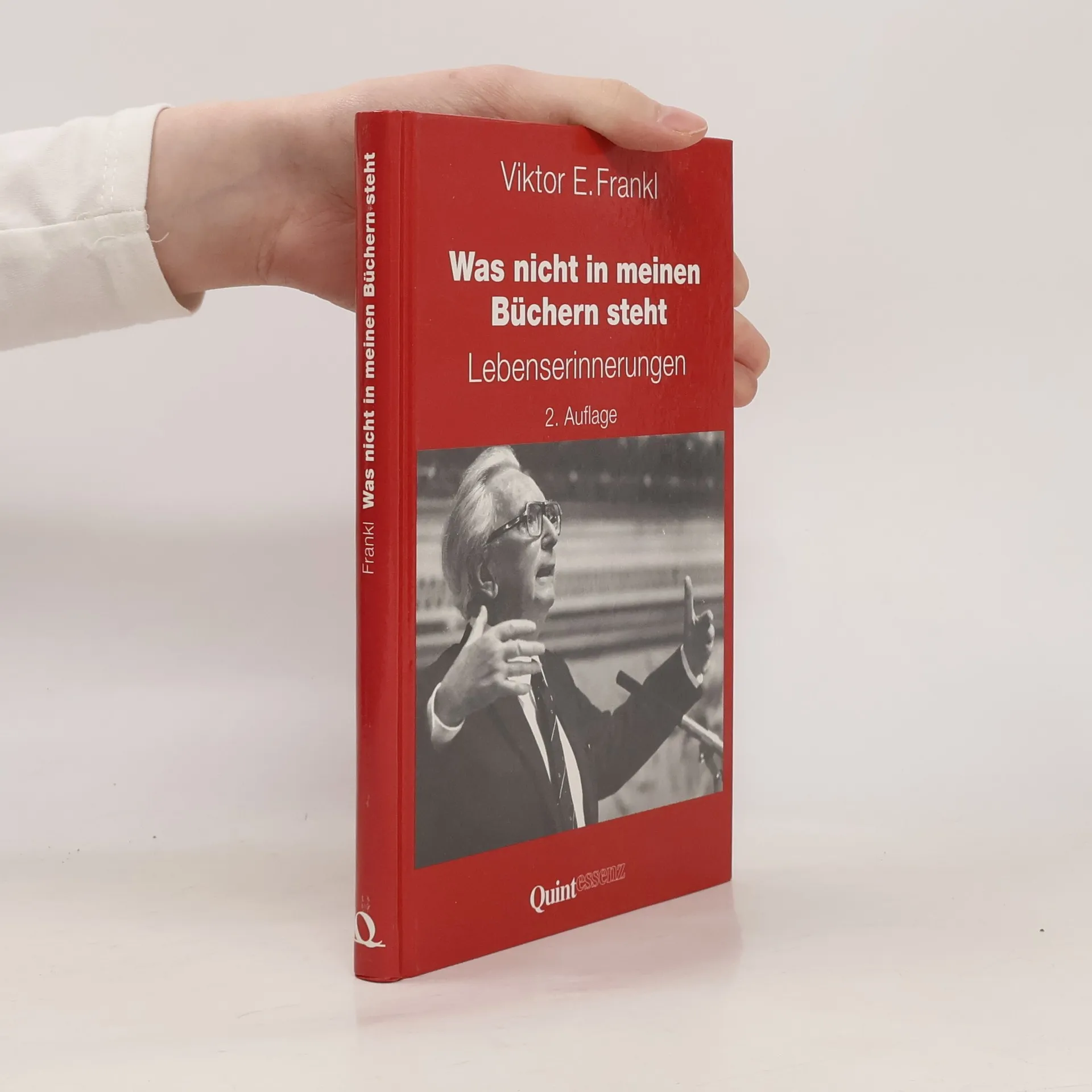
Der Klassiker »Was nicht in meinen Büchern steht« in neuer Ausgabe: Frankls Bericht aus Auschwitz hat Millionen Leser bewegt. Aber wie verlief sein Leben davor und danach? Wer ist der Mensch hinter den Büchern? In seiner Autobiografie erzählt der weltberühmte Psychologe von den Erfahrungen, die ihn zum Vordenker der Resilienzforschung und Begründer der sinnzentrierten Psychotherapie machten: sein jüdisches Elternhaus, die frühen Kontakte zu Sigmund Freud und Alfred Adler, sein Einsatz für selbstmordgefährdete Jugendliche und Widerstand gegen die Euthanasie der Nazis, politische Verfolgung, Deportation und die Rückkehr nach Wien, wo er fast sein ganzes Leben verbrachte. Zahlreiche Fotografien aus dem Familienarchiv ergänzen Frankls Erinnerungen, die trotz Verlust und Leid von Menschenliebe geprägt sind. »Wir sind es, die zu antworten haben auf die Fragen, die uns das Leben stellt. Und diese Lebensfragen können wir nur beantworten, indem wir unser Dasein selbst verantworten.« Viktor E. Frankl
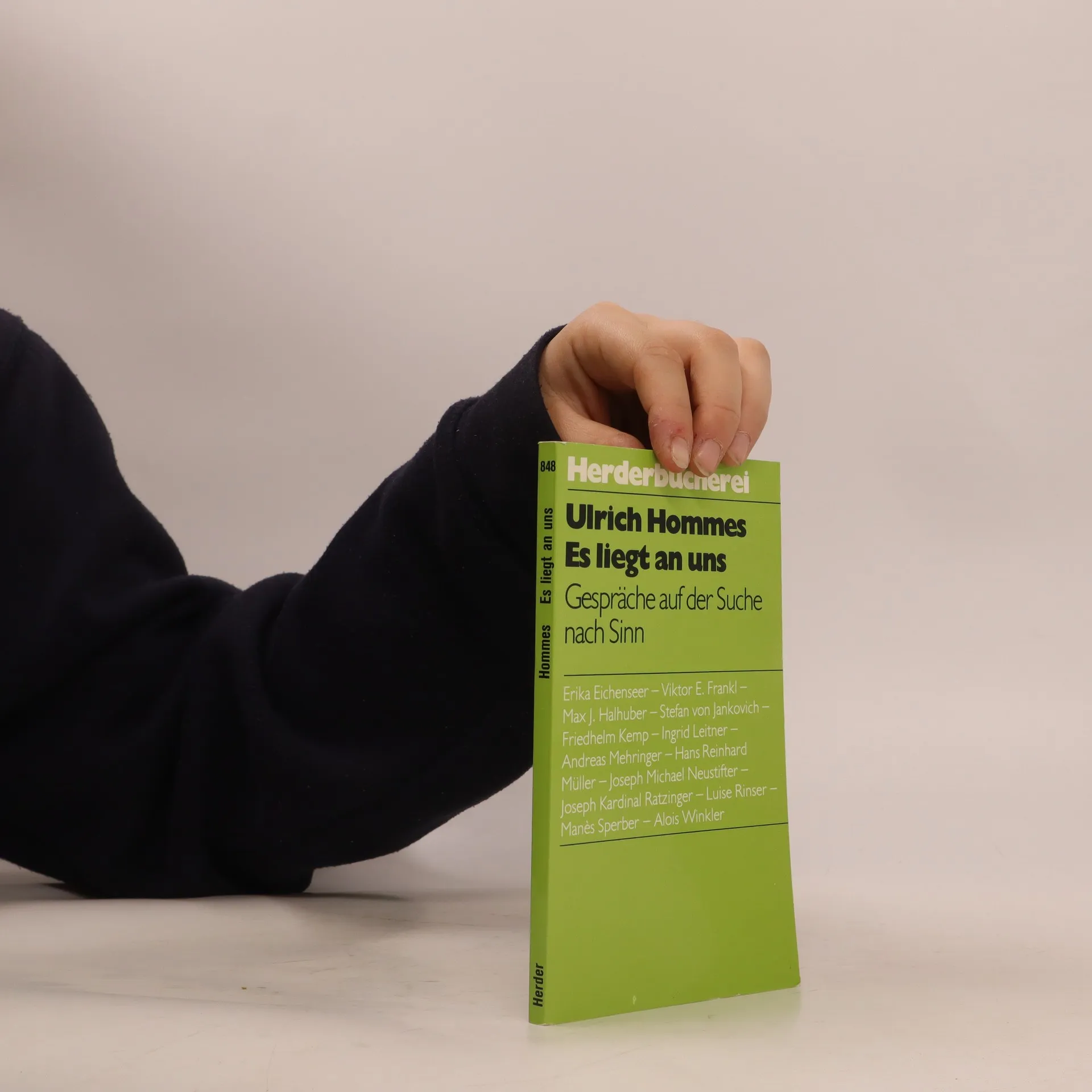
Ulrich Hommes. Erika Eichenseer ... / Herderbücherei ; Bd. 848 Orig.-Ausg. 1980 143 S. : Ill. ; 18 cm kart. Freiburg im Breisgau ; Basel ; Wien : Herder,
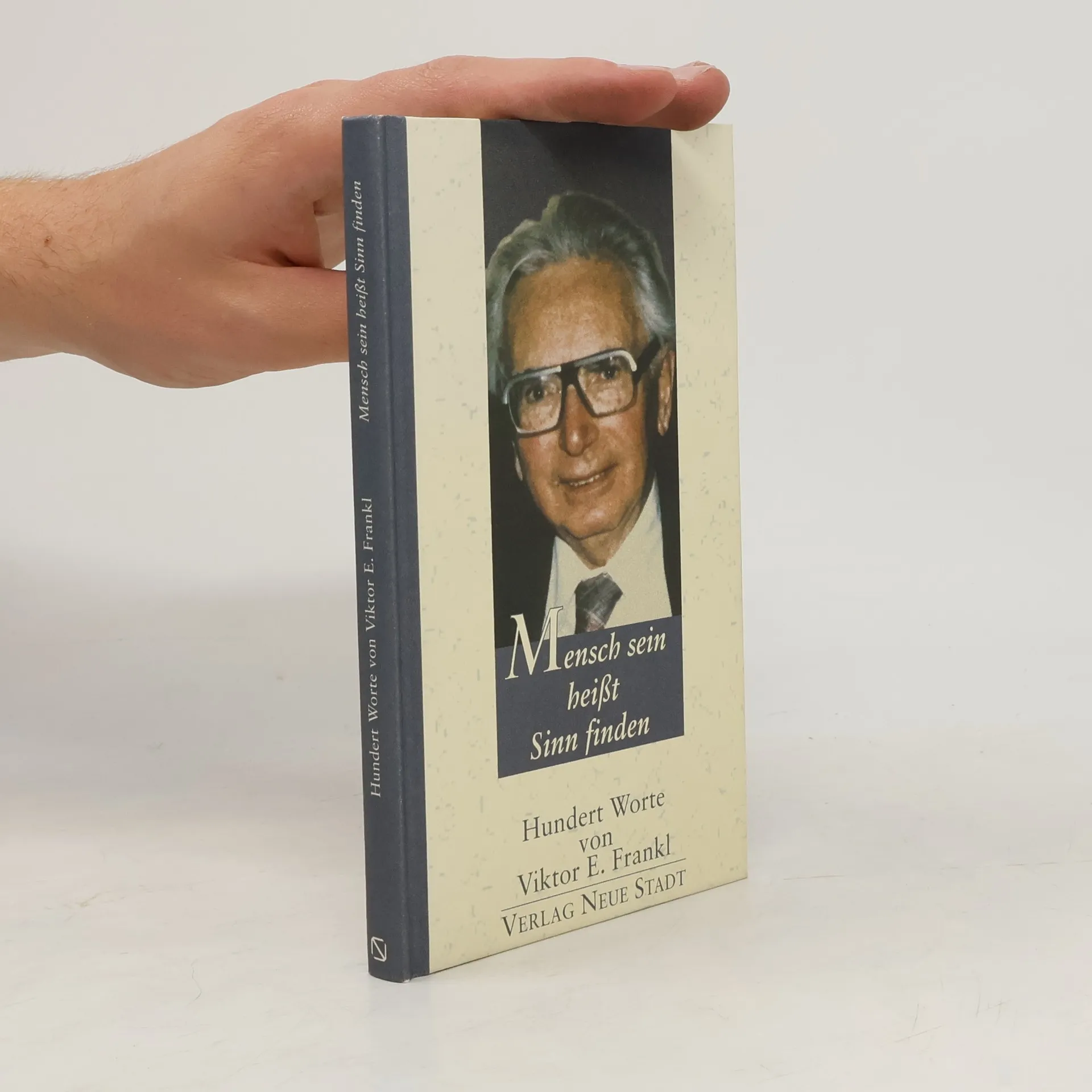
Mensch sein heißt Sinn finden : Hundert Worte von Viktor E. Frankl
- 100 pages
- 4 hours of reading
Eine Fundgrube der Lebensweisheit: ermutigende und heilsame Worte und Kurztexte des Begründers der „Logotherapie“. Ausgewählt und herausgegeben von Frankls bekanntester Schülerin.
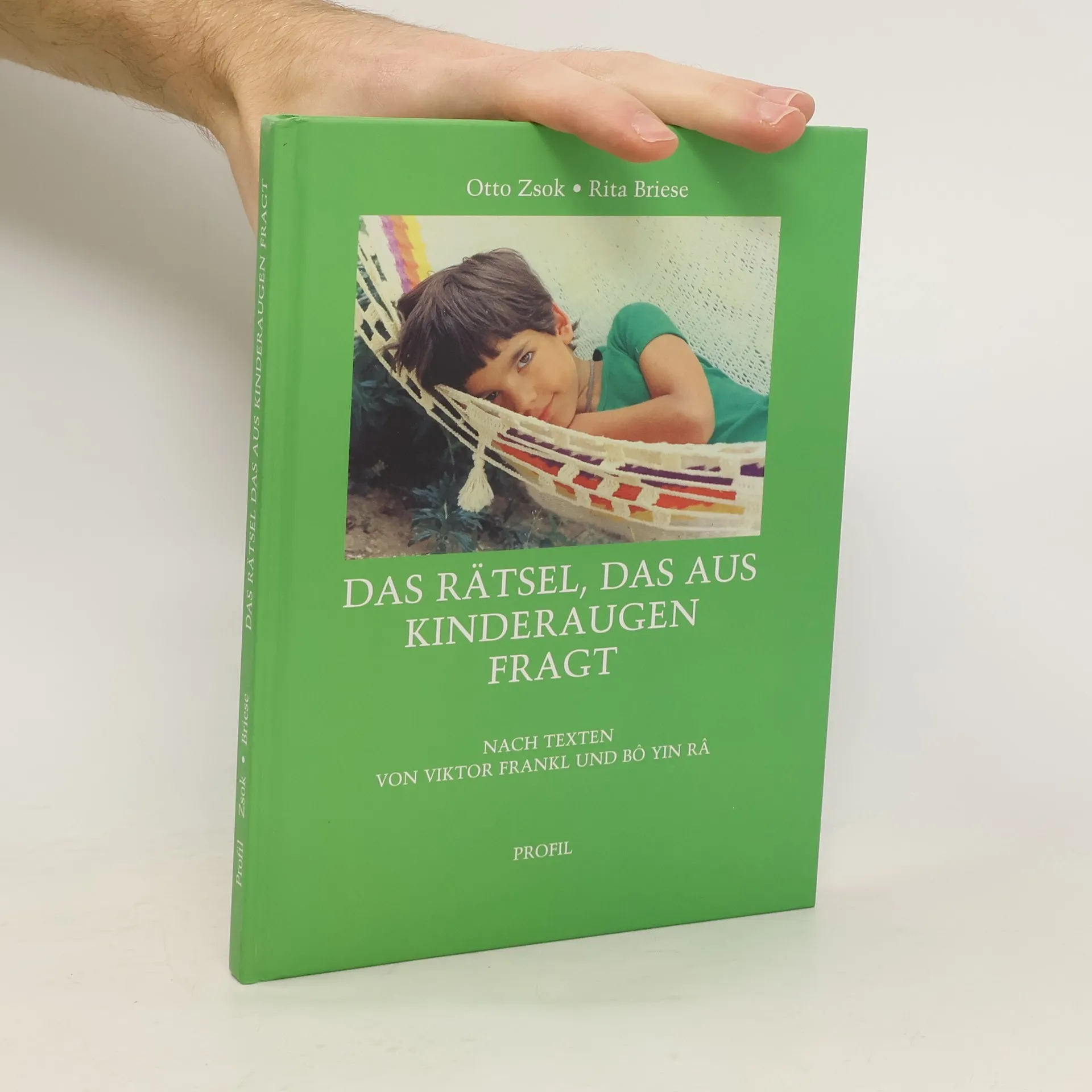
Das Rätsel, das aus Kinderaugen fragt
- 84 pages
- 3 hours of reading
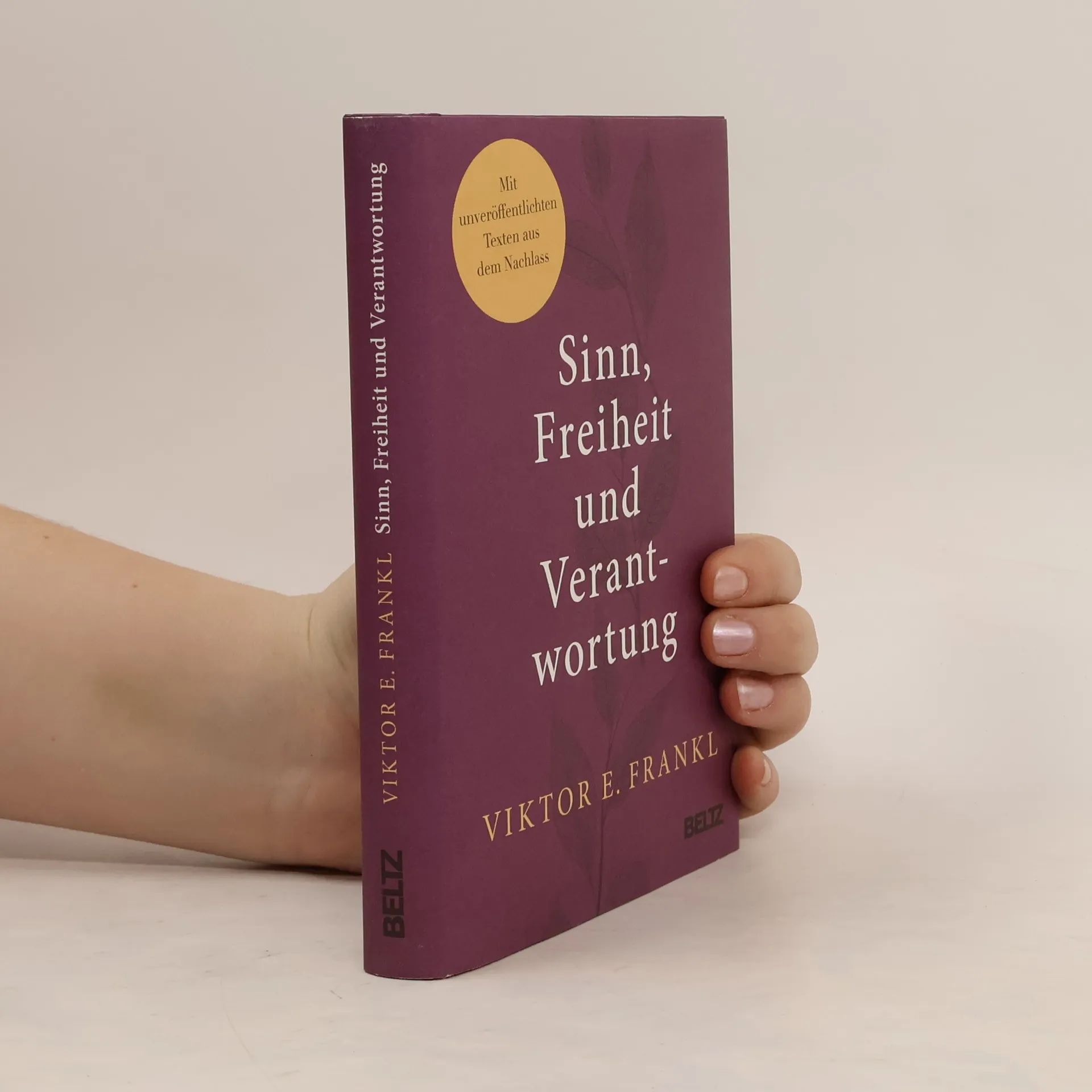
Sinn, Freiheit und Verantwortung
Mit unveröffentlichten Texten aus dem Nachlass
- 170 pages
- 6 hours of reading
Der weltberühmte Arzt und Psychologe hatte eine unerschütterlich optimistische Sicht auf den Menschen. Egal welche Umstände, Erbanlagen oder äußeren Einflüsse wir vorfinden: Das Wesentliche des Menschen ist seine Freiheit, und Sinn und Verantwortung, wie wir mit unserem Leben umgehen, liegen in unserer Hand. Frankls Nachdenken über die Folgen unserer Freiheit sind hoch aktuell: Wie sehr nehmen wir Einfluss auf die eigene Lebensgestaltung? Ergreifen wir Möglichkeiten und gestalten sinnvolle Gegenwart? Und achten wir dabei die Würde anderer und tolerieren ihre Ansichten? Drei der vier Texte wurden noch nie in einem Buch veröffentlicht. Es sind Gespräche und Vorträge aus dem Viktor Frankl-Archiv in Wien, die die ganze Wucht von Frankls Denken über Freiheit, Sinn und Verantwortung anschaulich machen. Für Frankl-Kenner, aber vor allem auch für Frankl-Entdecker: innen. Diese zum Teil wiederentdeckten philosophisch-psychologischen Texte sind von großer Wucht, sie sind Hoffnung und Trost, Mahnung und Warnung zugleich.
Ein Manifest für Vertrauen, Toleranz und Ethik – aktueller denn je. Was bedeutet Frieden und wie können wir ihn dauerhaft erreichen? Die Appelle in Viktor Frankls Reden sind über 70 Jahre alt, doch angesichts der aktuellen Kriege und Krisen, insbesondere in Europa, sind sie nach wie vor relevant. Die wichtigsten Reden Frankls versammeln sich in einem Band, der zum Nachdenken und Diskutieren über Menschlichkeit und Wege zu Frieden und Versöhnung anregt. Mit einem Vorwort von Wolfgang Schüssel und reflektierenden Texten prominenter Persönlichkeiten wird Frankls Aufruf zum Frieden historisch eingeordnet durch seine Weggefährtin Elisabeth Lukas. Trotz seiner traumatischen Erlebnisse im Holocaust, wo er seine Familie verlor und dem Tod entkam, fand Frankl den Weg zur Vergebung und Menschlichkeit. Er forderte, im Sinne des Friedens keine Unterscheidungen zwischen Völkern zu treffen, sondern die Menschheit nur zwischen Menschen und Un-menschen zu differenzieren. Seine Appelle an Psychologie und Politik sind neu aufgelegt und wirken zeitgemäß. Dieses inspirierende Werk mit Frankls Ansätzen bietet einen wichtigen Impuls für eine bessere Zukunft unserer Welt.
Viktor Frankl ist als Begründer der „Dritten Wiener Schule der Psychotherapie„ bekannt, die er selbst mit dem Doppelbegriff „Logotherapie und Existenzanalyse“ bezeichnete. Weniger bekannt ist, dass Frankl in den Zwanziger- und Dreißigerjahren Pionier der Jugendberatung und Selbstmordverhütung war. Gerade die Auseinandersetzung mit den Nöten der Jugend und die reichen Erfahrungen seiner Beratungspraxis bildeten aber die Grundlage für die Entwicklung einer sinnzentrierten Psychotherapie, die den Menschen in seiner Würde und seiner Verantwortlichkeit ernst nimmt. In seinen frühen Veröffentlichungen lernen wir Frankl als einen jungen Mann kennen, der sich auf die intellektuellen Strömungen seiner Zeit einlässt – um sie letzten Endes hinter sich zu lassen. Zugleich weisen diese Texte angesichts der Gegenwartsprobleme eine überraschend hohe Aktualität auf, sind also nicht nur ideenhistorisch zu lesen, sondern als eigenständiger Beitrag zur zeitgenössischen Psychologie und ihrer Grenzgebiete.
Bisher unveröffentlichte Texte des Psychotherapeuten und Begründers der Logotherapie, Viktor E. Frankl, spiegeln eindrucksvoll die ungebrochene Bereitschaft, jeder Krisensituation im Leben mit der Frage nach dem „Wie?“ zu begegnen. Vor dem Hintergrund neuer Berichte Frankls über das Erlebte im Konzentrationslager bekommt diese Bereitschaft eine existenziell radikale Dimension. Frankl antwortet in den Texten auf Fragen nach Menschenwürde, Versöhnung, Kriegsfolgen und Daseinsfragen in der ihm eigenen Philosophie. Herausgegeben werden die Texte von Professor Alexander Batthyány. Er leitet das Viktor Frankl Institut in Wien und arbeitet zusammen mit DDr. h. c. Eleonore Frankl den privaten Nachlass Viktor Frankls auf. Ausstattung: Mit zahlreichen Faksimile
In dieser Schrift, die sich mit der Frage nach dem Sinn des Lebens beschäftigt, versucht Viktor E. Frankl, Lösungen für die Verzweiflung und Hoffnungslosigkeit zu finden, in die der Mensch aufgrund seines Unvermögens, den Sinn des Lebens, der Welt und des Daseins zu begreifen, hineingeraten kann. Frankl zufolge besteht die Lösung oder Therapie darin, den Sinn im konkreten Leben zu finden; wir müssen vermeiden, die Rolle und den Platz von Schmerz, Hoffnungslosigkeit, Krankheit und Tod in diesem Sinnbildungsprozess zu leugnen. Sinn ist die Antwort, die das Leben auf die Fragen gibt, die ihm gestellt werden. Frankl, der von den Nazis in Konzentrationslager gesperrt und seine Familie in Gaskammern verloren hat, beschreibt in flüssiger Sprache, wie selbst am tiefsten Punkt des Abgrunds der Sinn als Teil der unzerstörbaren menschlichen Freiheit Widerstand leisten kann. Der Leser wird in diesem Buch eine Therapiephilosophie finden. Eine nicht anstrengende, aber anspruchsvolle Philosophie.
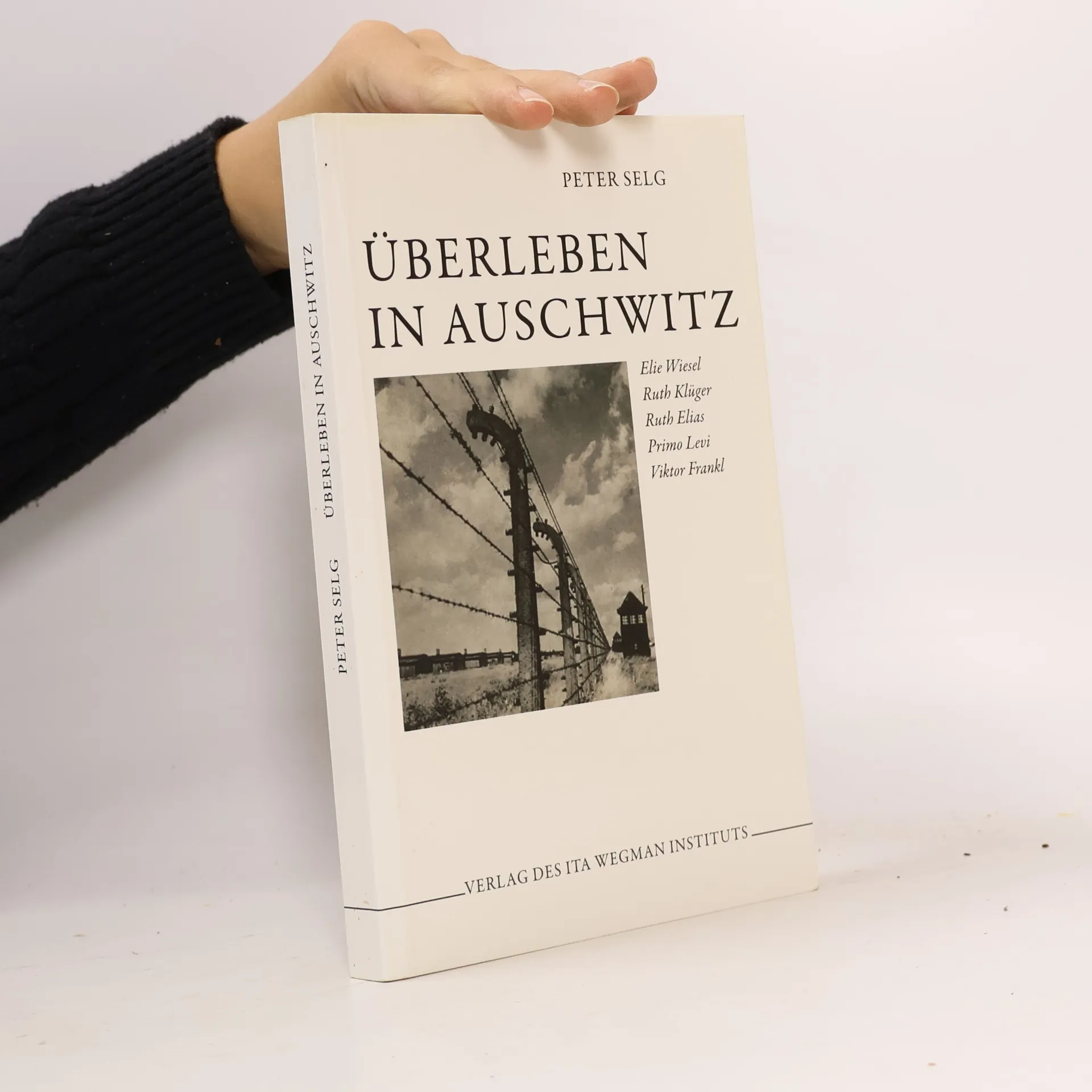
Überleben in Auschwitz
- 173 pages
- 7 hours of reading
«Die Tatsache, dass ich überlebt habe und unbeschadet heimgekehrt bin, ist meines Erachtens hauptsächlich dem Glück geschuldet … Vielleicht hat mir auch mein nie erlahmendes Interesse am menschlichen Geist geholfen und mein Wille, nicht nur zu überleben (den teilten viele), sondern zu überleben mit dem konkreten Ziel, zu erzählen, was wir erfahren und durchgemacht haben. Und schließlich hat dabei vielleicht auch der von mir hartnäckig bewahrte Wille mitgespielt, stets, auch in düsteren Tagen, in meinen Gefährten und in mir selbst Menschen zu erkennen und keine Dinge und mich somit jener Erniedrigung und Demoralisierung zu entziehen, die viele in den geistigen Schiffbruch geführt hat.» (Primo Levi) Das Buch berichtet von den Überlebenswegen von fünf Auschwitz-Häftlingen, den äußeren und inneren Umständen ihrer Rettung.
Homo patiens
- 333 pages
- 12 hours of reading
It's book about meaning, suffering and existential emptiness. Author explain existential analysis and logotheraphy.
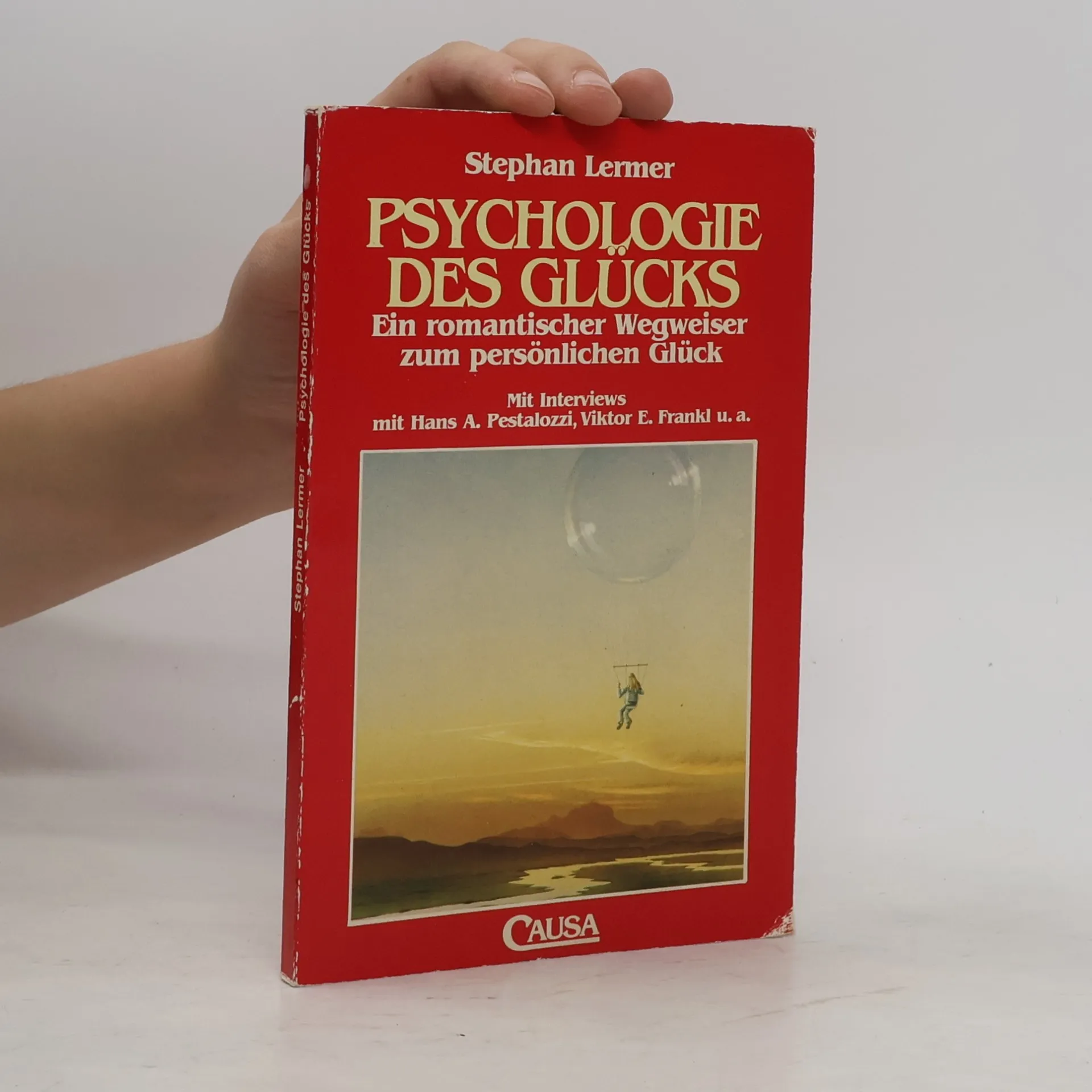
Psychologie des Glücks
Ein romantischer Wegweiser zum persönlichen Glück - Mit Interviews mit Hans A. Pestalozzi, Viktor E. Frankl u. a.
- 77 pages
- 3 hours of reading
De Weense psychiater zet op basis van ervaringen en psycho-analytische theorieën uiteen wat de grondslagen en toepassingen zijn van de door hem ontwikkelde therapie.
De vergeefse roep om een zinvol bestaan
- 180 pages
- 7 hours of reading
Artikelen van de grondlegger van de logotherapie of existentiële analyse (geb. 1905).
Was hält den Menschen in der modernen Gesellschaft davon ab, ein gutes und als sinnvoll empfundenes Leben zu leben? Ist es Entfremdung aufgrund fehlender Resonanz? Oder Entfremdung, weil den Menschen der Sinn abhanden gekommen ist, wie Viktor E. Frankl sagt? Sinn trotz allem vereint fünf Texte von Frankl, die zeigen, wie eine Antwortbeziehung des Menschen zur Welt sowie Sinn trotz allem möglich sind – auch unter den kapitalistischen und entfremdenden Bedingungen der Verfügbarmachung von Mensch und Welt. •Einführung des Herausgebers René Salomon in zentrale Begriffe wie Entfremdung, Resonanz und Unverfügbarkeit •Einordnen der Nähe von Frankls sinnzentriertem Ansatz zur Resonanztheorie •Mit zwei bisher unveröffentlichen Texten aus dem Nachlass •Frankl hält Sinn immer für möglich, auch in Krisenzeiten
Frankliana Neerlandice - 1: Humaniteit van de menselijke vrijheid
Spiritualiteit en verantwoordelijkheid in psychotherapie
- 70 pages
- 3 hours of reading
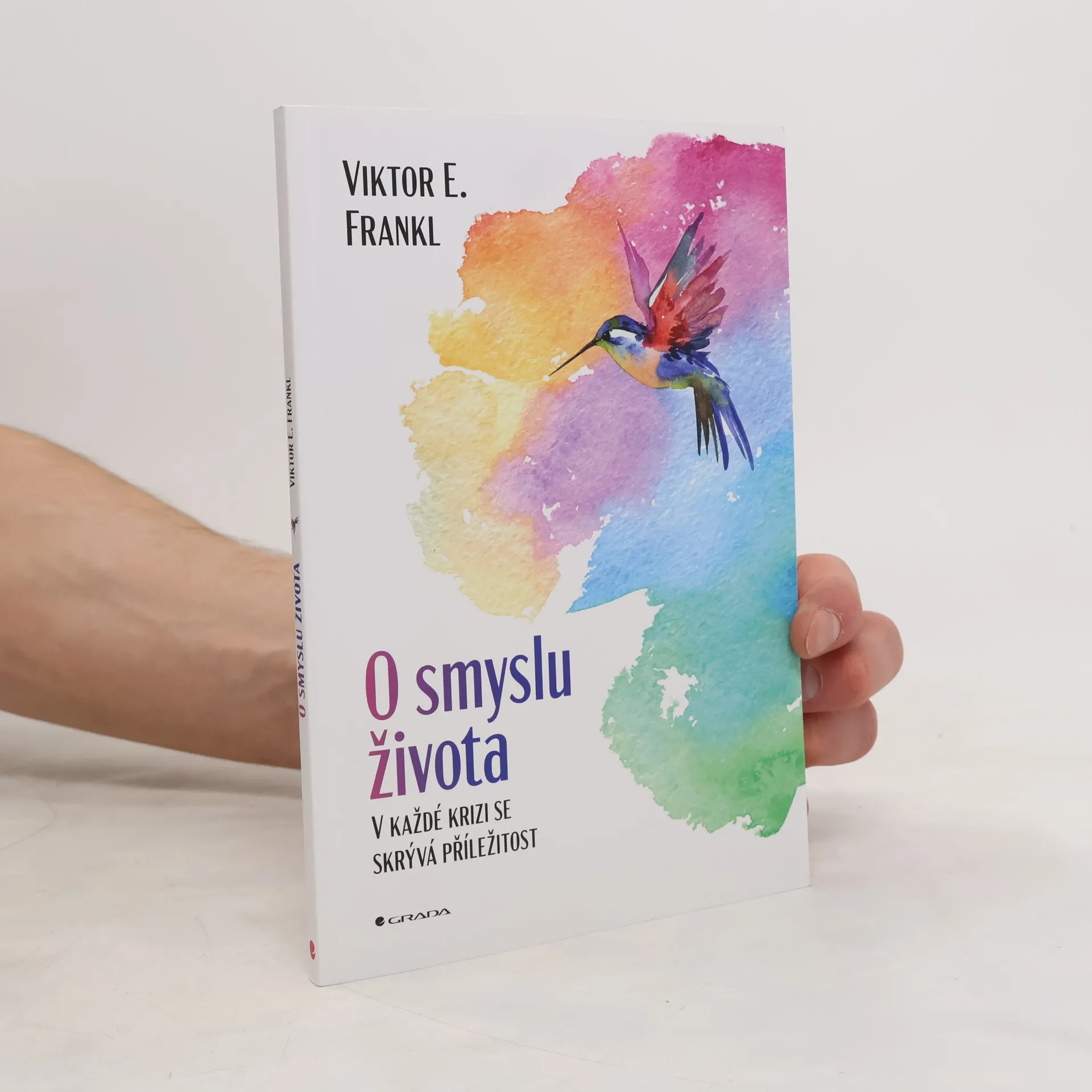
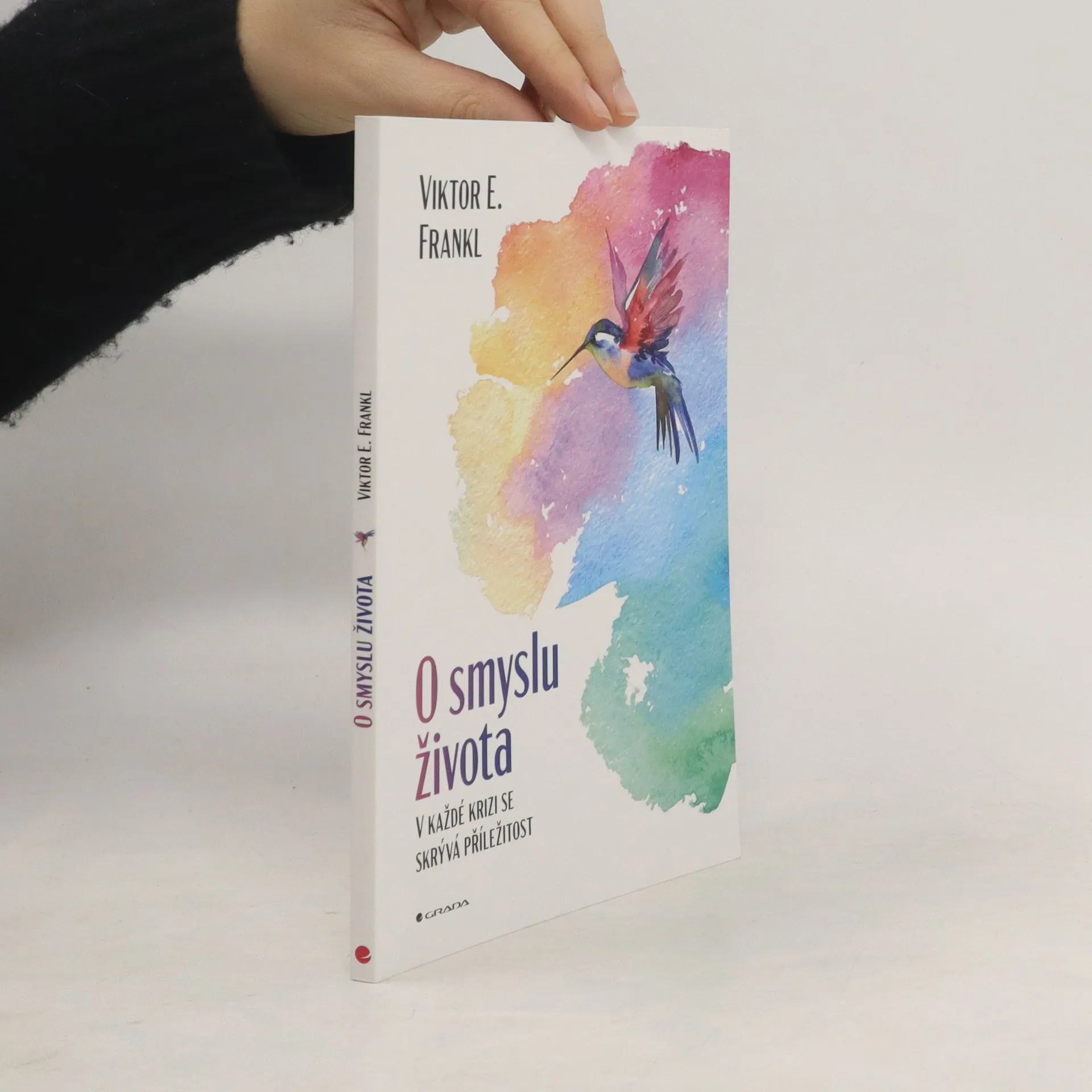
O smyslu života : v každé krizi se skrývá příležitost
- 120 pages
- 5 hours of reading
Držíte v rukou nové vydání tří přednášek Viktora Frankla z roku 1946, které mají obrovskou sílu a jsou překvapivě aktuální a které shrnují celé myšlení tohoto velkého lékaře a psychoterapeuta. Jejich smyslem je ukázat, že život má navzdory všemu smysl – navzdory bídě, smrti, utrpení, nemoci, osudu – a je možné mu říci Ano. Mnoho lidí po celém světě skličuje poznání, že materiální blahobyt sám o sobě není tím, co by jejich životu dávalo smysl. Viktor Frankl říká, že je to sám život, kdo nám klade otázky, na něž máme odpovídat. A jedině když na ně odpovídáme, máme možnost naplnit smysl života. Frankl rozvíjí své základní přesvědčení, že být člověkem znamená být schopen zvolit si, jak budeme v různých situacích reagovat, jak k nim budeme přistupovat. Důkazem toho jsou jeho vlastní bolestivé zkušenosti se ztrátou, hladem a strachem ze smrti, ve kterých přese všechno dokázal nalézt i naději, přátelství a smysluplné zkušenosti. V každé krizi se skrývá také příležitost – a to prokázat svou vlastní lidskost.
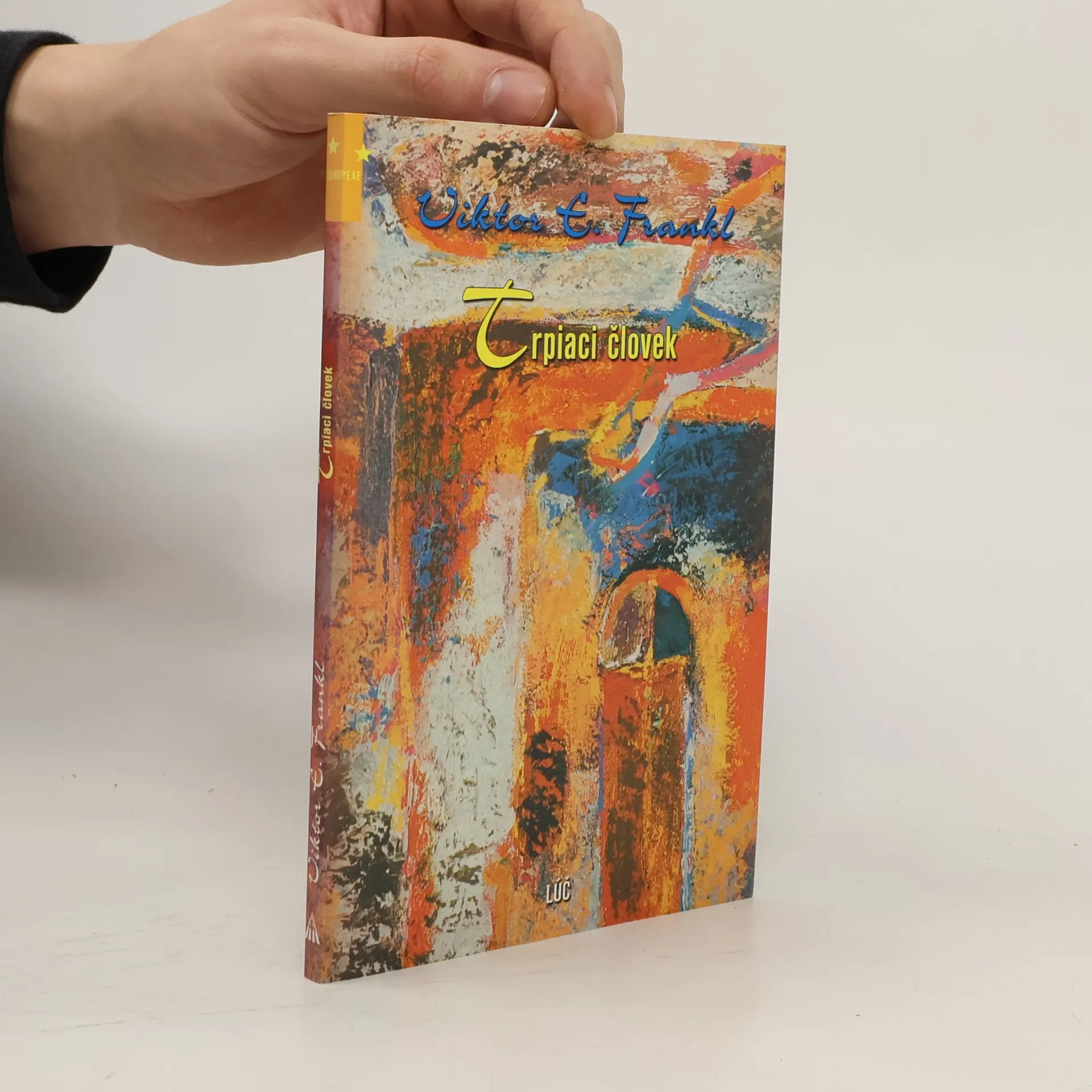
Trpiaci človek
- 155 pages
- 6 hours of reading
Viktor E. Frankl (26. 3. 1905 – 2. 9. 1997) zasvätil svoj život skúmaniu zmyslu života a jeho terapii. Môžeme sa začítať do ktorejkoľvek jeho knihy a v každej sa dozvieme niečo nové o zmysle života, o tom ako poznáme jeho stratu a ako pomôcť jeho obnoveniu. V tejto knižke, ktorá vznikla v r. 1950 na základe univerzitných prednášok V. Frankla venovaných problémom bytia trpiaceho človeka, sa autor venuje velmi dôkladne tiež problémom filozofie človeka i problémom etickým.
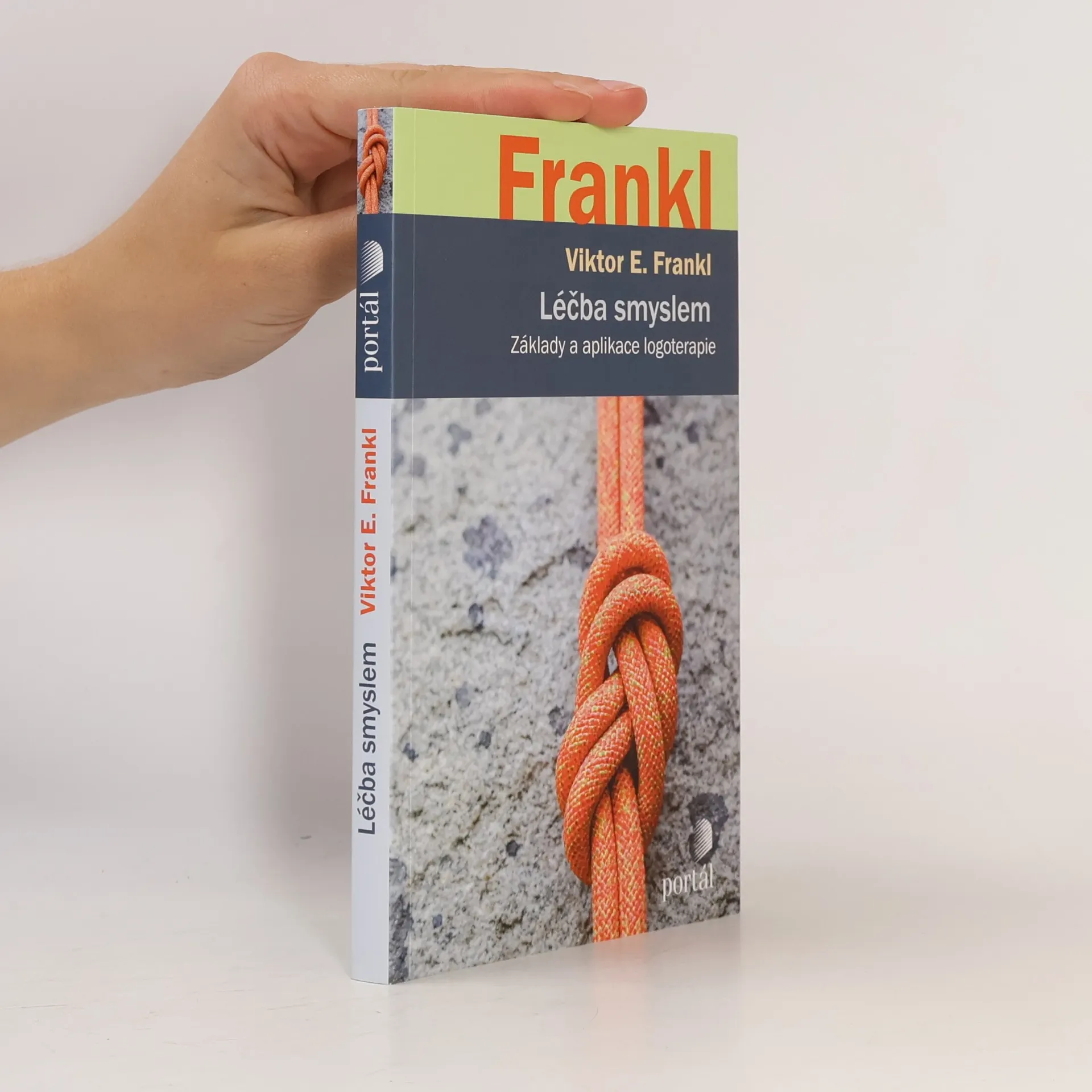
Základy a aplikace logoterapie. Tato kniha je výsledkem série přednášek, kterou měl autor v letním semestru roku 1966 na Jižní metodistické univerzitě v texaském Dallasu. Ústředním pojmem přednášek je logoterapie – psychoterapie zaměřená na hledání smyslu lidského života. Frankl zde zdůrazňuje systematickou povahu logoterapie, která předpokládá svobodu vůle, vůli ke smyslu a smysl života. Zaměřuje se na konkrétní logoterapeutické techniky a také na aplikační oblasti logoterapie, jež léčí různé typy neuróz. Logoterapie je kladena do kontextu jiných psychoterapeutických škol a závěrečná kapitola knihy se věnuje i jejímu vztahu k teologii.
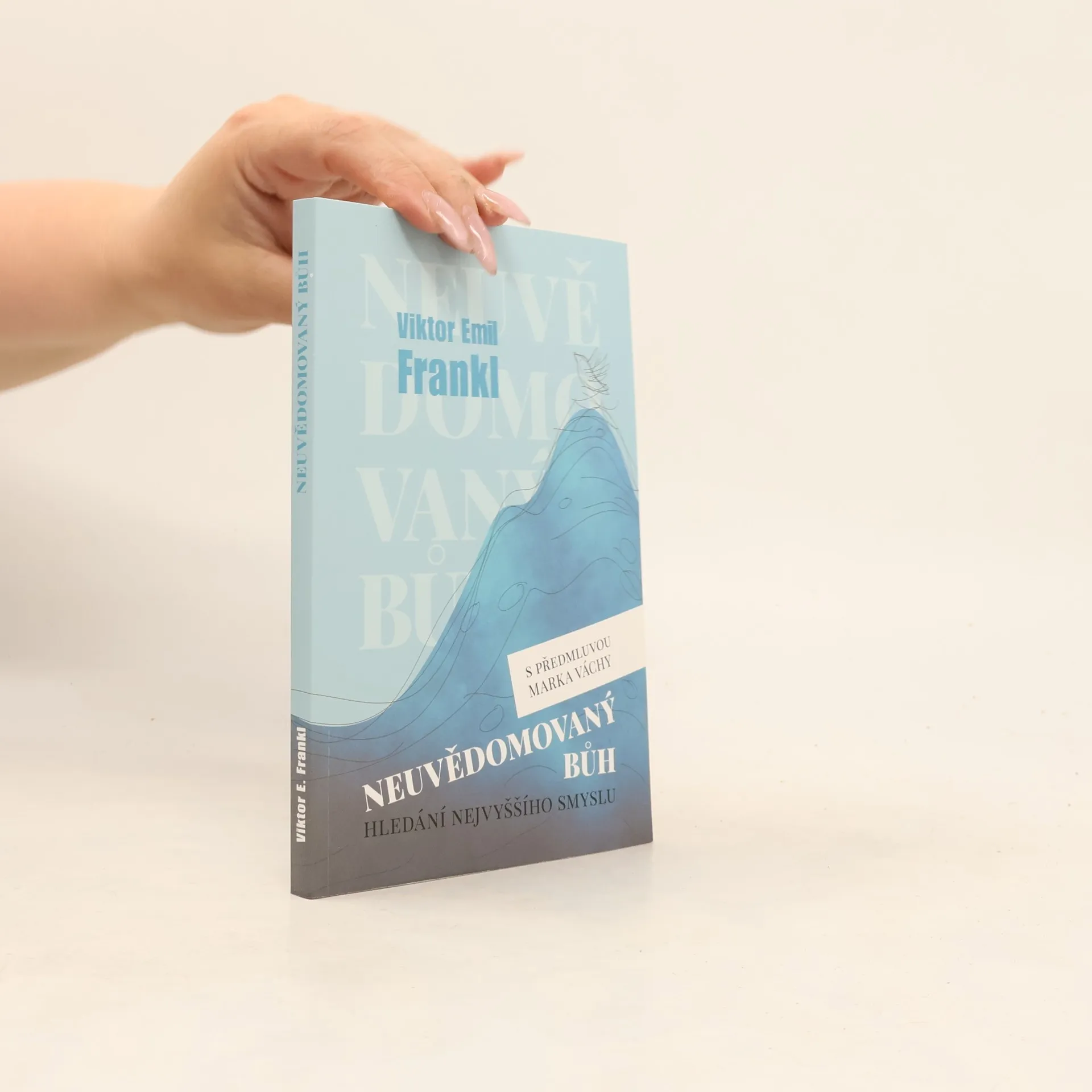
Neuvědomovaný Bůh: Hledání nejvyššího smyslu
- 120 pages
- 5 hours of reading
Základní dílo k tématu psychoterapie a náboženství - důležitá pomoc při chybějící orientaci v dnešní době. S předmluvou Marka Váchy. "Kdyby nebylo Franklova díla, naléhavě bychom ho potřebovali, právě dnes, kdy je strach z budoucnosti a krize smyslu u mladých lidí - a nejen u nich - tak výrazná, jako snad nikdy dříve." Frankl tak mimoděk otevírá věřícímu čtenáři otázku – pokud se dočtu, jaká by neměla být moje víra, jaká by tedy měla být? Jak odpovědět životu, a kdo je to, kdo se táže? „Navíc, toto naše pojetí náboženství - náboženství v nejširším slova smyslu - má skutečně jen velmi málo co do činění s konfesní úzkoprsostí a jejími následky“ (str. 75). Frankl nám věřícím připomíná a připomíná v různých přednáškách této knihy opakovaně a velmi silně, abychom se nenechali nést pěnou dní, malichernými spory současné církve, kritice poměrů a kritice náboženských představitelů s představou, že toto je to pravé náboženství, zápas o moderní podobu církve. Není. Je to nanejvýš ta pěna dní.
O smyslu života
- 95 pages
- 4 hours of reading
Přednášky z roku 1946 mají stále obrovskou sílu a jsou překvapivě aktuální. Frankl rozvíjí své přesvědčení, že být člověkem znamená být schopen zvolit si, jak budeme reagovat a přistupovat k různým situacím. Přesvědčení, že v každé krizi se skrývá příležitost – a to prokázat svou vlastní lidskost.