

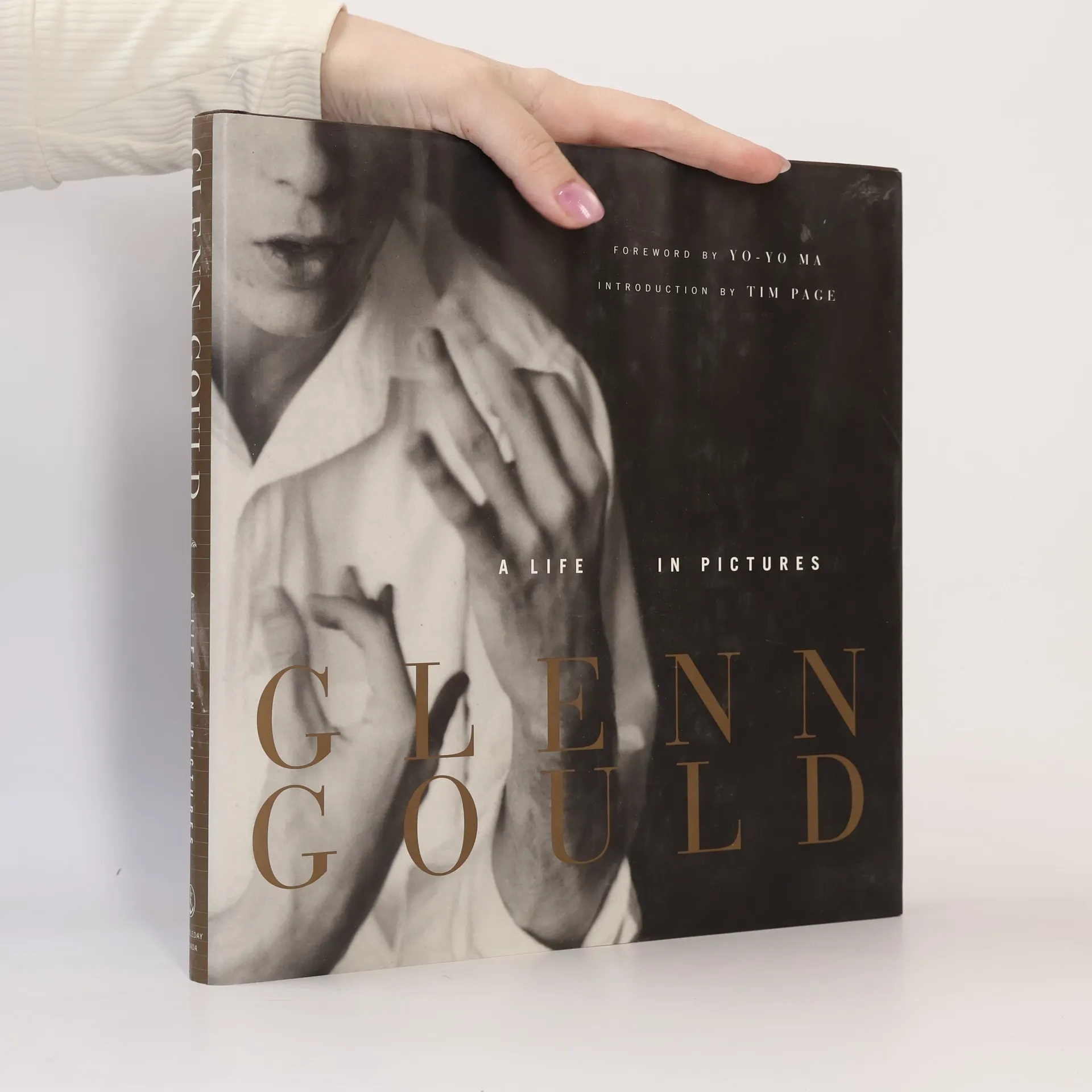
Foreword by Yo-Yo Ma and Introduction by Tim Page highlight the enduring legacy of Glenn Gould, a musical genius who transcended time despite his brief life (1932-1982). Gould gained fame with his 1955 recording of Bach’s Goldberg Variations, captivating audiences with his dynamic virtuosity and passionate artistry during his nine years on the international concert circuit. In 1964, he retired from live performances to focus on recordings and documentaries. This photographic collection, featuring over 200 images, is the first dedicated to Gould's life, showcasing previously unpublished family photos from the Glenn Gould Estate, as well as rare images from CBC Archives, Sony Classical, and the National Archives of Canada. Celebrating the seventieth anniversary of his birth, the book includes insightful commentary from Tim Page and extensive captions by Malcolm Lester, the Estate's literary advisor. It also features quotes from Gould and notable figures like Leonard Bernstein and Yehudi Menuhin, creating a vibrant portrait of this unique creative genius. Yo-Yo Ma reflects on his transformative experience with Gould's music, emphasizing the profound impact it had on his own musical journey. The collection serves not only as a tribute but also as a testament to Gould's lasting influence in the world of music.
Tim Page Books
Tim Page is a cultural critic renowned for his incisive explorations of literary works and their creators. His writing delves into the thematic depths and stylistic intricacies of authors, offering readers fresh perspectives on the literary landscape. Page's approach is marked by its intellectual rigor and a profound appreciation for the art of writing.
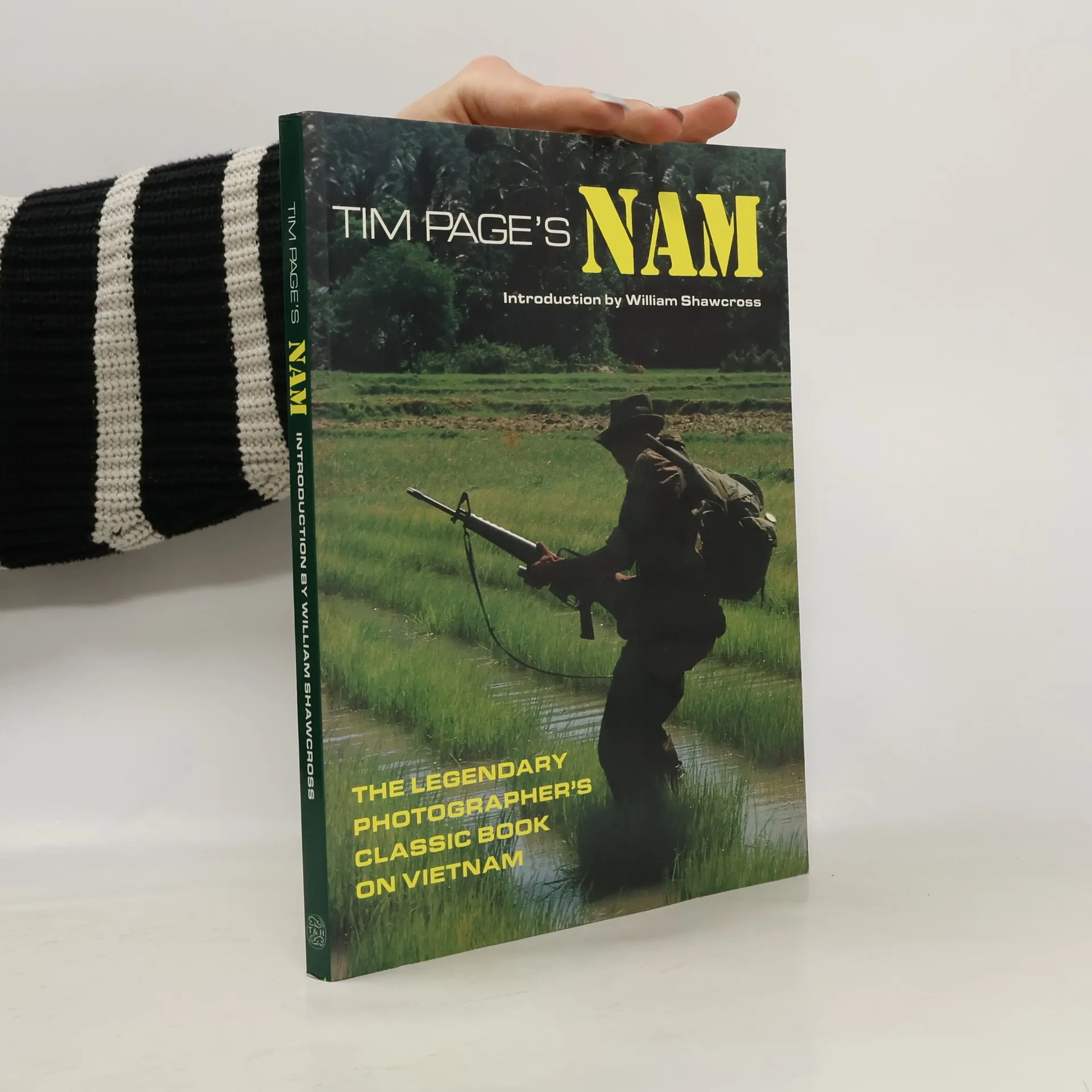
Tim Page's Nam
- 112 pages
- 4 hours of reading
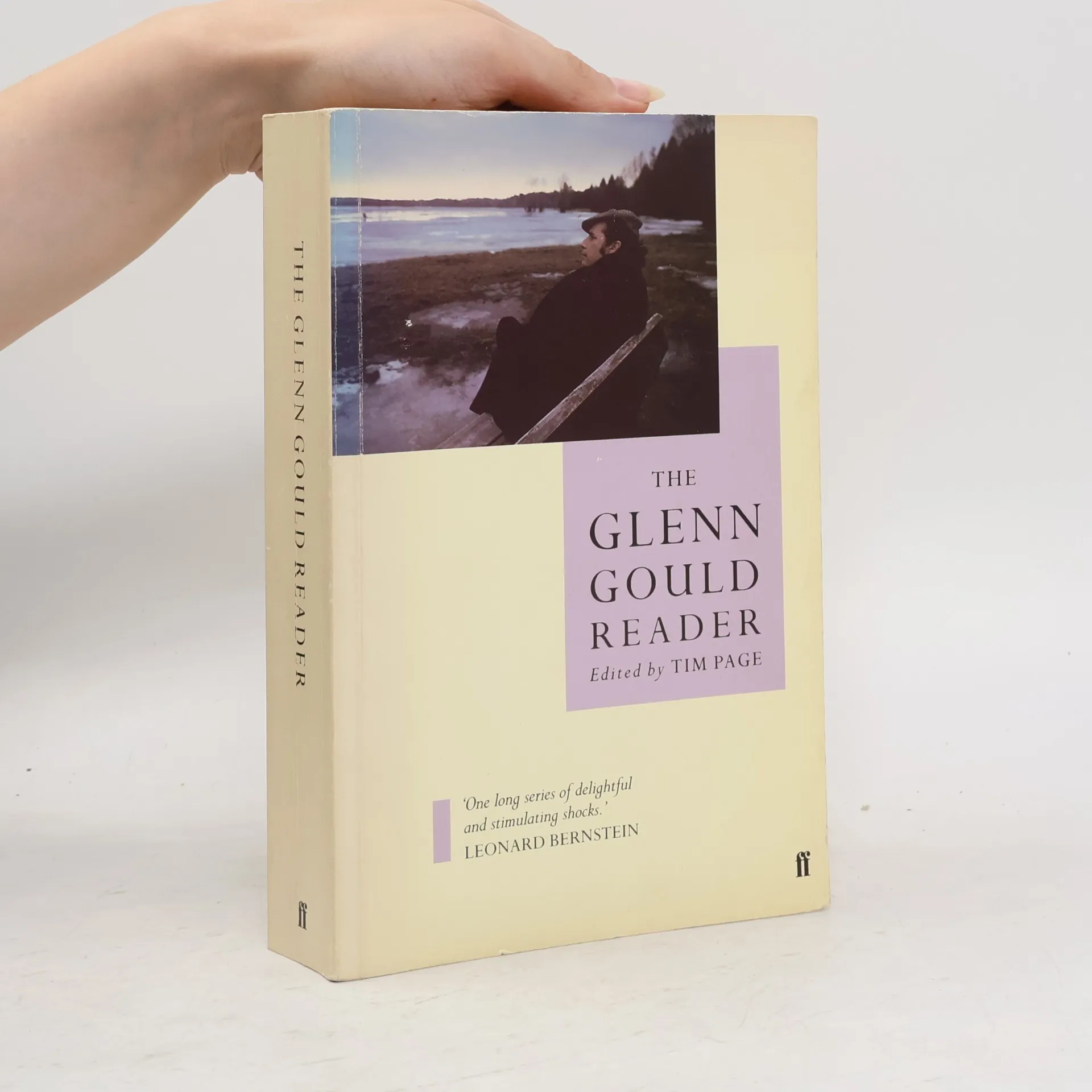
The Glenn Gould Reader
- 492 pages
- 18 hours of reading
When Glenn Gould died in 1982 at the age of fifty, he left behind an astonishing legacy: in twenty-six years he had proved himself to be not only an extraordinary pianist but a brilliant critic. His writing - which appeared primarily in music journals and on record sleeves - was often as provocative as his performances: demanding, compelling, occasionally infuriating, but always the product of a singular artistic vision. This is a wide-ranging selection from Gould's criticism.
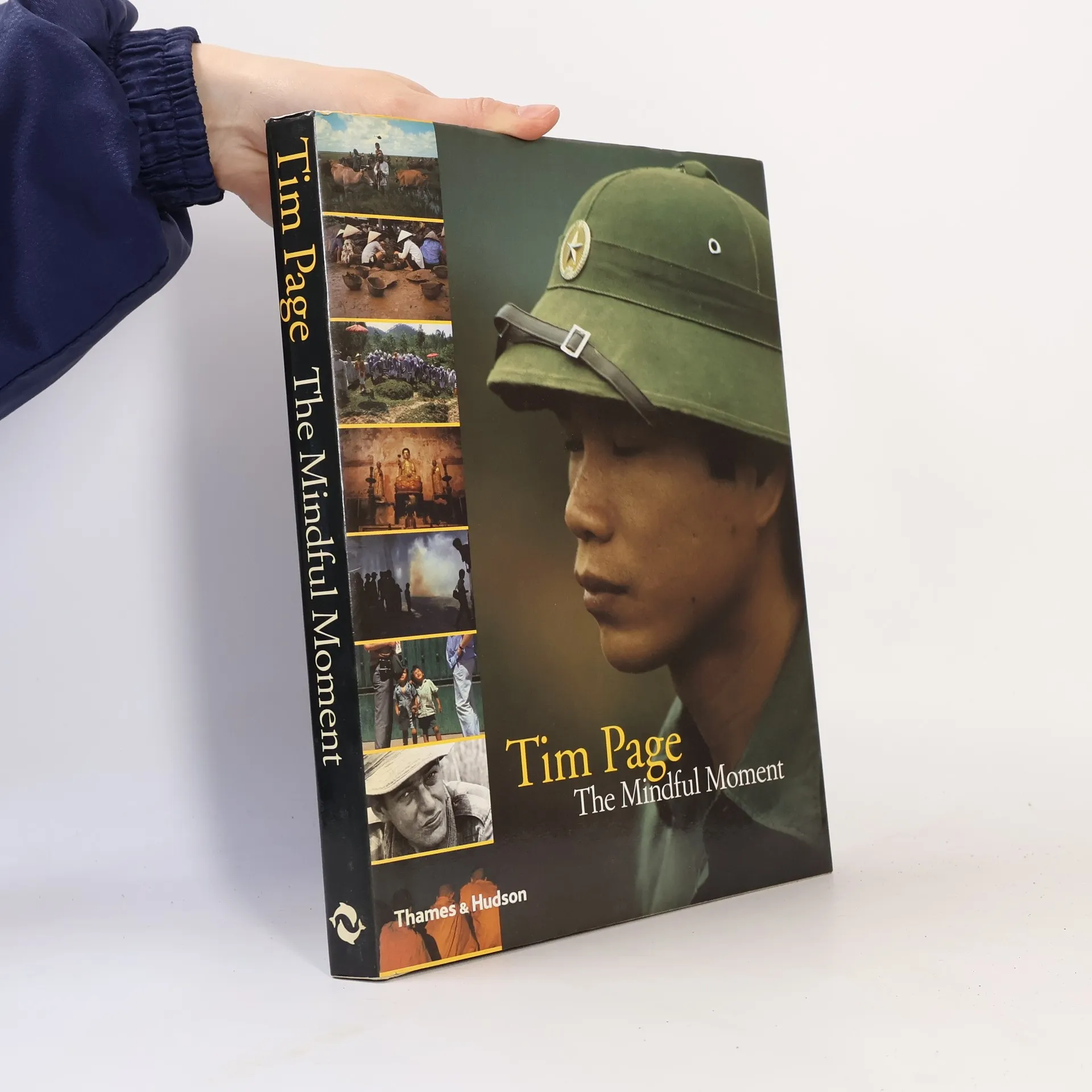
The Mindful Moment
- 240 pages
- 9 hours of reading
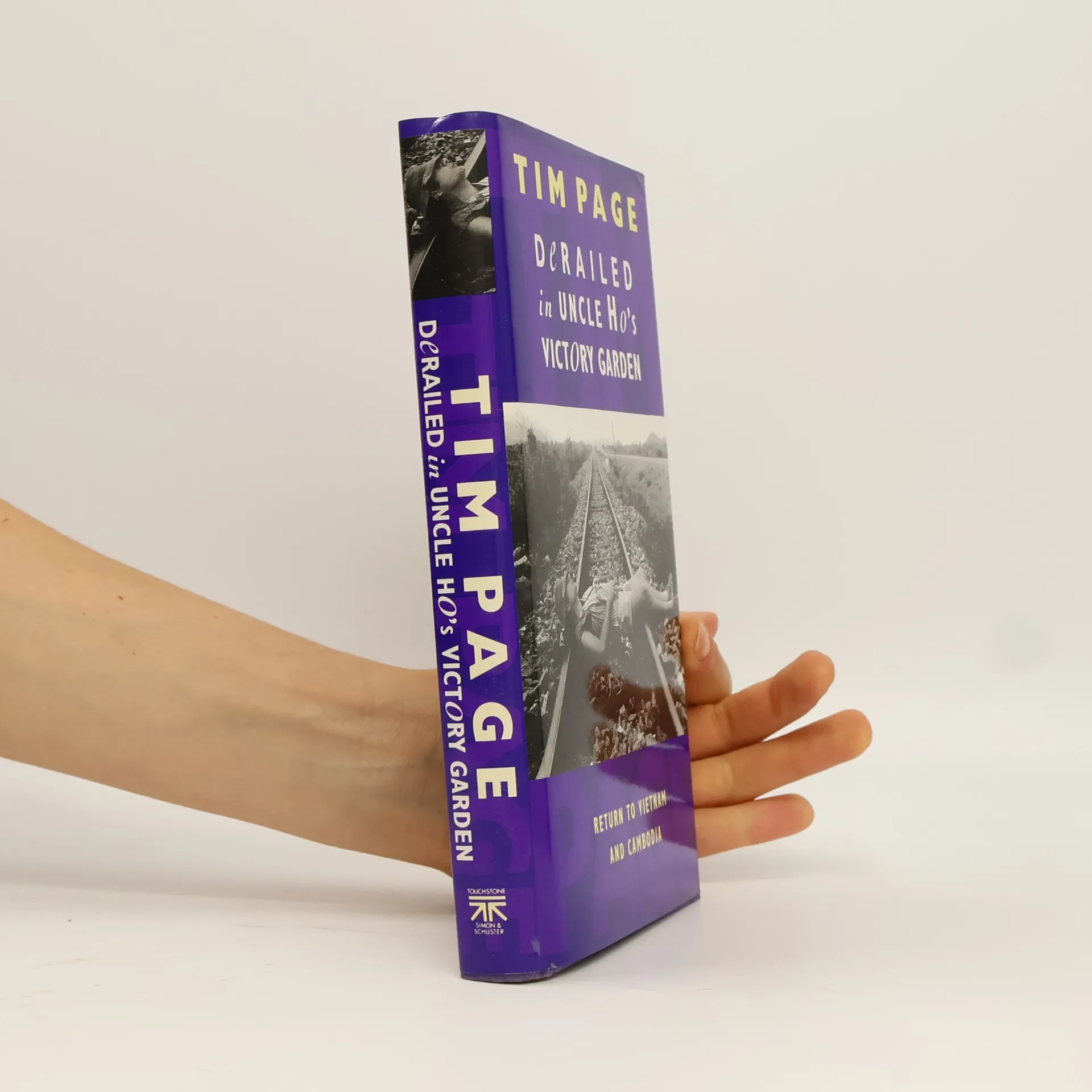
A legendary photographer finds hope and enlightenment in wartorn Asia. Tim Page's photographs of the Vietnam War brought its horrific reality before the eyes of the world. Since then, his images of the conflicts in Cambodia, Vietnam, and Laos have been published, broadcast, and exhibited to universal praise. In the years following the war, Page has returned to Indochina some thirty times, always open to chance encounters, but with an ever-increasing awareness of the true concerns and beliefs of those who live there. No other Western photographer knows the region as intimately as he does, and no other photographer can capture the hopes, fears, and memories of its people as memorably. Now, he has carefully selected and arranged the finest photographs from his journeys across this ancient and intensely spiritual land. Presented in three parts"Road," "Quest," and "Passage"Page's personal accounts of his visits back to Indochina and his stunning full-page photography provide a unique and emotional portrait of a deeply religious society whose age-old Buddhist principles have endured to this day, still guiding every aspect of life despite the devastating interruption of modern warfare. 136 photographs, 126 in color.
Follows Page's odyssey - 20 years after the liberation of Vietnam - through the land that dominated his life as a war photographer. His job used to be to record the horror, now he can tell of the country's supreme beauty, and mourn the agony of the killing fields.
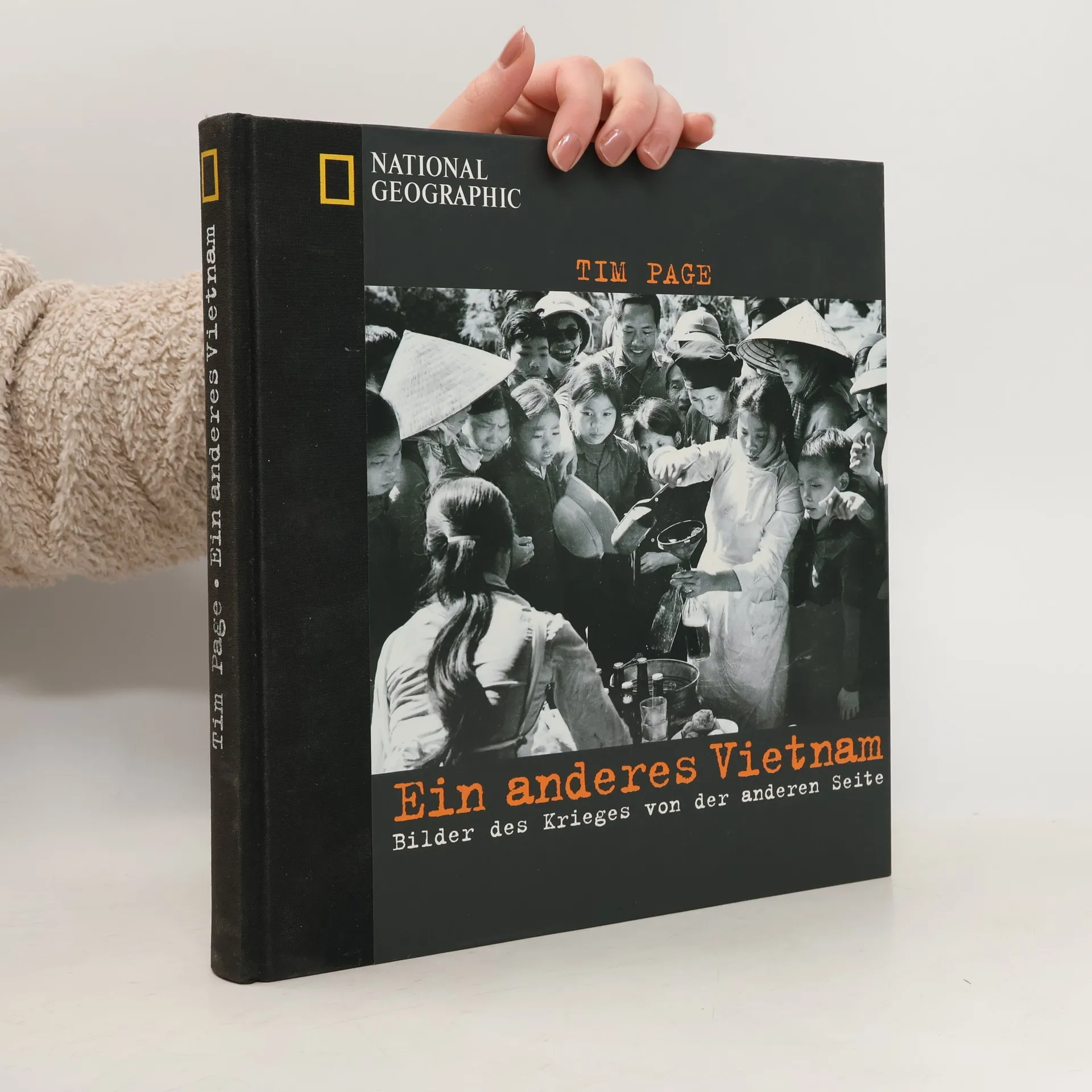
Ein anderes Vietnam
- 240 pages
- 9 hours of reading
Eine beeindruckende Sammlung von 160 bisher unveröffentlichten Bildern nordvietnamesischer Fotografen fängt die Ereignisse des Vietnamkriegs aus einer dramatisch neuen Perspektive ein und dokumentiert das tägliche Leben und den Kampf auf der nordvietnamesischen Seite.