
Bookbot

Dava Sobel

    June 15, 1947

    Dava Sobel is an accomplished author of popular science expositions. Over a career spanning four decades as a science journalist, she has written for numerous magazines and co-authored several books. Her most recognized work delves into the complexities of longitude.

    Dava Sobel
    The Planets
    Galileo's Daughter
    Longitude
    Elements of Marie Curie
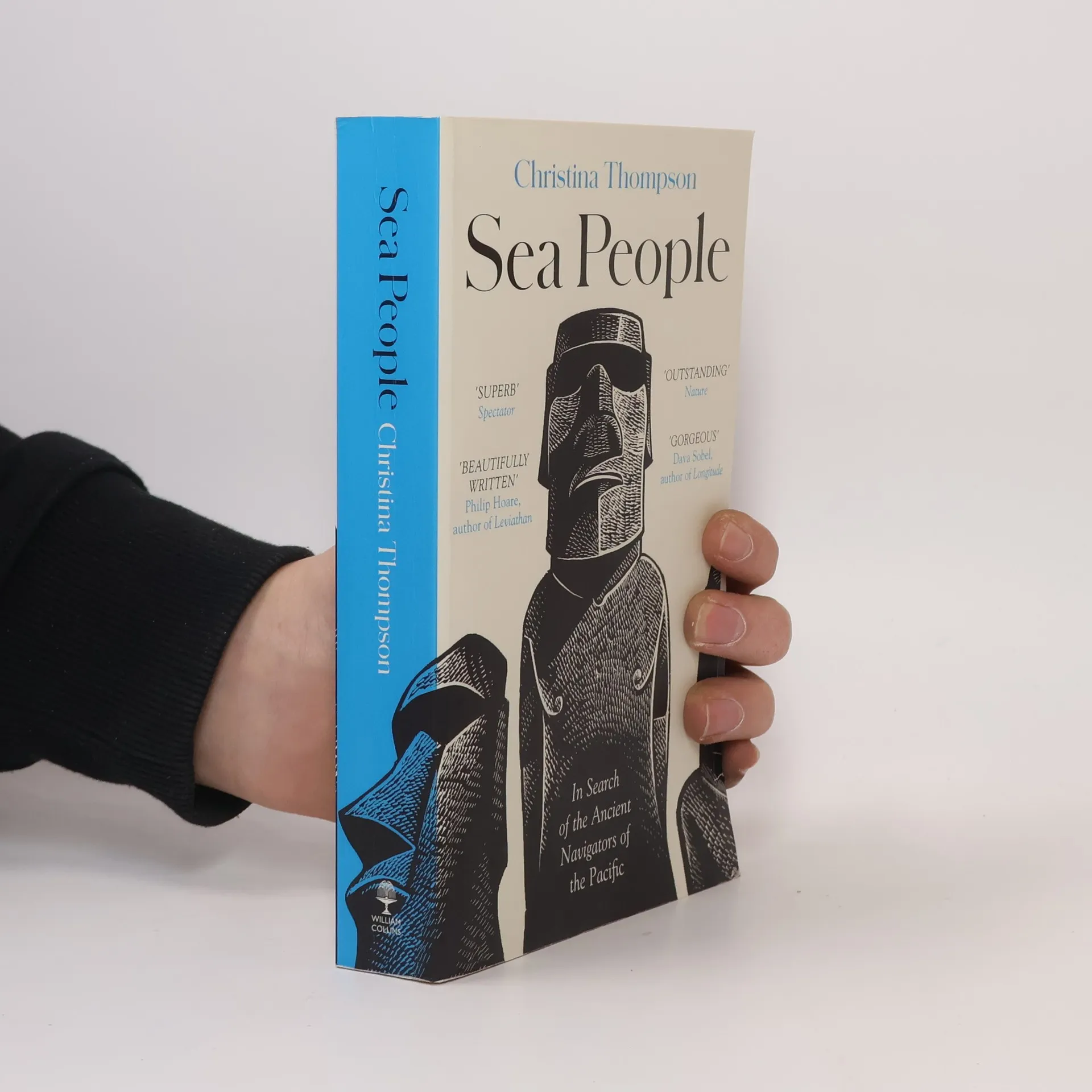
    Sea People
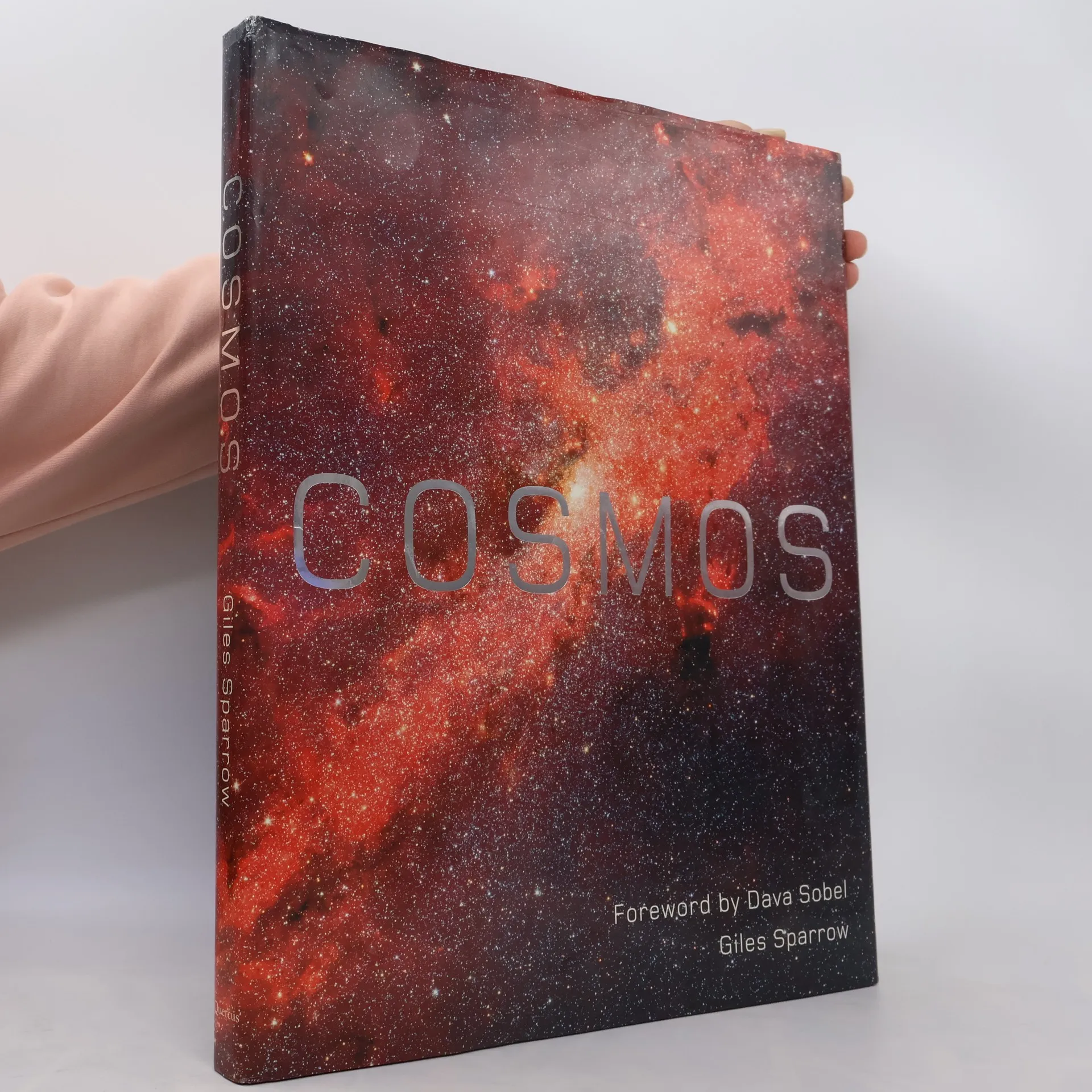
    Cosmos
    • Elements of Marie Curie

      How the Glow of Radium Lit a Path for Women in Science

      • 336 pages
      • 12 hours of reading

      Focusing on the life and contributions of a groundbreaking female scientist, the book explores her significant impact on the field and highlights the lesser-known stories of the young women who trained in her laboratory. Through a blend of biography and historical context, it sheds light on their struggles and achievements, offering a fresh perspective on women's roles in science. The narrative emphasizes both the individual's legacy and the collective experiences of women in a male-dominated profession.

      Elements of Marie Curie2024
      4.1
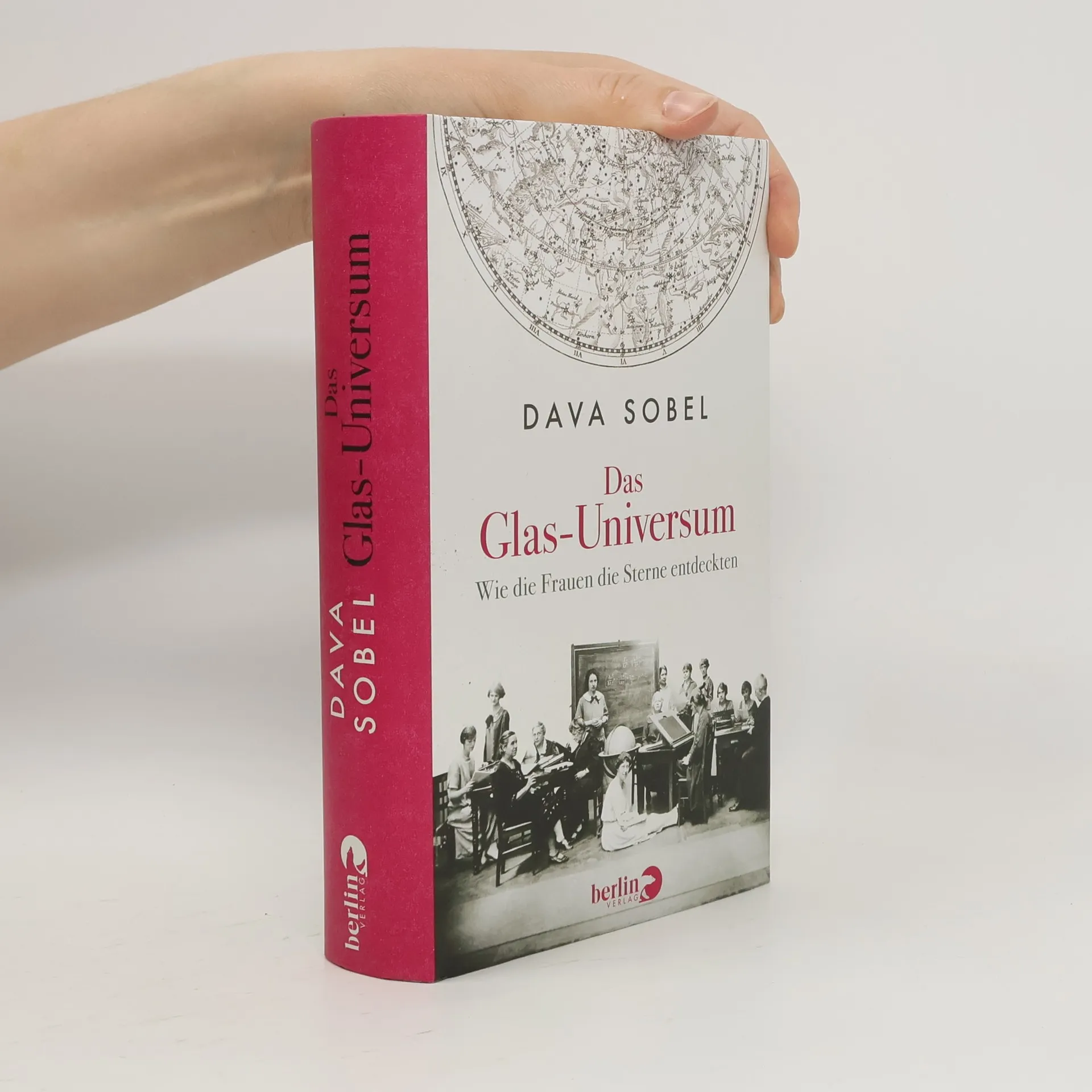
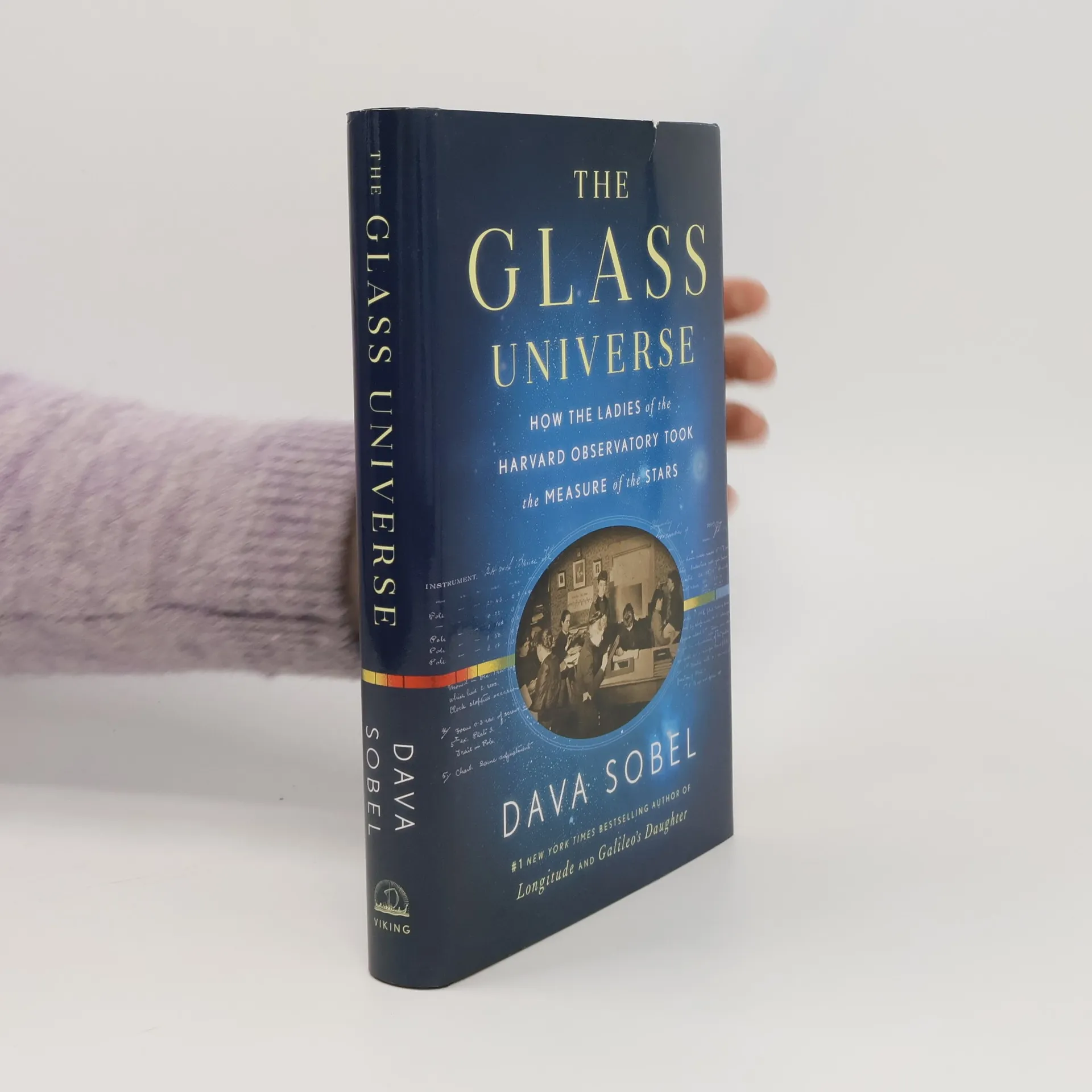
    • W drugiej połowie XIX wieku Obserwatorium Harvarda zaczęło zatrudniać kobiety na stanowiskach obliczeniowców, tzw. ludzkich komputerów. Ich zadaniem było interpretowanie obserwacji teleskopowych wykonywanych co noc przez męskich pracowników instytucji. Początkowo grupa ta składała się z żon, sióstr i córek astronomów, ale wkrótce jej szeregi zasiliły absolwentki nowych college’ów dla kobiet – Vassar, Wellesley oraz Smith. Kiedy fotografia zmieniła sposób uprawiania astronomii, kobiety przeniosły uwagę z obliczeń na badanie gwiazd utrwalanych każdej nocy na szklanych płytach fotograficznych. „Szklany wszechświat”, składający się z pół miliona płyt przez dekady gromadzonych przez Uniwersytet Harvarda, umożliwił kobietom dokonanie niesamowitych odkryć, dzięki którym ich nazwiska zajęły honorowe miejsce w dziejach astronomii. Były to: Williamina Fleming, Antonia Maury, Henrietta Swan Leavitt, Annie Jump Cannon oraz Cecilia Payne. Książka Szklany wszechświat, wzbogacona fragmentami listów, dzienników i pamiętników, to ukryta historia kobiet, których wkład w rozwój astronomii na zawsze zmienił sposób rozumienia gwiazd oraz naszego miejsca we Wszechświecie.

      Szklany wszechświat O tym jak kobiety z Obserwatorium Harvarda zmierzyły gwiazdy2023
    • Sea People

      In Search of the Ancient Navigators of the Pacific

      • 384 pages
      • 14 hours of reading

      For over a millennium, Polynesians have inhabited the remote islands of the Pacific, a vast triangle from Hawaii to New Zealand to Easter Island. Before European explorers arrived, they were the sole inhabitants of these islands. Polynesians, both closely related and widely dispersed, trace their ancestry to epic voyagers who embarked on remarkable journeys across the ocean. The mystery of how these early Polynesians discovered and colonized such distant islands—without writing or metal tools—has puzzled scholars since the eighteenth century, known as the Problem of Polynesian Origins. This enigma is particularly personal for the author, whose Maori husband and sons descend from these ancient navigators. In this exploration, she delves into the rich history of these ancestors and the contributions of sailors, linguists, archaeologists, folklorists, biologists, and geographers who have sought to understand this legacy for three centuries. Blending history, geography, anthropology, and navigation science, the narrative offers a vivid tour of one of the world’s most intriguing regions, capturing the essence of Polynesian exploration and its significance in human history.

      Sea People2020
      4.4
    • Es war die Zeit, in der Edison mit seiner elektrischen Glühbirne für Aufsehen sorgte, als Frauen an der amerikanischen Ostküste erstmals die Gestirne erkundeten. Ein Professor der Harvard University engagierte sie Anfang der 1880er-Jahre zunächst als »Computer« – als Rechnerinnen – am Observatorium. Darunter nicht nur Familienmitglieder von Astronomen, sondern auch Absolventinnen der neuen Frauen-Colleges und begeisterte Sternbeobachterinnen. Und sie leisteten wahrlich Erstaunliches: Die ledige Mutter und ehemalige Haushälterin Williamina Fleming etwa machte durch ihre Berechnungen allein schon an die 300 Sterne ausfindig. Die Pfarrerstochter Antonia Maury entwickelte eine eigene Klassifikation der Planeten, die heute als Grundstein der modernen Astrophysik gelten kann. Doch wenige der Harvard-Frauen fanden später die verdiente Anerkennung auf einer eigenen Forschungsstelle. Dem Wirken der ambitionierten Wissenschaftlerinnen ein Denkmal zu setzen ist daher Dava Sobels Anliegen mit ihrem neuen, spannend erzählten Buch.

      Das Glas-Universum2017
      3.4
    • The Glass Universe

      • 324 pages
      • 12 hours of reading

      Named one of the best books of the month by various prestigious outlets, the work showcases Sobel's talent for detail and elegant prose. Critics praise her ability to illuminate the intricate web of individuals who contributed to our understanding of the stars, describing it as a joy to read. The narrative captures both scientific breakthroughs and the personal lives of pioneering women, highlighting how their achievements in astronomy and photography paralleled the progress of female empowerment. Sobel traces a remarkable line in American female achievement, vividly portraying the spirit of these early astronomers who began as 'human computers' at Harvard Observatory. The book serves as an inspiring tribute to these often-overlooked female pioneers and their contributions to science. Reviewers commend Sobel for interweaving professional accomplishments with personal insights, creating a compelling and emotional narrative. The work is described as sensitive, exacting, and filled with the wonder of discovery, showcasing Sobel's extraordinary skill in uncovering hidden stories of science. It is a feast for those eager to learn about resolute American women who expanded human knowledge, presented with grace, clarity, and historical context. Overall, the book is celebrated as a significant contribution to intellectual history and a captivating read.

      The Glass Universe2016
      3.6
    • A More Perfect Heaven

      • 288 pages
      • 11 hours of reading

      By 1514, the reclusive cleric Nicolaus Copernicus had developed an initial outline of his heliocentric theory-in which he defied common sense and received wisdom to place the sun, and not the earth, at the center of our universe, and set the earth spinning among the other planets. Over the next two decades, Copernicus expanded his theory and compiled in secret a book-length manuscript that tantalized mathematicians and scientists throughout Europe. For fear of ridicule, he refused to publish. In 1539, a young German mathematician, Georg Joachim Rheticus, drawn by rumors of a revolution to rival the religious upheaval of Martin Luther's Reformation, traveled to Poland to seek out Copernicus. Two years later, the Protestant youth took leave of his aging Catholic mentor and arranged to have Copernicus's manuscript published, in 1543, as De revolutionibus orbium coelestium (On the Revolutions of the Celestial Spheres)-the book that forever changed humankind's place in the universe. In her elegant, compelling style, Dava Sobel chronicles, as nobody has, the conflicting personalities and extraordinary discoveries that shaped the Copernican Revolution. At the heart of the book is her play "And the Sun Stood Still," imagining Rheticus's struggle to convince Copernicus to let his manuscript see the light of day.

      A More Perfect Heaven2012
      3.2
    • Schon um das Jahr 1514 verfasste Nikolaus Kopernikus eine erste Skizze seiner heliozentrischen Theorie. Nicht die Erde stand demnach im Mittelpunkt des Universums, sondern die Sonne, und die Planeten umkreisten sie. Diese Schrift war revolutionär, aber nur einem kleinen Kreis von Astronomen bekannt. Anhand zahlloser Sternenbeobachtungen entwickelte Kopernikus seine Theorie weiter, das betreffende Manuskript hielt er jedoch unter Verschluss. Die geheimnisumwitterte Existenz dieser Schrift trieb Wissenschaftler in ganz Europa um. Im Jahr 1539 begab sich schließlich der junge deutsche Mathematiker Georg Joachim Rheticus nach Frauenburg, um Kopernikus zu überreden, sein Werk zu veröffentlichen. Unter dem Titel De revolutionibus orbium coelestium (Über die Umschwünge der himmlischen Kreise) sollte das Buch unser Verständnis von unserem Platz im Universum für immer verändern. Elegant erzählt Dava Sobel die Geschichte der Kopernikanischen Revolution und bettet sie ein in die Geschichte der Astronomie von Aristoteles bis zum Mittelalter. Wie schon in ihren Bestsellern Längengrad und Galileos Tochter liefert sie so das unvergessliche Porträt einer wissenschaftlichen Großtat.

      Und die Sonne stand still2012
    • Cosmos

      A Field Guide

      • 224 pages
      • 8 hours of reading

      The magnificent vault of stars emblazoning Earth's night skies are but an infinitesimal fraction of the hundreds of billions that inhabit our galaxy - and there are at least as many galaxies in the universe as there are stars in the Milky Way. Cosmos makes sense of this dizzying celestial panorama by exploring it one step at a time, illustrating the planets, moons, stars, nebulae, white dwarfs, black holes and other exotica that populate the heavens with some of science's most spectacular photographs. The book opens with an orbital survey of planet Earth, before venturing into the solar system heading for interstellar space and the heart of our galaxy. As the journey unfolds, the rhythms of stellar life emerge: we pass through dark clouds of dust and gas ablaze with newly smelted stars and we witness dying stars bloom and fade as planetary nebulae, or tear themselves apart as supernovae. Having crossed the Milky Way, we enter intergalactic space. Out here we watch the hidden lives of galaxies: we see them flock and cluster, forming massive conglomerations that span millions of light years, visibly warping space with their tremendous gravity. After covering an almost unimaginable 13.4 billion light years, we approach the edge of space and the dawn of time where our voyage must end, but not before we consider how the universe was born, and how it might die.

      Cosmos2007
      4.5
    • The Planets

      • 304 pages
      • 11 hours of reading

      After the huge national and international success of Longitude' and Gallileo's Daughter', Dava Sobel tells the human story of the nine planets of our solar system.

      The Planets2005
      3.7
    • Longitud

      • 188 pages
      • 7 hours of reading
      Longitud2001
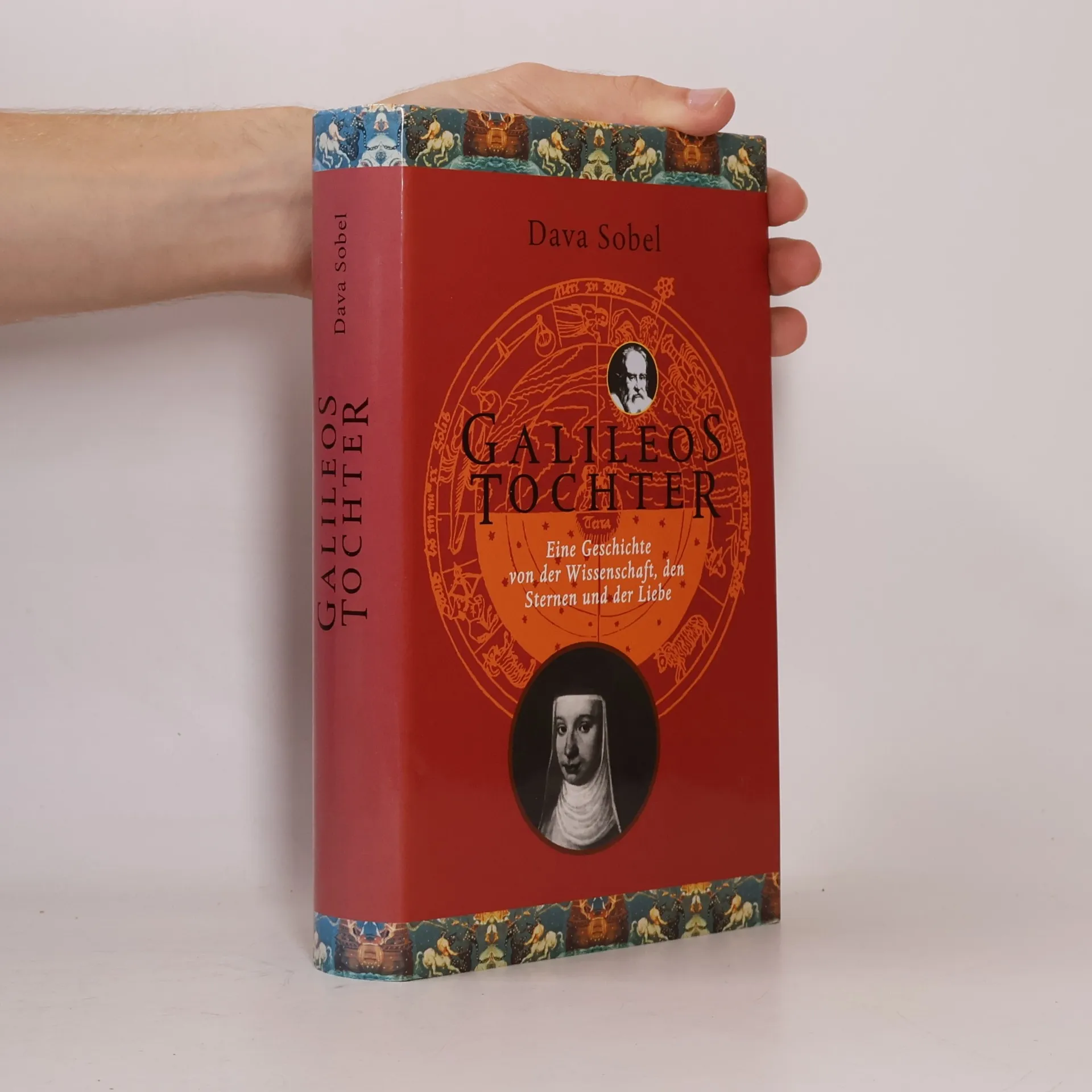
    • Galileos Tochter

      Eine Geschichte von der Wissenschaft, den Sternen & der Liebe

      Galileos Tochter2000
    • Galileo's Daughter

      A Drama of Science, Faith and Love

      • 429 pages
      • 16 hours of reading

      Inspired by a fascination with Galileo and the letters of his daughter, a cloistered nun, Sobel has crafted a biography of the man hailed by Einstein as the "father of modern physics." This work presents a portrait of a previously overlooked figure, described by Galileo as "a woman of exquisite mind, singular goodness & most tenderly attached to me." Born in 1564, Galileo Galilei initially sought a monastic life before becoming the leading scientist of his time. Despite never leaving Italy, his inventions and discoveries gained international acclaim, notably his telescopes, which revealed a new celestial reality and supported the heliocentric model. This belief led to his trial for heresy by the Holy Office of the Inquisition, resulting in house arrest for his final years. His eldest illegitimate daughter, Virginia, born in 1600, mirrored his brilliance and became his confidante after being placed in a convent at age 13, taking the name Suor Maria Celeste. Her unwavering support provided Galileo with strength during his tumultuous years. Sobel translates their letters, enriching the narrative and illuminating the contrasting worlds of Galileo's public life and Maria Celeste's seclusion. The story unfolds against the backdrop of the Medicis and the papal court, during a time when humanity's understanding of its place in the cosmos was shifting dramatically amidst the devastation of the bubonic plague and the Thirty Years' War.

      Galileo's Daughter1999
      3.8
    • First published in 1996, Dava Sobel's story of an epic scientific quest - how to calculate longitude. The thorniest scientific problem of the day had occupied scientists and their patrons for the better part of two centuries until John Harrison dared to imagine a mechanical solution. The story encompasses astronomy, navigation and clockmaking.

      Longitude1996
      3.9