Compiled and edited by Ellison's literary executor, John F. Callahan, this collection includes previously uncollected and newly discovered reviews, criticism, and interviews in addition to the essay collections Shadow and Act and Going to the Territory . The preface is written by Saul Bellow
Saul Bellow Books
June 10, 1915 – April 5, 2005
Saul Bellow was a master novelist whose works delved into the complexities of modern life and the human psyche. His distinctive style, which seamlessly blends intellectual depth with a vibrant, colloquial voice, resonates with readers for its candor and wry humor. Bellow explored themes of identity, alienation, and the search for meaning in a chaotic world, cementing his place as one of the most significant American writers of the 20th century.



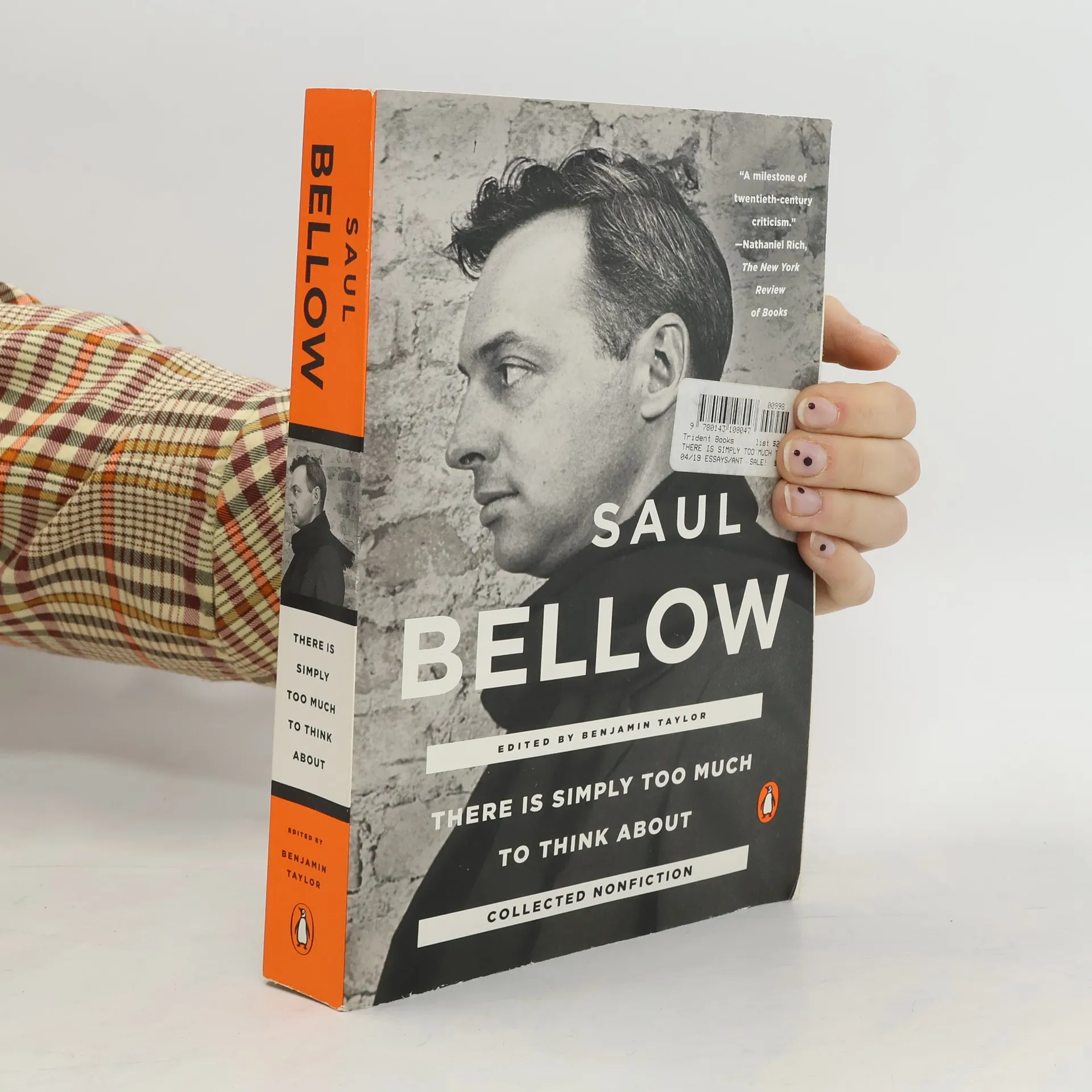

There Is Simply Too Much To Think About
- 544 pages
- 20 hours of reading
Arranged chronologically, this literary time capsule displays the full extent of Bellow's nonfiction, including criticism, interviews, speeches and other reflections, tracing his career from his initial success as a novelist until the end of his life. Bringing together six classic pieces with an abundance of previously uncollected material, There is Simply Too Much to Think About is a powerful reminder not only of Bellow's genius but also of his enduring place in the western canon. It is sure to be widely reviewed and talked about for years to come.
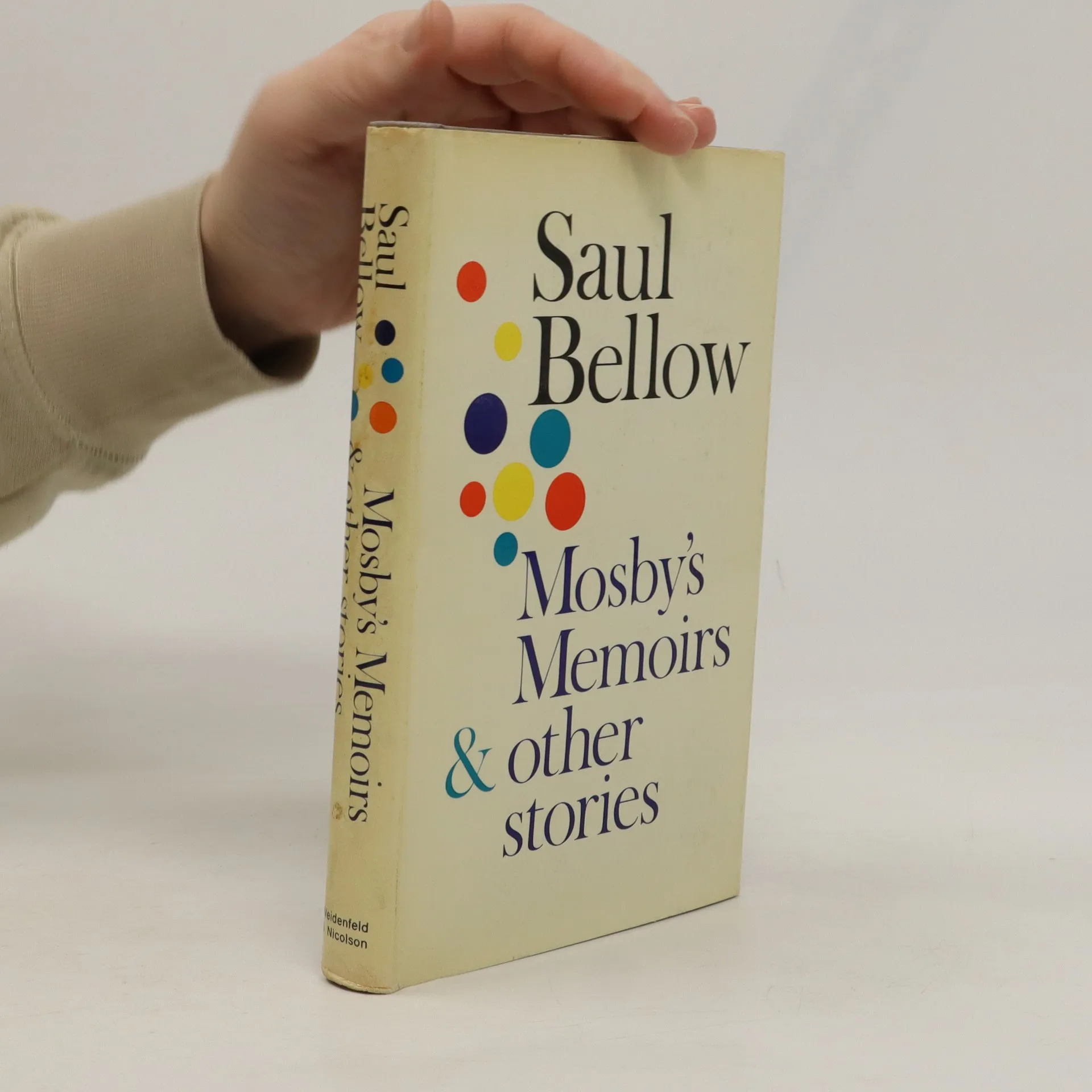
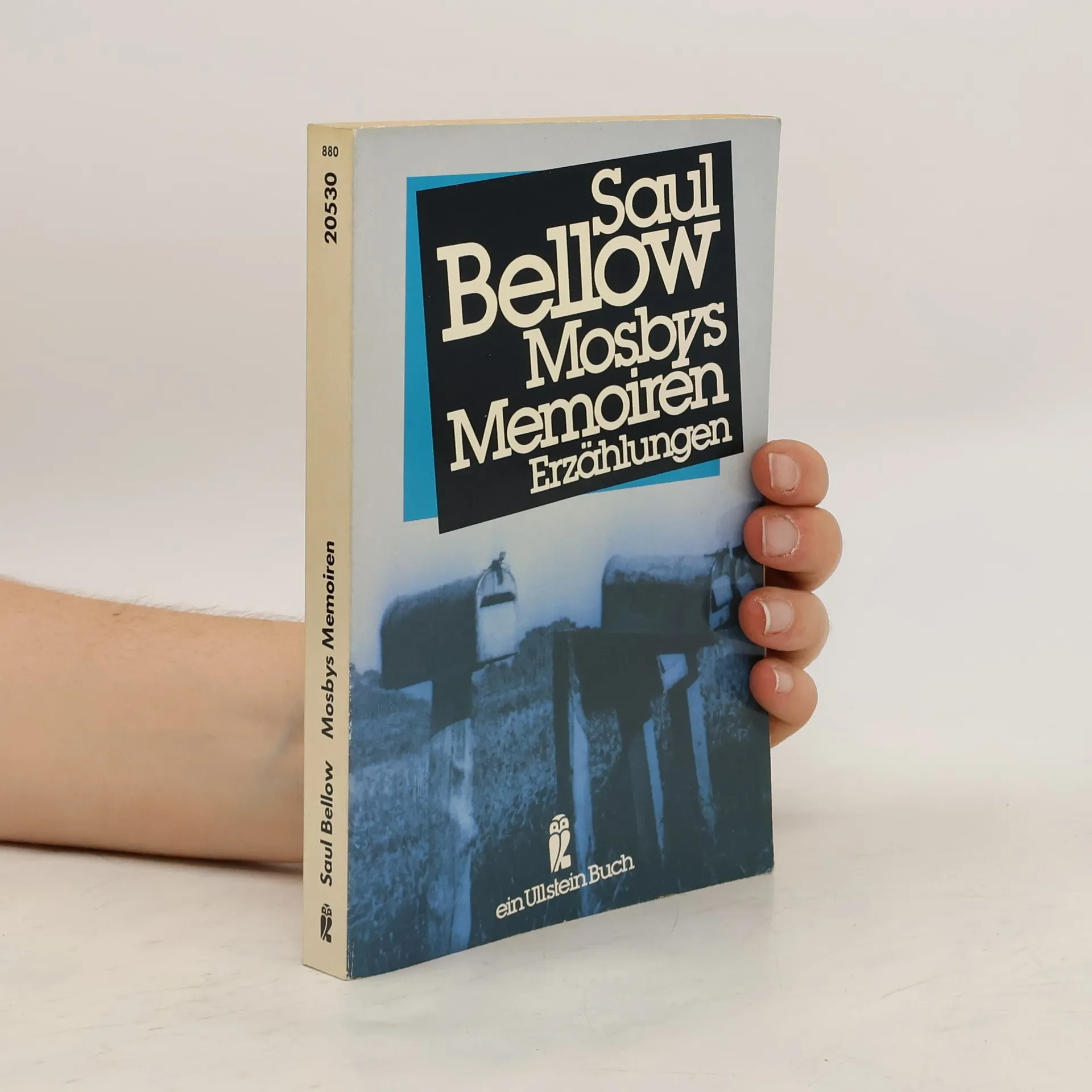
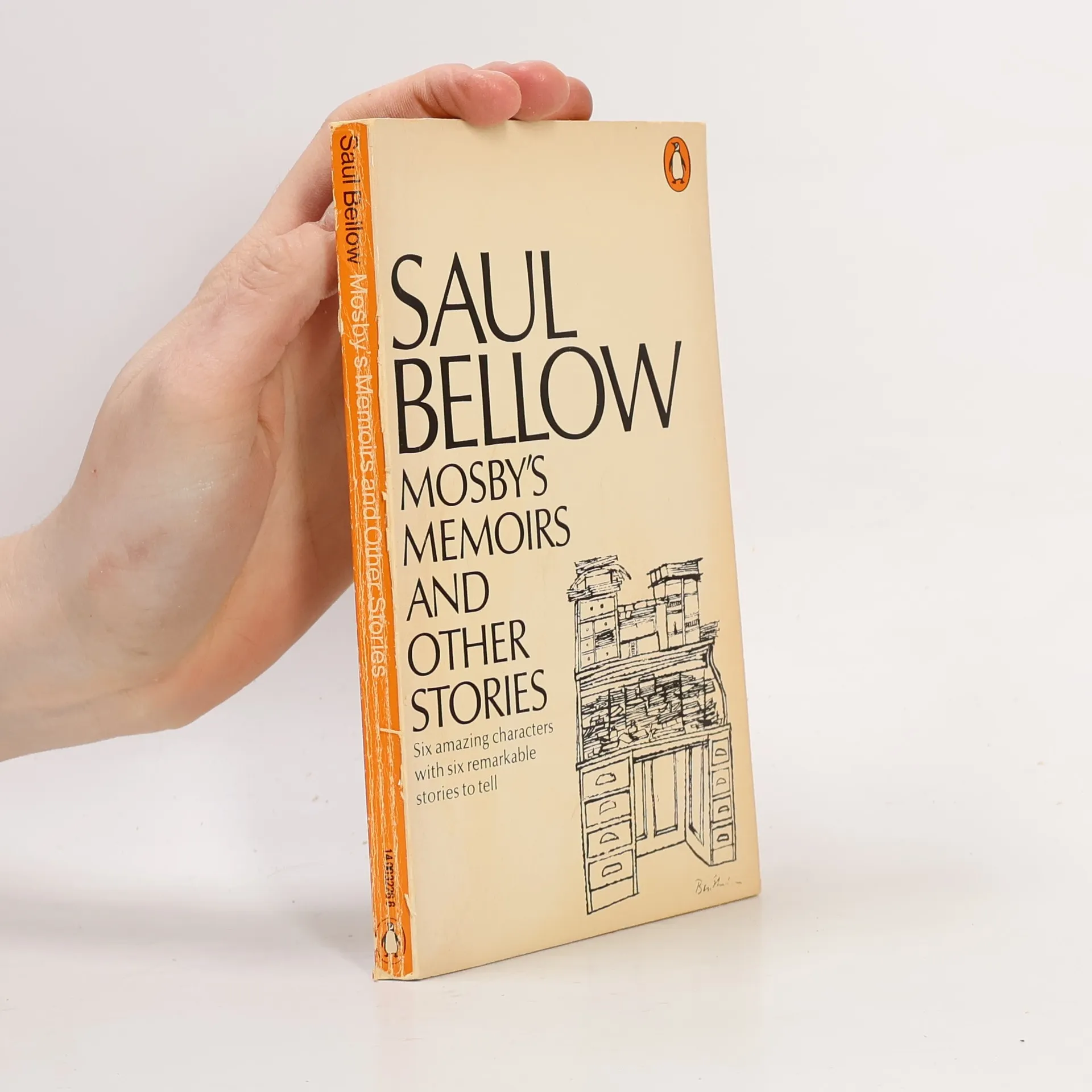
Saul Bellow's great novels have made him famous, and alongside them, the stories in this collection establish him as a master of short prose. In these stories, we encounter Bellow's central themes: the struggle of man with himself and the challenges of the world. The elderly Hattie fights against aging and the temptations of alcohol in her house in the Utah desert, while Rogin in "A Future Father" struggles to accept the quirks of his future wife. In "In Search of Mr. Green," the protagonist faces numerous obstacles in the Chicago depression while distributing welfare checks in the Black neighborhood. A young literary researcher searching for Gonzaga's manuscripts in Spain also confronts the unpredictable behavior of those around him. "The Old System" tells a tragicomic story of a Jewish family and their self-destructive hatred. In the titular story "Mosby's Memoirs," a diplomat and professor reflects on his failures during his stay in Mexico. Bellow's characters and their world are portrayed with thoughtful empathy for humanity, and through his sharp humor and subtle irony, fascinating narratives emerge that are described as "Chekhovian studies of individual life."
Modern Classics: It All Adds Up
From the Dim Past to the Uncertain Future
- 368 pages
- 13 hours of reading
Saul Bellow's journey as a writer began in his childhood in Chicago, where he was immersed in literature from diverse influences such as the Old Testament, Shakespeare, and Russian authors. Despite his mother's aspirations for him to pursue a more traditional career, Bellow was inspired by "Uncle Tom's Cabin" to follow his passion for writing. His academic background in Anthropology and Sociology from the University of Chicago and Northwestern University, along with his early work at the Encyclopaedia Britannica, shaped his literary voice.
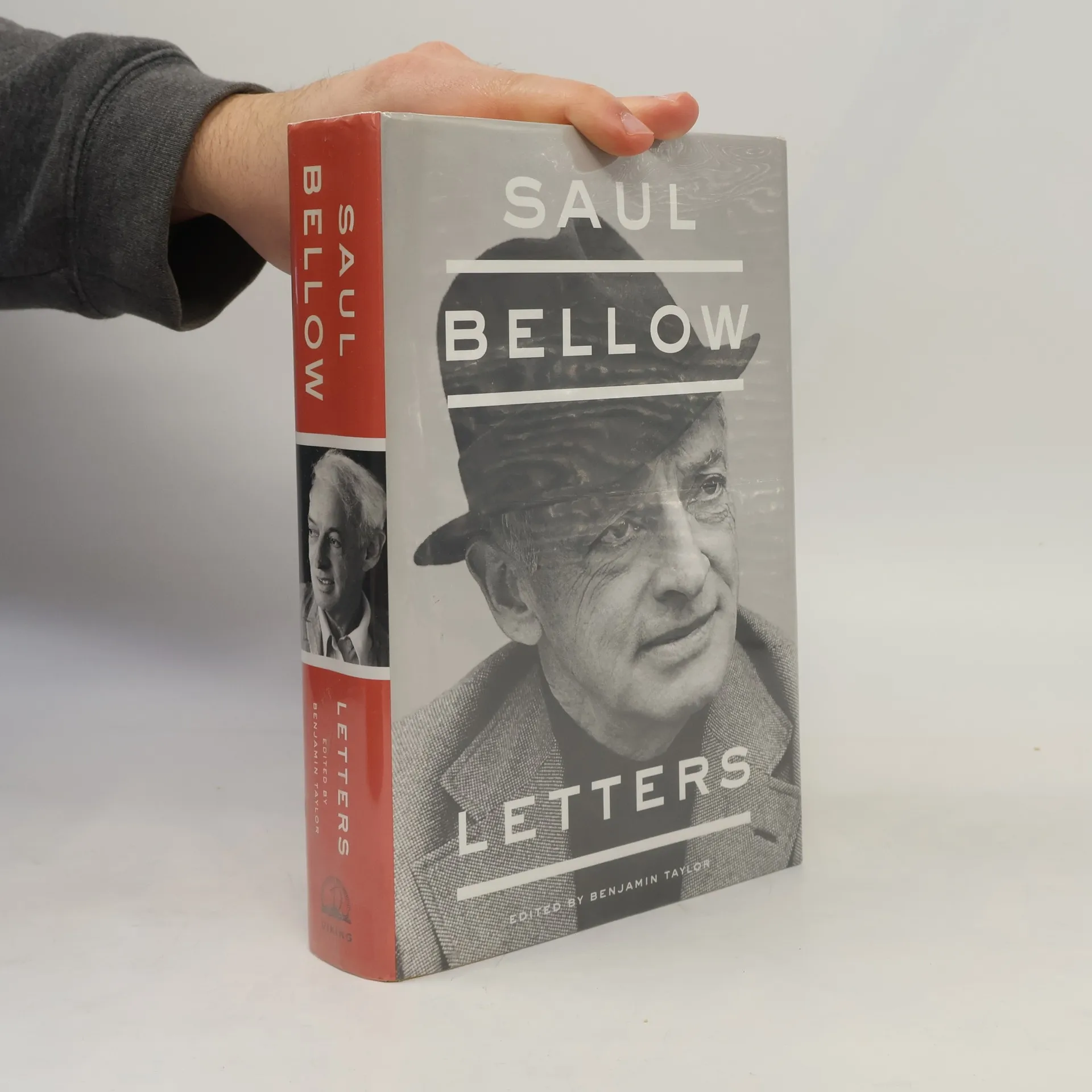
Letters
- 608 pages
- 22 hours of reading
A never-before-published collection of letters-an intimate self- portrait as well as the portrait of a century. Saul Bellow was a dedicated correspondent until a couple of years before his death, and his letters, spanning eight decades, show us a twentieth-century life in all its richness and complexity. Friends, lovers, wives, colleagues, and fans all cross these pages. Some of the finest letters are to Bellow's fellow writers-William Faulkner, John Cheever, Philip Roth, Martin Amis, Ralph Ellison, Cynthia Ozick, and Wright Morris. Intimate, ironical, richly observant, and funny, these letters reveal the influcences at work in the man, and illuminate his enduring legacy-the novels that earned him a Nobel Prize and the admiration of the world over. Saul Bellow: Letters is a major literary event and an important edition to Bellow's incomparable body of work.
"The Adventures of Augie March" is the great American Novel. Search no further. Martin Amis As soon as it first appeared in 1953, this novel by the great Saul Bellow was hailed as an American classic. Augie, the exuberant narrator-hero is a poor Chicago boy growing up during the Great Deptression. A born recruit, Augie makes himself available for a series of occupations, then proudly rejects each one as unworthy. His own oddity is reflected in the companions he encounters plungers, schemers, risk-takers, and hole-and corner operators like the would-be tycoon Einhorn or the would-be siren Thea, who travels with an eagle trained to hunt small creatures. This Penguin Classics edition, with an introduction by celebrated writer and critic Christopher Hitchens, makes a literary masterpiece available to a new generation of readers. For more than seventy years, Penguin has been the leading publisher of classic literature in the English-speaking world. With more than 1,700titles, Penguin Classics represents a global bookshelf of the best works throughout history and across genres and disciplines. Readers trust theseries to provide authoritative texts enhanced by introductions and notes by distinguished scholars and contemporary authors, as well as up-to-datetranslations by award-winning translators."
Collected stories
- 464 pages
- 17 hours of reading
This is the definitive collection of short stories by Saul Bellow. Abundant, precise, various, rich and exuberant, the stories display the stylistic and emotional brilliance which characterises this master of prose. Some stories recount the events of a single day, some are contained in a wider frame; each story is a characteristic combination of observation and a celebration of humanity. This volume contains a preface by his wife, Janis Bellow, and an introduction by James Wood. It is an essential collection.
Great Jewish Short Stories
- 414 pages
- 15 hours of reading
In this wonderfully entertaining collection edited by Nobel Prize-winning author Saul Bellow, 28 stories by outstanding Jewish authors capture all the bold color and rich flavor of Jewish culture through the ages. Includes stories by Sholom Aleichem, Isaac Bebel, S.J. Agnon, and others. Reissue.
Humboldt's Gift
- 471 pages
- 17 hours of reading
Renata, Rinaldo, and Charlie fove out destinies complicated by the unforgettable Humboldt. and Humboldt-drinker, lover, sometimes bum, and lifetime shadow of Charlie Citrine-plots a dubious revenge for services rendered in the name of friendship.
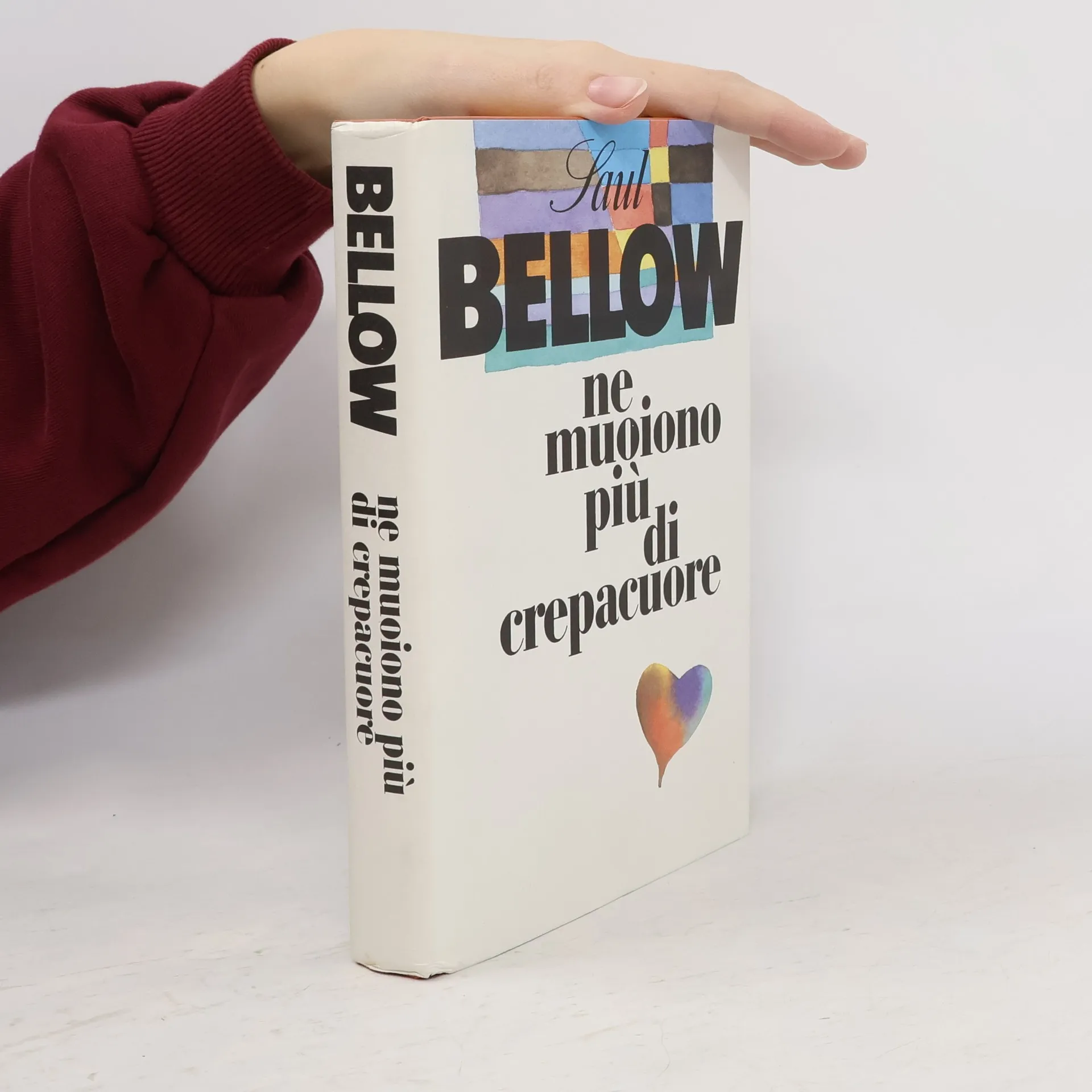
Kenneth Trachtenberg, the witty and eccentric narrator of More Die of Heartbreak, has left his native Paris for the Midwest. He has come to be near his beloved uncle, the world-renowned botanist Benn Crader, self-described "plant visionary." While his studies take him around the world, Benn, a restless spirit, has not been able to satisfy his longings after his first marriage and lives from affair to affair and from "bliss to breakdown." Imagining that a settled existence will end his anguish, Benn ties the knot again, opening the door to a flood of new torments. As Kenneth grapples with his own problems involving his unusual lady-friend Treckie, the two men try to figure out why gifted and intelligent people invariably find themselves "knee-deep in the garbage of a personal life."
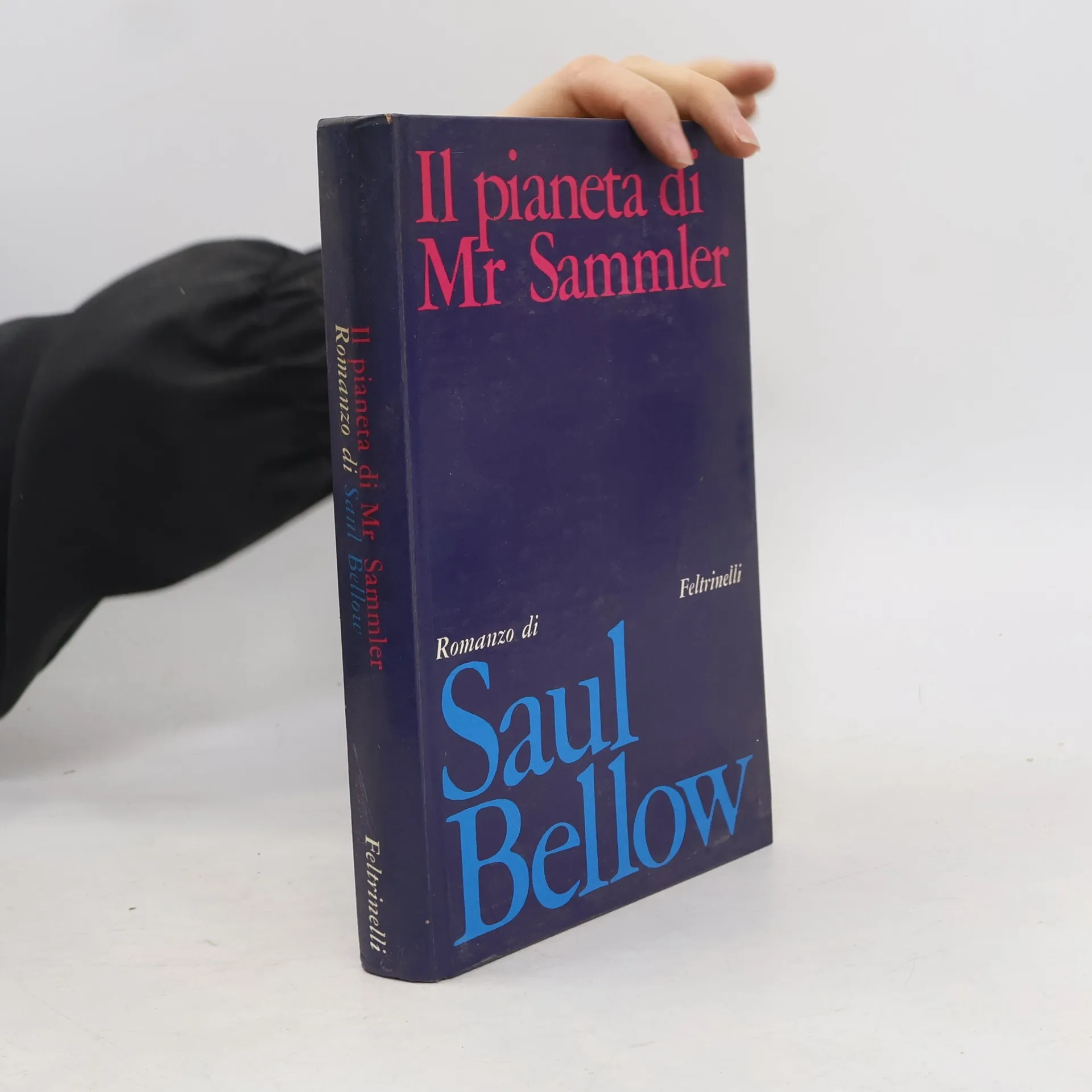
Mr. Sammler's Planet
- 286 pages
- 11 hours of reading
Mr. Artur Sammler, Holocaust survivor, intellectual and occasional lecturer at Columbia University in 1960s New York, is a 'registrar of madness', a refined and civilized being caught among people crazy with the promises of the future (moon landings, endless possibilities). His Cyclopean gaze reflects on the degradations of city life while looking deep into the sufferings of the human soul. 'Sorry for all and sore at heart', he observes how greater luxury & leisure have only led to more suffering. To Sammler--who by the end of this ferociously unsentimental novel has found the compassionate consciousness necessary to bridge the gap between himself and his fellow beings--a good life is one in which a person does what is 'required of him'. To know and to meet the 'terms of the contract" was as true a life as one could live. At its heart, this novel is quintessential Bellow: moral, urbane, sublimely humane.
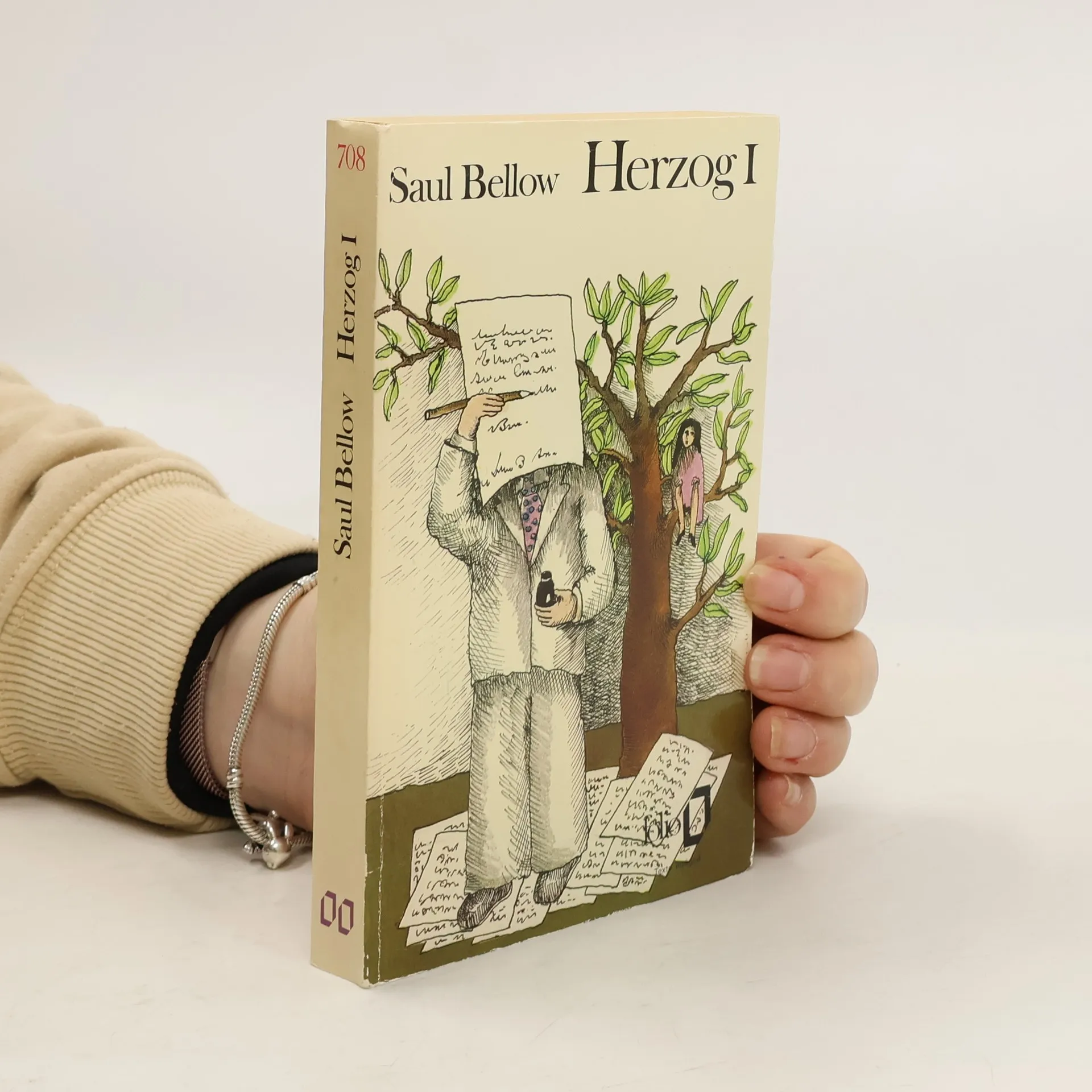
Herzog
- 368 pages
- 13 hours of reading
Is Moses Herzog losing his mind? His formidable wife Madeleine has left him for his best friend, and Herzog is left alone with his whirling thoughts - yet he still sees himself as a survivor, raging against private disasters and the myriad catastrophes of the modern age. schovat popis
In Philip Roth's intimate intellectual encounters with an international and diverse cast of writers, they explore the importance of region, politics and history in their work and trace the imaginative path by which a writer's highly individualized art is informed by the wider conditions of life. With Primo Levi, Roth discusses the stubborn core of rationality that helped the Italian chemist-writer survive the demented laboratory of Auschwitz. With Milan Kundera, he analyzes the mix of politics and sexuality that made him the most subversive writer in communist Czechoslovakia. With Edna O'Brien, he explores the circumstances that have forced generations of Irish writers into exile. Elsewhere Roth offers appreciative portraits of two friends--the writer Bernard Malamud and the painter Philip Guston--at the end of their careers, and gives us a masterful assessment of the work of Saul Bellow. Intimate, charming, and crackling with ideas about the interplay between imagination and the writer's historical situation, Shop Talk is a literary symposium of the highest level, presided over by America's foremost novelist.
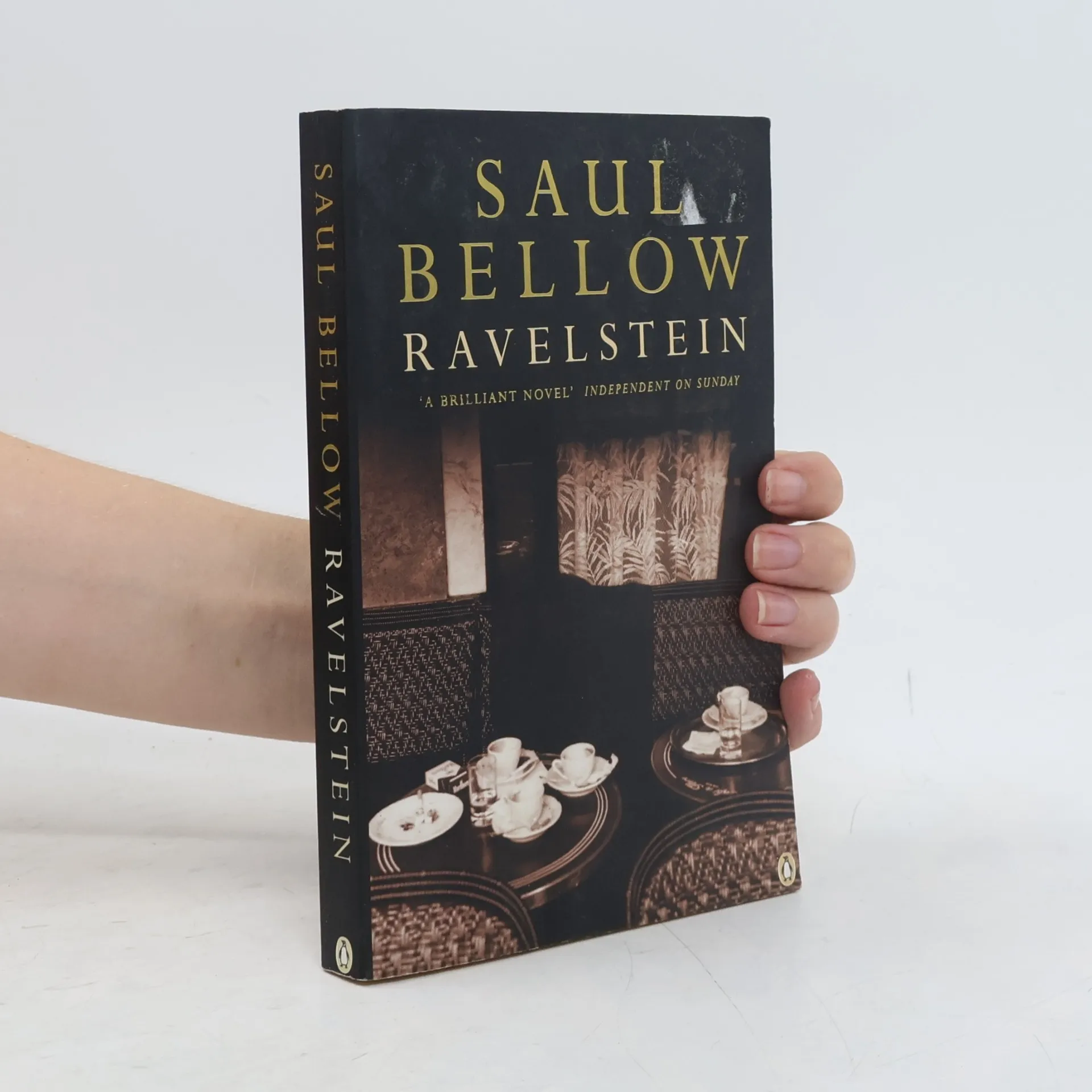
Ravelstein
- 233 pages
- 9 hours of reading
Encouraged by his friend, Chick, to write down his ideas about humankind, university professor Abe Ravelstein receives unexpected acclaim and bounty and invites Chick to join in his success, a situation that sparks a philosophical journey for both.
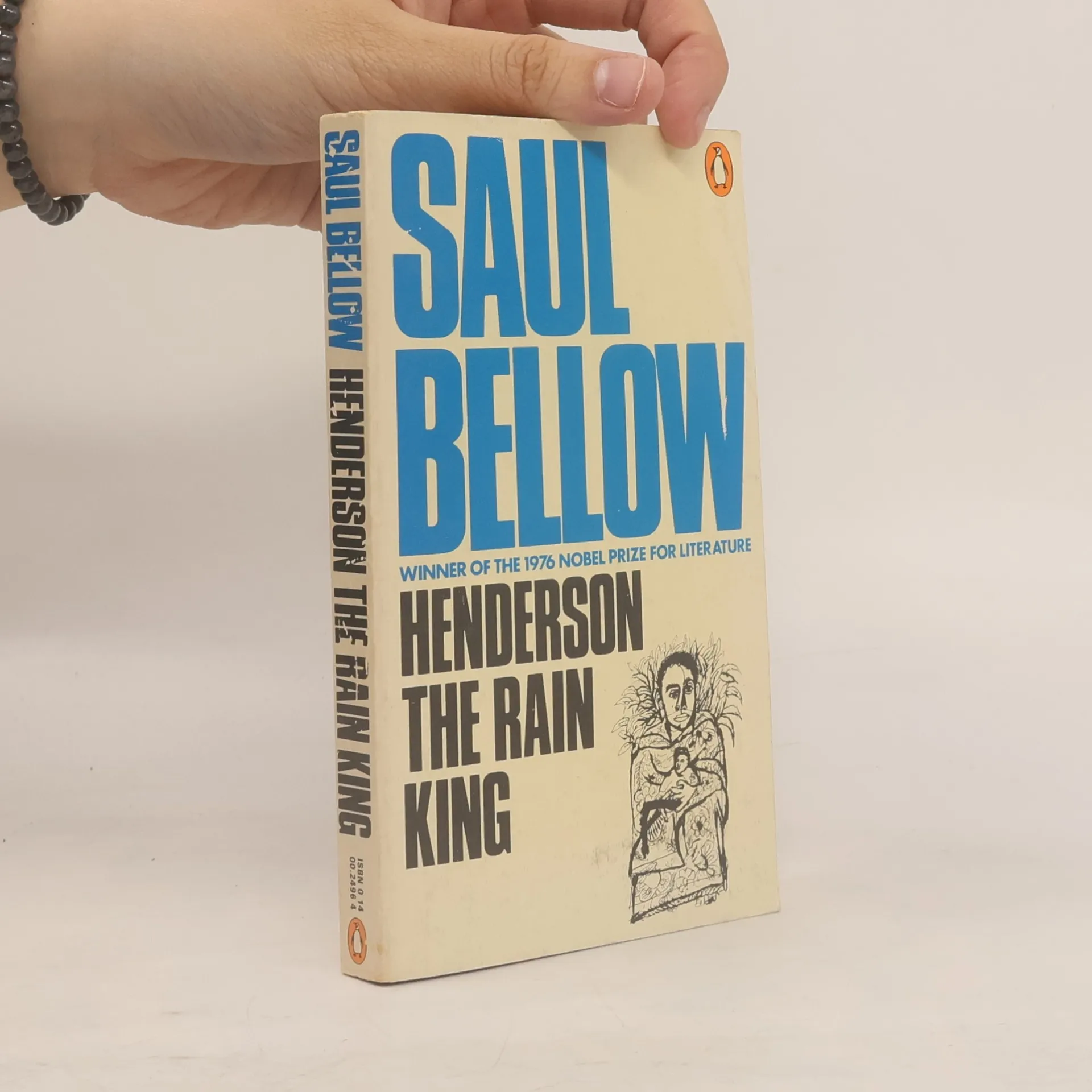
Henderson is a rich hard-drinking middle-aged American tycoon. On an impulse he walks out of his marriage - to 'darkest Africa.' But this is not so much the Africa we know from the foreign correspondents as a mysterious land of myth and magic. How - in a fantastic ceremonial trial of strength - he rises to the rank of rain-maker to a primitive tribe and becomes right-hand man to a local chief is an extravagantly funny and wildly energetic story - Saul Bellow, in fact.
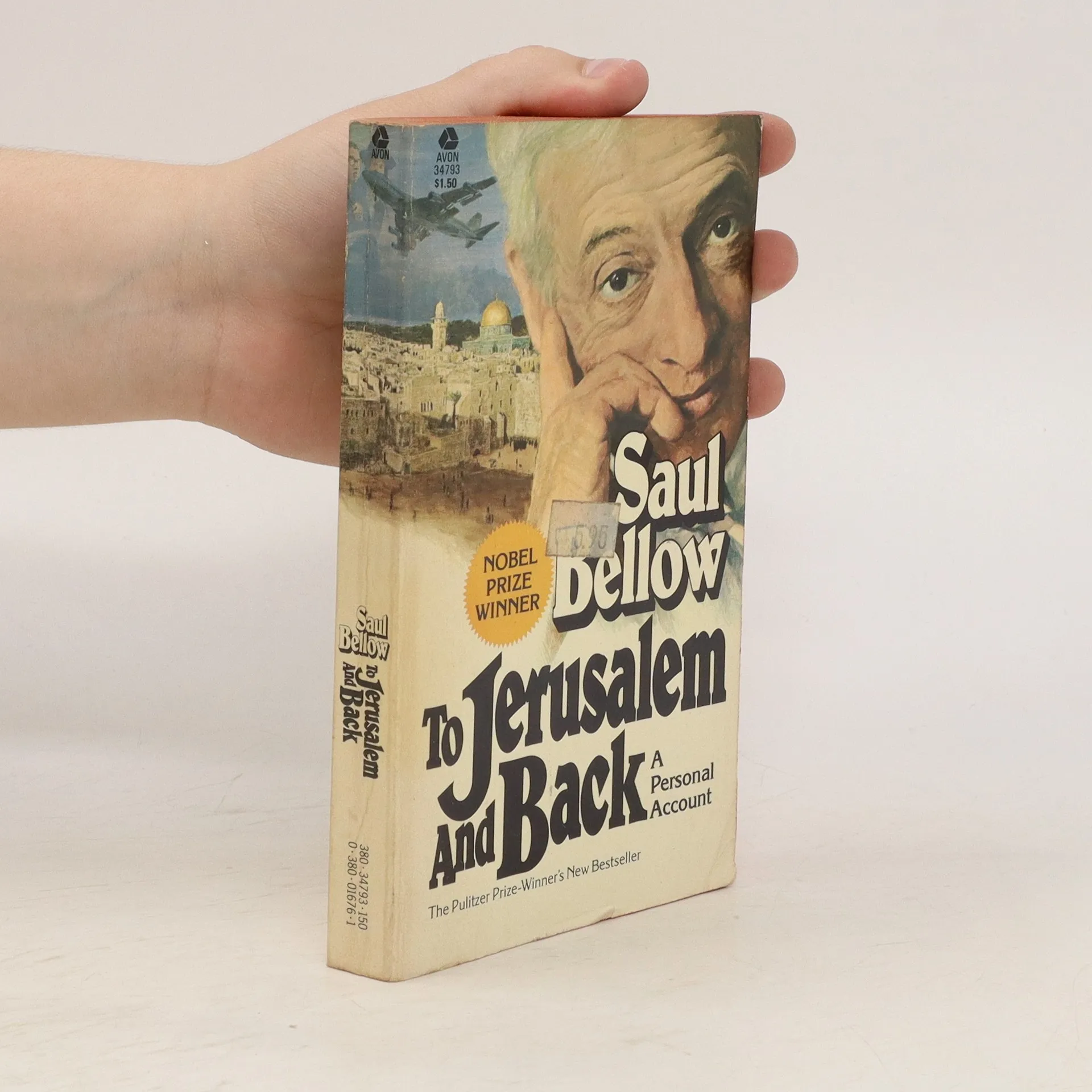
To Jerusalem and Back
- 232 pages
- 9 hours of reading
In this "impassioned and thoughtful book" (The New York Times), Bellow records the opinions, passions, and dreams of Israelis of varying viewpoints -- Yitzhak Rabin, Amos Oz, the editor of the largest Arab-language newspaper in Israel, a kibbutznik escaped from the Warsaw Ghetto -- and adds his own thoughts on being Jewish in the twentieth century.
This dazzling collection of shorter fiction describes a series of self-awakenings -- a suburban divorcee deciding among lovers, a celebrity drawn into his cousin's life of crime, a father remembering bygone Chicago, an artist, and an academic awaiting extradition for some unnamed offense.
When his induction into the army is delayed, Joseph finds himself facing a year of idleness. This journal presents an account of his restless wanderings through Chicago's streets, his musings on the past, his psychological reaction to his inactivity while war rages around him, and his uneasy insights into the nature of freedom and choice.
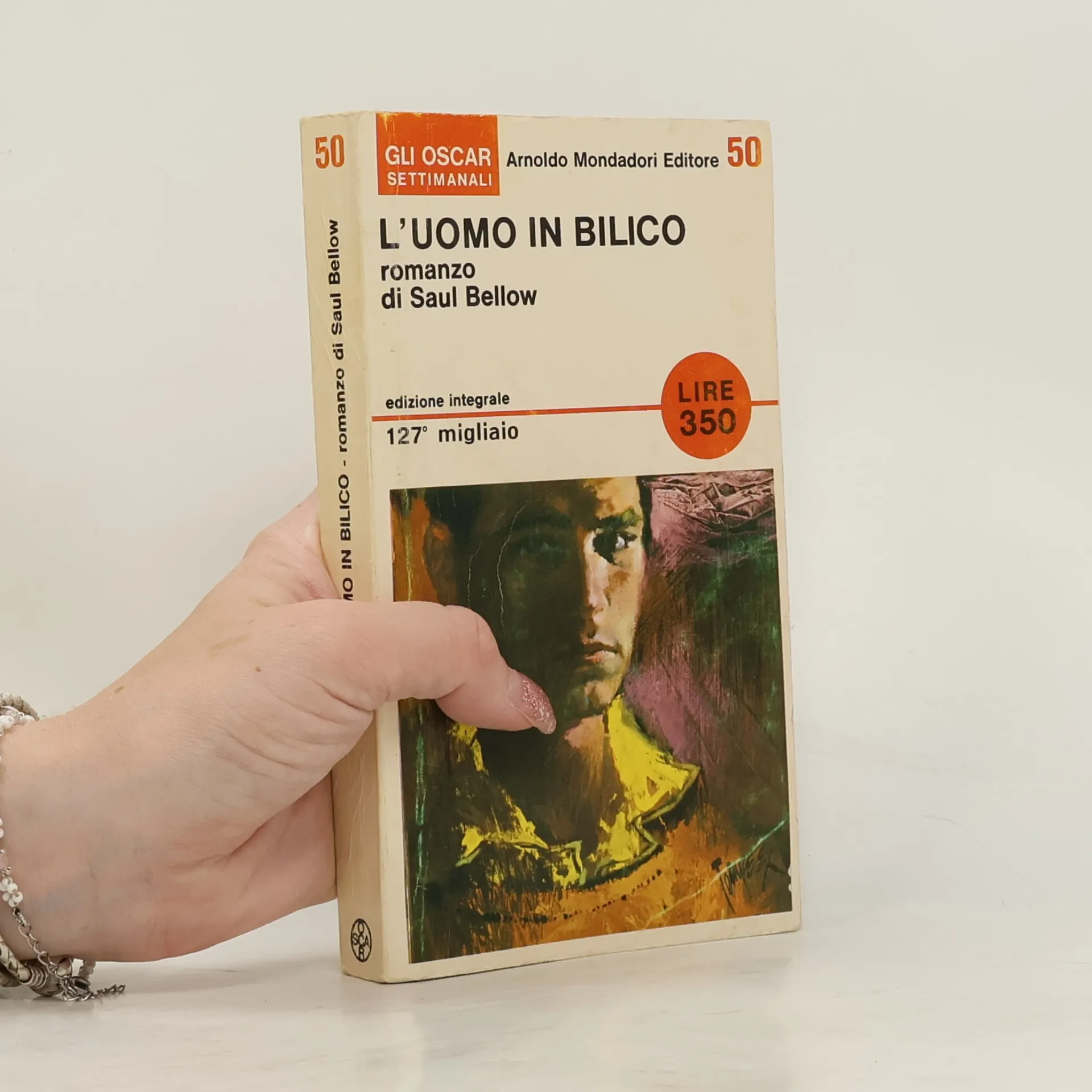
Asa Leventhal, a Jewish magazine editor, is accused by an old acquaintance of ruining his life
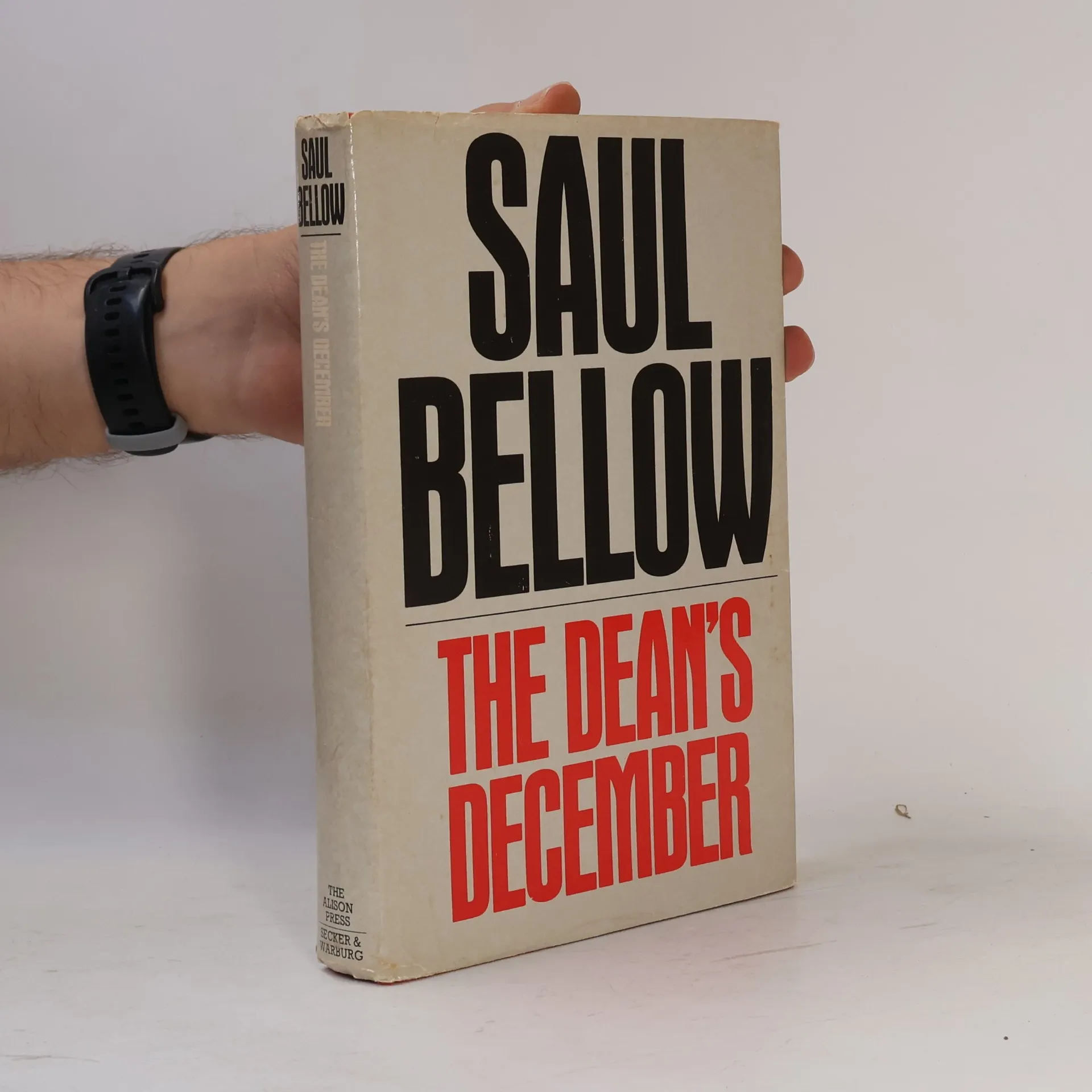
The Dean's December
- 320 pages
- 12 hours of reading
Corde, a Professor of Journalism and Dean at a Chicago university, faces a life-altering experience while accompanying his wife Minna, an esteemed astronomer, to Eastern Europe. Minna's mother has suffered a stroke and is hospitalized, prompting them to navigate an unfamiliar bureaucracy and adapt to life in her small apartment. As Corde supports Minna, he receives troubling news from Chicago: a student has been murdered, and family members pressure him to abandon his investigation. Additionally, articles he's writing for a magazine offend influential Chicagoans he once considered friends. A childhood companion, now a television pundit, reveals unexpected facets of Corde's character, forcing him to confront his own beliefs and values. As the narrative unfolds, it becomes evident that this trip is not merely a temporary escape but a pivotal moment that will irrevocably alter Corde's life. Blending Bellow's signature wit and erudition with a new sense of urgency and tension, the story captivates readers, offering a fresh perspective while maintaining the rich language and depth characteristic of his previous works.
Fading charmer Tommy Wilhelm has reached his day of reckoning and is scared. In his forties, he still retains a boyish impetuousness that has brought him to the brink of chaos: He is separated from his wife and children, at odds with his vain, successful father, failed in his acting career (a Hollywood agent once cast him as the "type that loses the girl"), and in a financial mess. In the course of one climactic day he reviews his past mistakes and spiritual malaise, until a mysterious, philosophizing con man grants him a glorious, illuminating moment of truth and understanding, and offers him one last hope.
The Bellarosa Connection
- 102 pages
- 4 hours of reading
A powerfully compressed exploration of the meaning of memory, The Bellarosa Connection is a masterful novella from a writer whose new work of fiction is further testament to his acclaimed gifts in creativity.
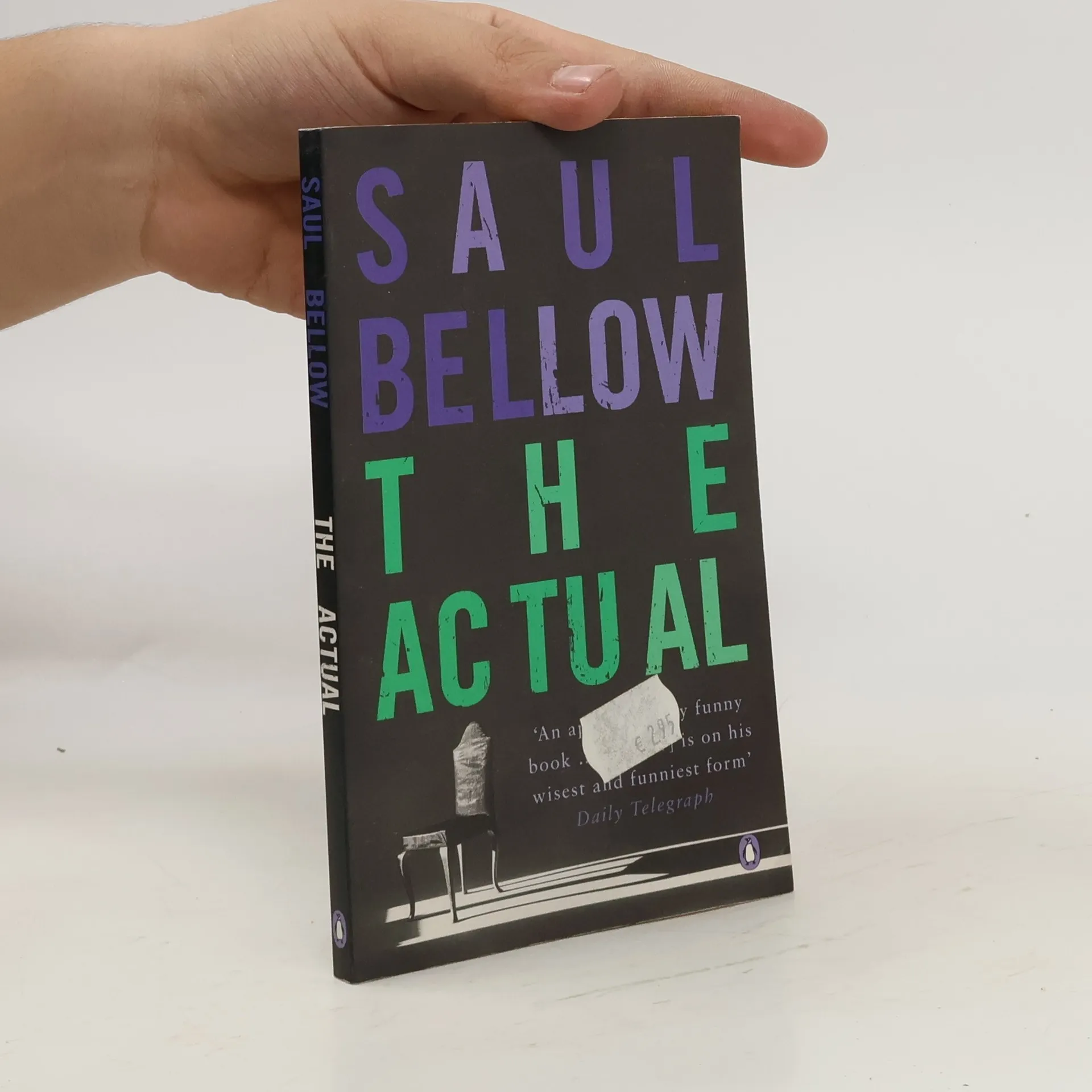
The Actual
- 128 pages
- 5 hours of reading
In this wise and dazzling work of fiction, Nobel laureate Saul Bellow writes comically and tragically about the tenacity of first love. ""The Actual" (is) the ultimate springtime story".--"San Francisco Chronicle Book Review".
Leaving the Yellow House
- 64 pages
- 3 hours of reading
A stubborn, hard-drinking elderly woman living in a desert town finds herself faced with an impossible choice
A theft
- 109 pages
- 4 hours of reading
Many years ago, Teddy gave Clara an emerald ring that she has cherished as a symbol of her passion for him. The ring is lost and after many years - eventually - discovered.
The Viking Portable Library: The Portable Saul Bellow
- 654 pages
- 23 hours of reading
Bellow's concern with the spiritual restrictions of the human environment is revealed in this representative selection of his best works
Two rival businessmen meet in the Warsaw train station. "Where are you going?" says the first man."To Minsk," says the second."To Minsk, eh? What a nerve you have! I know you're telling me you're going to Minsk because you want me to think that you're really going to Pinsk. But it so happens that I know you really are going to Minsk. So why are you lying to me?"Four men are walking in the desert.The German says, "I'm tired and thirsty. I must have a beer."The Italian says, "I'm tired and thirsty. I must have wine."The Mexican says, "I'm tired and thirsty.I must have tequila."The Jew says, "I'm tired and thirsty. I must have diabetes."
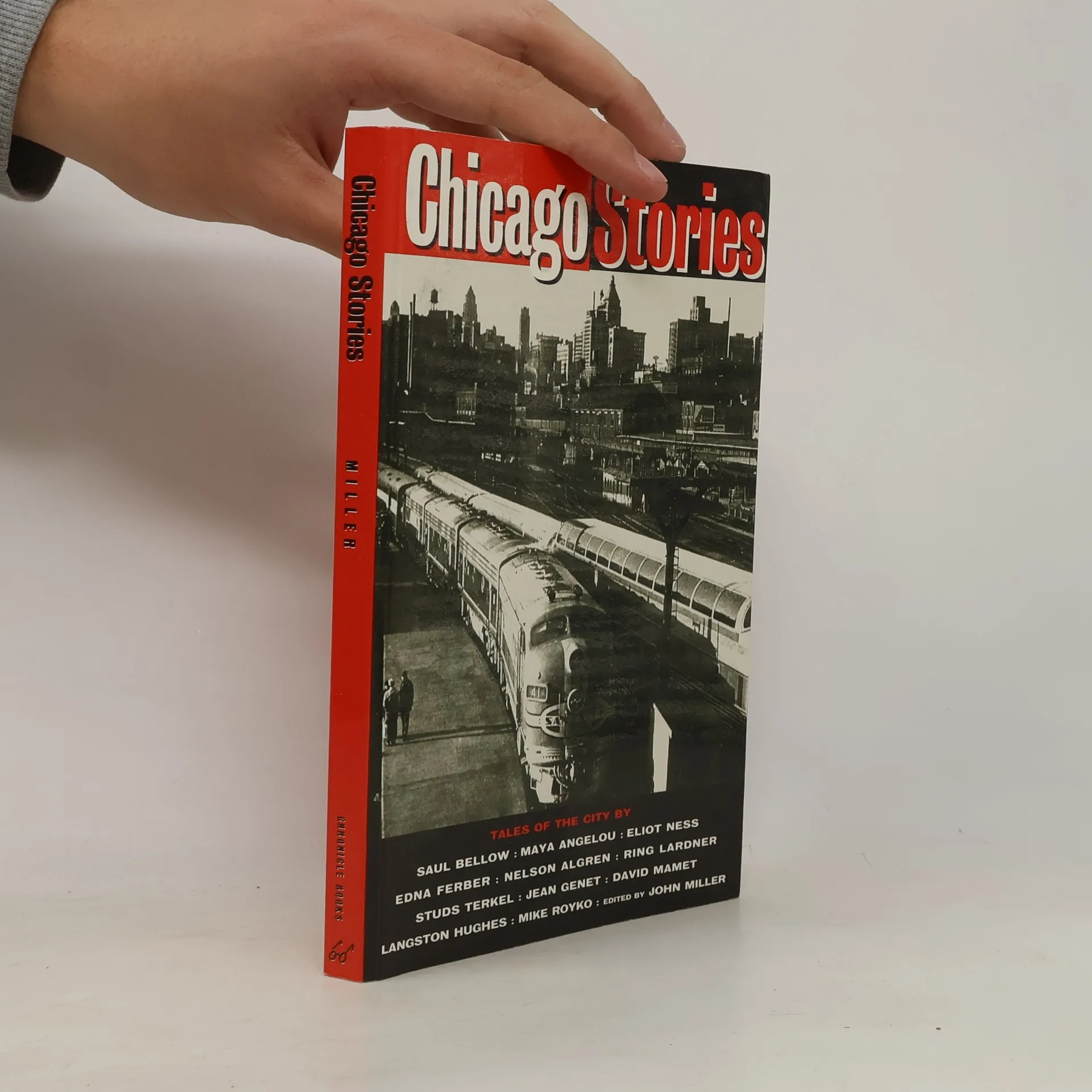
Chicago Stories
- 256 pages
- 9 hours of reading
Hometown and host to talents as diverse as Richard Wright, David Mamet, Maya Angelou, Saul Bellow, and Mike Royko, Chicago boasts a rich tradition of writers who have helped shape our sense of the city even as the city informs their best work. It's "a writer's town . . . a fighter's town," according to Nelson Algren, and this anthology proves it. With a striking new cover, Chicago Stories collects the most evocative writing on the city, its gritty realism, and indomitable spirit.
"Mehr noch sterben an gebrochnem Herzen" erzählt die Geschichte des Botanikers Benn Crader, der in Liebesangelegenheiten ahnungslos ist. Sein Neffe Kenneth beobachtet entsetzt die Heiratspläne seines Onkels mit der ehrgeizigen Matilda. Nach der Ehe flieht Benn vor familiären Konflikten und kehrt zur Wissenschaft zurück, während der Roman humorvoll und nachdenklich die Probleme unserer Zeit beleuchtet.
Damit du dich an mich erinnerst
- 204 pages
- 8 hours of reading
Zwei brillant geschriebene Novellen aus dem Alterswerk Saul Bellows, in denen uns ein 17-jähriger Jüngling aus Chicago und eine erfolgreiche New Yorkerin durch ihre Stadt und ihr Leben führen und in denen - wie immer bei Saul Bellow - Komisches und Tragisches, Witz und Melancholie dicht beieinander liegen. Mit stilistischer Brillanz bettet der Autor die Geschichten ein in eine Fülle von stimmungsvollen Beobachtungen und Figuren, die unvergeßlich charakterisiert sind. Ein großes Lesevergnügen.
El Hombre que hablaba demasiado
- 281 pages
- 10 hours of reading
El Hombre Que Hablaba Demasiado Y Otros Cuentos de Bellow Saul. B., Plaza Janes, 1985.
Tintenfass 13
- 231 pages
- 9 hours of reading
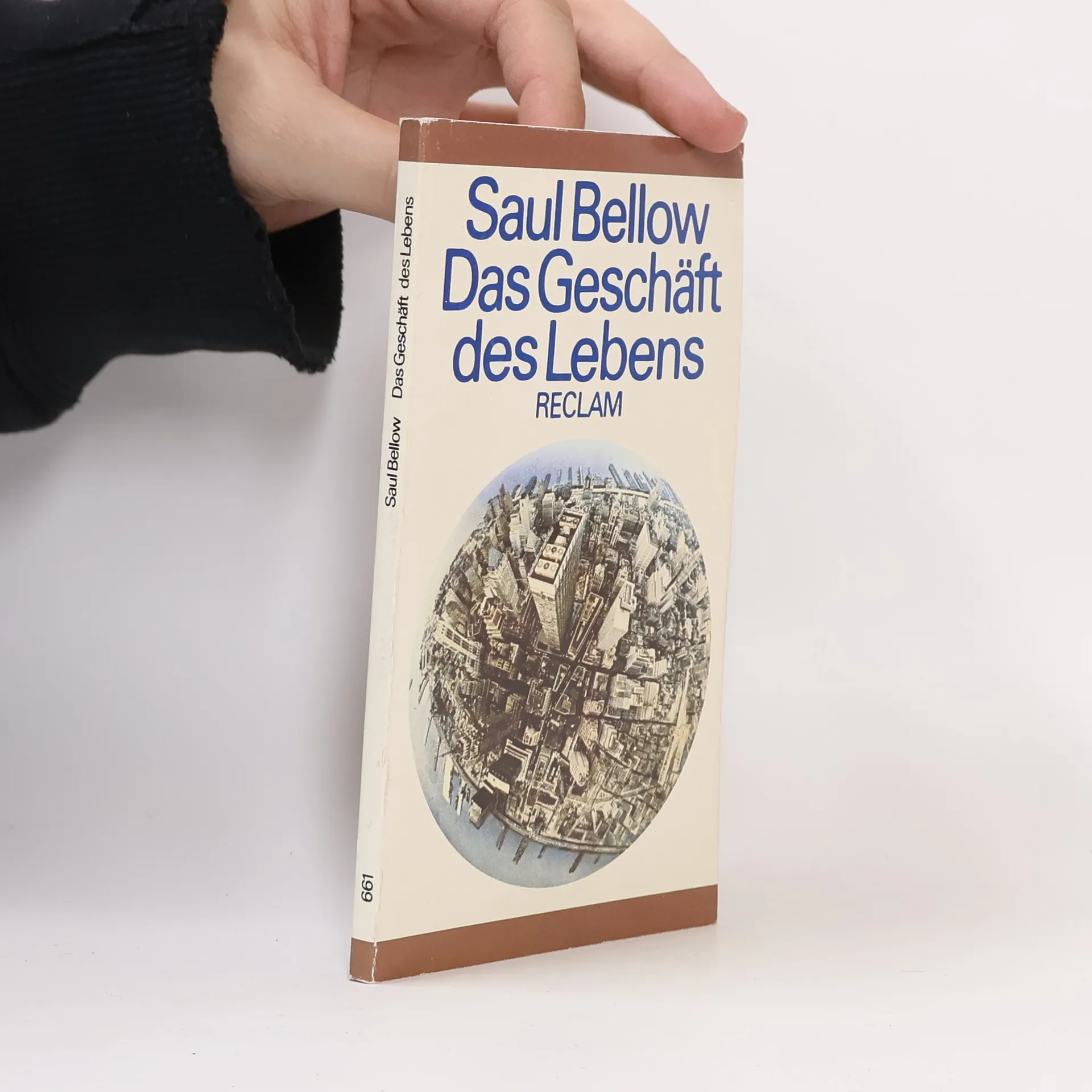
Mosbys Memoiren
- 253 pages
- 9 hours of reading
Юный герой романа остро сознает свою неспособность разделить патриотические настроения воющей Америки. Он честно пытается стать частью "единого национального целого" - но все тщетно
Zweisprachige Ausgabe: Deutsch /Englisch
"Приключения Оги Марча" - один из лучших романов Сола Беллоу, удостоенный Национальной книжной премии. Захватывающая, трогательная, многоплановая, полная философского смысла история мальчика, которому выпала судьба взрослеть, совершать открытия, любить и искать свое место в мире в самые драматические моменты истории.
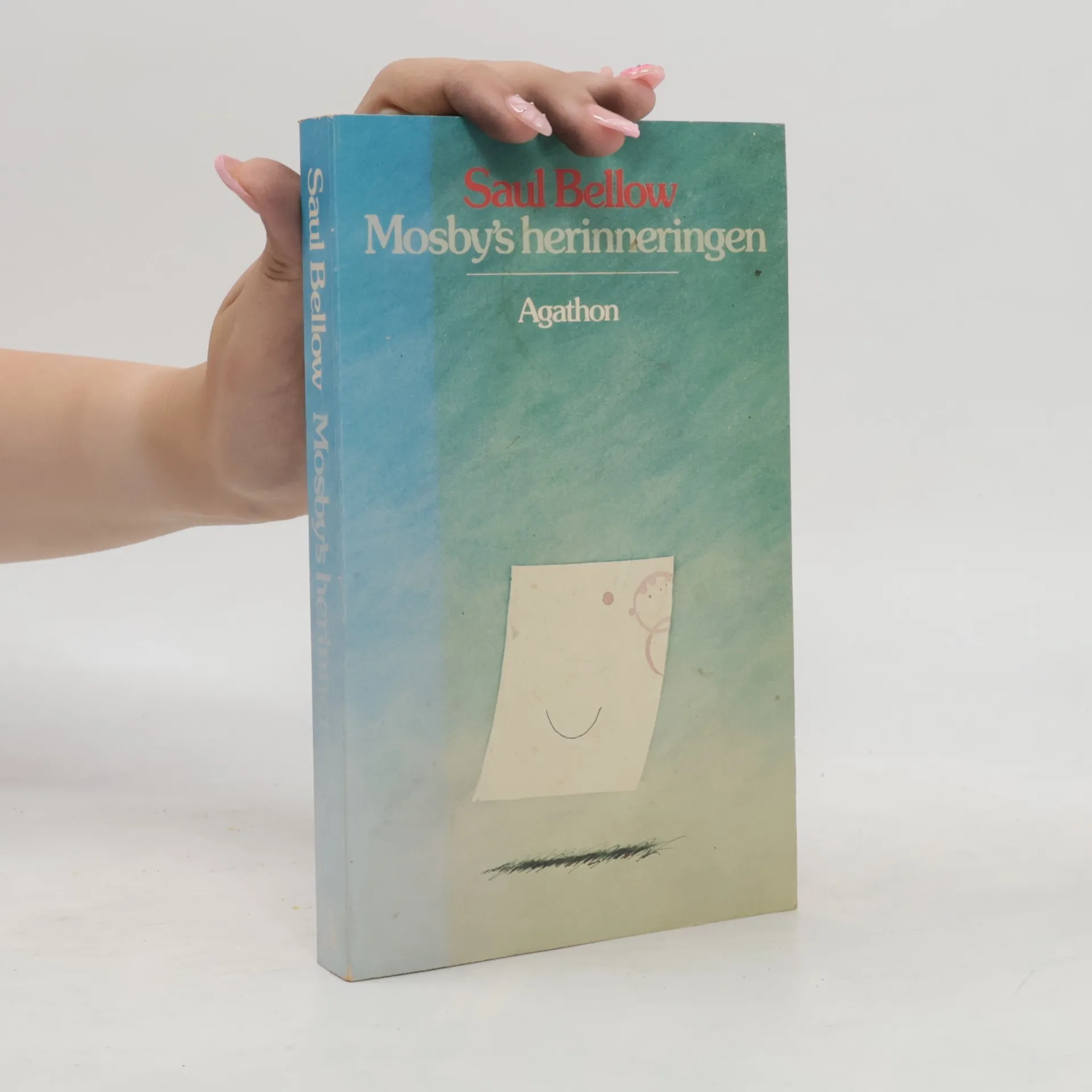
De menselijke komedie, aandoenlijk en ongerijmd, is het onderwerp van de zes verhalen uit dit boek. Bellows figuren - van Hattie, die zich moedig verzet tegen het ouder worden en de drank, tot Mosby, de intelligente professor die langzaam maar zeker de afgrond in zichzelf nadert - worden allen, ieder op zijn eigen wijze, geconfronteerd met het raadsel van hun bestaan. De hier gebundelde verhalen bestrijken in Bellows oeuvre de periode 1951 tot 1968. Mosby, hoofdpersoon uit het titelverhaal, is een intellectueel van het type Herzog. Hij is een man met grote ambities, maar is er nooit in geslaagd die te vervullen. Hij weet dat hij bekend staat (of stond) om zijn geestigheid, maar nu hij zijn memoires aan het schrijven is, begint hij zich te ergeren aan de ernst van al zijn herinneringen. Daarom last hij de lotgevallen van Lustgarten in; een avontuurlijke vriend vol plannen en politieke ambities, maar een consequente blunderaar. In de genadeloze, maar oneerlijke beschrijving van deze Lustgarten verraadt Mosby zichzelf: tussen de regels door komt de desolate toestand van Mosby zelf aan het licht - iemand die tot alles afstand heeft gehouden en nu innerlijk dood is. Degene die hij tot mikpunt neemt in zijn memoires mag dan een clown zijn, maar er zit tenminste leven in hem.
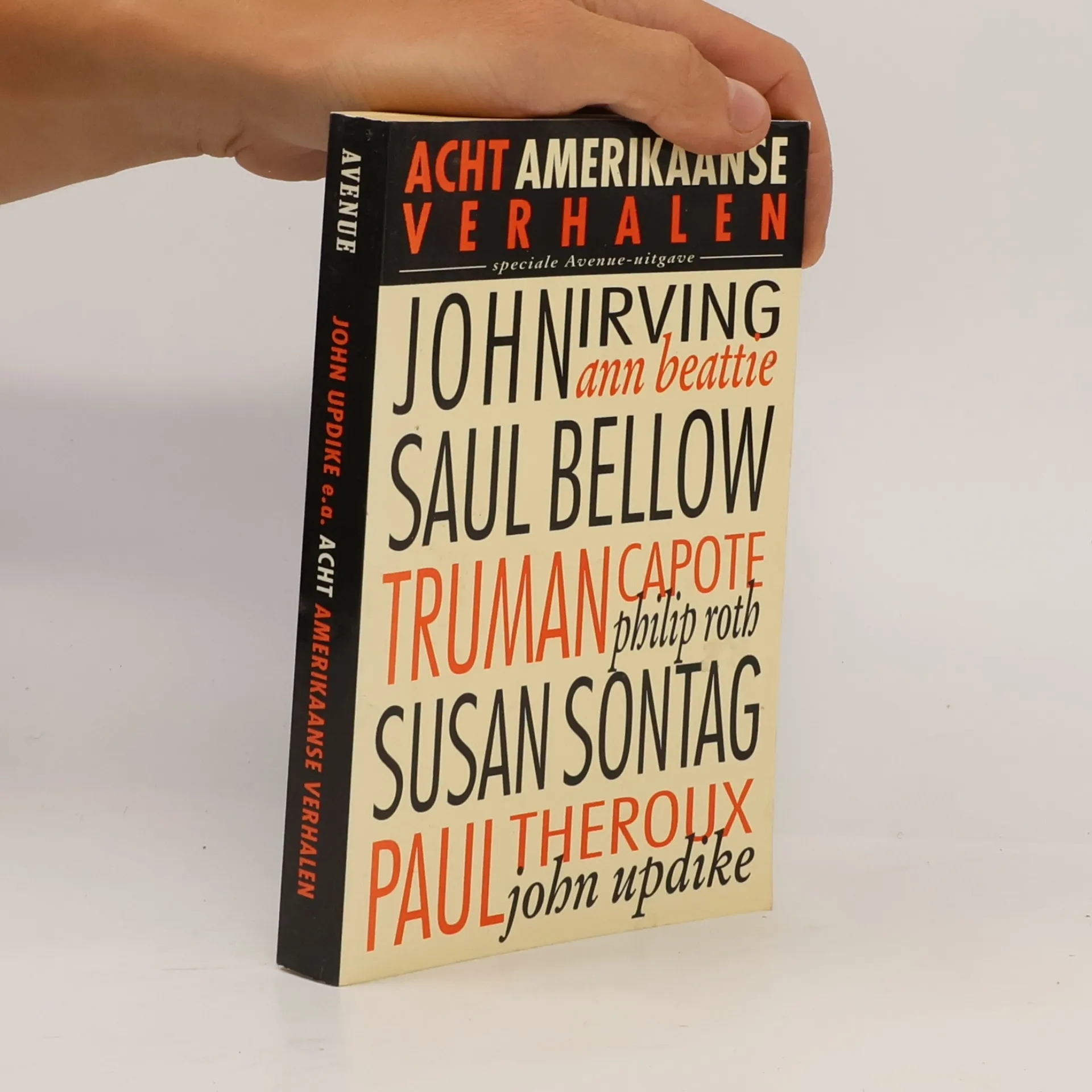
Acht Amerikaanse Verhalen
- 225 pages
- 8 hours of reading
Speciale Avenue-uitgave
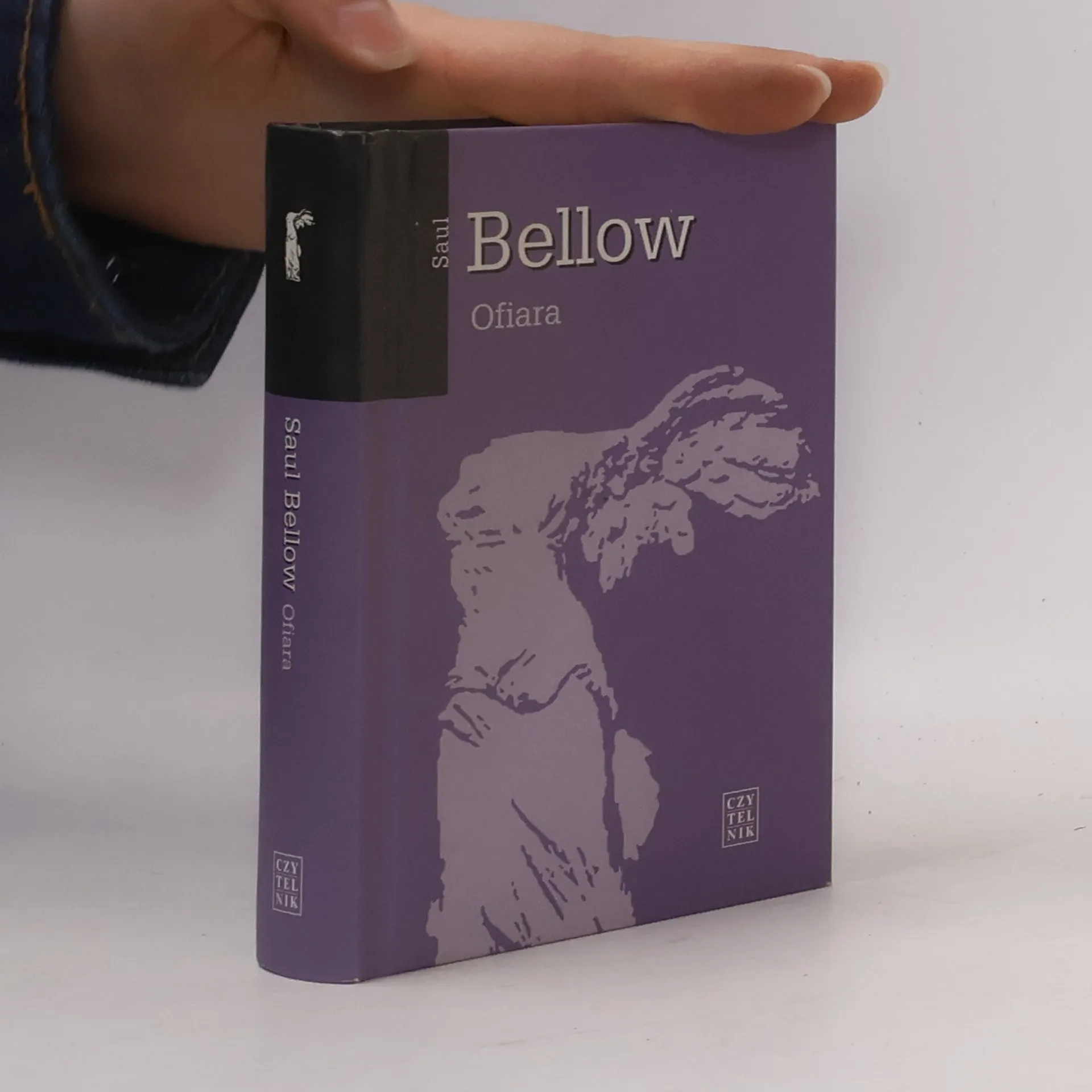
Ofiara
- 416 pages
- 15 hours of reading
Ofiara (1947) - jedna z pierwszych powieści Saula Bellowa, autora tak wybitnych ksiązek, jak Herzog, Przypadki Augiego Marcha czy Dar Humbolta - stanowi ważny etap w pisarskim rozwoju noblisty z 1976 roku. Bohaterem powieści jest nowojorski Żyd Asa Leventhal. Jego żona wyjeżdża na kilka tygodni do matki, on zaś pozostaje sam na sam z upalnym miejskim latem i koszmarem, który niesie ze sobą nagłe pojawienie się dawnego znajomego. Obaj brali kiedyś udział w pewnym przyjęciu, podczas którego ów człowiek pozwolił sobie na antysemickie uwagi pod adresem przyjaciela Asy. A teraz, po latach, to on obwinia Leventhala o zrujnowanie mu życia i staje się jego prześladowcą.ID=ksiazka&a...ID=ksiazka&a...
Djela: Žrtva
- 235 pages
- 9 hours of reading
Djela: Dekanov decembar
- 329 pages
- 12 hours of reading
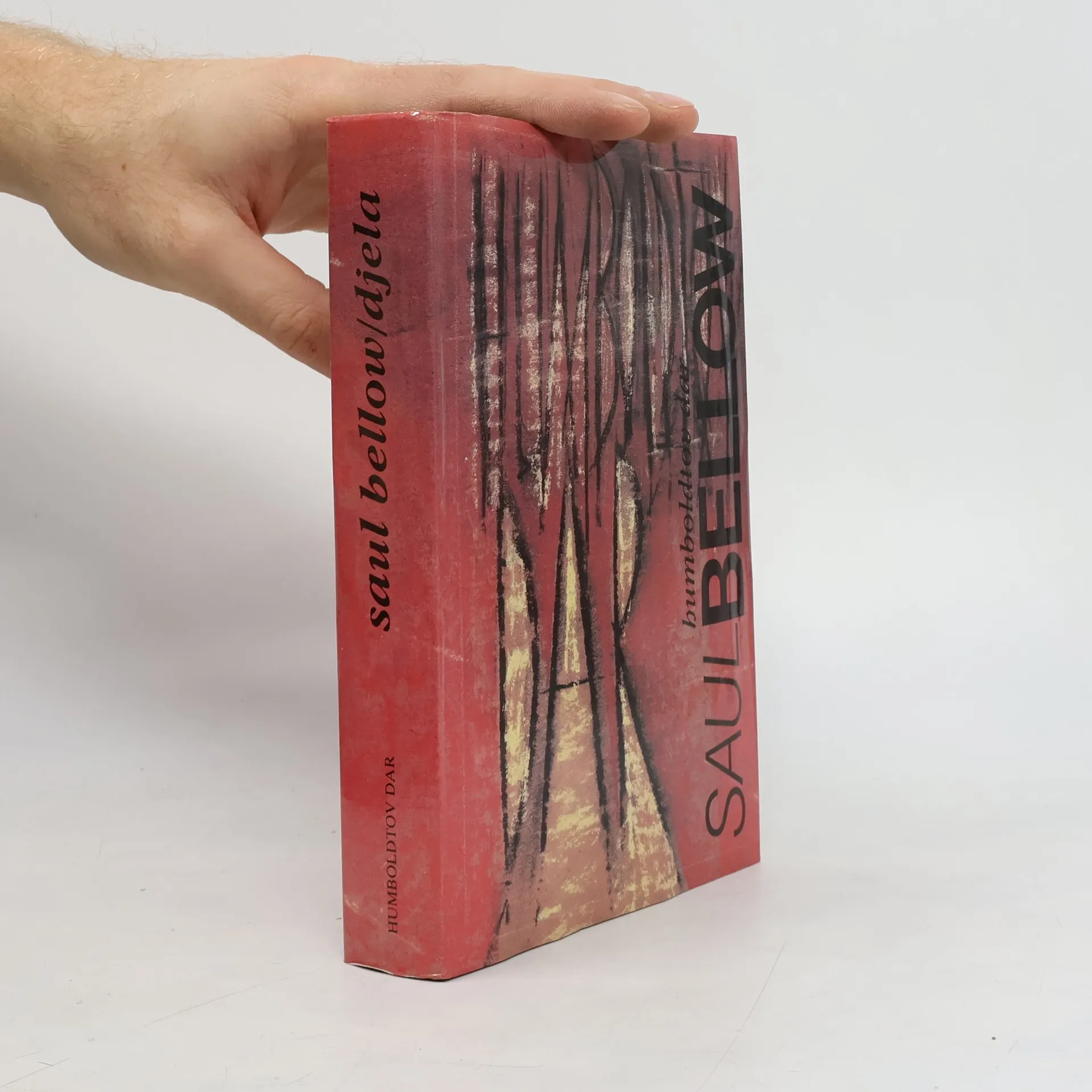
Humboldtov dar
- 489 pages
- 18 hours of reading
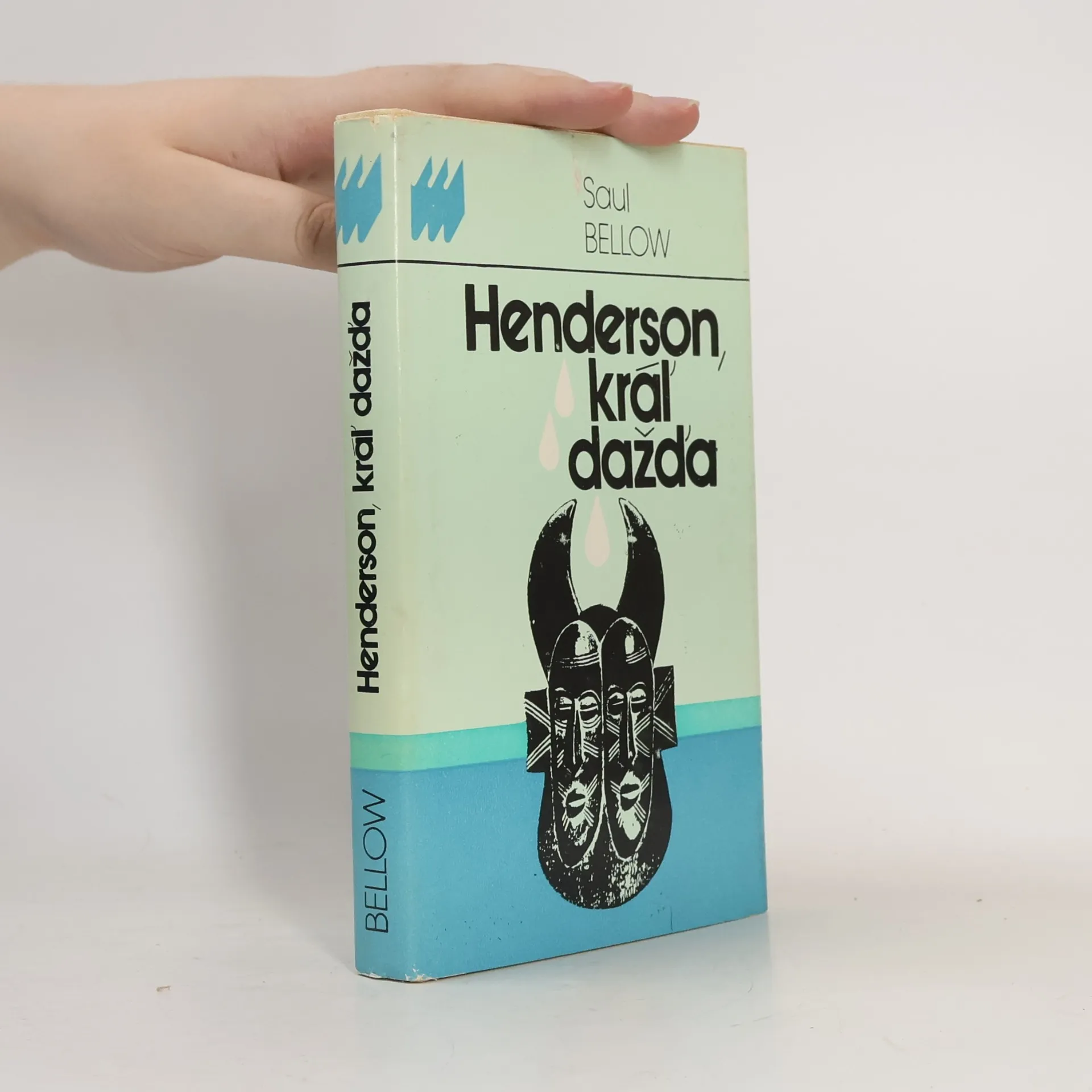
Henderson, kráľ dažďa, paródia na mytické putovania, je filozoficko-komický román z roku 1959. Hrdinom diela je znudený päťdesiat päťročný milionár Eugene Henderson, ktorý má už po krk svojich dvoch manželstiev a piatich detí. Vyberie sa preto do Afriky a jeho cesta sa stane akousi púťou za sebapoznaním. So svojím verným sprievodcom Romilayuom navštívi domorodý kmeň pastierov, ktorých sužuje veľké sucho. Chce domorodcom pomôcť, ale zničí vodnú nádrž a musí ujsť. Dostane sa k ďalšiemu kmeňu a tam sa mu pri obradoch privolávajúcich dážď podarí nadvihnúť modlu bohyne plodnosti a dažďa. Keď vzápätí vypukne prietrž mračien kmeň Hendersona vyhlási za "kráľa dažďa". S týmto titulom je okrem verejných pôct späté a jveľké nebezpečenstvo. Po rozličných útrapách sa Henderson napokon vracia domov, a jeho srdce napĺňa pokoj a láska k žene a deťom.
Kniha je druhým dílem povídkového díla držitele Nobelovy ceny za literaturu a Pulitzerovy ceny. Bellow i tentokrát nechává čtenáře nahlédnout do svého jedinečného vnímání světa a nabízí několik nesmírně hlubokých příběhů.
Hledání pana Greena a jiné povídky
- 373 pages
- 14 hours of reading
Soubor židovských povídek. Náhled i životní postoje i moudrost věků. Své zvyky si vystěhovalci odnášeli ze staré vlasti i za moře. Spojení tradic i nových životních zkušeností. Doslov „Saul Bellow novelista a povídkář“ napsal Josef Jařab.
Kniha představuje úvodní svazek souhrnného povídkového díla Saula Bellowa, který za svou práci obdržel nejvyšší literární ocenění Nobelovu i Pulitzerovu cenu. V jeho jedinečném povídkovém díle je nesporně obsažena významná část autorova celoživotního díla. Tyto obyčejné lidské příběhy nabízejí v širším kontextu odpovědi na věčné otázky současného člověka ztraceného ve spletitosti postmoderního světa. Bellowovo invenční vypravěčské umění, nesmírně bohaté myšlenkové zázemí, bravurní technika bez prázdných a zbytečných slov, brilantní úvahové pasáže, věrohodná znalost okolního světa, moudrý, chápavý nadhled a jasnozřivá psychologie postav to vše nabízí vnímavému čtenáři neopakovatelný zážitek.
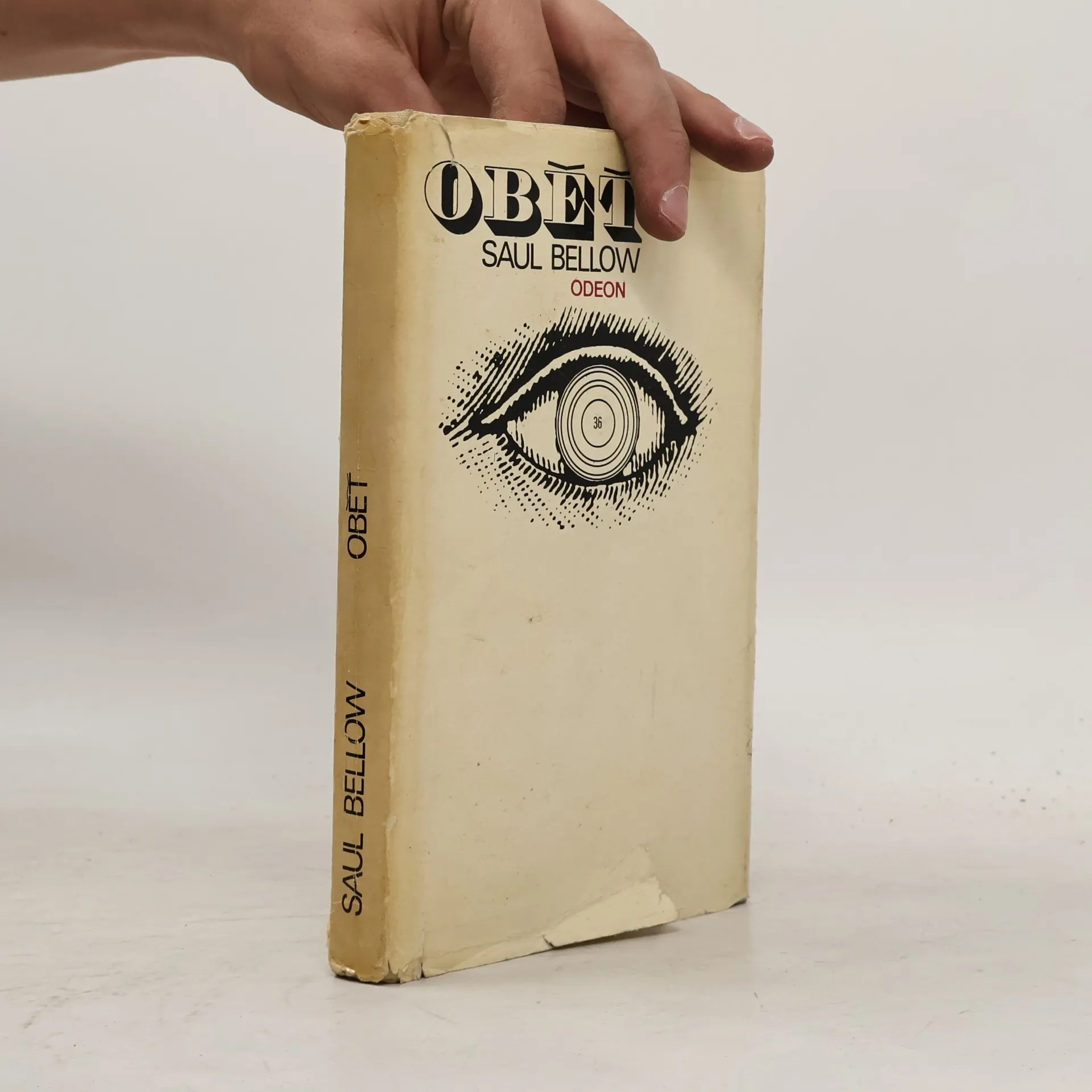
Druhý román amerického autora předvádí dva protagonisty, Asu Leventhala, redaktora malého obchodního časopisu, který se pere s životem, a jeho vyděrače, frázistu a antisemitu Allbeeho, jenž své vydírání zakládá na historce, že mu žid kdysi ublížil a způsobil jeho životní ztroskotání.Jestliže se vyděrač označuje za oběť, je jí ve skutečnosti citlivý a poctivý Leventhal, jenž o své vině přemýšlí a snaží se tuto vinu, ve skutečnosti vinu pomyslnou, napravit. Autor zde původní otázku, kdo z nich dvou je čí osobní obětí, rozvádí na otázku, do jaké míry jsou oba obětí společnosti, okolností, náhod i svých vlastních nedostatků. Kniha je opatřena doslovem „Saul Bellow nejsoustředěnější“ od Zdeňka Vančury.
Děkanův prosinec (číslovaný výtisk)
- 334 pages
- 12 hours of reading
V roce 1956 poprvé vyšlá novela dosud u nás neznámého amerického spisovatele. Jde o příběh muže toužícího po dobrém soužití s lidmi, na jehož životním neúspěchu a pádu se vedle jeho vlastní neobratnosti podílí i prostředí, v němž honba za vlastním prospěchem ubíjí cit a ohled k člověku.
Henderson de regenkoning
- 334 pages
- 12 hours of reading
Bellow's glorious, spirited story of an eccentric American millionaire who finds a home of sorts in deepest Africa.