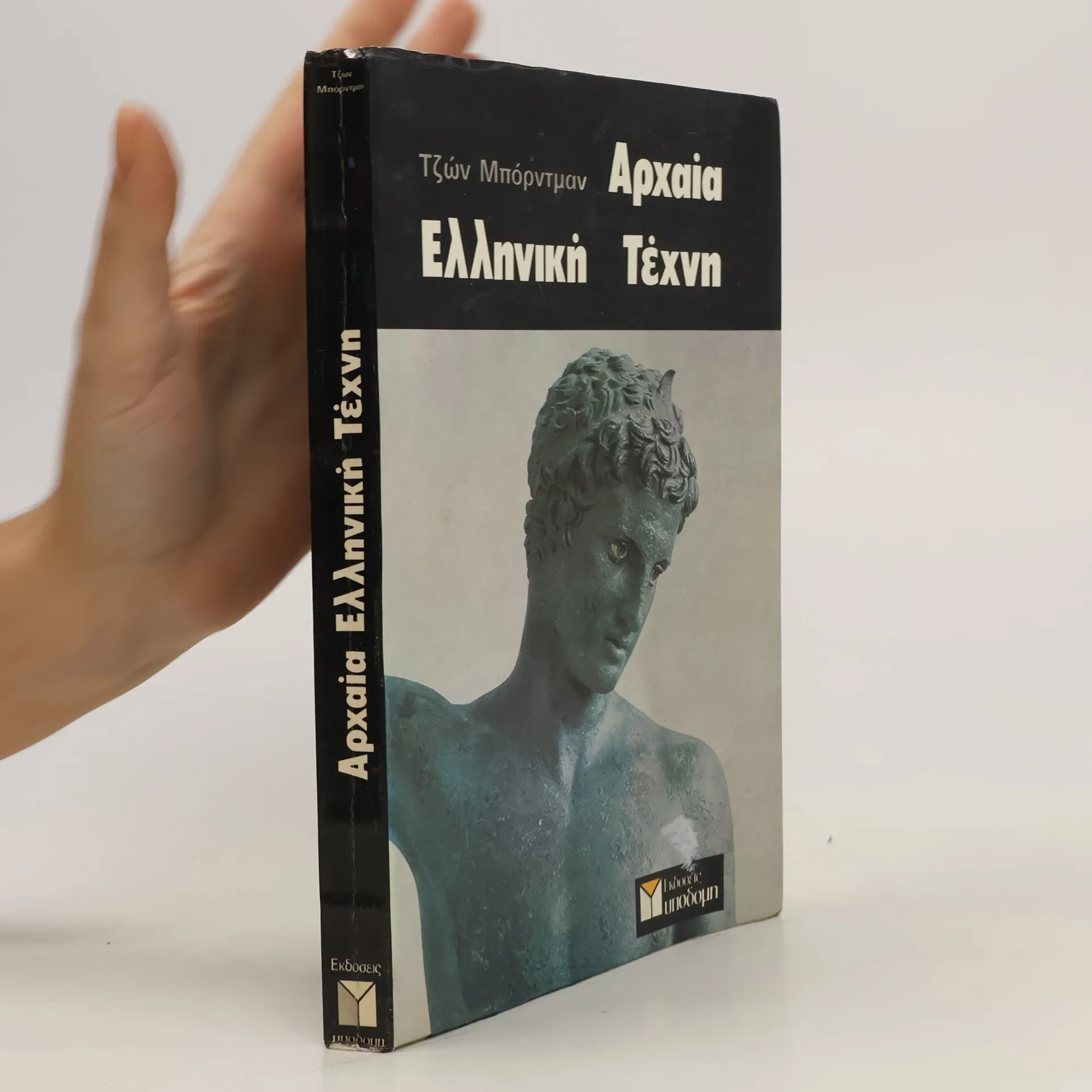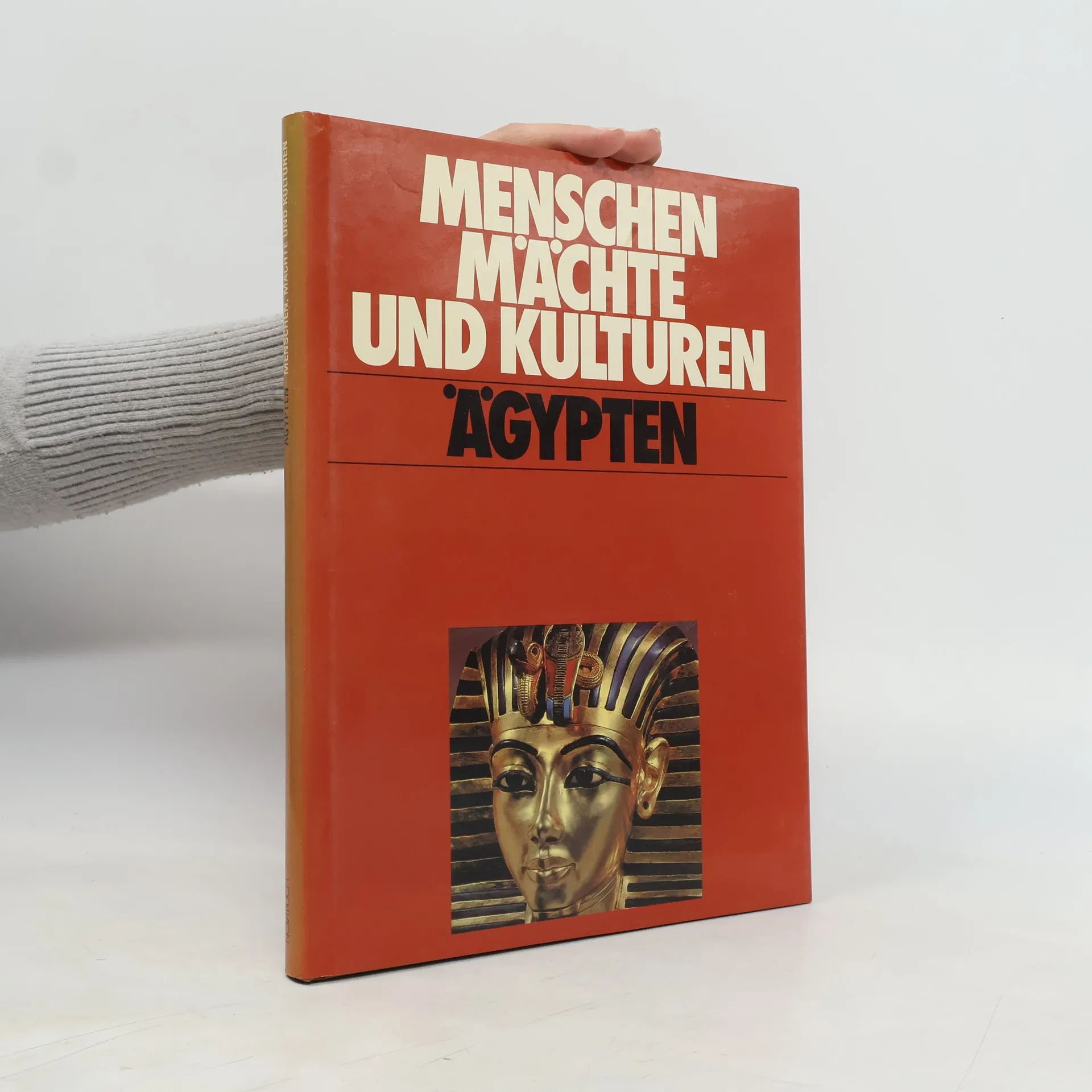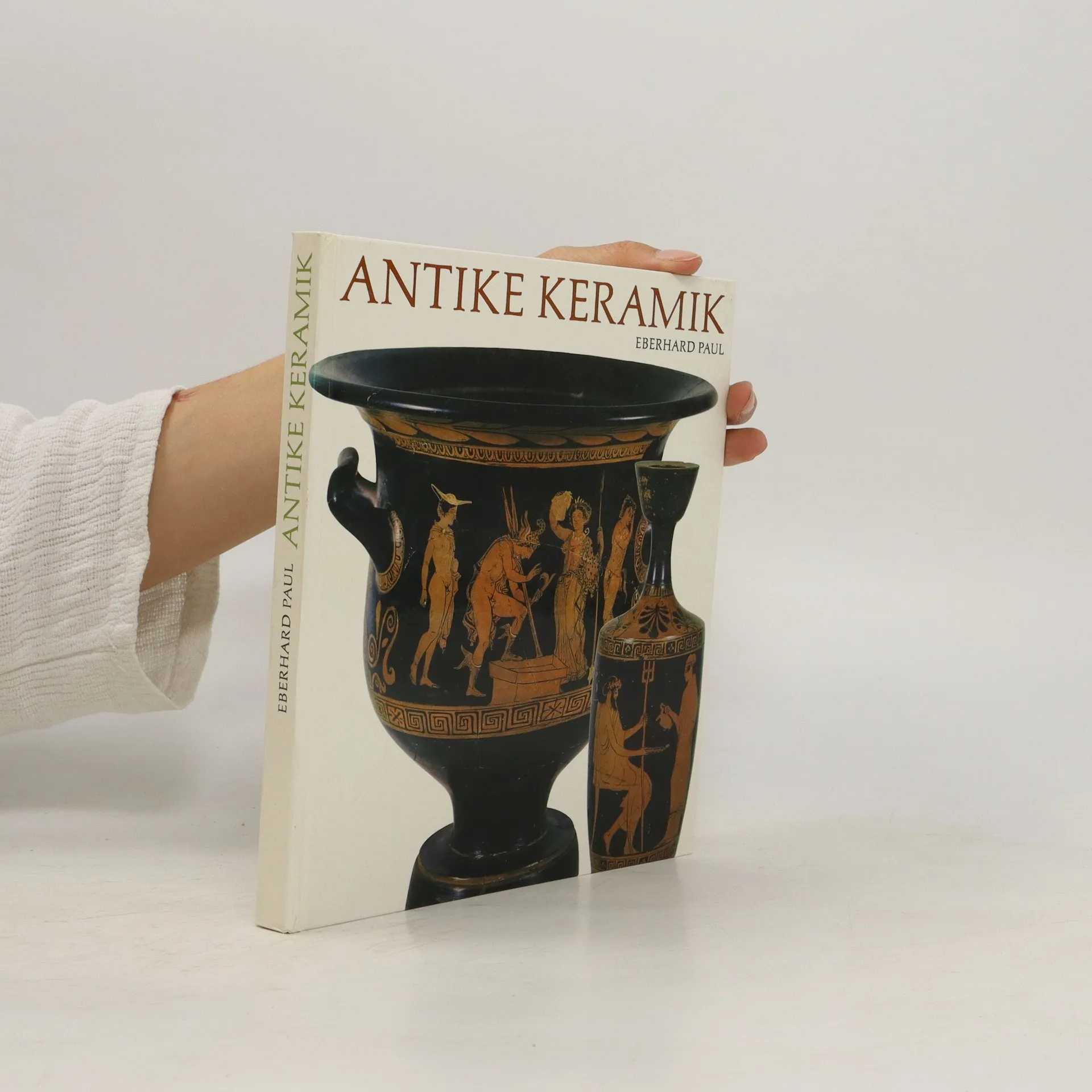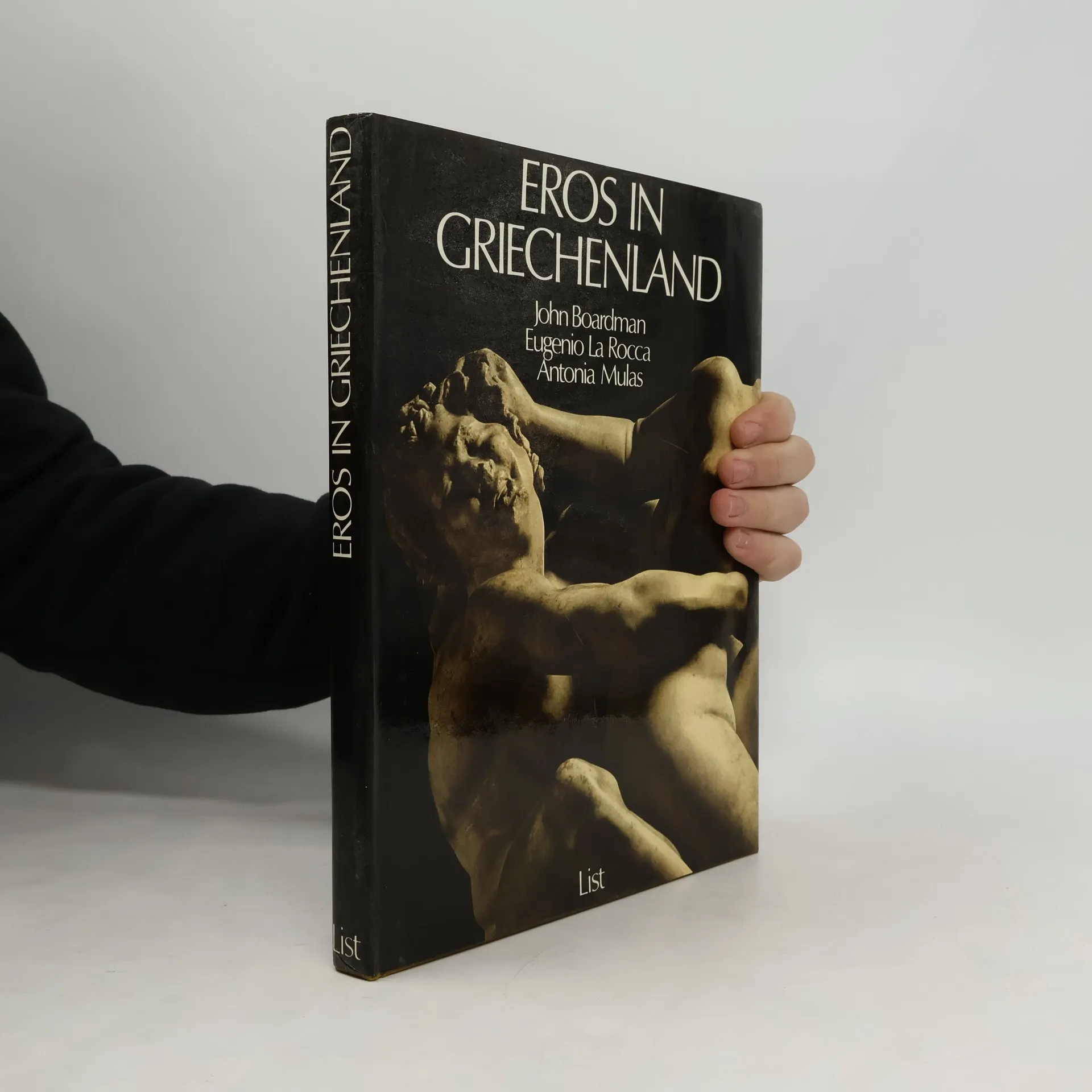
Explore the latest books of this year!
Bookbot

John Boardman

    August 20, 1927 – May 23, 2024
    John Boardman
    The History of Greek Vases
    The Parthenon and Its Sculptures
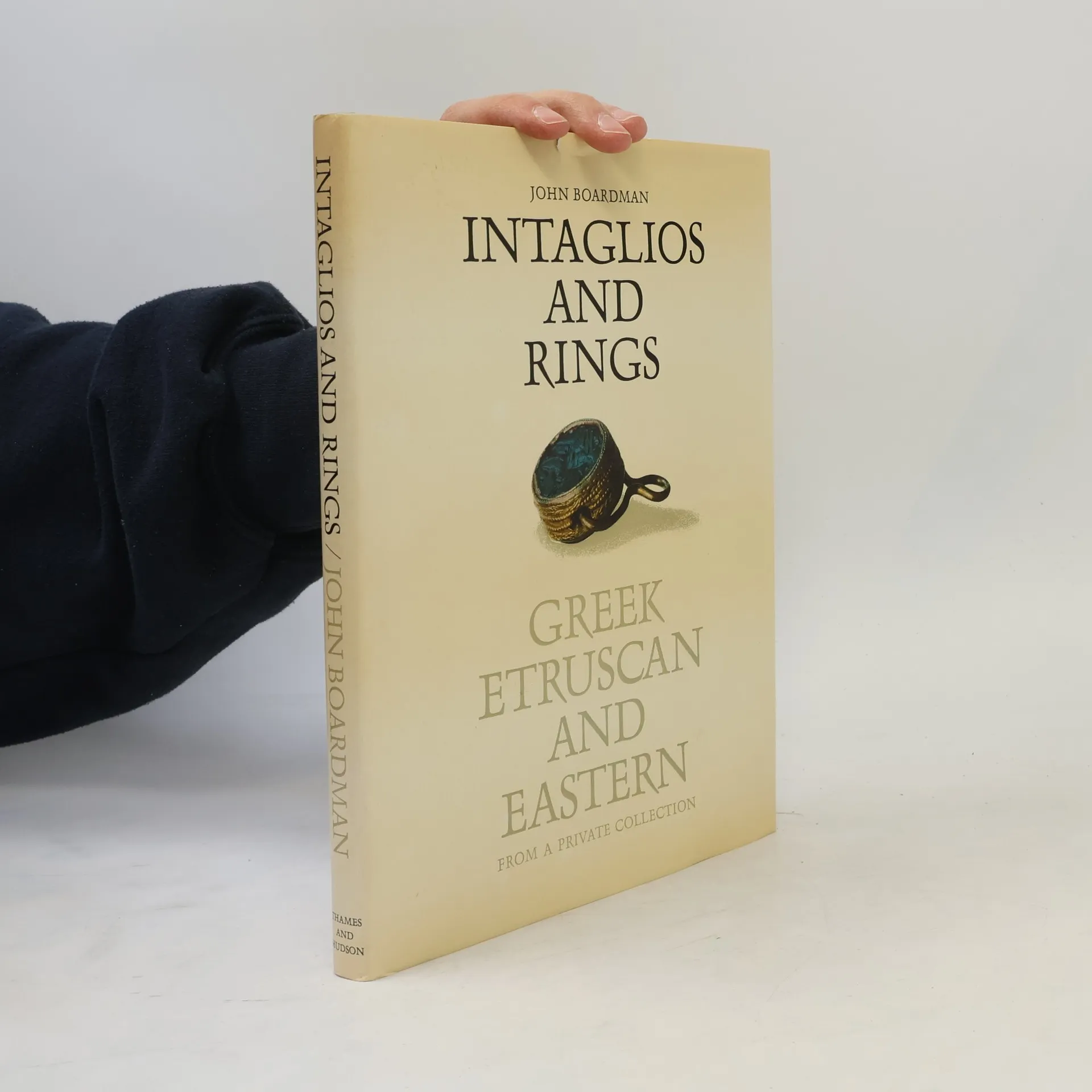
    Greek Gems and Finger Rings: Early Bronze to Late Classical
    Northern Pontic antiquities in the State Hermitage Museum
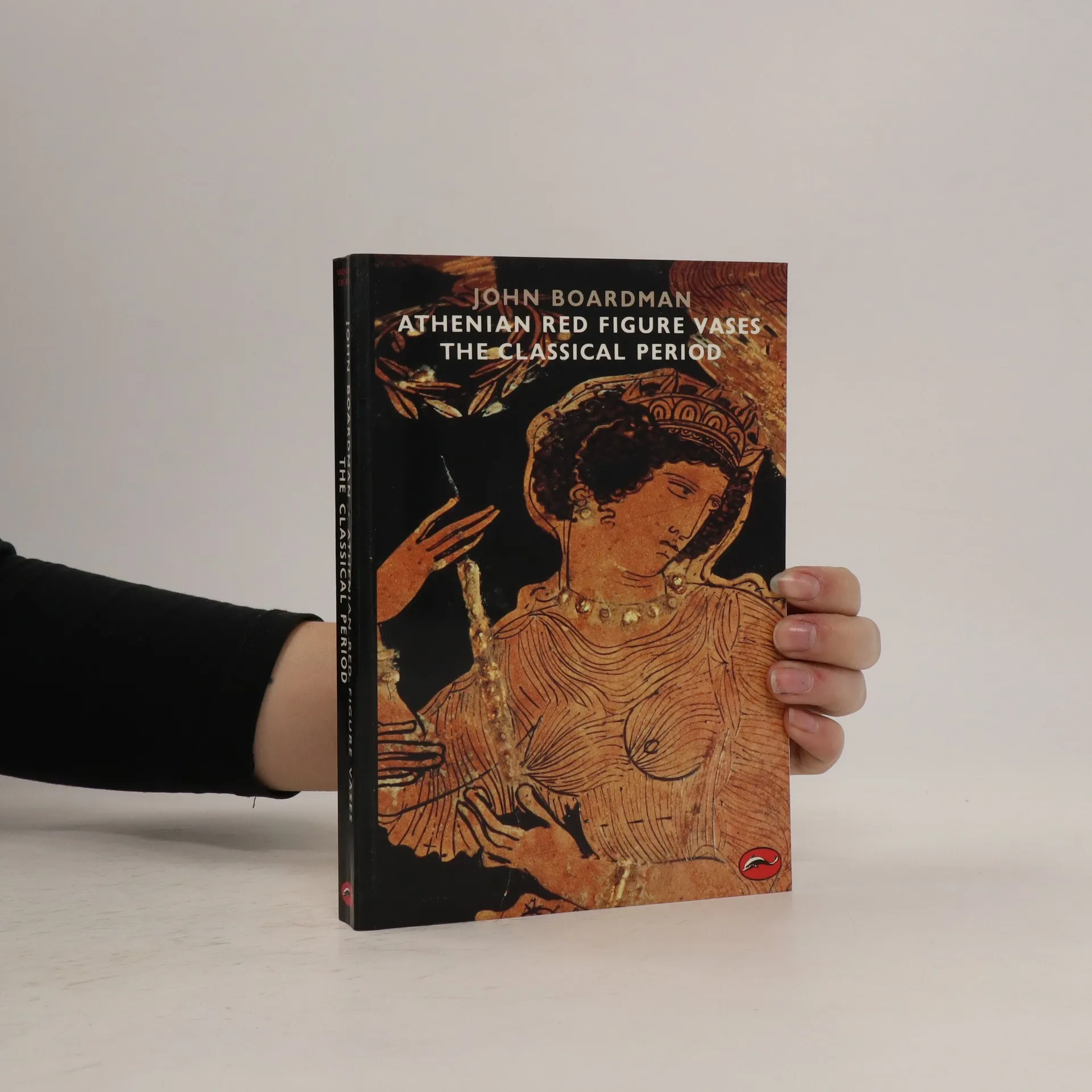
    Athenian Red Figure Vases. The Classical Period
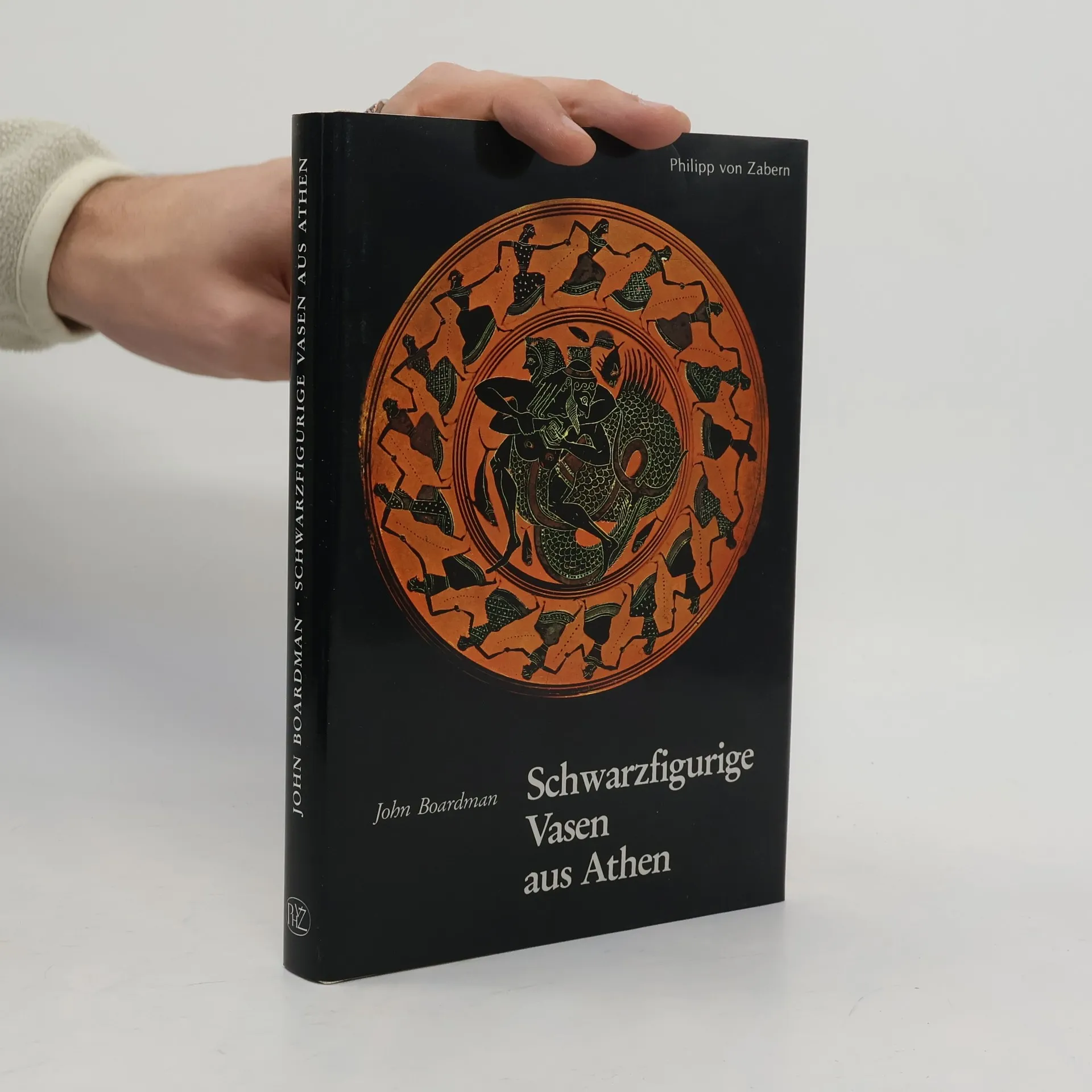
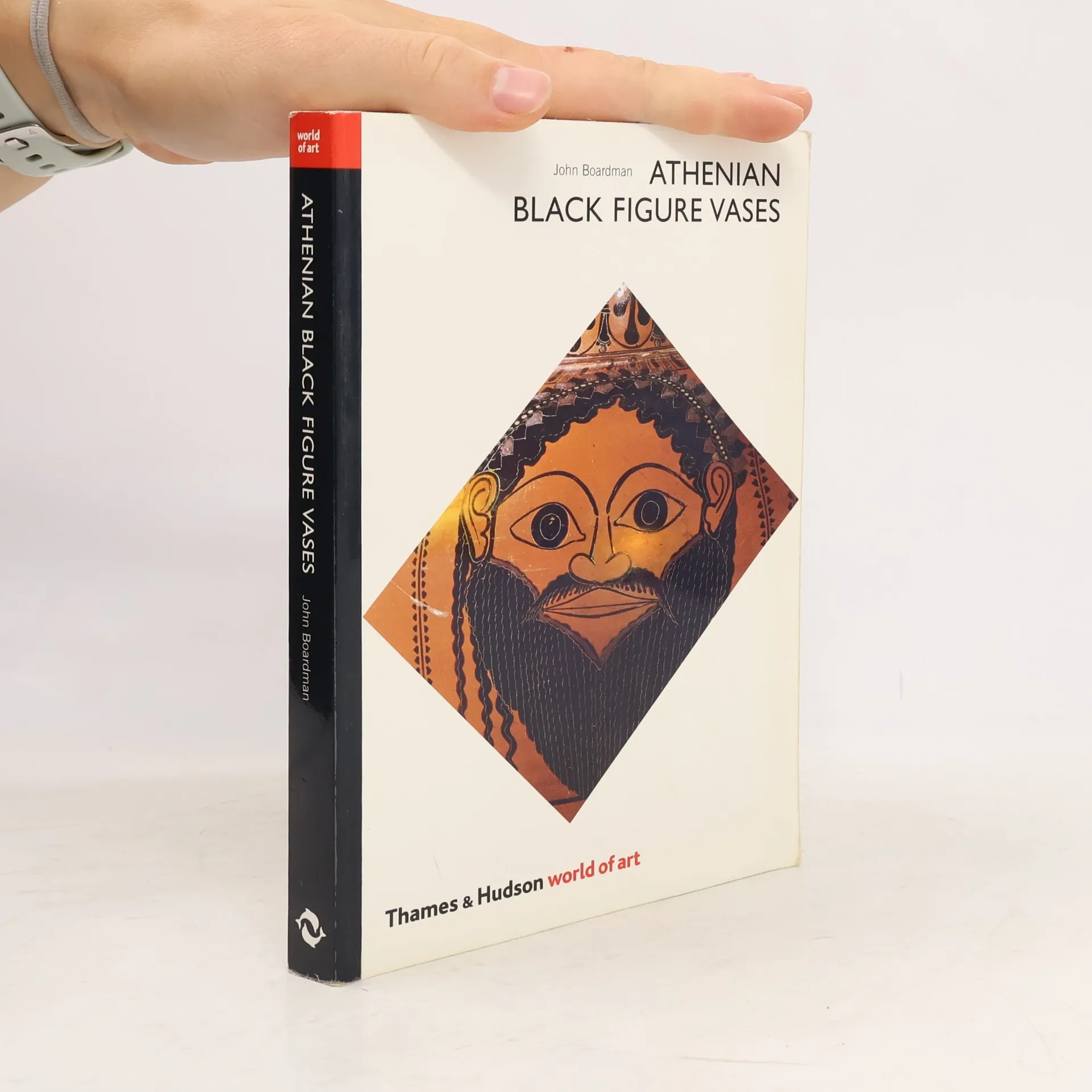
    Athenian Black Figure Vases. A Handbook
    • Athenian Black Figure Vases. A Handbook

      • 252 pages
      • 9 hours of reading

      "Will undoubtedly become a standard work of reference."― Journal of Hellenic Studies Athenian black figure vases bear the work of consummate artists like Exekias, who depicted on them scenes of myth and everyday life that deepen our knowledge and understanding of Greek antiquity. John Boardman enables the reader to study the many aspects of the vases, and to grasp the essential style of a painter or group of painters, without having to consult a number of expensive, and not always easily accessible, publications. A final section is devoted to the mythological scenes and other decorative features of the vases. 385 black-and-white illustrations
      Athenian Black Figure Vases. A Handbook
      5.0
    • This volume, written by staff of the State Hermitage, one of the world's finest museums, publishes Graeco-Roman antiquities kept there. Much of the material has been unearthed during the museum's field projects in Berezan, Myrmekion and Nymphaeum. Many items are published here for the first time. In addition, there are new studies and reinterpretations of well-known material. The book also contains reviews and notes on new publications on the Black Sea from Eastern and Western Europe and North America. The volume provides a good account of the manifold activities in which the staff of the Department of the History and Culture of the Ancient World, and of the Hermitage in general, are engaged. The book is very richly illustrated, with nearly 150 photographs, line drawings, maps etc.

      Northern Pontic antiquities in the State Hermitage Museum
      4.0
    • Focusing on the miniaturist art of gem engraving in ancient Greece, this comprehensive account spans from the early Bronze Age to the Hellenistic period. It explores the historical context and artistic connections of engravings, revealing new insights into Greek myth and ichnography. The book details the evolution of studios in the Minoan and Mycenaean eras and categorizes Classical gem engraving by style and school, including a chapter on Greek works in the Persian Empire. Enhanced by enlarged plates, this revised edition serves as a vital reference for scholars and enthusiasts of Greek art.

      Greek Gems and Finger Rings: Early Bronze to Late Classical
      4.2
    • The Parthenon and Its Sculptures

      • 256 pages
      • 9 hours of reading

      In this book, the most powerful and the most moving scenes and fragments from this monumental body of work are displayed. The spirit of the time in which these works were produced, their meaning for the citizens of Athens, the methods by which they were made, the fine points of technique and illusion they conceal, the historical background, and the message contained in the myths they portray are some of the topics covered in the narrative introduction.

      The Parthenon and Its Sculptures
      4.0
    • The History of Greek Vases

      • 320 pages
      • 12 hours of reading

      Offering a survey of Greek vases, this book sketches their stylistic history. It explores the process of identifying artists; the methods of making and decorating the vases and the problems in doing so; the life of the potter; the pots' dissemination beyond Greece; and their functions in life, cult and as messengers of style and subject.

      The History of Greek Vases
      4.1
    • Oxford Monographs on Classical Archaeology: Naukratis

      Trade in Archaic Greece

      • 290 pages
      • 11 hours of reading

      Archaic Naukratis was a bustling trading hub in the Western Delta of the Nile, known for its sanctuaries and courtesans, providing Greeks access to Egyptian grain and luxury goods. Over a century after its discovery and excavation, the author presents the first comprehensive analysis of the archaeology and history of this significant site. While Naukratis is often mentioned in discussions of ancient Greek colonization, it was not a locale where Greeks could freely establish their own political and social systems; it was under the strict control of the Egyptian pharaoh and officials. To grasp Naukratis's unique status, the author employs the port of trade model, exploring the political, social, and economic contexts of Late Period Egypt and archaic Greece. A substantial portion of the work focuses on a re-evaluation of the site's topography and material culture, examining sanctuaries, pottery styles, terracottas, faiences, statuettes, and other artifacts in light of recent scholarship. Additionally, an in-depth analysis of literary evidence complements the archaeological findings. This study significantly enhances our understanding of Graeco-Egyptian relations in the seventh and sixth centuries BC and illustrates the relevance of Polanyian economic theory in analyzing the ancient Greek economy.

      Oxford Monographs on Classical Archaeology: Naukratis
      3.0
    • John Boardman on the Parthenon

      • 88 pages
      • 4 hours of reading

      Britain's most distinguished historian of ancient Greek art recounts what the Parthenon and its sculptures meant to the citizens of 5th-century BCE Athens.

      John Boardman on the Parthenon
      3.7
    • The Oxford History of the Classical World

      • 454 pages
      • 16 hours of reading

      Written by a team of distinguished scholars these volumes offer a comprehensive view of the Graeco-Roman world, its history and achievements. With over 250 illustrations and with extensive reference material.

      The Oxford History of the Classical World
      3.8
    • Alexander's defeat of the Persian Empire in 331 BC captured the popular imagination, inspiring an endless series of stories and representations that emerged shortly after his death and continues today. An art historian and archaeologist, Boardman draws on his deep knowledge of Alexander and the ancient world to reflect on the most interesting and emblematic depictions of this towering historical figure.0Some of the stories in this book relate to historical events associated with Alexander's military career and some to the fantasy that has been woven around him, and Boardman relates each with his customary verve and erudition. From Alexander's biographers in ancient Greece to the illustrated Alexander "Romances" of the Middle Ages to operas, films, and even modern cartoons, this generously illustrated volume takes readers on a fascinating cultural journey as it delivers a perfect pairing of subject and author.

      Alexander the Great
      2.5
    • "Authoritative and brilliantly illustrated. . . . The book recommends itself not only for its synthesis of existing knowledge, but also for its original ideas." ― The Daily Telegraph For most people there is no more satisfying expression of Greek art than its sculpture. It was the first, the only ancient art to break free from conceptual conventions for representing men and animals, and to explore consciously how art might imitate or even improve upon it. The first stages of this discovery, from the semi-abstract beginnings in the eighth century BC to the more representational art of the early fifth century, are explored and illustrated in this handbook.

      Greek sculpture: the archaic period: a handbook
      3.9
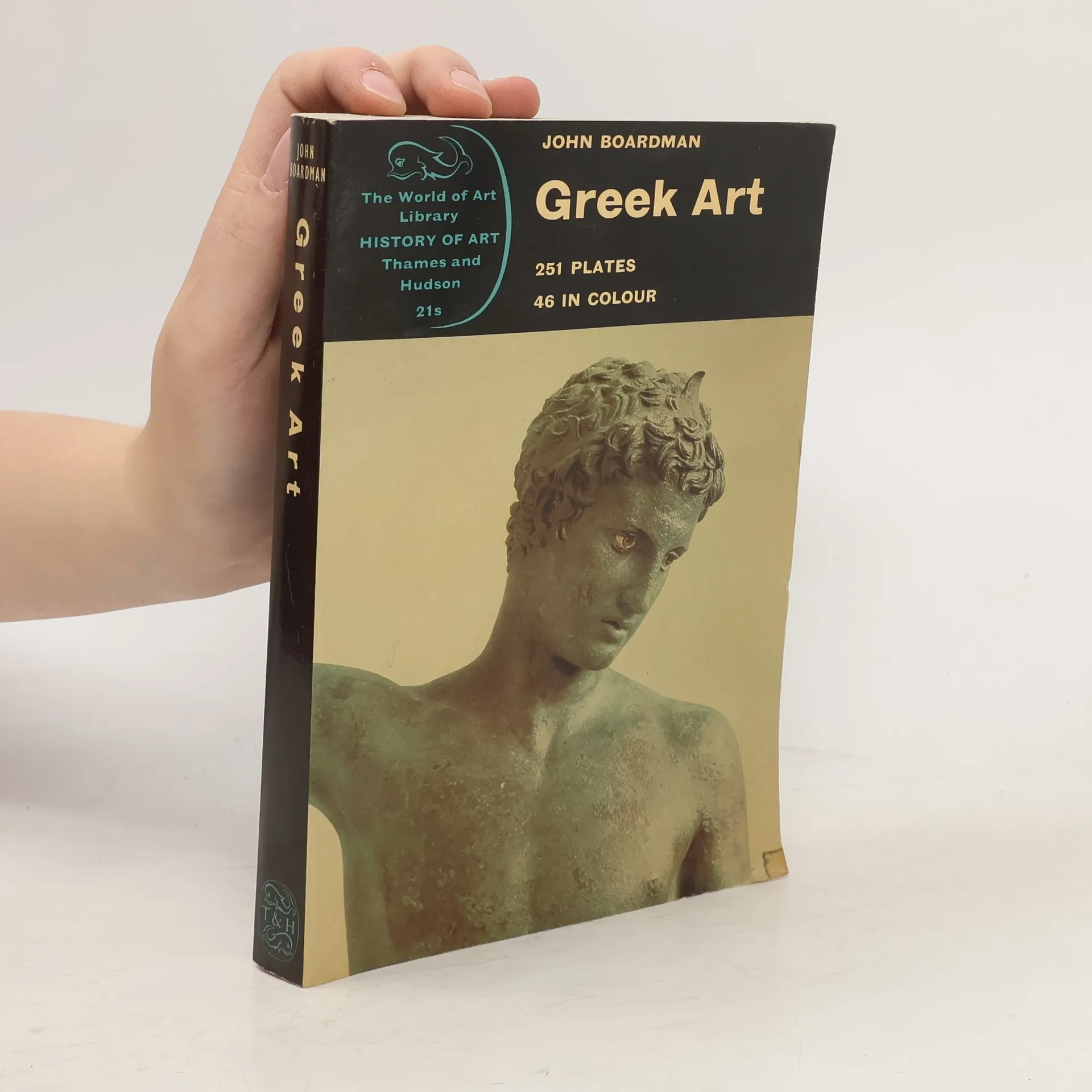
    • First published in the early 1960s, this history of Greek art has been enlarged and rewritten. It takes into account new finds as well as new ideas and attitudes to the subject, and emphasizes that Greek art should be seen in its proper context, not that of galleries and museums. 302 illustrations, 73 in color

      Greek Art
      3.9
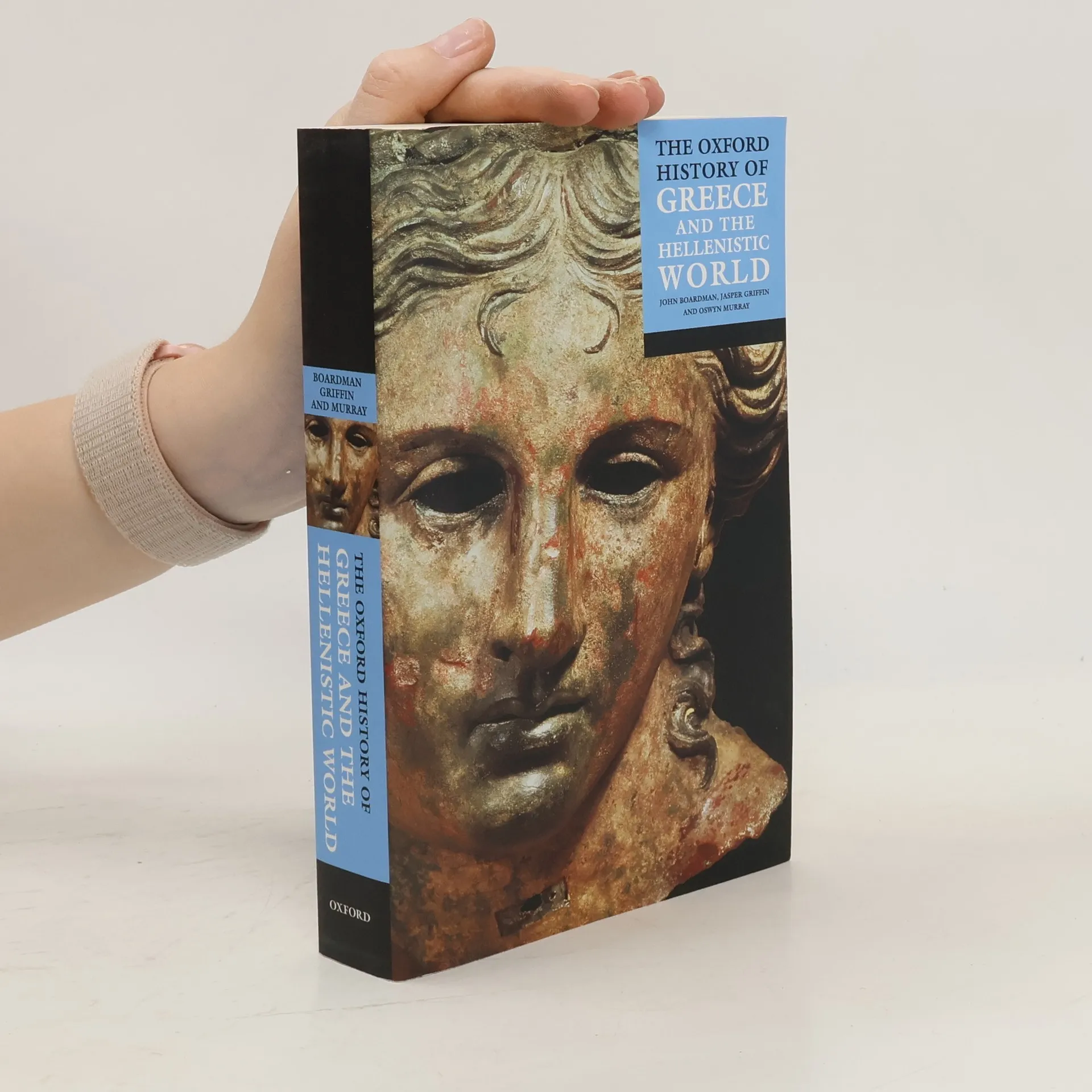
    • From the epic poems of Homer to the art and architecture of Greece's Golden Age and the influential Roman systems of law and leadership, the classical world laid the foundations of our culture and many enduring achievements. Now in a more convenient format, this in-depth and acclaimed history serves as the definitive companion to the Graeco-Roman world. The first volume covers Classical Greece and the Hellenistic World, spanning the eighth to the first centuries B.C., a period renowned for its brilliance in literature, philosophy, and visual arts, as well as the Hellenization of the Middle East following Alexander the Great's conquests. The second volume focuses on Classical Rome, detailing early Rome and Italy, the expansion of the Roman Republic, the establishment of the Empire by Augustus, its consolidation, and the later Empire's influence on Western civilization. Editors John Boardman, Jasper Griffin, and Oswyn Murray, along with thirty leading scholars, blend political and social history with literature, philosophy, and the arts, supported by maps, charts, bibliographies, and a full index. The contributors present modern scholarship with wit and style, emphasizing elements of the classical world that remain relevant and engaging today, offering a provocative and entertaining exploration of our classical heritage.

      The Oxford History of Greece and the Hellenistic World
      3.8
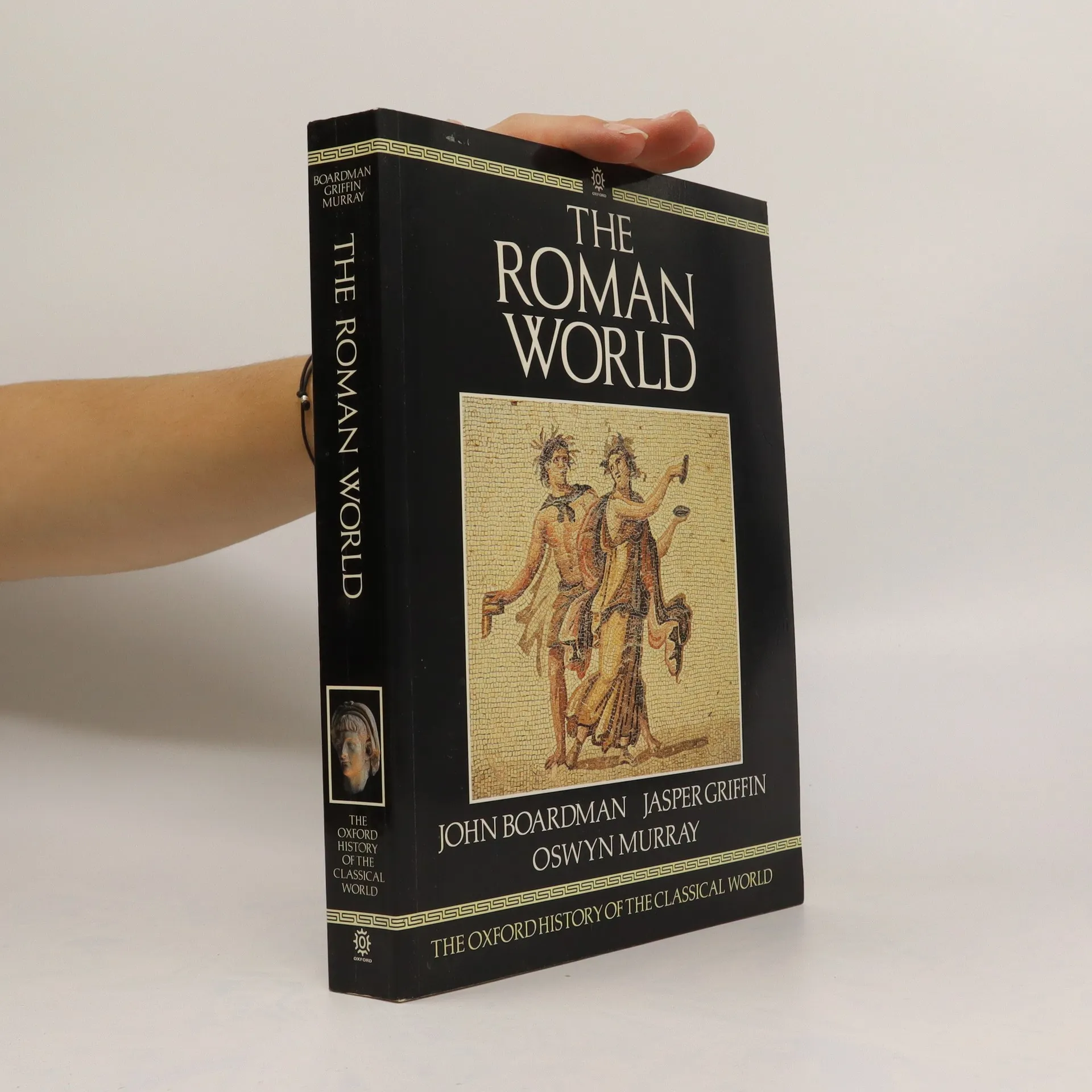
    • The Roman World

      • 466 pages
      • 17 hours of reading

      This book tells the story of the rise of Rome from its origins as a cluster of villages to the foundation of the Roman Empire by Augustus and its consolidation in the first two centuries AD. It also discusses some aspects of the later Empire and its influence on western civilizations, not least through the adoption of Christianity.

      The Roman World
      3.3
    • The exploration of Greek art as perceived by non-Greek cultures reveals a complex interplay of acceptance and resistance across various regions, from Britain to China, between the eighth century BCE and early CE. John Boardman, a renowned archaeologist, investigates how these images were received, noting their success in places like Italy contrasted with their limited assimilation in regions with strong local traditions. In cultures such as the Buddhist east, Greek art inspired new styles, prompting reflections on the broader implications of image interpretation and cultural exchange.

      The Diffusion of Classical Art in Antiquity
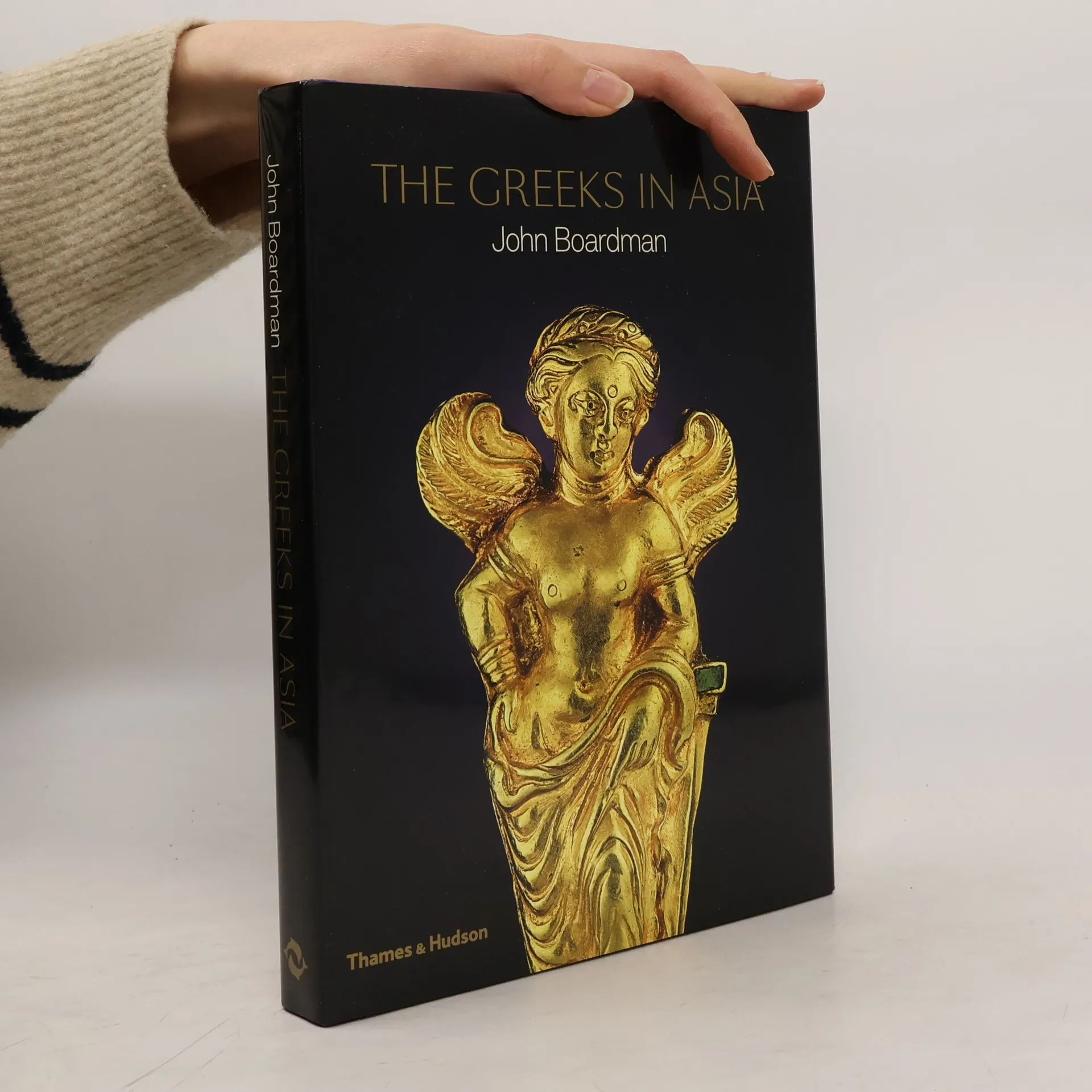
    • The Greeks in Asia

      • 240 pages
      • 9 hours of reading

      Recounting the influence of Greek communities and their culture through Central Asia, India and Western China, from the Bronze Age through to the rise of Islam, this book examines a wealth of art and artifacts as well as literary sources to reveal the remarkable influence of Greek culture.

      The Greeks in Asia
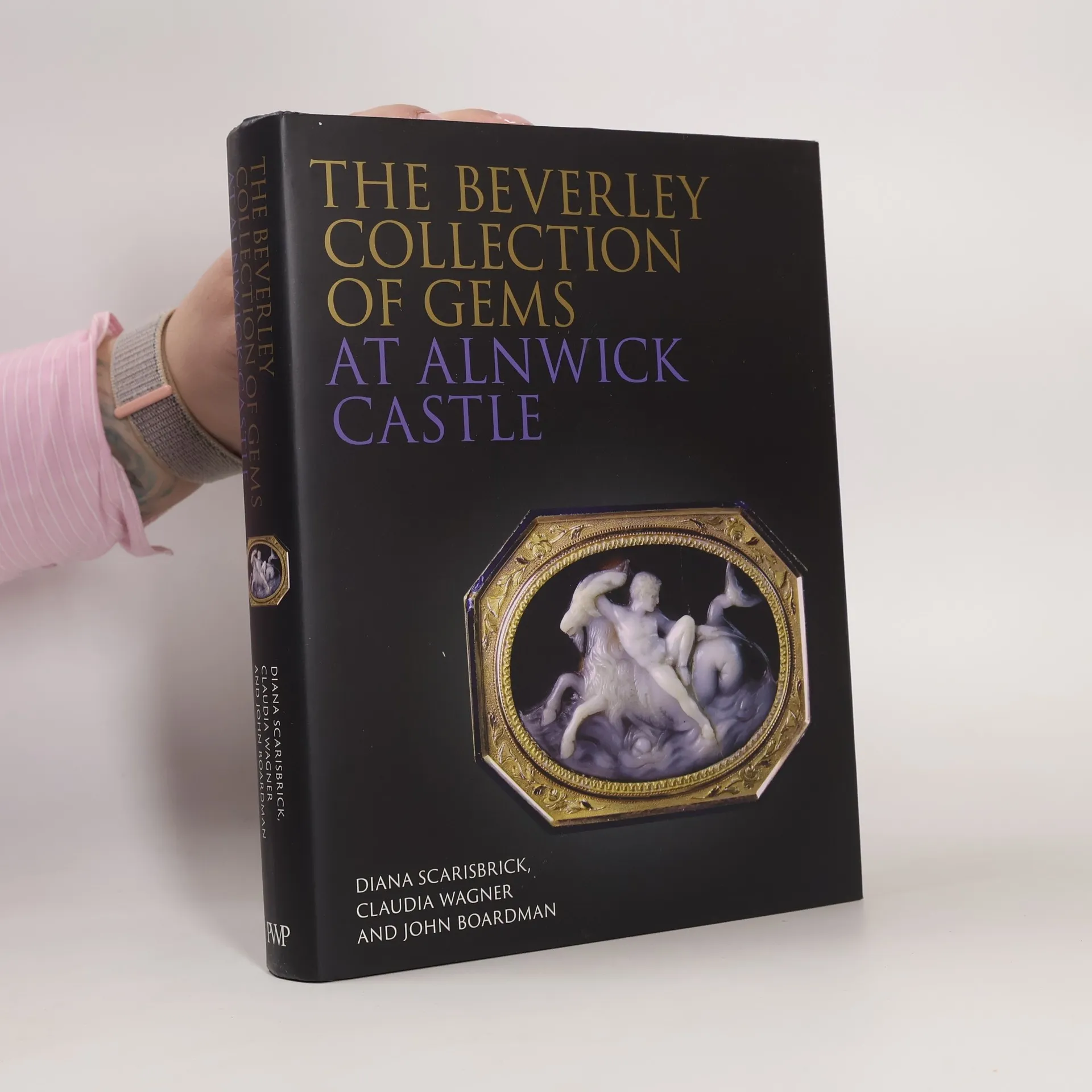
    • The Collection was begun by the First Duchess of Northumberland in the early eighteenth century; but the greater part of it was made later in the century by Algernon Percy, First Earl of Beverley, during a tour of Europe while in the company of his mentor, Louis Dutens. Their success in France and Italy was such that it incited the jealousy of the Empress Catherine of Russia, herself a passionate collector. The range of objects - cameos, intaglios and finger rings of the highest quality - is considerable: Greek, Roman and Etruscan, as well as a notable assemblage of neoclassical signed gems by British artists. One jewel clearly provided inspiration for Michelangelo's painting of Adam on the Sistine Chapel ceiling. The Collection is little known, except by connoisseurs, but this volume brings to the attention of a broader audience many of the finest products of one of the oldest arts of the western world.

      The Beverley Collection of Gems at Alnwick Castle
    • Reclams Geschichte der antiken Kunst

      • 411 pages
      • 15 hours of reading

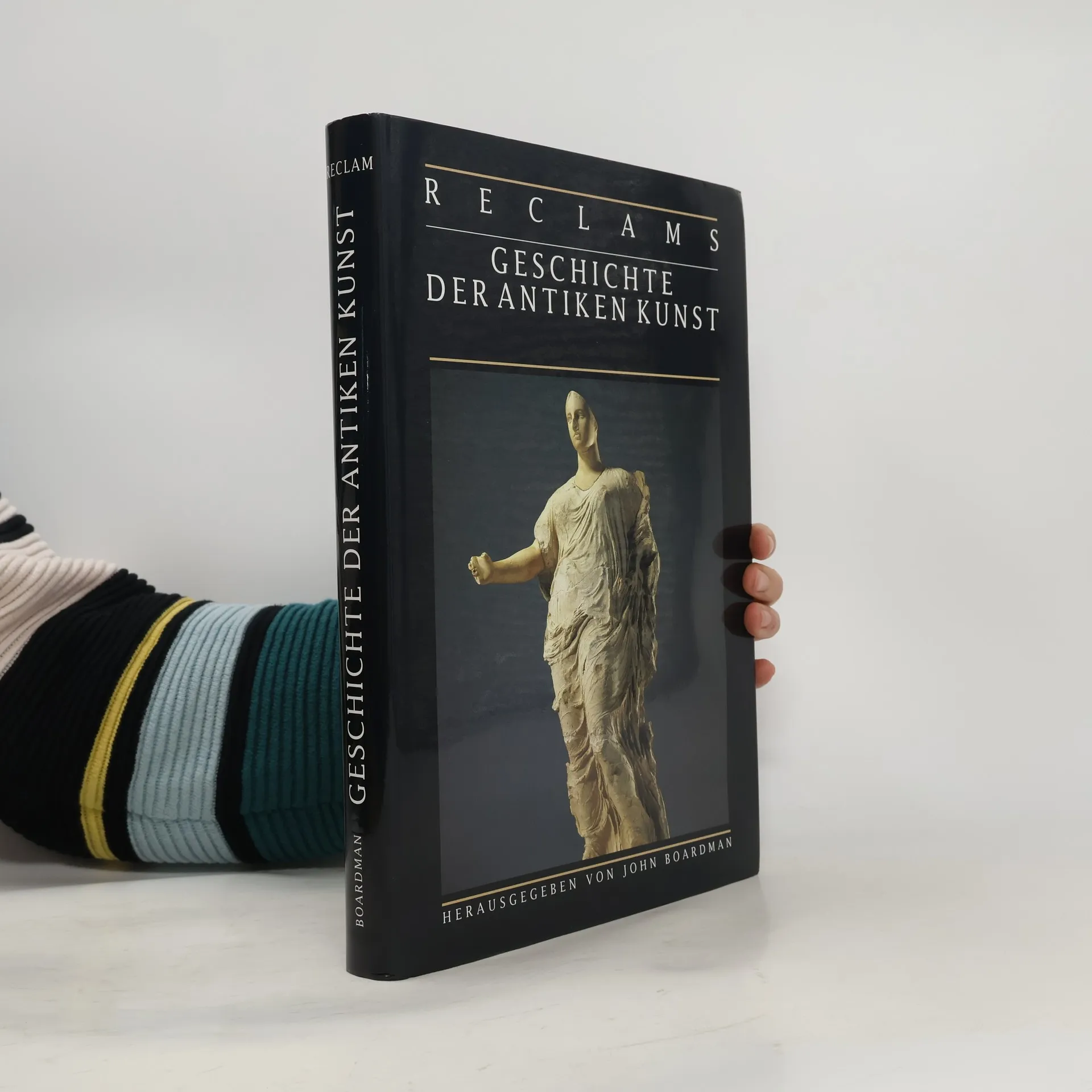
      „Eine lesbare und rundum kenntnisreiche Geschichte der antiken Kunst in einem Band“ ('FAZ'). Alle Bereiche der antiken Kunst sind vertreten: Architektur, (Vasen-)Malerei, Plastik, Kunsthandwerk und Münzen. Jedes der über 400, teilweise farbig abgebildeten Kunstwerke ist ausführlich beschrieben und kommentiert. Aus der Summe der Einzelinterpretationen entsteht eine lebendig zu lesende Geschichte der antiken Kunst. „Werkdeutung und historische Erzählung, die neuesten Erkenntnisse der Kunstgeschichte und Archäologie verbinden sich höchst publikumswirksam mit einer klaren, aus sich selbst verständlichen Darstellungsweise, ohne an Genauigkeit einzubüßen.“ (Gert Ueding, 'Die Welt')

      Reclams Geschichte der antiken Kunst
      4.0
    • Griechische Plastik, die klassische Zeit

      • 323 pages
      • 12 hours of reading

      Boardman, John: Griechische Plastik, Die klassische Zeit, Ein Handbuch, Mit 176 Abb., Aus dem Englischen von Wassiliki & Florence Felten, DEA, Mainz, Zabern 1987, 343 S., OLwd. m. OU., gut erhalten

      Griechische Plastik, die klassische Zeit
    • O řeckém umění vyšlo ve světěš už takové množství knih, že každou další, novou publikaci, berou zvláště odborníci do rukou s nedůvěrou a s obavami před opakováním nebo rozmělňováním běžně známých skutečností. A přece lze i na toto téma psát neotřele, zajímavě, z hlediska dnešního čtenáře, jak ukazuje tato nerozsáhlá syntéza, shrnující významné staré i nové poznatky o umění, jež stojí u kolébky evropské výtvarné tradice. Kniha podává přehled řeckého umění od archaické fáze až po helénismus. Nepojednává přitom jen o třech klasických odvětvích výtvarné činnosti, o architektuře, sochařství a malířství, ale velmi významné místo věnuje i ostatním oborům, jako např. keramice a toreutice, které toho o životě antických Řeků a jejich schopnostech leckdy povědí mnohem více než tzv. umění vysoké. Mimořádná úroveň textu je založena na obsáhlých znalostech, jež autor, anglický klasický archeolog, získal nejen studiem, ale i několikaletou praxí přímo v Řecku. Vhodně vybrané reprodukce, jež mají těsný vztah k textu, činí autorův výklad ještě zajímavější a názornější.

      Řecké umění