Explore the latest books of this year!
Bookbot

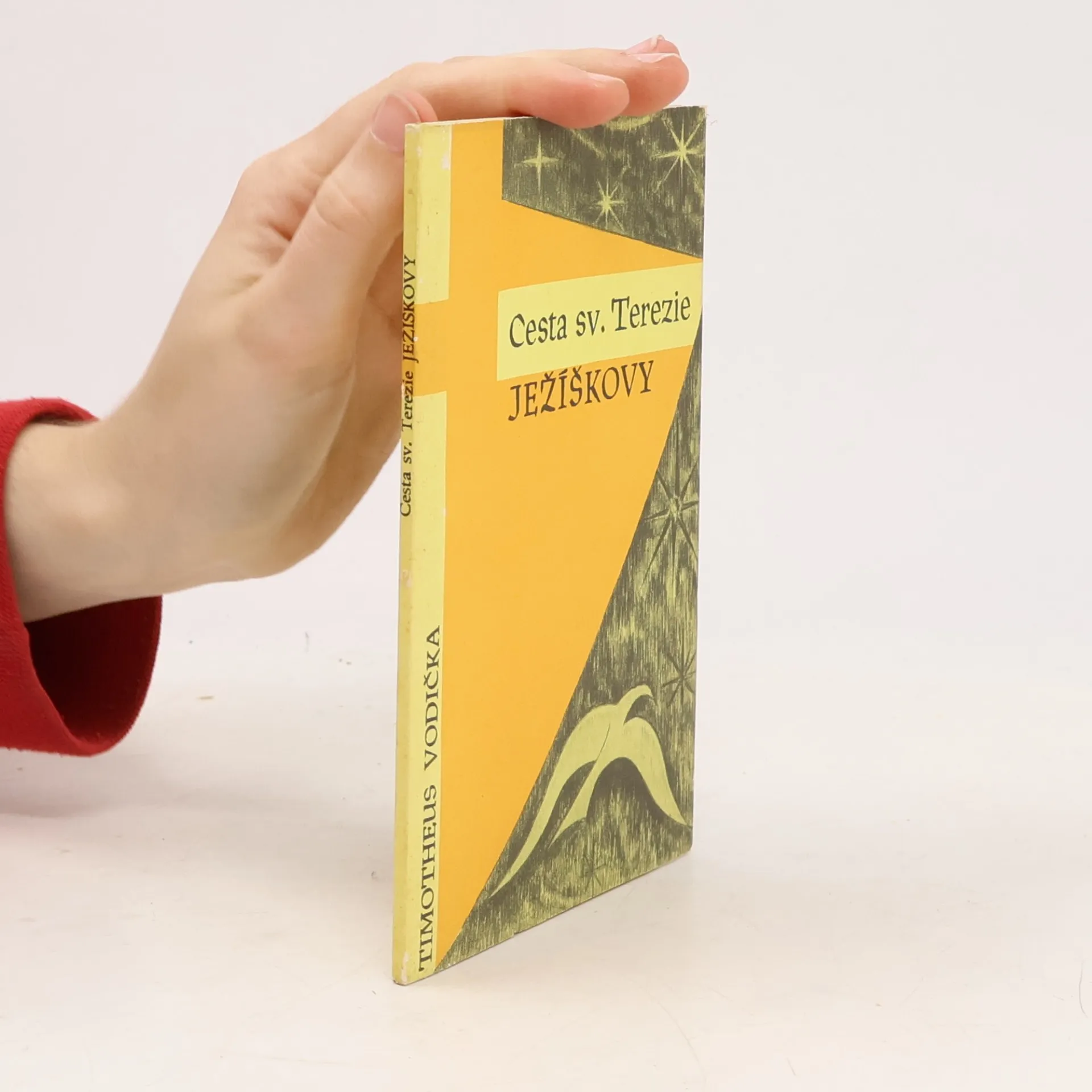
Timotheus Vodička

  • Christopher P. Waters
Timotheus Vodička
Cesta svaté Terezie Ježíškovy
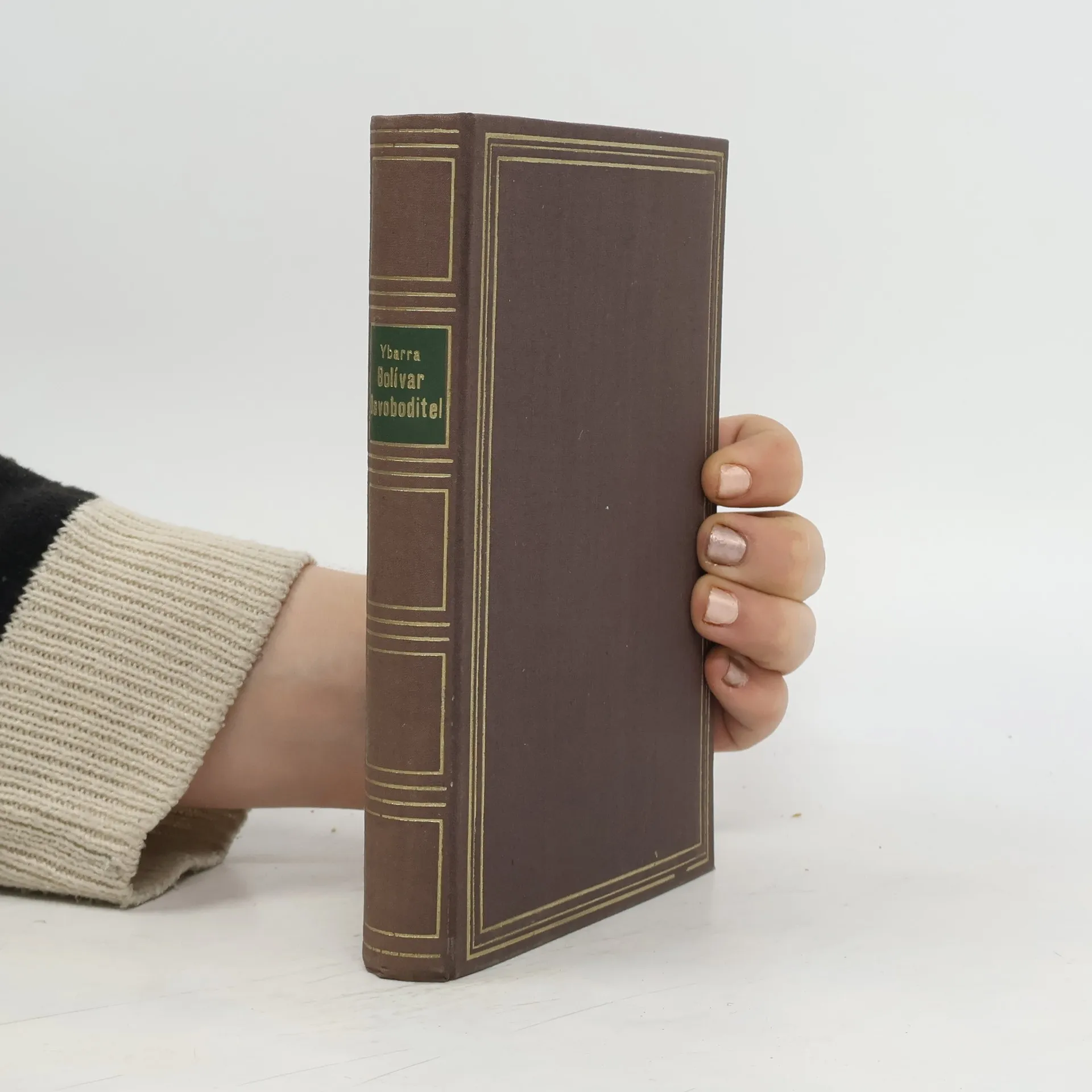
Bolívar osvoboditel
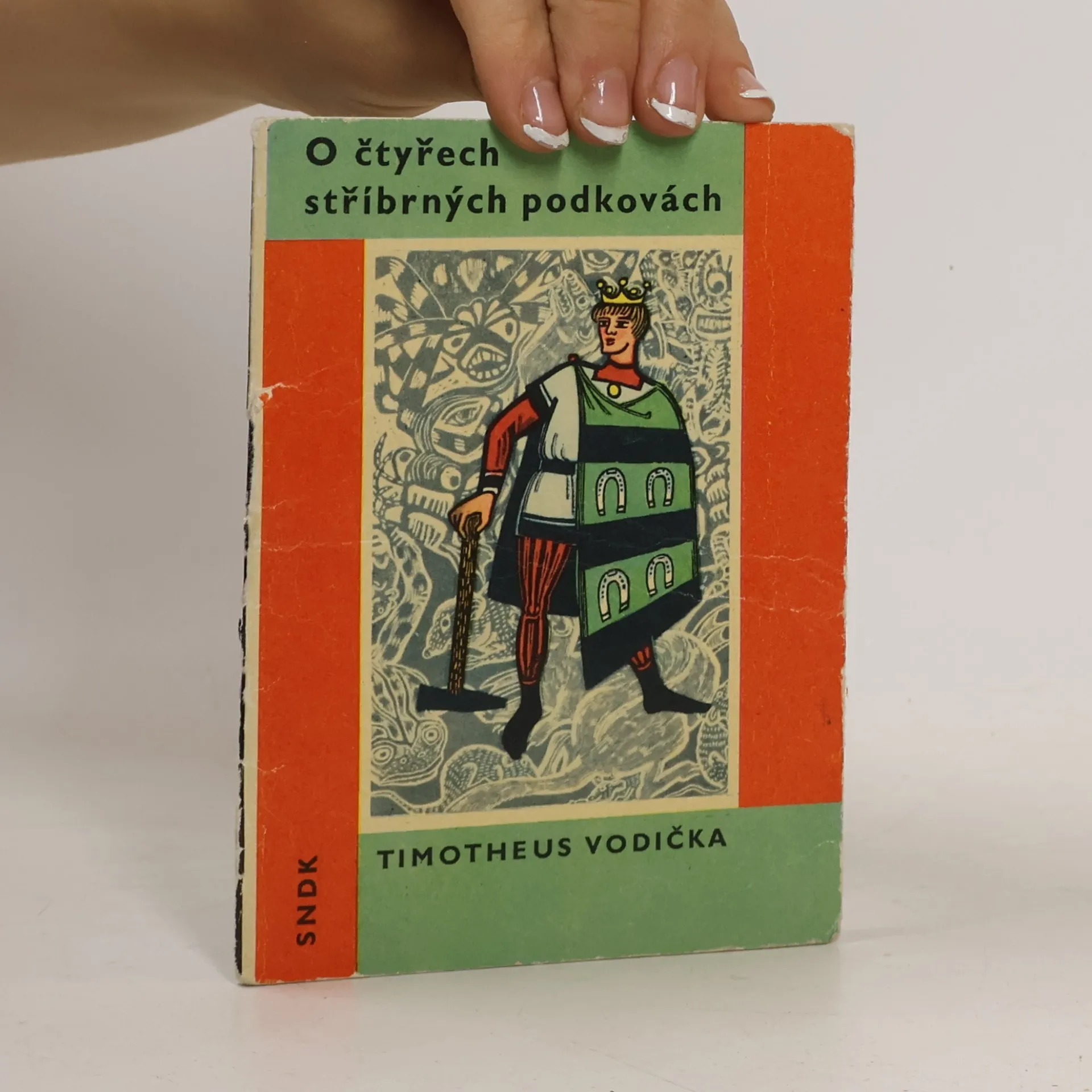
O čtyřech stříbrných podkovách
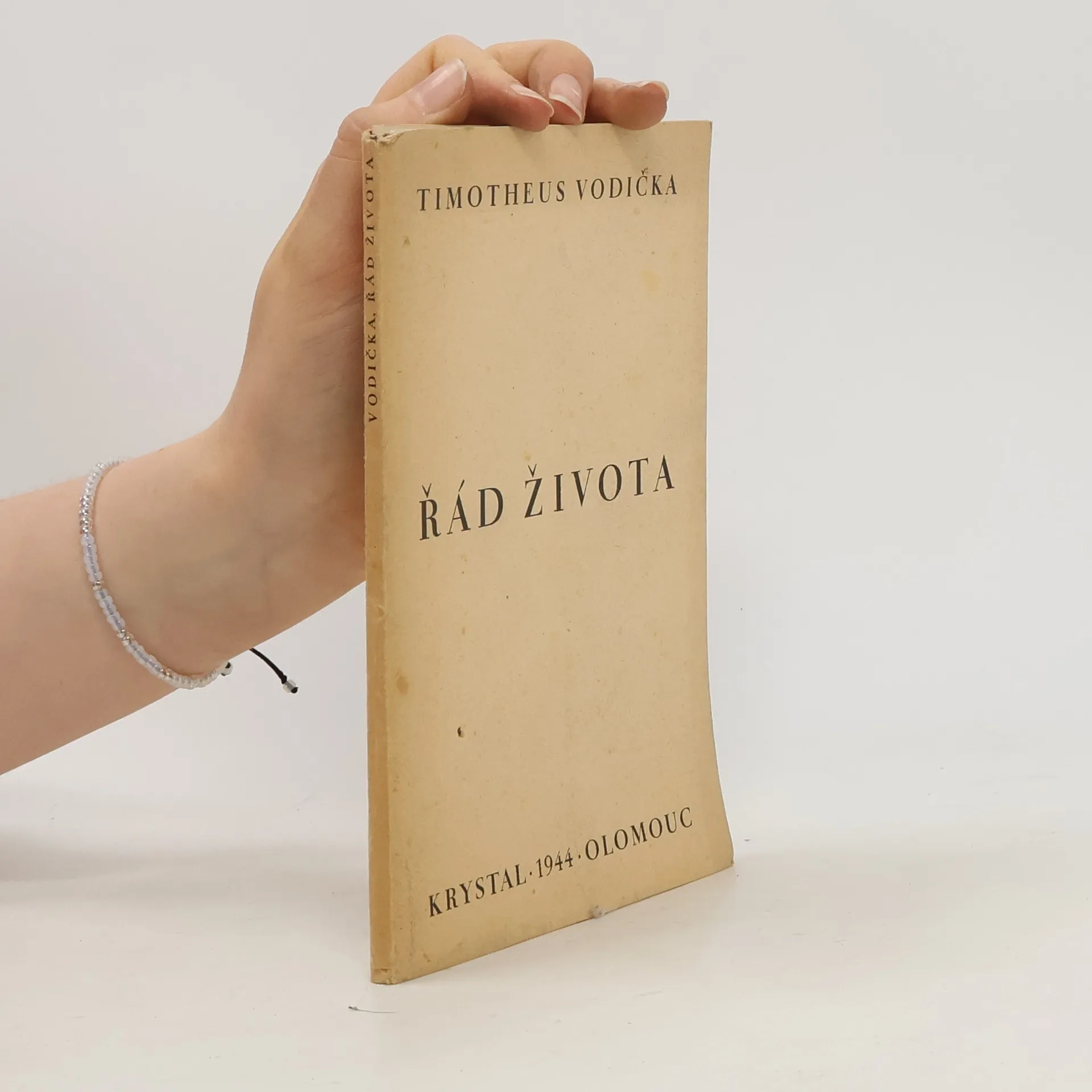
Řád života
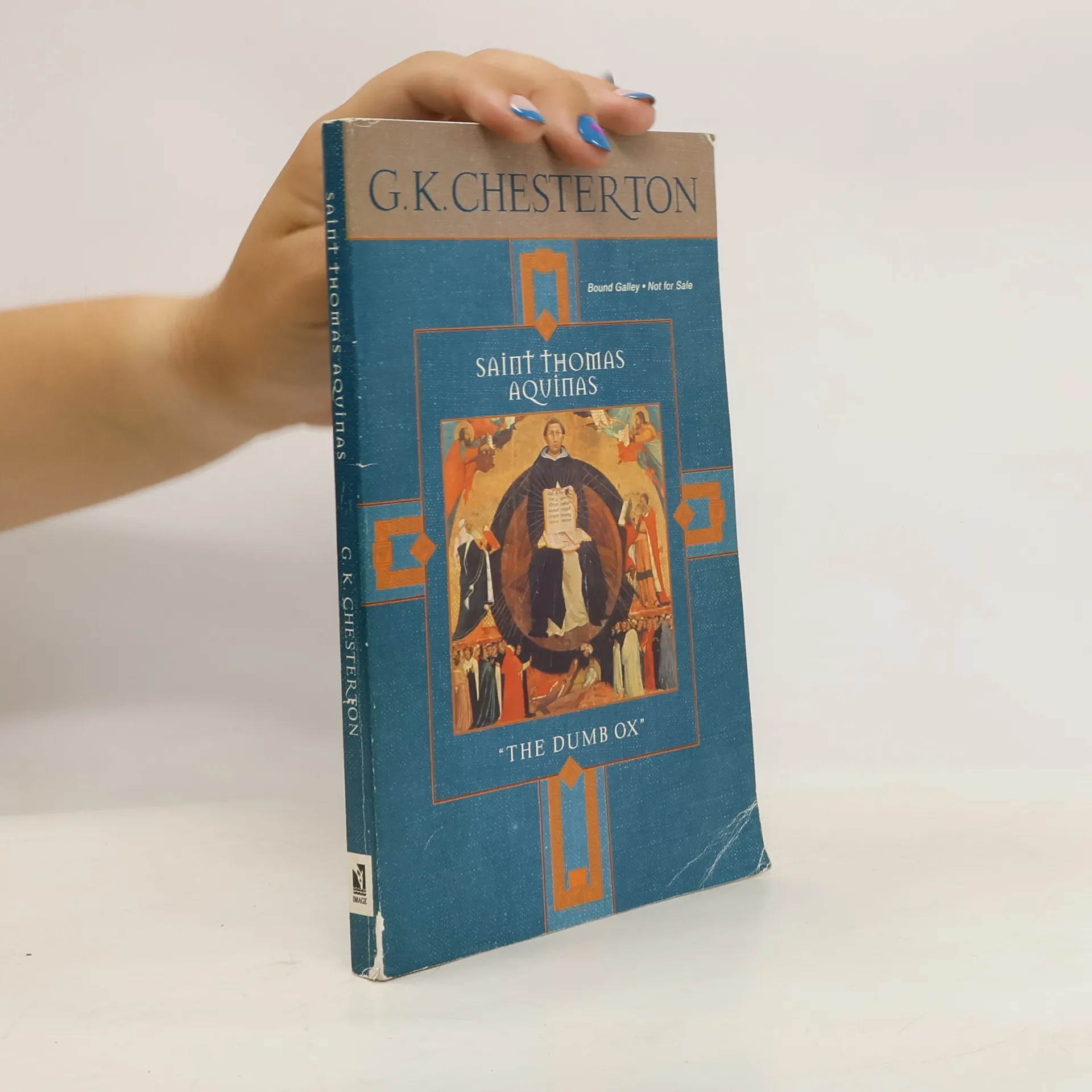
Saint Thomas Aquinas
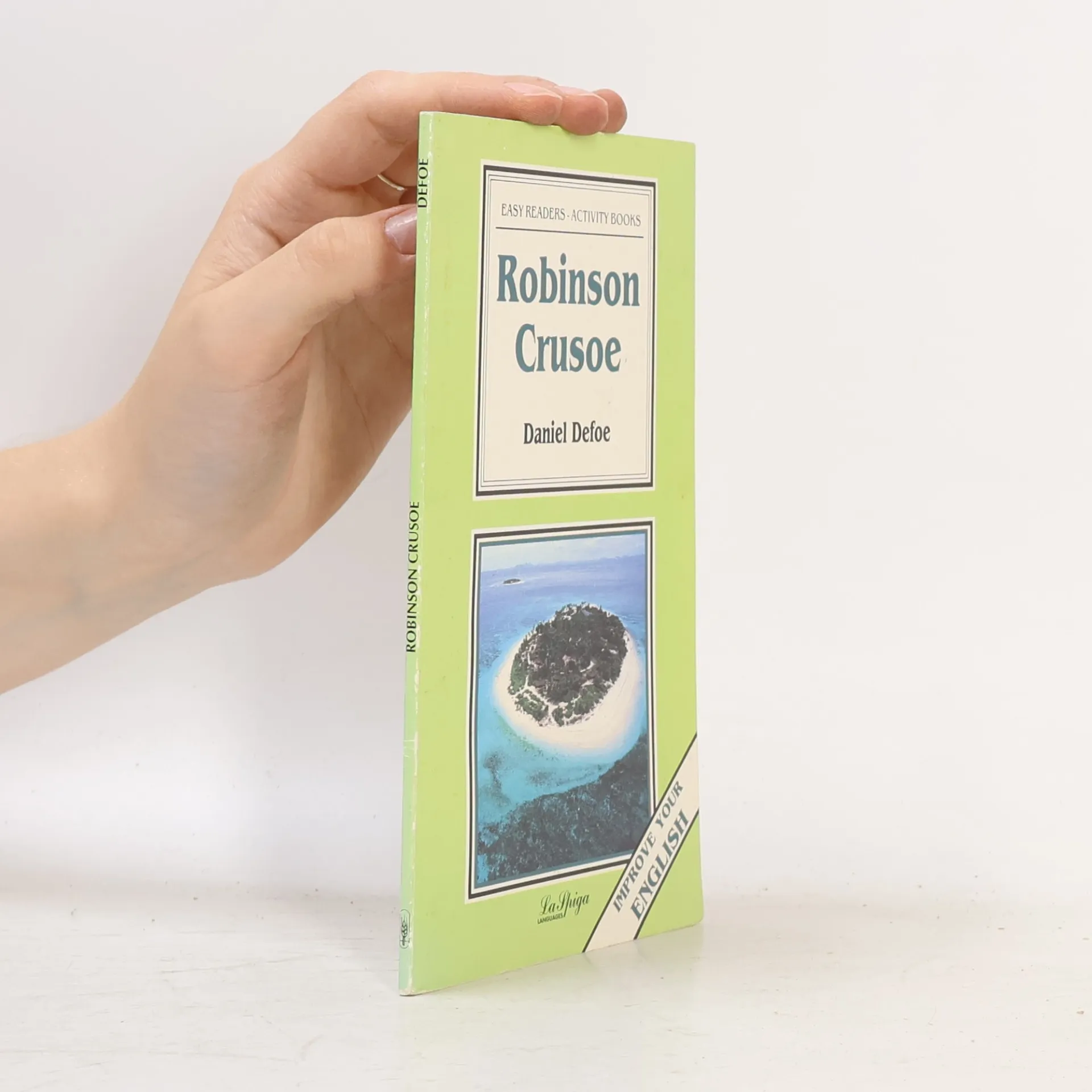
Robinson Crusoe
  • Who has not dreamed of life on an exotic isle, far away from civilization? Here is the novel which has inspired countless imitations by lesser writers, none of which equal the power and originality of Defoe's famous book. Robinson Crusoe, set ashore on an island after a terrible storm at sea, is forced to make do with only a knife, some tobacco, and a pipe. He learns how to build a canoe, make bread, and endure endless solitude. That is, until, twenty-four years later, when he confronts another human being. First published in 1719, Robinson Crusoe has been praised by such writers as James Joyce, Virginia Woolf, and Samuel Johnson as one of the greatest novels in the English language.

    Robinson Crusoe
  • G.K. Chesterton's brilliant sketch of the life and thought of Thomas Aquinas is as relevant today as when it was published in 1933. Then it earned the praise of such distinguished writers as Etienne Gilson, Jacques Martain, and Anton Pegis as the best book ever written on the great thirteenth-century Dominican. Today Chesterton's classic stands poised to reveal Thomas to a new generation.Chesterton's Aquinas is a man of mystery. Born into a noble Neapolitan family, Thomas chose the life of a mendicant friar. Lumbering and shy -- his classmates dubbed him "the Dumb Ox" -- he led a revolution in Christian thought. Possessed of the rarest brilliance, he found the highest truth in the humblest object. Having spent his life amid the vast intricacies of reason, he asked on his deathbed to have read aloud the Song of Songs, the most passionate book in the Bible.As Albert the Great, Thomas's teacher, predicted, the Dumb Ox has bellowed down the ages to our own day. Chesterton's book will enlighten those who would consign Thomas to the obscurity of medieval times. It will confound those who would use Thomas to bolster arid schemes of Christian rationalism. Rather, it will introduce the wondrous mystery of the man who, after a life of unparalleled genius, was seized by a vision of the Unknown and said, "I can write no more. I have seen things which make all my writings like straw."

    Saint Thomas Aquinas