

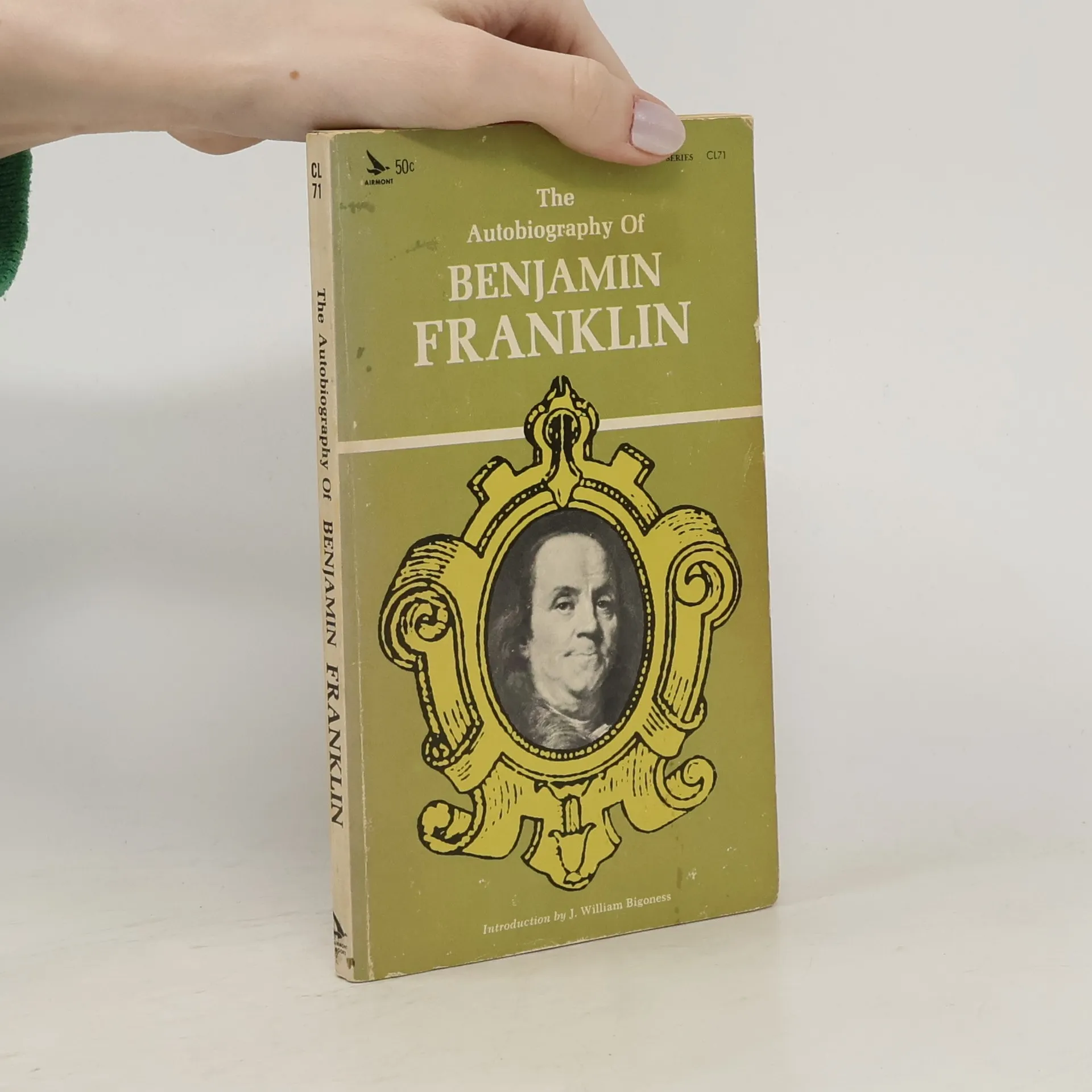
"The first book to belong permanently to literature. It created a man." -- From the Introduction Few men could compare to Benjamin Franklin. Virtually self-taught, he excelled as an athlete, a man of letters, a printer, a scientist, a wit, an inventor, an editor, and a writer, and he was probably the most successful diplomat in American history. David Hume hailed him as the first great philosopher and great man of letters in the New World. Written initially to guide his son, Franklin's autobiography is a lively, spellbinding account of his unique and eventful life. Stylistically his best work, it has become a classic in world literature, one to inspire and delight readers everywhere.
Edmund S. Morgan Books


The Puritan Family
- 208 pages
- 8 hours of reading
The Puritans came to New England not merely to save their souls but to establish a "visible" kingdom of God, a society where outward conduct would be according to God's laws. This book discusses the desire of the Puritans to be socially virtuous and their wish to force social virtue upon others.
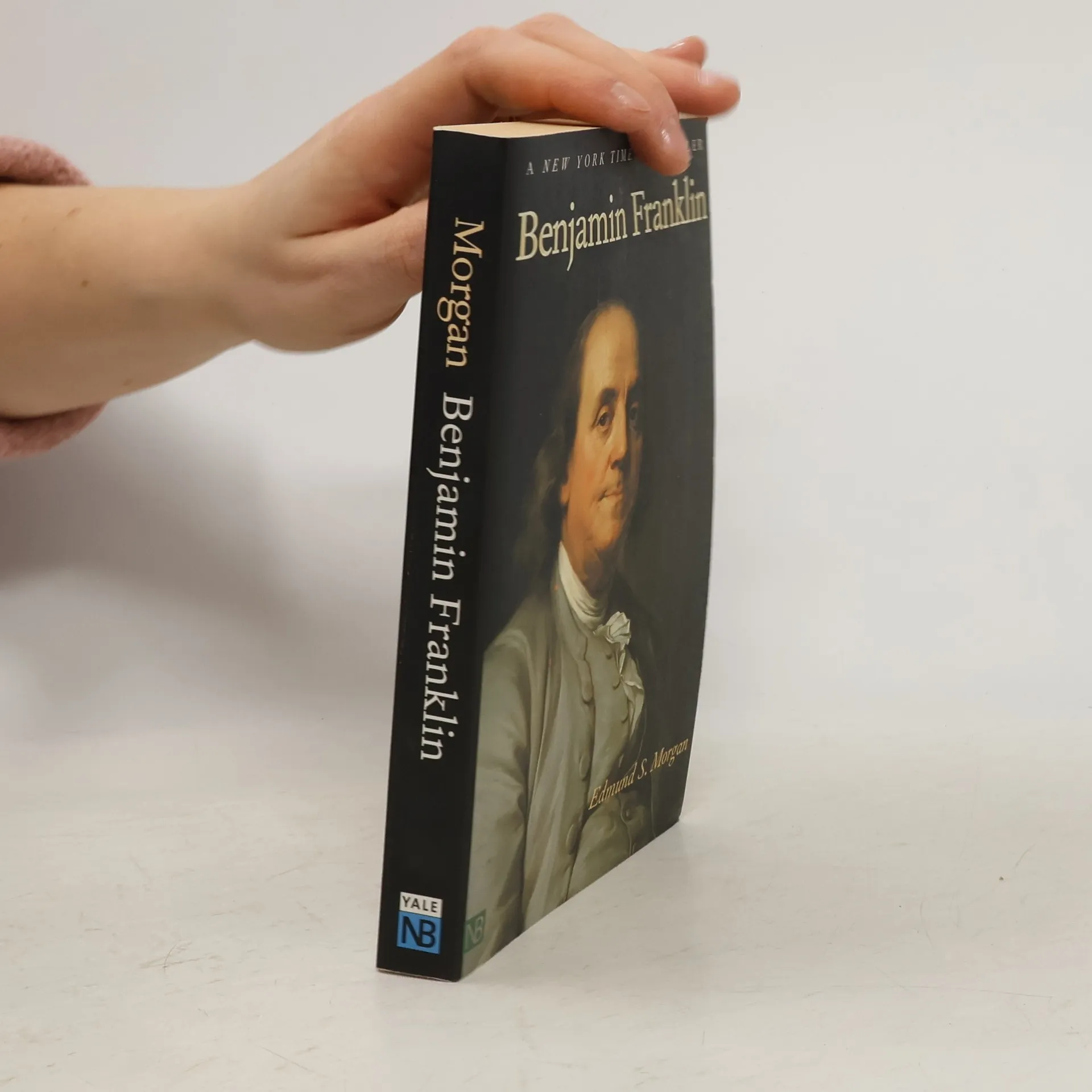
Benjamin Franklin
- 352 pages
- 13 hours of reading
Draws on Franklin's extensive writings to provide a portrait of the statesman, inventor, and Founding Father.
In one remarkable quarter-century, thirteen quarrelsome colonies were transformed into a nation. Edmund S. Morgan's classic account of the Revolutionary period shows how the challenge of British taxation started the Americans on a search for constitutional principles to protect their freedom and eventually led to the Revolution.Morgan demonstrates that these principles were not abstract doctrines of political theory but grew instead out of the immediate needs and experiences of the colonists. They were held with passionate conviction, and incorporated, finally, into the constitutions of the new American states and of the United States.Though the basic theme of the book and his assessment of what the Revolution achieved remain the same, Morgan has updated the revised edition of The Birth of the Republic (1977) to include some textual and stylistic changes as well as a substantial revision of the Bibliographic Note.