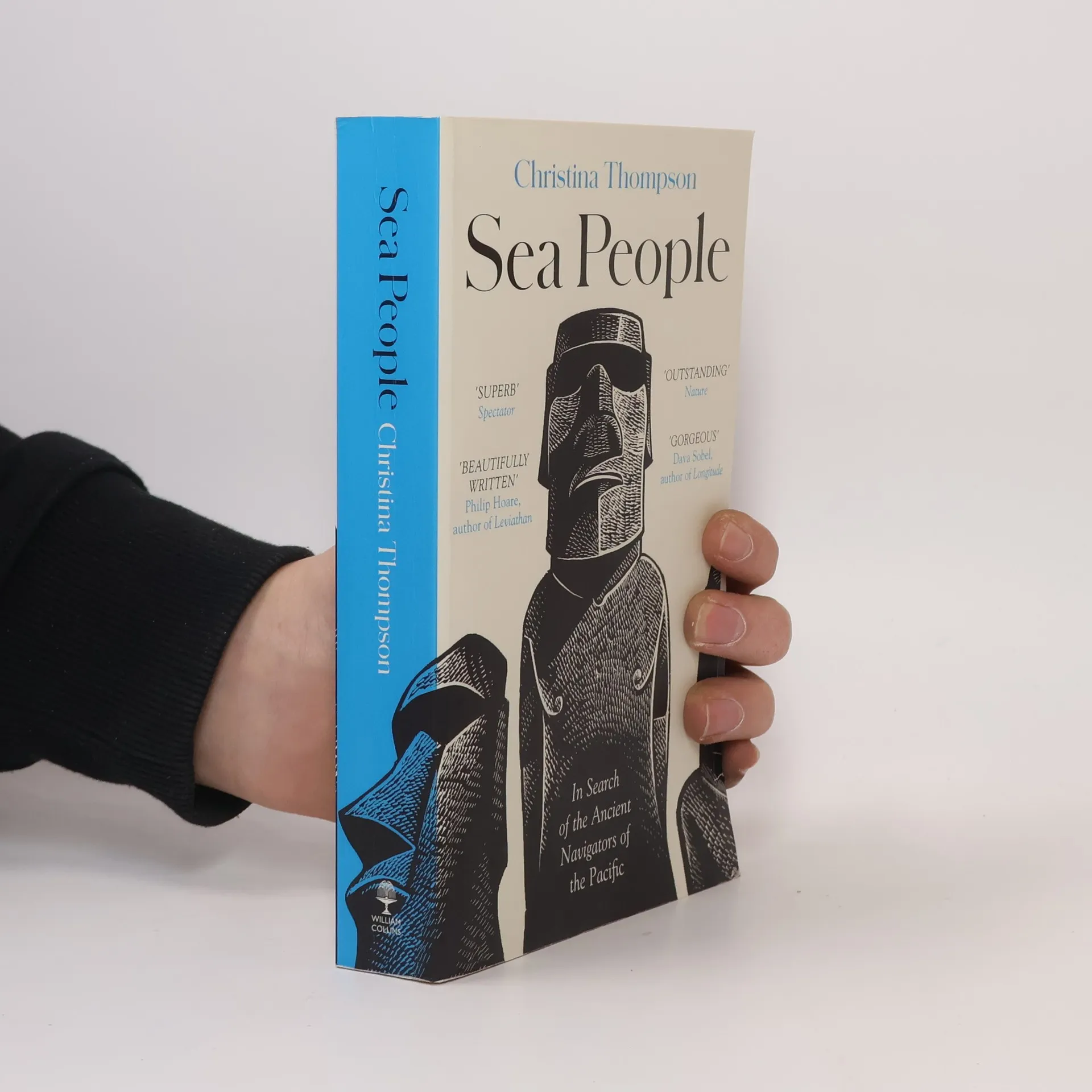
For over a millennium, Polynesians have inhabited the remote islands of the Pacific, a vast triangle from Hawaii to New Zealand to Easter Island. Before European explorers arrived, they were the sole inhabitants of these islands. Polynesians, both closely related and widely dispersed, trace their ancestry to epic voyagers who embarked on remarkable journeys across the ocean. The mystery of how these early Polynesians discovered and colonized such distant islands—without writing or metal tools—has puzzled scholars since the eighteenth century, known as the Problem of Polynesian Origins. This enigma is particularly personal for the author, whose Maori husband and sons descend from these ancient navigators. In this exploration, she delves into the rich history of these ancestors and the contributions of sailors, linguists, archaeologists, folklorists, biologists, and geographers who have sought to understand this legacy for three centuries. Blending history, geography, anthropology, and navigation science, the narrative offers a vivid tour of one of the world’s most intriguing regions, capturing the essence of Polynesian exploration and its significance in human history.
Philip Hoare Books
Philip Hoare is an author who dives into the depths of the human psyche and nature. His works, often inspired by the sea, explore themes of identity, art, and the lost world. Hoare is characterized by a rich and strange style that draws readers into fantastical stories. His works are praised for their depth and imagination, carving out a unique space in literature.

William Blake & The Sea Monsters of Love
How One Visionary Inspired Two Hundred Years of Art, Poetry & Protest
- 304 pages
- 11 hours of reading
Exploring the life of an overlooked yet talented artist, the narrative delves into the complexities of creativity and recognition. It examines the struggles and triumphs of an individual whose work remains largely unappreciated by the public. Through a blend of personal anecdotes and artistic insights, the story highlights themes of passion, perseverance, and the often-unseen impact of art on society. The journey invites readers to reflect on the nature of fame and the true value of artistic expression.
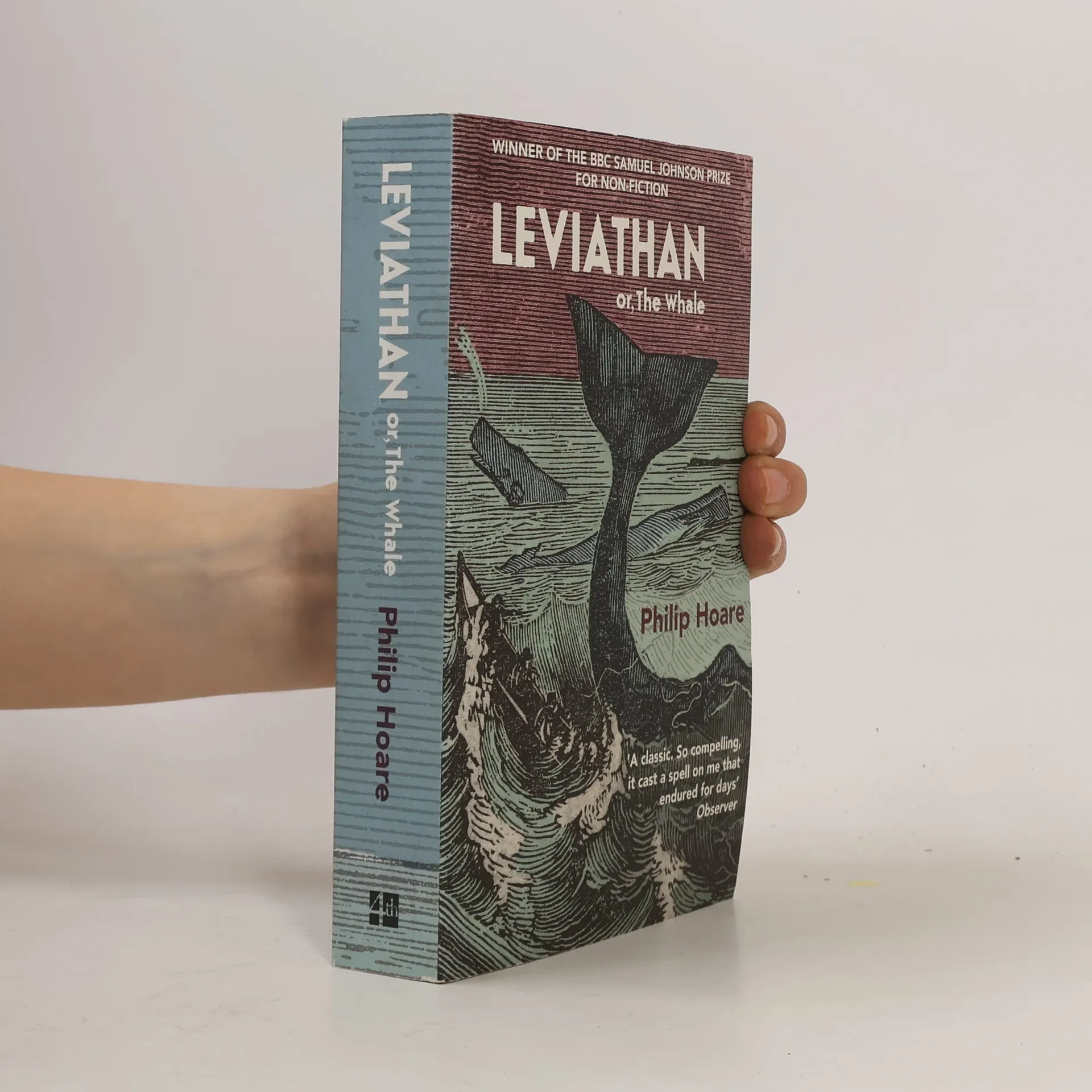
Leviathan, or The Whale. Leviathan oder Der Wal, englische Ausgabe
- 453 pages
- 16 hours of reading
Travelling around the globe in search of the whale, Philip Hoare sheds light on our perennial fascination with the strange creatures of the sea, whose nature remains tantalizingly undiscovered
Albert and the Whale: Albrecht Dürer and How Art Imagines Our World
- 304 pages
- 11 hours of reading
In 1520, Albrecht Dürer, the most celebrated artist in Northern Europe, sailed to Zeeland to see a whale. A central figure of the Renaissance, no one had painted or drawn the world like him. Dürer drew hares and rhinoceroses in the way he painted saints and madonnas. The wing of a bird or the wing of an angel; a spider crab or a bursting star like the augury of a black hole, in Dürer's art, they were part of a connected world. Everything had meaning. But now he was in crisis. He had lost his patron, the Holy Roman Emperor. He was moorless and filled with wanderlust. In the shape of the whale, he saw his final ambition. But now he was in crisis. He had lost his patron, the Holy Roman Emperor. He was moorless and filled with wanderlust. In the shape of the whale, he saw his final ambition. But his art captured more than the physical world, he also captured states of mind. Albert and the Whale explores the work of this remarkable man through a personal lens. Drawing on Philip's experience of the natural world, and of the elements that shape our contemporary lives, from suburbia to the wide open sea, Philip will enter Dürer's time machine. Seeking his own Leviathan, Hoare help us better understand the interplay between art and our world in this sublimely seductive book
Pet Shop Boys Volume
- 592 pages
- 21 hours of reading
Marking the fortieth anniversary of the duo's first release--"West End Girls"--Pet Shop Boys Volume presents the group's entire visual output to date in a contemporary literary format.
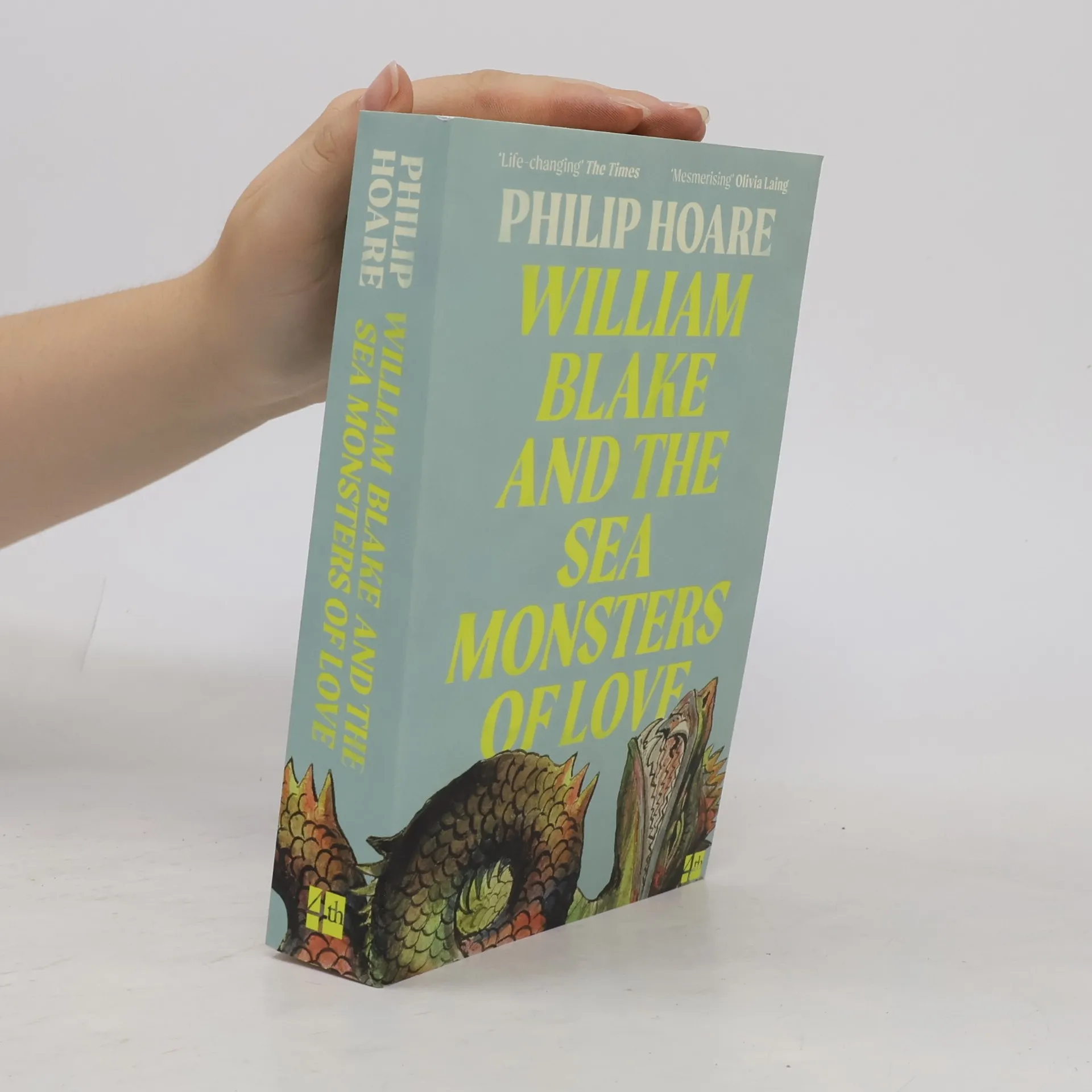
William Blake and the Sea Monsters of Love
A Sunday Times Book of the Year Non-Fiction Study of Art and Myth
- 464 pages
- 17 hours of reading
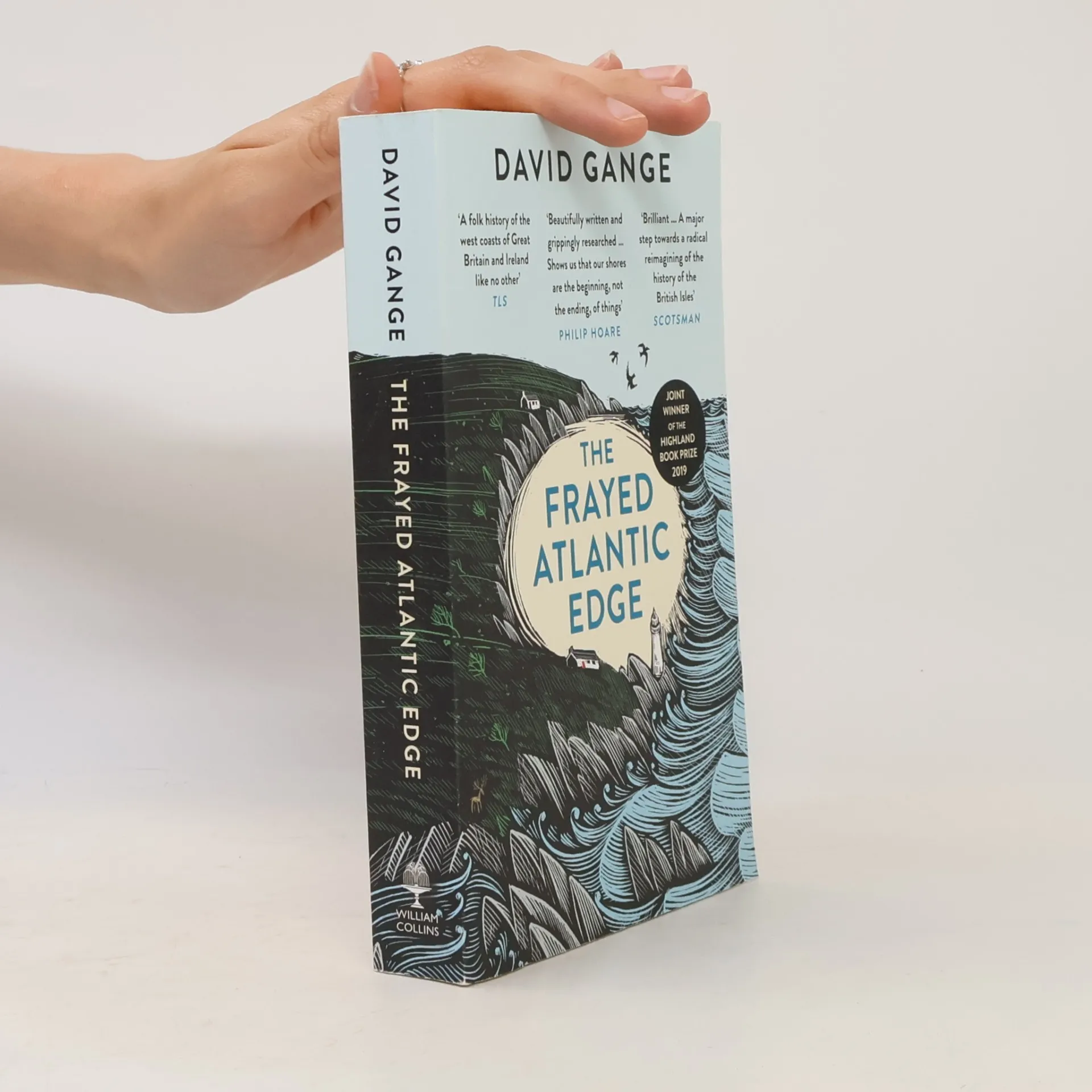
The Frayed Atlantic Edge
- 400 pages
- 14 hours of reading
COLLECTIVE WINNER OF THE HIGHLAND BOOK PRIZE AND SHORTLISTED FOR THE WAINWRIGHT PRIZE 'This is the book that has been wanting to be written for decades: the ragged fringe of Britain as a laboratory for the human spirit' Adam Nicolson
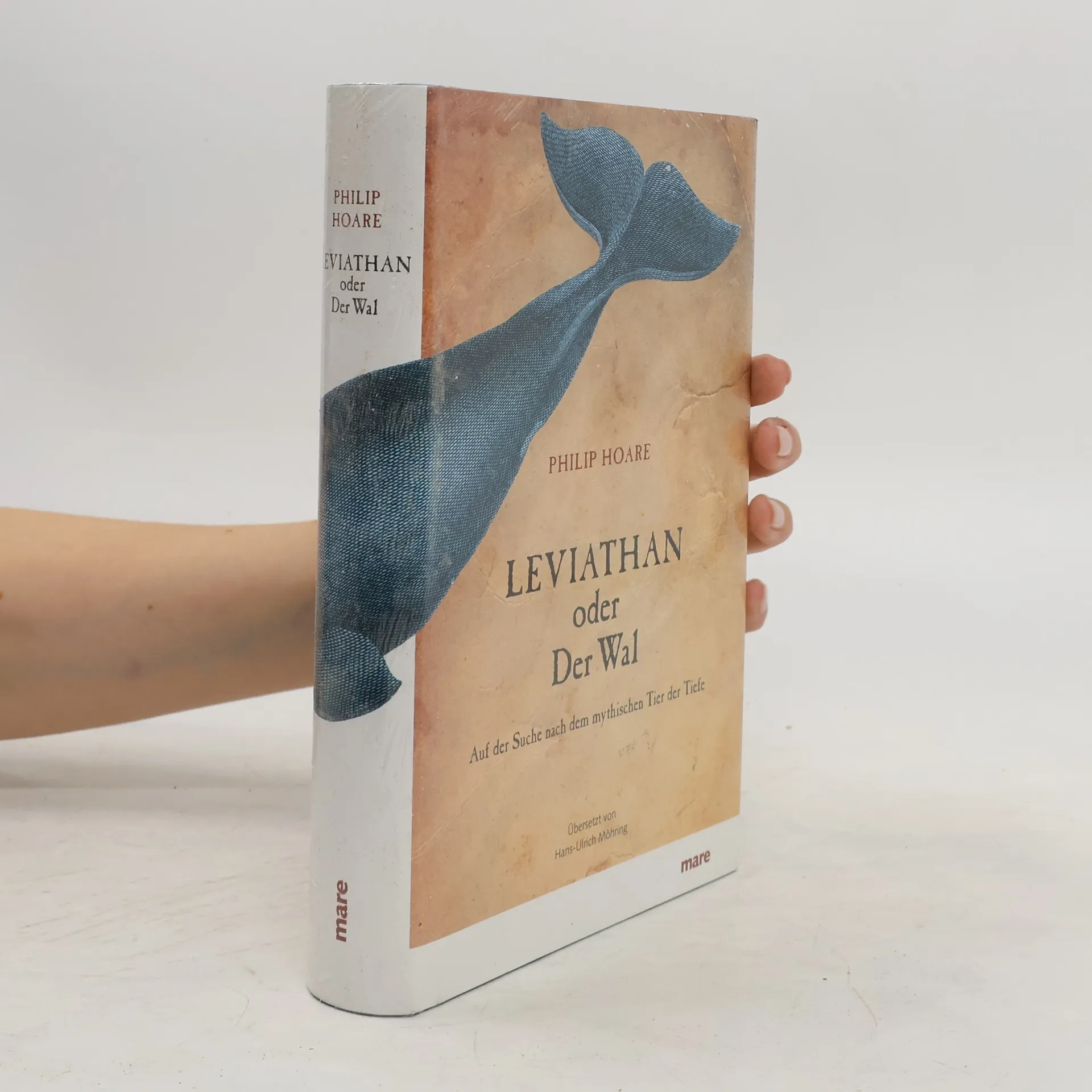
Leviathan oder der Wal
Auf der Suche nach dem mythischen Tier der Tiefe
›Moby-Dick‹ ist ein Buch, das durch seinen Wal legendär wurde – aber umgekehrt wird ebenfalls ein Schuh draus: Seit der Roman von Herman Melville 1851 veröffentlicht wurde, hat man Wale mit anderen Augen gesehen. Aus einem bereits legendären, mythischen Tier schuf Melville einen modernen Mythos. Philip Hoare, seit jeher fasziniert von Walen, versucht in ›Leviathan‹ seiner Besessenheit auf den Grund zu gehen. Warum haben Wale eine so starke Anziehungskraft auf den Menschen? Warum spielen sie in unserer Fantasie immer wieder eine Rolle, verschmelzen darin mit dunklen Vorstellungen von Seeschlangen und anderen vorsintflutlichen Riesenwesen? Ist der Wal ein Symbol paradiesischer Unschuld in Zeiten der Artenbedrohung und des Klimawandels? Oder eher ein uraltes Sinnbild für das Böse schlechthin, ein bizarrer Fisch, der Jona verschluckt hat? Besuche im Londoner Natural History Museum während der Kindheit, die erste (und die zweite) ›Moby-Dick‹-Lektüre, zahlreiche Whale-Watching-Touren, eine Fahrt von Nordengland nach Cape Cod und zur Mitte des Atlantiks: Der Autor unternimmt nicht nur eine persönliche und biografische Reise, sondern auch eine (kultur-)historische; er erzählt seine eigene Geschichte einer Leidenschaft und liefert zugleich erhellende Antworten auf die Frage, was das Faszinosum Wal ausmacht.