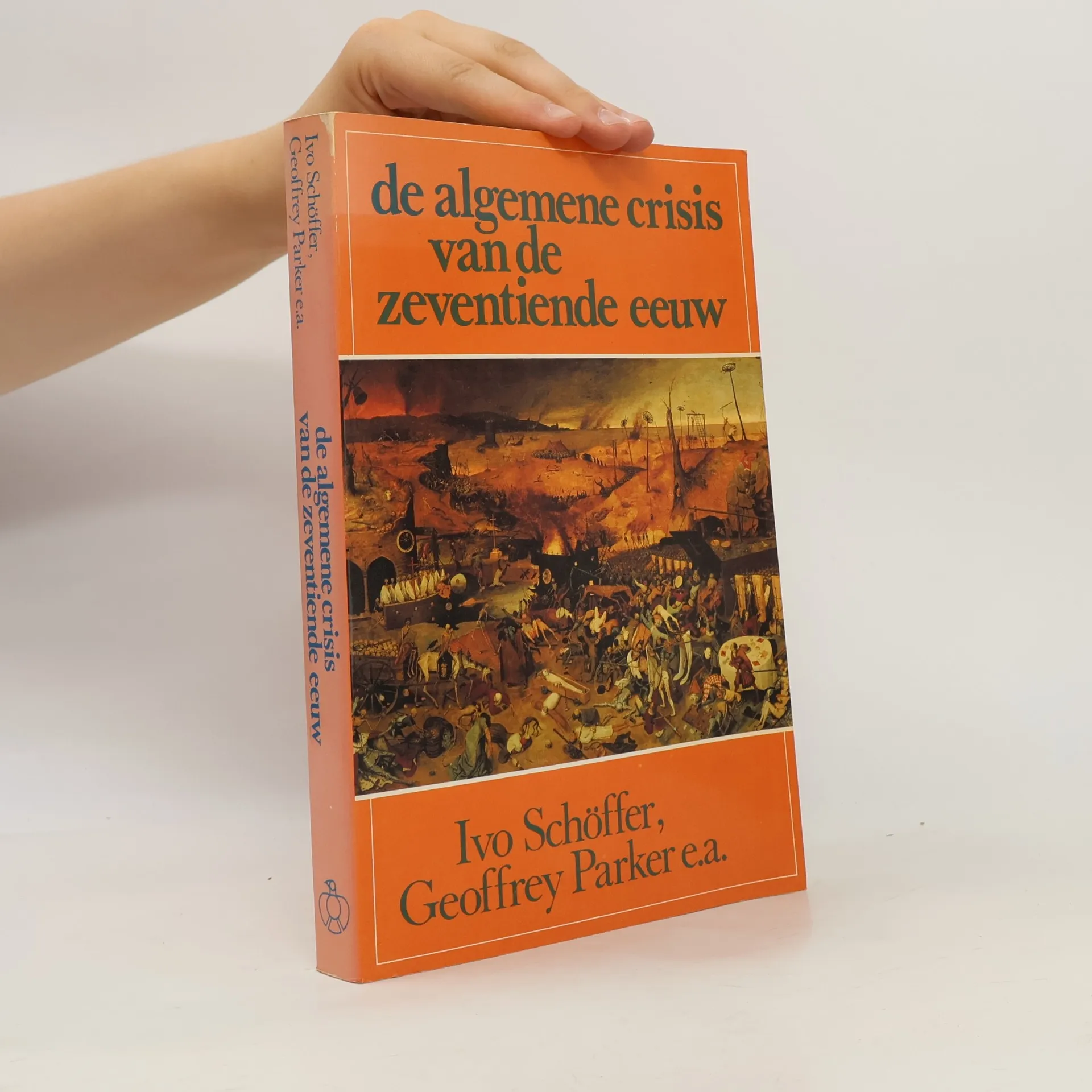
Geoffrey Parker is a preeminent historian whose work illuminates the social, political, and military landscapes of early modern Europe. He meticulously examines the epochal shifts in warfare and statecraft, revealing their profound impact on the trajectory of Western civilization and global power dynamics. Parker's insightful analyses explore the complex interplay of conflict, climate, and catastrophe, offering readers a sophisticated understanding of historical transformations.
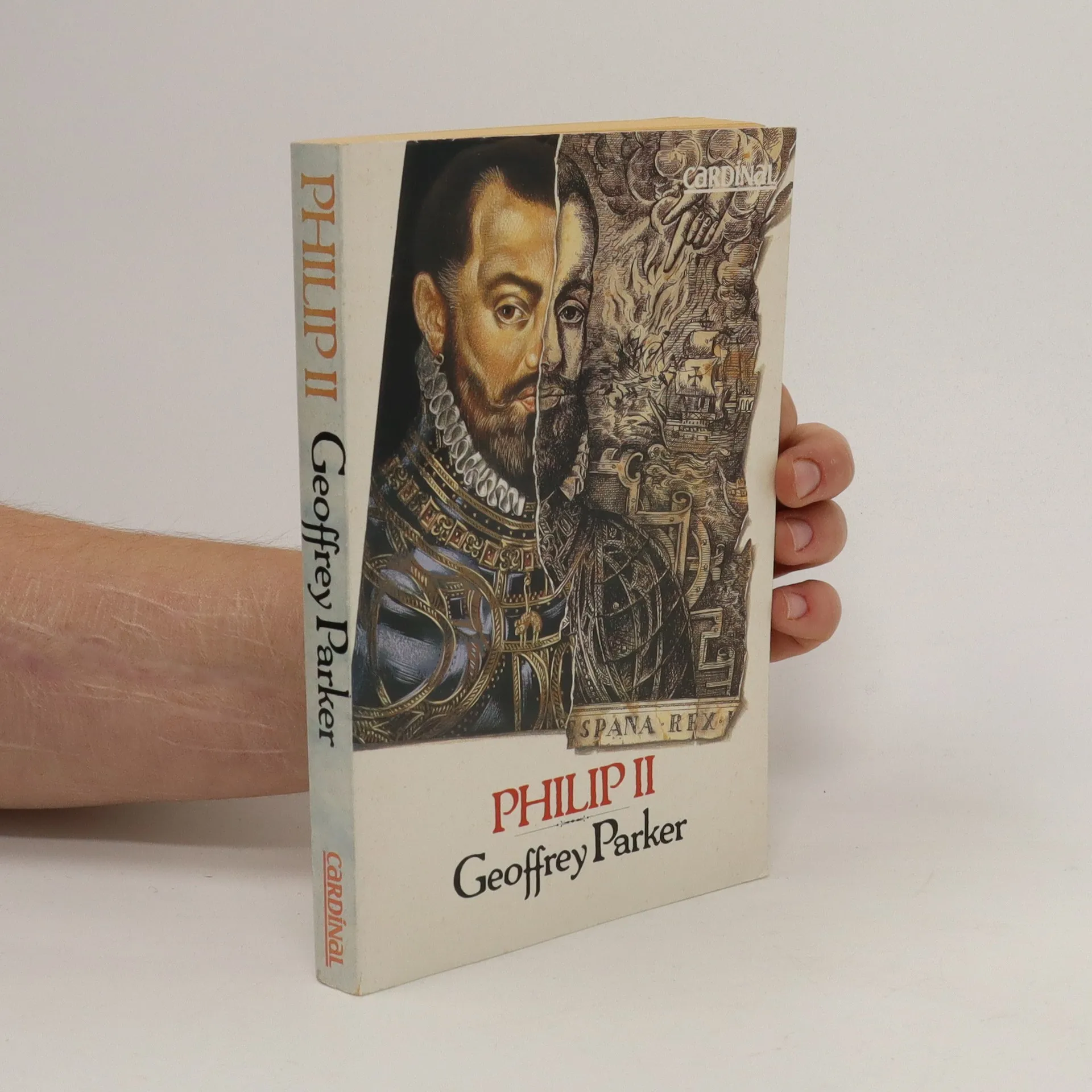
In this spellbinding biography, the definitive work on Philip, Geoffrey Parker drew upon a vast, previously untapped collection of the king's private correspondence, in which he expressed his emotions, personal thoughts, and social philosophy. This new edition has a Bibliographical Essay, evaluating the many new works on Philip published on and around the 400th anniversary of his death.
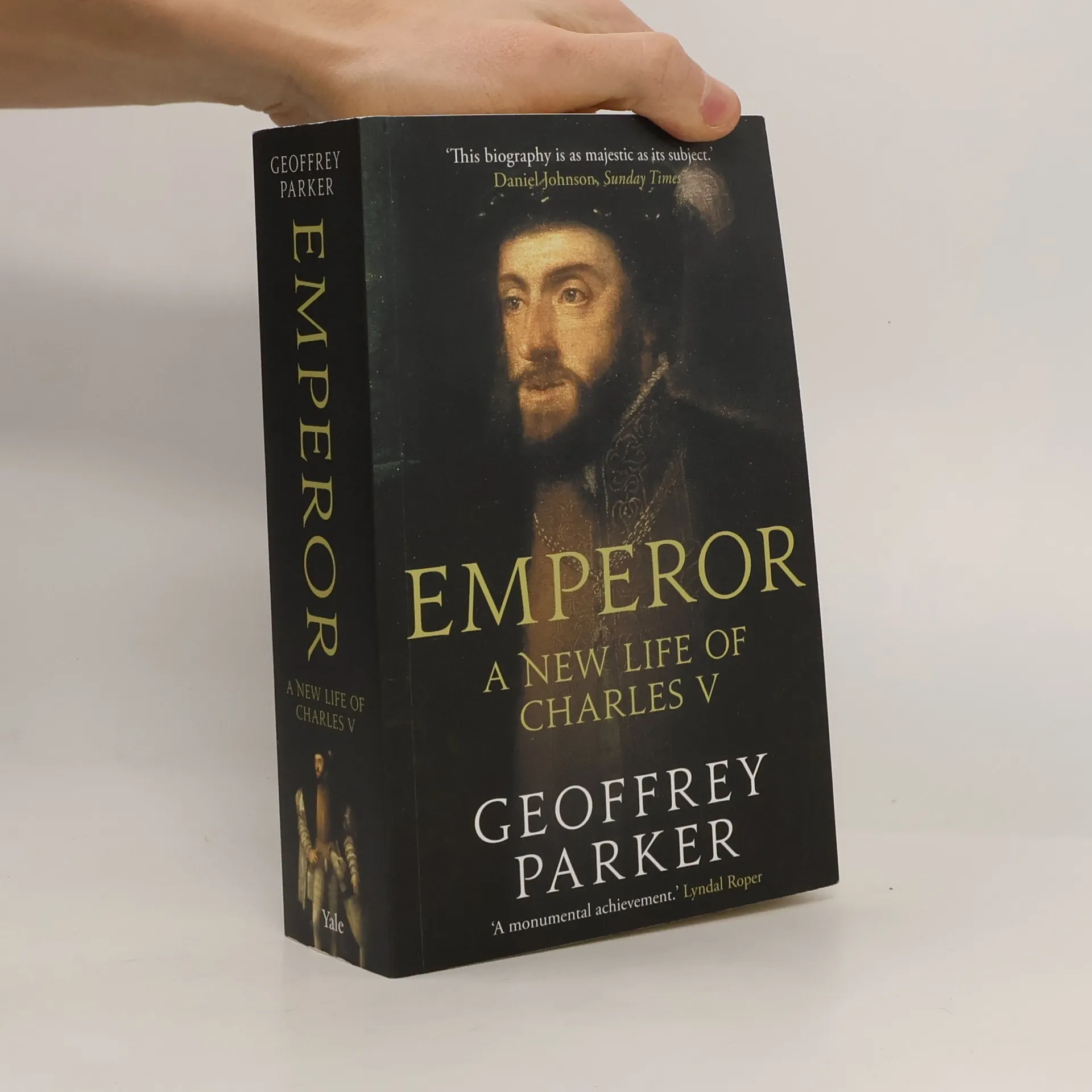
Drawing on vital new evidence, a top historian dramatically reinterprets the ruler of the world's first transatlantic empire The life of Emperor Charles V (1500-1558), ruler of Spain, Germany, the Netherlands, and much of Italy and Central and South America, has long intrigued biographers. But the elusive nature of the man (despite an abundance of documentation), his relentless travel and the control of his own image, together with the complexity of governing the world's first transatlantic empire, complicate the task. Geoffrey Parker, one of the world's leading historians of early modern Europe, has examined the surviving written sources in Dutch, French, German, Italian, Latin, and Spanish, as well as visual and material evidence. He explores the crucial decisions that created and preserved this vast empire, analyzes Charles's achievements within the context of both personal and structural factors, and scrutinizes the intimate details of the ruler's life for clues to his character and inclinations. The result is a unique biography that interrogates every dimension of Charles's reign and views the world through the emperor's own eyes.
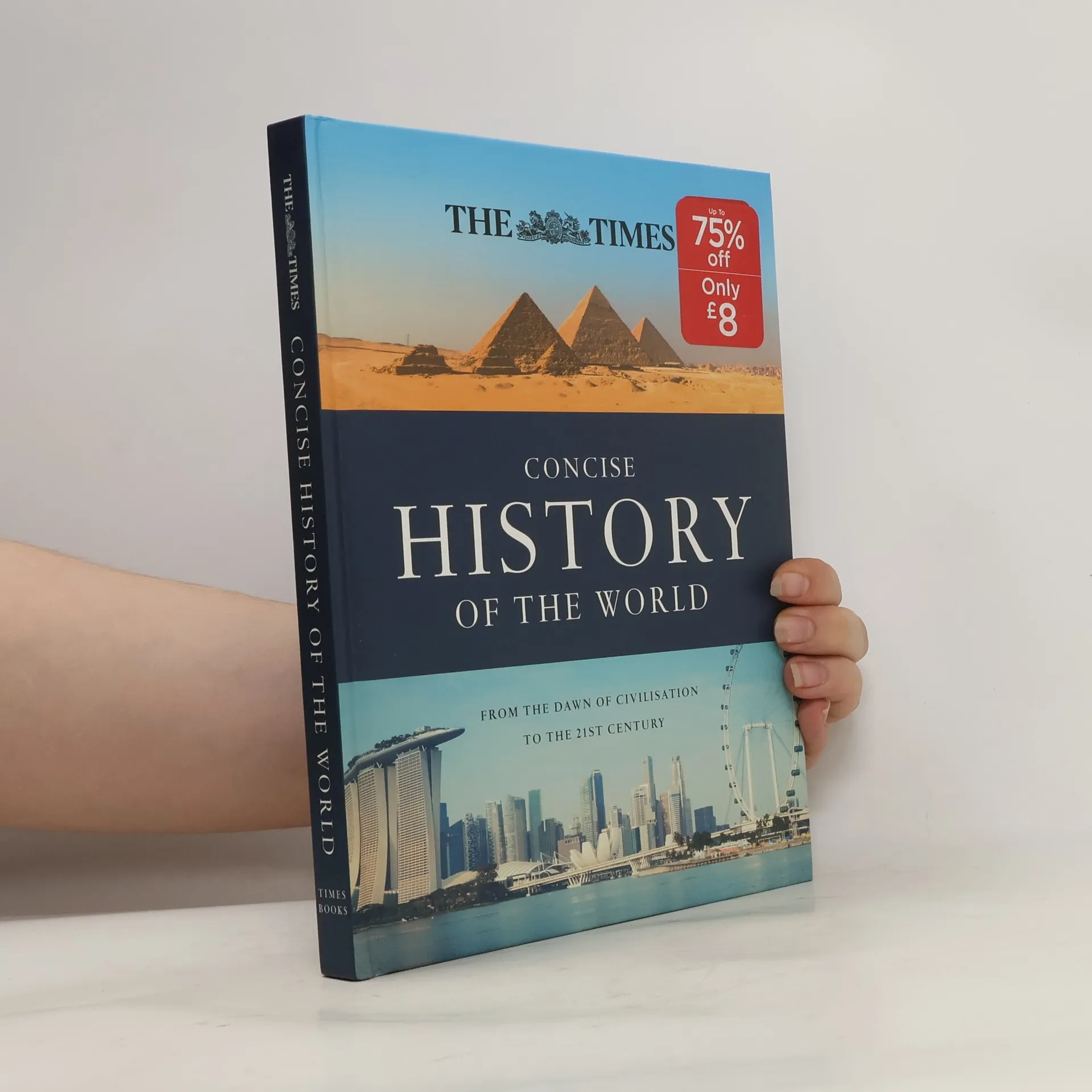
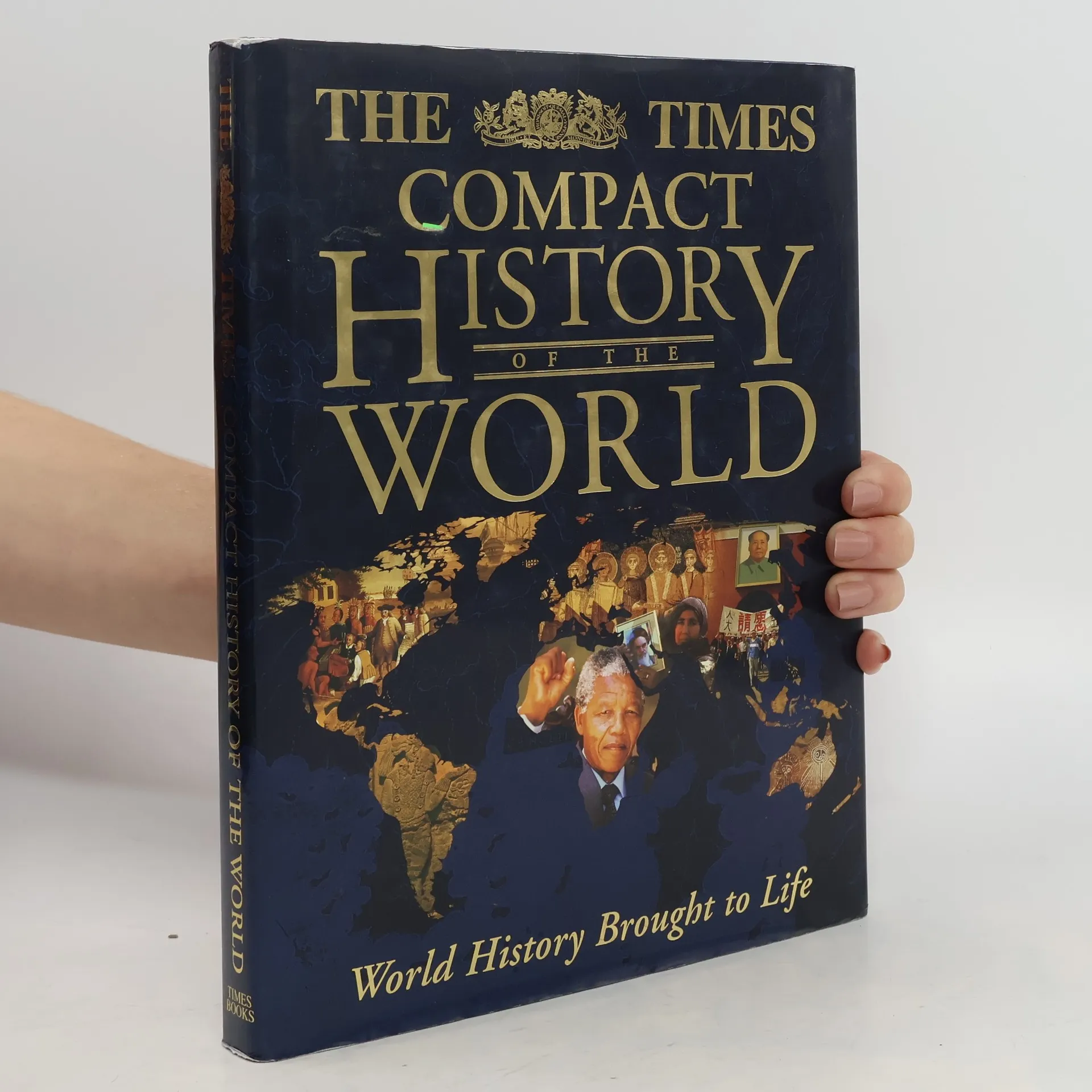
The fifth edition of the Times Concise History of the World is an authoritative overview of world history, presented in a readable compact format. The most accessible, concise and visual account of world history to date. Geoffrey Parker's revised text maintains the book's reputation for excellence, incorporates the latest research and seamlessly integrates expert historical narrative with over 350 maps, charts and photographs.
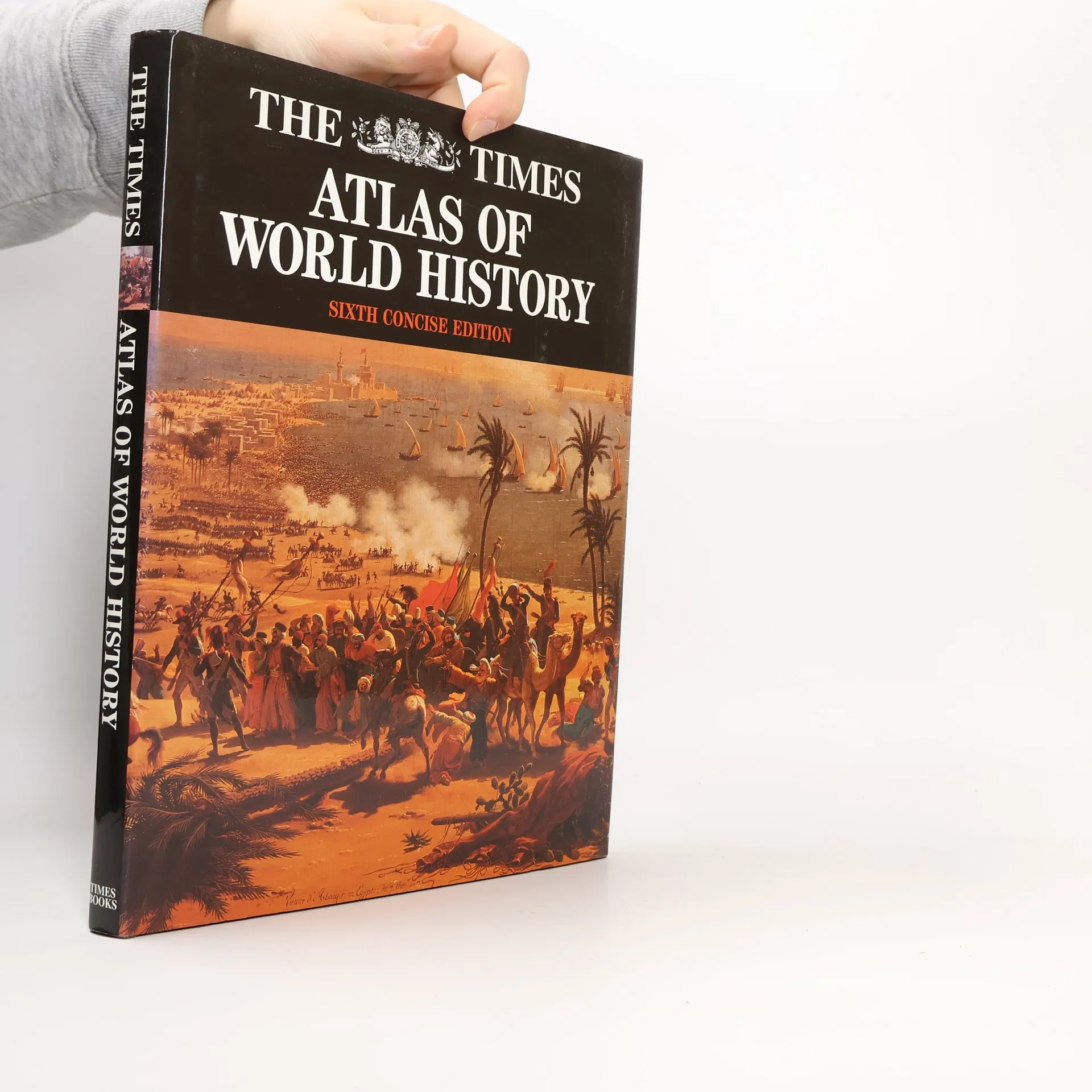
Originally published in 1982, this atlas of world history - like its parent volume, 'The Times' Atlas of World History - combines original maps with text, and offers a comprehensive view of the story of humanity. From the emergence of the first hominids five million years ago to the collapse of the Soviet Union, the full sweep of human history is covered. This atlas makes a companion for anyone who seeks to understand the past, and is useful as a reference for all who study and enjoy history.
The publication of The Army of Flanders and the Spanish Road in 1972 marked the birth of the "new military history", which emphasized military organization--mobilization, pay, supply, morale and, above all, logistics--rather than military "events" such as sieges and battles. Constantly cited since its first publication in English (with translations into Spanish and Dutch), this revised updated second edition includes new sources and references but otherwise remains faithful to the original edition. First Edition Hb (1972): 0-521-08462-8 First Edition Pb (1975): 0-521-09907-2
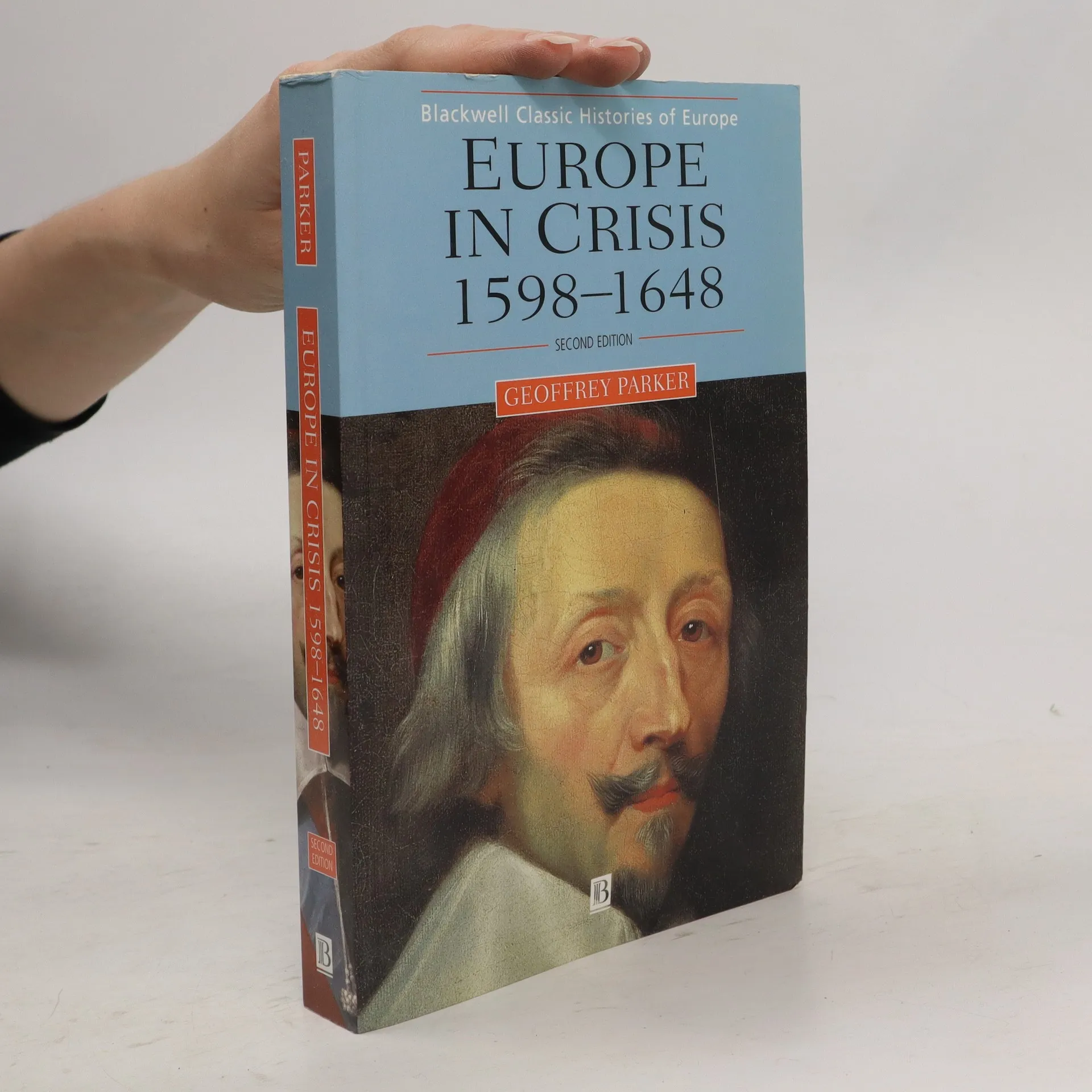
In the new edition of this classic book, Geoffrey Parker draws on material from all over Europe to provide an authoritative and exciting account of the eventful first half of the seventeenth century.
An inside look at the transformative potential of the platform business model shares comprehensive explanations of how platforms use technology to match producers and consumers while unlocking hidden resources and creating new forms of value
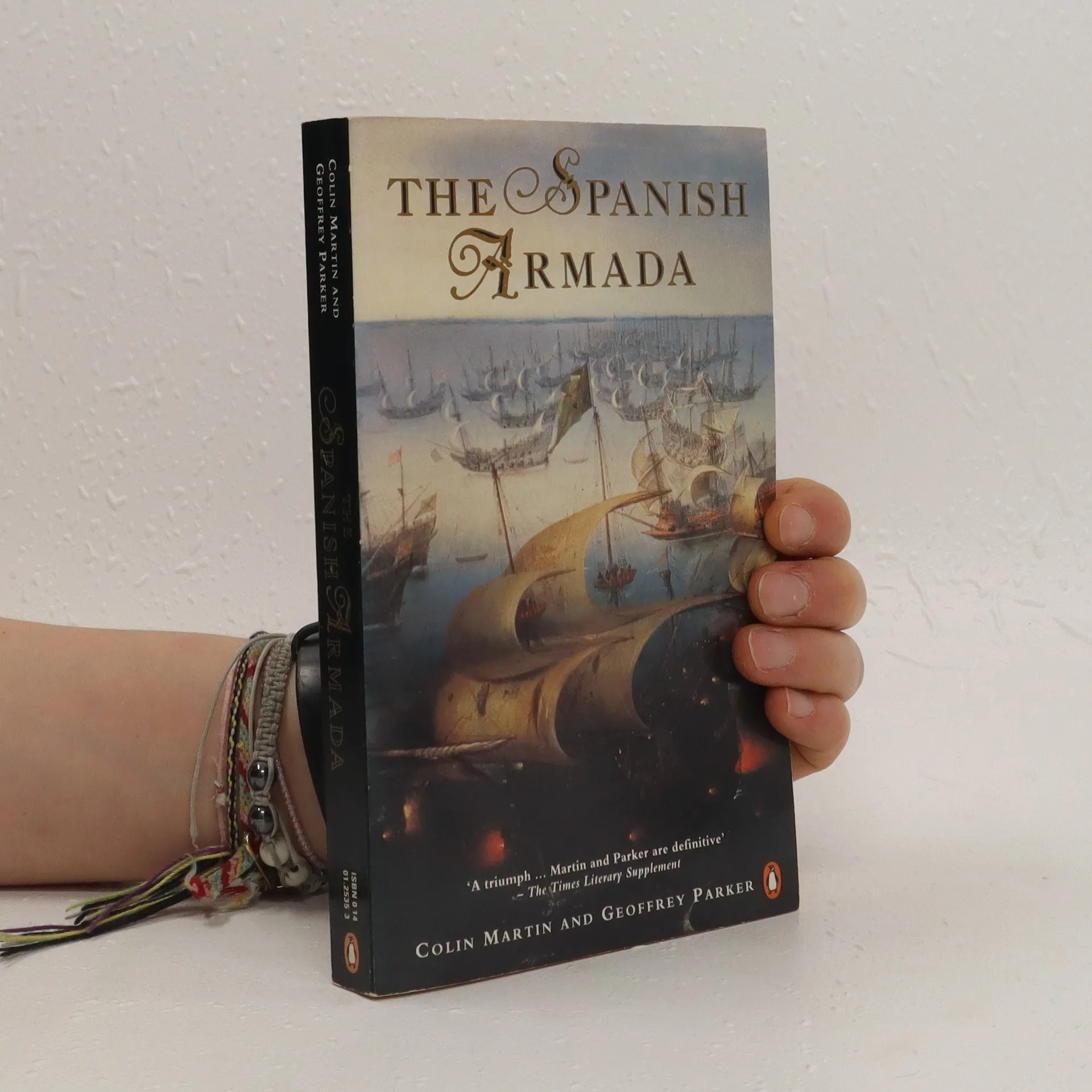
In the late summer of 1588 Philip II's Armada of 130 ships, having failed to invade England, disappeared into the northern seas. But what was the reality of the Spanish threat, and why did it fail? 400 years later, this handsome book answers these questions by drawing on a wealth of new evidence. Geoffrey Parker has found and analysed a huge quantity of previously unstudied material in the great archives of Spain and the Netherlands, and this information has dramatically been complemented and augmented by the discoveries from the Armada wrecks, three of which have been excavated underwater by Colin Martin. Using these unique first-hand sources, on which they have been working together since 1973, the two authors have put together the pieces of the puzzle in a way never before possible. The Spanish Armada is at last fully explained, and some unexpected conclusions reached. In the process several long-established myths are laid to rest. Above all, this book tells a story - a story which brings to life on eof the most colourful, exciting and engrossing events in all history.
During the first and second millennia BCE, nomadic peoples migrated from Central Asia into the Eurasian periphery, with one group settling in an arid region south of the Caspian Sea. From these humble beginnings, they established one of history's most powerful empires: the Persian Empire. The authors, Geoffrey and Brenda Parker, narrate the fascinating story of this ancient civilization and its lasting legacy. They explore the unique aspects of Persian life and its influence over the centuries, detailing the environmental challenges faced by early Persians and how they cultivated a distinctive culture that led to the formation of the Achaemenid Empire. This empire extended its reach into the maritime west, engaging in significant geopolitical conflicts with the Greeks for control of the eastern Mediterranean. The authors vividly depict Persian cities and their remarkable achievements, such as extensive road networks, an impressive irrigation system that transformed arid landscapes into fertile paradises, and a rich tapestry of diverse peoples. This insightful history showcases an incomparable culture whose impact is still evident today in modern Iran and the broader Middle East.
Now in its 3rd edition, this book is a comprehensive small-format single-volume historical atlas. The new edition sees a larger page-format and the inclusion of photographs for the first time to accompany the more than 140 maps. From the emergence of the first modern humans to the Kosovo crisis and the challenges of a new millennium, "The Times Compact History of the World" covers the whole spectrum of human development through an integrated approach of concise yet accessible text, informative mapping, and illustrations.
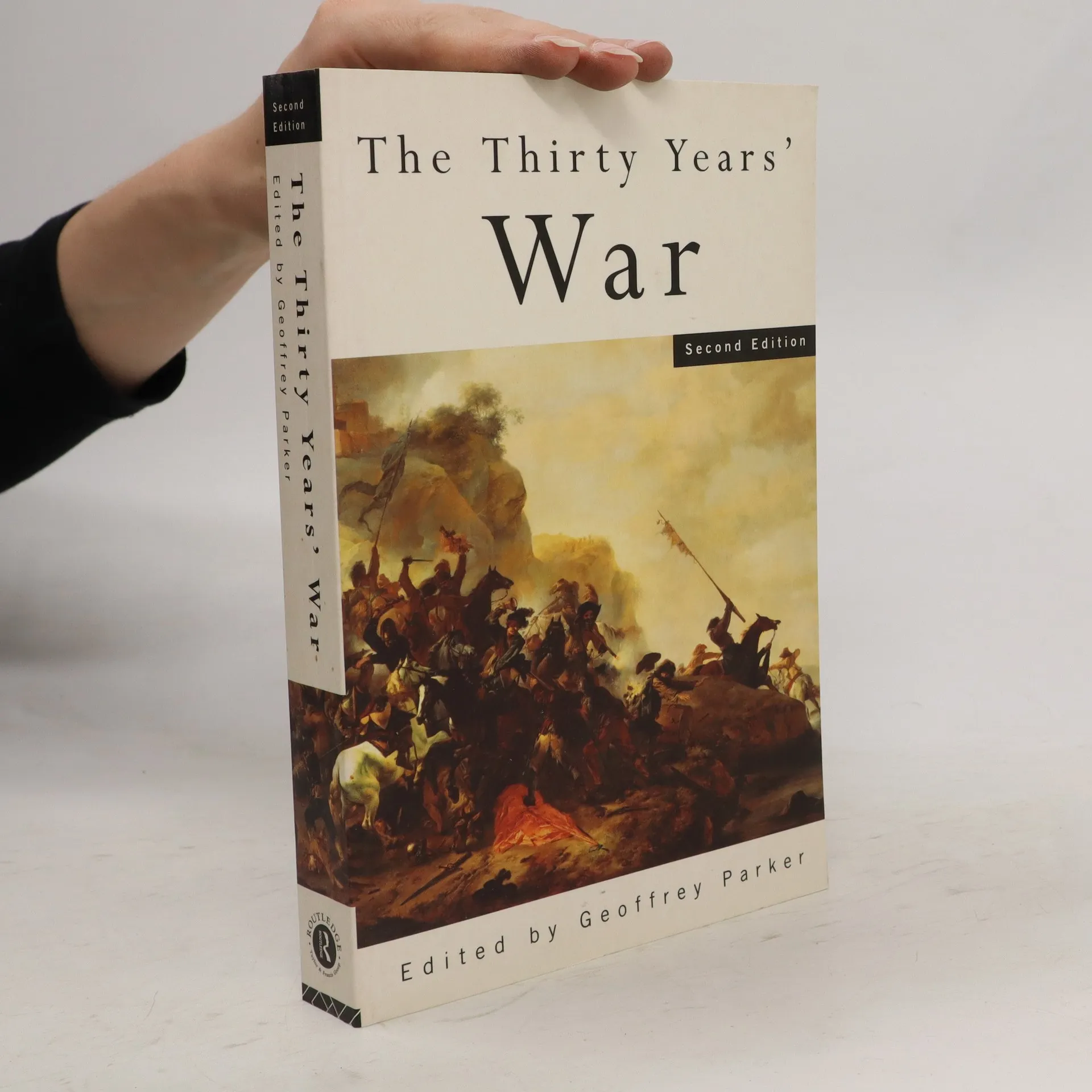
The first edition of The Thirty Years' War offered an unrivalled survey of a central period in European history. Drawing on a huge body of source material from different languages and countries throughout Europe, it provided a clear and comprehensive narrative and analytical account of the subject. It has established itself as the classic text with reviewers, students and the general reader.This second edition has been thoroughly revised to include the very latest research. The updated bibliographical information provides an invaluable resource, synthesising the major work in the field, in all languages, up to 1996.Written with great clarity and liveliness, the book brings alive the period in all its aspects. It covers the horrors of the war and the contorted politics of the period. It deals with all the major figures, including Wallerstein and Richelieu, Gustavus Adolphus and Tilly, the Winter King and the Habsburg emperors. For range and depth of coverage there is no other work like it. It has become the definitive book on the subject.
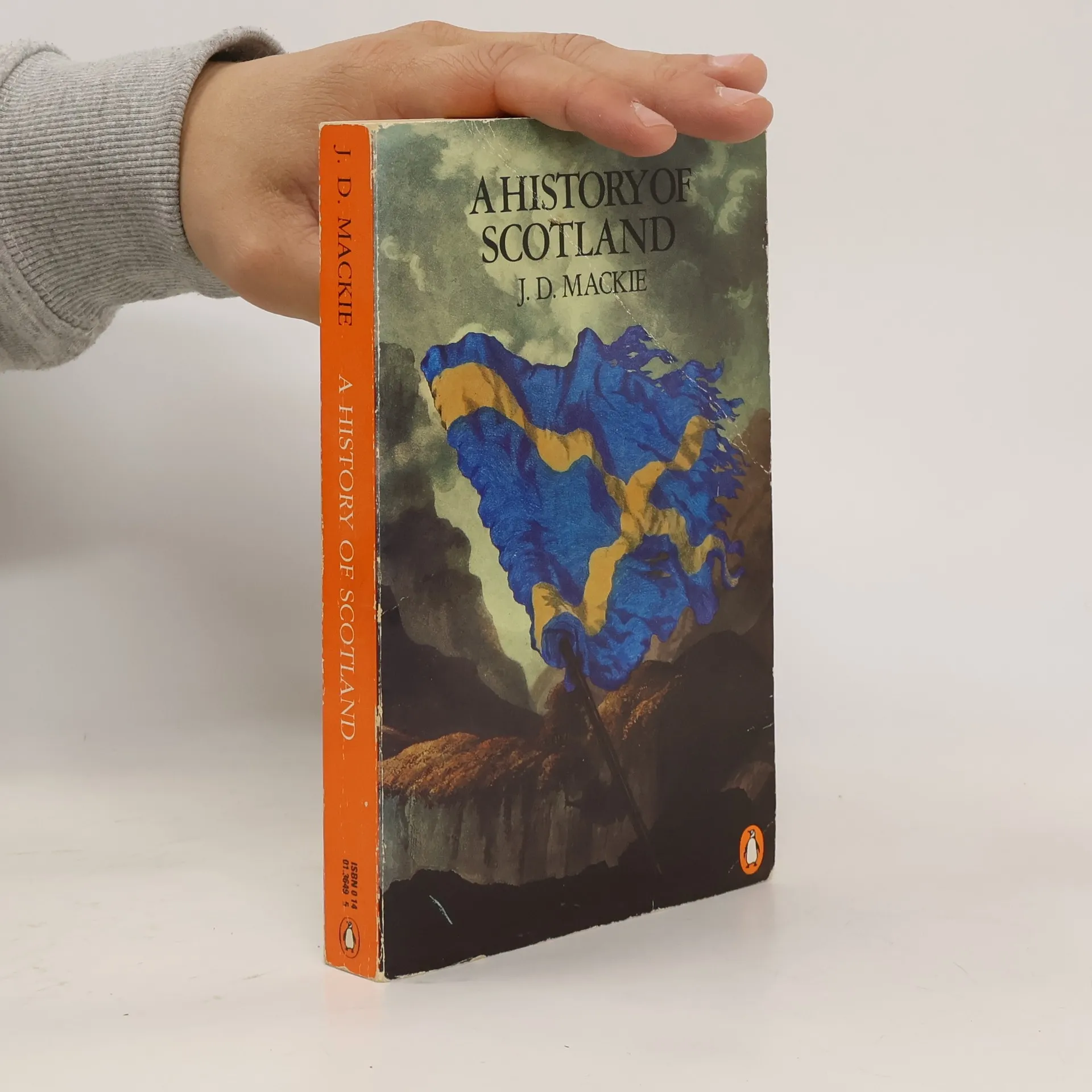
A history that is equally entertaining and enlightening, illustrating all of the changes of power and intricacies that are necessary to understand the interrelation between England and Scotland and the Highland and Lowland populations. It shows how Duncan (1034-40) emerged from 'the union of the four peoples' as the first king of a united Scotland and provides detailed, reign-by-reign accounts from then on. Above all Professor Mackie reveals how the Scots long pursued an independent line - in religion, law, culture and foreign policy - that helped them keep at bay the Romans, the French and the English.
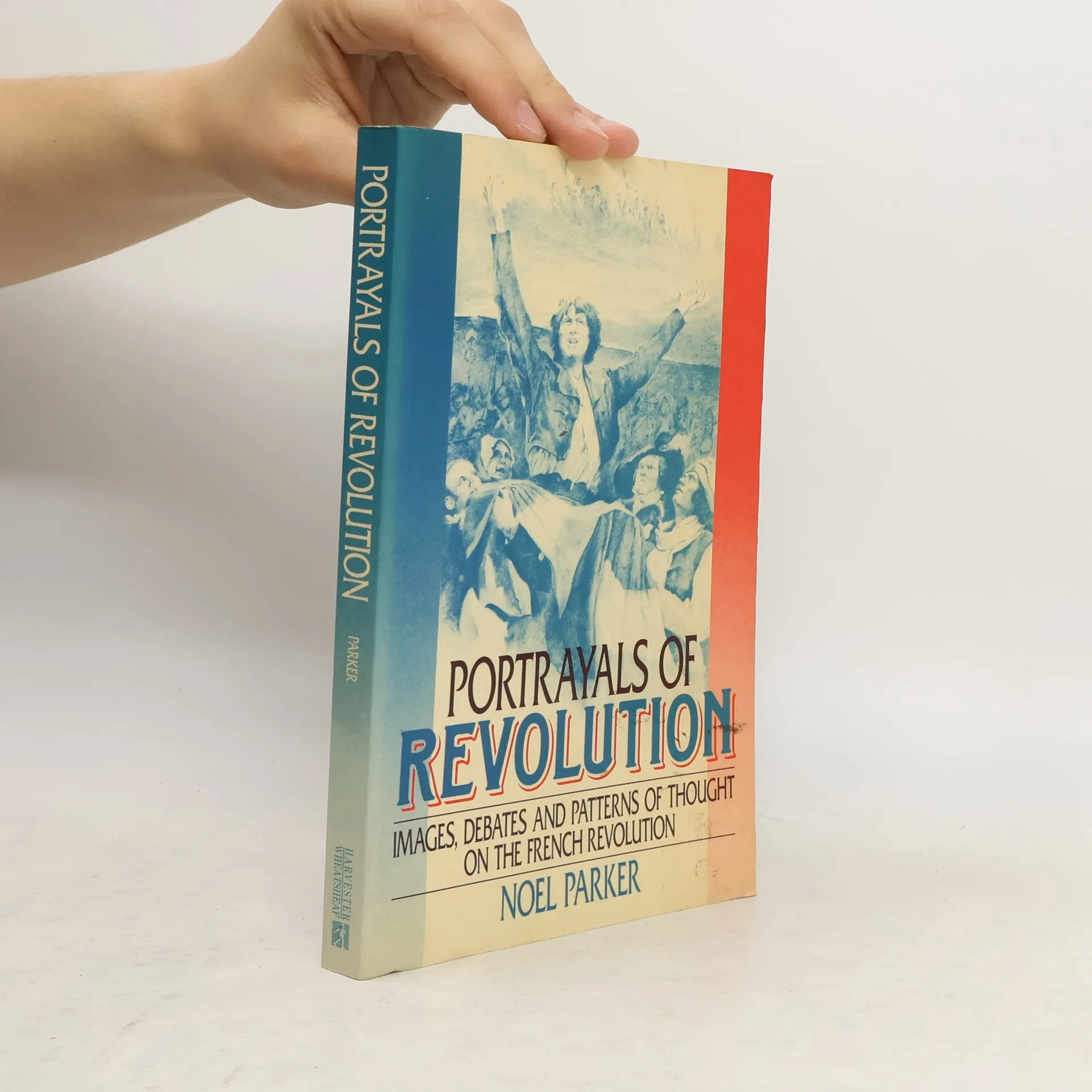
How did the French try to understand their revolution? How have writers of the nineteenth and twentieth centuries portrayed so unprecedented an upheaval? Dr. Parker examines contemporary representations of the Revolution―political rhetoric, journals, theatre, festivals, pictures and prints―concentrating on two special themes. First, the creators of these representations were part of an attempt to found anew the social order. Second, they sought to adapt their forms of culture so as to constitute through them the united community that was to be the agent of this historic new order. The second half of the book considers a representative selection of the many histories and theoretical writings on the Revolution from France, England and from Barnave and de Stael; to the nineteenth-century founders of social science and romantic historians, such as Michelet; to post-war comparative political writers and post-structuralist marxists influenced by Gramsci and Foucault. By bringing together an analysis of contemporary cultural responses to the Revolution and an account of subsequent cultures’ understanding of it, the author reveals the complex interplay between culture and agents of historical change, which modern views have often failed to realize.
Focusing on historical empires such as the Ottoman Empire and Spain, the book explores the key geopolitical traits of expansionist states. It introduces a model that outlines the dynamics of expansion over time and space. The analysis extends to the post-1945 era, evaluating whether the Soviet Union qualifies as an expansionist state, which gains renewed significance in light of current events in Ukraine. The discussion provides insights into the patterns and implications of geopolitical expansion.
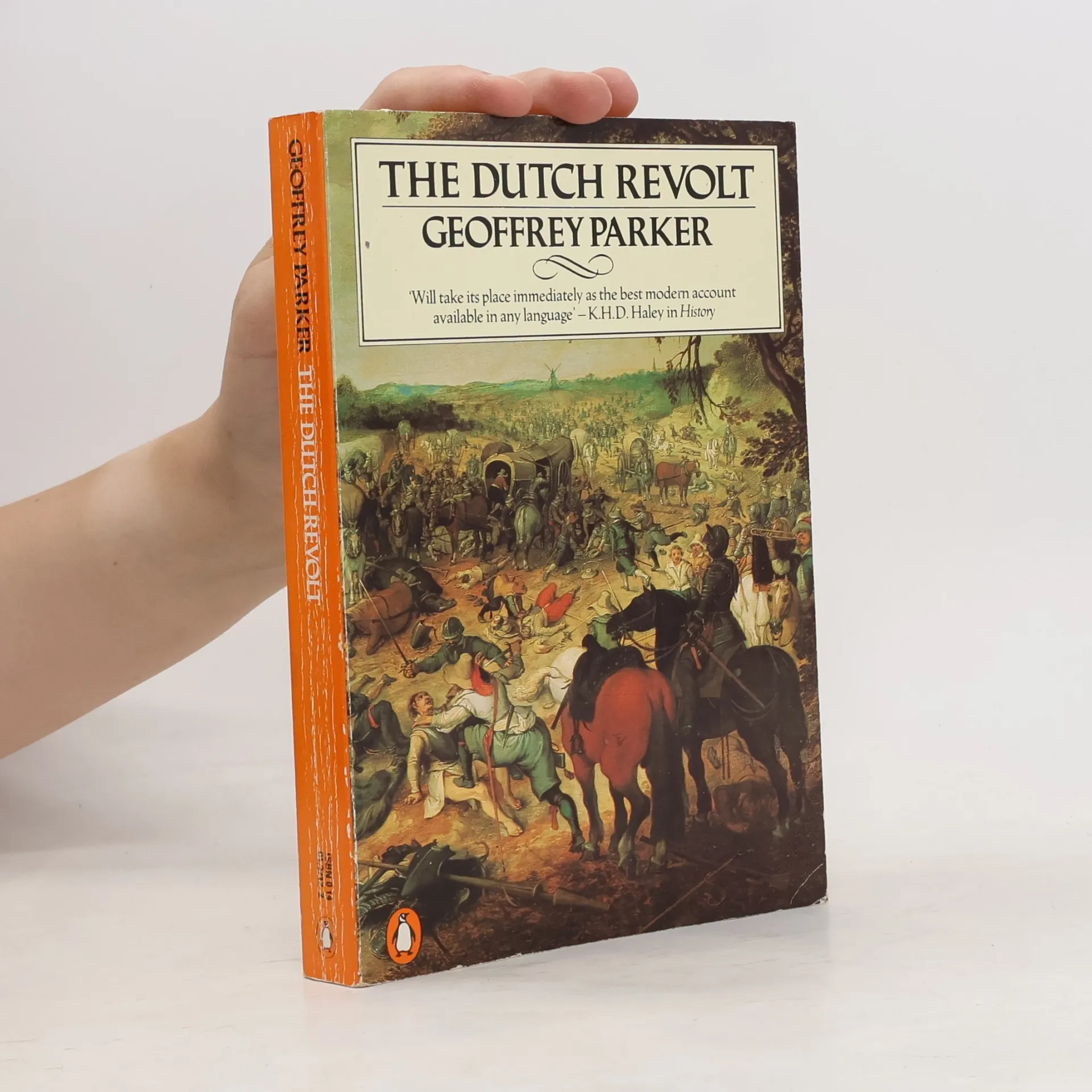
The fruit of twelve years' intensive research and based on Spanish and Dutch documents from archive and private collections from all over Europe. The Dutch Revolt takes into account religious and economic, as well as political, factors, demonstrating the intricate links that tied the fate of the Netherlands to that of Spain, in an age when 'particularism was more potent than patriotism'.
Ponad trzy tysiące dokumentów odkrytych przez Geoffreya Parkera, największego
znawcę epoki Flipa II, stało się inspiracją do napisania nowej biografii
hiszpańskiego monarchy. Część tych odręcznych notatek króla, z archiwum
rodziny Altamira, była przechowywana w madryckiej Biblioteca de Zabálburu, do
której nie można było zajrzeć z racji zawiłości spadkowych do 1987 roku.
Kolejne zapiski autor odkrył w podziemiach Amerykańskiego Towarzystwa
Hiszpańskiego (Hispanic Society of America) w Nowym Jorku. Zapieczętowane po
śmierci Flipa II w 1598 roku przez królewskich sekretarzy, ujrzały światło
dziennie dopiero w 2012 roku. Po raz pierwszy Parker nakreślił portret Filipa
II w 1978 roku (w Polsce wydane nakładem PIW w 1985), ale waga nowo odkrytych
dokumentów skłoniła go do napisania biografii od nowa w roku 2014. To nie jest
wydanie rozszerzone, a świeży i o wiele głębszy obraz głównego bohatera i jego
czasów.
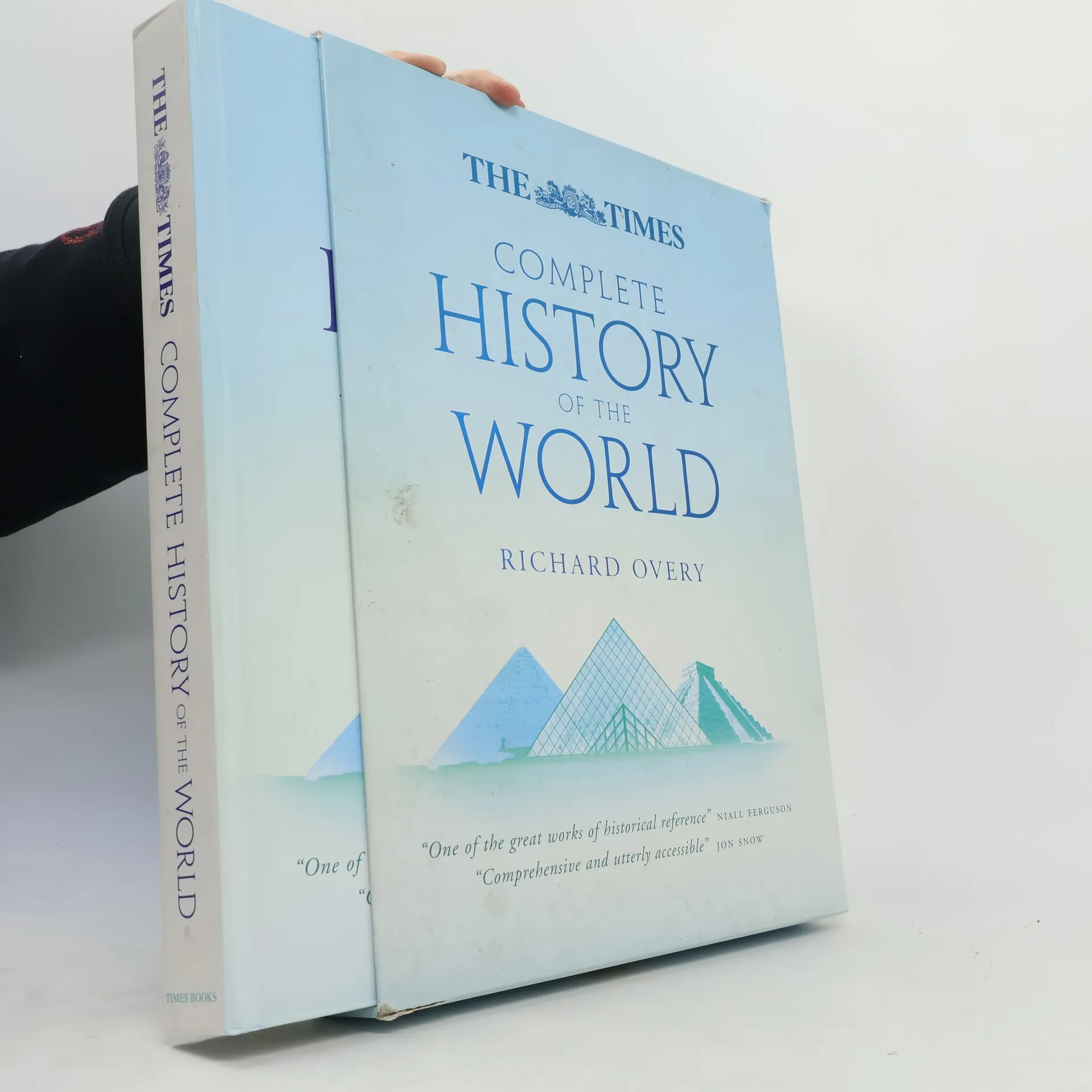
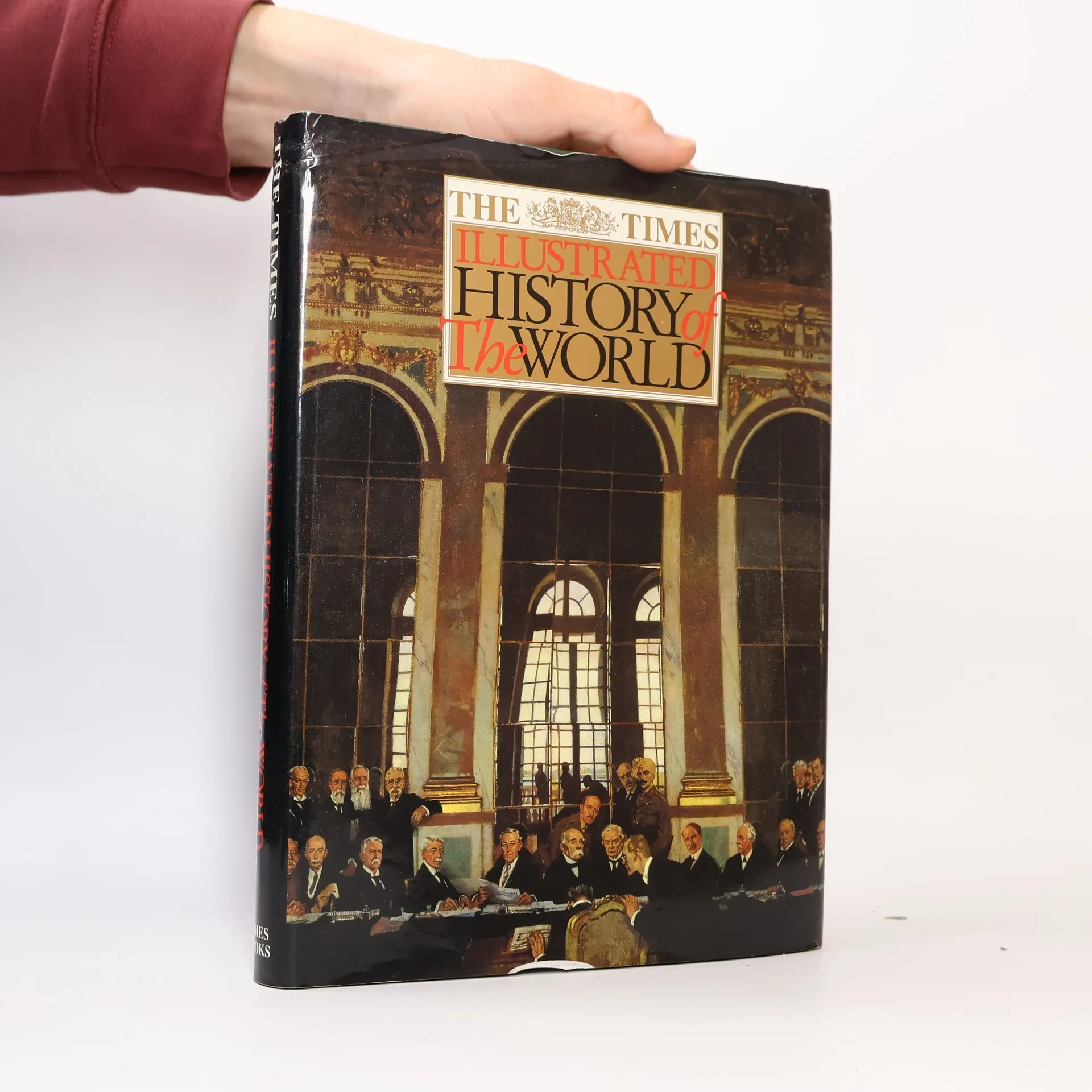
Die TIMES, eine der renomiertesten Zeitungen der Welt, hat sich der Herausforderung gestellt, einevöllig neu gestaltete Weltgeschichte herauszugeben. Zusammenhänge herstellen, Entwicklungennachvollziehen, komplexe Strukturen durchleuchten: Das ist das Konzept von THE TIMES große illustrierte Weltgeschichte. Das aktuelle Tagesgeschehen, gespiegelt und kommentiert in den Zeitungen und im Fernsehen, läßt sich nur verstehen, wenn wir es in den historischen Kontext einordnen und erkennen, wo in der Vergangenheit die Wurzeln zu unserer Gegenwart liegen. Lebendig und klar erzählt, wissenschaftlich fundiert, mit Hunderten von Bildern und karten, macht diese kompakte, präzise Darstellung Geschichte zum Erlebnis.
Životopis španělského panovníka Filipa II. (1527-1598). K pozoruhodnému pohledu na Filipa II. využívá autor dosud nezpracované panovníkovy osobní dokumenty a vykresluje intimní portrét člověka, který sehrál významnou úlohu v utváření moderního světa. Líčí královu posedlost katolickým náboženstvím, jeho nesmiřitelnost k jiným vyznáním, tragédie v soukromém životě, záliby, umělecké a sběratelské zájmy, ale také způsob vládnutí a politická a vojenská rozhodnutí muže, za jehož vlády se Španělsko stalo pánem velké části Nového světa.