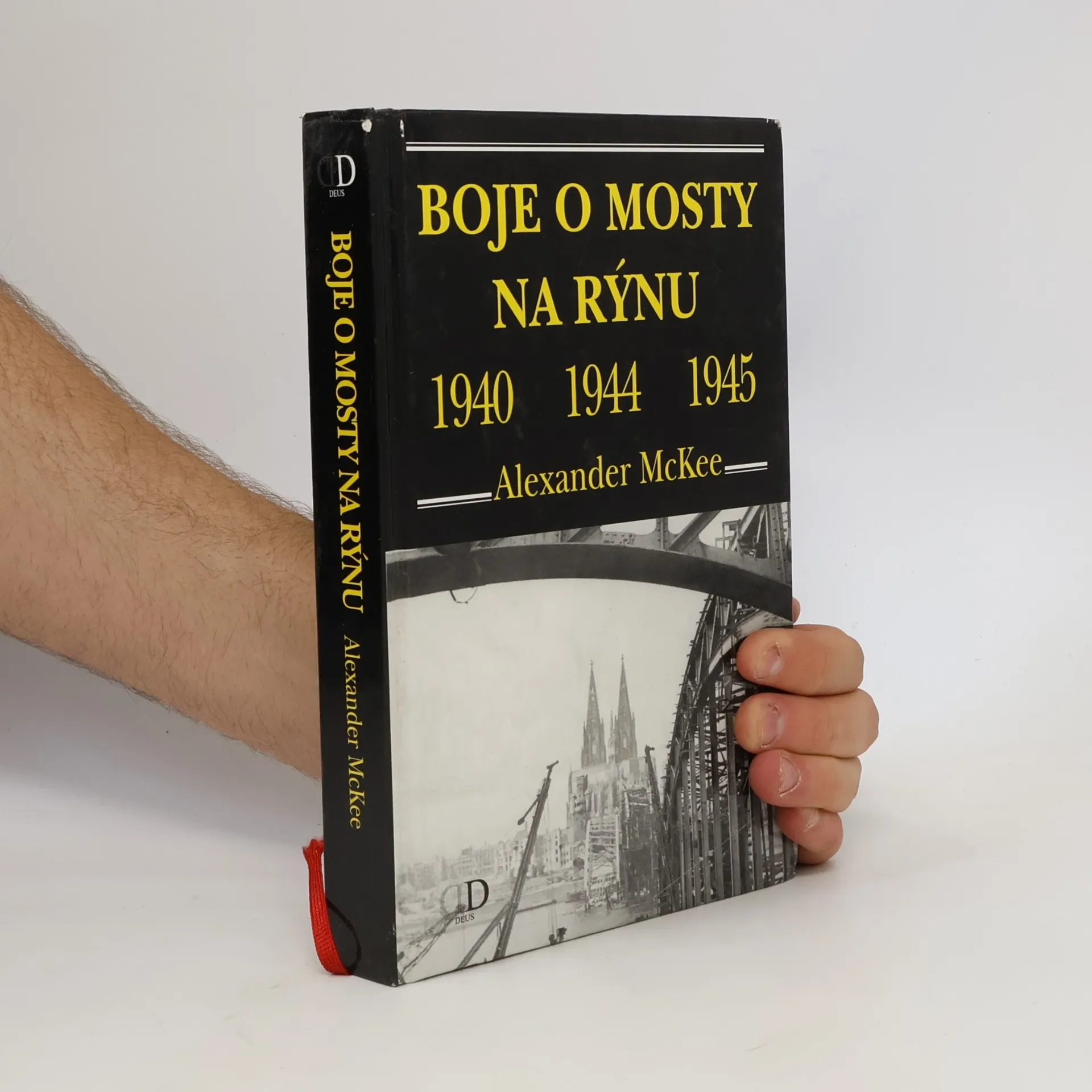
Na zadním přebalu této knihy se uvádí: Tato kniha představuje závěrečný účet bojů o rozhodující mosty na Rýně a základní četbu pro každého, kdo se snaží porozumět obratům ve vývoji druhé světové války...... ale především se jedná o výpovědi jednotlivých účastníků těchto bojů.
Alexander McKee Book order (chronological)
July 25, 1918 – July 22, 1992
Alexander McKee was a fearless critic of established icons in military, political, economic, media, and academic circles, always maintaining an open mind. He was fanatical about accuracy, relentlessly exposing biased, distorted, or sloppy reporting and hidden agendas. As a self-educated man, he delighted in highlighting lapses of integrity and critiquing academics who lacked practical experience. McKee urged them to seek knowledge among ordinary people and in the real world, thereby empirically testing their theories. He meticulously examined eyewitness testimonies and archival materials, unearthing truths behind established caricatures and academic 'castles in the air'.



In July, 1816, a French frigate ran aground on a sandbar forty miles off the coast of Africa. Forced to abandon ship, 150 men and women embarked on an overloaded makeshift raft. After twelve days of riots, mutiny, murder, and, ultimately, cannibalism, only fifteen were alive.
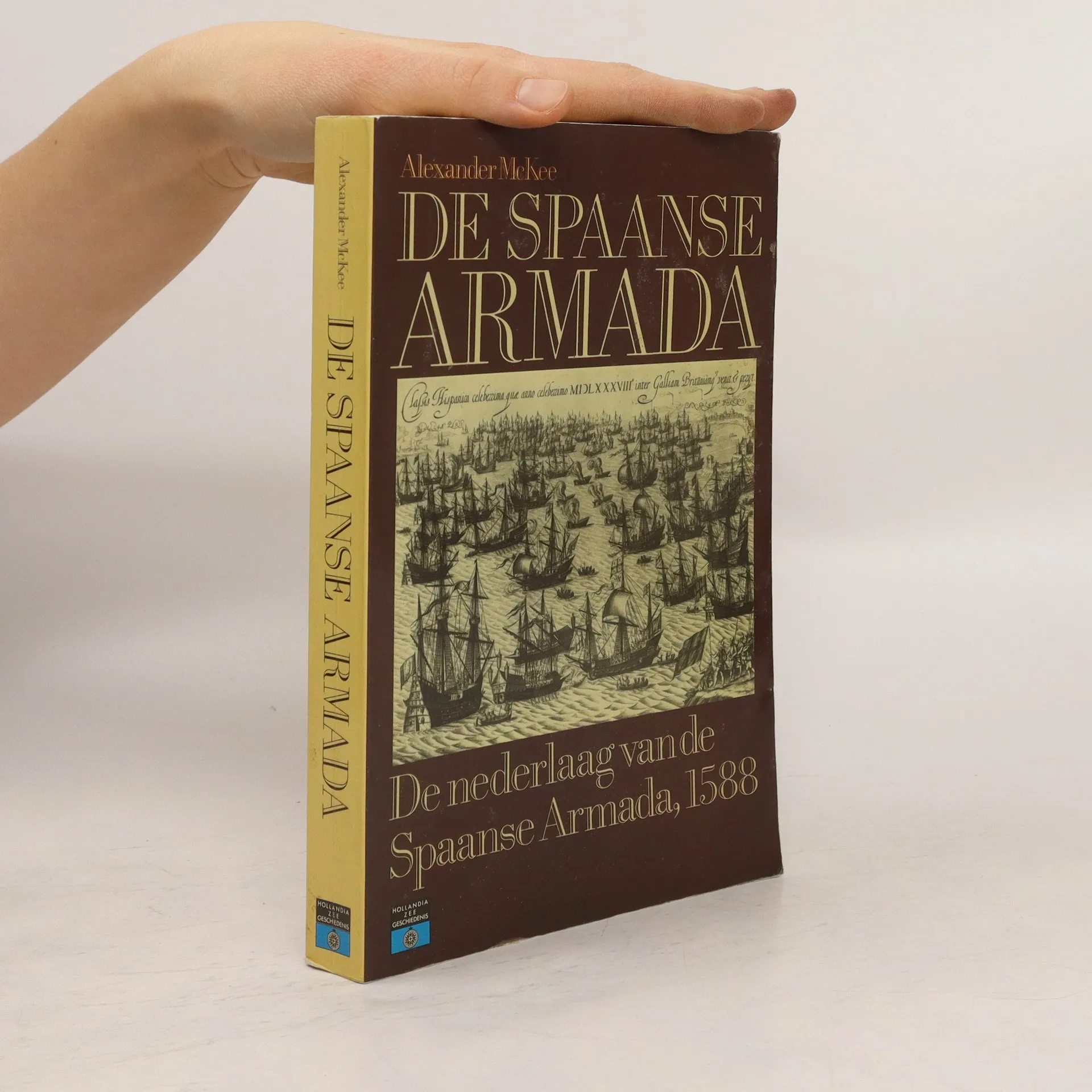
De Spaanse Armada
- 305 pages
- 11 hours of reading
Very interesting book by a British man who was in the thick of things during WW2. It starts with Icaros 1700 BC and near the end you find out what really happened to Joe Kennedy Jr.
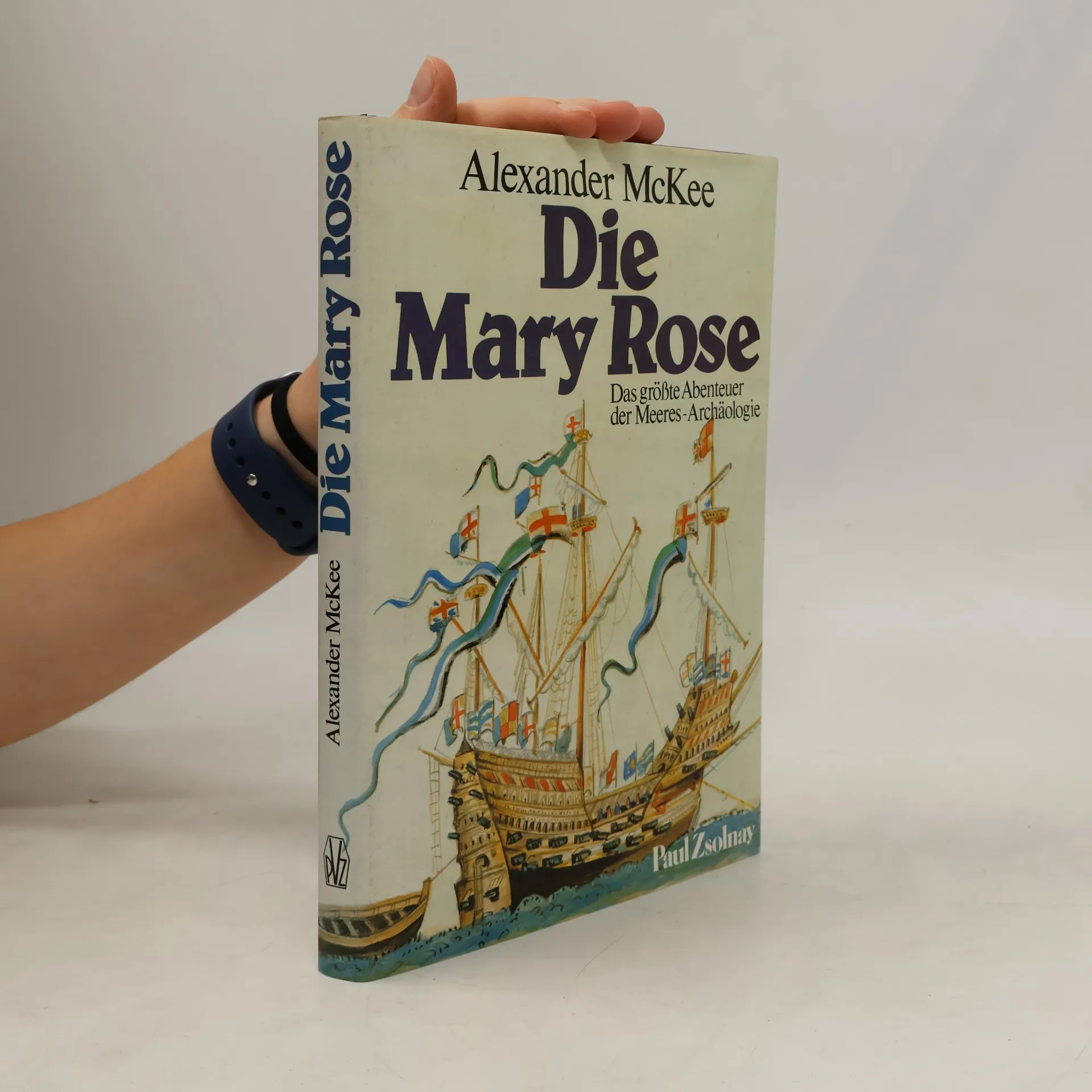
Eine faszinierende Erzählung über die Suche eines Mannes nach dem Flaggschiff von König Heinrich VIII., das gesunken ist und 12 Fuß unter dem Meeresboden seit 460 Jahren begraben liegt.
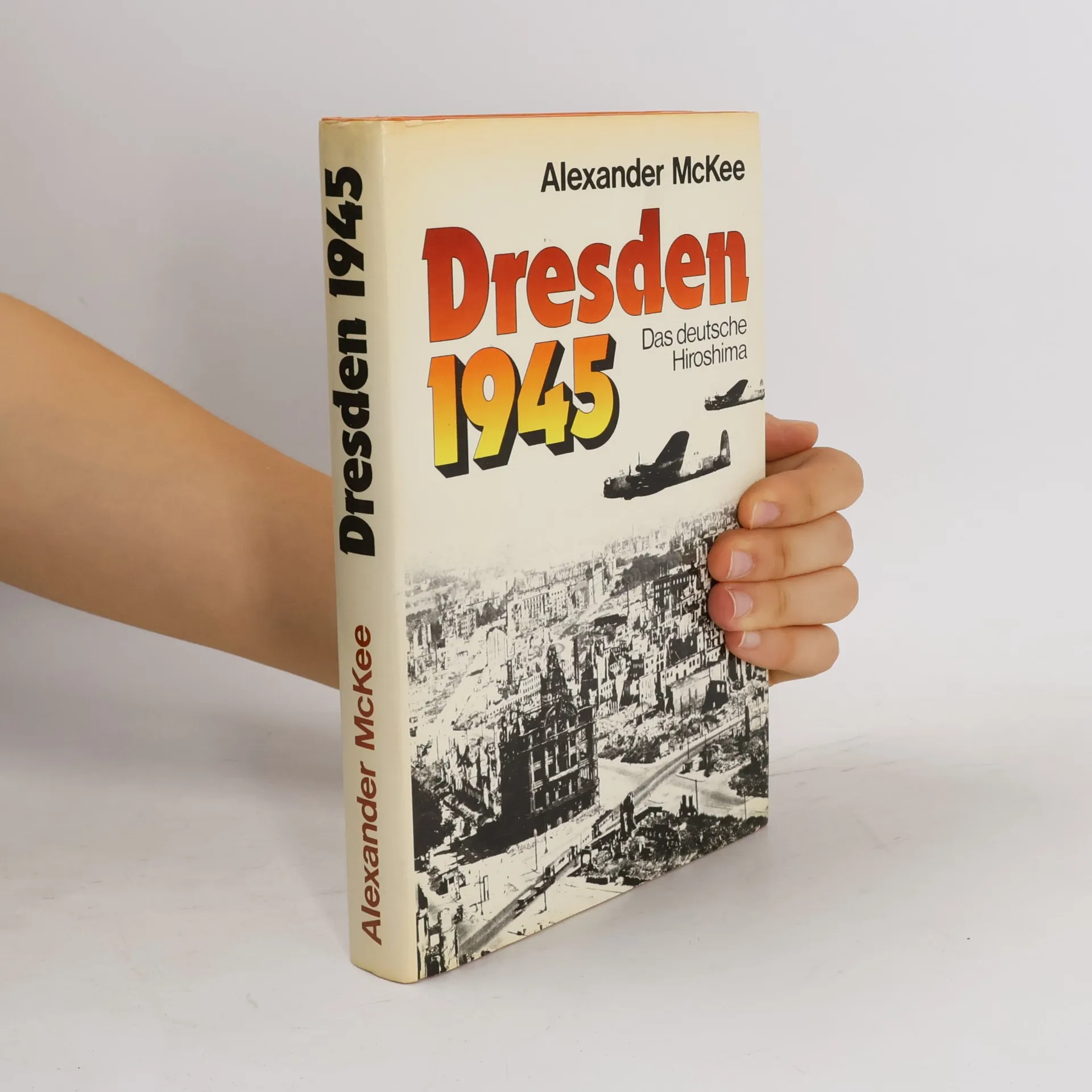
Die Kontroversen über die Entscheidung der Alliierten, die schöne und historische Stadt Dresden am 13. Februar 1945 zu bombardieren, dauern an. Zu diesem Zeitpunkt war der Krieg praktisch gewonnen, und Dresden war hauptsächlich von Zivilisten und Flüchtlingen bevölkert, von denen die meisten Frauen und Kinder waren. Der Feuersturm, der durch die Bombardierung der Stadt ausgelöst wurde, tötete über 35.000 Menschen. Der Teufelszündkasten präsentiert die persönlichen Beschreibungen von Augenzeugen, nicht nur von Überlebenden in der Stadt, sondern auch von den britischen und amerikanischen Besatzungen, die an der Bombardierung beteiligt waren und die erschreckenden Auswirkungen ihrer Angriffe beobachteten. Alexander McKee bewertet sorgfältig die politischen und militärischen Entscheidungen, die zu den Angriffen führten, basierend auf offiziellen Quellen und Archivmaterial. Mit zeitgenössischen Fotografien, die die verheerenden Auswirkungen eines Angriffs dokumentieren, der Dresden in Trümmer legte. Sorgfältig recherchiert und geschickt erzählt, ist Der Teufelszündkasten fesselnd, schockierend und zutiefst bewegend.
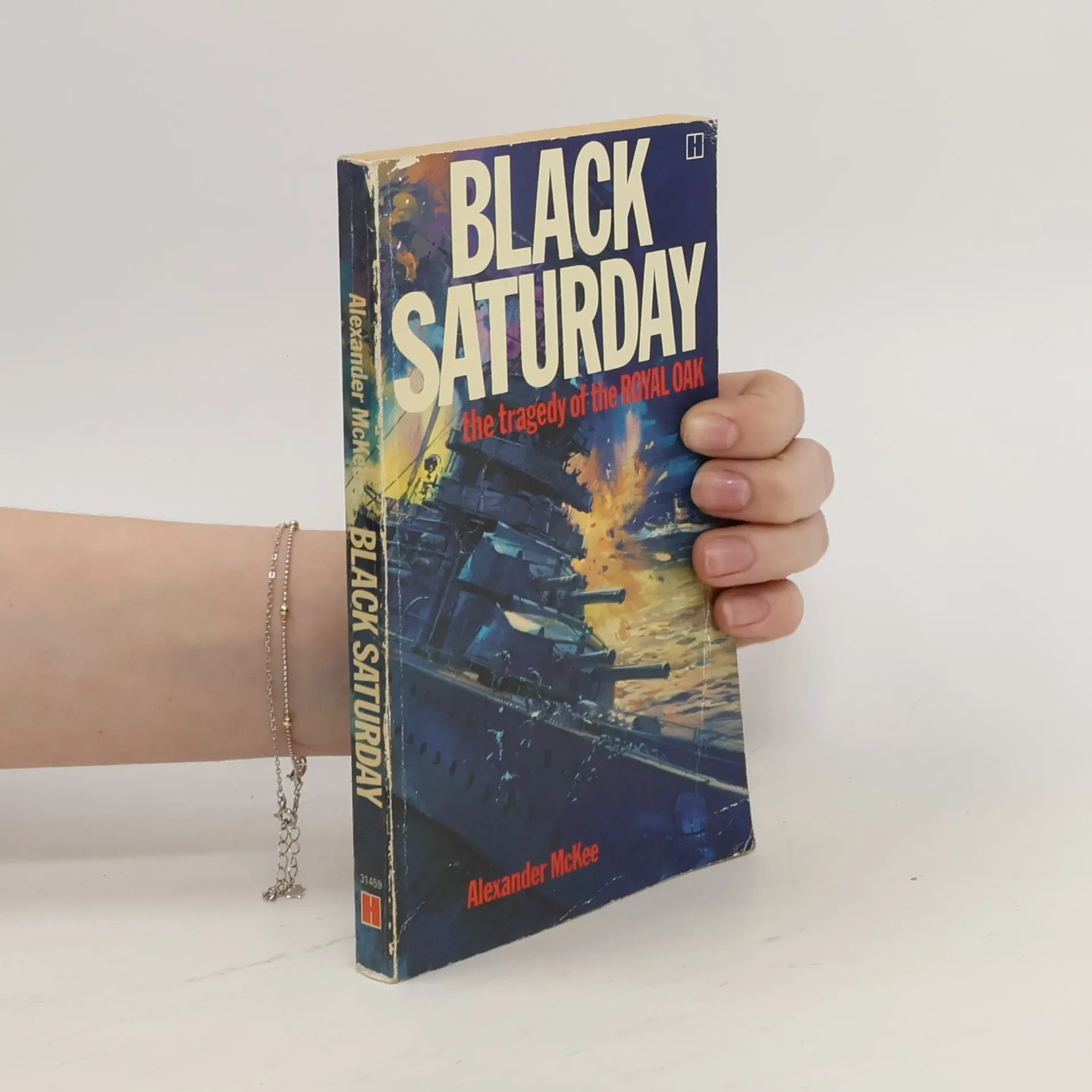
Black Saturday
- 182 pages
- 7 hours of reading
In the early hours of Saturday, October 14th, 1939, just after the outbreak of the War, the Royal Navy suffered a stunning loss. The battleship Royal Oak, stationed inside the main base of the Home Fleet at Scapa Flow, was shaken by a number of explosions. She became a furnace, rolled over and within minutes, had gone to the bottom, with nearly 800 men trapped inside. This daring feat of arms was eagerly seized upon by the Nazi propaganda service and they acclaimed Lieutenant Prien of U-47 as their first hero of the War. Hero because he had penetrated the defenses of ‘Impregnable Scapa’, where every previous attempt had failed.
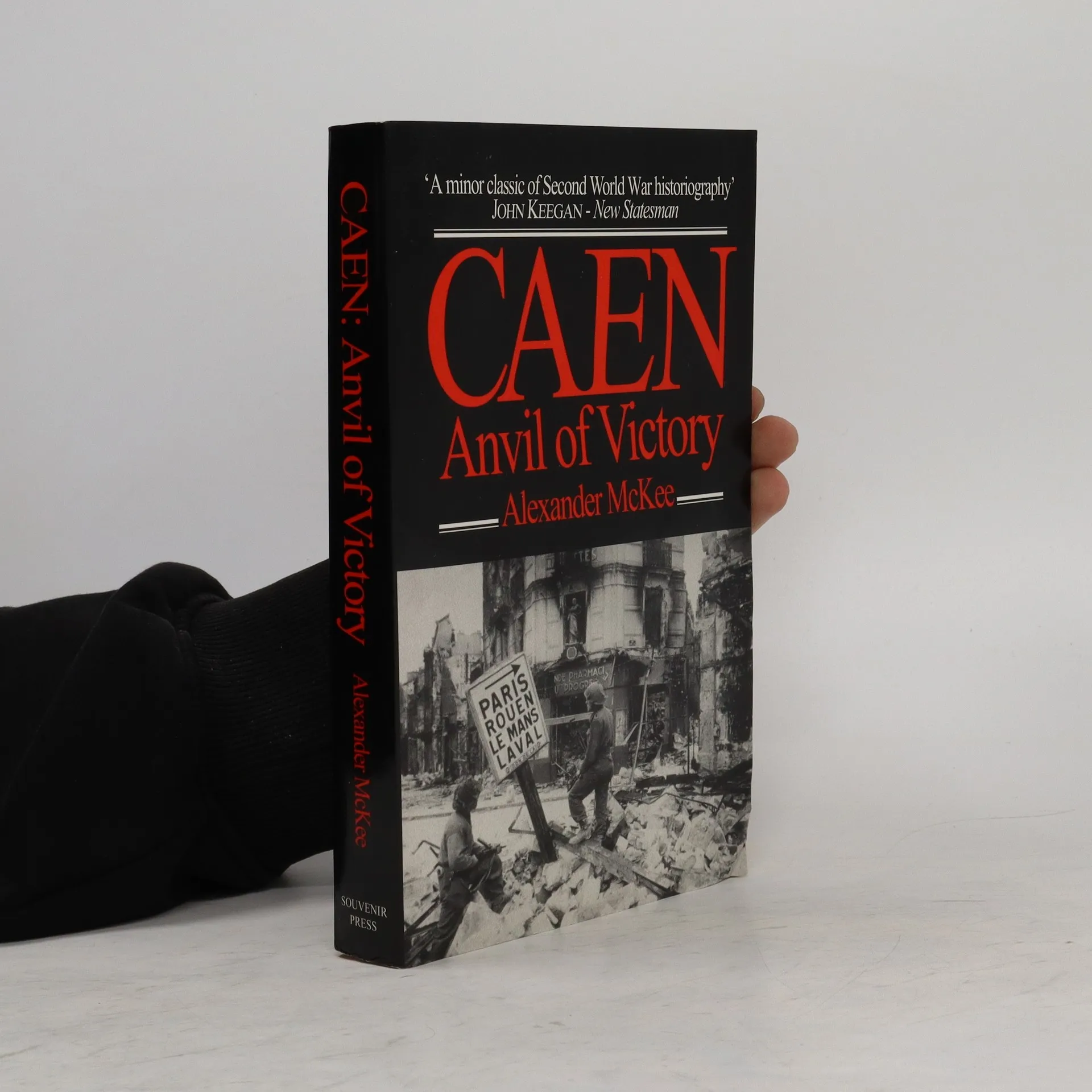
Caen, Anvil of Victory
- 368 pages
- 13 hours of reading
The D-Day landings of June 6th 1944 did not bring immediate victory, that first foothold on French soil was won at enormous cost and for the next two months a fierce battle raged for control of the key town of Caen. Using the eye-witness accounts of those who took part in the fighting, both Allied and German, and of the French civilians caught up in the conflict Alexander McKee reconstructs the struggle to secure the Allied position in Europe. With fearful losses on both sides (and among the civilians) the Battle of Caen ranks as one of the most terrible episodes of World War Two.