Peter Douglas Ward is a leading paleontologist and science popularizer who delves into mass extinctions and their impact on life on Earth. He makes complex scientific concepts accessible to readers through engaging works for a general audience. His writings often draw from extensive study of the fossil record and climate change to illuminate the past and caution about the planet's future. Ward’s approach combines scientific rigor with narrative storytelling, emphasizing the vulnerability of life in the universe and on our own world.
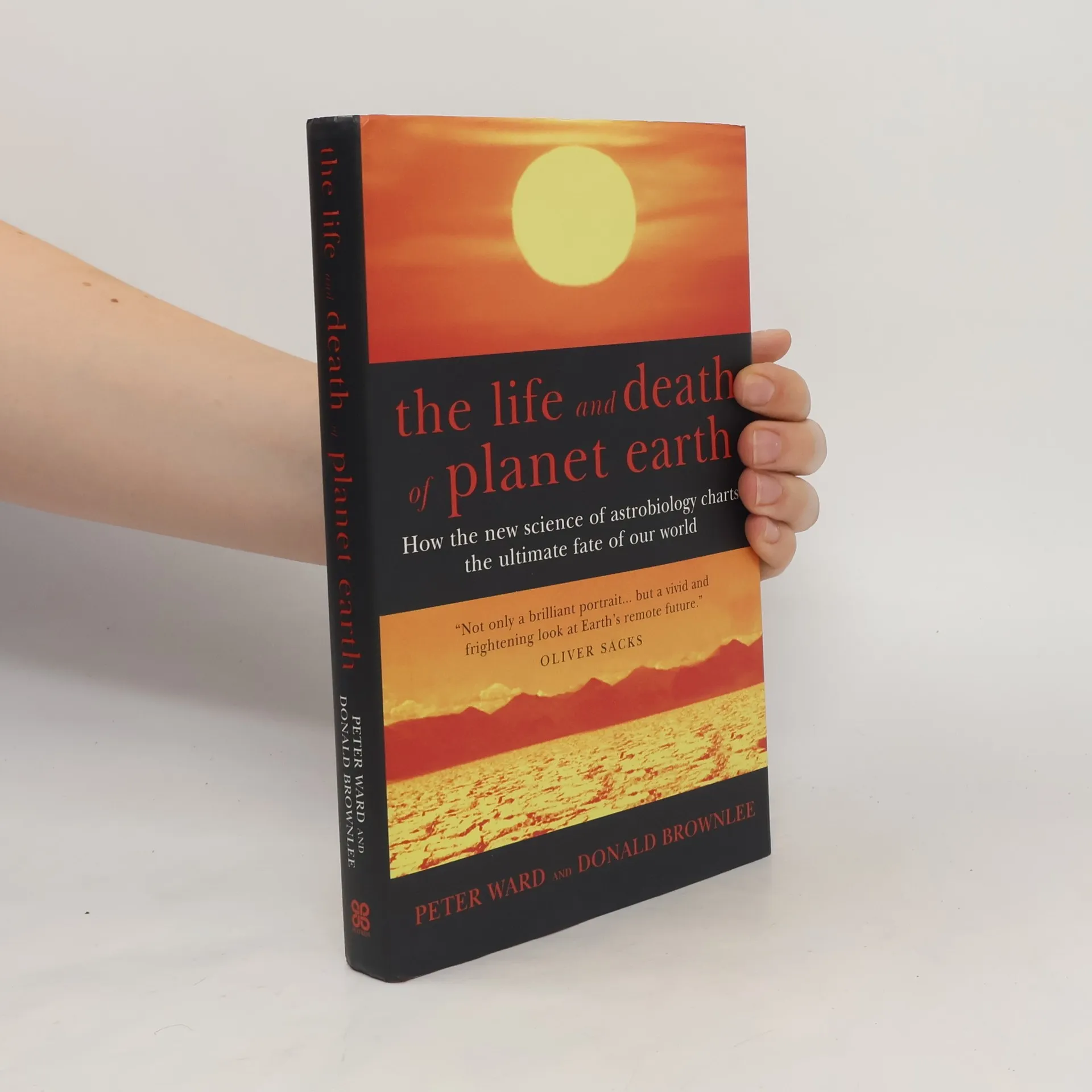
How the New Science of Astrobiology Charts the Ultimate Fate of Our World
256 pages
9 hours of reading
This is a vivid description of the second half of the life of our planet. Combining their knowledge of evolution with their understanding of the life cycle of stars and solar systems, the authors predict that the process will essentially reverse itself until only the simplest forms remain on Earth.
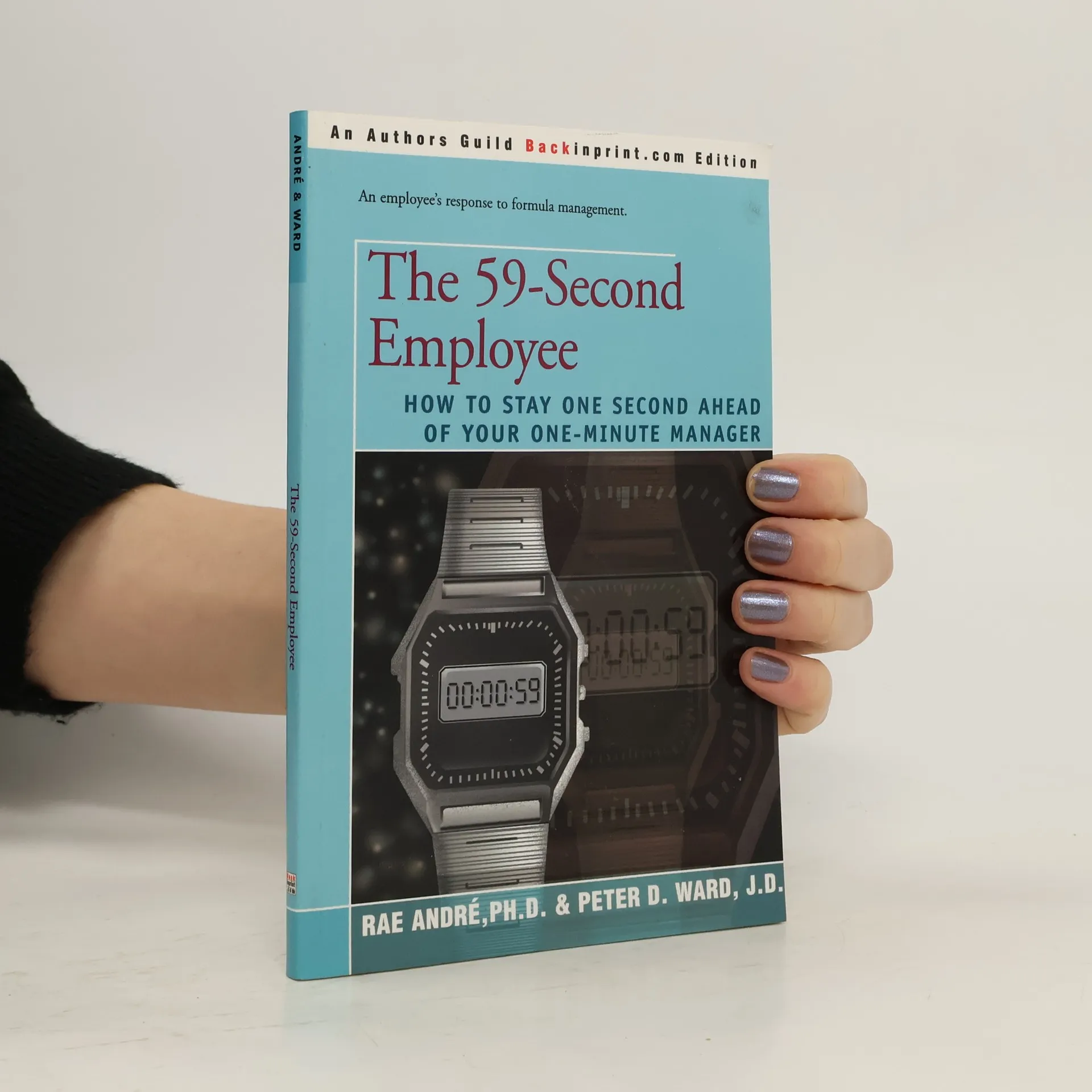
Focusing on remote team management, this guide integrates leadership principles with the functionalities of Microsoft Teams. It provides practical strategies for leveraging the platform to enhance collaboration and achieve global team objectives, making it an essential resource for leaders navigating virtual environments.
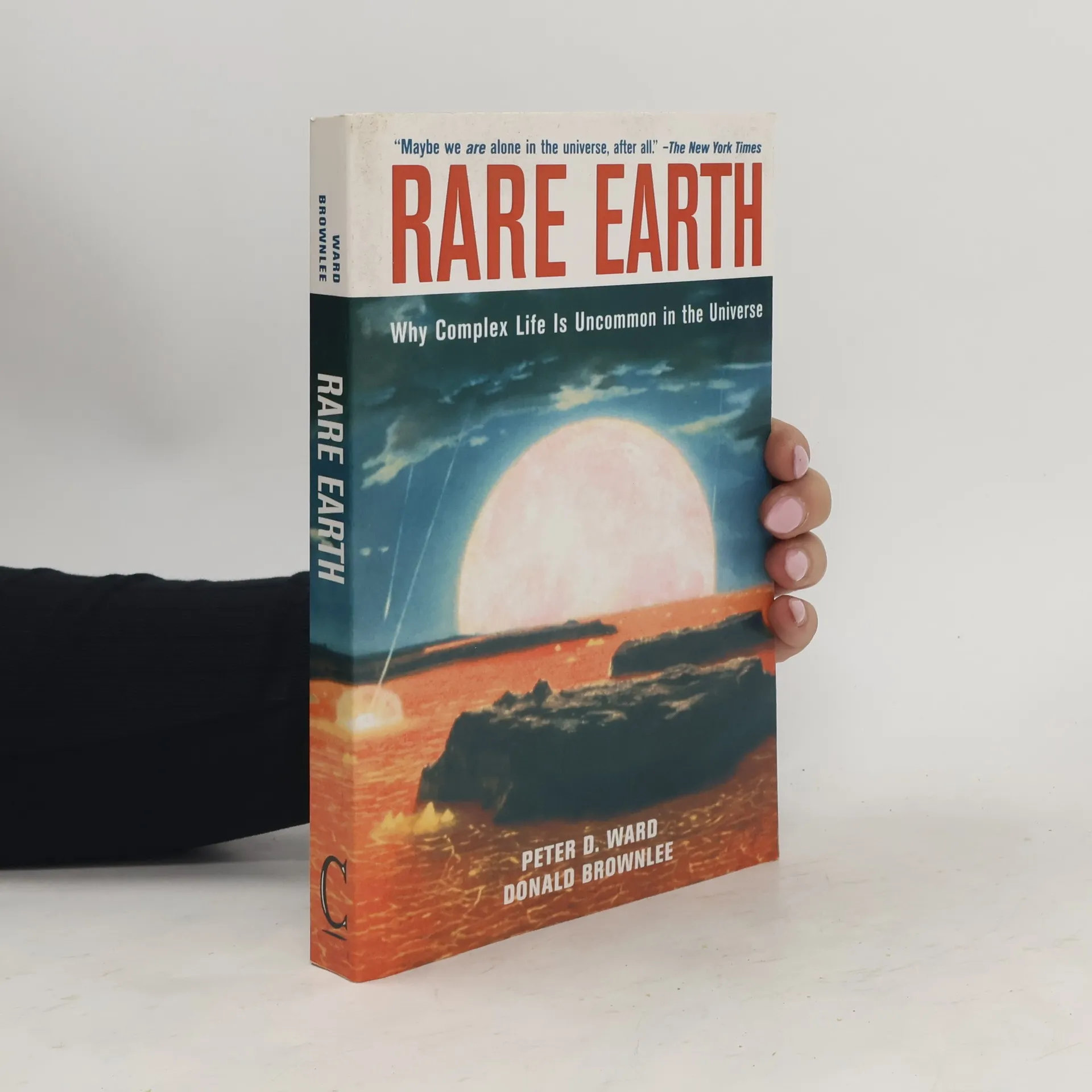
n November 12, 2002, Dr. John Chambers of the NASA Ames - search Center gave a seminar to the Astrobiology Group at the OUniversity of Washington. The audience of about 100 listened with rapt attention as Chambers described results from a computer study of how planetary systems form. The goal of his research was to answer a dec- tively simple question: How often would newly forming planetary systems produce Earth-like planets, given a star the size of our own sun? By Ear- like Chambers meant a rocky planet with water on its surface, orbiting within a star s habitable zone. This not-too-hot and not-too-cold inner - gion, relatively close to the star, supports the presence of liquid water on a planet surface for hundreds of million of years the time-span probably n- essary for the evolution of life. To answer the question of just how many Earth-like planets might be spawned in such a planetary system, Chambers had spent thousands of hours running highly sophisticated modeling p- grams through arrays of powerful computers. x Preface to the Paperback Edition The results presented at the meeting were startling. The simulations showed that rocky planets orbiting at the right distances from the central star are easily formed, but they can end up with a wide range of water c- tent."
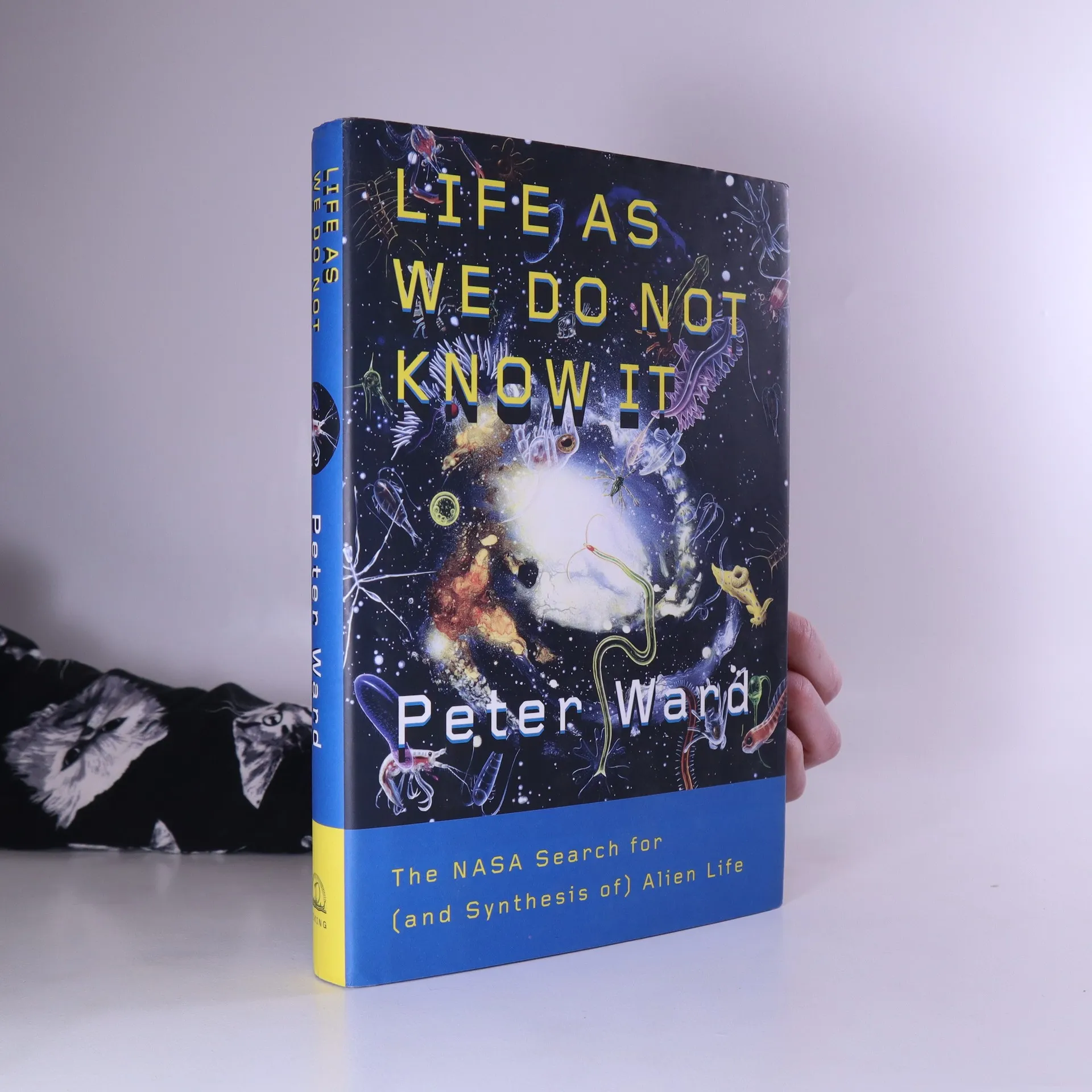
Presents an examination of the possibilty of life that is alien to planet Earth, providing a discussion of the nature of life itself, its limits, what alien life might be like, and how it can be created artificially
Ace your preparation for the skills measured by Exam 70-462—and on the job—with this official Microsoft study guide. Work at your own pace through a series of lessons and reviews that fully cover each exam objective. Then, reinforce and apply what you’ve learned through real-world case scenarios and practice exercises
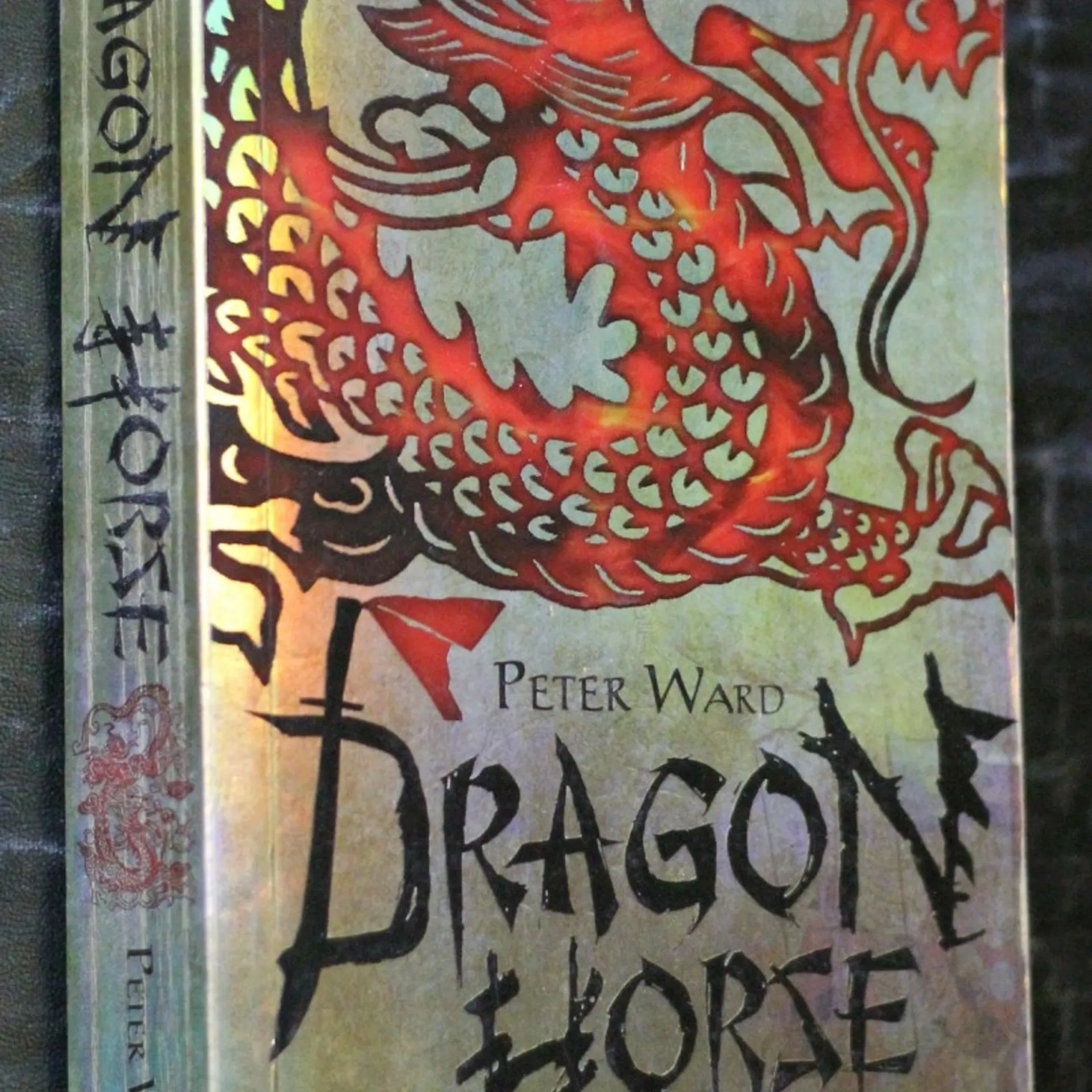
Set in ancient China, two brothers fight the classic battle between good and evil as the Shadow-without-name attempts to break free from eternal imprisonment by utilizing the strength and power of the famed dragon horses. Rokshan and An-Lushan are drawn into this centuries-old struggle, along with a young girl destined to become the Spellweaver of her nomadic tribe. As An-Lushan is pulled towards the dark, Rokshan must embark upon a dangerous journey and learn the innermost secrets of the dragons.
In the tradition of Jon Ronson and Tim Wu, an absorbing and revelatory journey into the American Way of Defying Death . . . As longevity medicine revolutionizes the lives of many older people, the quest to take the next step—to live as long as we choose—has spurred a scientific arms race in search of the elixir of life, funded by Big Tech and Silicon Valley. Once the stuff of Mesopotamian mythology and episodes of Star Trek, the effort to make humans immortal is becoming increasingly credible as the pace of technological progress quickens. It has also empowered a wild-eyed fringe of pseudo-scientists, tech visionaries, scam-artists, and religious fanatics who have given their lives over to the pursuit of immortality. Starting off at the Church of Perpetual Life in Florida and exploring the feuding subcultures around the cryonics industry, Peter Ward immerses himself into an eccentric world of startups, scam artists, scientific institutions, and tech billionaires to deliver this deeply reported, nuanced, and sometimes very funny exploration of the race for immortality — and the potentially devastating consequences should humanity realize its ultimate dream.
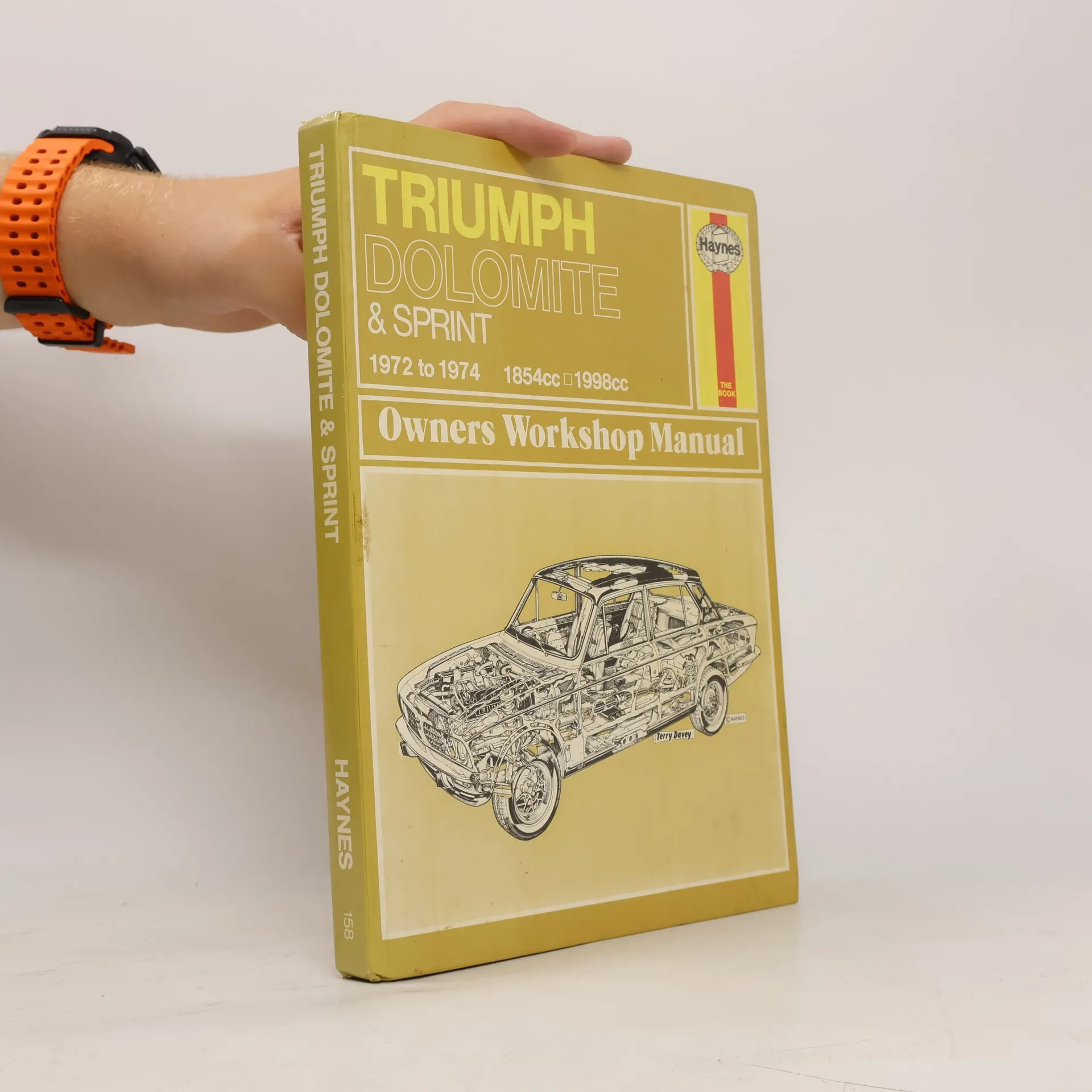
Good condition book without dust jacket. Boards are clean with heavy rubbing to edges. Book has bright contents aside from foxing to fore pages and grease marks to page ends.
The story follows Richard Henley, whose seemingly ordinary day takes a dark turn after a mysterious stranger invites him to dinner. As events unfold, he discovers a chilling note in his own handwriting, alerting him to an assassination attempt he cannot recall authoring. This twist plunges him into a suspenseful journey, where he must unravel the mystery of the threat against his life and confront the unsettling implications of his lost memories.
The book, first published in 2001, explores significant themes relevant to its field, providing insights and analyses that contribute to ongoing discussions. As part of the Routledge imprint, it reflects the high academic standards associated with Taylor & Francis, aiming to engage readers with its in-depth research and thought-provoking content.
The groundbreaking work explores various facets of social welfare in a developing country, offering a comprehensive analysis of its systems and challenges. By addressing multiple dimensions of welfare provision, it provides valuable insights into the complexities faced by such nations. The book's unique approach and timely publication in 1986 marked a significant contribution to the field, paving the way for further research and discussion on social welfare practices in similar contexts.
AD 450: A young king and his followers step down from their longship onto a foreign shore to celebrate Yule at the court of his brother-in-law. But their hopes of warm fires and ale, feasting and good cheer, are dashed as they realise that they have walked in to the middle of the mother of all family feuds. From the wreckage of the disaster, a reluctant leader emerges, one who must choose between survival and breaking the heroic code, picking his way through a maze of betrayals and tangled loyalties to lead his people towards a destiny that is fundamental to the foundation of England. From the time that England forgot, but brilliantly evoking the warrior-heroic culture of Beowulf, Peter Ward has brought back to life the heroes and the kings, their longhalls and longships, showing us the women with the wit and the warriors with the grit: the wave farers whose deeds and daring brought Saxon ships to Britain's shores.
Netter's Integrated Musculoskeletal System is an innovative new text that brings together basic science material from several domains, providing a solid foundation prior to delving into topics of increasing complexity and clinical importance ―all highlighted by superb Netter illustrations throughout. Initial chapters give a general overview of the human body, while the remaining chapters examine all facets of the musculoskeletal system, the injuries that affect it at the macroscopic and microscopic levels, and the process of development. As the scientific content becomes more complex, the clinical correlations become more specific. This progressively constructed narrative guides readers efficiently and effectively through the intricacies of the musculoskeletal system in a way that is easy to understand and remember―all in a single, time-saving resource for busy students.
In 1967 Peter Ward crashed in a training ride. While recovering, he wrote the
iconic King of Sports: Cycling Road Racing, which hasn't been republished
since - until now.
Georges Carter n'avait pa plus de dix ans quand il prit la mer pour la première fois, le jour de Noël 1831. A bord du Beagle sur lequel il embarquait, Georges n'était pas le seul novice : le naturaliste de l'expédition quittait lui aussi l'Angleterre pour la première fois. Il s'appelait Charles-Robert Darwin. Mal de mer, tempêtes, aventures et mésaventures, cinq années durant, le jeune mousse et le futur savant firent ensemble le tour du monde. Cinq années durant Darwin engrangea une infinité d'observations, d'interrogations, d'étonnements ; cinq années durant Georges Carter assista à la naissance d'un bouleversement scientifique qui n'avait encore que les couleurs de l'aventure.
Die Invasoren kamen aus der Vergangenheit. Aus der Zukunft kehrten sie zurück, um uns endgültig zu unterwerfen. In der Gegenwart trafen sie auf einen Mann, mit dem sie nicht gerechnet hatten: Geoff Stamp. Er hatte gerade seinen neuen Job angetreten. Und sah es gar nicht ein, sich dies durch ein paar außerirdische Reptilien zunichte machen zu lassen. Peter Wards gefeiertes Debüt ist ein episches Abenteuer zwischen den Zeiten – irrwitzige Verwicklungen und gigantische Weltraumschlachten inklusive.
Wie oft haben unsere Vorfahren gebadet? Wie oft haben sie ihre Kleidung gewaschen und gewechselt? Was verstanden sie unter Sauberkeit? Warum haben sich unsere Hygiene-Gewohnheiten im Laufe der Zeit so drastisch verändert? Kurzum: Wie kommt es eigentlich, dass wir so sauber geworden sind? „Der saubere Körper“ beleuchtet einen besonders tief greifenden Kulturwandel in der westlichen Welt seit dem 17. Jahrhundert: die Revolution der Körperpflege. Zu Zeiten Ludwigs XIV. war Baden etwas Außergewöhnliches; Hygiene bestand vornehmlich im Tragen sauberer Unterwäsche. Ende des 20. Jahrhunderts war häufiges (wenn nicht gar tägliches) Baden längst die Norm und das Tragen frisch gewaschener Kleidung gängige Praxis. Diente Sauberkeit einst nur der Gesundheit, ist sie heute ein wesentliches Element der Schönheit. Dieser Kulturwandel beruht auf völlig neuen Erkenntnissen, Ideologien und Technologien, die unsere Alltagsgewohnheiten prägen. Peter Ward beschreibt, wie ein Phänomen des städtischen Bürgertums im 18. Jahrhundert allmählich bei Alt und Jung, Reich und Arm, Stadt- und Landbevölkerung um sich griff und zur allgemeinen Sitte wurde. Mittels einer Fülle an englischen, französischen, deutschen und italienischen Quellen zeichnet „Der saubere Körper“ den großen Hygiene-Wandel nach, der sich über vier Jahrhunderte in Europa und Nordamerika vollzog.
Kniha je nejen životopisem naší planety jako vesmírného tělesa, ale i portrétem vzniku a vývoje života. Navíc přináší sugestivní pohled do vzdálené budoucnosti Země, založený na analýzách mladého vědního oboru zvaného astrobiologie. Geolog a zoolog Peter Ward a astronom Donald Brownlee jedni ze zakladatelů této vědy zde kombinují vypravěčské schopnosti s nesmírnou vědeckou pečlivostí. Výsledkem je vyprávění stejně poutavé jako díla science fiction, od nichž se však odlišuje věrohodností svých závěrů a předpovědí. Popis různých alternativ budoucnosti naší planety nás donutí k zamyšlení, občas při něm i zamrazí v zádech. Ačkoli některým možným scénářům nemůžeme zabránit, dobrou zprávou je, že jiným ano.
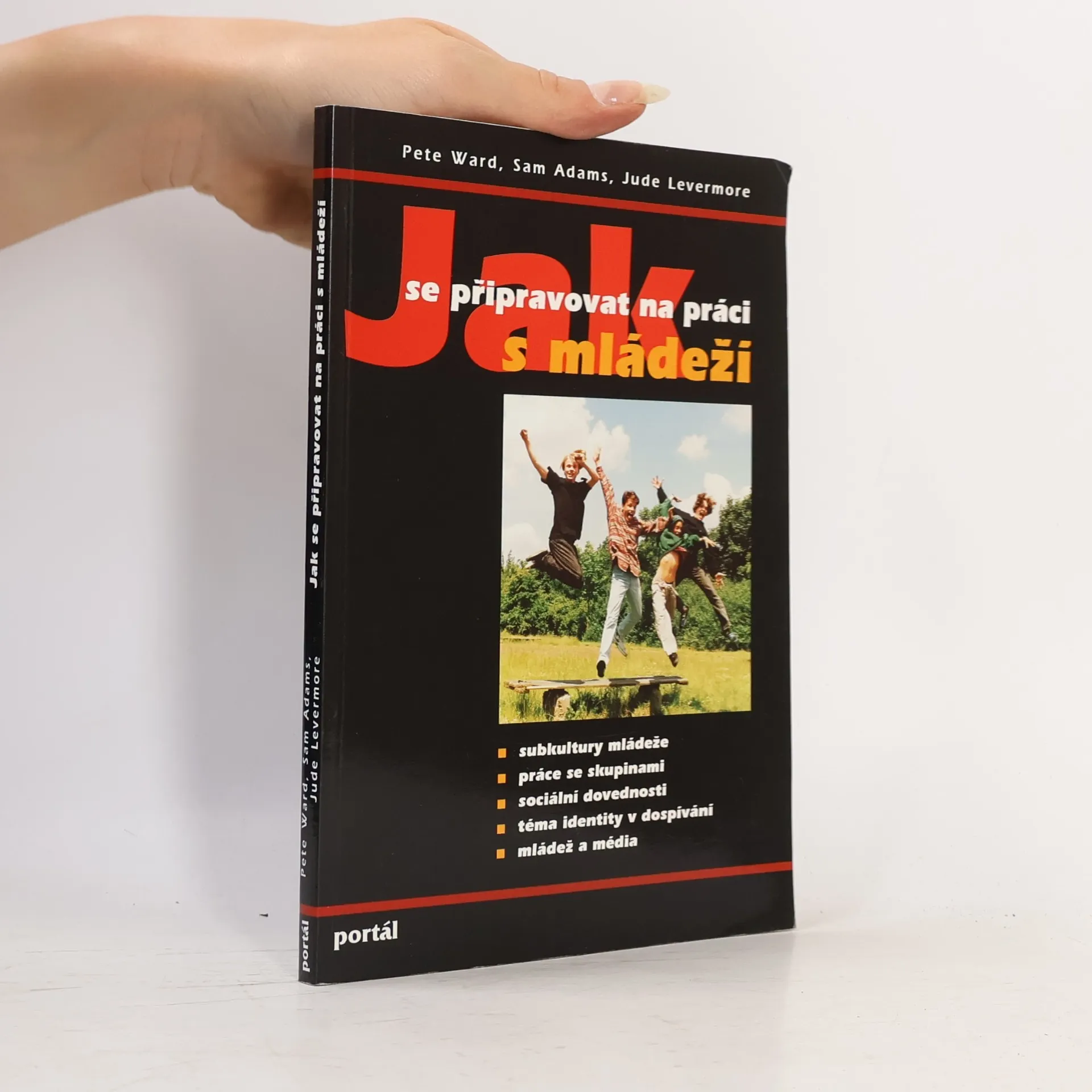
Kniha je koncipována jako kurs pro vedoucí skupin mládeže a všechny ty, kdo se podílejí na nejrůznějších programech pro volný čas mladých lidí.
Jednotlivé kapitoly obsahují: náměty mapující probírané témac; cvičení, která mají čtenáři pomoci hlouběji poznat sebe sama a proniknout do problematiky; zpětnou vazbu, která obsahuje další podněty a komentáře.