

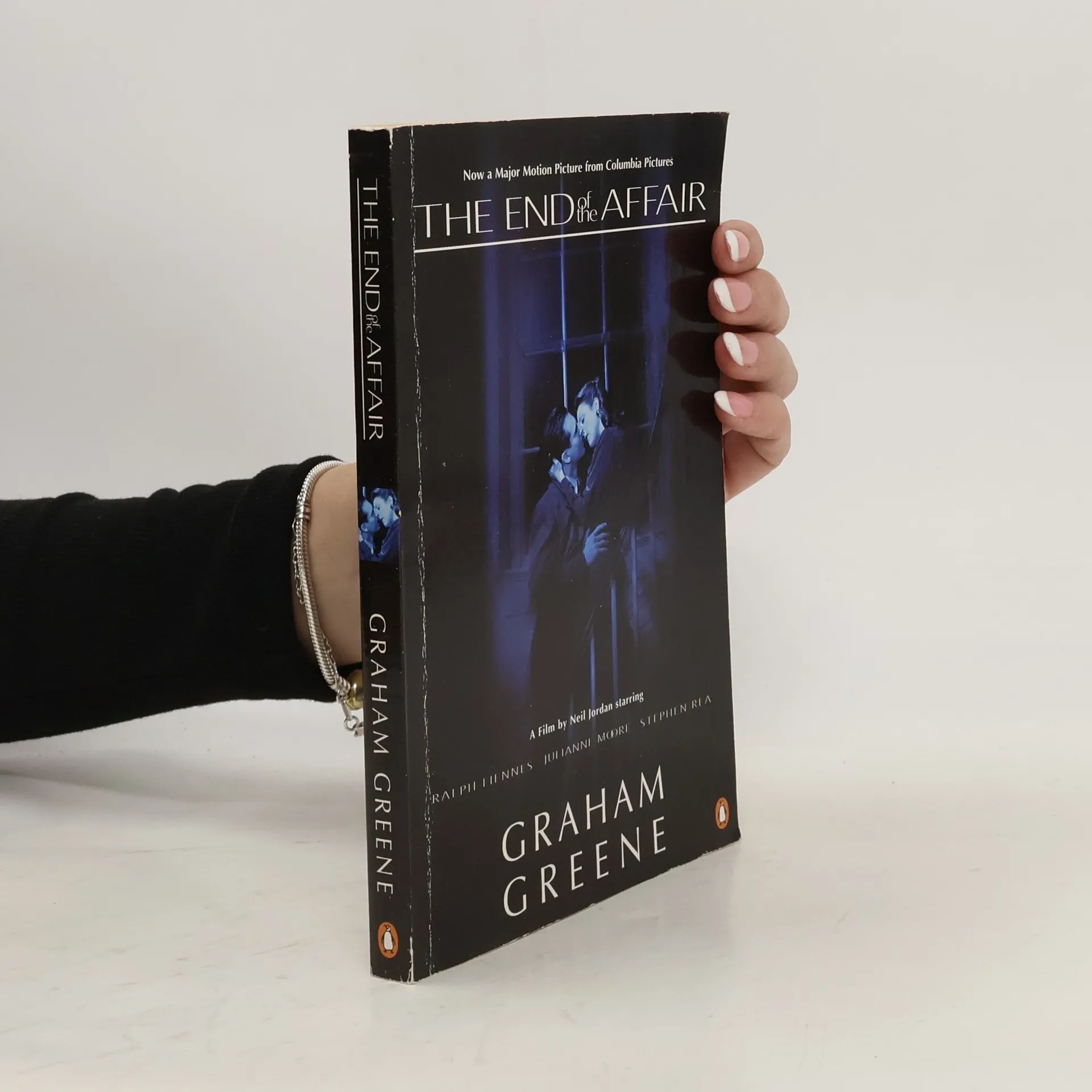
"A story has no beginning or end: arbitrarily one chooses a moment of experience from which to look ahead..." "This is a record of hate far more than of love," writes Maurice Bendrix in the opening passages of The End of the Affair, and it is a strange hate indeed that compels him to set down the retrospective account of his adulterous affair with Sarah Miles. Now, a year after Sarah's death, Bendrix seeks to exorcise the persistence of his passion by retracing its course from obsessive love to love-hate. At first, he believes he hates Sarah and her husband, Henry. Yet as he delves further into his emotional outlook, Bendrix's hatred shifts to the God he feels has broken his life, but whose existence at last comes to recognize.
Alessandro Carrera Books
January 1, 1954

Stamboul Train
- 224 pages
- 8 hours of reading
As the Orient express crosses Europe, it seems to draw a trail of lust, murder, revolution and intrigue from Ostend to Constantinople ...