

Leonid Brezhnev led the Soviet Union for eighteen years, second only to Stalin in tenure. His leadership was marked by the Brezhnev Doctrine, which intensified the Cold War, and poor foreign policy choices, including the invasion of Afghanistan. In the West, he is often blamed for the stagnation and potential collapse of the Soviet Union. However, much of this perception stems from two English-language biographies published before Brezhnev's death and his own misleading memoirs, crafted for propaganda. Schattenberg's newly translated work challenges the simplistic view of Brezhnev as a stagnating Stalinist, utilizing extensive archival research and previously unexamined documents. The biography reveals a multifaceted individual, tracing his early aspirations of becoming an actor, his rapid rise within the Party, and his misunderstood role in Khrushchev's ousting and succession. It also highlights his somewhat pro-Western foreign policy, adept consolidation of power, and eventual decline into addiction and death. Schattenberg presents Brezhnev as a flawed yet idealistic figure, arguing for a reevaluation of his significance as one of the twentieth century's most intriguing political leaders.
Susanne Schattenberg Books

Nach den Revolutionen des Jahres 1917 und einem blutigen Bürgerkrieg wurde am 30. Dezember 1922 die Sowjetunion gegründet. Am 21. Dezember 1991 löste sie sich auf. Dazwischen liegen 69 Jahre, in denen sie die Welt prägte - durch den stalinistischen Terror, durch ihren Sieg über die Armeen Hitlerdeutschlands, als Atommacht im Kalten Krieg und mit Gorbatschows Entspannungspolitik. Bis heute lastet ihr Vermächtnis auf dem postsowjetischen Raum. Im Inneren brachte sie unter Stalin Hungersnöte, Deportationen, den Gulag und willkürliche Erschießungen. Aber gleichzeitig erfuhr das Land eine grundlegende Modernisierung, war der erste Mann im All ein Sowjetmensch. Susanne Schattenberg durchmisst die Jahre unter dem Sowjetstern und zeigt, wie sie bis heute nachwirken.
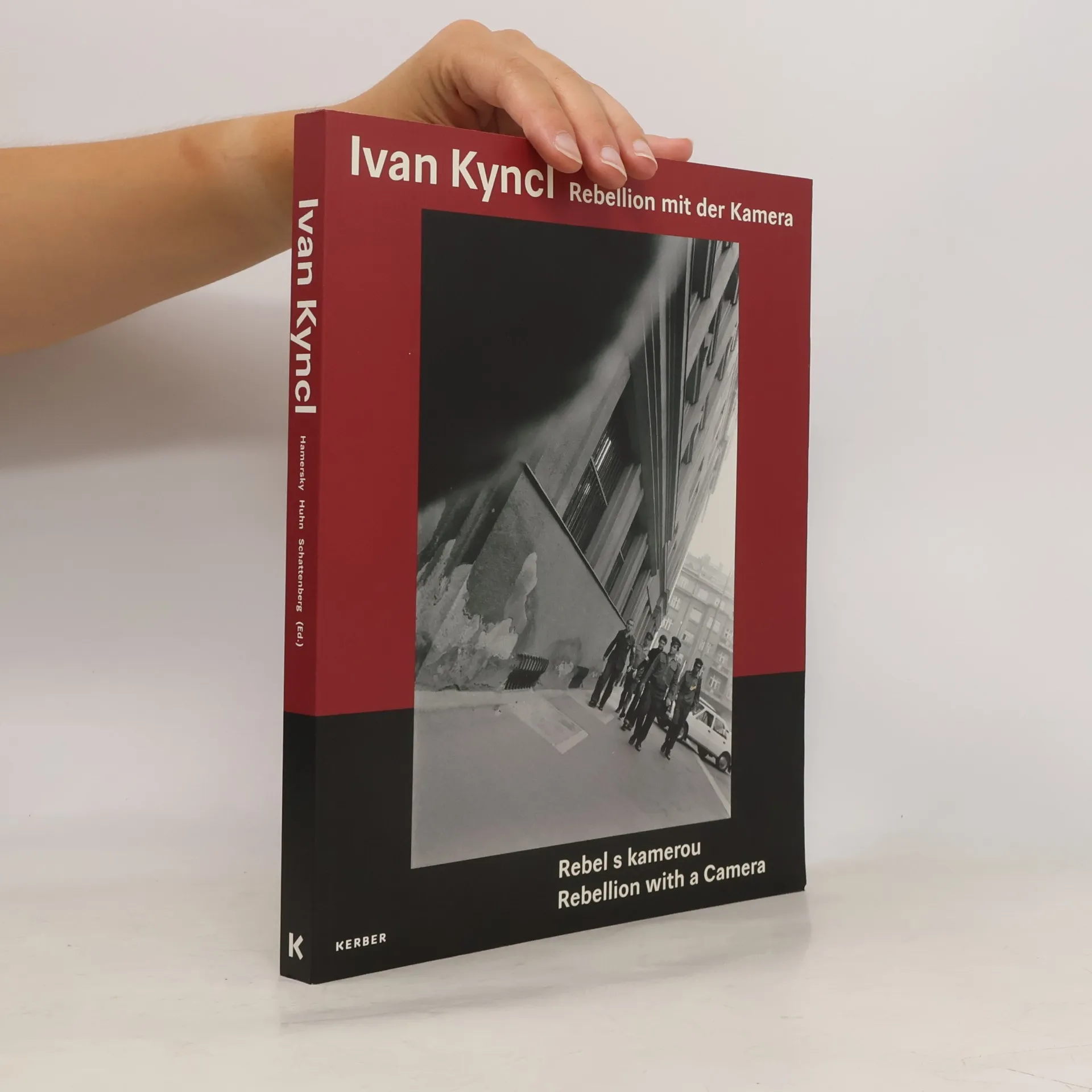
Ivan Kyncl - Rebellion mit der Kamera
- 224 pages
- 8 hours of reading
From Visual Chronicler of the Civil Rights Movement in the