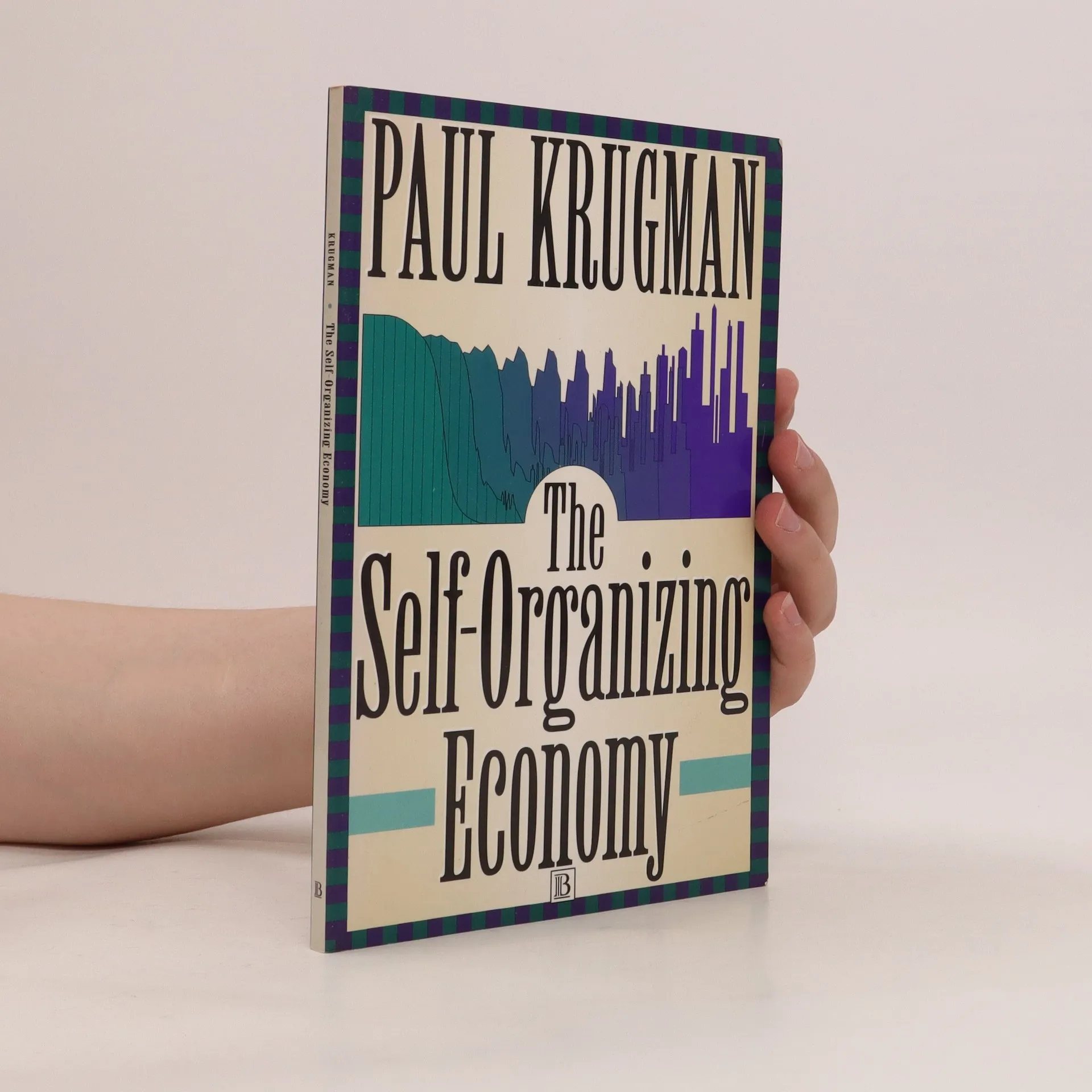
The Self-Organizing Economy In the last few years the concept of self-organizing systems―complex systems in which randomness and chaos seem spontaneously to evolve into unexpected order―has linked together researchers in many fields, from artificial intelligence to chemistry, from evolution to geology. Now leading economist Paul Krugman shows how principles that explain the growth of hurricanes and embryos can also explain the formation of cities and business cycles; how the same principles of “order from random growth” can explain the strangely simple rules that describe the sizes of earthquakes, meteorites, and metropolitan areas. Weaving together strands from many disciplines, from location theory to biology, The Self-Organizing Economy offers a surprising new view of how the economy structures itself in space and time.
Paul Krugman Books
Paul Krugman is an influential economist and public intellectual whose work delves into international economics and the dynamics of trade and geography. He possesses a unique ability to elucidate complex economic theories, making them accessible to a broad audience through his clear and insightful writing. Krugman critically examines the forces shaping global markets, often focusing on issues of economic inequality and the challenges inherent in modern economic systems. His analyses offer a profound understanding of the economic principles driving contemporary society.


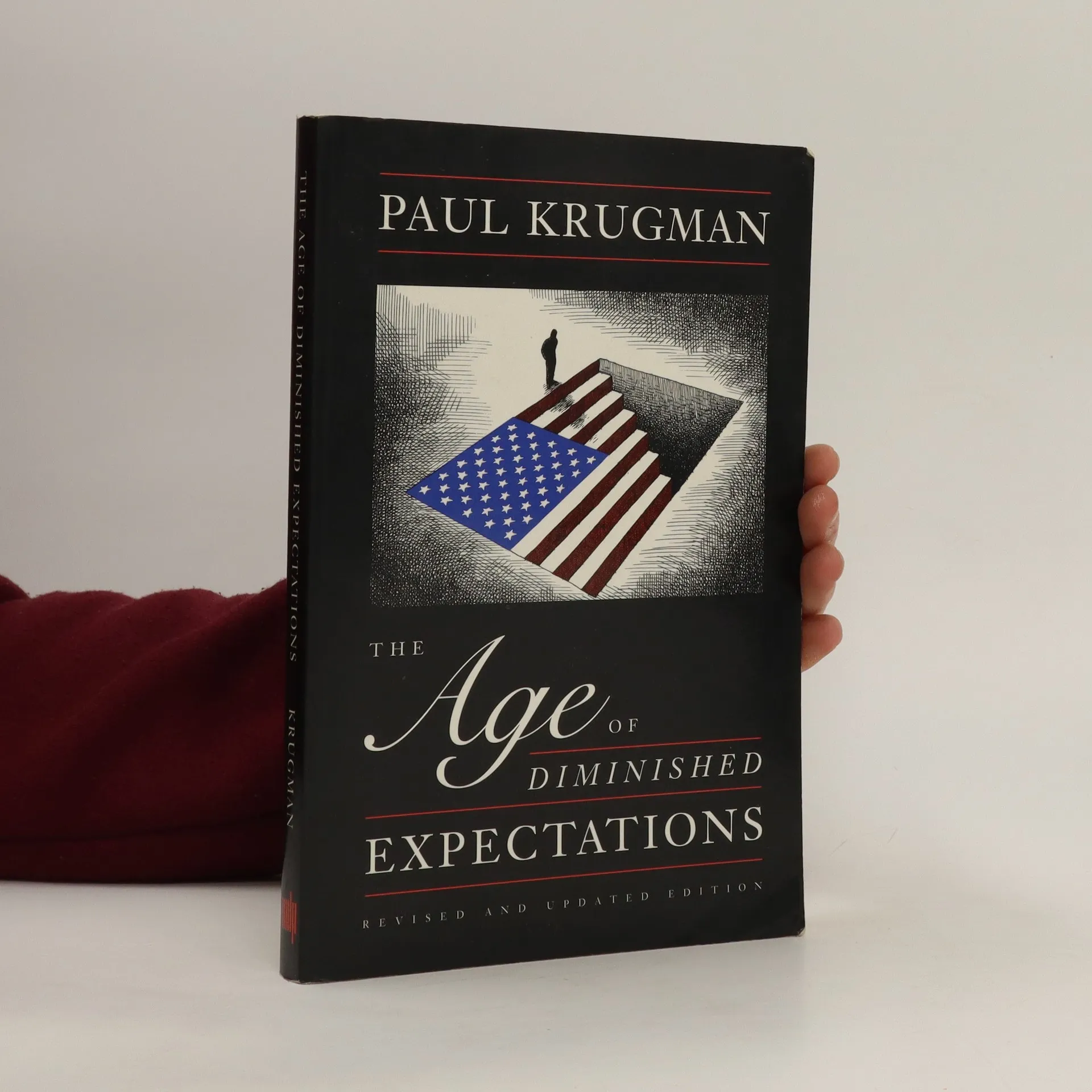
Paul Krugman's essential guide to the economic landscape of the 1990s has been revised and updated to include a new introduction in which Krugman connects George Bush's fall from office to simmering dismay over a long-term economic slowdown. There is a new chapter on international finance that focuses primarily on European monetary affairs, and a new chapter on health care that examines why costs have exploded and explains how managed competition and alternative systems would work, and why it is so difficult to control rising health care costs. There are smaller additions throughout the rest of the book. These include: - a discussion of how people misunderstand the relationship between productivity and competitiveness; - the very minor industrial policy proposals that have been made thus far; - new data reflecting even larger gains for the wealthy than have been thought; - a prediction that Clinton's tax plan will have only a small impact; - a discussion of the junk bond market collapse; - and the startling productivity numbers for 1992. Discussions of unemployment and the trade deficit take into account that unemployment has risen, and there is a new section on how the Federal Reserve fumbled, as well as a new assessment of financial markets in light of the recession.
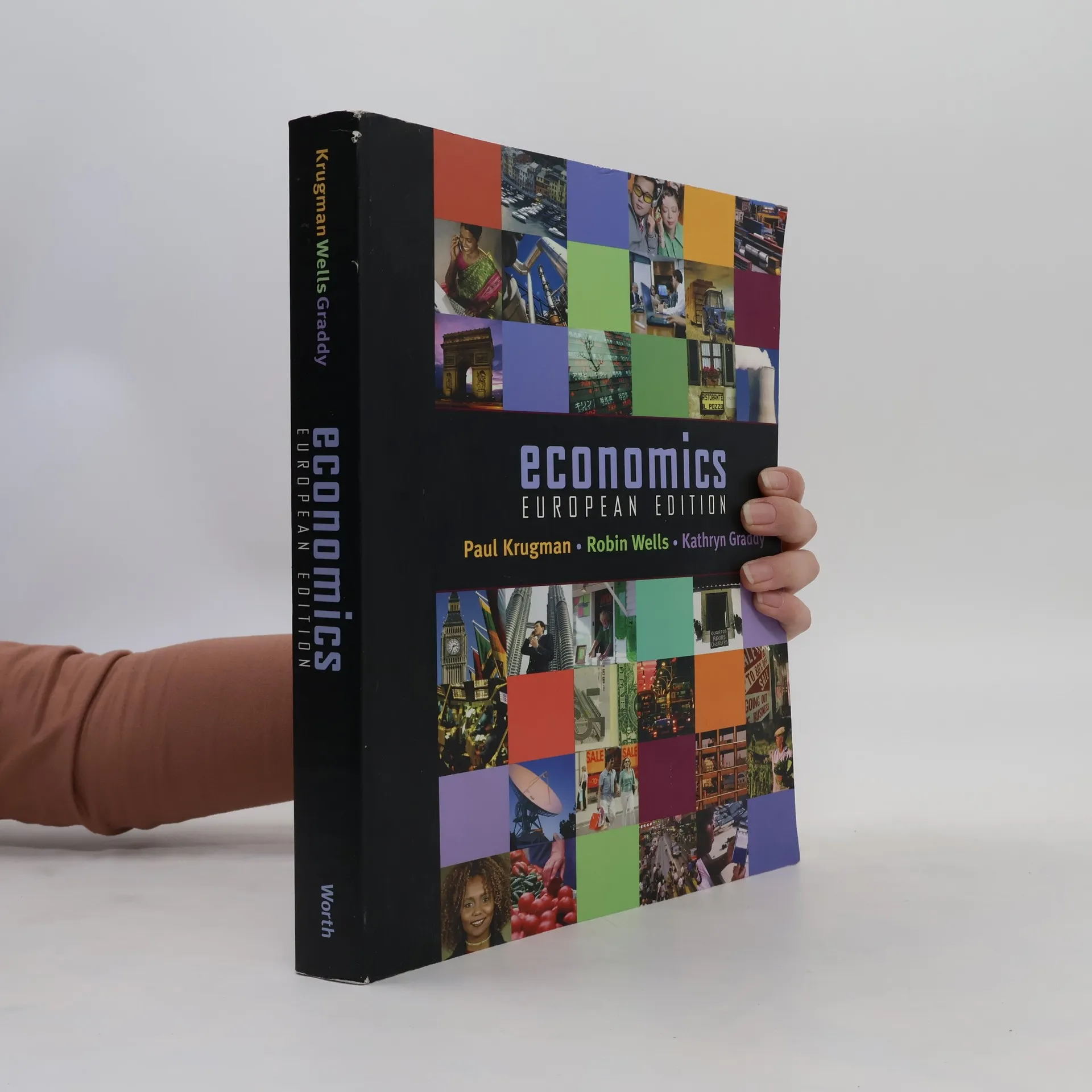
Economics: European Edition
- 1044 pages
- 37 hours of reading
Economics: European Edition is the ideal text for introductory economics, bringing together an international scope of real world examples and economic theory. The text is supported by a number of features to enhance student understanding as well as supplements to consolidate the learning process.
Rethinking International Trade
- 200 pages
- 7 hours of reading
Over the past decade, a small group of economists has challenged traditional wisdom about international trade. Rethinking International Trade provides a coherent account of this research program and traces the key steps in an exciting new trade theory that offers, among other possibilities, new arguments against free trade. Over the past decade a small group of economists has challenged traditional wisdom about international trade. Rethinking International Trade provides a coherent account of this research program and traces the key steps in an exciting new trade theory that offers, among other possibilities, new arguments against free trade. Krugman's introduction is a valuable guide to research that has delved anew into the causes of international trade and reopened basic questions about the international pattern of specialization, the effects of protectionism, and what constitutes an optimal trade policy. In the four sections that follow, he takes a revisionary look at the causes of international trade, and discusses growth and the role of history, technological change and trade, and strategic trade policy.
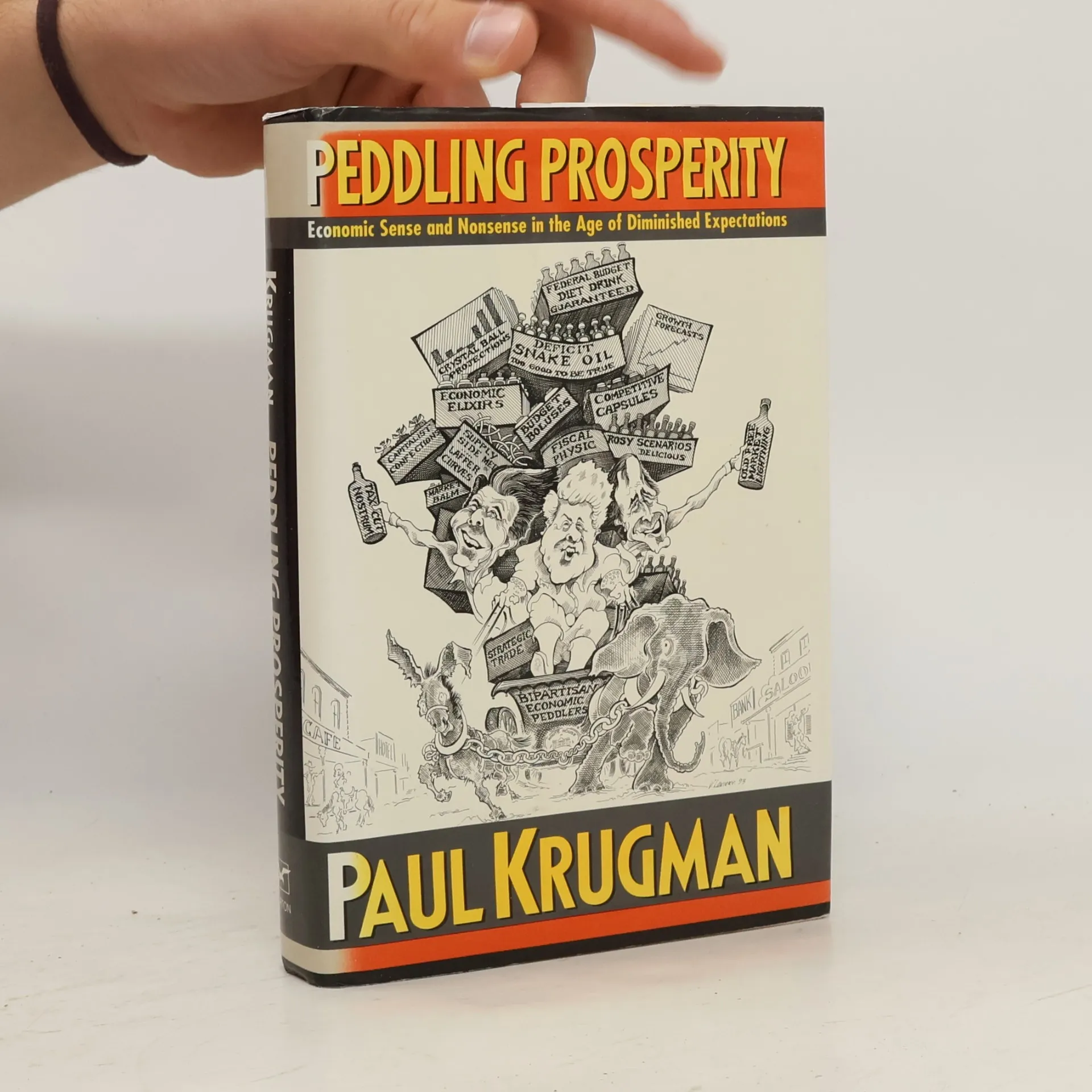
Peddling Prosperity
Economic Sense and Nonsense in the Age of Diminished Expectations
- 303 pages
- 11 hours of reading
The past two decades in the United States have been marked by economic disappointment and intense debate as competing ideologies vie for influence. This period has seen the rise of the policy entrepreneur—the economic snake-oil salesman—who offers simplistic solutions to complex problems. Initially, conservative economists, led by Milton Friedman, effectively argued against activist government, placing liberals on the defensive. However, when Ronald Reagan ascended to power, it was not serious thinkers but supply-siders with overly simplistic ideas that dominated the narrative, ultimately leaving a $3 trillion debt without resolving the issues at hand. As the 1980s progressed, despite conservative dominance, ideas supporting government intervention gained traction. Yet, liberals also embraced their own version of supply-side thinking through strategic traders, whose oversimplified view of the U.S. economy as locked in win-lose competition with other nations appealed more to politicians than nuanced realities. This new approach risks causing as much harm as the previous one. In this thought-provoking exploration, Paul Krugman examines the ideological pendulum's swing from left to right and the peculiar transformations economic ideas undergo on their journey to power.
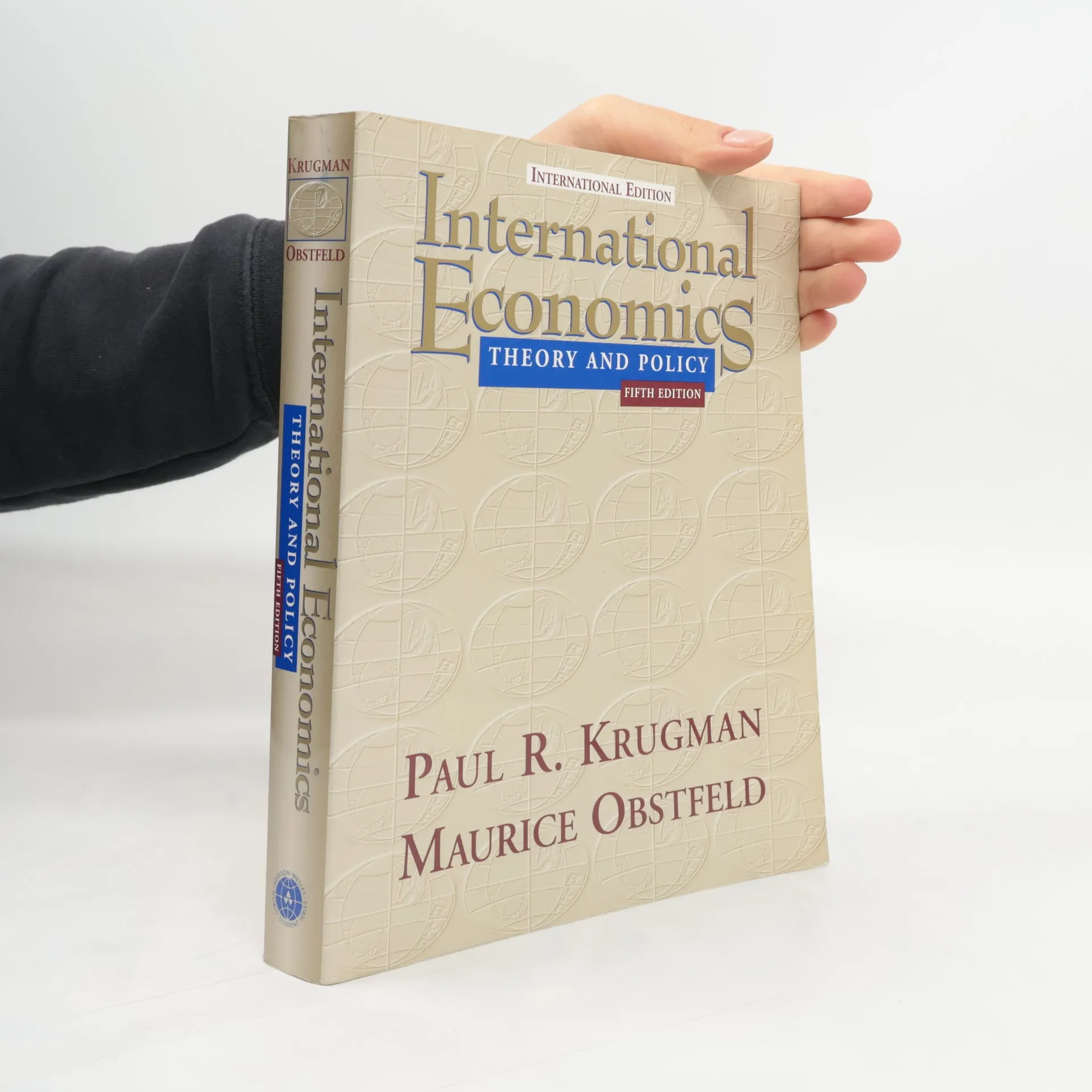
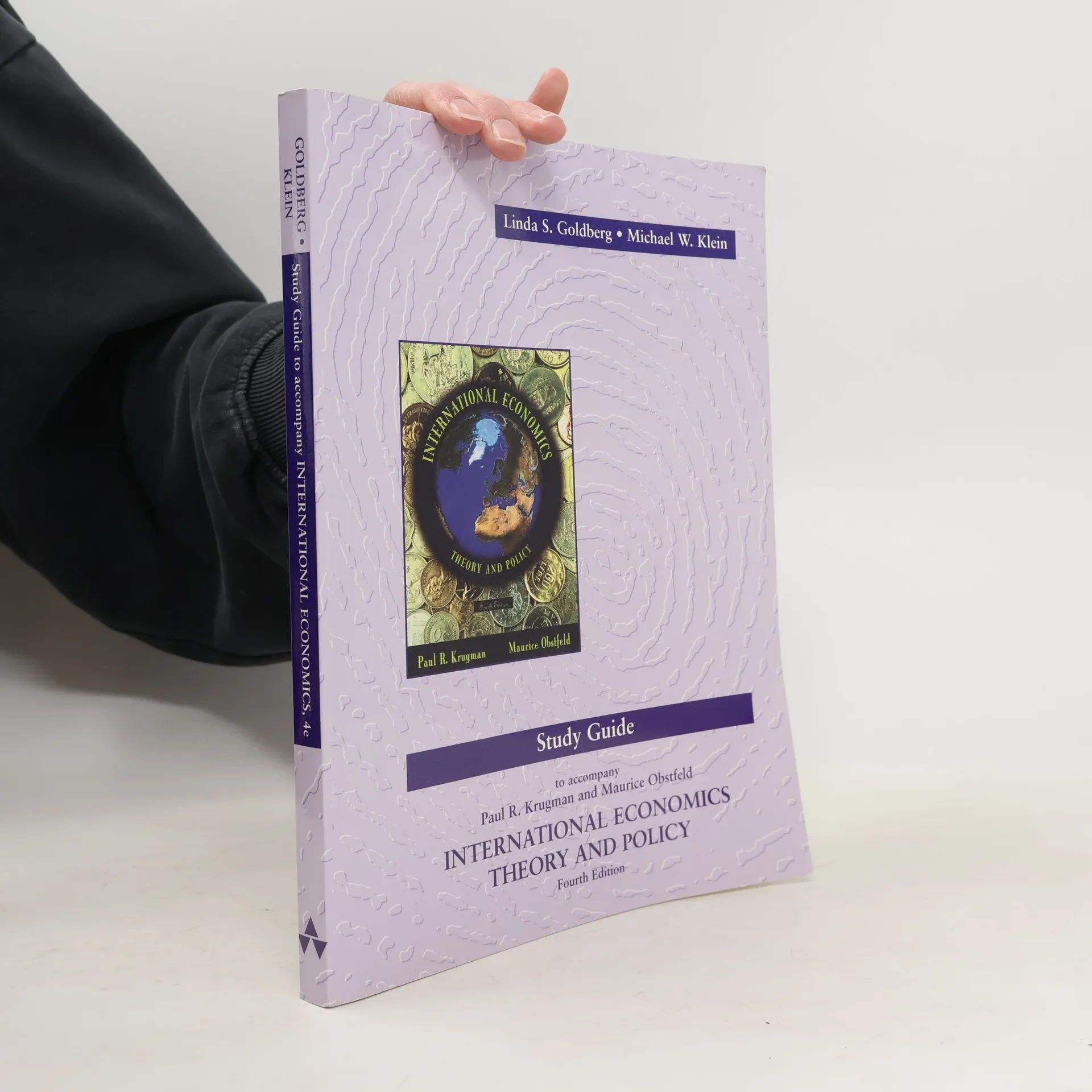
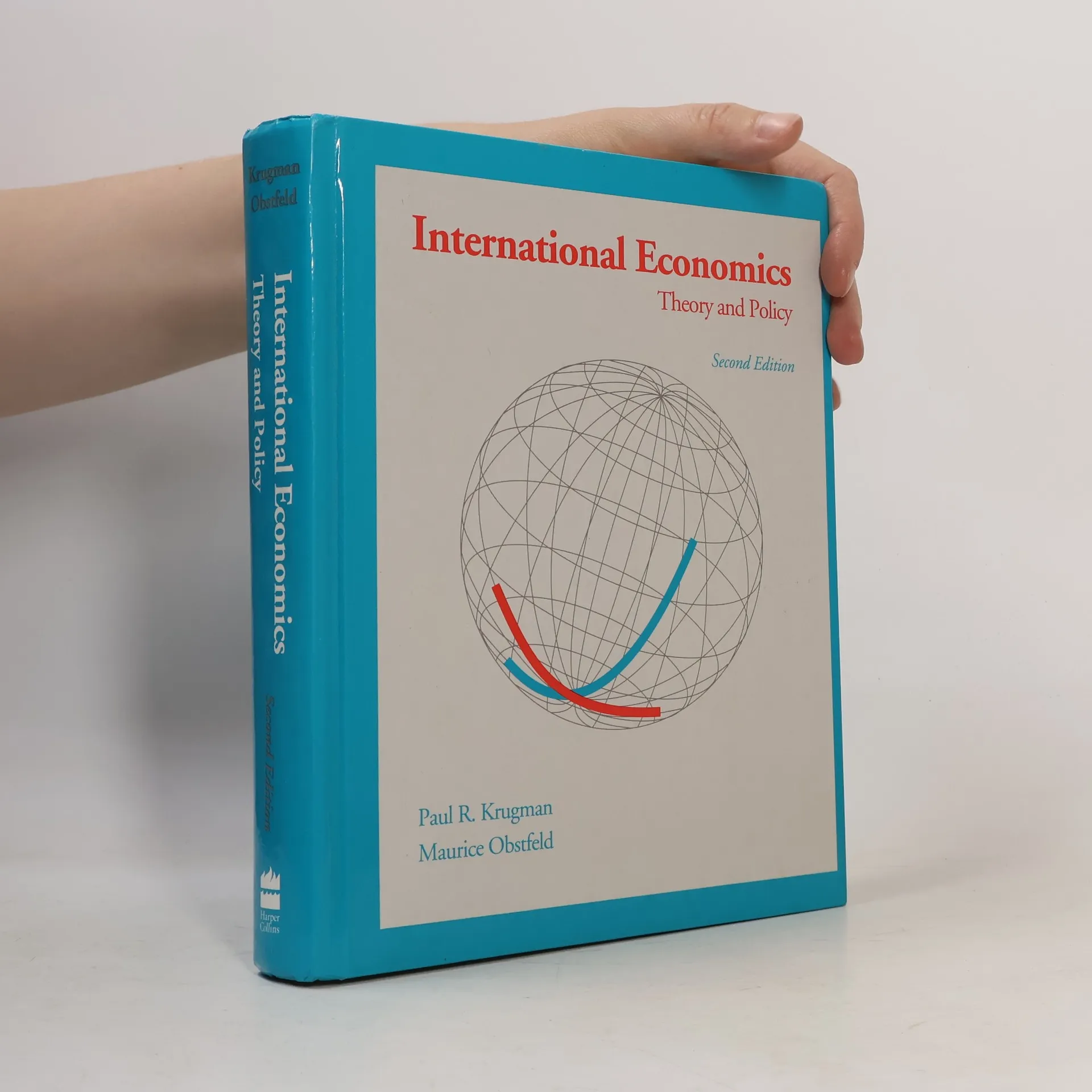
International Economics. Theory and Policy
- 752 pages
- 27 hours of reading
Renowned researchers Paul Krugman and Maurice Obstfeld set the standard for international economics courses with the text that remains the market leader in the U.S. and around the world. International Economics: Theory and Policy is a proven approach in which each half of the book leads with an intuitive introduction to theory and follows with self-contained chapters to cover key policy applications. The Eighth Edition integrates the latest research, data, and policy in hot topics such as outsourcing, economic geography, trade and environment, financial derivatives, the subprime crisis, and China's exchange rate policies.
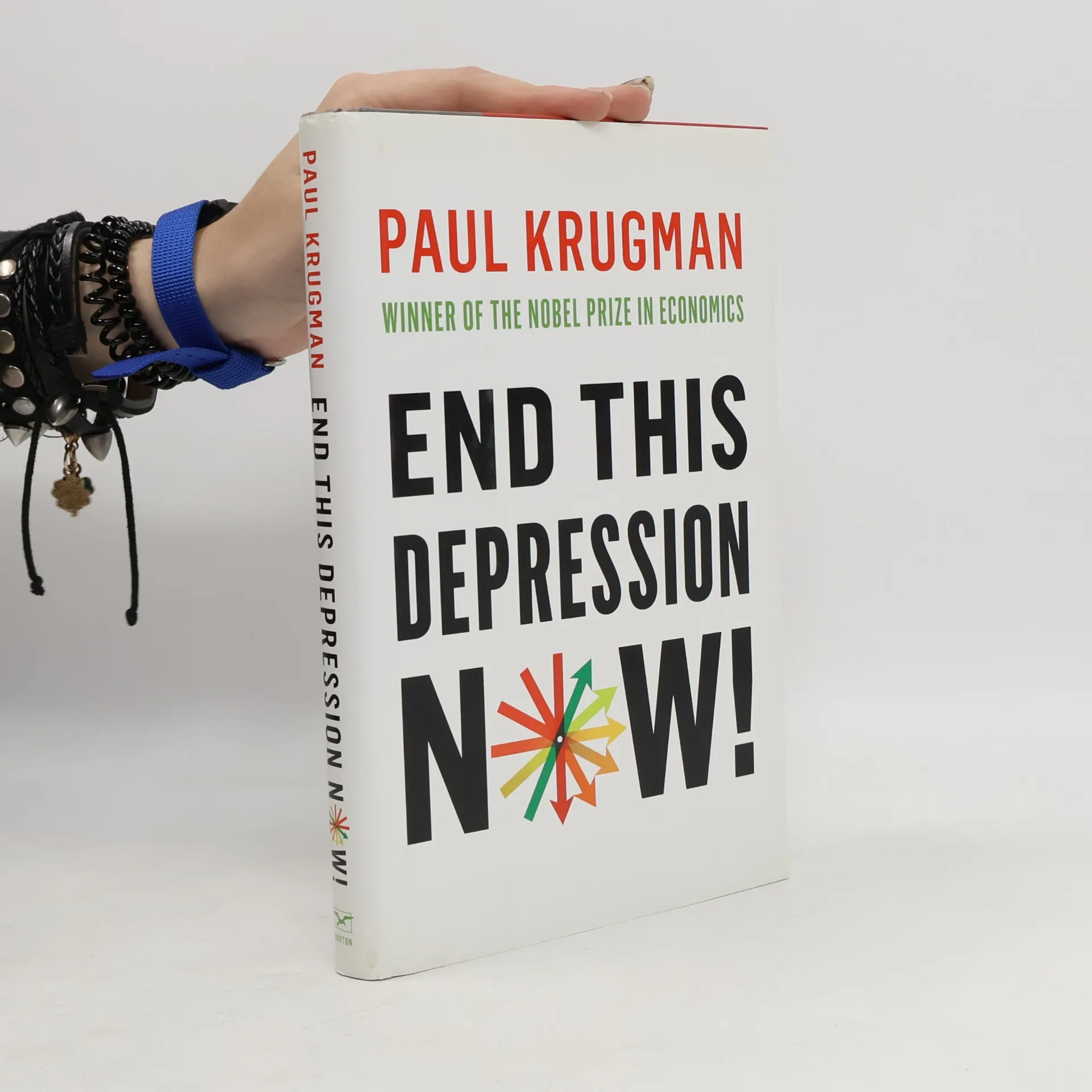
End this depression now!
- 272 pages
- 10 hours of reading
A call-to-arms from Nobel Prize?winning economist and best-selling author Paul Krugman. The Great Recession is more than four years old, and counting. Yet, as Paul Krugman points out in this powerful volley, "Nations rich in resources, talent, and knowledge, all the ingredients for prosperity and a decent standard of living for all, remain in a state of intense pain." How bad have things gotten? How did we get stuck in what now can only be called a depression? And above all, how do we free ourselves? Krugman pursues these questions with his characteristic lucidity and insight. He has a powerful message for anyone who has suffered over these past four years: a quick, strong recovery is just one step away, if our leaders can find the "intellectual clarity and political will" to end this depression now.
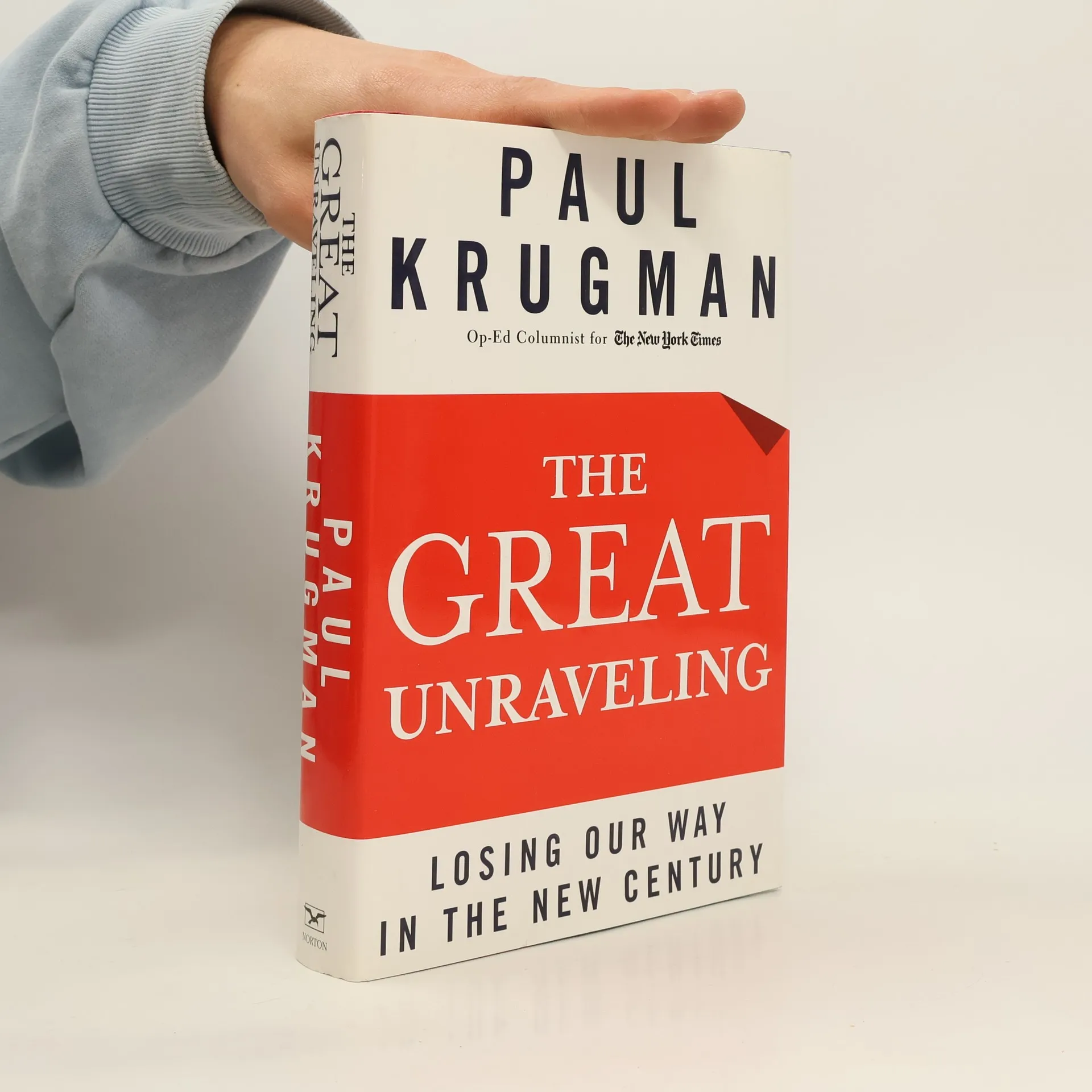
In this collection of Krugman's most influential columns and additional commentary, he chronicles how the boom economy unravelled and how exuberance gave way to pessimism. He tells the uncomfortable turth about how the US lost its way, and offers a road map for getting it back on track
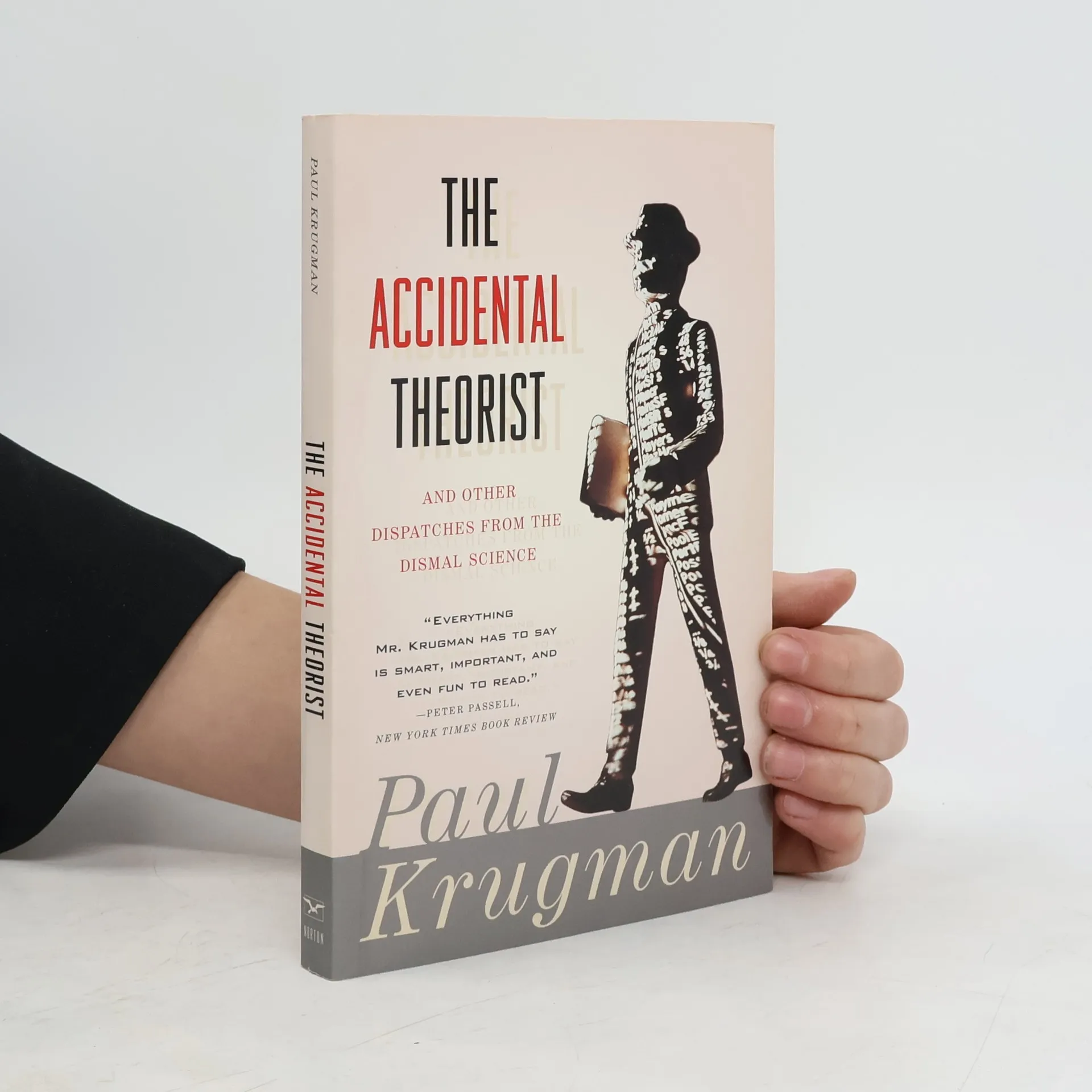
The Accidental Theorist: And Other Dispatches from the Dismal Science
- 204 pages
- 8 hours of reading
In this cohesive set of sharp and witty essays, Krugman tackles bad economic ideas from across the political spectrum.
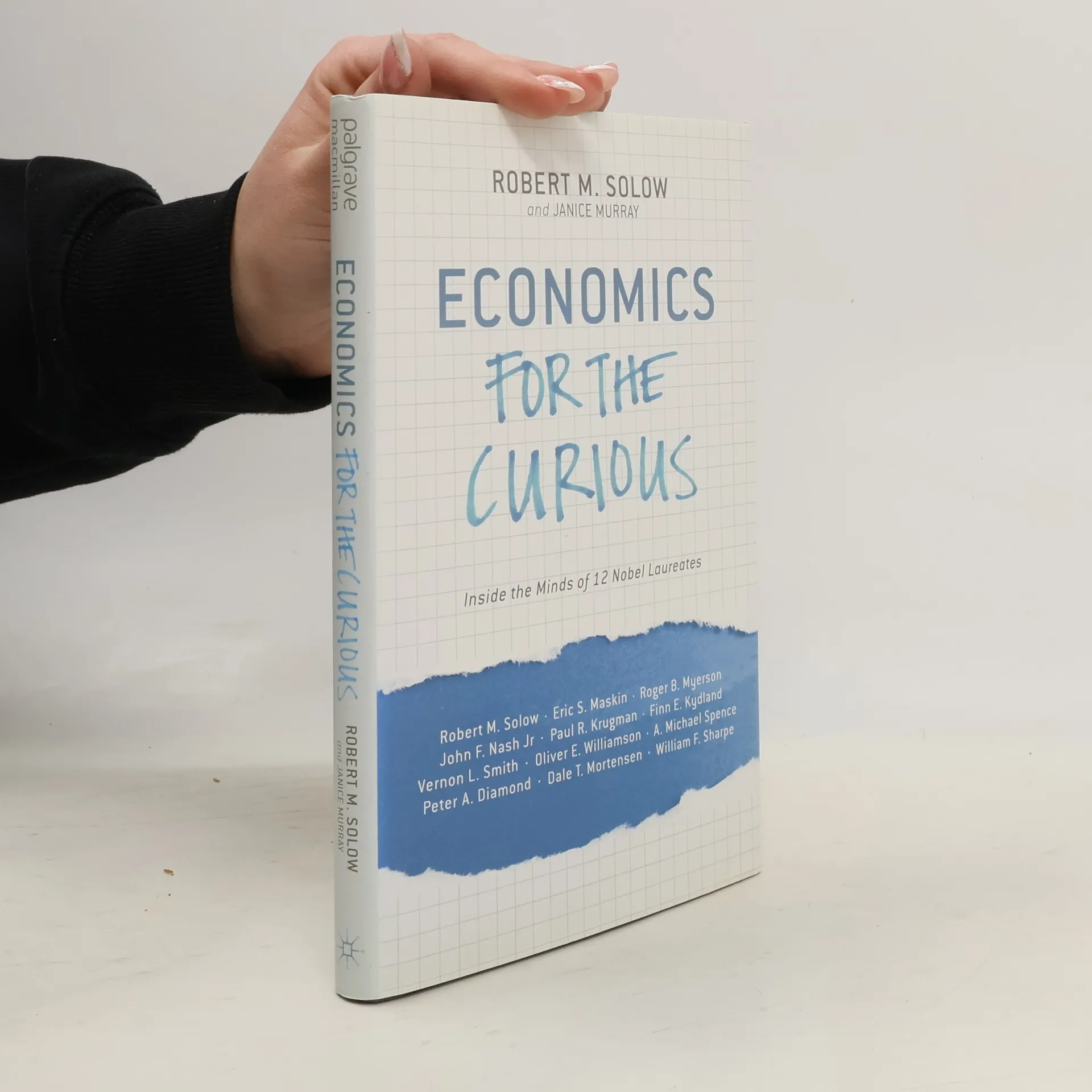
Alfred Marshall, the founder of modern economics, once described economics as 'the study of mankind in the ordinary business of earning a living'. In Economics for the Curious, 12 Nobel Laureates show that 'the ordinary business of earning a living' covers a wide range of activities, as they take readers on an engaging tour of some of the everyday issues that can be explored using basic economic principles. Written in the plainest possible language, Nobel Laureates including Paul Krugman, Eric Maskin, Finn E. Kydland and Vernon Smith confront some of the key issues challenging society today – challenges that claim attention in any phase of the business cycle. The range of topics includes how economic tools can be used to rebuild nations in the aftermath of a war; financing retirement as longevity increases; the sustainable use of natural resources and what governments should really be doing to boost the economy. Economics for the Curious is an accessible but informative display of the kinds of questions economics can illuminate. It will appeal to anyone who has an interest in economics and the world around them, and we hope it will encourage further interest and study in the topic from readers everywhere.
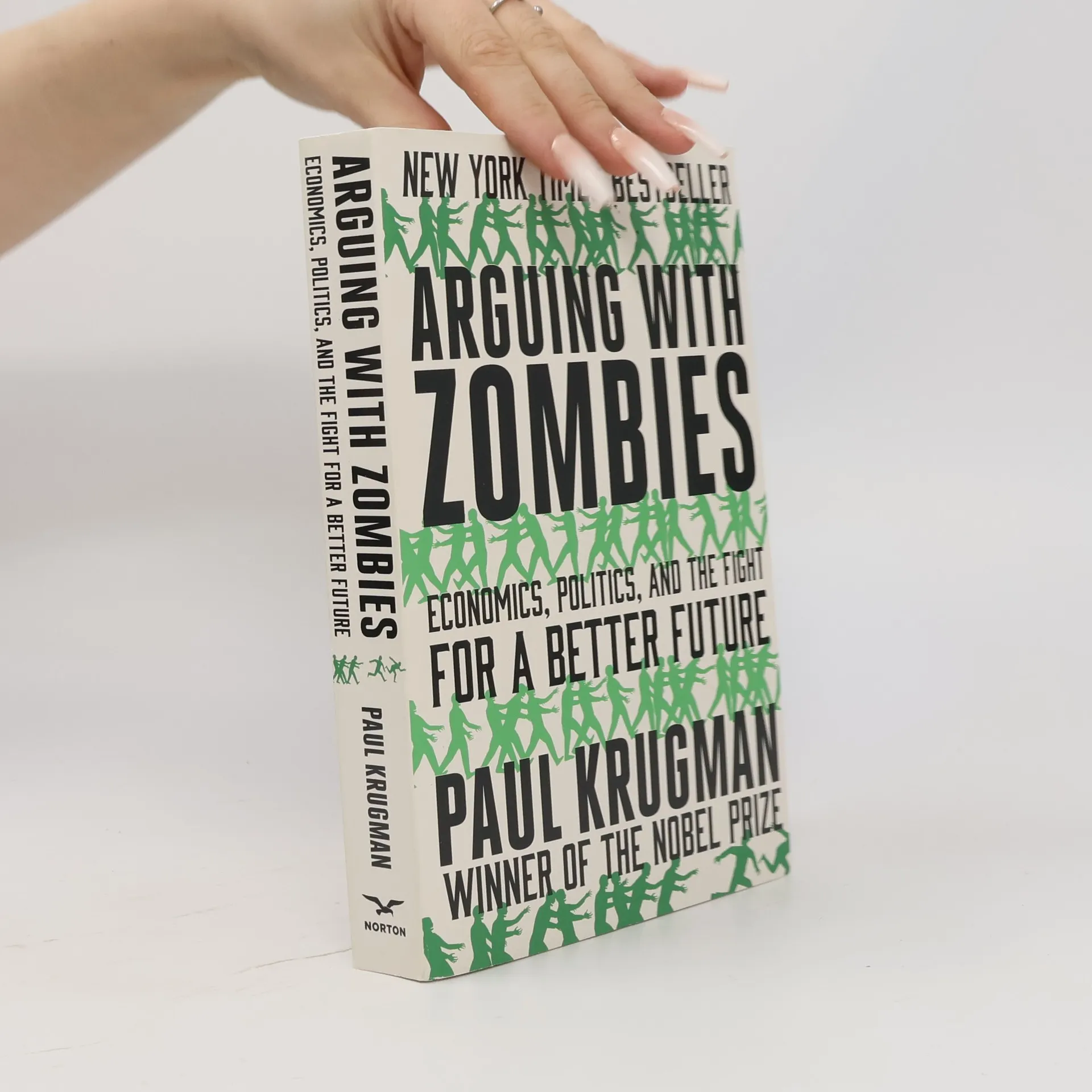
Arguing with Zombies
- 464 pages
- 17 hours of reading
An accessible, compelling introduction to today's major policy issues from columnist, best-selling author and Nobel Prize-winning economist Paul Krugman. There is no better guide than Paul Krugman to basic economics, the ideas that animate much of our public policy. Likewise, there is no better foe of zombie economics, the misunderstandings that just won't die. Arguing with Zombies is Krugman "the most hated and most admired columnist in the US" (Martin Wolf, Financial Times) at his best, turning readers into intelligent consumers of the daily news with quick, vivid sketches of the key concepts behind taxes, health care, international trade and more. In this new book, in which he builds on and expands his The New York Times columns and other writings, "the most celebrated economist of his generation" (The Economist), offers short, accessible chapters on topics including the European Union and Brexit, the fight for national health care in the United States, the financial meltdown of 2007-2008, the attack on Social Security and the fraudulent argument--the ultimate zombie--that tax cuts for the rich will benefit all. -- publisher's website
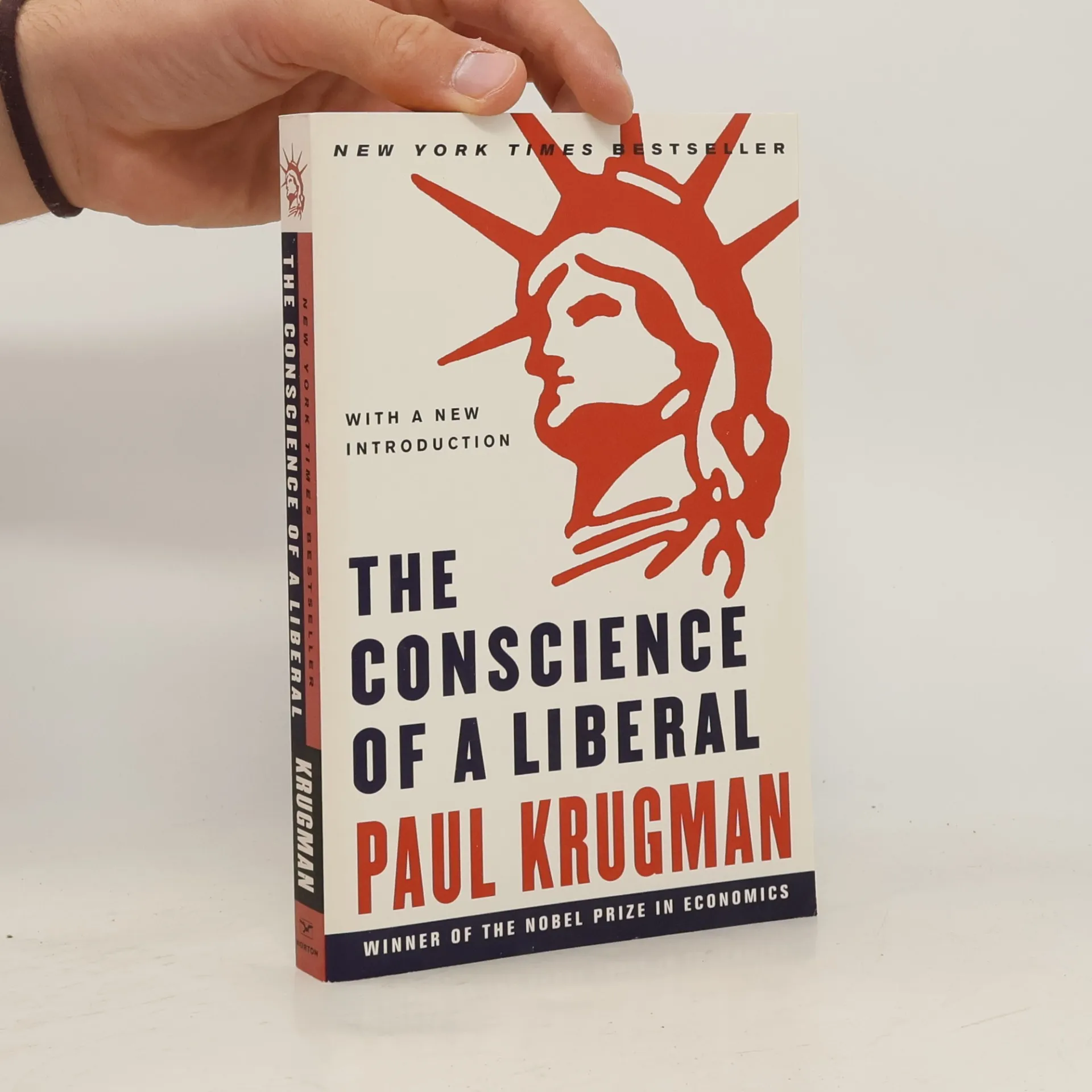
The Conscience of a Liberal
- 352 pages
- 13 hours of reading
Focusing on the historical trajectory of economic inequality in America, the book delves into the significant reforms that addressed disparities during the Gilded Age and the 1920s, contrasting them with the resurgence of inequality since the 1970s. Paul Krugman explores the challenges faced by middle-class America and advocates for a transformative "new New Deal." This work serves as both a historical analysis of liberalism and a rallying cry for Americans to reclaim their economic future, making it a thought-provoking manifesto for contemporary readers.
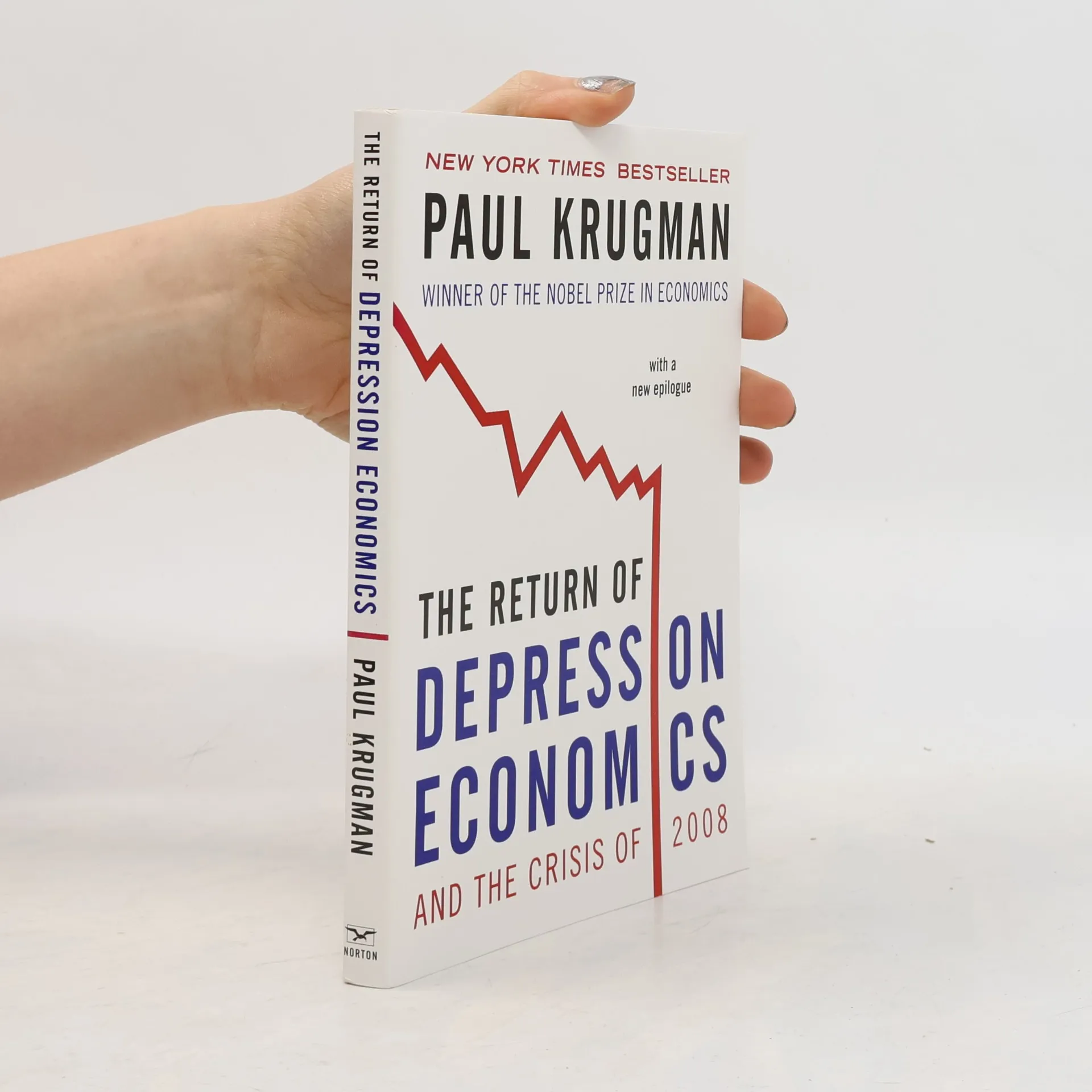
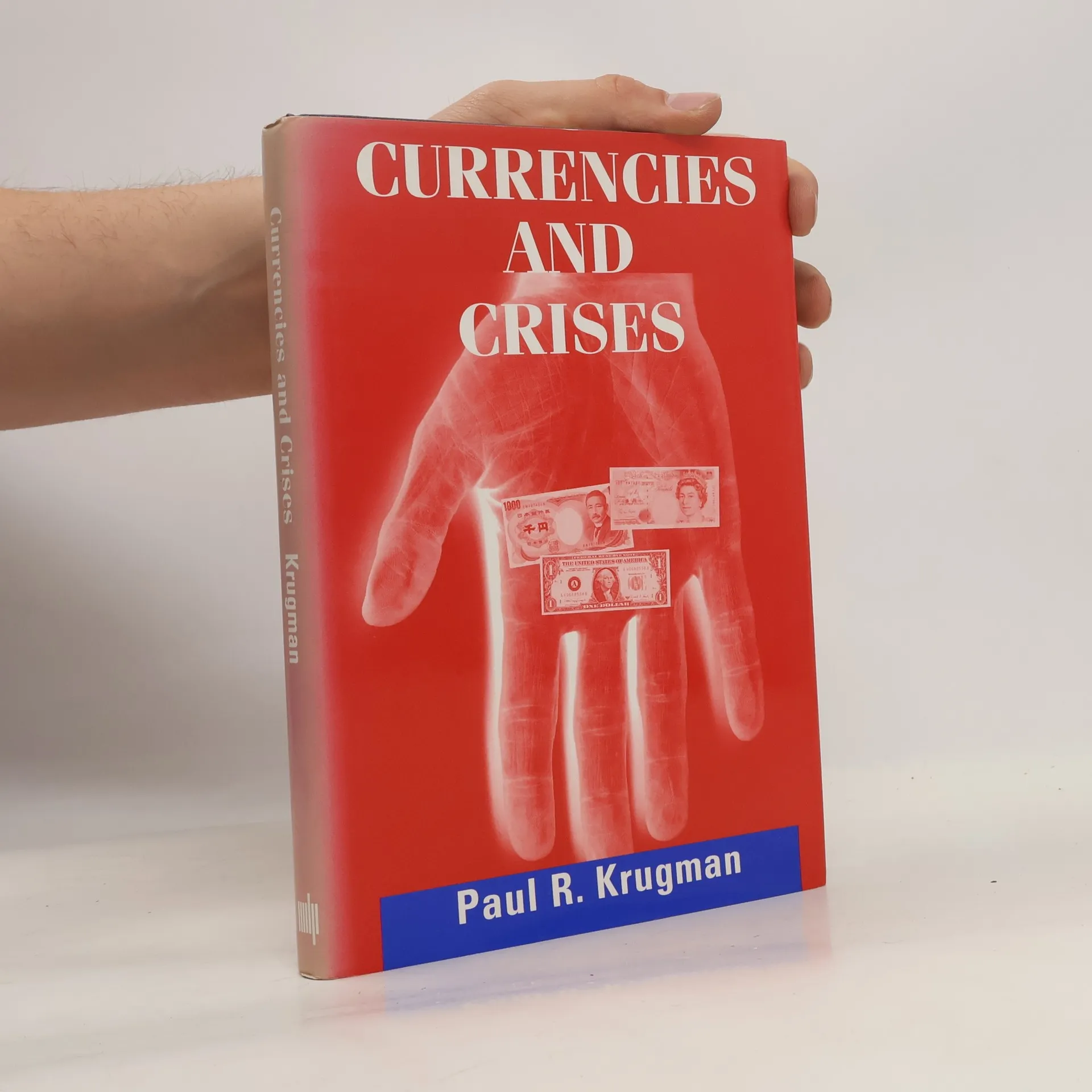
The Return of Depression Economics and the Crisis of 2008
- 207 pages
- 8 hours of reading
Our newest Nobel Prize-winning economist shows how today's crisis parallels the events that caused the Great Depression and explains what it will take to avoid catastrophe.
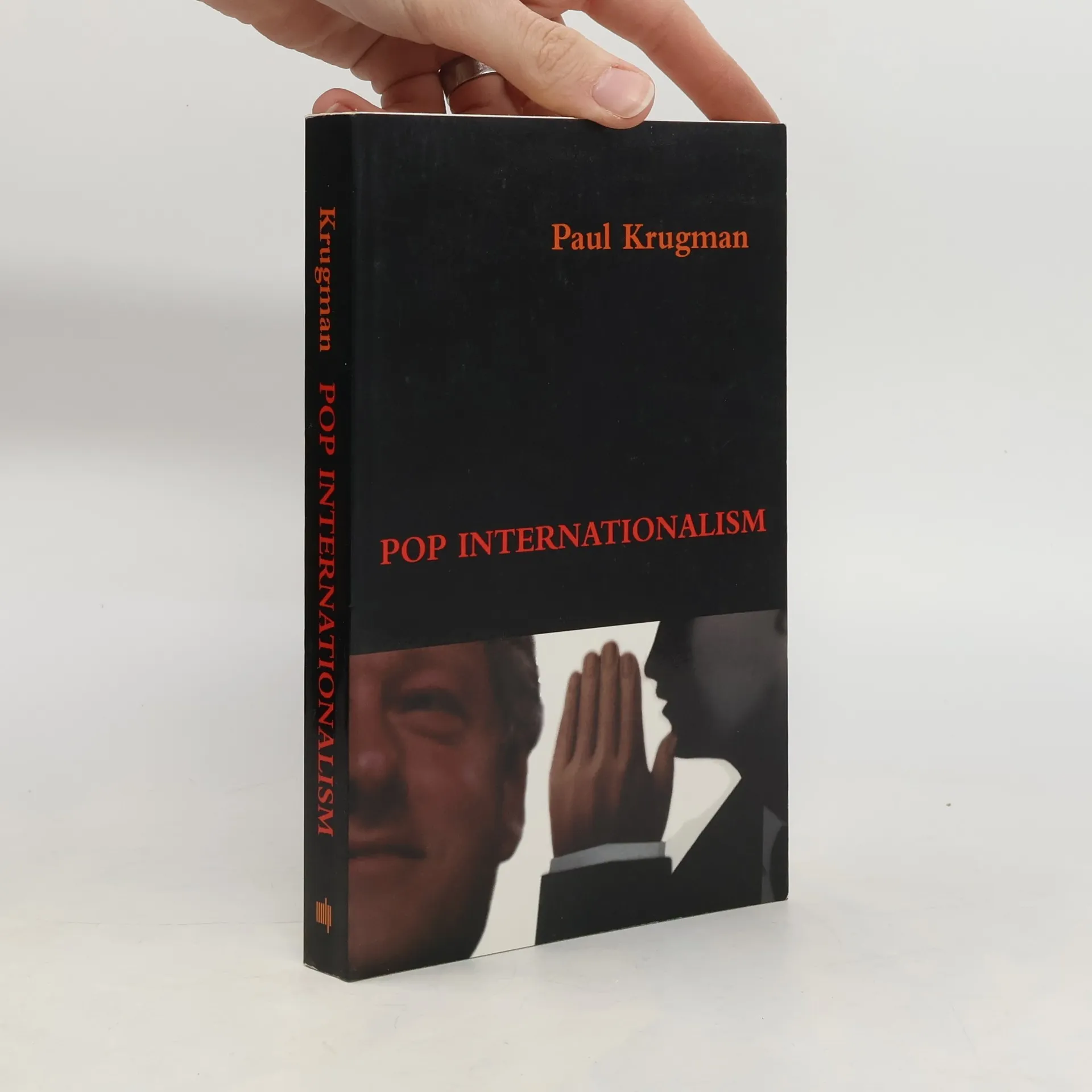
Pop Internationalism
- 240 pages
- 9 hours of reading
Pop internationalists, people who speak impressively about international trade while ignoring basic economics and misusing economic figures, are the target of this collection of Paul Krugman's essays. He considers how such people can distort the basic truths about world trade.
This new collection revolves around Krugman's work on international monetary economics from the late 1970s to the present in an effort to make sense of a turbulent period that "involved one surprise after another, most of them unpleasant."
Microeconomics (International Edition)
- 704 pages
- 25 hours of reading
The book features a comprehensive table of contents that organizes its themes and topics effectively, guiding readers through its structure. Each section is designed to provide clarity and facilitate navigation, ensuring that key concepts are easily accessible. This layout enhances the reader's experience, allowing for a deeper understanding of the material presented throughout the book.
Macroeconomics (International Edition)
- 656 pages
- 23 hours of reading
The book features a comprehensive table of contents, outlining the structure and key topics covered throughout its chapters. It serves as a roadmap for readers, guiding them through the material and highlighting the main themes and ideas presented in the text. Each section is organized to facilitate easy navigation and understanding, making it an essential tool for readers looking to grasp the content effectively.
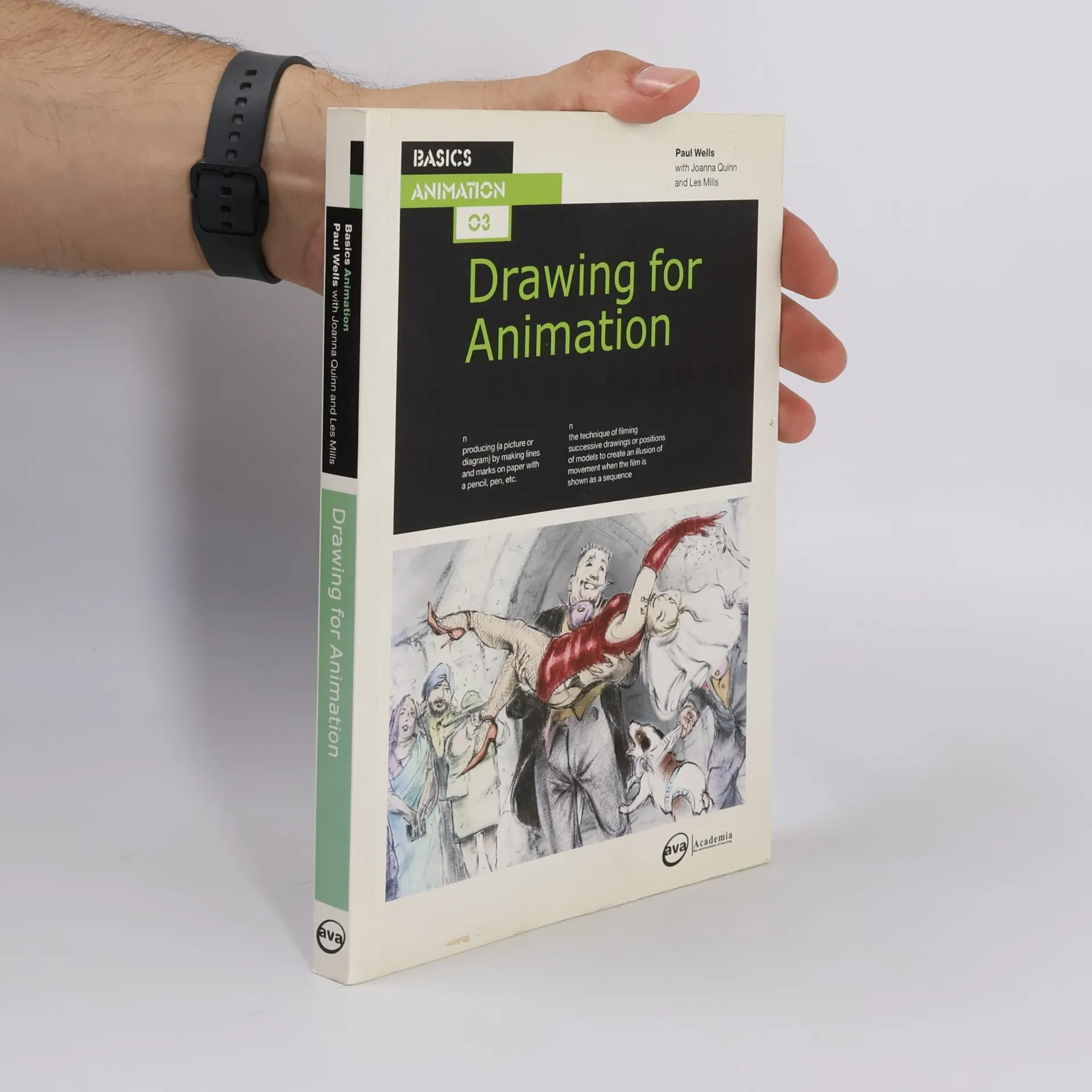
Basics Animation 03: Drawing for Animation
- 192 pages
- 7 hours of reading
Examines the thinking process behind drawing, characters, composition and movement, narrative and adaptation. The author introduces the fundamental elements involved in producing drawn animation.
The American Encounter
The United States and the Making of the Modern World: Essays from 75 Years of Foreign Affairs
- 672 pages
- 24 hours of reading
Since its founding in 1922, Foreign Affairs has established itself as the premier journal of international relations, offering profound commentary on global politics and economic policy. America's significant role in world events—military, political, economic, and ideological—has been central to discussions within its pages. Notably, it was here that George Kennan introduced the containment policy, shaping U.S. Cold War strategy. The journal has hosted debates among statesmen-scholars like Henry Kissinger and Arthur Schlesinger on critical issues such as nuclear weapons and human rights, while journalists like Walter Lippmann and James Reston have provided insightful analyses of American foreign policy. Thinkers like Isaiah Berlin and Samuel Huntington have explored the evolving dynamics of the world. In The American Encounter , readers will discover landmark essays that reflect a unique intellectual history of the past century and America's extraordinary influence within it. This collection stands apart, as there is no other publication like Foreign Affairs . The American Encounter serves as a vital connection to historical giants—visionaries whose insights and warnings resonate today, enhancing our understanding of America's role on the global stage.
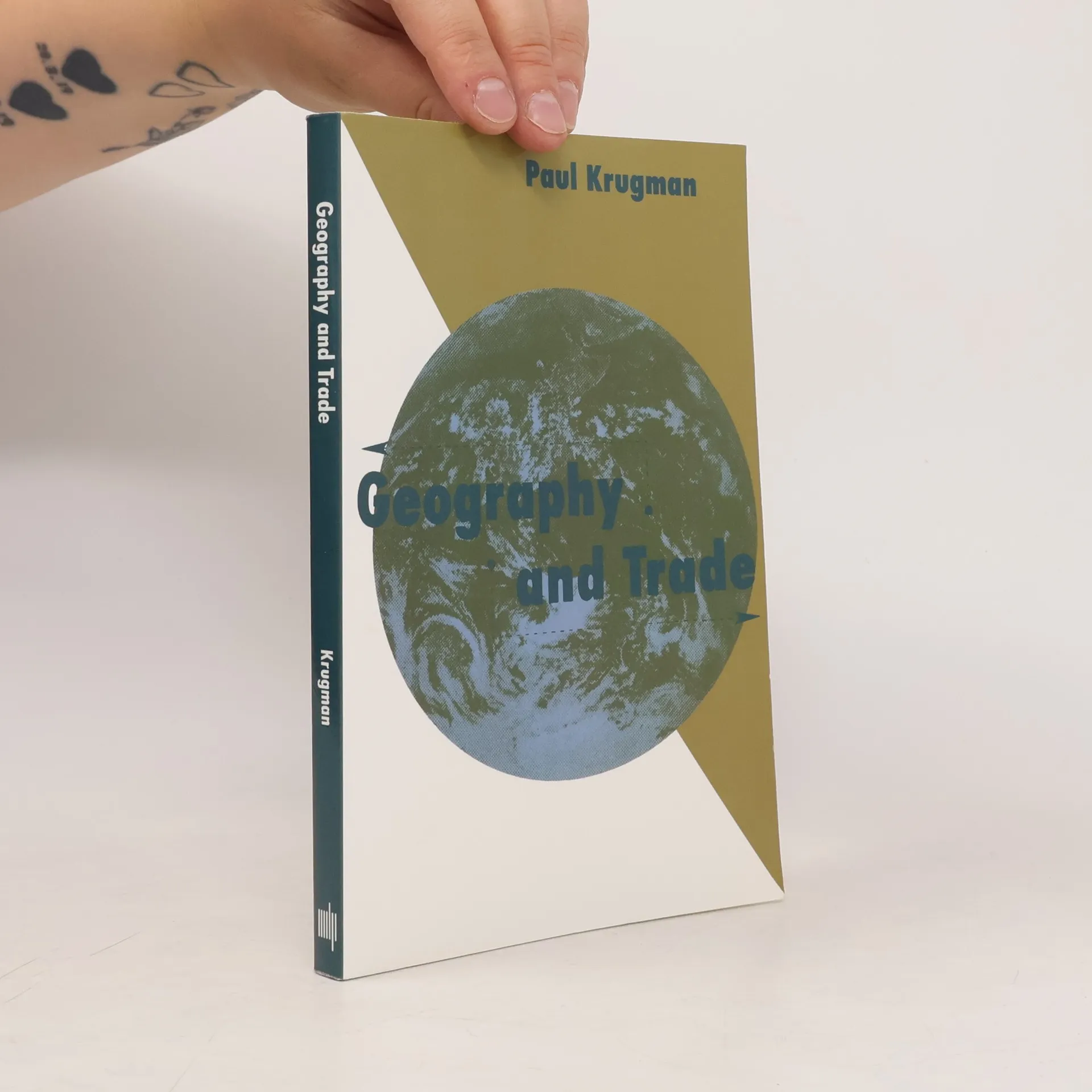
Geography and Trade
- 156 pages
- 6 hours of reading
"I have spent my whole professional life as an international economist thinking and writing about economic geography, without being aware of it," begins Paul Krugman in the readable and anecdotal style that has become a hallmark of his writings. Krugman observes that his own shortcomings in ignoring economic geography have been shared by many professional economists, primarily because of the lack of explanatory models. In Geography and Trade he provides a stimulating synthesis of ideas in the literature and describes new models for implementing a study of economic geography that could change the nature of the field. Economic theory usually assumes away distance. Krugman argues that it is time to put it back - that the location of production in space is a key issue both within and between nations.
336 pages Harpercollins College Div; 4th edition (March 1997) English
Kampf den Zombies
Warum manche Ideen aus Politik und Wirtschaft nicht totzukriegen sind
- 528 pages
- 19 hours of reading
In Talkshows, Leitartikeln, Büchern tauchen sie immer wieder wirtschaftspolitische Thesen, die beliebt sind, einleuchtend klingen und seit Jahrzehnten immer wieder hervorgekramt werden. Das Problem ist Sie sind falsch! Den Kampf gegen diese Mythen hat sich Wirtschafts-Nobelpreisträger Paul Krugman auf die Fahnen geschrieben. In "Kampf den Zombies" geht er klug, geistreich und bewaffnet mit Fakten gegen diese Irrtümer an. Die hier versammelten Artikel seiner beliebten New York Times-Kolumne decken eine breite Themenpalette Mängel im Gesundheitswesen, die Entstehung von Immobilienblasen, der Sinn und Unsinn von Steuerreformen, die Bedeutung sozialer Sicherheit für den Zusammenhalt einer Gesellschaft … Die Zeit ist reif für eine Versachlichung politischer Debatten und eine Konzentration auf Fakten statt Mythen.
Der große Ausverkauf
- 272 pages
- 10 hours of reading
Dieses Buch ist mehr als eine düstere Bestandsaufnahme der amerikanischen Wirtschaft: Es ist eine eindrucksvolle Abrechnung mit der Bush-Regierung, der Krugman nicht nur Unvermögen, sondern auch eiskalte Interessenpolitik vorwirft. Das kaltschnäuzige Vorgehen im Interesse der reichen republikanischen Wählerklientel wird von ihm in diesem wütenden und wichtigen Werk als Revolution von rechts gegeißelt. Im amerikanischen Wahljahr 2004 wird die Wirtschaftspolitik der US-Regierung im Mittelpunkt der öffentlichen Aufmerksamkeit stehen. Dies ist das Buch zum Thema.
Volkswirtschaftslehre
- 1149 pages
- 41 hours of reading
Die didaktische Revolution in der wirtschaftswissenschaftlichen Ausbildung. Mit ihrem erzählerischen Ansatz, der klaren Sprache und den lebensnahen Beispielen gelingt den renommierten Autoren eine unterhaltsame, spannende und äußerst praxisorientierte Einführung in die Volkswirtschaftslehre. Eine einleitende Geschichte zu Beginn jedes Kapitels erleichtert den Zugang zum jeweiligen Thema und hilft, die Inhalte besser im Gedächtnis zu verankern. Alle vorgestellten Konzepte und Theorien werden durch realitätsnahe, gut einprägsame Beispiele aus dem Wirtschaftsalltag veranschaulicht. In jedem Kapitel sichern vorformulierte Lernziele, Schnelltests, Übungsaufgaben und Hinweise auf Denkfallen den optimalen Lernerfolg. Vertiefende Inhalte können bei Bedarf hinzugezogen werden. International ausgerichtet und gleichzeitig optimal auf das deutsche Umfeld anwendbar, ist das Buch ein unverzichtbares Grundlagenwerk für jeden Wirtschaftsstudenten.
Microeconomia
- 600 pages
- 21 hours of reading
Krugman e Wells hanno costruito questo libro a partire da storie che illustrano i concetti economici e affrontano al contempo le preoccupazioni con cui ci confrontiamo come individui che vivono in un mondo plasmato dalle forze economiche. La seconda edizione italiana di Microeconomia è ancora più ricca di strumenti didattici. Ogni capitolo si chiude con un Riepilogo breve ma completo delle parole e dei concetti fondamentali. A questo seguono un elenco di Parole chiave con un rimando alla pagina in cui è fornita la definizione e un gruppo di Esercizi.
Vendiendo prosperidad
Sensatez e insensatez económica en una era de expectativas limitadas
- 337 pages
- 12 hours of reading
Publicada por primera vez en 1994, esta obra vuelve a cobrar relevancia por su crítica a las políticas de austeridad de los gobiernos conservadores. En él, Krugman somete a juicio este modelo del liberalismo así como para reivindicar la figura de Keynes, cuyas ideas siguen aún prevaleciendo.
Bundel kritische essays over de economische gevolgen van globalisering.
国际经济学 International Economics
Theory and Policy
该书既重视传统的理论,同时又包含了许多国际经济学研究的最新进展和各国际经济领域的实践
Économie internationale
Traduction de la 5e édition américaine par Achille Hannequart et Fabienne Leloup - 3e édition
Fundamentos de Economía
- 473 pages
- 17 hours of reading
Basándose en las obras de introduccion a la economia Microeconomía / Macroeconomía de Paul Krugman y Robin Wells, Martha L. Olney preparó un texto para impartir cursos semestrales de introducción a la Economía. Su objetivo era el de obtener un texto ágil, ameno y adaptado al tiempo disponible y a las necesidades de cursos más breves. Fundamentos de Economía es el resultado de este esfuerzo. Para aprender los fundamentos de la Economía en sólo seis meses, los estudiantes necesitan suficientes ejemplos prácticos para comprender la aplicación de los conceptos, pero no deben abrumarse con demasiados detalles. Este manual incluye además una sección llamada "Encuentre la solución", constituida íntegramente por ejercicios numéricos resueltos que muestran eficazmente la aplicación de los principios teóricos planteados.
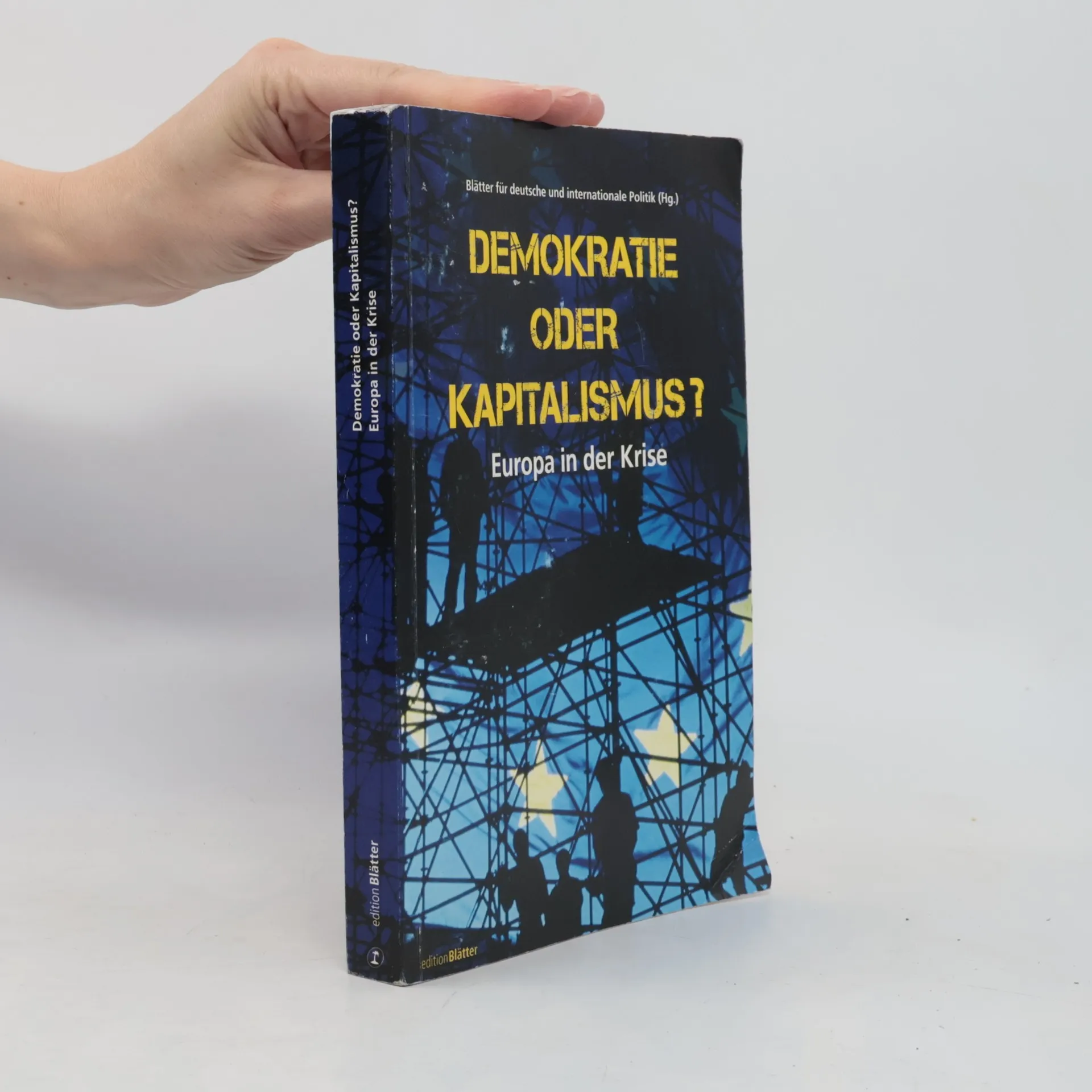
Demokratie oder Kapitalismus?: Europa in der Krise
- 288 pages
- 11 hours of reading
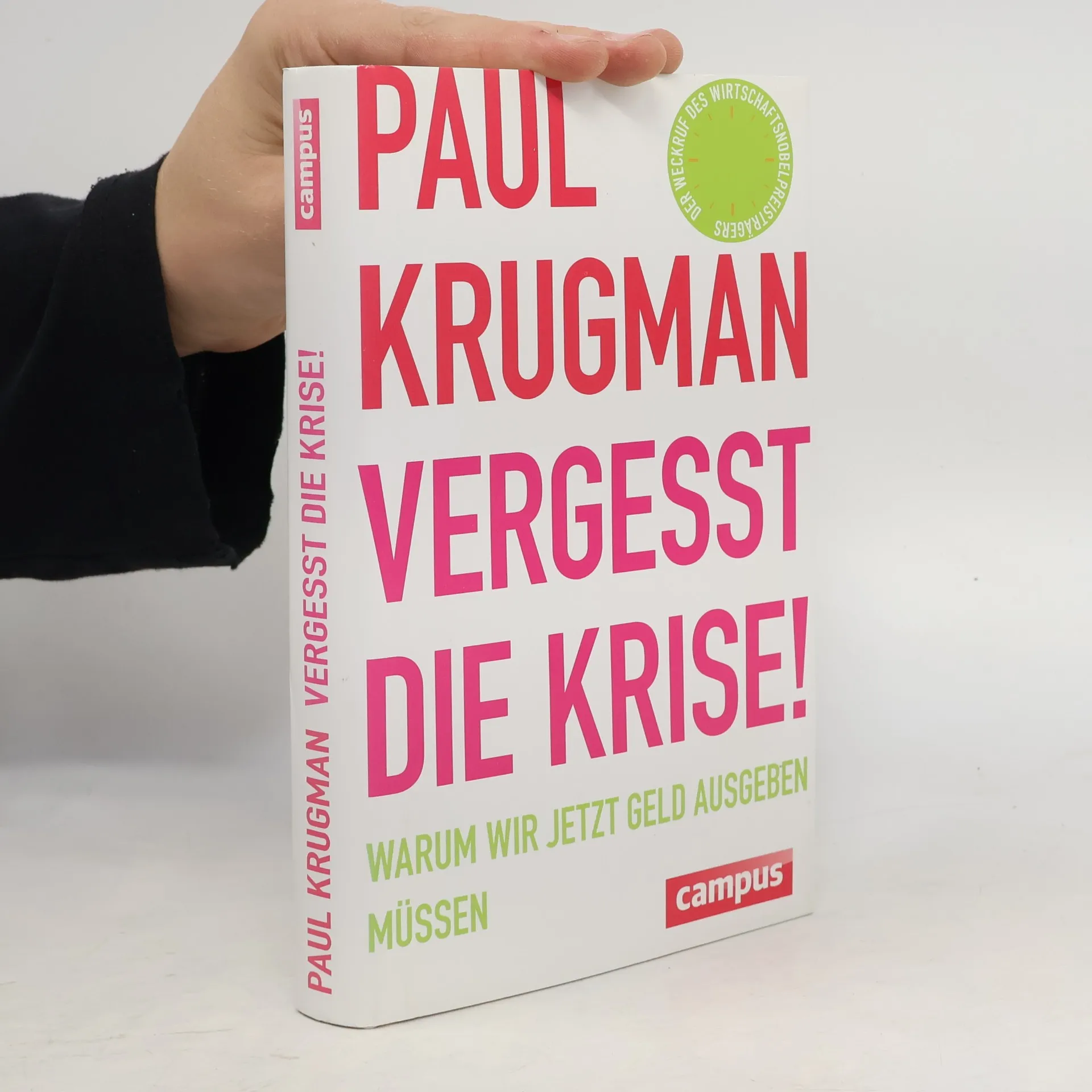
Vergesst die Krise!
- 272 pages
- 10 hours of reading
Deutschland hat die Krise nicht verstanden, sagt Nobelpreisträger Paul Krugman. Sein neues Buch ist eine leidenschaftliche Anklage gegen die europäische und insbesondere die deutsche Sparpolitik. Er erklärt, dass Staaten, die reich sind an Ressourcen, Talent und Wissen - den wesentlichen Zutaten für Wohlstand und einen anständigen allgemeinen Lebensstandard -, in der jetzigen Lage nur durch Investitionen, also weitere Schulden auf Zukunftskurs steuern können. Eine schnelle und deutliche Erholung ist in greifbarer Nähe - einzig es fehlt die politische Weichenstellung. Krugmans Weckruf lautet: Wir sparen uns zu Tode! »Merkels Gegner und wie sie die Welt sehen« Die Zeit
Sortez-nous de cette crise... maintenant !
- 284 pages
- 10 hours of reading
C'est un cri lancé à ceux qui nous gouvernent. "Sortez-nous de cette crise !" tonne Paul Krugman, l'éditorialiste du New York Times et Prix Nobel d'économie 2008. Il est clair, selon lui, que les gouvernements occidentaux n'apportent toujours pas les réponses efficaces à la dépression historique déclenchée à l'automne 2008. "L'orgueil et les préjugés rendent les dirigeants incapables de voir ce qui devrait pourtant être limpide..." Il faut abandonner la politique d'austérité, "dépenser maintenant et payer plus tard", taxer les hauts revenus, lutter prioritairement contre le chômage et les inégalités, et soutenir les populations endettées. En un mot, renouer avec une stratégie keynésienne qui suppose davantage d'inflation. Dans son style accessible et humoristique, Krugman offre un essai important qui retrace l'histoire de la crise, expliquant la montée de la dérégulation financière et comment les élites politiques et les économistes néo-classiques ont étouffé toute approche hétérodoxe. Il formule des propositions concrètes pour sortir du marasme économique et social, comme lutter contre la trappe à liquidité, éviter le credit crunch, et rappeler qu'une politique de sortie de crise doit viser à réduire la valeur de la dette plutôt qu'à la rembourser. Une analyse pragmatique et résolument engagée.