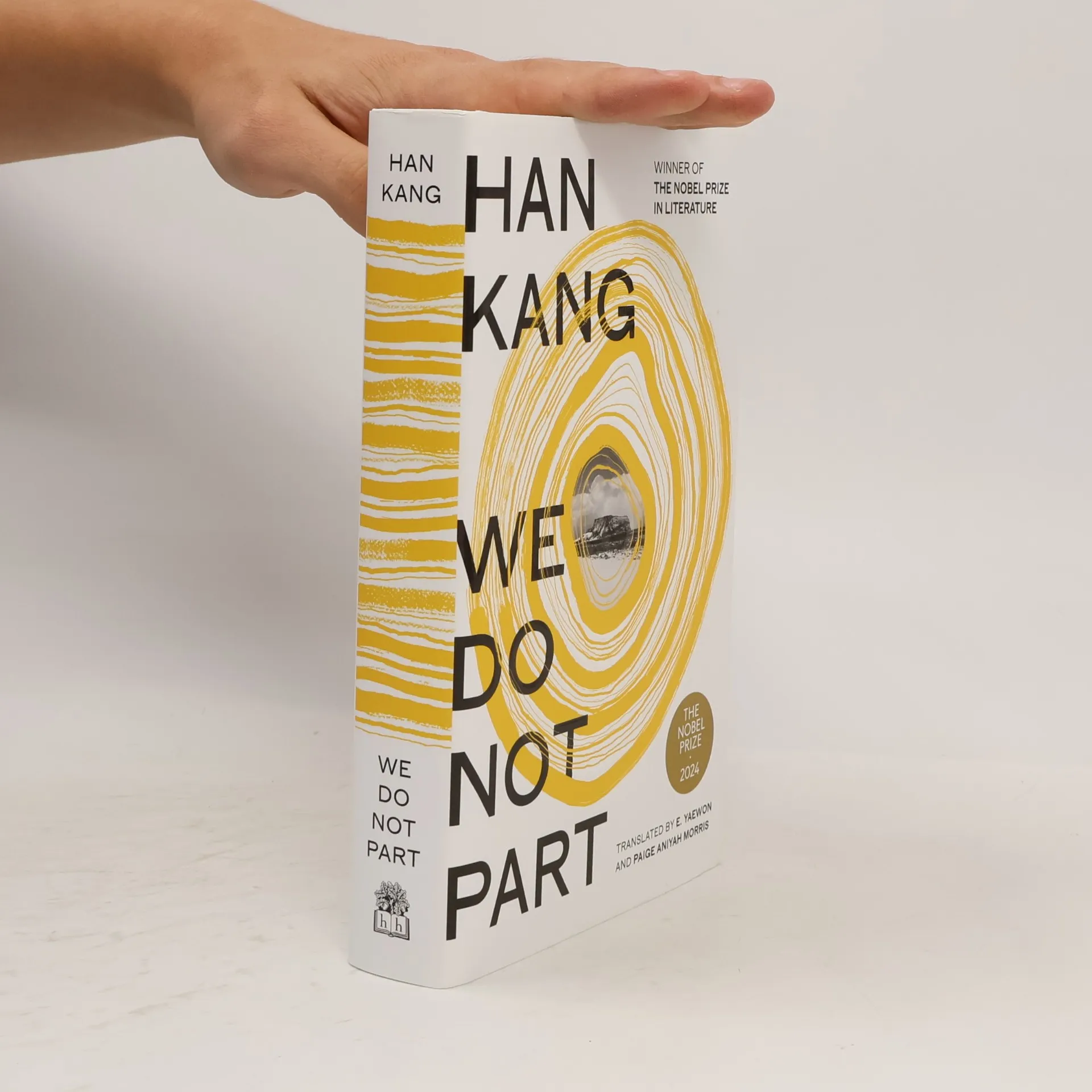
We Do Not Part
The Instant Sunday Times Bestseller and Winner of the 2024 Nobel Prize in Literature
- 384 pages
- 14 hours of reading


Han Kang is celebrated for her penetrating gaze into the human psyche and our place in the world. Her works explore intense emotions and complex relationships with a unique stylistic elegance. Han Kang masterfully captures the fragility of human existence and the search for beauty amidst harsh realities. Her writing is an invitation to contemplate the essence of humanity and the power of art.

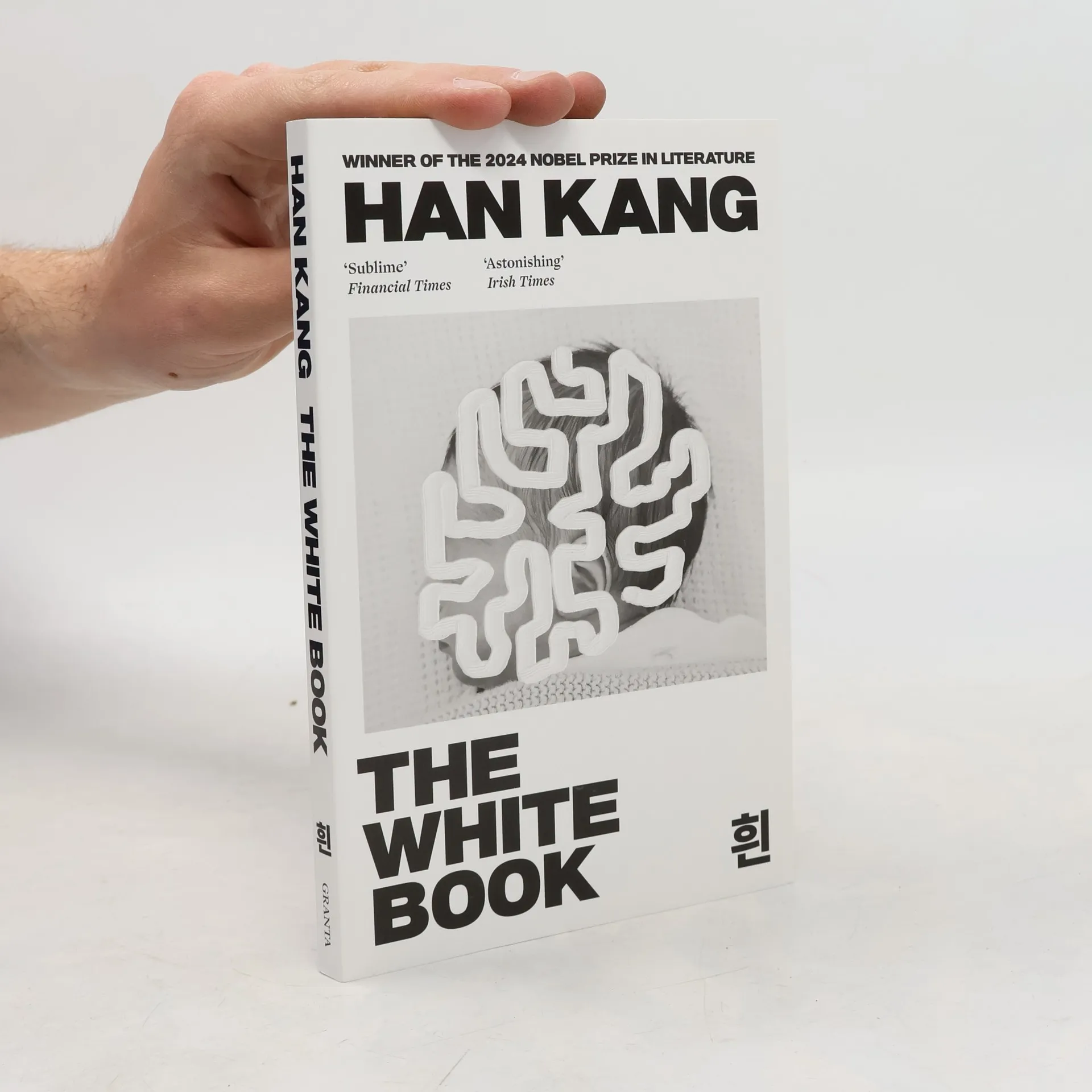
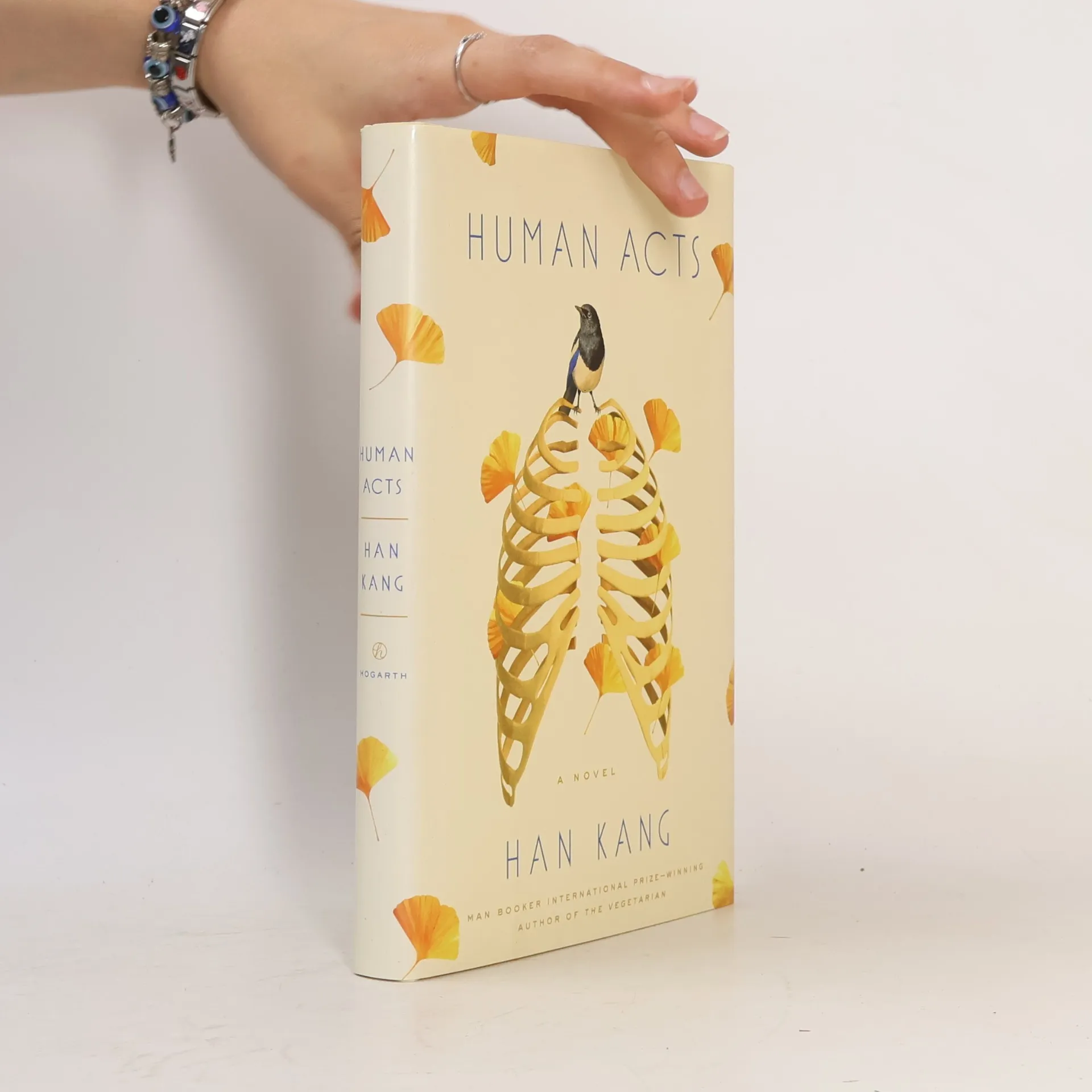
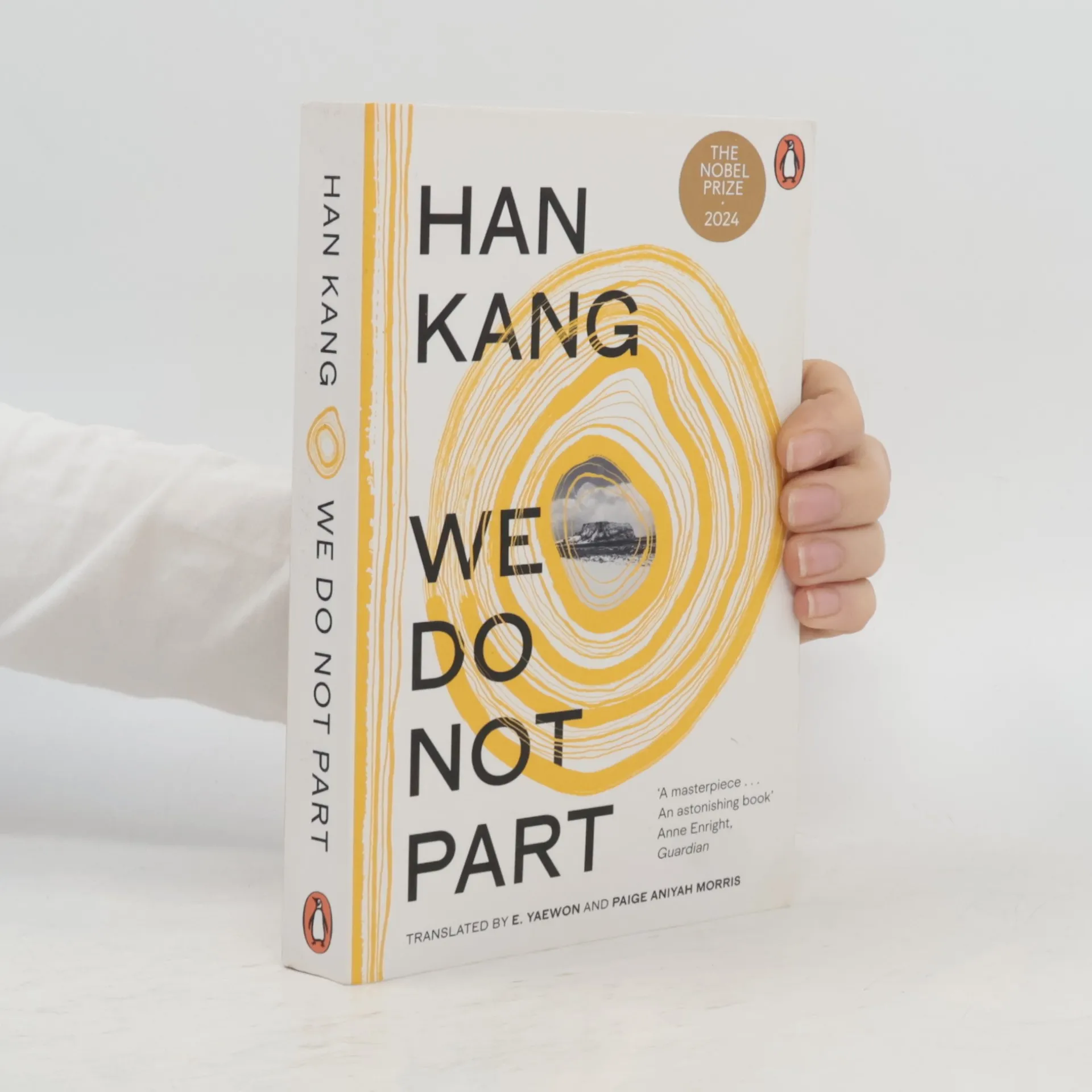
The Instant Sunday Times Bestseller and Winner of the 2024 Nobel Prize in Literature
Follows the aftermath of a young boy's shocking death during a violent student uprising as told from the perspectives of the event's victims and their loved ones.
Sixty-five short interconnected chapters portray humanity and all its suffering and resiliency.
The journey of Kyungha unfolds as she rushes to help her hospitalized friend Inseon, whose pet bird is left in peril. Battling a snowstorm on Jeju Island, Kyungha confronts not only the physical challenges of her trek but also the haunting history of a tragic massacre that affected Inseon's family. This novel intricately weaves themes of friendship, memory, and the importance of acknowledging the past, transforming a personal story into a broader reflection on trauma and resilience.
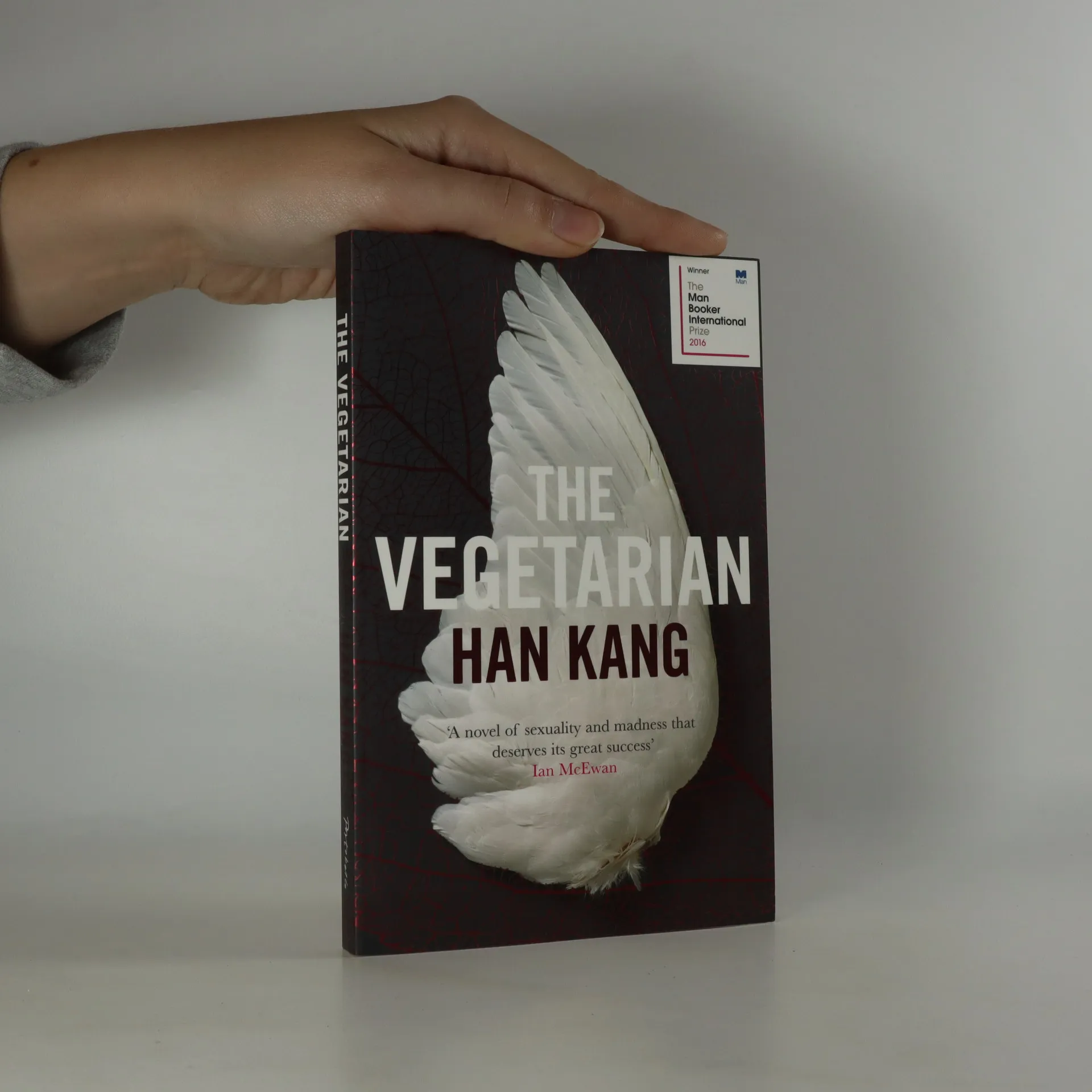
Yeong-hye and her husband are ordinary people. He is an office worker with moderate ambitions and mild manners; she is an uninspired but dutiful wife. The acceptable flatline of their marriage is interrupted when Yeong-hye, seeking a more 'plant-like' existence, decides to become a vegetarian, prompted by grotesque recurring nightmares. In South Korea, where vegetarianism is almost unheard-of and societal mores are strictly obeyed, Yeong-hye's decision is a shocking act of subversion. Her passive rebellion manifests in ever more bizarre and frightening forms, leading her bland husband to self-justified acts of sexual sadism. His cruelties drive her towards attempted suicide and hospitalisation. She unknowingly captivates her sister's husband, a video artist. She becomes the focus of his increasingly erotic and unhinged artworks, while spiralling further and further into her fantasies of abandoning her fleshly prison and becoming - impossibly, ecstatically - a tree.Fraught, disturbing and beautiful, The Vegetarian is a novel about modern day South Korea, but also a novel about shame, desire and our faltering attempts to understand others, from one imprisoned body to another.
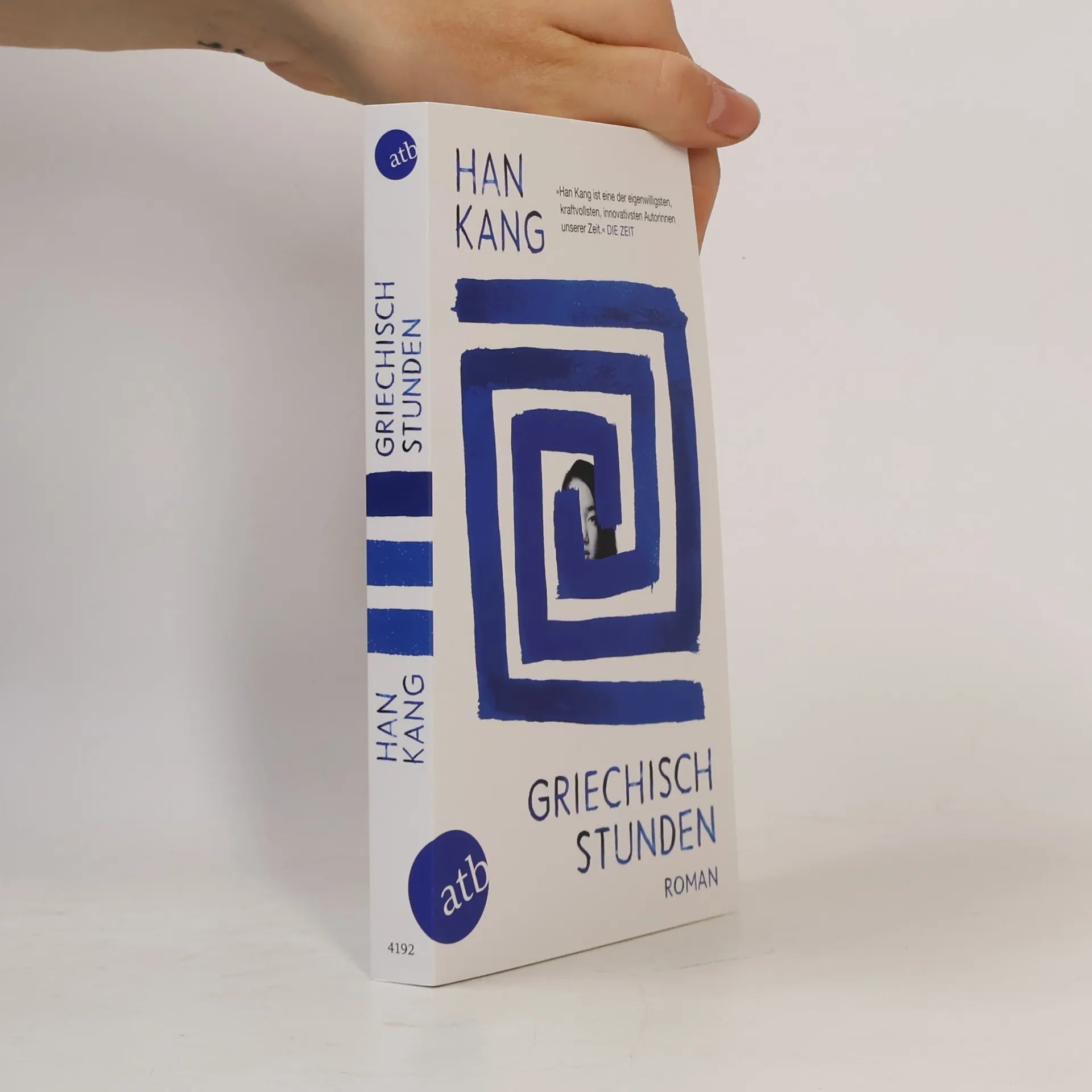
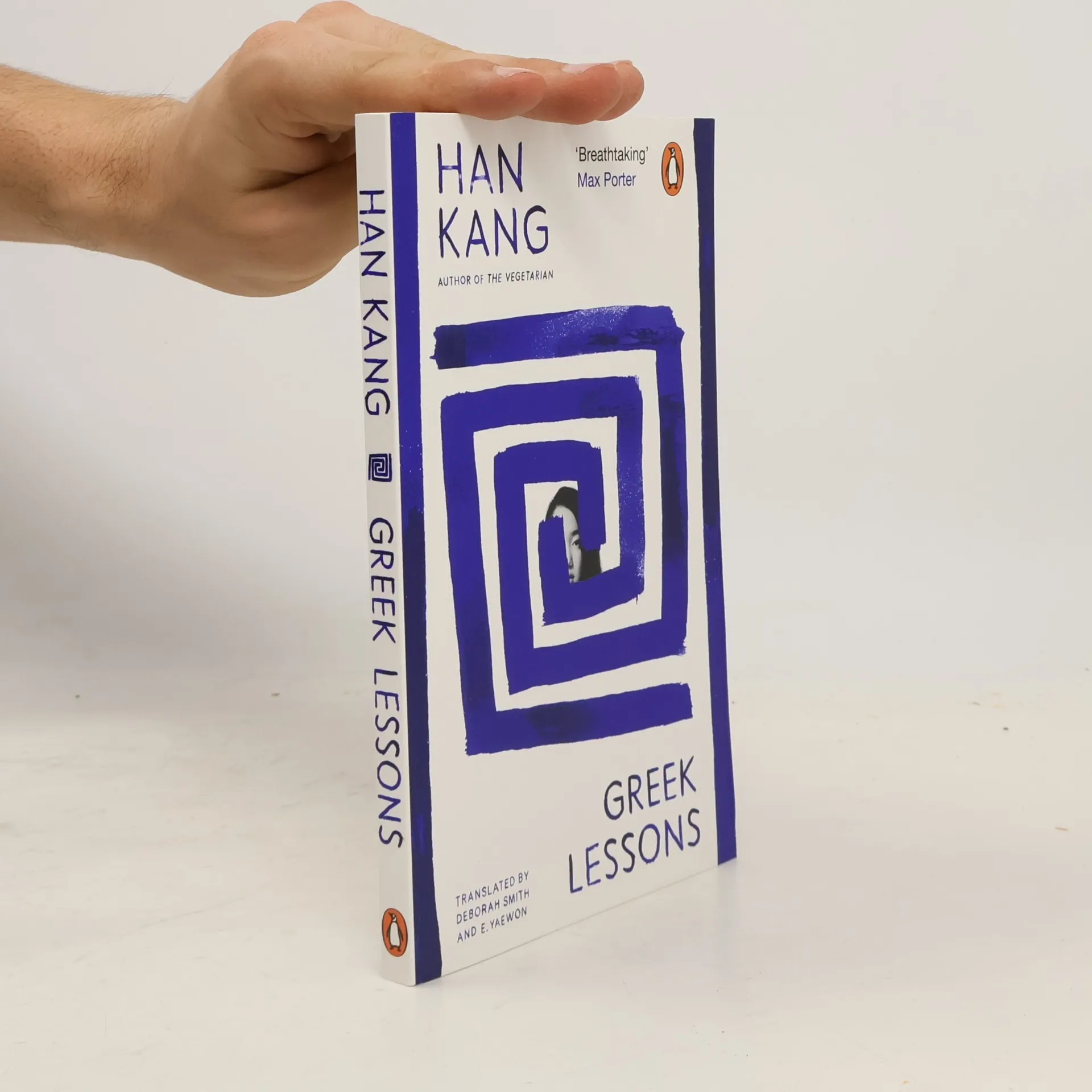
In a classroom in Seoul, a young woman watches her Greek language teacher at the blackboard. She tries to speak but has lost her voice. Her teacher finds himself drawn to the silent woman, for day by day he is losing his sight. Soon they discover a deeper pain binds them together. For her, in the space of just a few months, she has lost both her mother and the custody battle for her nine-year-old son. For him, it's the pain of growing up between Korea and Germany, being torn between two cultures and languages. Greek Lessons tells the story of two ordinary people brought together at a moment of private anguish - the fading light of a man losing his vision meeting the silence of a woman who has lost her language. Yet these are the very things that draw them to one another. Slowly the two discover a profound sense of unity - their voices intersecting with startling beauty, as they move from darkness to light, from silence to expression. Greek Lessons is a tender love letter to human intimacy and connection, a novel to awaken the senses, vividly conjuring the essence of what it means to be alive. Translated by Deborah Smith and Emily Yae Won.
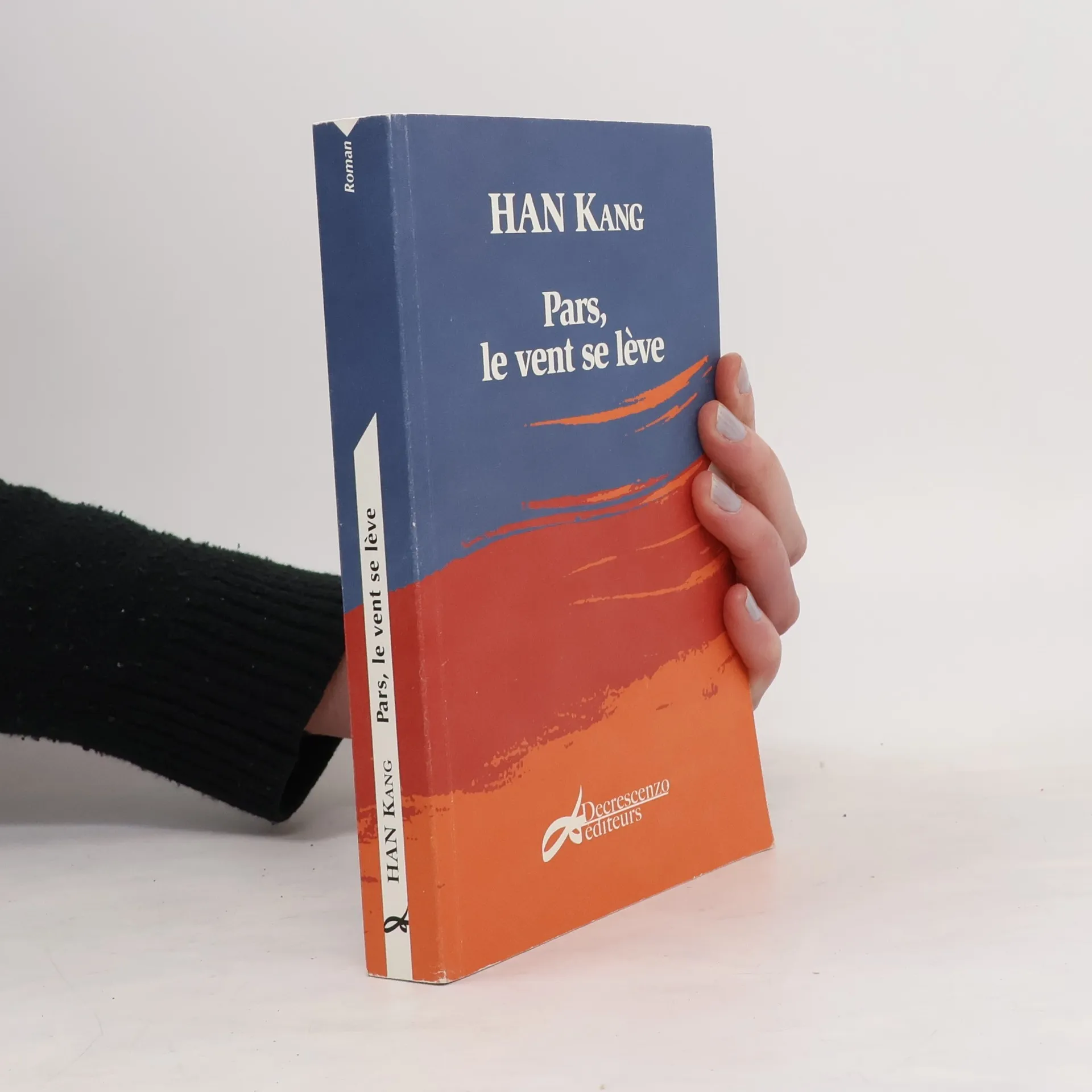
Quelle est la frontière entre la vérité et le mensonge, le présent et les souvenirs qui s’entrechoquent ? Lorsque sa meilleure amie, une jeune femme peintre, meurt dans un accident de voiture, Jeong-hee, la narratrice, est confrontée à un critique d’art qui prétend que la jeune femme, en réalité, s’est suicidée. Jeong-hee ne croit pas à ce suicide et découvre au cours d’une enquête parfois dangereuse et digne d’un détective, la fragilité de son amie et la souffrance dans laquelle elle a vécu. Cette recherche nous emmène à travers Séoul, dans l’hiver coréen, dans l’intimité du milieu artistique et le lecteur pénètre, par petites touches, dans une société à la fois proche et lointaine.
Nobelpreis für Literatur 2024 Der neue große Roman von Han Kang »Unmöglicher Abschied« erzählt die Geschichte einer Freundschaft zwischen zwei Frauen und beleuchtet zugleich ein jahrzehntelang verschwiegenes Kapitel koreanischer Geschichte Eines Morgens ruft Inseon ihre Freundin Gyeongha zu sich ins Krankenhaus von Seoul. Sie hatte einen Unfall und bittet Gyeongha, ihr Zuhause auf der Insel Jeju aufzusuchen, weil ihr kleiner weißer Vogel sterben wird, wenn ihn niemand füttert. Als Gyeongha auf der Insel ankommt, bricht ein Schneesturm herein. Der Weg zu Inseons Haus wird zu einem Überlebenskampf gegen die Kälte, die mit jedem Schritt mehr in sie eindringt. Noch ahnt sie nicht, was sie dort erwartet: die verschüttete Geschichte von Inseons Familie, die eng verbunden ist mit einem lang verdrängten Kapitel koreanischer Geschichte. Han Kangs neuer Roman ist eine Hymne an die Freundschaft und das Erinnern, die Geschichte einer tiefen Liebe im Angesicht unsäglicher Gewalt – und eine Feier des Lebens, wie zerbrechlich es auch sein mag.
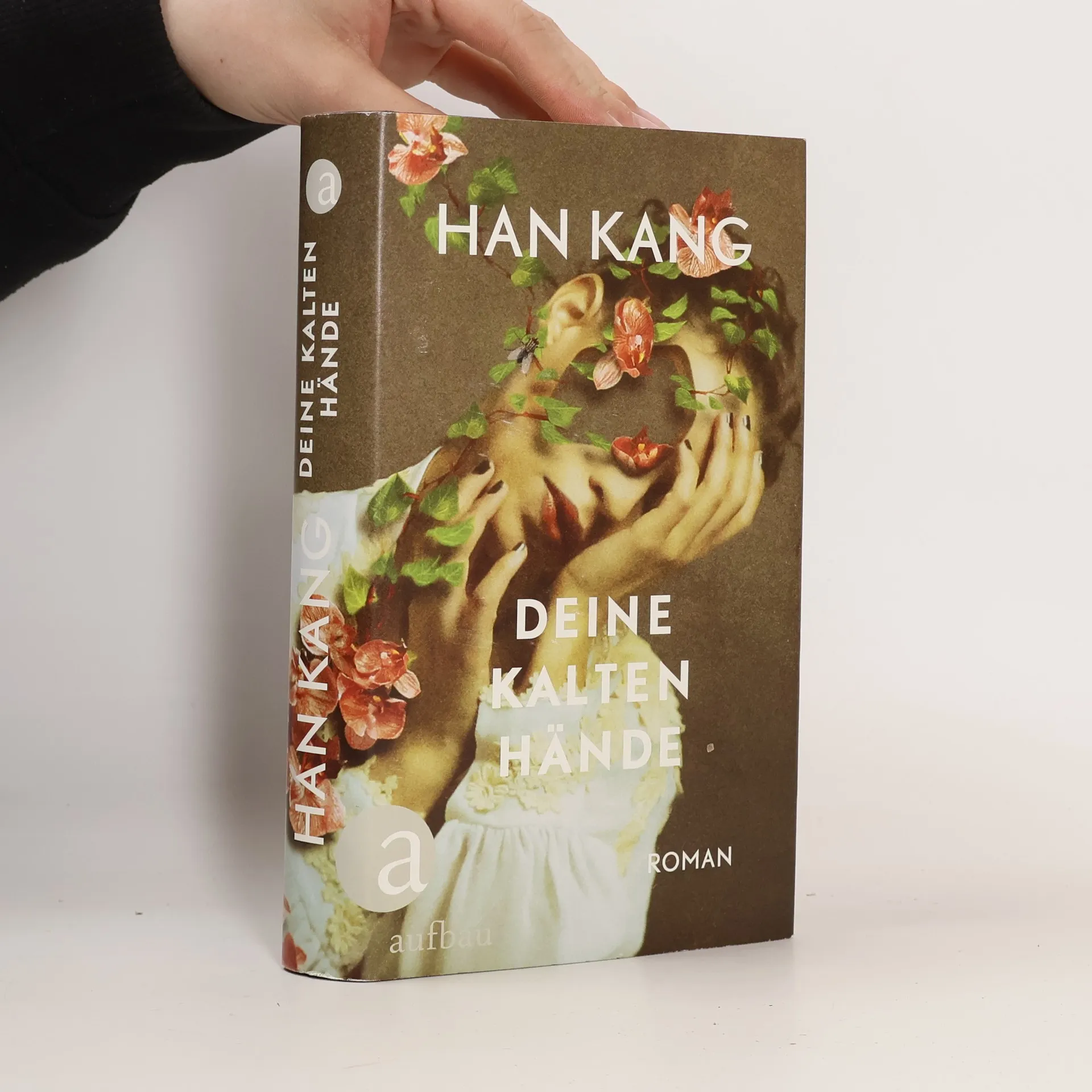
Ein großer Roman über die Einsamkeit der menschlichen Existenz. Eines Tages verschwindet der Bildhauer Jang Unhyong beinahe spurlos. Er hinterlässt seine faszinierenden Gipsabdrücke von Händen und Körpern – und ein bewegendes Tagebuch, das seine lebenslange Suche nach Nähe und Wahrhaftigkeit in einer Welt voller Masken schildert. »Han Kang erzählt zugleich mit großer Brutalität und großer Poesie – eine Mischung, die nur wenigen Schriftstellern gelingt.« Stern. »Man kann sich dieser Stimme nicht entziehen.« Independent. Von der Autorin des internationalen Bestsellers »Die Vegetarierin«.
Nobelpreis für Literatur 2024 »Griechischstunden« erzählt von zwei gewöhnlichen Menschen, die in einem Moment privater Angst aufeinandertreffen. Han Kang beschreibt die rettende Kraft der Sprache. In einem Klassenzimmer in Seoul beobachtet eine junge Frau ihren Griechischlehrer, zu dem sie sich hingezogen fühlt, obwohl sie ihre Stimme verloren hat. Der Lehrer, der zunehmend sein Augenlicht verliert, entdeckt, dass ein tiefer Schmerz sie verbindet. Sie hat innerhalb kurzer Zeit sowohl ihre Mutter als auch den Kampf um das Sorgerecht für ihren neunjährigen Sohn verloren, während er zwischen den Kulturen und Sprachen Koreas und Deutschlands hin- und hergerissen ist. Langsam entwickeln sie ein tiefes Gefühl der Einheit, und ihre Stimmen verschmelzen in verblüffender Schönheit. »Die vielleicht leiseste Liebesgeschichte der Welt.« – Die Zeit. »Han Kangs Stimme kann man sich nicht entziehen.« – The Independent. »Ein Fest des unaussprechlichen Vertrauens, das im Austausch von Sprache zu finden ist...« – New York Times. »Han Kang erzählt mit großer Brutalität und Poesie – eine Mischung, die nur wenigen Schriftstellern gelingt.« – stern. »So intensiv, dass man manchmal die Augen schließen möchte.« – HR2 Kultur. Han Kang gilt als eine der eigenwilligsten und kraftvollsten Autorinnen unserer Zeit.
Intensive Leseerlebnisse, kompakte Handlungen, verstaubar auch im kleinen Gepäck – kurze Bücher haben ihre ganz eigenen Stärken. Die ZEIT-Edition »kurz & gut« versammelt neun außergewöhnliche, kurze Romane der modernen Weltliteratur. Sie erzählen ihre Geschichte auf maximal 190 Seiten und faszinieren durch ihre Prägnanz. Ein Genuss für Liebhaber erstklassiger Literatur und alle leicht Reisenden, Eiligen und begeisterten Kurzleser. Dass die Kürze nicht auf Kosten der Qualität geht, beweisen zum Beispiel gleich drei Nobelpreisträger: Gabriel García Márquez, Annie Ernaux und Han Kang erzählen mit »Chronik eines angekündigten Todes«, »Die Vegetarierin« und »Der Platz« großartige Geschichten im schmalen Format. Auch die erfolgreichen Gegenwartsautoren Robert Seethaler und Elizabeth Strout benötigen mit ihren Romanen »Ein ganzes Leben« und »Die Unvollkommenheit der Liebe« nur wenige Seiten mehr, um die Schicksale einzelner Menschen für uns zum Leben zu erwecken. Jeder der 9 Bände enthält ein exklusives Nachwort von ZEIT-Autorinnen und Autoren. Sie erklären Hintergründe, schildern das Besondere und stellen Zusammenhänge dar.
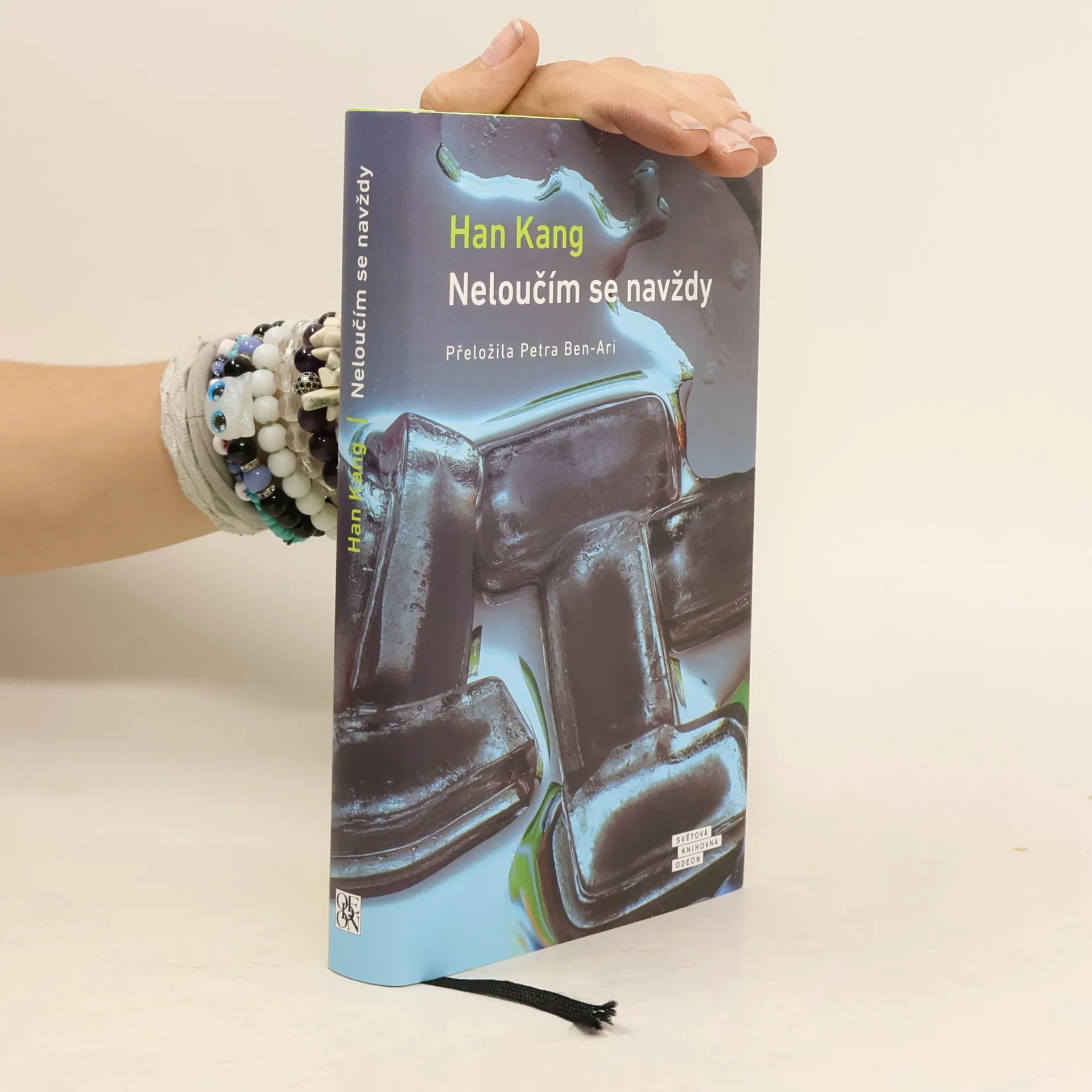
Románová novinka nositelky Nobelovy ceny za literaturu Han Kang se podobně jako její próza Kde kvete tráva zabývá skutečnými historickými událostmi. Tentokrát se vrací až k počátkům Korejské republiky, k masakrům, které se odehrály za vlády prvního prezidenta I Sungmana – ke krvavému potlačení povstání na ostrově Čedžu. Mladémuspisovateli Kjonghaovi jednoho zimního dne zavolá kamarádka Inson, která se ocitla v nemocnici v Soulu. Poprosí ho, aby zajel do jejího rodného domu na ostrov Čedžu a postaral se tam o papouška. Když se Kjongha navzdory silné sněhové bouři dostane do horské vesnice, odhalí tam bolestnou historii Insoniny rodiny poznamenané Čedžuským povstáním. Děj se vrací zpět v čase prostřednictvím vzpomínek, záznamů a dalších materiálů, které po celý život shromažďovala Insonina matka v marném pátrání po svém zmizelém bratrovi.
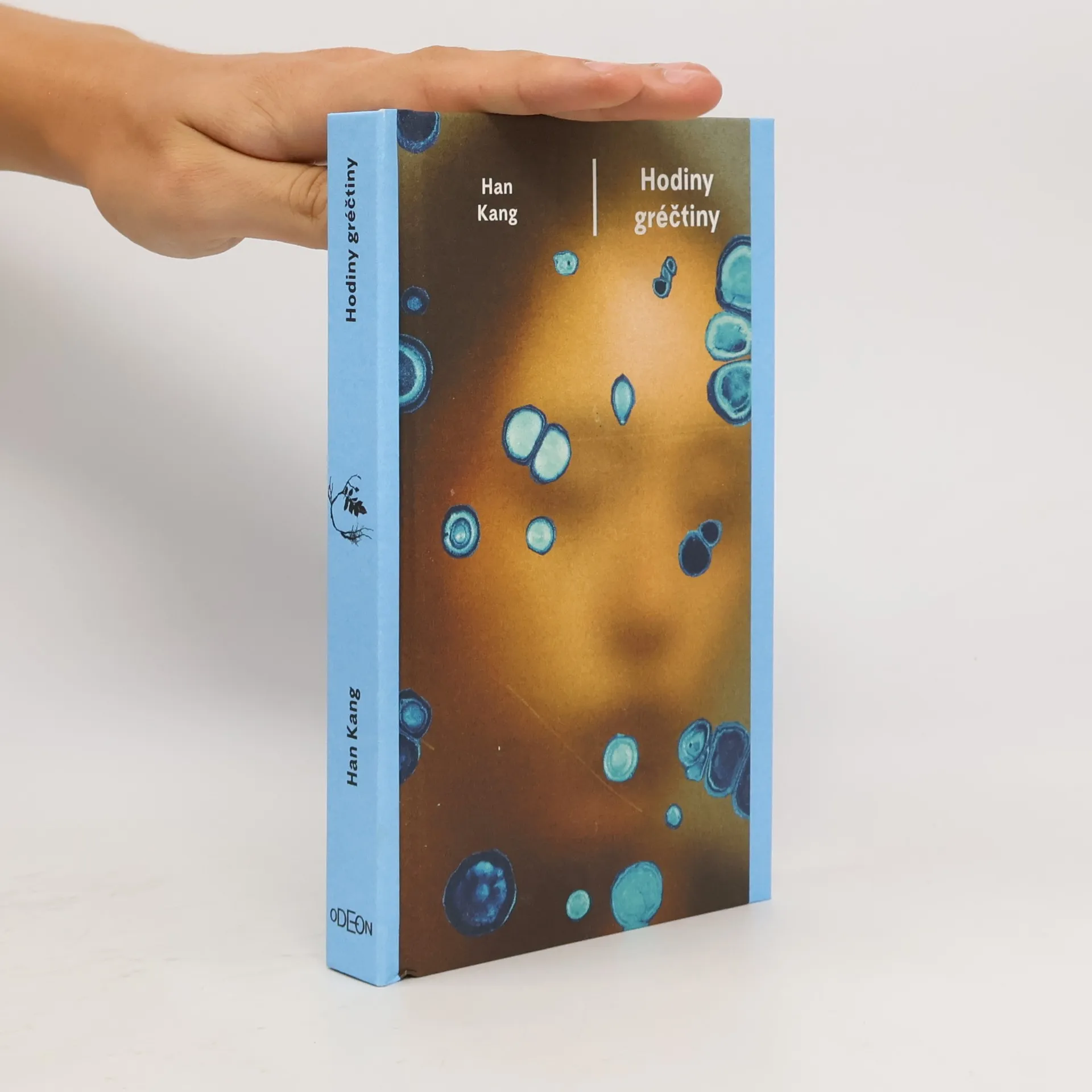
Mladá žena pozoruje lektora gréčtiny pri tabuli. Rada by prehovorila, ale je nemá. Prednášajúci cíti, že ho mĺkva žena priťahuje, kým pomaly, deň za dňom, prichádza o zrak. Čoskoro sa ukáže, že ich spája aj hlbšia bolesť. Ona v priebehu pár mesiacov prišla o matku aj o právo na starostlivosť o dieťa. On vyrastal striedavo v Kórei a Nemecku, cíti sa rozpoltený medzi dvomi jazykmi a kultúrami a bojí sa straty vlastnej nezávislosti. Hodiny gréčtiny sú príbehom dvoch obyčajných ľudí, ktorí sa stretli v ťažkej životnej etape - muža prichádzajúceho o zrak a ženy, ktorá nemôže hovoriť. Napriek tomu sa navzájom priťahujú. Obaja postupne objavujú hlbokú spolupatričnosť - ich hlasy sa prelínajú s prekvapivou krásou, keď prechádzajú z tmy do svetla, z ticha do dychu. Hodiny gréčtiny sú aj nežným ľúbostným listom ľudskej intimite a spojeniu - románom, ktorý prebúdza zmysly, románom, ktorý farbisto vykresľuje podstatu toho, čo znamená byť nažive.