

Joseph Peter Stern Books
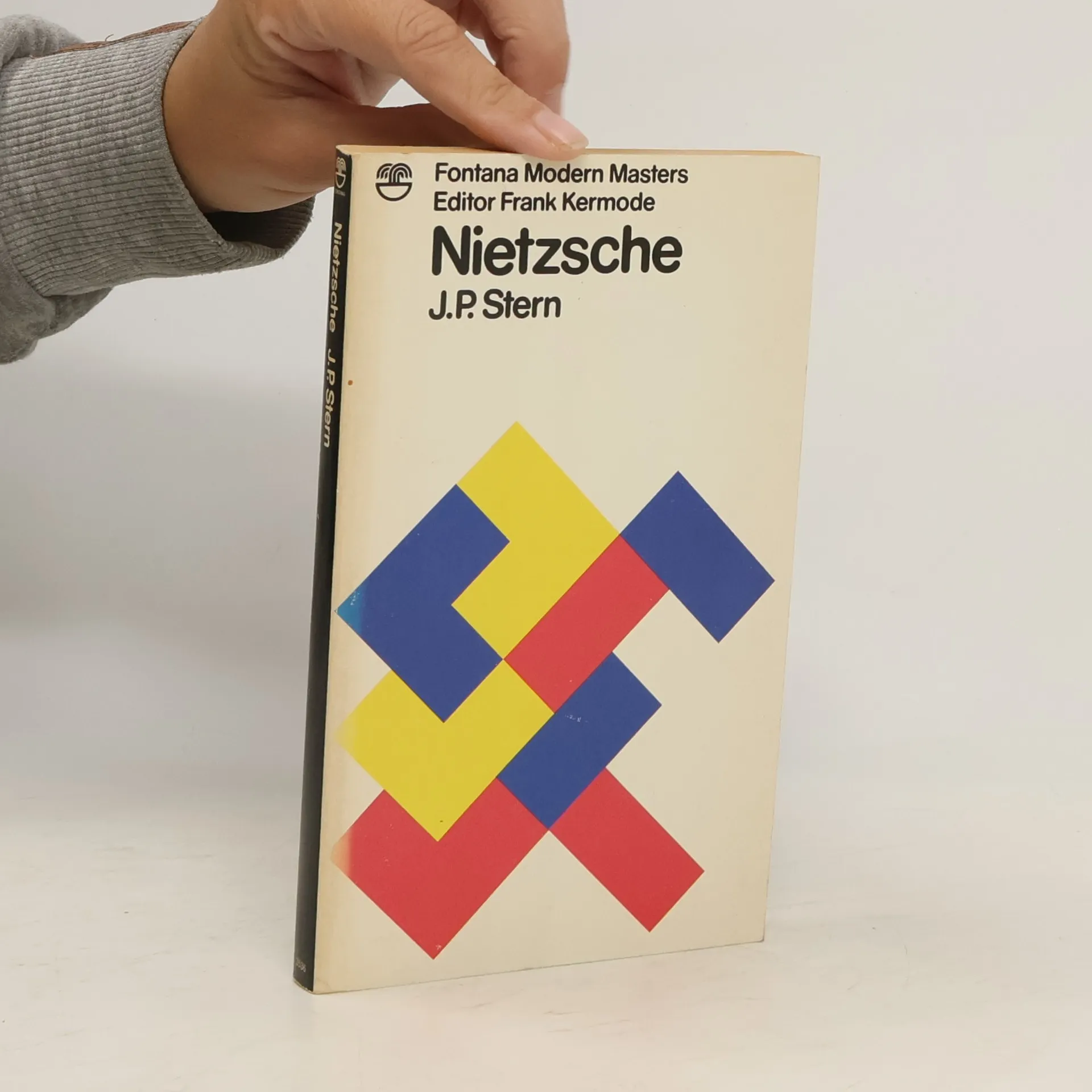
Nietzsche
- 158 pages
- 6 hours of reading
Together with Marx and Freud, Friedrich Nietzsche (1844-1900) is one of the main sources of twentieth-century thought. His formulations that God is dead, that the world is the product of the will to power, and that true value lies in a morality of strenuousness, have become part of the European experience in our age. While most of Nietzsche's work takes the form of short 'reflections', he also tried to create a major mythology and attempted, finally, a comprehensive philosophical system. In his often contradictory writings— which are concentrated into the brief time-span 1872-88 — he directs his thought again and again at the function and value of truth. Nietzsche was an anti-systemic thinker, yet he understood and systematically 'unmasked' the ethic of praise and blame, of punishment and reward and of the agony of conscience. The book is an exhilarating examination of Nietzsche's work: in a series of analyses of his 'philosophical experiments' J.P. Stern elucidates Nietzsche's existentialism by reference to the main event of his life, and to his astounding range of styles and vision of language.
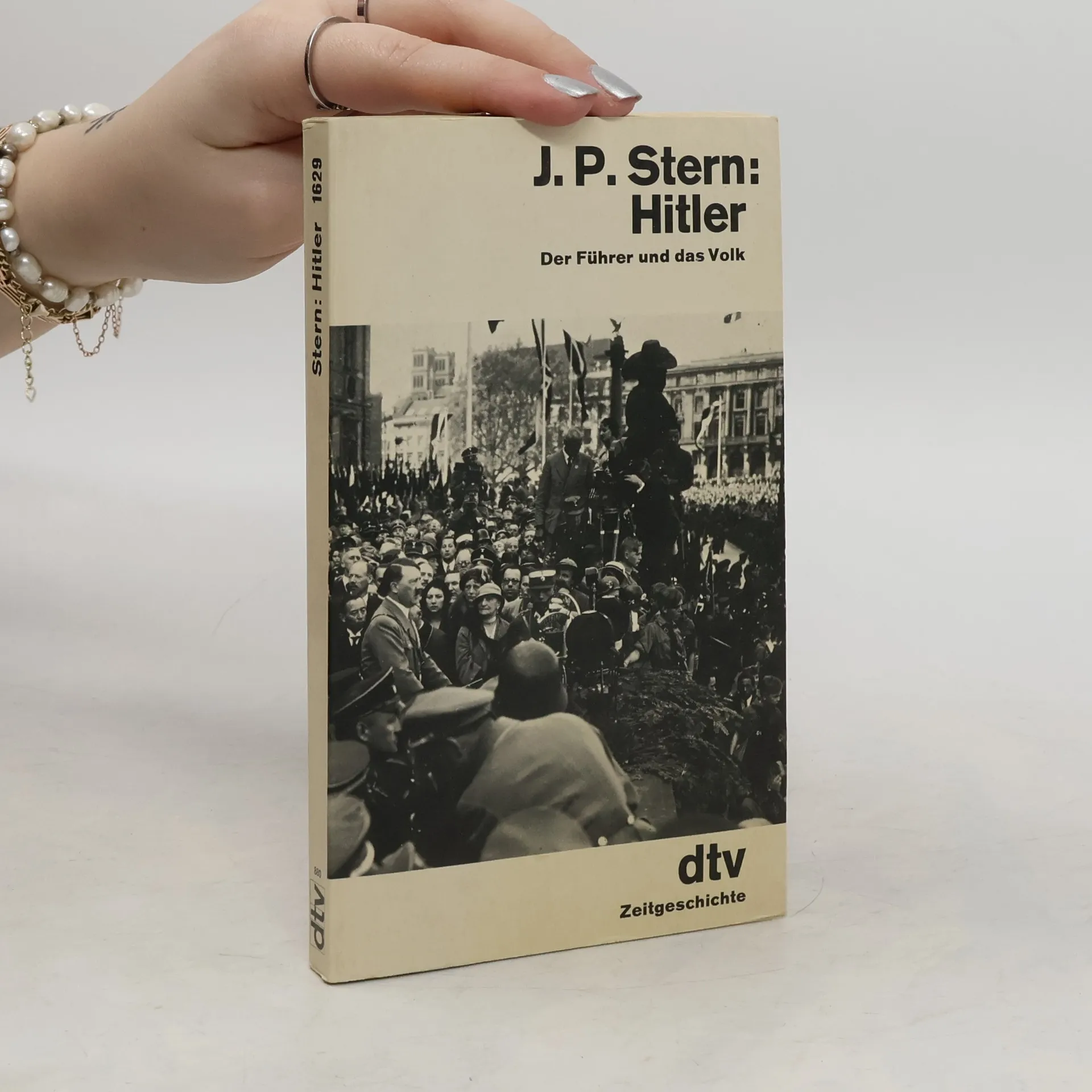
Hitler
- 233 pages
- 9 hours of reading
Professor Stern sucht die Wurzeln des Hitler-Mythos aufzudecken. Er führt die Untersuchung, die Kenneth Burke als dringend notwendig ansah, gründlich und brillant durch. Die Fragen, die Professor Stern stellt, sind grundlegend und haben auch in unserer eigenen Gesellschaft große Bedeutung. Wie konnte eine überwiegend nüchterne, fleißige und gut ausgebildete Nation dazu gebracht werden, Hitler und sein inhumanes und destruktives Programm zu folgen? Was war die Quelle seiner enormen Popularität? Warum waren seine öffentlichen Äußerungen so überzeugend? Welche gemeinsamen Annahmen lagen dem "Endlösung", dem Unternehmen Barbarossa und der "Nacht der langen Messer" zugrunde? Professor Stern hat eine wegweisende Studie über die Rhetorik des Nationalsozialismus durchgeführt, eine Rhetorik, die Worte und Taten verband. Er untersucht die Reden, Schriften und Gespräche Hitlers und stellt sie in den Kontext der traditionellen Überzeugungen der Gesellschaft, in die Hitler, der "ideale Außenseiter", eindrang. Mit erschreckender Logik tritt seine Karriere als die Schöpfung eines Mannes hervor, der die private Sphäre des Gefühls in die öffentliche Sphäre des politischen Handelns, den Willen zur Macht in eine Waffe der Massenhypnose übersetzte.
Ornament und Askese im Zeitgeist des Wien der Jahrhundertwende
- 311 pages
- 11 hours of reading
German
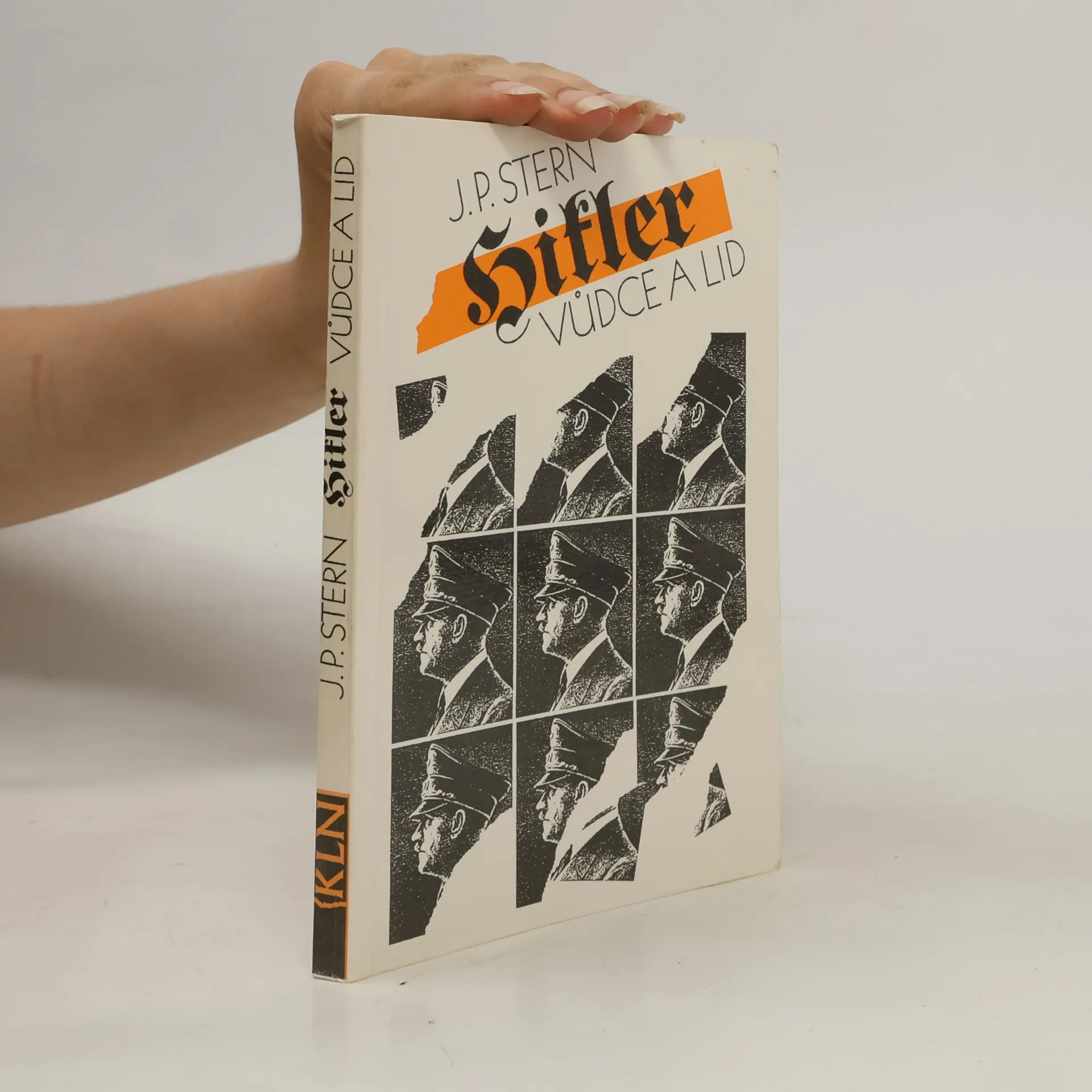
Hitler. Vůdce a lid
- 194 pages
- 7 hours of reading
Kniha pojednávají o době a příčinách Hitlerova nástupu k moci. Populismus, chyby stávajících politiků a zěry, které jsou výstrahou i pro současnost