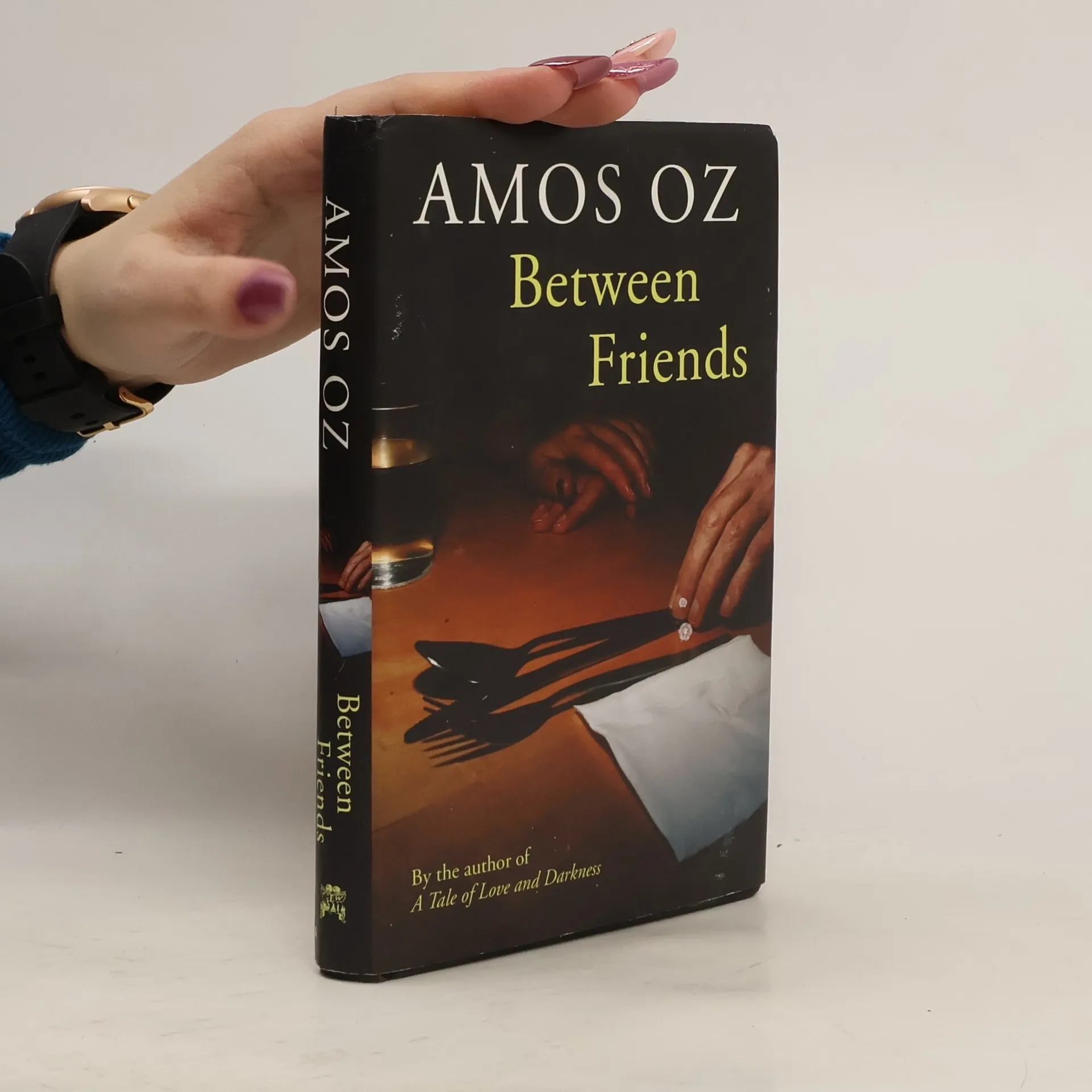
At the heart of each drama is a desire to be better, more principled and worthy of the community's respect. With his trademark compassion and sharp-eyed wit, Amos Oz leaves us with the feeling that what matters most between friends is the invisible tie of our shared humanity.
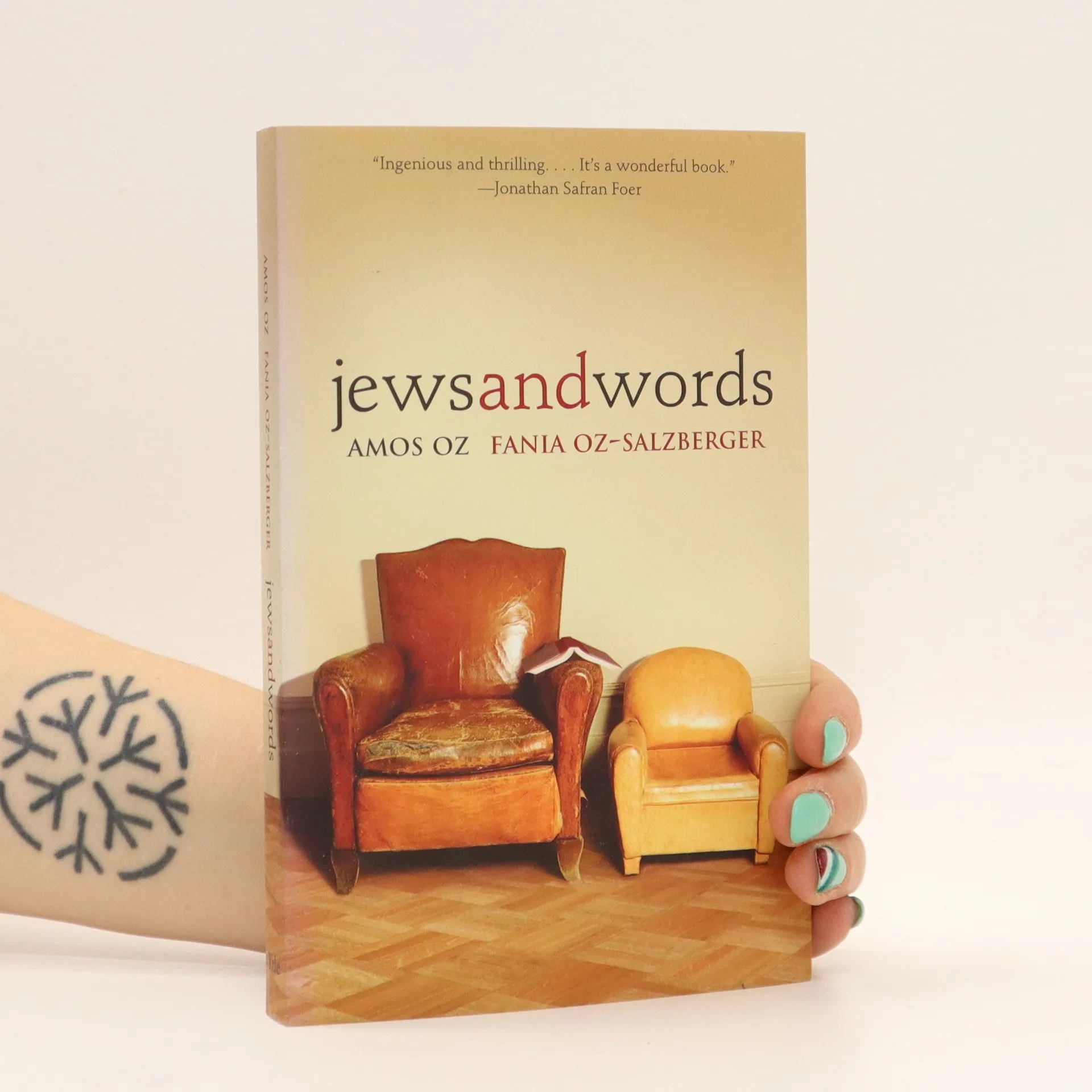
The authors roam the gamut of Jewish history to explain the integral relationship of Jews and words. Father and daughter tell the tales behind Judaism's most enduring names, adages, disputes, texts, and quips. These words, they argue, compose the chain connecting Abraham with the Jews of every subsequent generation. From the unnamed, possibly female author of the Song of Songs through obscure Talmudists to contemporary writers, they suggest that Jewish continuity, even Jewish uniqueness, depends not on central places, monuments, heroic personalities, or rituals but rather on written words and an ongoing debate between the generations.
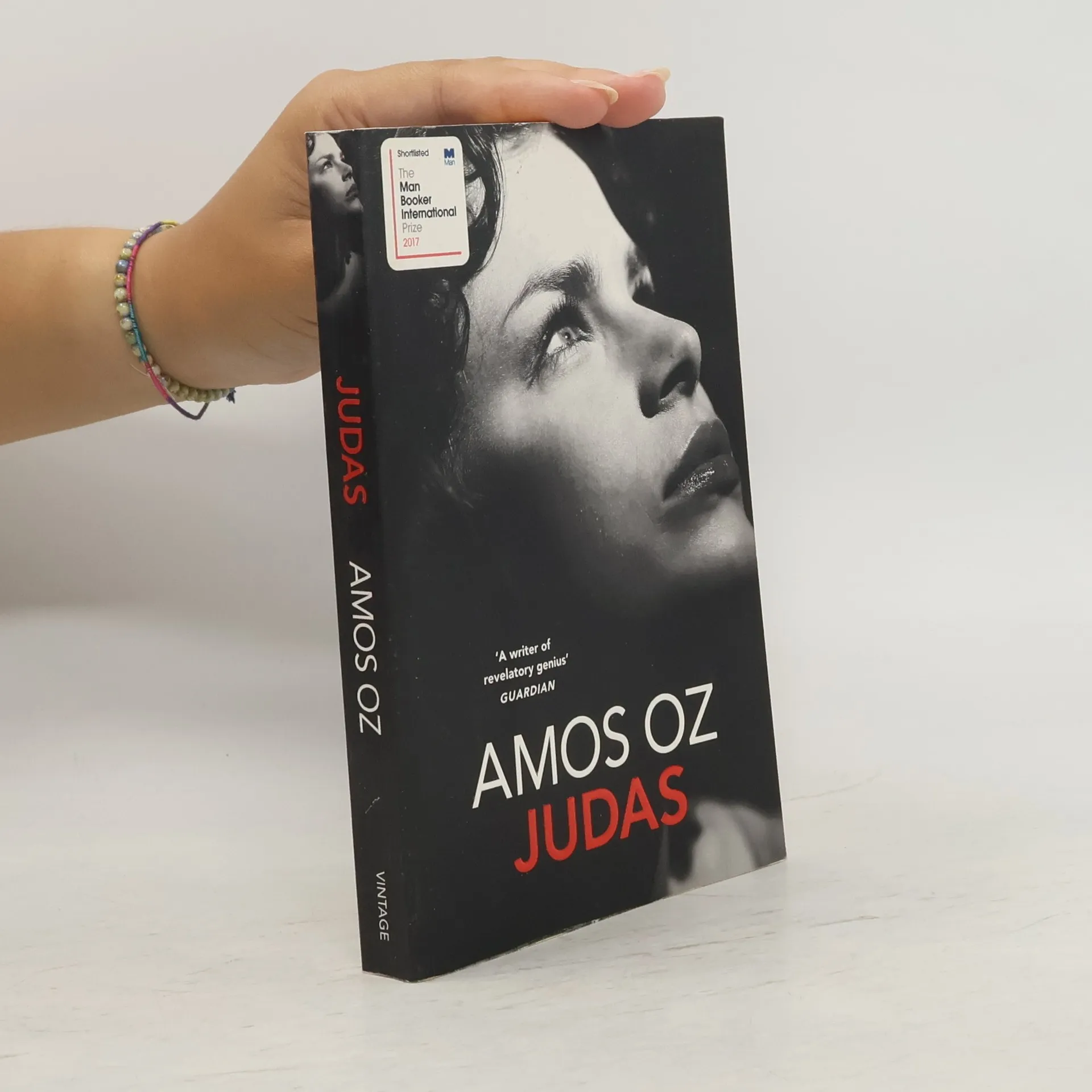
The Israeli master's exceptional final novel SHORTLISTED FOR THE MAN BOOKER INTERNATIONAL PRIZE 2017 Shmuel - a young, idealistic student - has abandoned his studies in Jerusalem, taking a live-in job as a companion to a cantankerous old man. But Shmuel quickly becomes obsessed with the taciturn Atalia, a woman of enchanting beauty, who also lives in the house. As the household's tangled, tragic past becomes apparent, so too does story behind the birth of the state of Israel. Journeying back into the deep past, Judas is a love story like no other by a master storyteller at the height of his powers. 'A hero of mine, a moral as well as literary giant' Simon Schama 'One of his boldest works of all' Boyd Tonkin, Financial Times 'Amos Oz...brought so much beauty, so much love, and a vision of peace to our lives. Please hold him in your hearts and read his books' Natalie Portman Judas is the first novel selected for the Amos Oz reading circle established by Natalie Portman.
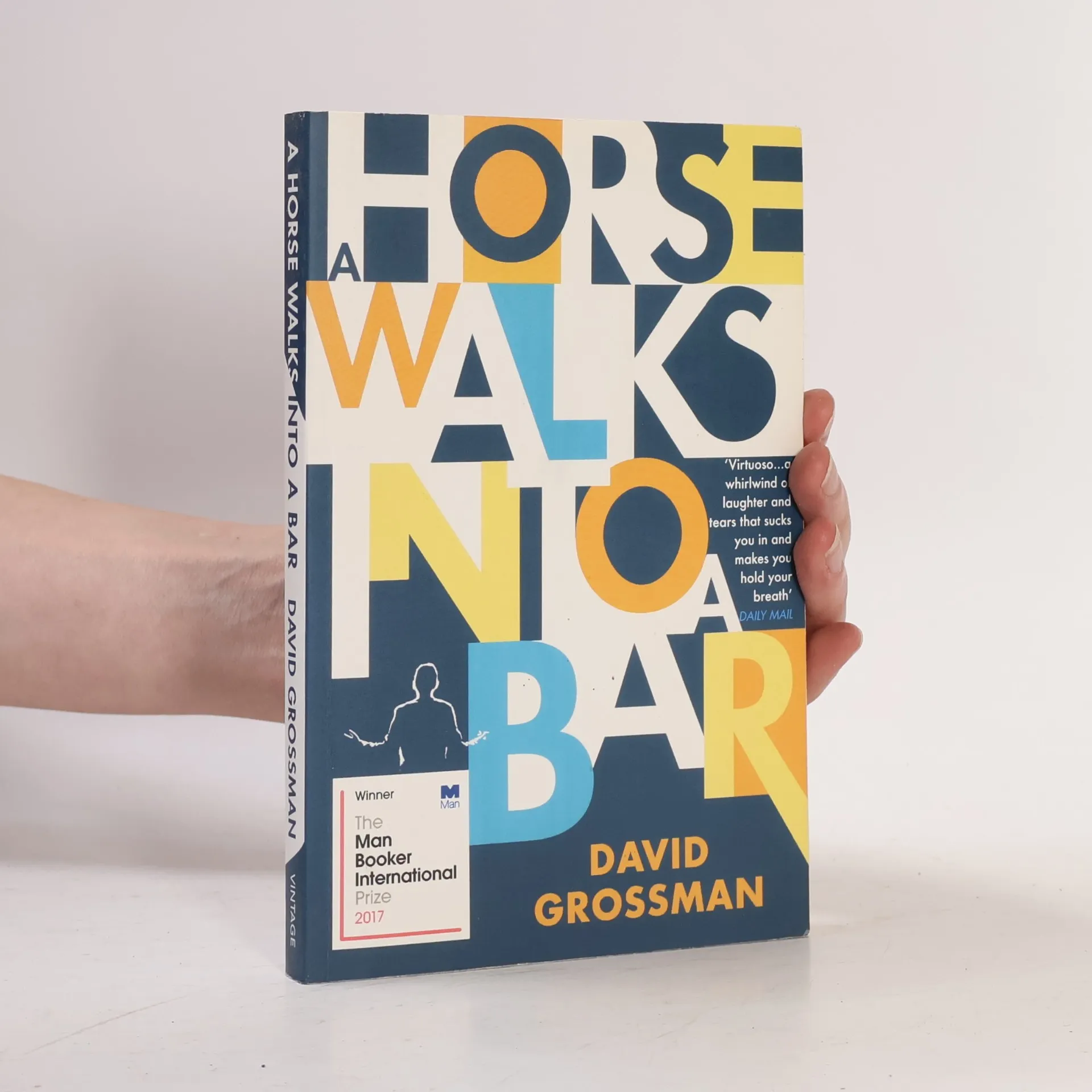
An audience that has come expecting an evening of amusement instead sees a comedian falling apart on stage; an act of disintegration, a man crumbling, as a matter of choice, before their eyes. They could get up and leave, or boo and whistle and drive him from the stage, if they were not so drawn to glimpse his personal hell
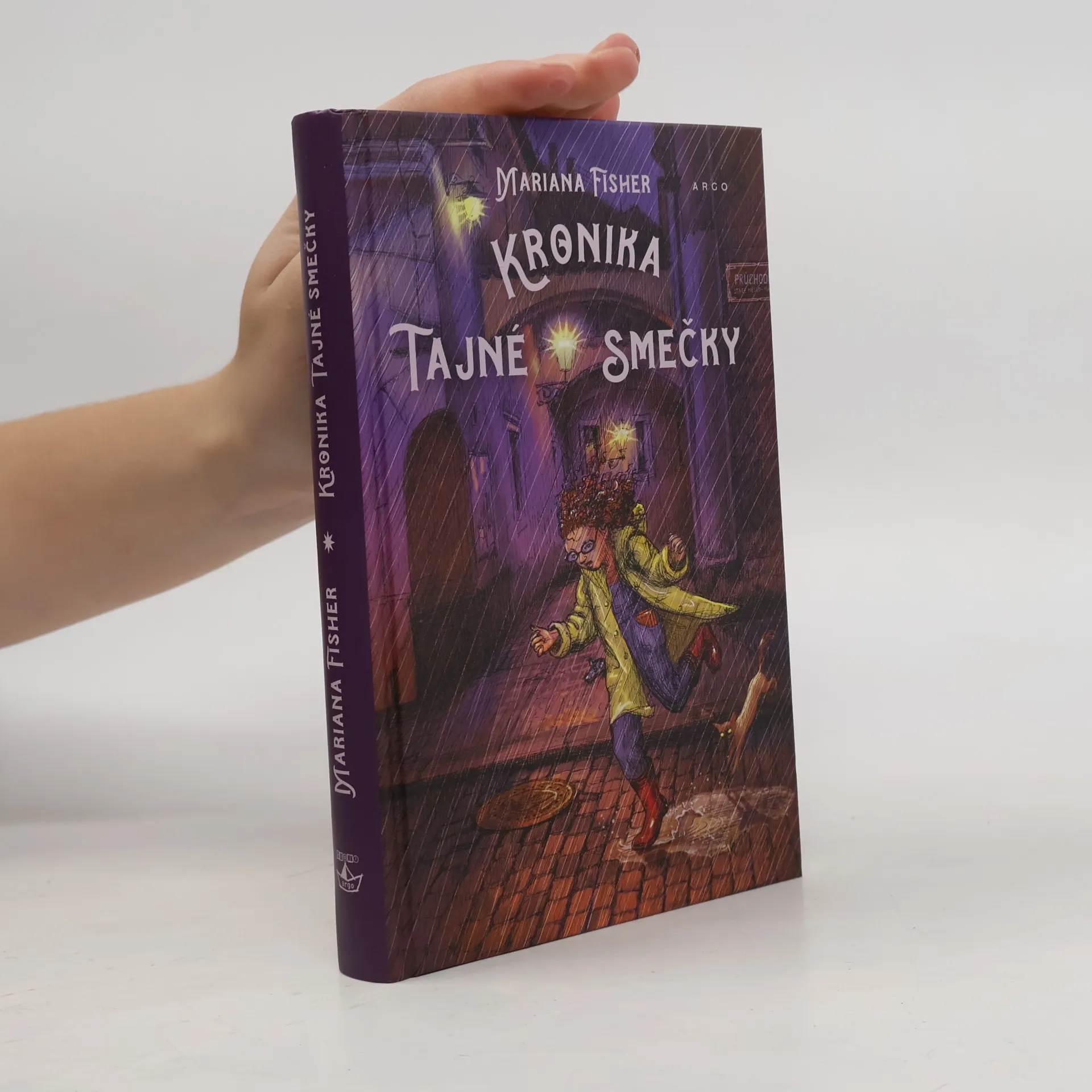
V uličce poblíž pražského Klementina je prastarý antikvariát, který skrývá velké a podivné tajemství. Jednoho dne tam totiž antikvářova dcera Adina objeví krysu, přesněji krysáka, jak se hrbí nad knihou a něco si mumlá. Hlodavec umí ale nejen číst a mluvit mnoha jazyky, umí také psát. Jmenuje se Aleph Rattus, krátce Alfréd, a zrovna sepisuje své paměti - sahají až do roku 1455, kdy v dílně slovutného knihtiskaře Gutenberga spadl do kotle s kouzelným inkoustem... Pomůže Adině přeložit sbírku básní, kterou napsala její maminka ve své rodné francouzštině nedlouho před smrtí? A kdo je Tajná smečka a proč se chce Alfrédovy kroniky zmocnit? A co se stane Adině, když si sama kouzelného inkoustu lízne? DOBRODRUŽNÝ PŘÍBĚH VYPRÁVÍ O DRAHOCENNÝCH KNIHÁCH, TAJNÝCH CHODBÁCH, RODIČOVSKÉ LÁSCE I VELKÉ POVODNI.